Segments - by Product Type (Cold Brew, Iced Coffee, Coffee Lattes, Black Coffee, Others), by Packaging (Bottles, Cans, Cartons, Others), by Distribution Channel (Supermarkets/Hypermarkets, Convenience Stores, Online Retail, Specialty Stores, Others), by Flavor (Regular, Flavored)
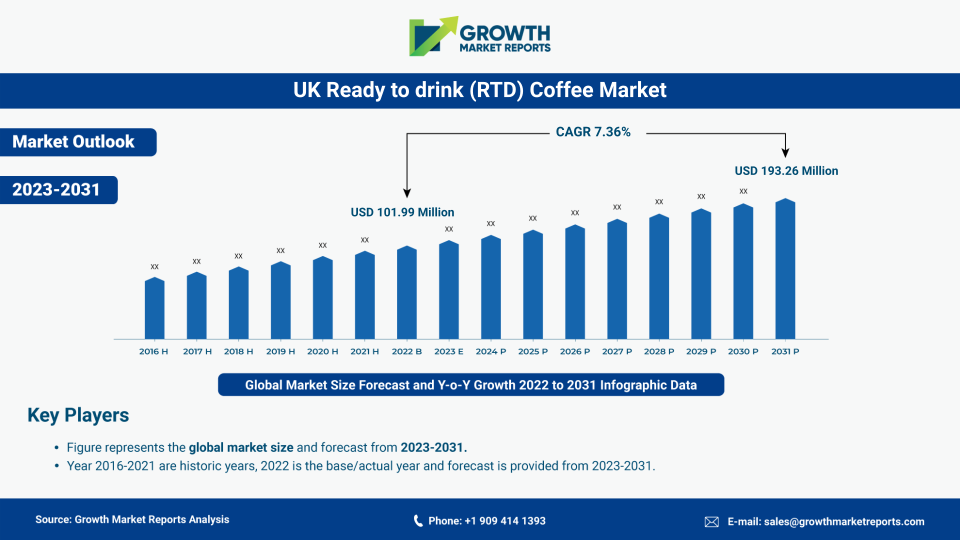
As per our latest research, the global Ready-to-drink (RTD) Coffee market size reached USD 28.7 billion in 2024, driven by shifting consumer preferences and the rising demand for convenient beverage options. The market is expected to exhibit a robust CAGR of 8.2% from 2025 to 2033, with the market size projected to reach USD 56.2 billion by 2033. The primary growth factor fueling this expansion is the increasing urbanization and the fast-paced lifestyles of consumers worldwide, which have significantly augmented the demand for on-the-go coffee solutions.
The growth of the RTD coffee market is underpinned by several key factors, notably the increasing health consciousness among consumers and the desire for premium, functional beverages. Modern consumers are progressively seeking beverages that not only provide convenience but also offer health benefits, such as low sugar, added protein, or functional ingredients like adaptogens. This trend has prompted manufacturers to innovate and diversify their product portfolios, introducing RTD coffee variants that cater to specific dietary preferences, including vegan, organic, and non-GMO options. Additionally, the proliferation of café culture, especially among younger demographics, has played a significant role in normalizing the consumption of premium coffee outside traditional coffee shops, thereby boosting RTD coffee sales.
Another significant driver for the expansion of the RTD coffee market is the evolution of retail infrastructure and the increasing penetration of modern trade channels. The widespread availability of RTD coffee products across supermarkets, hypermarkets, convenience stores, and online retail platforms has made it easier for consumers to access a diverse range of products. The rise of e-commerce, in particular, has revolutionized the way consumers purchase beverages, offering them the convenience of home delivery and access to a broader assortment of brands and flavors. Furthermore, aggressive marketing strategies, celebrity endorsements, and influencer collaborations have elevated brand visibility, fostering greater consumer engagement and loyalty.
The regional outlook for the RTD coffee market reveals a dynamic landscape, with Asia Pacific emerging as the dominant market, followed by North America and Europe. Asia PacificÂ’s leadership can be attributed to the regionÂ’s burgeoning middle-class population, rapid urbanization, and deep-rooted coffee culture in countries like Japan and South Korea. North America, on the other hand, is witnessing significant traction due to the growing demand for clean-label and functional beverages. Meanwhile, EuropeÂ’s market growth is propelled by the rising trend of premiumization and the increasing popularity of cold brew coffee. Latin America and the Middle East & Africa are also experiencing steady growth, albeit from a smaller base, as consumers in these regions become more receptive to innovative beverage offerings.
The Americano RTD segment is gaining traction as consumers seek a more traditional coffee experience in a convenient format. This ready-to-drink option offers the classic Americano taste, which is typically a blend of espresso and hot water, providing a robust and rich flavor profile. As consumers increasingly look for beverages that align with their taste preferences while offering convenience, Americano RTD products are becoming a popular choice. The simplicity and authenticity of the Americano make it an appealing option for those who appreciate the pure taste of coffee without additional flavors or sweeteners. This trend is particularly evident in markets where traditional coffee consumption is deeply ingrained in the culture, and consumers are eager to enjoy their favorite coffee styles on-the-go.
The product type segment in the RTD coffee market encompasses Cold Brew, Iced Coffee, Coffee Lattes, Black Coffee, and Others. Among these, Cold Brew has witnessed remarkable growth in recent years, largely due to its smooth flavor profile and perceived health benefits, such as lower acidity and reduced bitterness. This has made it particularly attractive to younger consumers and health-conscious individuals. The proliferation of specialty coffee shops and the influence of Western coffee culture have further fueled Cold BrewÂ’s popularity, prompting manufacturers to introduce a variety of ready-to-drink cold brew options in both premium and value segments.
Iced Coffee remains a staple in the RTD coffee market, especially in regions with warmer climates. Its refreshing taste and versatility in flavor customization have contributed to its sustained demand. Manufacturers are leveraging this by offering innovative iced coffee variants, including those with plant-based milk alternatives, reduced sugar, and functional ingredients like collagen and antioxidants. The convenience of iced coffee, combined with effective marketing campaigns targeting millennials and Gen Z, has ensured its continued relevance and growth within the RTD coffee segment.
Coffee Lattes have carved out a significant share in the RTD coffee market, appealing to consumers seeking a creamy, indulgent beverage experience. The rising trend of café-inspired drinks has led to the introduction of a diverse array of RTD coffee lattes, ranging from classic flavors like vanilla and caramel to more adventurous options such as matcha and turmeric-infused lattes. This segment has particularly resonated with urban consumers looking for a premium, yet accessible, coffee experience that mimics the offerings of their favorite coffee shops.
Black Coffee, while traditionally considered a niche segment, is gaining traction among health-conscious and minimalist consumers who prefer their coffee without added sugars, creamers, or flavors. The growing awareness of the health benefits associated with black coffee, such as its antioxidant properties and role in boosting metabolism, has spurred demand for RTD black coffee products. Manufacturers are responding by launching innovative packaging formats and single-serve options to enhance convenience and appeal to on-the-go consumers. The "Others" category, which includes specialty blends and functional RTD coffees, is also expanding, reflecting the marketÂ’s shift towards greater product differentiation and personalization.
| Attributes | Details |
| Report Title | Ready-to-drink (RTD) Coffee Market Research Report 2033 |
| By Product Type | Cold Brew, Iced Coffee, Coffee Lattes, Black Coffee, Others |
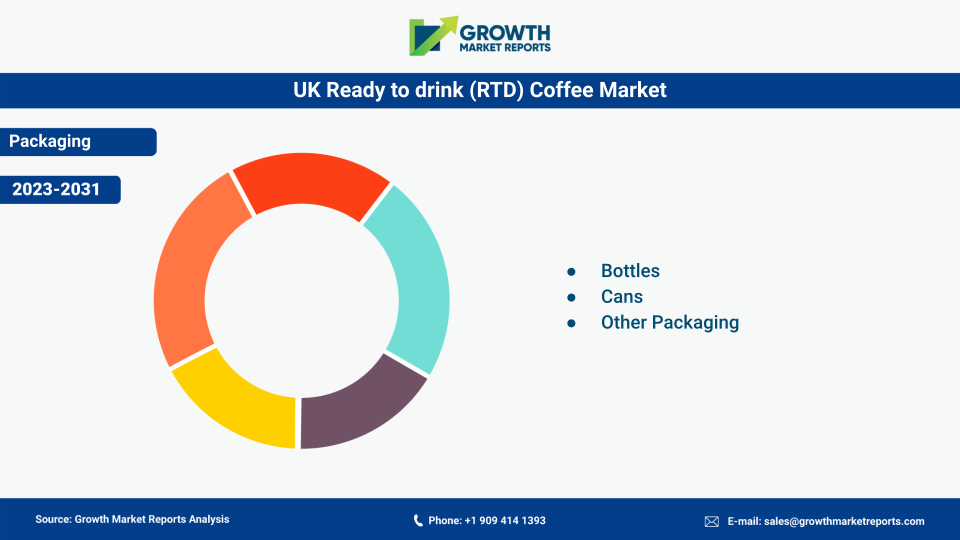
| By Packaging | Bottles, Cans, Cartons, Others |
| By Distribution Channel | Supermarkets/Hypermarkets, Convenience Stores, Online Retail, Specialty Stores, Others |
| By Flavor | Regular, Flavored |
| Regions Covered | North America, Europe, APAC, Latin America, MEA |
| Base Year | 2024 |
| Historic Data | 2018-2023 |
| Forecast Period | 2025-2033 |
| Number of Pages | 264 |
| Number of Tables & Figures | 263 |
| Customization Available | Yes, the report can be customized as per your need. |
Packaging plays a pivotal role in the RTD coffee market, influencing both consumer purchase decisions and product shelf life. Bottles, as a packaging format, have traditionally dominated the market due to their convenience, portability, and ability to preserve the beverageÂ’s freshness. PET and glass bottles are widely used, with PET bottles favored for their lightweight and shatter-resistant properties. The trend towards sustainable packaging has also led to an increased adoption of recyclable and biodegradable bottle materials, aligning with the growing consumer demand for eco-friendly products.
Unsweetened RTD Coffee is emerging as a significant trend in the market, driven by the growing demand for healthier beverage options. Consumers are becoming more health-conscious and are actively seeking products that contain minimal or no added sugars. Unsweetened RTD Coffee caters to this demand by offering a pure coffee experience without the extra calories associated with sweeteners. This segment is particularly appealing to those who prefer the natural bitterness and rich aroma of coffee. As the wellness movement continues to influence consumer choices, manufacturers are responding by expanding their unsweetened RTD coffee offerings, ensuring that health-conscious consumers have access to convenient, ready-to-drink options that align with their dietary preferences.
Cans have emerged as a popular packaging option, particularly for cold brew and iced coffee variants. The sleek, modern design of cans appeals to younger consumers and supports branding efforts aimed at conveying a sense of premium quality and innovation. Cans are also favored for their ability to maintain the beverageÂ’s carbonation and freshness, making them ideal for RTD coffee products that incorporate nitrogen or other specialty ingredients. The convenience of single-serve cans has further contributed to their growing market share, especially in the context of on-the-go consumption.
Cartons are gaining traction in the RTD coffee market, driven by their sustainability credentials and versatility in packaging design. Cartons are often associated with larger volume products and are favored by consumers seeking value for money. The use of renewable materials and advancements in carton technology have enabled manufacturers to offer extended shelf life without compromising on taste or quality. Cartons also provide ample space for branding and product information, which is increasingly important as consumers seek transparency and traceability in their beverage choices.
Other packaging formats, such as pouches and tetra packs, are also making inroads in the RTD coffee market, particularly in emerging markets where cost-effectiveness and ease of transportation are critical considerations. These alternative packaging formats are often used for specialty or limited-edition RTD coffee products, allowing brands to experiment with innovative designs and unique value propositions. The ongoing evolution of packaging technology, coupled with rising consumer expectations for convenience and sustainability, is expected to drive further innovation in this segment over the forecast period.
The distribution landscape for RTD coffee is highly diversified, encompassing Supermarkets/Hypermarkets, Convenience Stores, Online Retail, Specialty Stores, and Others. Supermarkets and hypermarkets remain the dominant distribution channels, accounting for a significant share of total sales due to their extensive reach and ability to offer a wide variety of brands and products under one roof. The growing trend of in-store promotions, product sampling, and attractive shelf placements has further solidified the importance of this channel in driving RTD coffee consumption.
Convenience stores play a crucial role in the RTD coffee market, particularly in urban areas where consumers prioritize speed and accessibility. The strategic placement of RTD coffee products near checkout counters and in refrigerated sections has proven effective in capturing impulse purchases. Convenience stores also serve as key entry points for new product launches, allowing brands to quickly gauge consumer response and adjust their offerings accordingly. The expansion of convenience store chains in emerging markets is expected to further boost RTD coffee sales through this channel.
Online retail has witnessed exponential growth in the RTD coffee market, propelled by the increasing adoption of e-commerce platforms and changing consumer shopping habits. The ability to compare products, read reviews, and access exclusive online deals has made online retail an attractive option for consumers seeking convenience and variety. Subscription-based models and direct-to-consumer sales are also gaining popularity, enabling brands to build stronger relationships with their customers and gather valuable insights into consumer preferences. The integration of advanced logistics and delivery solutions is expected to further enhance the online retail experience for RTD coffee buyers.
Specialty stores, including gourmet food shops and health-focused retailers, cater to a niche segment of consumers seeking premium and artisanal RTD coffee products. These stores offer a curated selection of high-quality beverages, often emphasizing unique flavors, organic ingredients, and ethical sourcing. The personalized shopping experience and knowledgeable staff in specialty stores contribute to higher customer satisfaction and brand loyalty. Other distribution channels, such as vending machines and foodservice outlets, also play a role in expanding the reach of RTD coffee products, particularly in high-traffic locations like airports, universities, and office complexes.
The flavor segment in the RTD coffee market is broadly categorized into Regular and Flavored variants. Regular RTD coffee, which typically features classic coffee profiles without added flavors, continues to appeal to purists and traditionalists who value the authentic taste of coffee. This segment has maintained steady growth, driven by the increasing demand for unsweetened and low-sugar beverages among health-conscious consumers. The simplicity and versatility of regular RTD coffee also make it a popular choice for consumers who prefer to customize their drinks with their own choice of sweeteners or creamers.
Flavored RTD coffee has emerged as a key growth driver in the market, offering consumers a wide array of innovative and indulgent taste experiences. Popular flavors include vanilla, caramel, mocha, hazelnut, and seasonal offerings such as pumpkin spice and peppermint. The trend towards flavor experimentation is particularly pronounced among younger consumers, who are more willing to try new and exotic flavor combinations. Manufacturers are capitalizing on this trend by launching limited-edition flavors and collaborating with popular food and beverage brands to create co-branded products that generate buzz and drive trial.
The demand for flavored RTD coffee is also being fueled by the growing interest in functional and health-oriented ingredients. Flavored RTD coffee products that incorporate superfoods, adaptogens, and plant-based ingredients are gaining traction among consumers seeking added health benefits. For example, RTD coffees infused with coconut milk, almond milk, or oat milk cater to the rising demand for dairy-free options, while those containing ingredients like collagen or MCT oil appeal to wellness-focused individuals. This convergence of flavor innovation and functional benefits is expected to drive continued growth in the flavored RTD coffee segment.
In addition to mainstream flavors, there is a growing market for regionally inspired and artisanal RTD coffee flavors. Brands are experimenting with unique flavor profiles, such as cardamom, ginger, and chili, to cater to diverse consumer palates and differentiate their offerings in a crowded marketplace. The emphasis on natural and clean-label ingredients is also influencing flavor development, with consumers increasingly seeking products that are free from artificial flavors, colors, and preservatives. As consumer preferences continue to evolve, the flavor segment is poised for ongoing innovation and expansion.
The RTD coffee market presents numerous opportunities for growth, particularly in the areas of product innovation and market expansion. The increasing demand for functional beverages offers manufacturers the chance to develop RTD coffee products with added health benefits, such as enhanced energy, improved focus, or immune support. The integration of natural and organic ingredients, as well as the use of sustainable and eco-friendly packaging, aligns with broader consumer trends towards wellness and environmental responsibility. Furthermore, the expansion into emerging markets, where coffee consumption is on the rise, provides significant untapped potential for brands willing to invest in local production and distribution networks.
Digital transformation and the rise of direct-to-consumer channels also present substantial opportunities for RTD coffee brands. By leveraging e-commerce platforms, subscription services, and data analytics, companies can gain deeper insights into consumer preferences and tailor their offerings accordingly. Personalized marketing campaigns and loyalty programs can help build stronger relationships with customers and drive repeat purchases. Additionally, collaborations with influencers, celebrities, and other beverage brands can enhance brand visibility and create new avenues for product differentiation and market penetration.
Despite these opportunities, the RTD coffee market faces several restraining factors that could hinder growth. Intense competition and market saturation, particularly in developed regions, have led to pricing pressures and margin erosion for manufacturers. The rising costs of raw materials, such as coffee beans and packaging materials, also pose challenges to profitability. Furthermore, regulatory hurdles related to labeling, health claims, and food safety can create barriers to entry for new players and complicate product development and marketing efforts. Addressing these challenges will require strategic investments in innovation, supply chain management, and regulatory compliance.
The Asia Pacific region dominates the global RTD coffee market, with a market size of approximately USD 12.8 billion in 2024. This leadership is driven by the regionÂ’s large and rapidly growing middle-class population, increasing urbanization, and strong coffee culture, particularly in countries like Japan, South Korea, and China. The region is expected to maintain a healthy CAGR of 9.1% over the forecast period, supported by rising disposable incomes and the proliferation of modern retail channels. The introduction of innovative flavors and premium offerings tailored to local tastes is further fueling market growth in Asia Pacific.
North America is the second-largest market for RTD coffee, with a market size of around USD 7.4 billion in 2024. The regionÂ’s growth is underpinned by the increasing demand for convenient, clean-label beverages and the popularity of specialty coffee drinks among millennials and Gen Z consumers. The strong presence of established coffee brands and the rapid adoption of functional and health-oriented RTD coffee products have contributed to North AmericaÂ’s robust market performance. The region is also witnessing significant innovation in packaging and product formulation, with a growing emphasis on sustainability and transparency.
Europe holds a significant share of the global RTD coffee market, valued at approximately USD 5.2 billion in 2024. The market is characterized by a strong tradition of coffee consumption and a growing preference for premium and artisanal RTD coffee products. The trend towards cold brew and specialty coffee drinks is particularly pronounced in Western Europe, while Eastern Europe is experiencing steady growth as consumers become more receptive to innovative beverage offerings. Latin America and the Middle East & Africa, with combined market sizes of around USD 3.3 billion, are emerging as promising markets, driven by increasing urbanization, rising incomes, and growing exposure to global coffee trends.
The RTD coffee market is characterized by intense competition, with a mix of global beverage giants, regional players, and innovative startups vying for market share. The competitive landscape is shaped by ongoing product innovation, aggressive marketing strategies, and a relentless focus on meeting evolving consumer preferences. Leading companies are investing heavily in research and development to introduce new flavors, functional ingredients, and sustainable packaging solutions that differentiate their offerings and capture consumer attention. Strategic partnerships, mergers and acquisitions, and collaborations with coffee shops and foodservice providers are also common strategies employed by market participants to expand their distribution networks and strengthen their market presence.
Brand loyalty plays a significant role in the RTD coffee market, with consumers often gravitating towards familiar and trusted brands. However, the rise of artisanal and specialty coffee brands has introduced new dynamics into the market, challenging established players to continuously innovate and adapt. The growing influence of social media and digital marketing has also leveled the playing field, enabling smaller brands to reach wider audiences and build engaged communities of loyal customers. Sustainability and ethical sourcing have emerged as key differentiators, with consumers increasingly favoring brands that demonstrate a commitment to environmental and social responsibility.
Major companies in the RTD coffee market include The Coca-Cola Company, Starbucks Corporation, Nestlé S.A., PepsiCo Inc., and Asahi Group Holdings. These industry leaders have leveraged their extensive distribution networks, strong brand equity, and deep product portfolios to maintain a competitive edge. Starbucks, for instance, has partnered with PepsiCo to distribute its RTD coffee products globally, while Nestlé has expanded its Nescafé and Starbucks RTD coffee lines to cater to diverse consumer preferences. The Coca-Cola Company has made significant investments in its Georgia Coffee and Honest Coffee brands, focusing on premiumization and flavor innovation.
In addition to these global giants, regional players such as Suntory Holdings Limited (Japan), UCC Ueshima Coffee Co. (Japan), and Lotte Chilsung Beverage Co. (South Korea) have established strong footholds in their respective markets, leveraging local insights and consumer preferences to drive growth. Innovative startups, such as La Colombe Coffee Roasters and Califia Farms, are also making waves with their focus on clean-label ingredients, unique flavor profiles, and sustainable packaging. As competition intensifies, the ability to anticipate and respond to changing consumer trends will be critical to long-term success in the RTD coffee market.
The Ready-to-drink (RTD) Coffee market has been segmented on the basis of
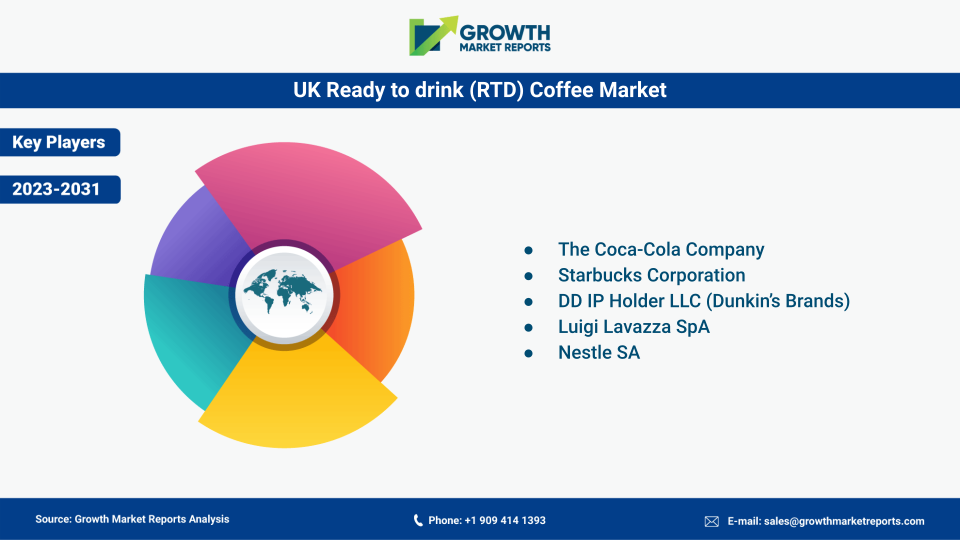
Key players competing in the United Kingdom ready-to-drink (RTD) coffee market includes The Coca-Cola Company; Starbucks Corporation; DD IP Holder LLC (Dunkin’s Brands); Luigi Lavazza SpA; Nestle SA. Some of these players are targeting on business strategies such as mergers, acquisitions, partnerships, collaborations, capacity expansion, and product launches to increase their market shares. For instance
Key challenges include intense competition, rising raw material costs, regulatory hurdles, and the need for continuous innovation to meet evolving consumer preferences.
Popular flavors include regular coffee, vanilla, caramel, mocha, hazelnut, and seasonal or regionally inspired options. There is also a growing demand for functional and plant-based flavors.
Major companies include Nestlé S.A., The Coca-Cola Company, Starbucks Corporation, PepsiCo, Inc., Asahi Group Holdings, and several regional and specialty brands.
Growth is driven by rising demand for convenience, health-conscious and functional beverages, premiumization, flavor innovation, and the expansion of modern retail and e-commerce.
Supermarkets/hypermarkets, convenience stores, online retail, and specialty stores are the primary distribution channels for RTD coffee products.
Bottles, cans, and cartons are the most popular packaging formats, with increasing adoption of sustainable and eco-friendly materials.
Key product types include Cold Brew, Iced Coffee, Coffee Lattes, Black Coffee, and other specialty blends.
Asia Pacific is the dominant region in the RTD coffee market, followed by North America and Europe. Latin America and the Middle East & Africa are also experiencing steady growth.
The RTD coffee market is expected to grow at a CAGR of 8.2% from 2025 to 2033, reaching USD 56.2 billion by 2033.
As of 2024, the global RTD coffee market is valued at USD 28.7 billion, with strong growth expected in the coming years.