Segments - by Material Type (Plastic, Paper & Paperboard, Glass, Metal, Others), by Packaging Type (Rigid Packaging, Flexible Packaging, Others), by End-Use Industry (Food & Beverage, Healthcare, Personal Care & Cosmetics, Household Products, Industrial, Others), by Technology (Modified Atmosphere Packaging, Active Packaging, Aseptic Packaging, Others)
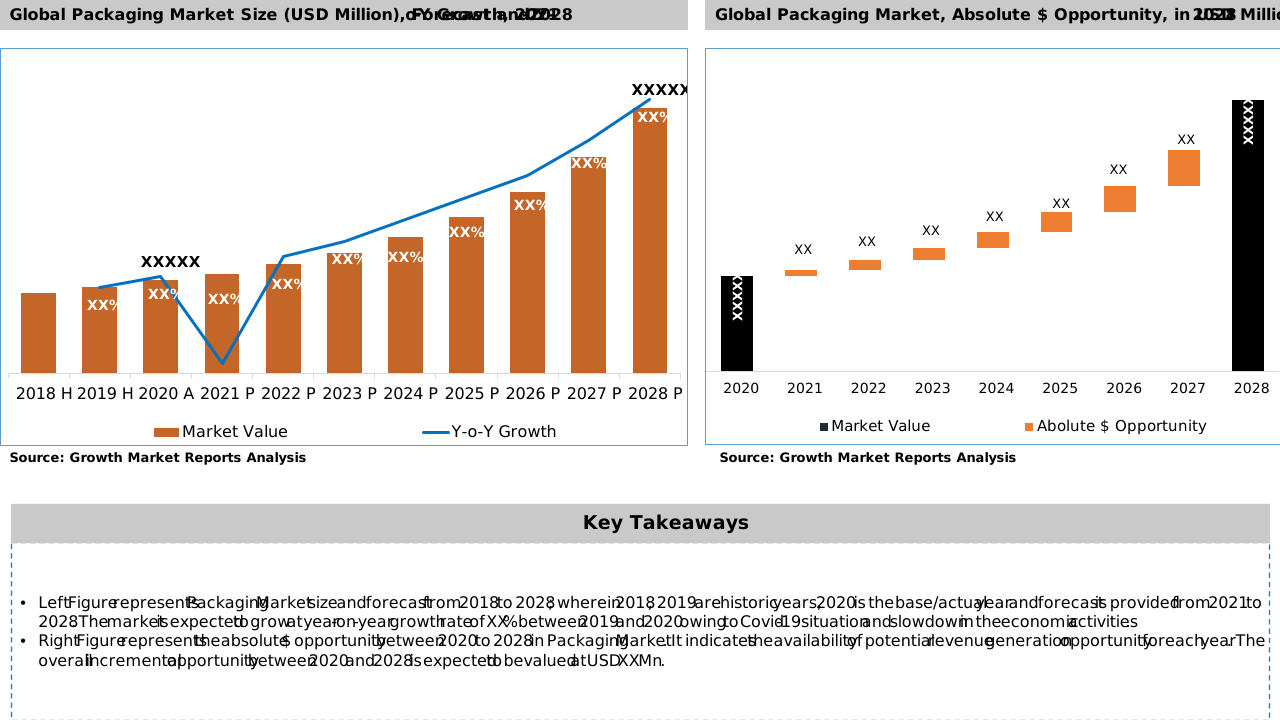
According to our latest research, the global packaging market size reached USD 1.13 trillion in 2024, reflecting a robust industry driven by diverse end-use sectors and technological advancements. The market is expected to grow at a CAGR of 4.7% from 2025 to 2033, reaching an estimated USD 1.72 trillion by 2033. This growth is primarily attributed to the increasing demand for sustainable and innovative packaging solutions across food & beverage, healthcare, and personal care industries, as well as the rapid expansion of e-commerce and changing consumer preferences worldwide.
The packaging market is experiencing significant growth due to the rising emphasis on sustainability and environmental concerns. As regulatory frameworks become more stringent and consumers become increasingly eco-conscious, manufacturers are compelled to adopt recyclable, biodegradable, and compostable materials. This shift is particularly evident in the food & beverage and personal care sectors, where brands are leveraging sustainable packaging as a key differentiator. Furthermore, advancements in packaging technology, such as lightweight materials and improved barrier properties, are enhancing product shelf life and reducing transportation costs, thereby driving further adoption across industries.
Another crucial growth factor is the exponential rise of e-commerce and online retailing. The surge in online shopping, accelerated by the global pandemic, has fundamentally transformed packaging requirements, with a greater focus on protective, tamper-evident, and easy-to-handle solutions. The need for packaging that ensures product integrity during transit has led to innovations in both rigid and flexible formats. Additionally, the integration of smart packaging technologies, such as QR codes and RFID tags, is enabling enhanced traceability, anti-counterfeiting measures, and improved consumer engagement, further fueling market expansion.
The packaging market is also being propelled by demographic shifts and urbanization, particularly in emerging economies. Growing middle-class populations, increased disposable incomes, and changing lifestyles are creating higher demand for packaged goods, especially convenience and ready-to-eat products. In response, manufacturers are investing in automated and efficient packaging lines to meet the escalating demand while maintaining quality and cost-effectiveness. The healthcare and pharmaceutical sectors are similarly driving growth, as stringent safety and hygiene requirements necessitate advanced packaging solutions for medicines, medical devices, and related products.
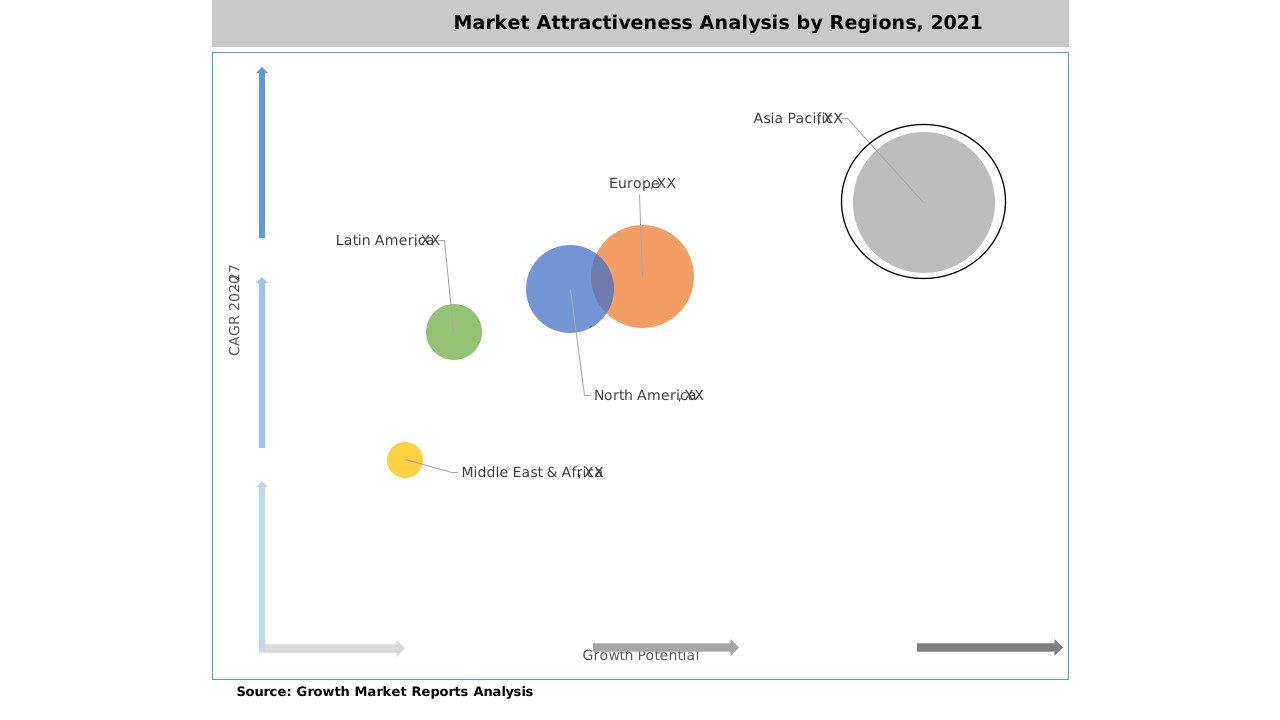
Regionally, Asia Pacific continues to dominate the global packaging market, accounting for the largest share in 2024, closely followed by North America and Europe. The Asia Pacific region benefits from rapid industrialization, expanding urban populations, and a flourishing manufacturing sector. North America remains a key market due to its high consumption of packaged goods, advanced technological adoption, and robust regulatory standards. Europe, meanwhile, is at the forefront of sustainable packaging innovation, driven by strict environmental regulations and a strong consumer push for eco-friendly products. Other regions such as Latin America and the Middle East & Africa are witnessing steady growth, supported by rising investments and increasing adoption of modern retail formats.
The packaging market is segmented by material type into plastic, paper & paperboard, glass, metal, and others, each offering distinct advantages and facing unique challenges. Plastic packaging remains the dominant material, accounting for a significant portion of the market due to its versatility, lightweight nature, and cost-effectiveness. However, the growing environmental concerns and global push towards reducing plastic waste are leading to increased investments in recyclable and biodegradable plastic alternatives. Innovations such as plant-based plastics and advanced recycling technologies are gaining momentum, allowing manufacturers to address sustainability goals while maintaining the functional benefits of plastic.
Paper & paperboard packaging is experiencing robust growth as brands and consumers increasingly prefer renewable and compostable materials. This segment is particularly prominent in the food & beverage and personal care industries, where the demand for eco-friendly packaging is at its peak. Technological advancements have enhanced the barrier and strength properties of paper-based packaging, making it a viable alternative to traditional plastics in many applications. The adoption of paper-based flexible packaging, such as pouches and wraps, is also on the rise, driven by regulatory support and consumer preference for plastic-free options.
Glass packaging, known for its premium appeal and superior barrier properties, continues to be favored in the beverage, pharmaceutical, and cosmetics industries. While glass offers excellent product protection and is fully recyclable, its higher cost and fragility pose challenges in terms of logistics and transportation. Nevertheless, the demand for glass packaging is buoyed by the growing premiumization trend and the increasing focus on product safety and purity, especially in the alcoholic beverages and skincare segments.
Metal packaging, encompassing aluminum and steel formats, is widely used in food & beverage, pharmaceuticals, and industrial applications due to its durability, recyclability, and ability to provide an effective barrier against light, oxygen, and contaminants. The segment is witnessing innovation in lightweighting and decorative finishes, enhancing both sustainability and shelf appeal. However, fluctuating raw material prices and energy-intensive manufacturing processes remain key challenges for metal packaging producers. Other materials, such as bioplastics and composites, are gradually carving out a niche, particularly in specialized applications requiring unique performance attributes.
| Attributes | Details |
| Report Title | Packaging Market Research Report 2033 |
| By Material Type | Plastic, Paper & Paperboard, Glass, Metal, Others |
| By Packaging Type | Rigid Packaging, Flexible Packaging, Others |
| By End-Use Industry | Food & Beverage, Healthcare, Personal Care & Cosmetics, Household Products, Industrial, Others |
| By Technology | Modified Atmosphere Packaging, Active Packaging, Aseptic Packaging, Others |
| Regions Covered | North America, Europe, APAC, Latin America, MEA |
| Base Year | 2024 |
| Historic Data | 2018-2023 |
| Forecast Period | 2025-2033 |
| Number of Pages | 263 |
| Number of Tables & Figures | 269 |
| Customization Available | Yes, the report can be customized as per your need. |
The packaging market is broadly categorized into rigid packaging, flexible packaging, and others, each offering unique value propositions and catering to diverse industry needs. Rigid packaging, which includes bottles, containers, cans, and boxes, is widely used for its superior protection, structural integrity, and ability to preserve product quality. This type is especially prevalent in the food & beverage, healthcare, and household products sectors, where product safety and tamper resistance are paramount. Recent innovations in lightweight rigid packaging and the use of recycled materials have further enhanced its appeal, enabling brands to reduce their environmental footprint while maintaining high performance.
Flexible packaging, comprising pouches, films, bags, and wraps, has emerged as the fastest-growing segment in the global packaging market. Its popularity stems from its lightweight nature, cost efficiency, and versatility, making it ideal for a wide range of products, from snacks and beverages to pharmaceuticals and personal care items. Flexible packaging offers significant advantages in terms of reduced material usage, lower transportation costs, and improved shelf life through advanced barrier technologies. The segment is also benefiting from the growing trend towards convenience packaging, as busy consumers increasingly seek easy-to-open, resealable, and portion-controlled formats.
The rise of flexible packaging is closely linked to the increasing demand for sustainability and resource efficiency. Manufacturers are investing in mono-material structures and recyclable films to address environmental concerns and comply with evolving regulations. Additionally, the integration of smart packaging features, such as printed electronics and interactive labels, is enhancing the functionality and consumer engagement potential of flexible packaging. However, challenges remain in terms of recycling infrastructure and the need for standardized materials to facilitate circularity.
Other packaging types, including hybrid and specialty formats, are gaining traction in niche applications where conventional rigid or flexible solutions may not suffice. These include packaging for hazardous materials, temperature-sensitive pharmaceuticals, and luxury goods, where customized designs and advanced protective features are required. As the packaging landscape evolves, manufacturers are increasingly adopting a multi-material approach, combining the best attributes of different packaging types to meet specific product and market requirements.
The packaging market serves a diverse array of end-use industries, with food & beverage representing the largest and most dynamic segment. The global demand for packaged foods, beverages, and ready-to-eat meals is driving continuous innovation in packaging formats, materials, and technologies. Packaging solutions in this sector are designed to extend shelf life, ensure product safety, and enhance convenience, while also addressing sustainability concerns through the use of recyclable and compostable materials. The rise of functional and active packaging, which can monitor freshness and prevent spoilage, is further transforming the food & beverage packaging landscape.
The healthcare sector is another major end-user, requiring highly specialized packaging solutions to ensure the safety, efficacy, and compliance of pharmaceuticals, medical devices, and diagnostic products. Stringent regulatory requirements and the need for tamper-evident, child-resistant, and sterile packaging are driving innovation in this segment. The increasing prevalence of chronic diseases, aging populations, and the expansion of healthcare infrastructure in emerging markets are contributing to sustained demand for advanced packaging solutions in the pharmaceutical and medical device industries.
Personal care & cosmetics packaging is characterized by rapid product turnover, intense competition, and a strong emphasis on aesthetics and brand differentiation. Packaging in this sector must balance visual appeal with functionality, protection, and sustainability. The growing consumer preference for natural and organic products is influencing packaging choices, with brands increasingly opting for eco-friendly materials and minimalist designs. Additionally, the rise of e-commerce in the beauty and personal care industry is prompting the development of packaging that can withstand shipping and handling while maintaining an attractive appearance.
Household products and industrial packaging are also significant contributors to the overall market. Household product packaging focuses on convenience, safety, and ease of use, while industrial packaging emphasizes durability, cost-effectiveness, and the ability to protect goods during storage and transportation. Both segments are witnessing increased adoption of sustainable materials and reusable packaging formats, driven by regulatory pressures and corporate sustainability initiatives. Other end-use industries, such as electronics and automotive, present niche opportunities for specialized packaging solutions tailored to the unique requirements of sensitive and high-value products.
Technological advancements are playing a pivotal role in shaping the future of the packaging market. Modified atmosphere packaging (MAP) is widely adopted in the food & beverage industry to extend the shelf life of perishable products by altering the atmospheric composition within the package. This technology helps maintain product freshness, reduce food waste, and enhance food safety, making it highly valuable for meat, dairy, bakery, and fresh produce packaging. The increasing demand for convenience foods and the global focus on reducing food spoilage are driving the adoption of MAP solutions worldwide.
Active packaging is another transformative technology, incorporating components that interact with the packaged product or its environment to enhance shelf life, safety, and quality. Examples include oxygen scavengers, moisture absorbers, and antimicrobial agents, which help preserve product integrity and prevent spoilage. Active packaging is gaining traction in the food, pharmaceutical, and personal care sectors, where product safety and quality are of utmost importance. The integration of smart sensors and indicators is further expanding the capabilities of active packaging, enabling real-time monitoring of product conditions and improving supply chain transparency.
Aseptic packaging is critical for the safe storage and distribution of liquid foods, beverages, and pharmaceuticals, as it allows products to be filled and sealed in a sterile environment without the need for refrigeration. This technology is particularly beneficial for dairy products, juices, soups, and ready-to-drink beverages, as well as for vaccines and injectable drugs. The growing demand for shelf-stable products and the expansion of cold chain logistics are fueling the adoption of aseptic packaging solutions, supported by ongoing innovations in materials and filling equipment.
Other emerging packaging technologies include intelligent packaging, which leverages digital tools such as RFID tags, QR codes, and printed electronics to provide enhanced traceability, authentication, and consumer engagement. These technologies are increasingly being adopted across industries to combat counterfeiting, improve supply chain efficiency, and deliver personalized experiences to consumers. As the packaging market continues to evolve, technology-driven innovations are expected to play a central role in meeting the changing needs of brands, consumers, and regulators alike.
The packaging market presents significant opportunities for growth and innovation, particularly in the areas of sustainability, digitalization, and customization. The global shift towards circular economy principles is creating demand for recyclable, compostable, and reusable packaging solutions across all industries. Brands that invest in eco-friendly materials and closed-loop systems are well-positioned to capture market share and meet evolving regulatory requirements. Additionally, the integration of digital technologies, such as smart packaging and connected devices, is enabling new business models and value-added services, from supply chain optimization to interactive marketing campaigns.
Emerging markets offer substantial growth potential for packaging manufacturers, driven by rapid urbanization, rising incomes, and expanding retail infrastructure. The increasing penetration of e-commerce and modern trade channels is transforming packaging needs, creating opportunities for innovative formats that cater to convenience, safety, and sustainability. Furthermore, advancements in automation and digital printing are enabling greater customization and agility in packaging production, allowing brands to respond quickly to changing consumer preferences and market trends. Companies that leverage these opportunities through strategic investments and partnerships are likely to achieve sustained competitive advantage.
Despite the positive outlook, the packaging market faces several restraining factors, most notably the volatility of raw material prices and the complexity of regulatory compliance. Fluctuations in the costs of plastics, paper, metals, and other materials can significantly impact profit margins, especially for small and medium-sized enterprises. Additionally, the evolving landscape of environmental regulations and standards across different regions poses challenges for manufacturers, requiring continuous investment in research, development, and compliance. The lack of standardized recycling infrastructure and consumer awareness in some markets further complicates the transition to sustainable packaging solutions, underscoring the need for industry-wide collaboration and innovation.
Asia Pacific is the largest and fastest-growing region in the global packaging market, accounting for approximately 38% of the total market value in 2024, or around USD 429 billion. The region’s dominance is driven by rapid urbanization, burgeoning middle-class populations, and a thriving manufacturing sector. China, India, and Southeast Asian countries are leading growth, supported by rising consumption of packaged foods, beverages, and personal care products. The expansion of e-commerce and the increasing adoption of modern retail formats are further boosting demand for innovative and sustainable packaging solutions in the region. The Asia Pacific packaging market is projected to grow at a CAGR of 5.5% through 2033, outpacing other regions.
North America remains a mature yet dynamic market, representing approximately 26% of the global packaging market, or about USD 294 billion in 2024. The region’s growth is underpinned by high per capita consumption of packaged goods, advanced technological adoption, and a strong focus on sustainability and regulatory compliance. The United States and Canada are at the forefront of smart packaging innovation, with significant investments in digital technologies, automation, and circular economy initiatives. The North American market is expected to maintain steady growth, driven by ongoing demand from the food, healthcare, and personal care sectors, as well as the continued rise of e-commerce.
Europe holds a significant share of the global packaging market, accounting for approximately 22% or around USD 249 billion in 2024. The region is characterized by stringent environmental regulations, a well-established recycling infrastructure, and a strong consumer preference for sustainable packaging. Countries such as Germany, France, and the United Kingdom are leading the shift towards renewable materials and circular economy practices. The European packaging market is also witnessing increased adoption of smart and active packaging technologies, particularly in the food, beverage, and pharmaceutical sectors. While growth is moderate compared to Asia Pacific, Europe’s leadership in sustainability and innovation remains a key driver of market development.
The global packaging market is intensely competitive, with a diverse landscape comprising multinational corporations, regional players, and specialized niche companies. The industry is characterized by continuous innovation, strategic mergers and acquisitions, and a strong focus on sustainability and digital transformation. Leading companies are investing heavily in research and development to create advanced packaging materials, improve production efficiency, and reduce environmental impact. The competitive landscape is further shaped by the growing importance of customization, agility, and responsiveness to changing consumer and regulatory demands.
Major players in the packaging market are leveraging their global presence and extensive product portfolios to capture market share across different regions and end-use industries. These companies are increasingly forming strategic partnerships and collaborations with raw material suppliers, technology providers, and brand owners to accelerate innovation and address emerging market trends. The ability to offer integrated packaging solutions, encompassing design, production, and supply chain management, is a key differentiator for leading firms. Additionally, investments in digital technologies, such as smart packaging and data analytics, are enabling companies to enhance operational efficiency and deliver greater value to customers.
The market is also witnessing the entry of new players and startups, particularly in the areas of sustainable materials, digital printing, and intelligent packaging. These entrants are challenging established players by offering disruptive solutions that address specific market needs, such as biodegradable packaging for single-use applications or connected packaging for enhanced consumer engagement. The increasing focus on sustainability and circular economy principles is driving industry consolidation, as larger companies acquire innovative startups to expand their capabilities and accelerate the transition to eco-friendly packaging.
Some of the major companies operating in the global packaging market include Amcor plc, Ball Corporation, Crown Holdings Inc., Sealed Air Corporation, Mondi Group, Berry Global Inc., Smurfit Kappa Group, DS Smith Plc, International Paper Company, and Tetra Pak International S.A. Amcor plc is renowned for its leadership in flexible and rigid packaging solutions, with a strong emphasis on sustainability and innovation. Ball Corporation and Crown Holdings are leading players in metal packaging, serving the beverage, food, and household products industries. Sealed Air Corporation specializes in protective packaging and is a pioneer in sustainable packaging technologies. Mondi Group and Smurfit Kappa are global leaders in paper-based packaging, known for their commitment to circular economy practices and renewable materials. Berry Global and DS Smith are recognized for their extensive product portfolios and focus on customized solutions for diverse end-use sectors. Tetra Pak is a global innovator in aseptic packaging, particularly for liquid foods and beverages, while International Paper Company is a key player in corrugated packaging and paperboard solutions.
In summary, the packaging market is marked by intense competition, rapid technological advancement, and a growing emphasis on sustainability and digitalization. Companies that can successfully navigate these trends, invest in innovation, and adapt to evolving consumer and regulatory requirements are well-positioned to thrive in this dynamic and rapidly expanding global market.
The Packaging market has been segmented on the basis of
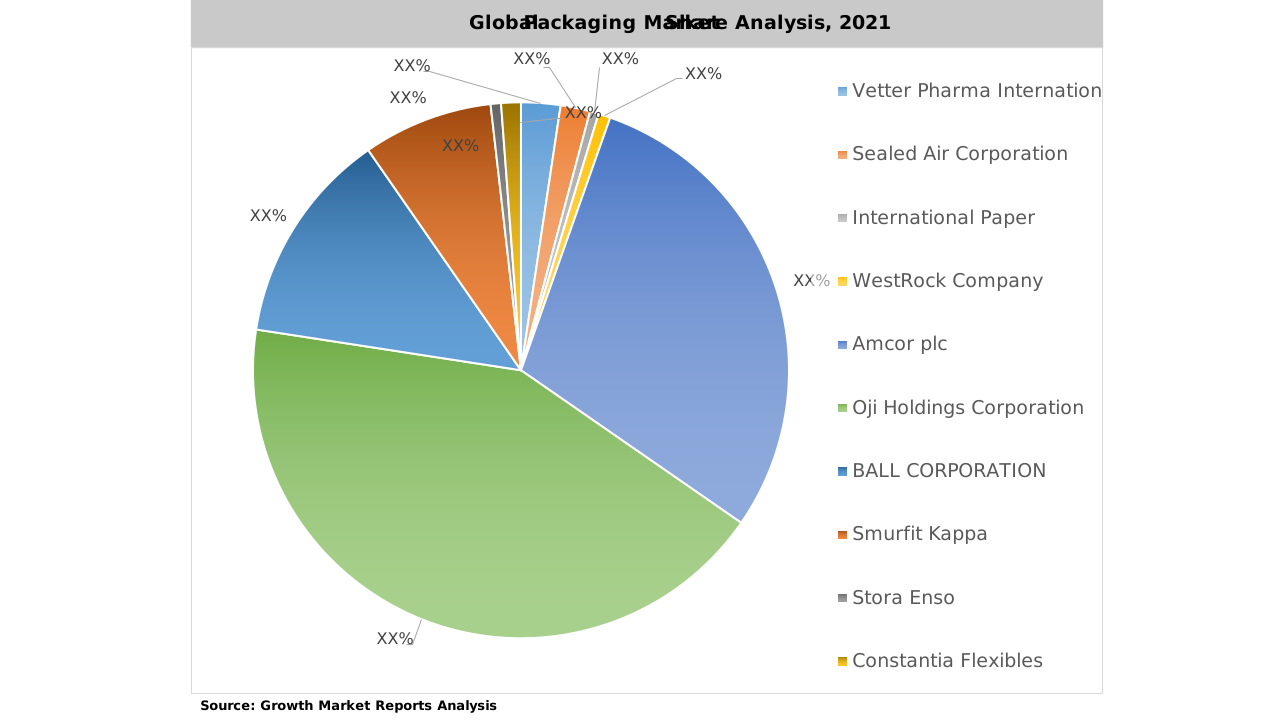
Key players in the packaging market include Vetter Pharma International; Sealed Air Corporation; International Paper; WestRock Company; Amcor plc; Oji Holdings Corporation; BALL CORPORATION; Smurfit Kappa; Stora Enso; and Constantia Flexibles. These players are actively engaged in several market development activities including collaborations, agreements, mergers & acquisitions, production capacity expansion, new product launches, and partnerships to increase their market share.
Key challenges include fluctuating raw material prices, complex regulatory compliance, lack of standardized recycling infrastructure, and the need for continuous innovation to meet sustainability goals.
Major players include Amcor plc, Mondi Group, International Paper Company, WestRock Company, Berry Global Group, Smurfit Kappa Group, Sealed Air Corporation, Crown Holdings, Ball Corporation, and Tetra Pak International S.A.
Important technologies include modified atmosphere packaging (MAP), active packaging, aseptic packaging, and intelligent packaging with features like RFID tags and QR codes for traceability and consumer engagement.
E-commerce is driving demand for protective, tamper-evident, and easy-to-handle packaging, as well as innovations in both rigid and flexible packaging formats to ensure product integrity during transit.
Trends include the adoption of recyclable, biodegradable, and compostable materials, plant-based plastics, mono-material structures, and increased investment in recycling technologies.
The main packaging materials are plastic, paper & paperboard, glass, and metal. Plastic remains dominant, but paper-based and sustainable materials are gaining traction due to environmental concerns.
Key growth drivers include rising demand for sustainable packaging, technological advancements, the expansion of e-commerce, changing consumer preferences, and increased demand from food & beverage, healthcare, and personal care sectors.
Asia Pacific is the largest and fastest-growing region, followed by North America and Europe. Asia Pacific accounted for approximately 38% of the market value in 2024.
The packaging market is expected to grow at a CAGR of 4.7% from 2025 to 2033, reaching an estimated USD 1.72 trillion by 2033.
As of 2024, the global packaging market size reached USD 1.13 trillion, driven by diverse end-use sectors and technological advancements.