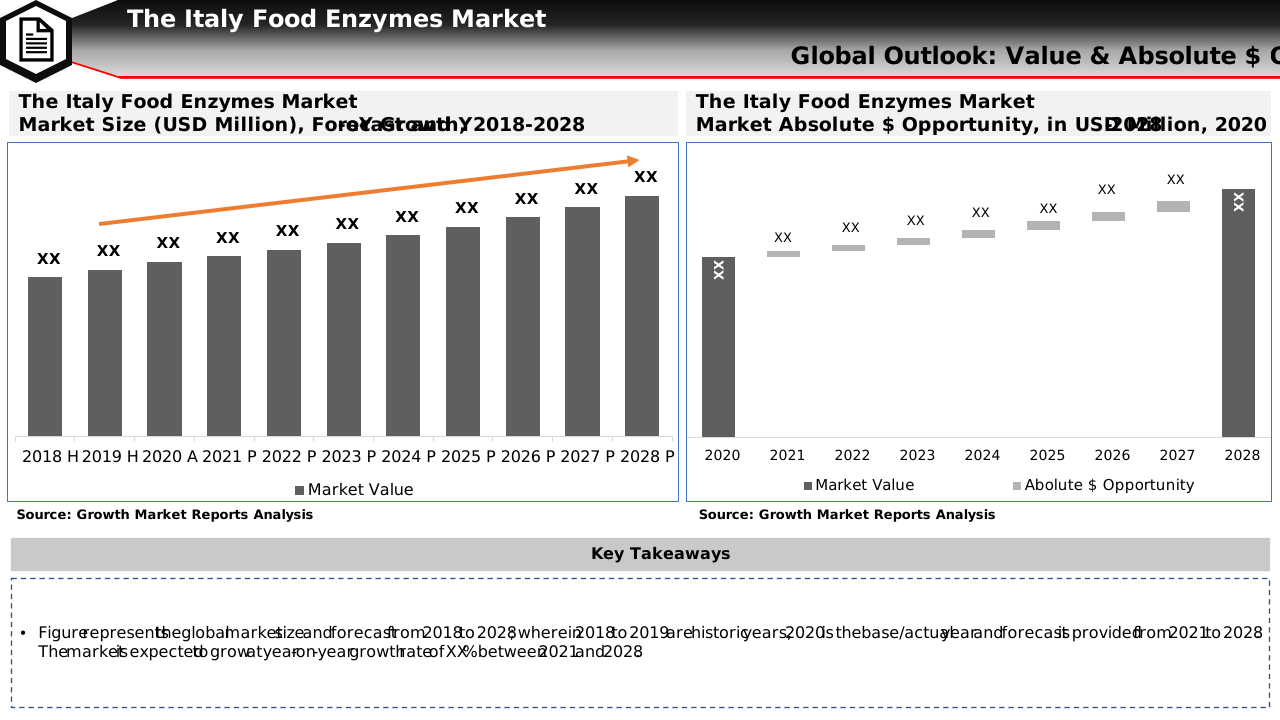
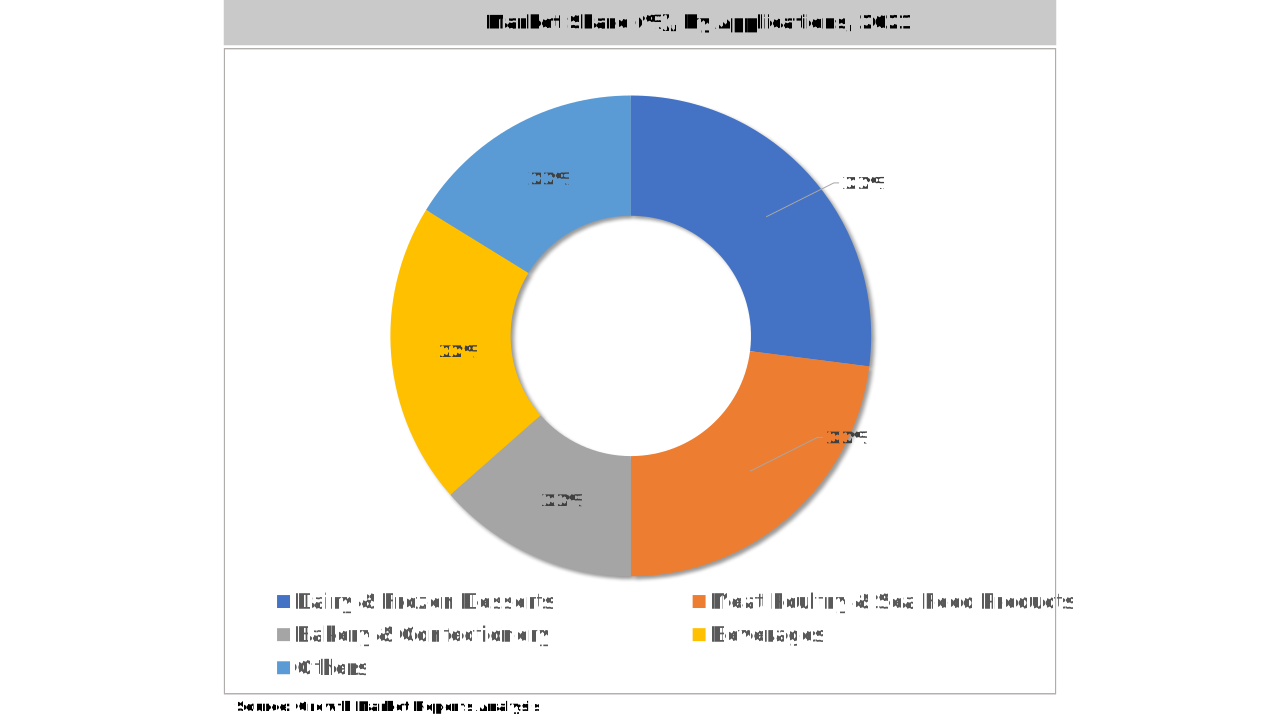
Segments - by Type (Carbohydrases, Proteases, Lipases, Others), by Source (Microorganisms, Plants, Animals), by Application (Bakery, Dairy, Beverages, Confectionery, Processed Foods, Others), by Form (Powder, Liquid, Others)
According to our latest research, the global food enzymes market size reached USD 2.94 billion in 2024, demonstrating robust growth driven by the increasing demand for processed and convenience foods worldwide. The market is projected to expand at a CAGR of 6.2% from 2025 to 2033, reaching a forecasted value of USD 5.04 billion by 2033. This strong growth trajectory is underpinned by the rising adoption of food enzymes in various food processing applications, including bakery, dairy, beverages, and confectionery, as manufacturers seek to enhance product quality, shelf life, and nutritional value while optimizing production efficiency.
One of the primary growth factors fueling the food enzymes market is the increasing consumer preference for natural and clean-label products. As health-conscious consumers scrutinize ingredient lists, food manufacturers are turning to enzymes as safe, natural processing aids that can replace synthetic additives and chemicals. The heightened awareness regarding the health benefits of enzyme-fortified foods, such as improved digestibility and nutrient bioavailability, is further propelling demand. Moreover, the food industryÂ’s focus on reducing food waste and improving sustainability aligns well with the use of enzymes, which can optimize raw material utilization and lower energy consumption during processing.
Technological advancements in enzyme engineering and biotechnology have significantly expanded the application spectrum of food enzymes, enabling the development of tailor-made enzyme solutions for specific food matrices and processing conditions. Innovations such as immobilized enzymes, enzyme blends, and genetically engineered enzymes have improved process efficiency, product consistency, and cost-effectiveness. These advancements are particularly beneficial for large-scale food producers seeking to maintain competitiveness in a dynamic market landscape. Additionally, the integration of digital technologies and process automation has facilitated precise enzyme dosing and monitoring, further enhancing the performance and reliability of enzyme applications in food manufacturing.
The regulatory landscape also plays a pivotal role in shaping the growth of the food enzymes market. Stringent regulations regarding food safety and quality, particularly in developed regions like North America and Europe, have led to rigorous assessment and approval processes for food enzyme products. While this ensures product safety and consumer protection, it also drives innovation as manufacturers invest in research and development to meet compliance standards. The increasing harmonization of food enzyme regulations across regions is expected to create new growth opportunities by simplifying market entry and fostering international trade.
Regionally, Asia Pacific is emerging as the fastest-growing market for food enzymes, driven by rapid urbanization, changing dietary patterns, and the expansion of the food processing industry in countries such as China, India, and Japan. North America and Europe continue to dominate the market in terms of value, owing to their established food processing sectors and high consumer awareness regarding functional foods. The Middle East & Africa and Latin America are also witnessing steady growth, supported by rising investments in food manufacturing infrastructure and a growing middle-class population seeking convenient and high-quality food products.
The food enzymes market is segmented by type into carbohydrases, proteases, lipases, and others, each playing a distinct role in various food processing applications. Carbohydrases, including amylases, cellulases, and lactases, account for the largest share of the market due to their widespread use in bakery, dairy, and beverage industries. These enzymes facilitate the breakdown of complex carbohydrates into simpler sugars, enhancing texture, flavor, and digestibility. The growing demand for gluten-free and lactose-free products has further boosted the adoption of carbohydrases, as they enable the production of specialized foods catering to dietary restrictions and intolerances.
Proteases are another significant segment, primarily utilized in dairy, meat, and bakery applications. These enzymes catalyze the hydrolysis of proteins into peptides and amino acids, improving the tenderness, flavor, and nutritional profile of food products. In the dairy industry, proteases are essential for cheese production and the development of protein hydrolysates used in infant formulas and sports nutrition products. The increasing consumer demand for high-protein foods and functional ingredients is expected to drive the growth of the proteases segment, as manufacturers seek to capitalize on emerging health and wellness trends.
Lipases, although representing a smaller share compared to carbohydrases and proteases, are gaining traction in the food enzymes market due to their unique ability to modify fats and oils. These enzymes are widely used in the dairy industry for cheese ripening and flavor enhancement, as well as in the production of bakery products and specialty fats. The rising popularity of low-fat and trans-fat-free foods has spurred innovation in lipase applications, enabling manufacturers to create healthier products without compromising on taste or texture. Advances in enzyme immobilization and microencapsulation are further expanding the potential uses of lipases across diverse food categories.
The "others" category encompasses a range of specialty enzymes, such as pectinases, glucosidases, and phytases, which are used in niche applications like fruit juice clarification, brewing, and animal feed production. While these enzymes account for a relatively smaller market share, their importance is growing as the food industry seeks to address specific processing challenges and improve product quality. The development of multi-enzyme complexes and customized enzyme solutions is expected to drive the growth of this segment, particularly in emerging markets where traditional food processing methods are being modernized.
| Attributes | Details |
| Report Title | Food Enzymes Market Research Report 2033 |
| By Type | Carbohydrases, Proteases, Lipases, Others |
| By Source | Microorganisms, Plants, Animals |
| By Application | Bakery, Dairy, Beverages, Confectionery, Processed Foods, Others |
| By Form | Powder, Liquid, Others |
| Regions Covered | North America, Europe, APAC, Latin America, MEA |
| Base Year | 2024 |
| Historic Data | 2018-2023 |
| Forecast Period | 2025-2033 |
| Number of Pages | 257 |
| Number of Tables & Figures | 371 |
| Customization Available | Yes, the report can be customized as per your need. |
Food enzymes are derived from three primary sources: microorganisms, plants, and animals. Microorganisms, including bacteria, fungi, and yeasts, represent the dominant source of food enzymes, accounting for the largest market share. The preference for microbial enzymes is attributed to their high yield, cost-effectiveness, and ease of genetic manipulation, which enables the production of enzymes with specific characteristics tailored to food industry requirements. Fermentation technology has further revolutionized the production of microbial enzymes, allowing for large-scale manufacturing and consistent quality.
Plant-derived enzymes, such as papain from papaya and bromelain from pineapple, are valued for their natural origin and unique functional properties. These enzymes are widely used in meat tenderization, fruit juice clarification, and baking applications. The growing consumer inclination toward plant-based and vegan products has spurred interest in plant-sourced enzymes, as they align with clean-label and allergen-free product positioning. However, the scalability and cost of plant enzyme extraction remain challenges, prompting ongoing research into sustainable sourcing and extraction methods.
Animal-sourced enzymes, including rennet (derived from calf stomachs) and trypsin (from the pancreas), have traditionally played a crucial role in cheese making and protein hydrolysis. While animal enzymes offer specific functional benefits, their use is declining due to ethical concerns, dietary restrictions (such as vegetarianism and veganism), and the risk of allergenicity. Regulatory scrutiny and consumer demand for non-animal-derived ingredients are prompting manufacturers to seek alternative sources, particularly microbial and plant-based enzymes, to ensure broader market acceptance and compliance with labeling requirements.
The ongoing shift toward sustainable and ethical sourcing is fostering innovation in enzyme production, with biotechnology companies investing in the development of recombinant enzymes produced via genetically modified microorganisms. These advancements offer the dual benefits of scalability and customization, enabling the food industry to meet evolving consumer preferences while maintaining high standards of safety and quality. As regulatory frameworks evolve to support the commercialization of novel enzyme sources, the competitive landscape is expected to witness increased collaboration between food manufacturers, biotech firms, and research institutions.
The introduction of the Enzyme Garbage Pack represents a novel approach to waste management in the food processing industry. This innovative solution utilizes a blend of enzymes to break down organic waste materials, transforming them into valuable byproducts that can be repurposed or disposed of more sustainably. The Enzyme Garbage Pack not only helps reduce the environmental impact of food production but also offers cost savings by minimizing waste disposal fees and enhancing resource efficiency. As sustainability becomes a key focus for food manufacturers, the adoption of such enzyme-based waste management solutions is expected to increase, contributing to a more circular economy. This development underscores the versatility of enzymes beyond traditional food applications, highlighting their potential to drive innovation across various sectors.
The application landscape for food enzymes is diverse, encompassing bakery, dairy, beverages, confectionery, processed foods, and other segments. The bakery sector represents the largest application market, with enzymes playing a critical role in dough conditioning, gluten modification, shelf-life extension, and volume enhancement. The rising demand for premium baked goods, including gluten-free and artisanal products, has driven the adoption of specialized enzyme blends that enable manufacturers to achieve desired product attributes while optimizing production efficiency.
In the dairy industry, enzymes are indispensable for cheese production, lactose hydrolysis, and the manufacture of fermented products such as yogurt and kefir. The growing prevalence of lactose intolerance and the popularity of lactose-free dairy products have accelerated the use of lactase enzymes, enabling producers to cater to a broader consumer base. Proteases and lipases are also widely used in dairy processing to enhance flavor development, texture, and nutritional value, particularly in the production of specialty cheeses and protein-rich dairy ingredients.
Beverages constitute a significant application area for food enzymes, particularly in the brewing, juice, and wine industries. Enzymes such as amylases, pectinases, and glucanases are used to improve extraction, clarification, and filtration processes, resulting in higher yields, improved clarity, and enhanced flavors. The trend toward functional and fortified beverages has further increased the demand for enzyme solutions that can boost nutritional content and improve product stability. As beverage manufacturers continue to innovate with new formulations and ingredients, the role of enzymes in ensuring process efficiency and product quality is expected to grow.
The confectionery and processed foods segments are also witnessing increased enzyme adoption, as manufacturers seek to enhance texture, flavor, and shelf life while reducing the reliance on artificial additives. Enzymes are used to modify starches, proteins, and lipids, enabling the creation of novel textures and flavors in candies, chocolates, snacks, and ready-to-eat meals. The growing consumer demand for clean-label and better-for-you confectionery and snacks is expected to drive further innovation in enzyme applications, with a focus on natural ingredients and sustainable processing methods.
Food enzymes are available in various forms, with powder, liquid, and others being the primary categories. Powdered enzymes dominate the market due to their stability, ease of handling, and long shelf life. These attributes make powdered enzymes particularly suitable for large-scale food processing operations, where consistent dosing and storage are critical. The ability to blend powdered enzymes with other dry ingredients further enhances their versatility, enabling manufacturers to develop customized enzyme formulations tailored to specific applications.
Liquid enzymes are gaining popularity, especially in applications that require rapid dispersion and immediate enzymatic action. Liquid formulations are preferred in the beverage and dairy industries, where they can be easily mixed with liquid substrates and provide uniform activity throughout the production process. The increasing adoption of continuous processing and automated dosing systems has further boosted the demand for liquid enzymes, as they enable precise control and integration into modern food manufacturing workflows.
The "others" category includes granulated, encapsulated, and immobilized enzyme forms, which offer unique functional benefits in specialized applications. Granulated enzymes provide improved flowability and dust control, while encapsulated enzymes offer protection from harsh processing conditions and controlled release properties. Immobilized enzymes, often used in high-value applications such as lactose hydrolysis and protein modification, enable repeated use and cost savings through extended operational stability. The development of novel enzyme delivery systems is expected to drive growth in this segment, as manufacturers seek to address specific processing challenges and enhance product performance.
The choice of enzyme form is influenced by factors such as application requirements, processing conditions, and cost considerations. As food manufacturers continue to invest in process optimization and product innovation, the demand for advanced enzyme formulations with enhanced stability, solubility, and activity is expected to rise. Collaborative efforts between enzyme suppliers and food producers are driving the development of next-generation enzyme products that deliver superior performance across a wide range of food applications.
The food enzymes market presents significant opportunities for growth, particularly in the development of novel enzyme solutions that address emerging consumer trends and industry challenges. The increasing demand for plant-based, allergen-free, and clean-label food products is driving innovation in enzyme technology, with manufacturers seeking to develop enzymes that enable the production of high-quality, sustainable foods. Advances in biotechnology, such as CRISPR gene editing and synthetic biology, are opening new avenues for the creation of customized enzymes with enhanced functionality and specificity. The expansion of the food processing industry in emerging markets, coupled with rising investments in research and development, is expected to create lucrative opportunities for enzyme suppliers and food manufacturers alike.
Another key opportunity lies in the integration of digital technologies and data analytics into enzyme production and application processes. The adoption of Industry 4.0 principles, including real-time monitoring, process automation, and predictive maintenance, can significantly improve enzyme performance, reduce production costs, and enhance product quality. Collaborative partnerships between enzyme producers, food manufacturers, and technology providers are facilitating the development of smart enzyme solutions that deliver measurable benefits across the food value chain. As the food industry continues to evolve in response to changing consumer preferences and regulatory requirements, the demand for innovative, high-performance enzyme products is expected to accelerate.
Despite the positive outlook, the food enzymes market faces several restraining factors that could impact growth. Regulatory challenges, particularly related to the approval and labeling of genetically modified enzymes, remain a significant concern for manufacturers seeking to enter international markets. Stringent safety and quality standards, coupled with the complexity of navigating diverse regulatory frameworks across regions, can result in lengthy approval processes and increased compliance costs. Additionally, the risk of allergenicity and potential consumer resistance to enzyme-treated foods may limit market penetration, particularly in regions with low awareness or cultural preferences for traditional food processing methods. Addressing these challenges will require ongoing investment in research, education, and stakeholder engagement to build consumer trust and ensure the safe, transparent use of food enzymes in the global food supply.
From a regional perspective, Asia Pacific leads the food enzymes market in terms of growth rate, driven by rapid urbanization, a burgeoning middle-class population, and the expansion of the food processing sector in countries such as China, India, and Japan. In 2024, the Asia Pacific market accounted for USD 920 million, with a projected CAGR of 7.5% through 2033. The increasing demand for convenience foods, coupled with rising health awareness and government initiatives to promote food safety and quality, is fueling the adoption of food enzymes across diverse applications. The regionÂ’s dynamic food industry and favorable investment climate are expected to attract further innovation and market expansion in the coming years.
North America and Europe remain the largest markets for food enzymes in terms of value, collectively accounting for over 55% of the global market in 2024. North America, with a market size of USD 820 million, continues to benefit from a well-established food processing industry, high consumer awareness regarding functional foods, and robust regulatory frameworks that ensure product safety and quality. Europe, valued at USD 810 million in 2024, is characterized by strong demand for clean-label and organic foods, as well as stringent regulations governing food additives and processing aids. The presence of leading enzyme manufacturers and a culture of innovation further support market growth in these regions.
The Middle East & Africa and Latin America are emerging as promising markets for food enzymes, with a combined market size of approximately USD 390 million in 2024. These regions are witnessing steady growth, driven by rising investments in food manufacturing infrastructure, increasing disposable incomes, and a growing middle-class population seeking high-quality, convenient food products. Government initiatives to promote food security and improve nutritional standards are also contributing to market development. While these regions currently represent a smaller share of the global market, they offer significant long-term potential as food processing capabilities and consumer preferences continue to evolve.
The global food enzymes market is characterized by intense competition and the presence of several multinational and regional players vying for market share. The competitive landscape is shaped by factors such as product innovation, quality, pricing, and strategic partnerships. Leading companies are investing heavily in research and development to create advanced enzyme solutions that cater to emerging trends in health, sustainability, and clean-label foods. The ability to offer customized enzyme formulations, technical support, and integrated solutions is becoming increasingly important as food manufacturers seek to differentiate their products and optimize production processes.
Mergers, acquisitions, and collaborations are common strategies employed by major players to strengthen their market position and expand their product portfolios. The integration of biotechnology and digital technologies into enzyme production and application processes is also driving competitive differentiation, enabling companies to deliver value-added solutions that enhance process efficiency, product quality, and sustainability. The growing emphasis on regulatory compliance and food safety is prompting manufacturers to invest in quality assurance systems and certifications, further raising the bar for market entry and competition.
The competitive environment is also influenced by the entry of new players, particularly in emerging markets, where local companies are leveraging their understanding of regional consumer preferences and regulatory requirements to gain a foothold. However, established multinational players continue to dominate the market, benefiting from their global reach, extensive distribution networks, and strong brand recognition. The ability to adapt to changing market dynamics and anticipate future trends will be critical for companies seeking to maintain a competitive edge in the evolving food enzymes market.
Some of the major companies operating in the global food enzymes market include Novozymes A/S, DuPont Nutrition & Health (now part of IFF), DSM N.V., AB Enzymes, Amano Enzyme Inc., Chr. Hansen Holding A/S, Kerry Group, and Advanced Enzyme Technologies. Novozymes A/S is renowned for its extensive portfolio of microbial enzymes and strong focus on sustainability and innovation. DuPont, now under IFF, offers a wide range of enzyme solutions for bakery, dairy, and beverage applications, with a strong emphasis on customer collaboration and technical support. DSM N.V. is a leader in enzyme biotechnology, leveraging its expertise to develop high-performance solutions for health and nutrition. AB Enzymes and Amano Enzyme Inc. are recognized for their specialization in industrial and food-grade enzymes, catering to niche markets and specific processing needs. Chr. Hansen Holding A/S and Kerry Group are also prominent players, known for their commitment to quality, safety, and customer-centric innovation. Advanced Enzyme Technologies, headquartered in India, is emerging as a key player in the Asia Pacific region, with a growing presence in global markets.
In summary, the food enzymes market is poised for sustained growth, supported by technological advancements, evolving consumer preferences, and increasing demand for high-quality, sustainable food products. As competition intensifies, companies that prioritize innovation, regulatory compliance, and customer collaboration will be best positioned to capitalize on emerging opportunities and drive long-term success in this dynamic industry.
The Food Enzymes market has been segmented on the basis of
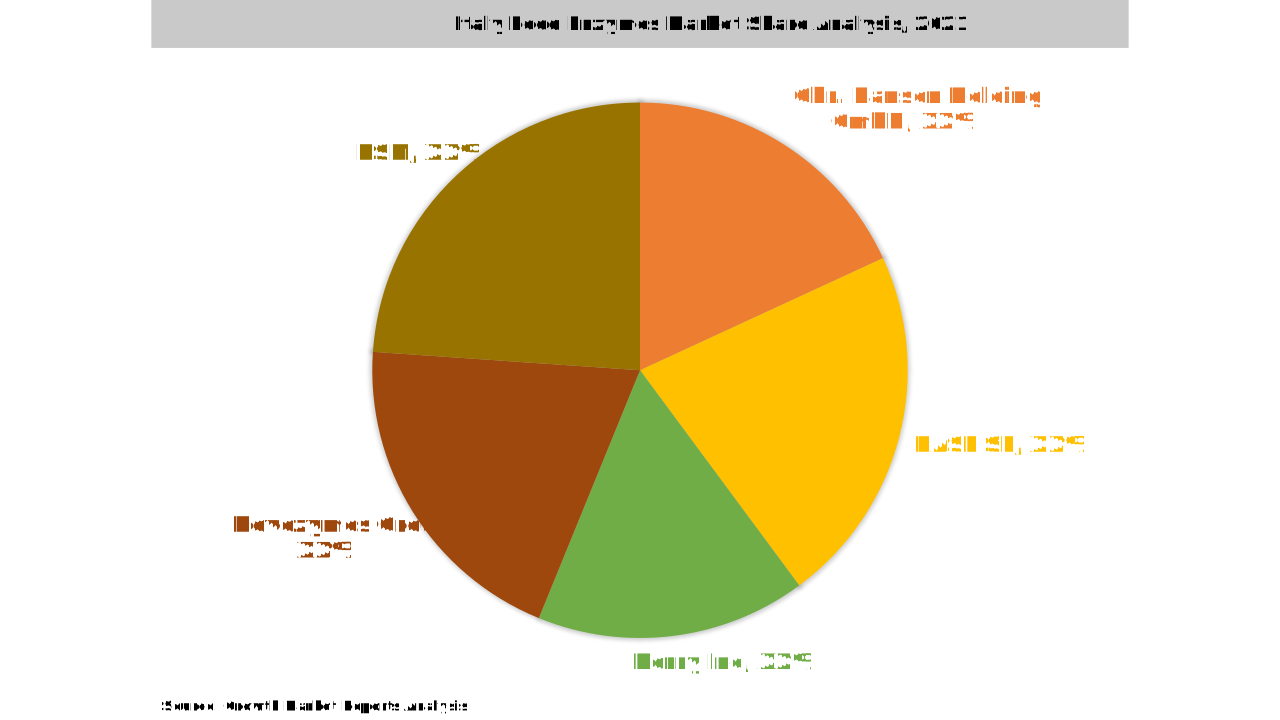
Key players competing in the Italy food enzymes market include Chr. Hansen Holding GmbH; BASF SE; Kerry Inc; Novozymes Group; DSM.
Some of these players are using several market strategies such as acquisitions, merger, collaborations, partnerships, capacity expansion, and product launches to enhance their market shares and to generate revenue and raise their production line of the business in the coming years.
Technological advancements such as enzyme engineering, biotechnology, digital process automation, and the use of genetically modified microorganisms are expanding enzyme applications, improving efficiency, and enabling the development of customized enzyme solutions.
Opportunities include the development of novel enzyme solutions for plant-based, allergen-free, and clean-label foods, as well as integration of digital technologies. Challenges involve regulatory hurdles, allergenicity concerns, and consumer resistance to enzyme-treated foods in some regions.
Key companies include Novozymes A/S, DuPont (IFF), DSM-Firmenich, AB Enzymes, Chr. Hansen Holding A/S, BASF SE, Amano Enzyme Inc., Advanced Enzyme Technologies, Kerry Group, and others.
Asia Pacific is the fastest-growing region, driven by urbanization and food industry expansion. North America and Europe dominate in market value due to established food processing sectors and high consumer awareness. The Middle East & Africa and Latin America are also experiencing steady growth.
Food enzymes are available in powder, liquid, and other forms (granulated, encapsulated, immobilized). Powdered enzymes offer stability and long shelf life, while liquid enzymes provide rapid dispersion and are preferred in beverage and dairy applications.
Food enzymes are used in bakery (dough conditioning, gluten modification), dairy (cheese production, lactose hydrolysis), beverages (brewing, juice clarification), confectionery, and processed foods to enhance texture, flavor, shelf life, and nutritional value.
Food enzymes are primarily sourced from microorganisms (bacteria, fungi, yeasts), plants (e.g., papain from papaya, bromelain from pineapple), and animals (e.g., rennet, trypsin). Microbial enzymes dominate the market due to their high yield and cost-effectiveness.
The main types of food enzymes are carbohydrases (such as amylases, cellulases, and lactases), proteases, lipases, and specialty enzymes like pectinases and phytases. Carbohydrases hold the largest market share due to their widespread use in bakery, dairy, and beverage industries.
Key growth drivers include rising demand for processed and convenience foods, consumer preference for natural and clean-label products, technological advancements in enzyme engineering, and the food industry's focus on sustainability and reducing food waste.
The global food enzymes market reached USD 2.94 billion in 2024 and is projected to grow at a CAGR of 6.2% from 2025 to 2033, reaching USD 5.04 billion by 2033.