Segments - by Type (Traditional Alternative Medicine/Botanicals, Mind Healing, Body Healing, External Energy, Sensory Healing, Others), by Intervention (Acupuncture, Homeopathy, Naturopathy, Ayurveda, Yoga, Meditation, Chiropractic, Others), by Distribution Channel (Direct Sales, E-commerce, Hospitals & Clinics, Wellness Centers, Others), by End User (Hospitals & Clinics, Home Care, Wellness Centers, Others)
This report is updated with the latest market data and insights as of June 2026. Base year: 2025 | Forecast period: 2026-2034
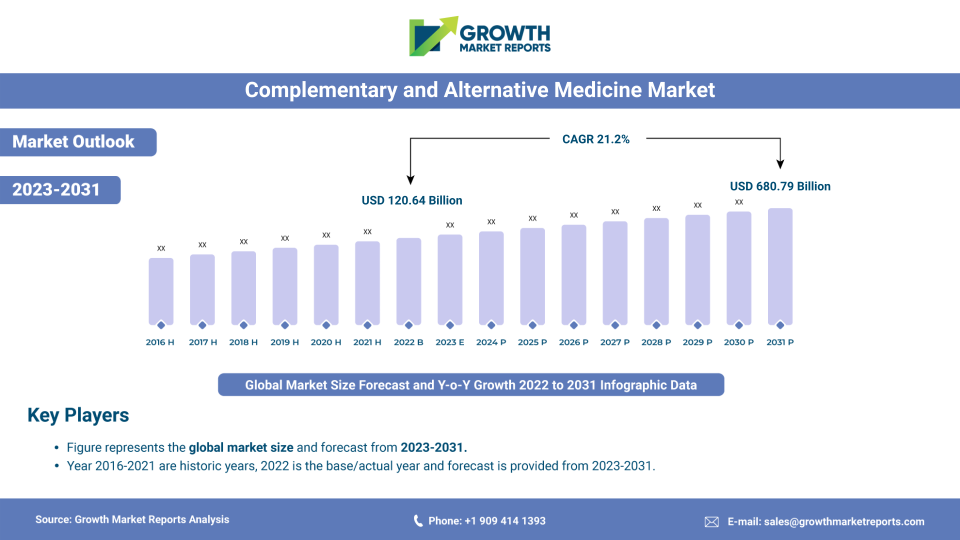
According to our latest research, the global complementary and alternative medicine (CAM) market size reached USD 139.9 billion in 2025, reflecting a robust and sustained interest in holistic and integrative health solutions worldwide. The market is projected to expand at a CAGR of 17.4% from 2026 to 2034, culminating in a forecasted value of USD 591.2 billion by 2034. This remarkable growth trajectory is underpinned by increasing consumer awareness about preventive healthcare, rising chronic disease prevalence, and growing acceptance of non-conventional therapies across both developed and emerging economies.
A critical growth driver for the complementary and alternative medicine market is the mounting global burden of chronic diseases and lifestyle-related health issues. As conventional medicine often focuses on symptom management, patients are increasingly seeking holistic approaches that address root causes and promote overall well-being. The rise in non-communicable diseases such as diabetes, cardiovascular disorders, and mental health conditions has catalyzed demand for CAM therapies, including acupuncture, yoga, meditation, and herbal remedies. These modalities not only offer symptom relief but also emphasize preventive care, stress reduction, and long-term health maintenance, which resonates strongly with health-conscious consumers worldwide. Broader market dynamics shaping this space, including the rapid ascent of Ayush and traditional healing systems, are adding further momentum to global CAM adoption in 2025 and beyond.
Another significant factor propelling the CAM market is the growing body of scientific research supporting the efficacy and safety of alternative therapies. As clinical studies and meta-analyses continue to validate traditional practices such as Ayurveda, naturopathy, and chiropractic care, healthcare professionals and patients alike are becoming more confident in integrating these modalities into mainstream treatment regimens. Additionally, regulatory frameworks in several countries are evolving to accommodate and standardize CAM practices, further legitimizing their use and expanding access. The integration of digital health platforms and telemedicine has also played a pivotal role, making CAM services more accessible to remote and underserved populations, thereby broadening the market reach.
Demographic shifts, particularly the aging global population, are fueling the demand for complementary and alternative medicine. Older adults are more likely to experience chronic pain, musculoskeletal issues, and mental health challenges, prompting them to explore non-pharmacological interventions that offer fewer side effects and personalized care. Moreover, millennial and Gen Z cohorts are increasingly adopting wellness-oriented lifestyles, prioritizing preventive healthcare, and seeking natural therapies. This generational shift is bolstered by social media advocacy, influencer-led wellness communities, and the normalization of holistic health practices across digital channels, all of which continue to drive mainstream acceptance of CAM in 2025.
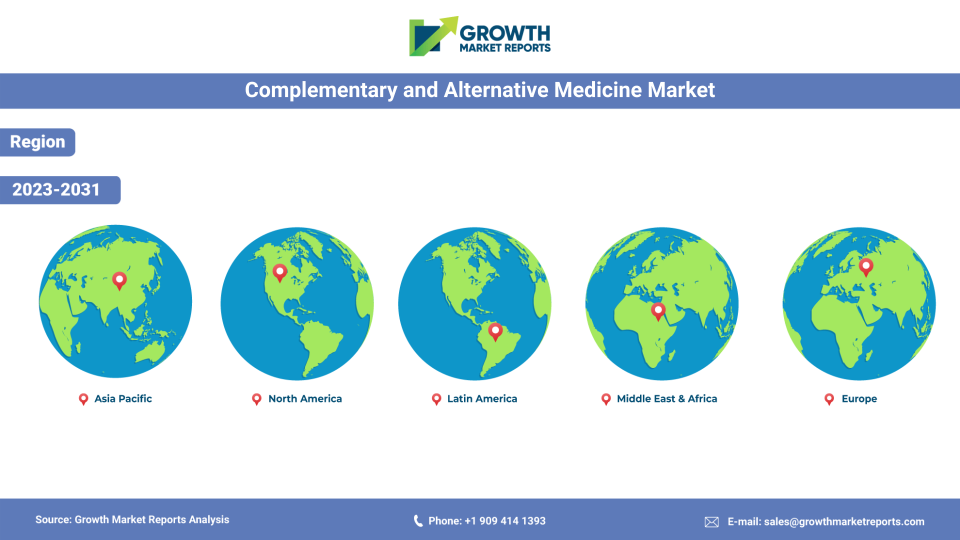
From a regional perspective, Asia Pacific continues to dominate the complementary and alternative medicine market, owing to its rich heritage of traditional medicine systems such as Traditional Chinese Medicine (TCM), Ayurveda, and various indigenous healing practices. North America and Europe are also witnessing significant growth, driven by rising consumer awareness, favorable reimbursement policies, and a surge in integrative healthcare models. Meanwhile, Latin America, the Middle East, and Africa are emerging as promising markets, supported by increasing government initiatives and investments in holistic health infrastructure. The global CAM market is thus characterized by a dynamic interplay of cultural, economic, and regulatory factors, paving the way for sustained expansion through 2034.
The type segment of the complementary and alternative medicine market encompasses a diverse array of modalities, including traditional alternative medicine and botanicals, mind healing, body healing, external energy, sensory healing, and others. Traditional alternative medicine and botanicals represent the largest share of the market at approximately 34.5%, propelled by the enduring popularity of herbal remedies, Ayurveda, and Traditional Chinese Medicine. Consumers are increasingly drawn to plant-based therapies due to their perceived safety, minimal side effects, and centuries-old track record. The growing demand for natural supplements and botanicals is further fueled by the clean-label movement, which prioritizes transparency, sustainability, and organic sourcing in health and wellness products. The broader landscape of government-endorsed traditional healing, including India's AYUSH system and parallel alternative medicine frameworks, is actively reinforcing this segment's dominant position.
Mind healing therapies, such as meditation, mindfulness, and cognitive behavioral techniques, account for roughly 22.0% of the type segment and are gaining significant traction as awareness around mental health continues to rise globally. The aftermath of the COVID-19 pandemic has had lasting effects on mental well-being worldwide, prompting individuals to seek non-pharmacological interventions for emotional resilience. Mind healing practices are now widely integrated into corporate wellness programs, educational curricula, and digital health platforms, making them accessible to a broader demographic. The scientific validation of practices like mindfulness meditation in reducing stress and improving cognitive function has further bolstered their credibility and adoption heading into the mid-2020s.
Body healing modalities, including chiropractic care, massage therapy, and osteopathy, hold around 19.5% of the type market and are experiencing steady growth due to their effectiveness in managing musculoskeletal pain, enhancing mobility, and promoting physical rehabilitation. These therapies are increasingly recommended as adjuncts to conventional medical treatments, particularly for chronic pain, sports injuries, and post-surgical recovery. The integration of body healing practices into multidisciplinary healthcare settings has expanded their reach, while advancements in training and certification are ensuring higher standards of care and patient safety across global markets.
External energy and sensory healing represent emerging frontiers in the CAM market, together contributing around 19.0% of the type segment. External energy therapies, such as Reiki, Qigong, and therapeutic touch, are gaining acceptance among consumers seeking holistic approaches to energy balance and stress management. Sensory healing modalities, including aromatherapy, sound therapy, and color therapy, are being incorporated into wellness centers, spas, and home environments, driven by the growing interest in multisensory experiences for relaxation and healing. The continued exploration of these modalities is expected to unlock new opportunities for market expansion through 2034, particularly as scientific research delves deeper into their mechanisms and clinical benefits.
| Attributes | Details |
| Report Title | Complementary and Alternative Medicine Market Research Report 2025-2034 |
| By Type | Traditional Alternative Medicine/Botanicals, Mind Healing, Body Healing, External Energy, Sensory Healing, Others |
| By Intervention | Acupuncture, Homeopathy, Naturopathy, Ayurveda, Yoga, Meditation, Chiropractic, Others |
| By Distribution Channel | Direct Sales, E-commerce, Hospitals & Clinics, Wellness Centers, Others |
| By End User | Hospitals & Clinics, Home Care, Wellness Centers, Others |
| Regions Covered | North America, Europe, APAC, Latin America, MEA |
| Base Year | 2025 |
| Historic Data | 2019-2024 |
| Forecast Period | 2026-2034 |
| Number of Pages | 260 |
| Number of Tables & Figures | 255 |
| Customization Available | Yes, the report can be customized as per your need. |
The intervention segment of the complementary and alternative medicine market is characterized by a wide spectrum of therapeutic approaches, each with unique historical, cultural, and clinical underpinnings. Acupuncture, a cornerstone of Traditional Chinese Medicine, remains one of the most widely practiced and researched interventions globally as of 2025. Its proven efficacy in pain management, migraine relief, and stress reduction has garnered support from both patients and healthcare providers. The increasing integration of acupuncture into hospital settings and pain clinics is a testament to its growing acceptance and the robust body of evidence supporting its use across multiple therapeutic indications.
Homeopathy and naturopathy are also prominent interventions within the CAM market, appealing to consumers seeking gentle, individualized, and holistic care. Homeopathy's principle of treating like with like and its use of highly diluted substances resonate with individuals wary of conventional pharmaceuticals. Naturopathy, on the other hand, emphasizes lifestyle modification, nutrition, and natural therapies, aligning with the broader movement towards preventive healthcare and self-empowerment. Both interventions are supported by expanding educational institutions, professional associations, and regulatory frameworks, which are enhancing their credibility and accessibility in 2025 and the years ahead.
Ayurveda and yoga, rooted in ancient Indian traditions, have witnessed a sustained global resurgence, particularly in wellness tourism, preventive medicine, and chronic disease management. Ayurveda's personalized approach to health, encompassing diet, herbal medicine, and detoxification, appeals to individuals seeking comprehensive and sustainable solutions. Yoga, with its multifaceted benefits for physical, mental, and spiritual well-being, has transcended cultural boundaries to become a mainstream practice in fitness centers, schools, and corporate settings. The proliferation of yoga studios, retreat programs, and online platforms has significantly expanded its reach, while ongoing research continues to validate its therapeutic potential in managing conditions ranging from anxiety to cardiovascular risk.
Other notable interventions include chiropractic care, meditation, and a diverse array of holistic therapies such as reflexology, aromatherapy, and cupping. Chiropractic care is widely recognized for its role in spinal health, pain management, and functional rehabilitation. Meditation, with its proven benefits for stress reduction, emotional regulation, and cognitive enhancement, is increasingly integrated as an adjunct to conventional mental health treatments. The continuous evolution and diversification of CAM interventions underscores the market's capacity to adapt to changing consumer needs, ensuring sustained growth and innovation through the 2026-2034 forecast period.
The distribution channel segment plays a pivotal role in shaping the accessibility and adoption of complementary and alternative medicine products and services. Direct sales remain a dominant channel, particularly for herbal supplements, essential oils, and wellness devices. Companies leveraging multilevel marketing and personalized consultations are able to build strong customer relationships, foster brand loyalty, and deliver tailored health solutions. The direct sales model is particularly effective in markets where trust and word-of-mouth recommendations are paramount, enabling rapid market penetration and sustained revenue growth in both developed and emerging economies.
E-commerce has emerged as a transformative and fastest-growing force in the CAM market, offering unparalleled convenience, product variety, and price transparency. The proliferation of online marketplaces, wellness platforms, and digital health stores has democratized access to CAM products, enabling consumers to research, compare, and purchase remedies from any location. E-commerce platforms are also facilitating the growth of niche and specialty products, catering to diverse consumer preferences and health needs. The integration of teleconsultations, virtual wellness classes, and subscription-based models is further enhancing the online CAM experience, driving higher engagement and repeat purchases well into the forecast period.
Hospitals and clinics are increasingly incorporating CAM therapies into their service offerings, reflecting the growing trend towards integrative healthcare. The establishment of integrative medicine departments, wellness clinics, and multidisciplinary teams is bridging the gap between conventional and alternative care, providing patients with comprehensive and coordinated treatment options. Hospitals and clinics are particularly well-positioned to deliver evidence-based CAM interventions, supported by trained professionals, standardized protocols, and rigorous quality assurance measures. This channel is instrumental in enhancing the credibility and clinical integration of CAM therapies across all major markets in 2025.
Wellness centers, spas, and fitness studios represent another vital distribution channel, catering to consumers seeking immersive and experiential approaches to health and well-being. These venues offer a wide range of CAM services, from massage therapy and acupuncture to yoga classes and nutritional counseling. The continued rise of wellness tourism and retreat programs has further expanded the reach of wellness centers, attracting both domestic and international clientele. The emphasis on personalized care, relaxation, and holistic healing is resonating strongly with health-conscious consumers, driving sustained growth in this segment through 2034.
The end user segment of the complementary and alternative medicine market is diverse, encompassing hospitals and clinics, home care, wellness centers, and other settings. Hospitals and clinics are at the forefront of integrating CAM therapies into conventional medical practice, driven by increasing patient demand and the growing recognition of holistic care's clinical benefits. The adoption of CAM interventions in clinical settings is supported by interdisciplinary collaboration, evidence-based protocols, and ongoing research, ensuring safe and effective treatment outcomes. Hospitals and clinics are also playing a pivotal role in advancing the standardization and regulation of CAM practices, fostering greater trust among patients and healthcare providers globally.
Home care is emerging as the fastest-growing end user segment, fueled by the rising prevalence of chronic diseases, aging populations, and the desire for personalized, convenient healthcare solutions. CAM therapies such as yoga, meditation, aromatherapy, and herbal remedies are increasingly being adopted for self-care and preventive health management at home. The availability of online resources, virtual consultations, and home delivery services is empowering individuals to take charge of their health, reduce healthcare costs, and enhance their quality of life. The shift towards home-based care is expected to accelerate further through the 2026-2034 forecast period, driven by technological innovation and evolving consumer preferences.
Wellness centers and spas are key end users of CAM services, offering a holistic and immersive approach to health and well-being. These facilities provide a wide array of therapies, including massage, acupuncture, hydrotherapy, and mindfulness practices, catering to individuals seeking relaxation, stress relief, and preventive care. The integration of CAM therapies into wellness programs, corporate retreats, and community health initiatives is expanding their reach and appeal. Wellness centers are also at the forefront of innovation, incorporating emerging modalities such as sound therapy, energy healing, and biofeedback into their service portfolios to attract a broader and more diverse clientele.
Other end users, including fitness centers, educational institutions, and community organizations, are increasingly embracing CAM practices as part of broader health promotion and disease prevention initiatives. The inclusion of yoga, meditation, and nutrition counseling in schools, workplaces, and community centers is fostering a culture of wellness and resilience. These settings offer unique opportunities to reach diverse populations, promote health equity, and address social determinants of health. The ongoing expansion of CAM services across multiple end user segments underscores the market's versatility and potential for sustained growth through 2034.
The complementary and alternative medicine market is ripe with opportunities, driven by the convergence of consumer demand, technological advancement, and evolving healthcare paradigms. One of the most promising opportunities lies in the integration of CAM therapies with digital health solutions, such as mobile apps, telemedicine platforms, and wearable devices. These technologies enable remote monitoring, personalized health coaching, and real-time feedback, enhancing the accessibility and effectiveness of CAM interventions. The development of evidence-based digital therapeutics, virtual wellness programs, and online education platforms is poised to revolutionize the delivery and scalability of CAM services, opening new avenues for growth and innovation through 2034.
Another significant opportunity is the expansion of CAM into preventive healthcare and chronic disease management. As healthcare systems worldwide grapple with rising costs and resource constraints, there is a growing emphasis on prevention, early intervention, and patient empowerment. CAM therapies, with their focus on holistic well-being, lifestyle modification, and self-care, are uniquely positioned to address these needs. The integration of CAM into public health programs, corporate wellness initiatives, and community outreach efforts can drive widespread adoption, improve health outcomes, and reduce the burden on conventional healthcare systems. Strategic partnerships, research collaborations, and policy advocacy are key enablers of this transformative shift in 2025 and beyond.
Despite these opportunities, the CAM market faces several restraining factors, chief among them being the lack of standardized regulations and quality control. The diversity of CAM practices, varying levels of practitioner training, and inconsistent product quality pose challenges to consumer safety and market credibility. Regulatory frameworks differ significantly across countries, leading to disparities in licensing, certification, and oversight. The absence of universally accepted clinical guidelines and reimbursement policies further limits the integration of CAM into mainstream healthcare. Addressing these challenges requires concerted efforts from industry stakeholders, policymakers, and professional associations to establish robust standards, promote rigorous research, and enhance public awareness.
The Asia Pacific region leads the global complementary and alternative medicine market, with a market size of approximately USD 49.0 billion in 2025, representing approximately 35% of the global market. This dominance is attributed to the region's rich heritage of traditional medicine systems, including Ayurveda, Traditional Chinese Medicine, and various indigenous healing practices. Countries such as China, India, and Japan are at the forefront of CAM innovation, supported by strong government initiatives, research investments, and a large base of trained practitioners. The growing popularity of wellness tourism, herbal supplements, and holistic health services further underpins the region's market leadership and robust growth prospects through the forecast period.
North America is the second-largest market for CAM, with a market size of approximately USD 37.8 billion in 2025, accounting for about 27% of the global total. The region is characterized by high consumer awareness, widespread adoption of integrative healthcare models, and favorable reimbursement policies for select CAM therapies. The United States and Canada are witnessing a surge in demand for mind-body interventions, nutritional supplements, and preventive health services, driven by the aging population and rising chronic disease prevalence. The North American CAM market is projected to grow at a CAGR of approximately 16.8% through 2034, supported by ongoing research, regulatory advancements, and strategic industry partnerships.
Europe holds a significant share of the global CAM market, with a market size of approximately USD 29.4 billion in 2025, representing roughly 21% of the global market. The region is characterized by a strong tradition of herbal medicine, homeopathy, and naturopathy, particularly in Germany, France, Switzerland, and the United Kingdom. The integration of CAM into national healthcare systems, increasing public investment in research, and growing consumer demand for natural and preventive therapies are driving steady market growth. Meanwhile, Latin America and the Middle East and Africa are emerging as high-potential markets, collectively accounting for around USD 23.7 billion in 2025, fueled by rising health awareness, expanding wellness infrastructure, and supportive government policies. These regions are expected to witness accelerated growth through 2034 as CAM gains greater acceptance, investment, and accessibility across diverse population segments.
The complementary and alternative medicine market is characterized by a highly fragmented and competitive landscape, with a diverse array of players ranging from multinational corporations and established healthcare providers to small-scale practitioners and niche product manufacturers. Competition is driven by innovation, product differentiation, and the ability to deliver personalized, high-quality health solutions. Market leaders are investing heavily in research and development, digital transformation, and strategic partnerships to enhance their service offerings, expand their geographic footprint, and strengthen their brand presence in 2025. The increasing convergence of CAM with mainstream healthcare is prompting traditional pharmaceutical and consumer health companies to enter the market through acquisitions, joint ventures, and the development of proprietary CAM product lines.
The rise of e-commerce and digital health platforms has lowered barriers to entry, enabling new players to reach global audiences and offer specialized products and services. Companies are leveraging data analytics, artificial intelligence, and personalized health technologies to deliver tailored CAM solutions, improve patient outcomes, and drive customer engagement. The proliferation of wellness apps, online education platforms, and virtual consultation services is fostering greater competition and innovation, while also raising the bar for quality, safety, and regulatory compliance. As consumers become more discerning and informed, companies are under increasing pressure to demonstrate the efficacy, safety, and transparency of their offerings.
Collaboration and partnerships are emerging as key strategies for gaining a competitive edge in the CAM market. Leading players are forming alliances with academic institutions, research organizations, and healthcare providers to advance clinical research, develop evidence-based protocols, and promote best practices. These collaborations are instrumental in bridging the gap between traditional and modern medicine, enhancing the credibility and acceptance of CAM therapies. Companies are also investing in training and certification programs to ensure high standards of practitioner competence and patient care, further differentiating themselves in a crowded and evolving marketplace.
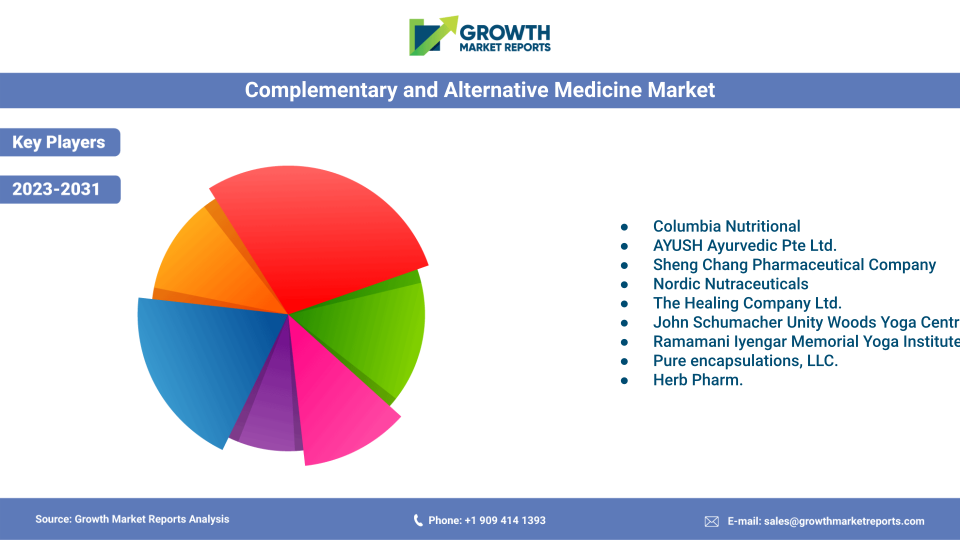
Among the major companies operating in the complementary and alternative medicine market are Herb Pharm, Pure Encapsulations, Nature's Bounty Co., Biotics Research Corporation, Himalaya Wellness Company, and Boiron SA. Herb Pharm is renowned for its extensive range of herbal extracts and tinctures, with a strong emphasis on organic sourcing and sustainability. Pure Encapsulations specializes in hypoallergenic nutritional supplements, catering to consumers with specific dietary needs and sensitivities. Nature's Bounty Co. is a global leader in vitamins, minerals, and herbal supplements, leveraging a vast distribution network and robust research capabilities. Himalaya Wellness Company brings decades of Ayurvedic expertise to global markets, combining traditional formulations with modern quality standards. Boiron SA is the world's leading manufacturer of homeopathic medicines, maintaining a strong presence across Europe, North America, and emerging markets. These companies, along with Weleda AG, Blackmores Limited, Dabur India Ltd., Amway Corporation, NOW Foods, and numerous regional players, are shaping the future of the CAM market through continuous innovation, strategic expansion, and a steadfast commitment to holistic health and wellness through 2034.
The Complementary and Alternative Medicine market has been segmented on the basis of
Leading companies in the global CAM market include Herb Pharm, Biotics Research Corporation, Pure Encapsulations, Nature's Bounty Co., Herbalife Nutrition Ltd., NOW Foods, Himalaya Wellness Company, Weleda AG, Schwabe Pharmaceuticals, Blackmores Limited, Gaia Herbs, Boiron SA, Dabur India Ltd., Amway Corporation, and Traditional Medicinals, among others.
Major opportunities include integration with digital health technologies, expansion into chronic disease management and preventive care programs, and growing wellness tourism. Key challenges include the lack of standardized global regulations and quality control, inconsistent reimbursement policies, variable practitioner training standards, and the need for stronger clinical evidence across many modalities.
The main end user segments are hospitals and clinics, home care users, and wellness centers. Home care is the fastest-growing segment, driven by rising self-care adoption, digital health access, and growing availability of at-home CAM tools and products. Wellness centers remain highly influential in shaping consumer trends and introducing new modalities.
CAM products and services are distributed through direct sales channels, e-commerce platforms, hospitals and clinics, and dedicated wellness centers and spas. E-commerce has emerged as the fastest-growing channel, offering convenience, broad product variety, and the integration of virtual consultations and subscription wellness models.
Acupuncture, yoga, and meditation are among the most widely practiced and researched CAM interventions globally. Ayurveda, chiropractic care, homeopathy, and naturopathy also command significant market share, supported by expanding clinical evidence, growing practitioner networks, and integration into hospital and wellness center settings.
The primary types include traditional alternative medicine and botanicals, which hold the largest share at approximately 34.5%, followed by mind healing at 22.0%, body healing at 19.5%, external energy therapies at 10.5%, sensory healing at 8.5%, and other modalities making up the remainder.
Asia Pacific leads the global CAM market with approximately 35% share, valued at around USD 49.0 billion in 2025, owing to its deep-rooted traditional medicine heritage. North America follows with roughly 27% share, and Europe holds about 21%. Latin America and the Middle East and Africa are emerging high-growth markets collectively contributing the remaining share.
Key growth drivers include the mounting global burden of chronic and lifestyle-related diseases, expanding scientific validation of traditional therapies, favorable regulatory evolution in major markets, rapid digital health integration, demographic shifts toward aging and wellness-oriented younger populations, and increasing incorporation of CAM into mainstream healthcare systems worldwide.
The CAM market is projected to expand at a compound annual growth rate of 17.4% over the forecast period from 2026 to 2034, reaching an estimated USD 591.2 billion by 2034, driven by rising chronic disease prevalence, growing health consciousness, and broader acceptance of non-conventional therapies.
The global complementary and alternative medicine market reached USD 139.9 billion in 2025, reflecting sustained and accelerating consumer demand for holistic, integrative, and preventive health solutions across all major regions.