Chiropractic Market Report 2025-2034

Chiropractic Market Report 2025-2034

Segments - by Service Type (Spinal Manipulation, Therapeutic Exercise, Soft Tissue Therapy, Others), by Age Group (Pediatrics, Adults, Geriatrics), by Application (Musculoskeletal Pain, Sports Injuries, Chronic Pain, Others), by End User (Hospitals, Chiropractic Clinics, Rehabilitation Centers, Others)

https://growthmarketreports.com/raksha
Author : Raksha Sharma
https://growthmarketreports.com/Vaibhav
Fact-checked by : V. Chandola
https://growthmarketreports.com/Shruti
Editor : Shruti Bhat

Last Updated : Jun, 2026 | Report ID :HC-1801 | 4.9 Rating | 39 Reviews | 296 Pages | Format : Docx PDF

Report Description

This report is updated with the latest market data and insights as of June 2026. Base year: 2025  |  Forecast period: 2026-2034


Chiropractic Market Outlook

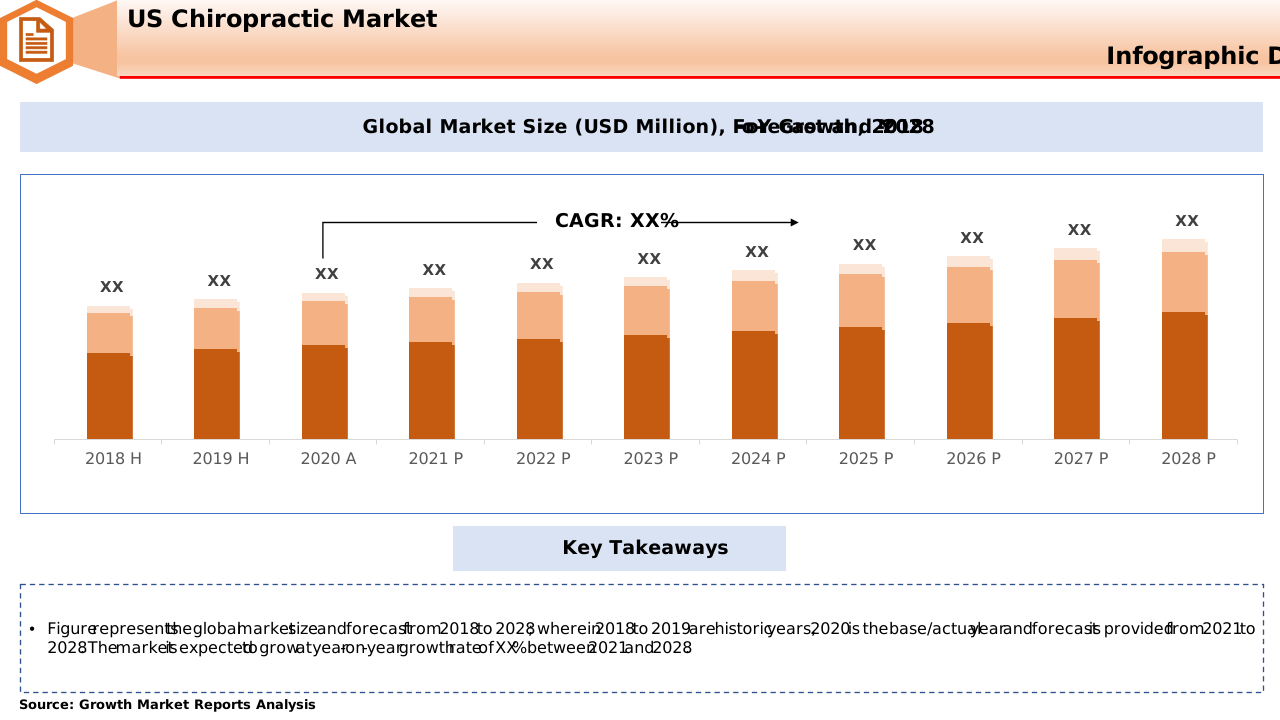
According to our latest research, the global chiropractic market size reached USD 18.3 billion in 2025, reflecting robust and sustained demand for chiropractic services worldwide. Driven by growing awareness of non-invasive therapies and the rising prevalence of musculoskeletal disorders, the market is projected to expand at a CAGR of 5.8% from 2026 to 2034. By the end of this forecast period, the chiropractic market is expected to achieve a value of USD 30.6 billion. This growth trajectory is underpinned by increasing healthcare expenditures, an aging global population, and a decisive shift toward holistic and alternative medicine approaches, as per our comprehensive analysis.

Global Chiropractic Market Size Forecast 2025-2034, USD Billion

One of the primary growth factors propelling the chiropractic market in 2025 is the escalating incidence of musculoskeletal pain and related conditions. Modern lifestyles, characterized by sedentary work environments and prolonged use of digital devices, have led to a surge in cases of back pain, neck pain, and posture-related issues. As a result, individuals are increasingly seeking chiropractic care as a non-invasive, drug-free alternative to conventional medical treatments. The effectiveness of spinal manipulation and therapeutic exercises in providing long-term relief further strengthens the preference for chiropractic interventions. Moreover, the growing body of clinical evidence supporting the safety and efficacy of chiropractic treatments is fostering greater acceptance among healthcare professionals and patients alike, reinforcing market demand across all age cohorts.

The expanding geriatric population worldwide is another significant driver for the chiropractic market. Older adults are more susceptible to chronic pain, arthritis, osteoporosis, and other musculoskeletal ailments, making them prime candidates for chiropractic therapies. With the global population aged 65 and above steadily rising through the forecast period, there is a corresponding increase in demand for non-surgical pain management solutions. Chiropractic care offers elderly patients a means to maintain mobility, reduce dependency on pain medications, and enhance overall quality of life. Additionally, the integration of chiropractic services into multidisciplinary pain management programs in hospitals and rehabilitation centers is amplifying market growth by broadening the reach of these services across different age demographics.

Rising consumer awareness regarding the benefits of preventive healthcare is also fueling the adoption of chiropractic services through 2025 and beyond. Patients are increasingly prioritizing wellness and proactive management of health conditions, leading to higher utilization of chiropractic clinics for routine check-ups, postural assessments, and ergonomic advice. The proliferation of health insurance plans that cover chiropractic care in developed regions, particularly in North America and Europe, is removing financial barriers and encouraging more individuals to seek these services. Furthermore, the emergence of sports chiropractic, catering to athletes and fitness enthusiasts, is opening new avenues for market expansion, as these individuals seek specialized care for injury prevention and performance enhancement. As the chiropractic market continues to grow, practitioners and clinics must also consider the importance of Chiropractor Malpractice Insurance, which is essential for protecting practitioners from potential legal claims and ensuring long-term professional sustainability.

The integration of digital technologies is reshaping the chiropractic market landscape in 2025. Telehealth consultations, AI-assisted diagnostic tools, electronic health records, and mobile patient engagement platforms are enabling chiropractors to deliver more efficient and data-driven care. These innovations are not only improving clinical outcomes but also expanding patient access in underserved regions. Practitioners who embrace digital transformation are gaining a competitive edge, attracting tech-savvy patients and streamlining administrative workflows. The rise of wearable health devices is further enabling chiropractors to monitor patient progress remotely, personalize treatment plans, and proactively manage musculoskeletal health between appointments. The growing interest in chiropractic services for animals also reflects the broader expansion of the discipline into new care segments, signaling wider societal acceptance of chiropractic principles.

From a regional perspective, North America continues to dominate the chiropractic market, accounting for approximately 47.5% of global revenue in 2025, followed by Europe. The Asia Pacific region is witnessing the fastest growth, driven by increasing healthcare investments, rising disposable incomes, and growing acceptance of alternative therapies. Latin America and the Middle East and Africa are also experiencing gradual growth, supported by expanding healthcare infrastructure and greater awareness initiatives. Each region presents unique opportunities and challenges, influenced by regulatory frameworks, cultural attitudes toward chiropractic care, and the availability of trained practitioners.

Service Type Analysis

The chiropractic market is segmented by service type into spinal manipulation, therapeutic exercise, soft tissue therapy, and others, each playing a pivotal role in patient care. Spinal manipulation remains the cornerstone of chiropractic practice, accounting for approximately 42.5% of the market in 2025. This technique is highly valued for its efficacy in alleviating back and neck pain, enhancing joint mobility, and promoting overall spinal health. The widespread adoption of spinal manipulation is supported by a strong and expanding evidence base, high patient satisfaction scores, and endorsements from professional chiropractic associations globally. As more individuals seek alternatives to pharmacological pain management, the demand for spinal manipulation is expected to remain robust throughout the 2026-2034 forecast period.

Chiropractic Market Share by Service Type 2025

Therapeutic exercise is gaining significant traction within the chiropractic market, particularly as the focus shifts toward holistic patient rehabilitation and long-term wellness. Chiropractors are increasingly incorporating customized exercise regimens into treatment plans to improve strength, flexibility, and postural alignment. These exercises are tailored to address specific musculoskeletal issues, facilitate recovery from injuries, and prevent recurrence of pain. The integration of therapeutic exercise with traditional chiropractic adjustments not only accelerates patient recovery but also empowers individuals to take an active role in their health maintenance. This approach is especially popular among younger and physically active populations, including athletes and fitness enthusiasts, and is contributing meaningfully to the segment's approximately 26% revenue share in 2025.

Soft tissue therapy encompasses a range of manual techniques aimed at alleviating muscle tension, reducing inflammation, and enhancing circulation, representing roughly 21.5% of the market in 2025. This service type is particularly beneficial for patients with chronic pain, sports injuries, and soft tissue dysfunctions. Techniques such as myofascial release, trigger point therapy, and deep tissue massage are commonly employed by chiropractors to complement spinal adjustments. The growing recognition of the interconnectedness between muscular and skeletal health is driving demand for soft tissue therapy within chiropractic clinics. As research continues to validate the effectiveness of these techniques, their adoption is expected to rise, contributing to the overall growth of the chiropractic market through 2034.

The others segment, accounting for approximately 10% of the market, includes adjunctive therapies such as electrotherapy, ultrasound, laser therapy, and nutritional counseling, which are increasingly being integrated into chiropractic care. These complementary services enhance the therapeutic outcomes of core chiropractic treatments by addressing underlying physiological factors and promoting holistic wellness. The adoption of advanced technologies, such as low-level laser therapy and computerized diagnostic tools, is further expanding the scope of services offered within chiropractic clinics. As the market evolves through the forecast period, the demand for comprehensive, multidisciplinary care is expected to drive growth in this segment, catering to diverse patient needs and preferences.

Report Scope

Attributes Details
Report Title Chiropractic Market Research Report 2034
By Service Type Spinal Manipulation, Therapeutic Exercise, Soft Tissue Therapy, Others
By Age Group Pediatrics, Adults, Geriatrics
By Application Musculoskeletal Pain, Sports Injuries, Chronic Pain, Others
By End User Hospitals, Chiropractic Clinics, Rehabilitation Centers, Others
Regions Covered North America, Europe, APAC, Latin America, MEA
Base Year 2025
Historic Data 2019-2024
Forecast Period 2026-2034
Number of Pages 296
Number of Tables & Figures 392
Customization Available Yes, the report can be customized as per your need.

Age Group Analysis

The chiropractic market is segmented by age group into pediatrics, adults, and geriatrics, each representing unique patient needs and treatment considerations. Adults constitute the largest segment, accounting for the majority of chiropractic visits globally in 2025. This demographic is particularly susceptible to musculoskeletal pain due to occupational hazards, lifestyle factors, and sports-related injuries. Chiropractic care for adults focuses on pain management, injury rehabilitation, and preventive health, with a growing emphasis on ergonomic education and lifestyle modification. The increasing prevalence of chronic back and neck pain among working-age individuals, compounded by hybrid work arrangements involving prolonged sitting, is expected to sustain demand for chiropractic services in this segment through 2034.

The geriatric population represents a rapidly expanding segment within the chiropractic market, driven by global demographic trends and the rising burden of age-related musculoskeletal disorders. Older adults frequently experience conditions such as osteoarthritis, spinal degeneration, and reduced mobility, making them prime candidates for chiropractic interventions. The non-invasive nature of chiropractic care, coupled with its ability to improve function and quality of life, is particularly appealing to this age group. Chiropractors are increasingly collaborating with geriatricians and rehabilitation specialists to provide integrated care for elderly patients, addressing both acute and chronic pain management needs. As the global population continues to age through the forecast period, the geriatric segment is expected to grow at the fastest rate among all age groups.

Pediatric chiropractic care is a niche but growing segment, fueled by increasing awareness of the benefits of early intervention for musculoskeletal health. Parents are seeking chiropractic services for children to address conditions such as scoliosis, postural imbalances, and sports injuries. Pediatric chiropractors employ gentle, age-appropriate techniques to ensure safety and efficacy, with a focus on promoting healthy growth and development. The rising participation of children in organized sports and physical activities is contributing to the demand for preventive and rehabilitative chiropractic care in this age group. As research continues to support the safety and benefits of pediatric chiropractic practice, this segment is poised for steady growth from 2026 to 2034.

Each age group presents unique challenges and opportunities for the chiropractic market. Tailoring treatment approaches to the specific needs and physiological characteristics of different age cohorts is essential for optimizing patient outcomes. The growing emphasis on personalized care and preventive health across all age groups is expected to drive innovation in chiropractic services, fostering market expansion and diversification throughout the forecast period.

Application Analysis

The chiropractic market is segmented by application into musculoskeletal pain, sports injuries, chronic pain, and others, reflecting the diverse range of conditions treated by chiropractors. Musculoskeletal pain, encompassing back pain, neck pain, and joint discomfort, remains the predominant application, accounting for the largest share of chiropractic visits worldwide in 2025. The high prevalence of musculoskeletal disorders, driven by sedentary lifestyles, occupational stress, and aging populations, is fueling sustained demand for chiropractic interventions. Spinal manipulation and therapeutic exercises are widely recognized for their effectiveness in managing musculoskeletal pain, reducing disability, and improving quality of life across diverse patient populations.

Sports injuries represent a significant and growing application segment within the chiropractic market. Athletes and physically active individuals are increasingly turning to chiropractic care for injury prevention, performance enhancement, and rehabilitation. Chiropractors specializing in sports medicine employ a combination of manual therapies, exercise prescription, and biomechanical assessments to optimize athletic performance and expedite recovery. The rising popularity of organized sports, fitness activities, and recreational pursuits globally is expected to drive demand for sports chiropractic services, particularly among younger demographics and professional athletes, from 2026 through 2034.

Chronic pain management is an area of growing importance within the chiropractic market, as the global burden of chronic pain continues to rise. Individuals suffering from conditions such as fibromyalgia, migraines, and persistent musculoskeletal pain often seek chiropractic care as an alternative or adjunct to pharmacological treatments. The holistic, patient-centered approach of chiropractic care, which emphasizes long-term pain relief and functional improvement, is particularly appealing to chronic pain sufferers. As healthcare systems worldwide grapple with the challenges of opioid dependency and overuse, chiropractic care is emerging as a valuable component of multidisciplinary pain management strategies, creating significant application-level growth potential.

The others segment includes applications such as posture correction, ergonomic assessments, and wellness promotion. Chiropractors are increasingly involved in preventive health initiatives, offering services that extend beyond traditional pain management to encompass lifestyle modification, nutritional counseling, and stress reduction. The growing recognition of the role of spinal health in overall well-being is expanding the scope of chiropractic applications, attracting a broader patient base and driving market growth. As public awareness of the benefits of chiropractic care continues to increase through the forecast period, the application landscape is expected to diversify further, supporting sustained market expansion to 2034.

End User Analysis

The chiropractic market is segmented by end user into hospitals, chiropractic clinics, rehabilitation centers, and others, each representing distinct care delivery settings. Chiropractic clinics dominate the market, accounting for the largest share of service provision in 2025. These clinics offer specialized, patient-centered care, with a focus on musculoskeletal health, pain management, and preventive wellness. The proliferation of standalone chiropractic clinics, particularly in urban and suburban areas across North America and Europe, is making these services more accessible to a wider population. The personalized nature of care, flexible appointment scheduling, and comprehensive treatment offerings are key factors driving patient preference for chiropractic clinics over other settings.

Hospitals are increasingly integrating chiropractic services into their multidisciplinary care programs, particularly in the context of pain management, rehabilitation, and post-surgical recovery. The inclusion of chiropractic care within hospital settings is enhancing patient outcomes, reducing reliance on pharmacological interventions, and supporting holistic recovery. Hospitals benefit from the expertise of chiropractors in managing complex musculoskeletal cases, collaborating with orthopedic surgeons, physiotherapists, and pain specialists. The trend toward integrated healthcare delivery is expected to drive growth in this segment, particularly in regions with advanced healthcare infrastructure and supportive regulatory frameworks, through 2034.

Rehabilitation centers represent a growing end user segment, as the demand for comprehensive rehabilitation services continues to rise globally. Chiropractors play a vital role in multidisciplinary rehabilitation teams, providing manual therapies, exercise prescription, and patient education to support recovery from injuries, surgeries, and chronic conditions. The emphasis on functional restoration, mobility improvement, and long-term wellness aligns with the goals of rehabilitation centers, making chiropractic care an increasingly integral component of these facilities. The expansion of rehabilitation services in response to rising rates of musculoskeletal injuries and chronic pain is expected to drive demand for chiropractic expertise in this setting through the forecast period.

The others segment includes community health centers, corporate wellness programs, and telehealth-based care providers. Chiropractors are increasingly participating in outreach initiatives, workplace health programs, and remote consultations to expand access to care and promote musculoskeletal health. The adoption of digital health technologies is enabling chiropractors to deliver virtual consultations, monitor patient progress, and provide educational resources, further broadening the reach of chiropractic services. As the healthcare landscape evolves from 2025 onward, the diversification of end user settings is expected to support sustained market growth and enhance patient access to high-quality chiropractic care.

Opportunities & Threats

The chiropractic market is positioned to capitalize on several promising opportunities over the 2026-2034 forecast period. One of the most significant opportunities lies in the integration of chiropractic care into mainstream healthcare systems. As healthcare providers increasingly recognize the value of multidisciplinary, patient-centered care, there is growing potential for chiropractors to collaborate with physicians, physiotherapists, and other specialists in managing musculoskeletal disorders and chronic pain. This integration can enhance patient outcomes, reduce healthcare costs, and expand the reach of chiropractic services to new patient populations. Additionally, technological advancements such as telehealth platforms, electronic health records, and AI-assisted diagnostic imaging are enabling chiropractors to deliver more efficient, data-driven care, opening new avenues for market expansion.

Another key opportunity is the rising demand for preventive health and wellness services. As consumers become more proactive in managing their health, there is increasing interest in routine chiropractic check-ups, ergonomic assessments, and lifestyle counseling. Chiropractors are uniquely positioned to offer these services, leveraging their expertise in musculoskeletal health to promote overall well-being and prevent the onset of chronic conditions. The growth of corporate wellness programs, sports medicine, and pediatric chiropractic care further expands the scope of opportunities for market players through 2034. By embracing innovation, expanding service offerings, and fostering collaborative partnerships, chiropractic providers can tap into new revenue streams and strengthen their market position.

Despite these opportunities, the chiropractic market faces certain restraints that may impede growth. Regulatory challenges, including variations in licensing requirements, scope of practice, and reimbursement policies across different regions, can limit the expansion of chiropractic services. In some countries, limited recognition of chiropractic as a legitimate healthcare profession and insufficient insurance coverage pose significant barriers to market entry and patient access. Additionally, misconceptions about the safety and efficacy of chiropractic care persist among segments of the public and medical community, underscoring the need for ongoing education, advocacy, and research. Addressing these challenges will be critical to unlocking the full potential of the chiropractic market and ensuring sustainable, long-term growth through the forecast period.

Regional Outlook

The regional landscape of the chiropractic market reveals significant variations in market size, growth rates, and adoption patterns across the five major regions. North America leads the global market, with the United States accounting for the largest share due to high awareness, widespread insurance coverage, and a well-established network of chiropractic clinics. In 2025, the North American chiropractic market generated approximately USD 8.7 billion, representing close to 47.5% of the global market. The region's strong regulatory framework, emphasis on preventive health, and integration of chiropractic services into mainstream healthcare systems are key factors driving market dominance. The presence of leading chiropractic educational institutions and the expansion of franchised clinic networks further support market growth and innovation through 2034.

Chiropractic Market Regional Share 2025

Europe is the second-largest market, with countries such as the United Kingdom, Germany, and France leading in terms of adoption and service provision. The European chiropractic market reached approximately USD 4.1 billion in 2025, with a projected CAGR of 5.2% through 2034. The region benefits from growing public awareness of alternative medicine, supportive regulatory policies, and increasing inclusion of chiropractic care in national health systems. Efforts to standardize training and certification across European countries are enhancing the credibility and accessibility of chiropractic services, fostering market expansion. The rising prevalence of musculoskeletal disorders and aging populations are expected to sustain demand for chiropractic care in Europe over the entire forecast period.

The Asia Pacific region is experiencing the fastest growth in the chiropractic market, driven by rising healthcare investments, expanding middle-class populations, and increasing acceptance of non-invasive therapies. The Asia Pacific chiropractic market was valued at approximately USD 2.8 billion in 2025 and is expected to grow at a CAGR of 7.2% through 2034. Countries such as Australia, Japan, and China are witnessing rapid expansion of chiropractic clinics, supported by government initiatives to promote alternative medicine and improve healthcare infrastructure. The growing burden of musculoskeletal disorders, coupled with increasing consumer awareness, is creating substantial opportunities for market players in the region. Latin America and the Middle East and Africa, while smaller in market size, are also experiencing steady growth, driven by improving healthcare access, rising demand for holistic wellness solutions, and increasing numbers of trained practitioners entering these markets.

Competitor Outlook

The global chiropractic market in 2025 is characterized by a highly fragmented competitive landscape, with numerous independent practitioners, small- and medium-sized clinics, and a growing number of corporate chiropractic chains. The market is marked by intense competition, particularly in developed regions such as North America and Europe, where a large number of licensed chiropractors operate in close proximity. Differentiation is achieved through specialized service offerings, advanced treatment modalities, and a strong focus on patient experience. The rise of integrated healthcare networks and multidisciplinary clinics is leading to increased collaboration between chiropractors and other healthcare professionals, further intensifying competitive dynamics across all major regions.

Innovation and technology adoption are emerging as key differentiators in the chiropractic market. Leading players are investing in digital health platforms, electronic medical records, and telehealth services to enhance patient engagement, streamline operations, and improve clinical outcomes. The use of advanced diagnostic tools, such as digital X-rays and motion analysis systems, is enabling chiropractors to deliver more precise, evidence-based care. Additionally, the integration of complementary therapies, such as acupuncture, massage, and nutritional counseling, is expanding the scope of services offered by chiropractic clinics, attracting a broader patient base and increasing revenue potential for providers willing to offer comprehensive care pathways.

Brand reputation, clinical expertise, and patient satisfaction are critical success factors in the chiropractic market. Market leaders invest heavily in ongoing professional development, accreditation, and quality assurance to maintain high standards of care and build lasting trust with patients. Marketing strategies, including community outreach, educational seminars, and digital marketing campaigns across social and search platforms, play a vital role in attracting new patients and retaining existing ones. The growing trend toward corporate consolidation and the emergence of franchised chiropractic chains are reshaping the competitive landscape, enabling providers to leverage economies of scale, standardize service delivery, and expand their geographic footprint efficiently.

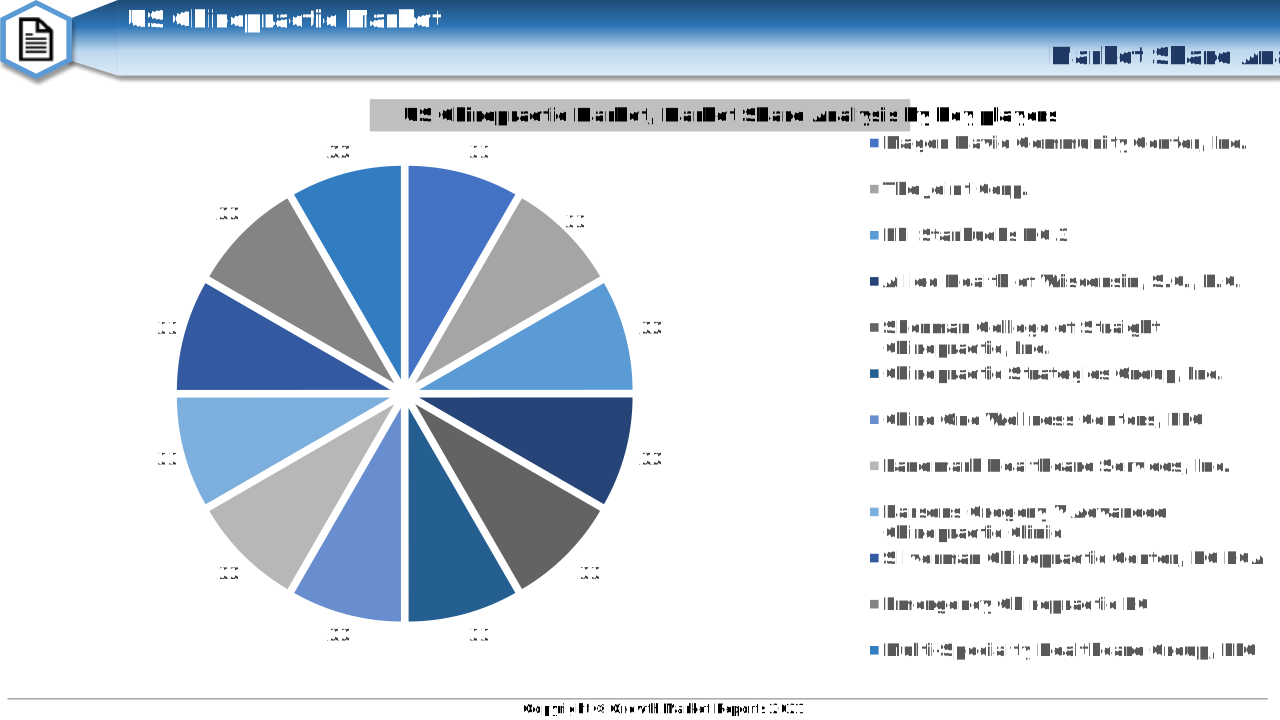
Major companies operating in the chiropractic market include The Joint Corp., Chiro One Wellness Centers, HealthSource Chiropractic, AlignLife, and Athletico Physical Therapy. The Joint Corp. is a prominent player known for its expansive network of franchised chiropractic clinics across the United States, offering convenient, affordable care with a membership-based model. Chiro One Wellness Centers specializes in personalized chiropractic and wellness programs, with a strong regional presence. HealthSource Chiropractic is recognized for its evidence-based approach to pain management and rehabilitation, integrating chiropractic care with physical therapy and wellness services. ChiroTouch and ChiroFusion are leading providers of practice management and electronic health record software tailored specifically to chiropractic clinics, enabling operational efficiency and improved patient engagement. ATI Physical Therapy and Select Medical Holdings bring the reach of large integrated rehabilitation networks, increasingly incorporating chiropractic into their multidisciplinary service offerings. These companies are at the forefront of innovation, leveraging technology, expanding service portfolios, and pursuing strategic partnerships to strengthen their market position and drive growth through 2034.

In summary, the chiropractic market is poised for sustained growth from 2026 to 2034, driven by rising demand for non-invasive pain management, preventive health, and holistic wellness solutions. Market players must navigate a complex regulatory environment, adapt to evolving patient needs, and embrace innovation to remain competitive. By investing in clinical excellence, technology adoption, and patient-centered care, chiropractic providers can capitalize on emerging opportunities and contribute meaningfully to the advancement of global musculoskeletal health.

Key Players

  • The Joint Corp.
  • Chiro One Wellness Centers
  • HealthSource Chiropractic
  • AlignLife
  • Back in Motion Chiropractic
  • ChiroTouch
  • ChiroFusion
  • Spine & Joint Solutions
  • Chiropractic First Group
  • Concentra (Occupational Health and Chiropractic Services)
  • ATI Physical Therapy
  • U.S. Physical Therapy
  • Select Medical Holdings
  • National HealthCare Corporation
  • Athletico Physical Therapy

Segments

The Chiropractic market has been segmented on the basis of

Service Type

  • Spinal Manipulation
  • Therapeutic Exercise
  • Soft Tissue Therapy
  • Others

Age Group

  • Pediatrics
  • Adults
  • Geriatrics

Application

  • Musculoskeletal Pain
  • Sports Injuries
  • Chronic Pain
  • Others

End User

  • Hospitals
  • Chiropractic Clinics
  • Rehabilitation Centers
  • Others

Frequently Asked Questions

Leading companies in the global chiropractic market include The Joint Corp., Chiro One Wellness Centers, HealthSource Chiropractic, AlignLife, ChiroTouch, ChiroFusion, Athletico Physical Therapy, ATI Physical Therapy, Select Medical Holdings, and U.S. Physical Therapy, among others. These players compete on the basis of service breadth, technology adoption, geographic reach, and brand reputation.

Key challenges include regulatory fragmentation across regions with varying licensing requirements and scope-of-practice rules, limited insurance reimbursement in several developing markets, persisting misconceptions about chiropractic safety and efficacy among some segments of the public and medical community, and the shortage of trained practitioners in high-growth markets such as Asia Pacific and Latin America.

Chiropractic clinics are the dominant end user segment, accounting for the largest share of service provision in 2025. Hospitals are increasingly integrating chiropractic into multidisciplinary pain management and rehabilitation programs. Rehabilitation centers represent a growing segment, and others include corporate wellness programs, community health centers, and telehealth-based chiropractic consultation platforms.

The most commonly treated conditions include musculoskeletal pain (back pain, neck pain, and joint discomfort), sports injuries, and chronic pain conditions such as fibromyalgia and persistent spinal disorders. Chiropractors also address posture-related issues, scoliosis in pediatric patients, headaches, and ergonomic imbalances, with preventive wellness and performance enhancement growing in prominence.

The market is segmented into adults, geriatrics, and pediatrics. Adults represent the largest segment due to high prevalence of work-related and lifestyle-induced musculoskeletal pain. Geriatrics is the fastest-growing age segment, driven by global demographic aging and rising rates of arthritis, spinal degeneration, and chronic pain. Pediatric chiropractic is a niche but growing segment, supported by increased sports participation among children and rising parental awareness.

The primary service types are spinal manipulation (the largest segment at roughly 42.5% share), therapeutic exercise, soft tissue therapy, and others including electrotherapy, ultrasound, laser therapy, and nutritional counseling. Spinal manipulation remains the cornerstone of chiropractic practice globally.

North America leads the global market with approximately 47.5% share in 2025, driven by high awareness, strong insurance coverage, and a well-established network of clinics. Europe ranks second, while Asia Pacific is the fastest-growing region, expected to post a CAGR exceeding 7% through 2034, driven by rising healthcare investments and growing acceptance of alternative therapies in countries such as Australia, China, and Japan.

Key growth drivers include the rising prevalence of musculoskeletal disorders fueled by sedentary modern lifestyles, growing geriatric populations requiring non-surgical pain management, expanding insurance coverage for chiropractic services, increasing consumer interest in preventive and holistic healthcare, and the integration of chiropractic care into multidisciplinary hospital and rehabilitation programs.

The global chiropractic market is projected to grow at a compound annual growth rate (CAGR) of 5.8% over the forecast period from 2026 to 2034, reaching an estimated value of USD 30.6 billion by the end of 2034.

According to our latest research, the global chiropractic market size reached USD 18.3 billion in 2025, reflecting robust and sustained demand for chiropractic services across all major regions, underpinned by rising musculoskeletal disorder prevalence and growing preference for non-invasive therapies.

Table Of Content

Chapter 1 Executive Summary
Chapter 2 Assumptions and Acronyms Used
Chapter 3 Research Methodology
Chapter 4 Chiropractic Market Overview
   4.1 Introduction
      4.1.1 Market Taxonomy
      4.1.2 Market Definition
      4.1.3 Macro-Economic Factors Impacting the Market Growth
   4.2 Chiropractic Market Dynamics
      4.2.1 Market Drivers
      4.2.2 Market Restraints
      4.2.3 Market Opportunity
   4.3 Chiropractic Market - Supply Chain Analysis
      4.3.1 List of Key Suppliers
      4.3.2 List of Key Distributors
      4.3.3 List of Key Consumers
   4.4 Key Forces Shaping the Chiropractic Market
      4.4.1 Bargaining Power of Suppliers
      4.4.2 Bargaining Power of Buyers
      4.4.3 Threat of Substitution
      4.4.4 Threat of New Entrants
      4.4.5 Competitive Rivalry
   4.5 Global Chiropractic Market Size & Forecast, 2023-2032
      4.5.1 Chiropractic Market Size and Y-o-Y Growth
      4.5.2 Chiropractic Market Absolute $ Opportunity

Chapter 5 Global Chiropractic Market Analysis and Forecast By Service Type
   5.1 Introduction
      5.1.1 Key Market Trends & Growth Opportunities By Service Type
      5.1.2 Basis Point Share (BPS) Analysis By Service Type
      5.1.3 Absolute $ Opportunity Assessment By Service Type
   5.2 Chiropractic Market Size Forecast By Service Type
      5.2.1 Spinal Manipulation
      5.2.2 Therapeutic Exercise
      5.2.3 Soft Tissue Therapy
      5.2.4 Others
   5.3 Market Attractiveness Analysis By Service Type

Chapter 6 Global Chiropractic Market Analysis and Forecast By Age Group
   6.1 Introduction
      6.1.1 Key Market Trends & Growth Opportunities By Age Group
      6.1.2 Basis Point Share (BPS) Analysis By Age Group
      6.1.3 Absolute $ Opportunity Assessment By Age Group
   6.2 Chiropractic Market Size Forecast By Age Group
      6.2.1 Pediatrics
      6.2.2 Adults
      6.2.3 Geriatrics
   6.3 Market Attractiveness Analysis By Age Group

Chapter 7 Global Chiropractic Market Analysis and Forecast By Application
   7.1 Introduction
      7.1.1 Key Market Trends & Growth Opportunities By Application
      7.1.2 Basis Point Share (BPS) Analysis By Application
      7.1.3 Absolute $ Opportunity Assessment By Application
   7.2 Chiropractic Market Size Forecast By Application
      7.2.1 Musculoskeletal Pain
      7.2.2 Sports Injuries
      7.2.3 Chronic Pain
      7.2.4 Others
   7.3 Market Attractiveness Analysis By Application

Chapter 8 Global Chiropractic Market Analysis and Forecast By End User
   8.1 Introduction
      8.1.1 Key Market Trends & Growth Opportunities By End User
      8.1.2 Basis Point Share (BPS) Analysis By End User
      8.1.3 Absolute $ Opportunity Assessment By End User
   8.2 Chiropractic Market Size Forecast By End User
      8.2.1 Hospitals
      8.2.2 Chiropractic Clinics
      8.2.3 Rehabilitation Centers
      8.2.4 Others
   8.3 Market Attractiveness Analysis By End User

Chapter 9 Global Chiropractic Market Analysis and Forecast by Region
   9.1 Introduction
      9.1.1 Key Market Trends & Growth Opportunities By Region
      9.1.2 Basis Point Share (BPS) Analysis By Region
      9.1.3 Absolute $ Opportunity Assessment By Region
   9.2 Chiropractic Market Size Forecast By Region
      9.2.1 North America
      9.2.2 Europe
      9.2.3 Asia Pacific
      9.2.4 Latin America
      9.2.5 Middle East & Africa (MEA)
   9.3 Market Attractiveness Analysis By Region

Chapter 10 Coronavirus Disease (COVID-19) Impact 
   10.1 Introduction 
   10.2 Current & Future Impact Analysis 
   10.3 Economic Impact Analysis 
   10.4 Government Policies 
   10.5 Investment Scenario

Chapter 11 North America Chiropractic Analysis and Forecast
   11.1 Introduction
   11.2 North America Chiropractic Market Size Forecast by Country
      11.2.1 U.S.
      11.2.2 Canada
   11.3 Basis Point Share (BPS) Analysis by Country
   11.4 Absolute $ Opportunity Assessment by Country
   11.5 Market Attractiveness Analysis by Country
   11.6 North America Chiropractic Market Size Forecast By Service Type
      11.6.1 Spinal Manipulation
      11.6.2 Therapeutic Exercise
      11.6.3 Soft Tissue Therapy
      11.6.4 Others
   11.7 Basis Point Share (BPS) Analysis By Service Type 
   11.8 Absolute $ Opportunity Assessment By Service Type 
   11.9 Market Attractiveness Analysis By Service Type
   11.10 North America Chiropractic Market Size Forecast By Age Group
      11.10.1 Pediatrics
      11.10.2 Adults
      11.10.3 Geriatrics
   11.11 Basis Point Share (BPS) Analysis By Age Group 
   11.12 Absolute $ Opportunity Assessment By Age Group 
   11.13 Market Attractiveness Analysis By Age Group
   11.14 North America Chiropractic Market Size Forecast By Application
      11.14.1 Musculoskeletal Pain
      11.14.2 Sports Injuries
      11.14.3 Chronic Pain
      11.14.4 Others
   11.15 Basis Point Share (BPS) Analysis By Application 
   11.16 Absolute $ Opportunity Assessment By Application 
   11.17 Market Attractiveness Analysis By Application
   11.18 North America Chiropractic Market Size Forecast By End User
      11.18.1 Hospitals
      11.18.2 Chiropractic Clinics
      11.18.3 Rehabilitation Centers
      11.18.4 Others
   11.19 Basis Point Share (BPS) Analysis By End User 
   11.20 Absolute $ Opportunity Assessment By End User 
   11.21 Market Attractiveness Analysis By End User

Chapter 12 Europe Chiropractic Analysis and Forecast
   12.1 Introduction
   12.2 Europe Chiropractic Market Size Forecast by Country
      12.2.1 Germany
      12.2.2 France
      12.2.3 Italy
      12.2.4 U.K.
      12.2.5 Spain
      12.2.6 Russia
      12.2.7 Rest of Europe
   12.3 Basis Point Share (BPS) Analysis by Country
   12.4 Absolute $ Opportunity Assessment by Country
   12.5 Market Attractiveness Analysis by Country
   12.6 Europe Chiropractic Market Size Forecast By Service Type
      12.6.1 Spinal Manipulation
      12.6.2 Therapeutic Exercise
      12.6.3 Soft Tissue Therapy
      12.6.4 Others
   12.7 Basis Point Share (BPS) Analysis By Service Type 
   12.8 Absolute $ Opportunity Assessment By Service Type 
   12.9 Market Attractiveness Analysis By Service Type
   12.10 Europe Chiropractic Market Size Forecast By Age Group
      12.10.1 Pediatrics
      12.10.2 Adults
      12.10.3 Geriatrics
   12.11 Basis Point Share (BPS) Analysis By Age Group 
   12.12 Absolute $ Opportunity Assessment By Age Group 
   12.13 Market Attractiveness Analysis By Age Group
   12.14 Europe Chiropractic Market Size Forecast By Application
      12.14.1 Musculoskeletal Pain
      12.14.2 Sports Injuries
      12.14.3 Chronic Pain
      12.14.4 Others
   12.15 Basis Point Share (BPS) Analysis By Application 
   12.16 Absolute $ Opportunity Assessment By Application 
   12.17 Market Attractiveness Analysis By Application
   12.18 Europe Chiropractic Market Size Forecast By End User
      12.18.1 Hospitals
      12.18.2 Chiropractic Clinics
      12.18.3 Rehabilitation Centers
      12.18.4 Others
   12.19 Basis Point Share (BPS) Analysis By End User 
   12.20 Absolute $ Opportunity Assessment By End User 
   12.21 Market Attractiveness Analysis By End User

Chapter 13 Asia Pacific Chiropractic Analysis and Forecast
   13.1 Introduction
   13.2 Asia Pacific Chiropractic Market Size Forecast by Country
      13.2.1 China
      13.2.2 Japan
      13.2.3 South Korea
      13.2.4 India
      13.2.5 Australia
      13.2.6 South East Asia (SEA)
      13.2.7 Rest of Asia Pacific (APAC)
   13.3 Basis Point Share (BPS) Analysis by Country
   13.4 Absolute $ Opportunity Assessment by Country
   13.5 Market Attractiveness Analysis by Country
   13.6 Asia Pacific Chiropractic Market Size Forecast By Service Type
      13.6.1 Spinal Manipulation
      13.6.2 Therapeutic Exercise
      13.6.3 Soft Tissue Therapy
      13.6.4 Others
   13.7 Basis Point Share (BPS) Analysis By Service Type 
   13.8 Absolute $ Opportunity Assessment By Service Type 
   13.9 Market Attractiveness Analysis By Service Type
   13.10 Asia Pacific Chiropractic Market Size Forecast By Age Group
      13.10.1 Pediatrics
      13.10.2 Adults
      13.10.3 Geriatrics
   13.11 Basis Point Share (BPS) Analysis By Age Group 
   13.12 Absolute $ Opportunity Assessment By Age Group 
   13.13 Market Attractiveness Analysis By Age Group
   13.14 Asia Pacific Chiropractic Market Size Forecast By Application
      13.14.1 Musculoskeletal Pain
      13.14.2 Sports Injuries
      13.14.3 Chronic Pain
      13.14.4 Others
   13.15 Basis Point Share (BPS) Analysis By Application 
   13.16 Absolute $ Opportunity Assessment By Application 
   13.17 Market Attractiveness Analysis By Application
   13.18 Asia Pacific Chiropractic Market Size Forecast By End User
      13.18.1 Hospitals
      13.18.2 Chiropractic Clinics
      13.18.3 Rehabilitation Centers
      13.18.4 Others
   13.19 Basis Point Share (BPS) Analysis By End User 
   13.20 Absolute $ Opportunity Assessment By End User 
   13.21 Market Attractiveness Analysis By End User

Chapter 14 Latin America Chiropractic Analysis and Forecast
   14.1 Introduction
   14.2 Latin America Chiropractic Market Size Forecast by Country
      14.2.1 Brazil
      14.2.2 Mexico
      14.2.3 Rest of Latin America (LATAM)
   14.3 Basis Point Share (BPS) Analysis by Country
   14.4 Absolute $ Opportunity Assessment by Country
   14.5 Market Attractiveness Analysis by Country
   14.6 Latin America Chiropractic Market Size Forecast By Service Type
      14.6.1 Spinal Manipulation
      14.6.2 Therapeutic Exercise
      14.6.3 Soft Tissue Therapy
      14.6.4 Others
   14.7 Basis Point Share (BPS) Analysis By Service Type 
   14.8 Absolute $ Opportunity Assessment By Service Type 
   14.9 Market Attractiveness Analysis By Service Type
   14.10 Latin America Chiropractic Market Size Forecast By Age Group
      14.10.1 Pediatrics
      14.10.2 Adults
      14.10.3 Geriatrics
   14.11 Basis Point Share (BPS) Analysis By Age Group 
   14.12 Absolute $ Opportunity Assessment By Age Group 
   14.13 Market Attractiveness Analysis By Age Group
   14.14 Latin America Chiropractic Market Size Forecast By Application
      14.14.1 Musculoskeletal Pain
      14.14.2 Sports Injuries
      14.14.3 Chronic Pain
      14.14.4 Others
   14.15 Basis Point Share (BPS) Analysis By Application 
   14.16 Absolute $ Opportunity Assessment By Application 
   14.17 Market Attractiveness Analysis By Application
   14.18 Latin America Chiropractic Market Size Forecast By End User
      14.18.1 Hospitals
      14.18.2 Chiropractic Clinics
      14.18.3 Rehabilitation Centers
      14.18.4 Others
   14.19 Basis Point Share (BPS) Analysis By End User 
   14.20 Absolute $ Opportunity Assessment By End User 
   14.21 Market Attractiveness Analysis By End User

Chapter 15 Middle East & Africa (MEA) Chiropractic Analysis and Forecast
   15.1 Introduction
   15.2 Middle East & Africa (MEA) Chiropractic Market Size Forecast by Country
      15.2.1 Saudi Arabia
      15.2.2 South Africa
      15.2.3 UAE
      15.2.4 Rest of Middle East & Africa (MEA)
   15.3 Basis Point Share (BPS) Analysis by Country
   15.4 Absolute $ Opportunity Assessment by Country
   15.5 Market Attractiveness Analysis by Country
   15.6 Middle East & Africa (MEA) Chiropractic Market Size Forecast By Service Type
      15.6.1 Spinal Manipulation
      15.6.2 Therapeutic Exercise
      15.6.3 Soft Tissue Therapy
      15.6.4 Others
   15.7 Basis Point Share (BPS) Analysis By Service Type 
   15.8 Absolute $ Opportunity Assessment By Service Type 
   15.9 Market Attractiveness Analysis By Service Type
   15.10 Middle East & Africa (MEA) Chiropractic Market Size Forecast By Age Group
      15.10.1 Pediatrics
      15.10.2 Adults
      15.10.3 Geriatrics
   15.11 Basis Point Share (BPS) Analysis By Age Group 
   15.12 Absolute $ Opportunity Assessment By Age Group 
   15.13 Market Attractiveness Analysis By Age Group
   15.14 Middle East & Africa (MEA) Chiropractic Market Size Forecast By Application
      15.14.1 Musculoskeletal Pain
      15.14.2 Sports Injuries
      15.14.3 Chronic Pain
      15.14.4 Others
   15.15 Basis Point Share (BPS) Analysis By Application 
   15.16 Absolute $ Opportunity Assessment By Application 
   15.17 Market Attractiveness Analysis By Application
   15.18 Middle East & Africa (MEA) Chiropractic Market Size Forecast By End User
      15.18.1 Hospitals
      15.18.2 Chiropractic Clinics
      15.18.3 Rehabilitation Centers
      15.18.4 Others
   15.19 Basis Point Share (BPS) Analysis By End User 
   15.20 Absolute $ Opportunity Assessment By End User 
   15.21 Market Attractiveness Analysis By End User

Chapter 16 Competition Landscape 
   16.1 Chiropractic Market: Competitive Dashboard
   16.2 Global Chiropractic Market: Market Share Analysis, 2023
   16.3 Company Profiles (Details – Overview, Financials, Developments, Strategy) 
      16.3.1 The Joint Corp.
      16.3.2 Chiro One Wellness Centers
      16.3.3 HealthSource Chiropractic
      16.3.4 AlignLife
      16.3.5 Back in Motion Chiropractic
      16.3.6 ChiroTouch
      16.3.7 ChiroFusion
      16.3.8 Spine & Joint Solutions
      16.3.9 Chiropractic First Group
      16.3.10 Concentra (Occupational Health and Chiropractic Services)
      16.3.11 ATI Physical Therapy
      16.3.12 U.S. Physical Therapy
      16.3.13 Select Medical Holdings
      16.3.14 National HealthCare Corporation
      16.3.15 Athletico Physical Therapy

Methodology

Our Clients

Nestle SA
General Mills
General Electric
Deloitte
Siemens Healthcare
sinopec
Dassault Aviation
The John Holland Group