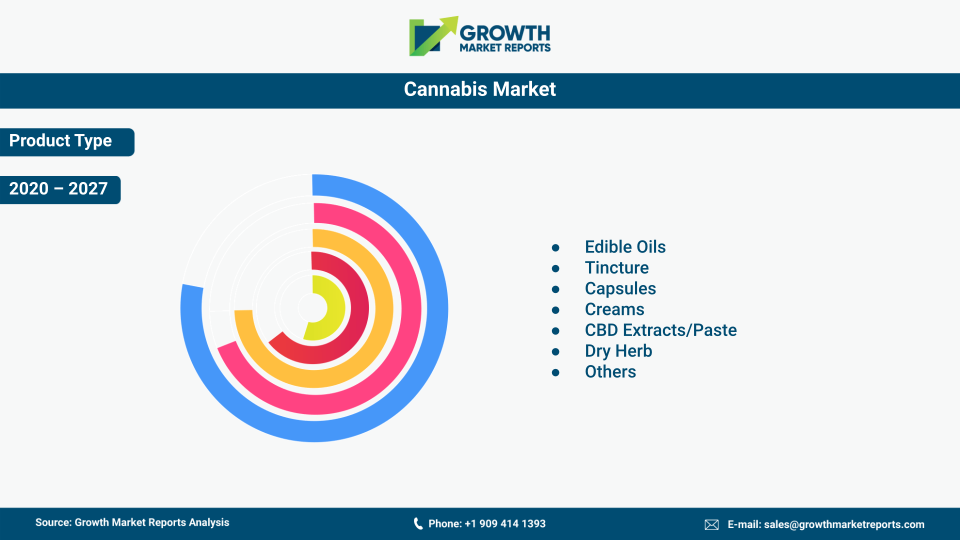
Segments - by Product Type (Flower, Concentrates, Edibles, Topicals, Others), by Application (Medical, Recreational, Industrial Hemp, Others), by Compound (THC-dominant, CBD-dominant, Balanced THC & CBD), by Distribution Channel (Dispensaries, Online Stores, Pharmacies, Others), by End-User (Adult Use, Pediatric Use, Geriatric Use)
According to our latest research, the global cannabis market size reached USD 67.2 billion in 2024, reflecting a robust expansion driven by evolving regulatory environments and increasing consumer acceptance. The market is projected to grow at a CAGR of 14.8% from 2025 to 2033, with the total market value forecasted to reach USD 196.3 billion by 2033. The significant growth momentum is primarily attributed to the rising demand for both medical and recreational cannabis, advancements in product innovation, and broadening legalization across key markets.
One of the primary growth factors for the global cannabis market is the progressive shift in legislative frameworks worldwide. Governments in North America, Europe, and parts of Latin America are increasingly recognizing the therapeutic benefits of cannabis, leading to the relaxation of restrictions and the establishment of regulated markets. Medical cannabis, in particular, has gained traction as scientific studies and clinical trials continue to validate its efficacy in managing chronic pain, neurological disorders, and various other health conditions. This regulatory evolution is not only fueling domestic consumption but also encouraging cross-border investments and collaborations, further accelerating market expansion.
Consumer awareness and acceptance of cannabis-derived products have witnessed a significant surge, contributing to the market's exponential growth. The stigma traditionally associated with cannabis use is gradually diminishing, thanks to extensive educational campaigns, advocacy by patient groups, and endorsements by healthcare professionals. The proliferation of diverse product formats such as edibles, concentrates, topicals, and wellness supplements is attracting a broader demographic, including older adults seeking alternative therapies and younger consumers interested in recreational experiences. This diversification in product offerings is enabling companies to tap into new user segments and sustain long-term growth.
Technological advancements in cultivation, extraction, and product formulation are transforming the cannabis industry landscape. Innovations such as precision agriculture, hydroponics, and advanced extraction techniques are enhancing product quality, consistency, and yield. These improvements are not only resulting in premium-grade cannabis products but are also fostering the development of novel applications across medical, recreational, and industrial sectors. Furthermore, the integration of digital platforms for sales and distribution is streamlining access to legal cannabis, thereby expanding market reach and driving revenue growth.
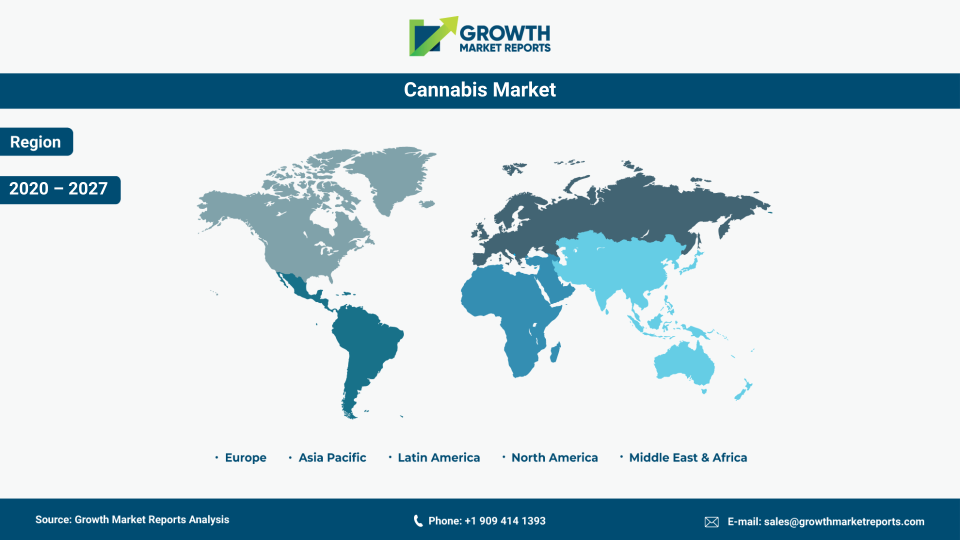
From a regional perspective, North America continues to dominate the global cannabis market, accounting for the largest share in 2024 due to favorable regulatory policies, high consumer demand, and a well-established supply chain. Europe is emerging as a significant growth frontier, propelled by incremental legalization and rising investments in research and development. Meanwhile, the Asia Pacific region is gradually opening up to cannabis, with countries like Thailand and Australia leading the way in medical cannabis adoption. Latin America and the Middle East & Africa are also witnessing increased activity, although market maturity varies significantly across these regions.
The cannabis market is segmented by product type into flower, concentrates, edibles, topicals, and others. The flower segment remains the most traditional and widely consumed form, particularly among recreational users who prefer smoking or vaporizing. The popularity of cannabis flower is underpinned by its accessibility, affordability, and the immediate effects it delivers. However, the segment is experiencing intense competition from newer product forms as consumer preferences evolve. Companies are investing in premium and specialty strains to differentiate their offerings, while regulatory bodies are introducing quality standards to ensure safety and consistency.
Concentrates represent a rapidly expanding segment, driven by their higher potency and versatility in consumption methods. Products such as oils, waxes, shatters, and resins are gaining traction among experienced users seeking enhanced effects and discrete usage options. The growing demand for concentrates is also supported by technological advancements in extraction and purification processes, which enable the production of high-purity and contaminant-free products. This segment is witnessing robust growth in both medical and recreational markets, with manufacturers focusing on innovation and branding to capture market share.
Edibles are revolutionizing the cannabis market by appealing to consumers who prefer non-inhalable and convenient consumption formats. The edibles segment encompasses a broad range of products, including gummies, chocolates, beverages, and baked goods, each tailored to specific taste preferences and dosing requirements. Regulatory developments mandating clear labeling, child-resistant packaging, and dosage control have bolstered consumer confidence in edibles. The segment is particularly popular among new users, older adults, and those seeking longer-lasting effects, making it a key driver of market growth.
Topicals and other innovative product types are carving out a niche within the cannabis market, especially in the wellness and personal care sectors. Topicals such as creams, balms, and transdermal patches are being increasingly adopted for localized relief from pain, inflammation, and skin conditions, without the psychoactive effects associated with traditional cannabis consumption. The segment benefits from rising interest in natural and holistic health solutions, as well as ongoing research into the therapeutic potential of cannabinoids for dermatological applications. Companies are leveraging partnerships with cosmetic and pharmaceutical firms to expand product portfolios and distribution networks.
The others category includes a variety of emerging product formats such as sublingual strips, capsules, and beverages, reflecting the industry’s commitment to continuous innovation. These products are designed to offer precise dosing, rapid onset, and enhanced bioavailability, catering to the needs of both medical patients and recreational users. The expansion of product diversity is enabling cannabis companies to address a wide spectrum of consumer preferences and application scenarios, thus supporting sustained market growth across all product types.
| Attributes | Details |
| Report Title | Cannabis Market Research Report 2033 |
| By Product Type | Flower, Concentrates, Edibles, Topicals, Others |
| By Application | Medical, Recreational, Industrial Hemp, Others |
| By Compound | THC-dominant, CBD-dominant, Balanced THC & CBD |
| By Distribution Channel | Dispensaries, Online Stores, Pharmacies, Others |
| By End-User | Adult Use, Pediatric Use, Geriatric Use |
| Regions Covered | North America, Europe, APAC, Latin America, MEA |
| Base Year | 2024 |
| Historic Data | 2018-2023 |
| Forecast Period | 2025-2033 |
| Number of Pages | 250 |
| Number of Tables & Figures | 384 |
| Customization Available | Yes, the report can be customized as per your need. |
The cannabis market is segmented by application into medical, recreational, industrial hemp, and others. The medical application segment is a major driver of market growth, fueled by increasing recognition of cannabis as a viable treatment option for a range of health conditions. Medical cannabis is prescribed for chronic pain, epilepsy, multiple sclerosis, cancer-related symptoms, and mental health disorders, among others. The segment’s expansion is supported by ongoing clinical research, patient advocacy, and the integration of cannabis-based therapies into mainstream healthcare systems. Regulatory approvals and insurance coverage in certain regions are further enhancing patient access and market penetration.
The recreational application segment is witnessing substantial growth, particularly in regions where cannabis legalization has been extended to adult use. Recreational cannabis appeals to a diverse consumer base seeking relaxation, socialization, and alternative experiences. The segment’s growth is being propelled by the emergence of sophisticated retail environments, branded product lines, and experiential marketing strategies. Companies are focusing on product innovation, quality assurance, and consumer education to differentiate themselves in an increasingly competitive landscape. The normalization of recreational cannabis use is also contributing to the destigmatization of the industry and the expansion of ancillary services.
Industrial hemp represents a distinct and rapidly evolving segment within the broader cannabis market. Hemp-derived products, including textiles, bioplastics, food supplements, and construction materials, are gaining popularity due to their sustainability and versatility. The segment benefits from regulatory clarity regarding the non-psychoactive nature of hemp and its derivatives, enabling large-scale cultivation and industrial applications. Investments in research and development are driving innovation in hemp processing and product formulation, while government incentives and sustainability initiatives are further stimulating market growth.
The others application segment encompasses a range of emerging and niche uses for cannabis, such as veterinary medicine, beauty and personal care, and wellness supplements. These applications are gaining traction as scientific understanding of cannabinoids expands and consumer interest in natural health solutions continues to rise. Companies are exploring new delivery mechanisms, formulations, and market channels to capitalize on these opportunities. The diversification of application areas is contributing to the resilience and adaptability of the cannabis market, ensuring continued relevance in an evolving regulatory and consumer landscape.
The cannabis market is segmented by compound into THC-dominant, CBD-dominant, and balanced THC & CBD products. THC-dominant products remain the cornerstone of the recreational cannabis market, offering the psychoactive effects sought by many users. These products are available in various forms, including flowers, edibles, concentrates, and topicals, catering to different consumption preferences. The segment’s growth is driven by ongoing product innovation, branding initiatives, and the expansion of legal recreational markets. Regulatory frameworks are increasingly emphasizing potency labeling and safety standards to ensure responsible consumption and consumer protection.
CBD-dominant products have gained significant traction in recent years, particularly in the wellness, health, and personal care segments. CBD is recognized for its non-psychoactive properties and potential therapeutic benefits, including anxiety relief, anti-inflammatory effects, and support for overall well-being. The segment’s growth is supported by widespread consumer acceptance, favorable regulatory developments, and the proliferation of CBD-infused products across mainstream retail channels. Companies are investing in clinical research, product quality, and marketing to differentiate their offerings and build consumer trust.
The balanced THC & CBD segment caters to consumers seeking the synergistic effects of both cannabinoids, often referred to as the "entourage effect." These products are designed to provide a harmonious blend of therapeutic benefits and mild psychoactive effects, making them suitable for medical patients and wellness-oriented users. The segment is benefiting from increasing scientific evidence supporting the efficacy of balanced formulations for conditions such as chronic pain, anxiety, and sleep disorders. Companies are focusing on precise dosing, innovative delivery mechanisms, and targeted marketing to expand their presence in this segment.
The evolving landscape of cannabinoid research is opening up new opportunities for product differentiation and market expansion. Emerging cannabinoids such as CBG, CBN, and THCV are being explored for their unique properties and potential applications, further diversifying the compound segment. Companies are leveraging advanced extraction and formulation technologies to develop novel products that address unmet consumer needs. The ongoing integration of scientific research, regulatory compliance, and consumer education is critical to sustaining growth and innovation in the compound segment of the cannabis market.
Distribution channels play a pivotal role in shaping the accessibility and consumer experience within the cannabis market. Dispensaries remain the primary distribution channel, particularly in regions with well-established regulatory frameworks. These outlets offer a wide range of products, expert guidance, and a controlled purchasing environment, ensuring compliance with legal requirements. The proliferation of dispensaries is contributing to market formalization, consumer education, and the normalization of cannabis use. Companies are investing in retail design, staff training, and customer engagement initiatives to enhance the dispensary experience and foster brand loyalty.
Online stores are emerging as a significant distribution channel, driven by the increasing digitization of commerce and the convenience of home delivery. E-commerce platforms offer a broad selection of products, detailed information, and discreet purchasing options, appealing to a diverse consumer base. The growth of online cannabis sales is supported by advancements in age verification, secure payment processing, and logistics solutions. Regulatory authorities are introducing guidelines to ensure the safety and legality of online transactions, while companies are leveraging digital marketing and data analytics to optimize sales strategies and customer retention.
Pharmacies are playing an increasingly important role in the distribution of medical cannabis, particularly in regions where cannabis has been integrated into mainstream healthcare systems. Pharmacies offer professional guidance, prescription fulfillment, and quality assurance, enhancing patient trust and adherence to treatment protocols. The inclusion of cannabis products in pharmacy channels is supported by regulatory approvals, insurance coverage, and collaboration with healthcare providers. Companies are partnering with pharmacy chains to expand market reach and streamline patient access to medical cannabis therapies.
The others distribution channel includes specialty stores, wellness centers, and direct-to-consumer models, reflecting the diversification of retail strategies in the cannabis market. These channels are catering to specific consumer segments, such as wellness enthusiasts, seniors, and patients with unique needs. Companies are experimenting with innovative retail formats, experiential marketing, and personalized services to differentiate themselves and capture market share. The evolving distribution landscape is enabling greater accessibility, convenience, and consumer choice, supporting the sustained growth of the global cannabis market.
The cannabis market is segmented by end-user into adult use, pediatric use, and geriatric use. Adult use remains the dominant segment, driven by the legalization of recreational cannabis in key markets and the broadening acceptance of cannabis as a lifestyle product. Adult users are seeking a diverse array of products, consumption methods, and experiences, prompting companies to innovate and tailor offerings to different demographics and preferences. The segment’s growth is supported by targeted marketing, social normalization, and the integration of cannabis into mainstream culture.
Pediatric use represents a specialized and highly regulated segment, primarily focused on the medical application of cannabis for children with severe or treatment-resistant conditions such as epilepsy, autism, and cancer. The segment’s expansion is driven by clinical research, patient advocacy, and regulatory approvals for specific indications. Companies are investing in the development of pediatric-friendly formulations, precise dosing mechanisms, and rigorous safety protocols to ensure the efficacy and safety of cannabis-based therapies for pediatric patients. The segment’s growth is contingent on ongoing scientific validation, regulatory support, and collaboration with healthcare providers.
Geriatric use is an increasingly important segment, reflecting the growing interest in cannabis as a therapeutic option for age-related health conditions such as chronic pain, arthritis, insomnia, and neurodegenerative diseases. Older adults are seeking natural and non-invasive alternatives to conventional pharmaceuticals, driving demand for cannabis products tailored to their unique needs. Companies are focusing on education, product safety, and accessible delivery formats to address the concerns and preferences of geriatric users. The segment’s growth is supported by demographic trends, increasing life expectancy, and the rising prevalence of chronic health conditions among the elderly.
The diversification of end-user segments is enabling the cannabis market to address a wide spectrum of health, wellness, and lifestyle needs. Companies are leveraging consumer insights, clinical research, and regulatory compliance to develop targeted products and marketing strategies. The ongoing evolution of end-user preferences and requirements is driving innovation, differentiation, and sustained growth across the global cannabis market.
The cannabis market presents a wealth of opportunities for stakeholders across the value chain. One of the most promising areas is the expansion of medical cannabis applications, driven by ongoing clinical research and the integration of cannabis-based therapies into mainstream healthcare. Companies have the opportunity to develop novel formulations, delivery mechanisms, and therapeutic indications, addressing unmet medical needs and improving patient outcomes. The growing acceptance of cannabis for wellness and preventive health, coupled with the proliferation of product formats such as edibles, topicals, and supplements, is enabling companies to tap into new consumer segments and diversify revenue streams.
Another significant opportunity lies in the globalization of the cannabis market, as more countries adopt progressive regulatory frameworks and facilitate cross-border trade. Companies can leverage international expansion, strategic partnerships, and investments in research and development to access new markets and scale operations. The rise of industrial hemp and its applications in sustainable materials, food supplements, and cosmetics is creating additional growth avenues. Technological advancements in cultivation, extraction, and product innovation are enabling companies to enhance quality, efficiency, and differentiation, positioning them for long-term success in a dynamic and competitive landscape.
Despite the abundant opportunities, the cannabis market faces several restraining factors that could impede growth. Regulatory uncertainty remains a key challenge, as legal frameworks vary significantly across regions and are subject to frequent changes. Compliance with complex and evolving regulations can increase operational costs, limit market access, and create barriers to entry for new players. Additionally, the persistence of social stigma, concerns about product safety, and the risk of illicit market competition pose ongoing threats to industry growth. Companies must navigate these challenges through proactive engagement with regulators, investment in quality assurance, and the promotion of responsible consumption practices.
North America continues to lead the global cannabis market, accounting for the largest share with a market size of USD 39.8 billion in 2024. The region’s dominance is driven by the widespread legalization of both medical and recreational cannabis in the United States and Canada, robust consumer demand, and a well-developed supply chain. The United States remains the largest individual market, with state-level legalization fueling rapid growth and innovation. Canada’s fully legalized market is setting benchmarks for regulatory compliance, product quality, and consumer education. North America is projected to maintain a strong CAGR of 13.6% through 2033, supported by ongoing regulatory developments and market expansion.
Europe is emerging as a key growth frontier, with a market size of USD 14.5 billion in 2024 and a projected CAGR of 16.2% through 2033. The region’s growth is being propelled by incremental legalization, rising investments in research and development, and the integration of cannabis into healthcare systems. Countries such as Germany, the United Kingdom, and the Netherlands are at the forefront of medical cannabis adoption, while recreational legalization is gaining momentum in select markets. Europe’s diverse regulatory landscape presents both opportunities and challenges, requiring companies to adapt strategies and build strong partnerships to succeed.
The Asia Pacific region is gradually opening up to the cannabis market, with a market size of USD 5.9 billion in 2024. Countries like Thailand and Australia are leading the way in medical cannabis adoption, supported by government initiatives and growing patient demand. The region’s growth potential is significant, given its large population base and increasing awareness of the therapeutic benefits of cannabis. However, regulatory uncertainty and social stigma remain challenges that need to be addressed. Latin America and the Middle East & Africa are also witnessing increased activity, with a combined market size of USD 7.0 billion in 2024, although market maturity and regulatory clarity vary widely across these regions.
The global cannabis market is characterized by intense competition, rapid innovation, and a dynamic regulatory environment. The competitive landscape comprises a mix of established multinational corporations, emerging startups, and vertically integrated players, each vying for market share through product differentiation, strategic partnerships, and geographic expansion. Companies are investing heavily in research and development, brand building, and consumer education to establish a strong foothold in both medical and recreational segments. Mergers and acquisitions are common strategies for scaling operations, accessing new markets, and consolidating industry leadership.
Product innovation is a key differentiator in the cannabis market, with companies focusing on the development of novel formulations, delivery mechanisms, and value-added products. The proliferation of edibles, beverages, wellness supplements, and pharmaceutical-grade therapies is enabling companies to cater to diverse consumer preferences and application scenarios. Advanced cultivation and extraction technologies are enhancing product quality, consistency, and yield, while digital platforms are streamlining sales, marketing, and customer engagement. Companies are also prioritizing sustainability, social responsibility, and regulatory compliance to build trust and credibility in an evolving industry.
Strategic collaborations and partnerships are playing a crucial role in shaping the competitive landscape. Companies are joining forces with pharmaceutical firms, research institutions, and technology providers to accelerate product development, clinical research, and market access. International expansion is a key focus area, with companies seeking to capitalize on the globalization of the cannabis market and the emergence of new legal markets. The ability to navigate complex regulatory environments, adapt to local market dynamics, and respond to evolving consumer needs is critical to long-term success.
Some of the major companies operating in the global cannabis market include Canopy Growth Corporation, Aurora Cannabis Inc., Aphria Inc. (now part of Tilray Brands), Tilray Brands Inc., Cronos Group Inc., GW Pharmaceuticals plc (acquired by Jazz Pharmaceuticals), Curaleaf Holdings Inc., Green Thumb Industries Inc., Trulieve Cannabis Corp., and MedMen Enterprises Inc. These companies are at the forefront of innovation, regulatory compliance, and market expansion, leveraging their expertise, resources, and strategic vision to shape the future of the cannabis industry.
Canopy Growth Corporation is recognized for its extensive product portfolio, global footprint, and commitment to quality and innovation. Aurora Cannabis Inc. is renowned for its advanced cultivation techniques, research-driven approach, and focus on medical cannabis. Tilray Brands Inc. has established a strong presence in both medical and recreational segments, with a focus on international expansion and product diversification. GW Pharmaceuticals, now part of Jazz Pharmaceuticals, is a pioneer in cannabinoid-based pharmaceuticals, with a strong track record in clinical research and regulatory approvals. Curaleaf Holdings, Green Thumb Industries, and Trulieve Cannabis are leading multi-state operators in the United States, known for their retail networks, brand strength, and operational excellence.
The competitive landscape is expected to evolve rapidly as new entrants, technological advancements, and regulatory changes reshape the industry. Companies that prioritize innovation, quality, sustainability, and consumer engagement are well-positioned to capitalize on the abundant opportunities in the global cannabis market. Ongoing investment in research, strategic partnerships, and market expansion will be critical to sustaining competitive advantage and driving long-term growth.
The Cannabis market has been segmented on the basis of
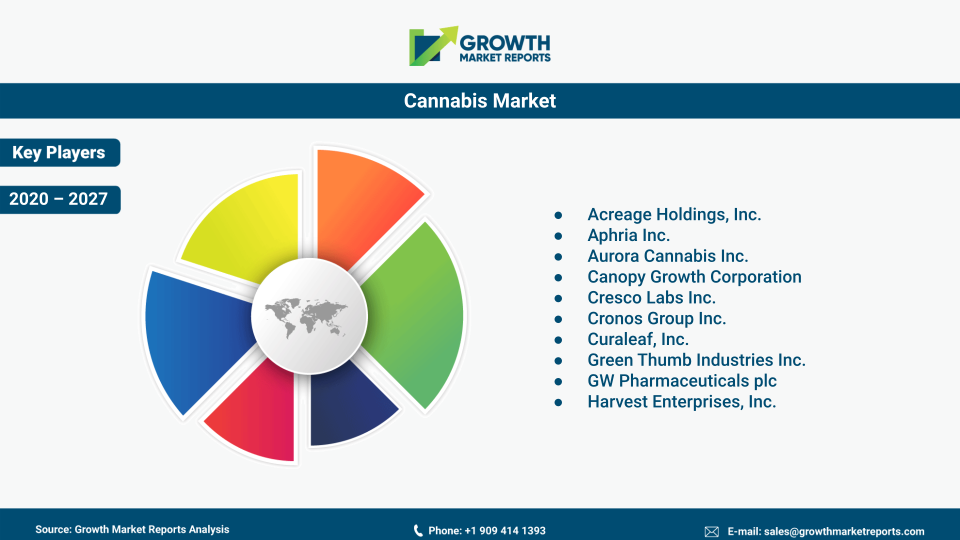
Key players in the market include Acreage Holdings, Inc., Aphria Inc., Aurora Cannabis Inc., Canopy Growth Corporation, Cresco Labs Inc., Cronos Group Inc., Curaleaf, Inc., Green Thumb Industries Inc., GW Pharmaceuticals plc, Harvest Enterprises, Inc., HEXO Corp., MedMen Enterprises Inc., Organigram Holdings Inc., Tilray, Inc., and Trulieve Cannabis Corp. These companies are considered manufacturers of Cannabis based on their revenue, research development (R&D) activities, regional presence, and supply chain management system.The players are adopting key strategies such as acquisition, and geographical expansion where potential opportunity for the Cannabis extraction is added in the company’s capacity.
Additional company profiles can be provided on request.
Yes, the report covers product specific information such as research and development etc.
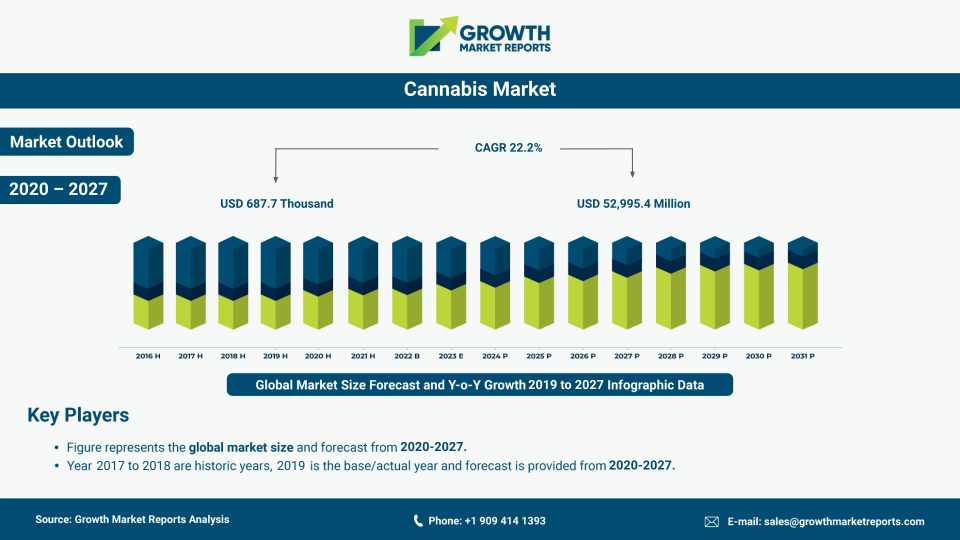
According to this Growth Market Reports report, the cannabis market is likely to register a CAGR of 22.2% during forecast period 2020-2027, with an anticipated valuation of USD 52,995.4 million by the end of the 2027.
In addition to market size (in USD Million) and Company Market Share (in % for base year 2019), cross segment split, market size by country, other data such as impact of key regulations is provided and Pre-Covid as well as Post-Covid Forecast for Cannabis Market is available in the final report.
Cannabis commercialization boosting cannabis sales, e-commerce availability of cannabis products is fueling market growth, and increasing shelf space in retail to boost market growth are key factors expected to drive the market growth during forecast period.
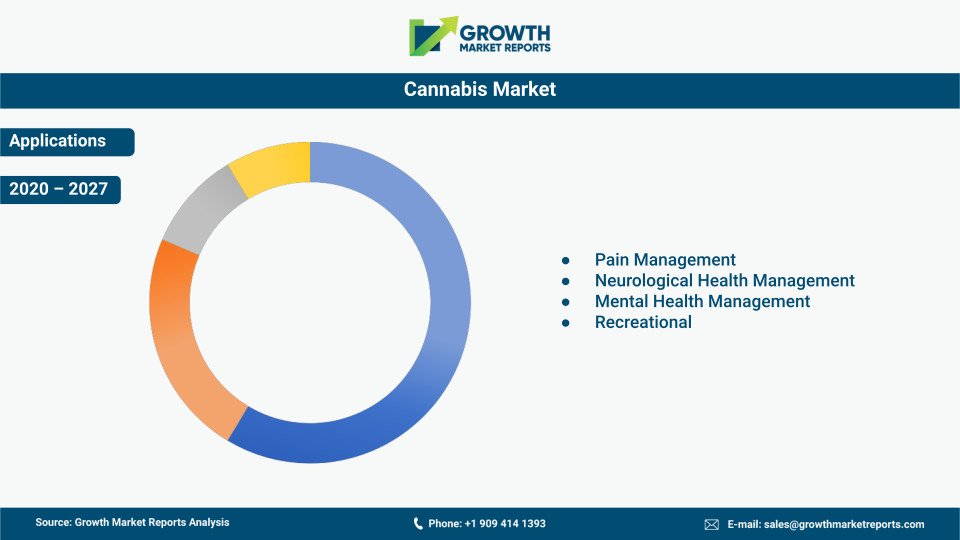
Pain management, neurological health management, mental health management, and recreational usage are the key application are driving the Cannabis market.
Factors such as competitive strength and market positioning are key areas considered while selecting top companies to be profiled.
The market is expected to witness increment of over 11.6% between 2019 and 2020 owing to the negative impact of COVID-19 pandemic on the Cannabis market.
The base year considered for the global cannabis market report is 2019. The complete analysis period is 2017 to 2027, wherein, 2017 & 2018 are the historic years and the forecast is provided from 2020 to 2027.
Major manufactures include, Acreage Holdings, Inc., Aphria Inc., Aurora Cannabis Inc., Canopy Growth Corporation, Cresco Labs Inc., Cronos Group Inc., Curaleaf, Inc., Green Thumb Industries Inc., GW Pharmaceuticals plc, Harvest Enterprises, Inc., HEXO Corp., MedMen Enterprises Inc., Organigram Holdings Inc., Tilray, Inc., and Trulieve Cannabis Corp.