Segments - by Component (Hardware, Software, Services), by Delivery Mode (On-Premises, Cloud-Based, Web-Based), by Application (Consultation, Diagnosis, Remote Patient Monitoring, Education, Others), by End-User (Hospitals, Dental Clinics, Home Care, Others)
According to our latest research, the global teledentistry market size was valued at USD 1.95 billion in 2024 and is projected to reach USD 8.67 billion by 2033, expanding at a robust CAGR of 18.1% during the forecast period. This growth is primarily driven by the increasing demand for remote dental consultations and the integration of advanced digital health technologies, which are transforming traditional dental care delivery models worldwide. As per our analysis, the rising adoption of telehealth platforms and the growing need for accessible dental care services, particularly in underserved and rural regions, are fueling the rapid expansion of the teledentistry market.
One of the primary growth factors propelling the teledentistry market is the widespread adoption of digital health solutions by both healthcare providers and patients. The COVID-19 pandemic significantly accelerated the acceptance of remote healthcare, with dental practices seeking innovative ways to maintain patient engagement and deliver essential services while minimizing in-person visits. This shift has resulted in the rapid digitalization of dental care, with practitioners leveraging secure video conferencing, cloud-based patient management systems, and AI-driven diagnostic tools to enhance the quality and convenience of care. Additionally, increasing awareness about oral health and the importance of preventive dental care is encouraging patients to seek timely consultations through digital platforms, further boosting market growth.
Another critical driver of the teledentistry market is the growing emphasis on healthcare accessibility and cost-effectiveness. Traditional dental care often faces challenges such as long wait times, limited availability of specialists, and high treatment costs, especially in remote or low-income areas. Teledentistry bridges these gaps by enabling real-time consultations, remote diagnostics, and follow-up care, significantly reducing travel and associated expenses for patients. This model also allows dental professionals to extend their reach, manage larger patient volumes, and provide continuous care, thereby improving overall patient outcomes. The integration of teledentistry with electronic health records (EHRs) and other health IT systems further streamlines workflows and enhances the efficiency of dental practices.
Technological advancements are playing a pivotal role in shaping the future of the teledentistry market. The development of user-friendly mobile applications, high-definition imaging devices, and secure communication platforms has made it easier for both patients and providers to engage in virtual dental care. Artificial intelligence and machine learning algorithms are increasingly being used to assist in diagnosis, treatment planning, and patient education, offering personalized care experiences. Moreover, regulatory support and reimbursement policies for telehealth services are evolving rapidly, encouraging more dental practices to adopt teledentistry solutions. As digital literacy improves and internet penetration increases globally, the teledentistry market is poised for sustained growth in the coming years.
Subscription Dentistry is emerging as a transformative trend within the teledentistry market, offering patients a more predictable and affordable approach to dental care. By adopting a subscription model, dental practices can provide continuous care through regular check-ups and preventive services, all included in a monthly fee. This model not only enhances patient loyalty but also ensures steady revenue streams for dental providers. As more patients seek cost-effective and convenient dental care solutions, subscription dentistry is poised to play a significant role in expanding access to oral health services, particularly in regions where traditional dental insurance coverage is limited. The integration of subscription dentistry with teledentistry platforms further amplifies its benefits, allowing for seamless virtual consultations and ongoing patient engagement.
From a regional perspective, North America currently dominates the teledentistry market, accounting for the largest share in 2024, followed by Europe and the Asia Pacific. The United States, in particular, has witnessed significant investments in telehealth infrastructure and favorable regulatory frameworks, fostering widespread adoption among dental professionals and patients. Europe is also experiencing substantial growth, driven by increasing government initiatives to promote digital health and address disparities in oral healthcare access. Meanwhile, the Asia Pacific region is emerging as a lucrative market, supported by a large population base, rising healthcare expenditures, and growing awareness about the benefits of teledentistry. Latin America and the Middle East & Africa are gradually catching up, with ongoing efforts to improve digital connectivity and expand healthcare services in rural and underserved areas.
The teledentistry market by component is segmented into hardware, software, and services, each playing a crucial role in the digital dental ecosystem. The hardware segment comprises devices such as intraoral cameras, digital X-ray systems, and portable imaging equipment, which are essential for capturing and transmitting high-quality dental images and videos during virtual consultations. As dental professionals increasingly rely on real-time diagnostics and remote monitoring, the demand for advanced hardware solutions continues to rise. Manufacturers are focusing on developing compact, user-friendly, and interoperable devices that seamlessly integrate with telehealth platforms, enabling efficient data sharing and collaboration between dentists and patients.
The software segment is witnessing rapid growth, driven by the need for robust, secure, and scalable solutions that facilitate virtual consultations, appointment scheduling, patient record management, and communication. Cloud-based dental practice management software is gaining traction due to its flexibility, accessibility, and ability to support multi-location practices. These platforms often feature AI-powered diagnostic tools, automated reminders, and analytics dashboards that enhance clinical decision-making and operational efficiency. As cybersecurity concerns remain paramount, software providers are investing in advanced encryption and compliance with healthcare regulations such as HIPAA and GDPR to ensure the confidentiality and integrity of patient data.
The advent of the Teeth Alignment Tracker Sensor is revolutionizing the orthodontic landscape by providing real-time insights into the progress of teeth alignment treatments. These sensors, often integrated into clear aligners, enable continuous monitoring of tooth movement, allowing orthodontists to make timely adjustments to treatment plans. This technology not only enhances the precision of orthodontic care but also improves patient compliance and satisfaction by offering a more interactive treatment experience. As teledentistry continues to evolve, the incorporation of teeth alignment tracker sensors into virtual care platforms will facilitate more personalized and efficient orthodontic treatments, catering to the growing demand for remote dental solutions.
Services constitute a significant portion of the teledentistry market, encompassing a wide range of offerings such as remote consultations, diagnostic services, technical support, and training. The services segment is expanding as dental practices seek to differentiate themselves by providing comprehensive, patient-centric care. Teleconsultation services enable practitioners to offer expert opinions, second opinions, and follow-up care without the need for physical visits, thereby improving patient satisfaction and retention. Additionally, service providers are offering training and technical support to help dental professionals navigate the complexities of digital health technologies and maximize the benefits of teledentistry.
Integration and interoperability are critical considerations across all components of the teledentistry market. Dental practices are increasingly adopting solutions that can seamlessly connect with existing electronic health records (EHRs), billing systems, and other health IT infrastructure. This integration streamlines workflows, reduces administrative burden, and ensures a holistic view of patient health. As the market evolves, vendors are collaborating with dental associations, regulatory bodies, and technology partners to develop standardized protocols and best practices for teledentistry implementation, further driving adoption and market growth.
| Attributes | Details |
| Report Title | Teledentistry Market Research Report 2033 |
| By Component | Hardware, Software, Services |
| By Delivery Mode | On-Premises, Cloud-Based, Web-Based |
| By Application | Consultation, Diagnosis, Remote Patient Monitoring, Education, Others |
| By End-User | Hospitals, Dental Clinics, Home Care, Others |
| Regions Covered | North America, Europe, APAC, Latin America, MEA |
| Base Year | 2024 |
| Historic Data | 2018-2023 |
| Forecast Period | 2025-2033 |
| Number of Pages | 284 |
| Number of Tables & Figures | 260 |
| Customization Available | Yes, the report can be customized as per your need. |
The delivery mode segment of the teledentistry market is categorized into on-premises, cloud-based, and web-based solutions, each offering distinct advantages and addressing different needs of dental practices. On-premises solutions are typically preferred by larger dental clinics and hospitals that require full control over their IT infrastructure and data security. These systems are installed and managed locally, providing high levels of customization and integration with existing hardware and software. However, the high upfront costs and ongoing maintenance requirements can be prohibitive for smaller practices, limiting widespread adoption of on-premises solutions in the teledentistry market.
Mandibular Advancement Device Tele-Fitting is gaining traction as an innovative approach to managing sleep apnea and related disorders through teledentistry. This method allows dental professionals to remotely assess and fit mandibular advancement devices, which are used to reposition the jaw and improve airflow during sleep. The tele-fitting process involves virtual consultations and digital impressions, streamlining the customization and delivery of these devices. By reducing the need for multiple in-person visits, mandibular advancement device tele-fitting enhances patient convenience and accessibility to treatment. As awareness of sleep-related health issues grows, the integration of tele-fitting services into teledentistry platforms is set to expand, offering patients a more efficient pathway to improved sleep health.
Cloud-based delivery modes are rapidly gaining popularity due to their scalability, cost-effectiveness, and ease of deployment. Cloud-based platforms enable dental professionals to access patient records, diagnostic images, and consultation tools from any location, facilitating remote collaboration and multi-site operations. These solutions are particularly beneficial for small and medium-sized dental practices that may lack the resources to invest in complex IT infrastructure. Cloud-based teledentistry platforms also offer automatic updates, data backup, and disaster recovery features, ensuring continuity of care and compliance with regulatory requirements. The subscription-based pricing model further lowers the barriers to entry, making cloud solutions an attractive option for a broad range of dental providers.
Web-based delivery modes represent another significant segment, offering browser-based access to teledentistry services without the need for dedicated software installations. This approach enhances accessibility and user convenience, enabling patients and providers to connect using standard internet browsers on desktops, laptops, or mobile devices. Web-based platforms are often designed with intuitive interfaces and responsive design, ensuring a seamless experience across different devices and operating systems. As internet connectivity improves globally, web-based teledentistry solutions are becoming increasingly viable, particularly in regions with limited healthcare infrastructure.
The choice of delivery mode is influenced by factors such as practice size, budget, regulatory environment, and patient demographics. Larger organizations may opt for hybrid models that combine on-premises and cloud-based solutions to balance security and flexibility. Meanwhile, solo practitioners and smaller clinics are gravitating towards cloud and web-based platforms for their affordability and ease of use. Vendors are responding to these diverse needs by offering modular, customizable solutions that can be tailored to specific practice requirements, driving further growth and innovation in the teledentistry market.
Teledentistry applications are diverse and encompass a wide range of use cases, including consultation, diagnosis, remote patient monitoring, education, and others. Consultation is one of the most prominent applications, allowing dental professionals to provide real-time advice, treatment planning, and follow-up care to patients through virtual platforms. This approach reduces the need for in-person visits, minimizes travel time, and enhances patient convenience, particularly for those residing in remote or underserved areas. The ability to share images, videos, and electronic health records during consultations further improves the accuracy and quality of care.
Diagnosis is another critical application of teledentistry, leveraging advanced imaging technologies and AI-driven tools to assess oral health conditions remotely. Digital X-rays, intraoral cameras, and 3D imaging devices enable dentists to capture detailed images and transmit them securely to specialists for evaluation. AI algorithms can assist in identifying dental caries, periodontal diseases, and other conditions, supporting early intervention and personalized treatment planning. The integration of diagnostic tools with teledentistry platforms streamlines the workflow and enhances collaboration among dental professionals, leading to improved patient outcomes.
Remote patient monitoring is gaining traction as an essential application of teledentistry, particularly for patients with chronic dental conditions or those undergoing long-term treatments. Wearable devices, mobile apps, and connected sensors enable continuous monitoring of oral health parameters, such as gum inflammation, tooth movement, and oral hygiene practices. Dentists can track patient progress, provide timely feedback, and adjust treatment plans as needed, reducing the risk of complications and improving adherence to care protocols. Remote monitoring also empowers patients to take a more active role in managing their oral health, leading to better long-term outcomes.
Education is a vital component of the teledentistry market, encompassing patient education, professional training, and public health initiatives. Virtual workshops, webinars, and interactive tutorials help patients understand the importance of oral hygiene, preventive care, and treatment options. Dental professionals can access continuing education programs and collaborate with peers through online platforms, staying updated with the latest advancements in dental science and technology. Educational initiatives also play a crucial role in raising awareness about teledentistry and its benefits, driving adoption among both providers and patients.
The end-user segment of the teledentistry market includes hospitals, dental clinics, home care settings, and others, each contributing uniquely to the market's expansion. Hospitals are increasingly integrating teledentistry solutions into their broader telehealth strategies to enhance patient care, streamline workflows, and optimize resource utilization. By leveraging teleconsultation and remote diagnostic tools, hospitals can extend specialized dental services to patients in emergency departments, intensive care units, and rural outreach programs. The ability to collaborate with dental specialists remotely also improves care coordination and reduces the burden on hospital resources.
Dental clinics represent a significant share of the teledentistry market, driven by the need to differentiate services, improve patient engagement, and expand practice reach. Clinics are adopting teledentistry platforms to offer virtual consultations, manage appointments, and facilitate follow-up care, thereby increasing operational efficiency and patient satisfaction. The integration of digital imaging, electronic health records, and AI-powered diagnostic tools enables clinics to deliver high-quality, personalized care while minimizing administrative overhead. As competition intensifies in the dental industry, clinics are leveraging teledentistry to attract new patients and retain existing ones.
Home care is an emerging end-user segment, fueled by the growing demand for convenient, accessible, and patient-centric dental services. Teledentistry enables patients to receive consultations, monitor treatment progress, and access educational resources from the comfort of their homes. This model is particularly beneficial for elderly patients, individuals with mobility challenges, and those living in remote or underserved areas. Home care solutions often incorporate mobile apps, wearable devices, and remote monitoring tools to support continuous engagement and proactive oral health management. As consumer preferences shift towards digital health, the home care segment is expected to witness substantial growth in the coming years.
Other end-users, such as educational institutions, non-profit organizations, and government agencies, are also leveraging teledentistry to promote oral health awareness, conduct research, and deliver community-based care programs. These stakeholders play a vital role in expanding the reach of teledentistry, addressing disparities in dental care access, and fostering innovation in digital health solutions. Collaborative initiatives between public and private sectors are driving the adoption of teledentistry in schools, rural health centers, and underserved communities, contributing to the overall growth and sustainability of the market.
The teledentistry market presents numerous opportunities for growth and innovation, driven by the convergence of digital health technologies, evolving patient expectations, and supportive regulatory frameworks. One of the most significant opportunities lies in expanding access to dental care in rural and underserved regions, where traditional dental services are often limited or unavailable. By leveraging telehealth platforms, mobile clinics, and community outreach programs, dental professionals can reach a broader patient base, improve oral health outcomes, and reduce disparities in care delivery. Additionally, the integration of artificial intelligence, machine learning, and data analytics into teledentistry platforms offers opportunities to enhance diagnostic accuracy, personalize treatment plans, and optimize practice management.
Another promising opportunity is the development of innovative business models and partnerships that drive the adoption of teledentistry solutions. Collaboration between technology vendors, dental associations, insurance providers, and regulatory bodies can accelerate market growth by addressing barriers related to reimbursement, interoperability, and data security. The emergence of value-based care models and outcome-driven reimbursement structures is encouraging dental practices to invest in teledentistry as a means to improve patient satisfaction, reduce costs, and achieve better clinical outcomes. Furthermore, ongoing advancements in mobile health, wearable devices, and remote monitoring technologies are creating new avenues for patient engagement, preventive care, and chronic disease management in the dental sector.
Despite the numerous opportunities, the teledentistry market faces several challenges and restraining factors that could impact its growth trajectory. One of the primary restraints is the lack of standardized regulations and reimbursement policies across different regions, which creates uncertainty for dental professionals and technology vendors. Variations in licensing requirements, data privacy laws, and telehealth reimbursement rates can hinder the widespread adoption of teledentistry solutions, particularly in cross-border or multi-jurisdictional settings. Additionally, concerns related to data security, patient confidentiality, and technology interoperability remain significant barriers, requiring ongoing investment in cybersecurity measures and compliance frameworks. Resistance to change among dental professionals, limited digital literacy among patients, and inadequate internet connectivity in certain regions also pose challenges to market expansion.
North America holds the largest share of the global teledentistry market, with the region accounting for approximately USD 830 million in 2024. The United States is the primary contributor, driven by advanced healthcare infrastructure, high digital literacy, and favorable regulatory policies supporting telehealth adoption. The presence of leading technology vendors, robust investment in research and development, and proactive government initiatives to promote digital health have further accelerated market growth in the region. Canada is also witnessing increased adoption of teledentistry, particularly in remote and indigenous communities where access to traditional dental care is limited. The North American market is expected to maintain its leadership position, supported by ongoing innovation and a strong focus on patient-centric care.
Europe is the second-largest market for teledentistry, with a market size of USD 520 million in 2024. The region is characterized by a well-established healthcare system, increasing government support for digital health initiatives, and a growing emphasis on preventive dental care. Countries such as the United Kingdom, Germany, France, and the Nordic nations are at the forefront of teledentistry adoption, leveraging telehealth platforms to address disparities in oral healthcare access and improve patient outcomes. The European market is projected to grow at a CAGR of 17.2% during the forecast period, driven by rising investments in health IT infrastructure, expanding reimbursement coverage, and increasing consumer awareness about the benefits of virtual dental care.
The Asia Pacific region is emerging as a high-growth market for teledentistry, with a market size of USD 370 million in 2024. Rapid urbanization, rising healthcare expenditures, and increasing internet penetration are key factors supporting market expansion in countries such as China, India, Japan, and Australia. Government initiatives to improve digital connectivity and expand healthcare services in rural areas are further driving the adoption of teledentistry solutions. The region's large population base, coupled with growing awareness about oral health and the convenience of remote consultations, presents significant opportunities for market players. Latin America and the Middle East & Africa are also witnessing gradual growth, with ongoing efforts to enhance healthcare infrastructure and promote digital health adoption contributing to market development.
The teledentistry market is characterized by intense competition, with a diverse array of players ranging from established healthcare technology companies to innovative startups. The competitive landscape is shaped by factors such as product innovation, strategic partnerships, mergers and acquisitions, and geographic expansion. Leading companies are investing heavily in research and development to enhance the functionality, security, and user experience of their teledentistry platforms. The focus is on developing integrated solutions that combine hardware, software, and services to address the evolving needs of dental professionals and patients. As the market matures, vendors are also prioritizing interoperability, scalability, and compliance with regulatory standards to gain a competitive edge.
Strategic collaborations and partnerships are playing a pivotal role in driving market growth and expanding the reach of teledentistry solutions. Technology vendors are partnering with dental associations, insurance providers, academic institutions, and government agencies to promote the adoption of digital dental care and develop standardized protocols for telehealth delivery. These collaborations are enabling companies to access new markets, leverage complementary expertise, and accelerate the development of innovative products and services. Mergers and acquisitions are also prevalent in the market, with larger players acquiring niche startups to strengthen their product portfolios and expand their geographic footprint.
The competitive landscape is further shaped by the entry of new players and the emergence of disruptive technologies. Startups are introducing novel solutions that leverage artificial intelligence, machine learning, and mobile health to enhance the accuracy, efficiency, and accessibility of teledentistry services. These companies are often agile and customer-focused, enabling them to quickly adapt to changing market dynamics and address unmet needs. Established players, on the other hand, are leveraging their brand reputation, extensive distribution networks, and financial resources to maintain market leadership and drive innovation.
Some of the major companies operating in the teledentistry market include SmileDirectClub, MouthWatch, The TeleDentists, Denteractive Solutions Inc., Virtudent, Toothpic, Align Technology, DentalMonitoring, and Medtronic. SmileDirectClub is a pioneer in direct-to-consumer teledentistry, offering remote orthodontic consultations and clear aligner therapy through its digital platform. MouthWatch specializes in intraoral cameras and telehealth solutions designed to enhance virtual dental consultations and patient engagement. The TeleDentists and Denteractive Solutions provide comprehensive teledentistry platforms that support virtual consultations, patient triage, and remote diagnostics for dental practices and healthcare organizations. Virtudent and Toothpic focus on expanding access to dental care through innovative telehealth solutions tailored for employers, insurers, and educational institutions. Align Technology and DentalMonitoring are leveraging AI and digital imaging technologies to support remote monitoring and personalized treatment planning in orthodontics. Medtronic, a global leader in healthcare technology, is exploring opportunities to integrate teledentistry into its broader digital health ecosystem, further expanding the market's potential.
The Teledentistry market has been segmented on the basis of
The global teledentistry market is highly competitive with the presence of key players such as Aspen Dental Management, Inc.; SmileDirectClub; Vide Virtual Dental; Koninklijke Philips N. V.; Cisco Systems, Inc.; Medtronic PLC; The TeleDentists; Dentulu, Inc.; MouthWatch, LLC; HealthTap, Inc.; Edentech SAS; Denteractive Solutions, Inc.; Patterson Companies, Inc.; Virtudent, Inc.; Nexsys Electronics, Inc.; General Electric; Medici Technologies; Teladoc Health, Inc.; and others, who use business strategies such as collaborations, mergers, acquisitions, partnerships, and product launches to strengthen their position in the market.For example,
In October 2020, Vitrudent, Inc. partnered with The Guardian Life, an insurance company in the US, to provide teledentistry to the members of the insurance company across the region.
In January 2021, The TeleDentists announced a partnership with Holland Healthcare, Inc., a digital health tools provider, to provide on-demand teledentistry options to patients using TelScope Telehealth system.
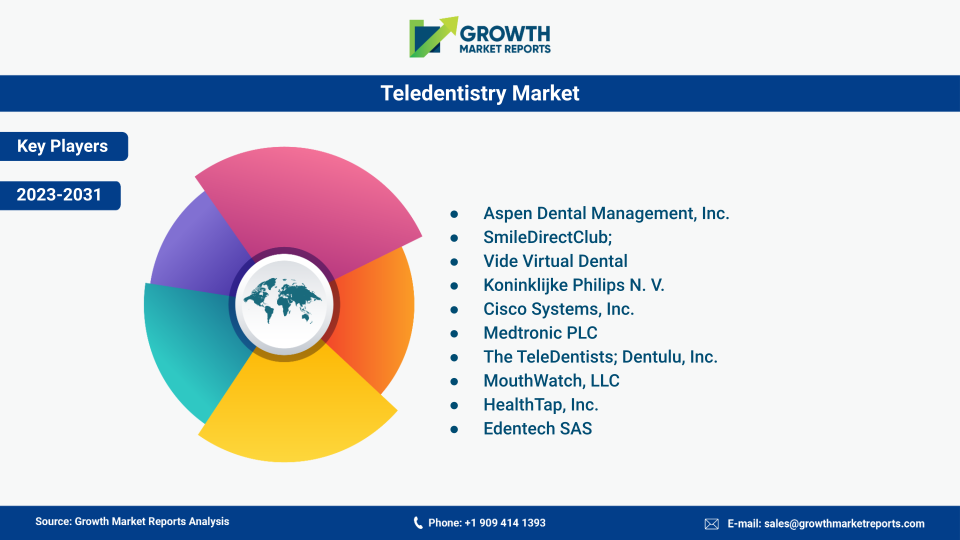
Aspen Dental Management, Inc.; SmileDirectClub; Vide Virtual Dental; Koninklijke Philips N. V.; Cisco Systems, Inc.; Medtronic PLC; The TeleDentists; and Dentulu, Inc. are some of the key players in the global teledentistry market.
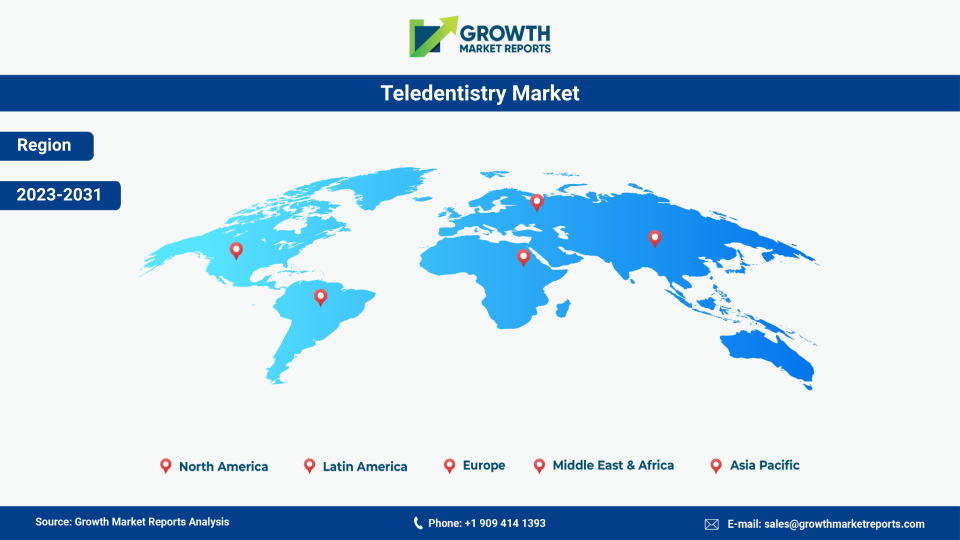
North America dominates the global teledentistry market.
Accessibility, cost-effectiveness, and quality of dental care are some of the key factors driving the global teledentistry market.
Teledentistry is a subunit of telehealth, which uses communication technology to remotely provide dental healthcare services to patients.
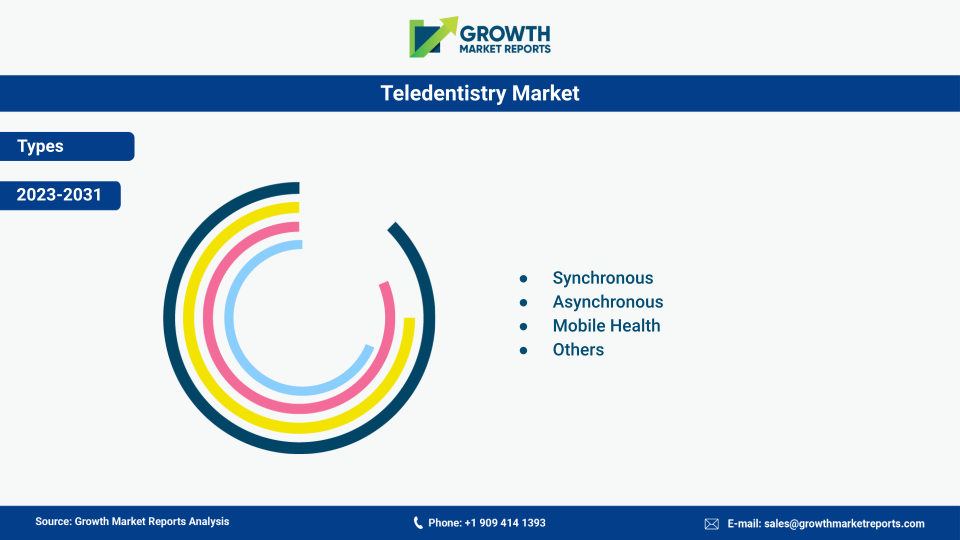
Synchronous, asynchronous, mobile health, and others are the types of teledentistry.
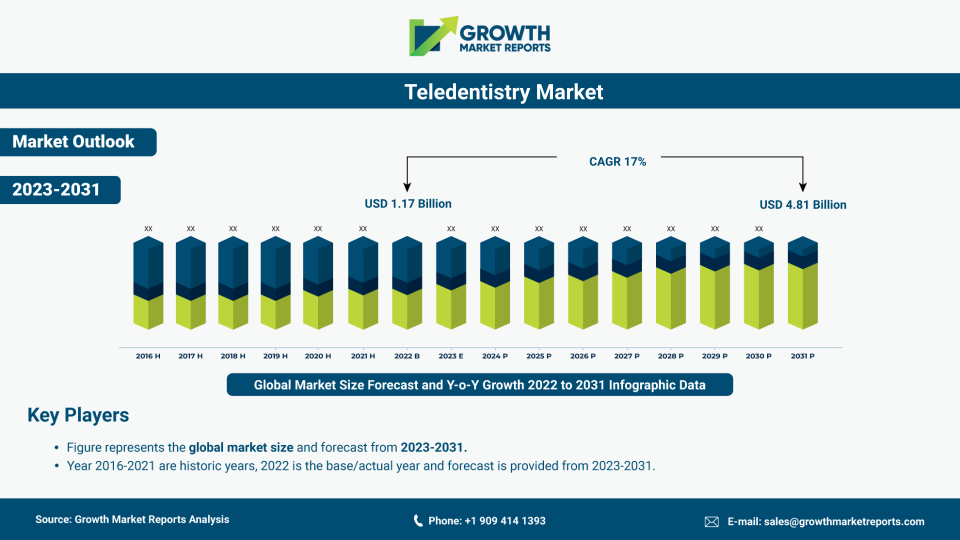
The teledentistry market size was valued at less than USD 1.17 Bn in 2022 and is expected to reach around USD 4.81 Bn by 2031, expanding at a CAGR of around 17% during the forecast period, 2023-2031.
The global teledentistry market is estimated to register CAGR of around 17% during the forecast period.