Segments - by Product Type (Disposable, Rechargeable, Modular Devices), by Component (E-liquids, Atomizers, Batteries, Cartridges, Others), by Flavor (Tobacco, Fruit, Menthol, Dessert, Others), by Distribution Channel (Online Stores, Specialty Stores, Supermarkets/Hypermarkets, Others)
According to our latest research, the global E-cigarette & Vape market size reached USD 25.6 billion in 2024, reflecting a robust appetite for alternative nicotine delivery systems worldwide. The market is expected to grow at a CAGR of 13.2% from 2025 to 2033, with the forecasted market size estimated to reach USD 77.5 billion by 2033. This rapid growth is primarily driven by the increasing shift among smokers toward less harmful alternatives, coupled with continuous product innovation and evolving consumer preferences.
One of the primary growth factors for the E-cigarette & Vape market is the rising awareness about the health risks associated with traditional tobacco smoking. Public health campaigns, regulatory pressure to curb conventional cigarette usage, and an increasing number of studies highlighting the reduced harm potential of e-cigarettes compared to combustible tobacco have been pivotal. As a result, adult smokers are increasingly exploring vaping as a means to reduce or quit smoking, fueling the demand for various e-cigarette and vape products. Furthermore, the growing availability of products with customizable nicotine strengths and a wide range of flavors has made vaping more appealing to a broader consumer base, especially among young adults and former smokers.
Technological advancements represent another significant driver of market expansion. The introduction of modular devices, improved battery life, and innovative atomizer technologies have enhanced the vaping experience, making it more convenient and satisfying. E-liquid manufacturers are also investing heavily in research and development to create new and appealing flavors, while ensuring compliance with safety and quality standards. This constant innovation has not only improved product performance but also expanded the product portfolio available to consumers, fostering brand loyalty and repeat purchases. Additionally, the proliferation of online retail channels has made it easier for consumers to access a diverse range of products, further accelerating market growth.
The evolving regulatory landscape also plays a crucial role in shaping market dynamics. While some regions have implemented restrictive regulations on e-cigarette advertising and sales, others have adopted more progressive approaches that recognize the harm reduction potential of vaping. Countries such as the UK and New Zealand have integrated vaping into their tobacco harm reduction strategies, encouraging smokers to switch to less harmful alternatives. This supportive regulatory environment, coupled with ongoing public health debates, is expected to influence market growth trajectories in the coming years. However, the market must navigate ongoing scrutiny and adapt to changing regulations to maintain its upward momentum.
E-cigarettes have become a focal point in the ongoing debate over smoking alternatives. As more studies emerge highlighting their potential to reduce harm compared to traditional cigarettes, public health organizations are increasingly considering e-cigarettes as a viable option for smoking cessation. This shift in perception is supported by the growing body of evidence suggesting that e-cigarettes can significantly lower exposure to harmful substances found in combustible tobacco. As a result, e-cigarettes are gaining traction not only among those looking to quit smoking but also among policymakers seeking to address public health concerns related to tobacco use.
Regionally, North America continues to dominate the E-cigarette & Vape market, accounting for the largest share in 2024, followed closely by Europe and the Asia Pacific. The United States, in particular, has seen widespread adoption of vaping products, driven by a robust retail infrastructure, aggressive marketing strategies, and a high smoking prevalence. Europe is also witnessing steady growth, with countries like the UK leading the charge in harm reduction policies. Meanwhile, the Asia Pacific region is emerging as a lucrative market, propelled by rising disposable incomes, urbanization, and a growing acceptance of Western lifestyle trends. Despite regional variations in regulatory approaches, the global outlook for the E-cigarette & Vape market remains overwhelmingly positive, with significant growth potential across all major regions.
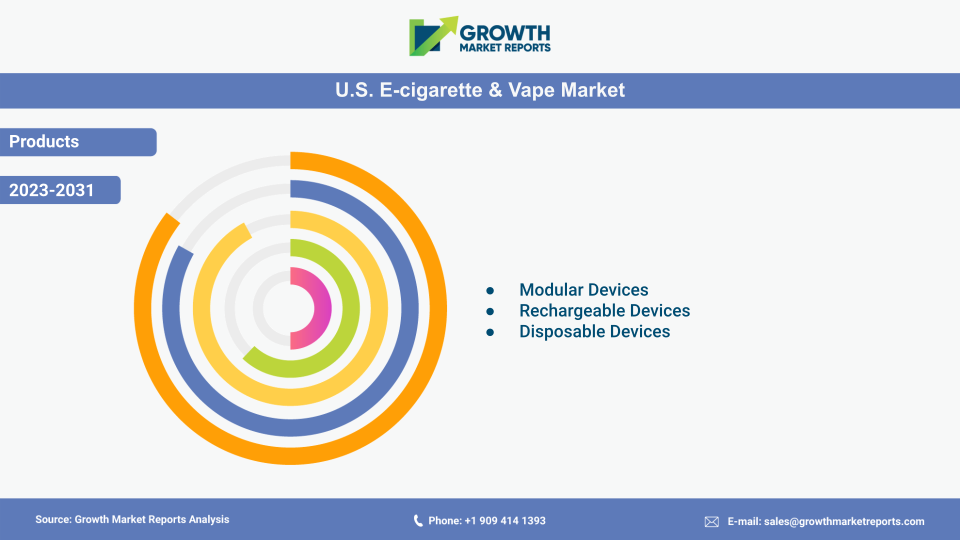
The E-cigarette & Vape market is segmented by product type into Disposable, Rechargeable, and Modular Devices, each catering to distinct consumer preferences and usage patterns. Disposable e-cigarettes, known for their convenience and ease of use, have gained significant traction among first-time users and casual vapers. Their no-maintenance design, pre-filled e-liquid cartridges, and affordable price points make them an attractive option for those seeking a hassle-free vaping experience. However, their single-use nature raises environmental concerns and limits their appeal among environmentally conscious consumers. Despite this, the disposable segment continues to witness strong growth, particularly in emerging markets and among younger demographics who prioritize convenience and portability over long-term cost savings.
Rechargeable e-cigarettes represent the next step in the evolution of vaping devices, offering users the ability to refill e-liquids and recharge batteries. This segment appeals to regular and experienced vapers who seek a more customizable and cost-effective solution. Rechargeable devices typically offer greater vapor production, longer battery life, and a wider selection of flavors and nicotine strengths. The ability to swap out cartridges or refill tanks has also contributed to their popularity, as users can experiment with different flavors and nicotine levels to suit their preferences. Manufacturers in this segment are focusing on improving battery technology, enhancing safety features, and incorporating user-friendly designs to maintain a competitive edge.
The role of e-cigarettes in harm reduction strategies is becoming more pronounced as governments and health organizations explore ways to mitigate the adverse effects of smoking. In several countries, e-cigarettes are being integrated into public health campaigns aimed at reducing smoking prevalence. This approach is bolstered by the availability of e-cigarettes in various forms, including disposable and rechargeable options, which cater to different user preferences. By offering a less harmful alternative to smoking, e-cigarettes are positioned to play a crucial role in reducing the overall burden of tobacco-related diseases, particularly in regions with high smoking rates.
Modular devices, often referred to as advanced personal vaporizers or mods, cater to the most experienced segment of the vaping community. These devices offer unparalleled customization, allowing users to adjust wattage, temperature, and airflow to fine-tune their vaping experience. Modular devices are typically compatible with a wide range of atomizers and tanks, enabling users to experiment with different coil builds and e-liquid formulations. While these devices require a higher level of technical knowledge and maintenance, they offer superior performance, durability, and versatility. The modular segment is characterized by a dedicated user base that values innovation, performance, and the ability to personalize every aspect of their vaping experience.
The interplay between these product types is shaping the competitive landscape of the E-cigarette & Vape market. Manufacturers are increasingly adopting a multi-segment strategy, offering products across all categories to capture a broader customer base. The ongoing trend toward product innovation and differentiation is expected to drive further growth in each segment, as companies strive to meet the evolving needs of consumers. As regulatory scrutiny intensifies, product safety and quality assurance will become even more critical, influencing consumer trust and brand loyalty across all product types.
| Attributes | Details |
| Report Title | E-cigarette & Vape Market Research Report 2033 |
| By Product Type | Disposable, Rechargeable, Modular Devices |
| By Component | E-liquids, Atomizers, Batteries, Cartridges, Others |
| By Flavor | Tobacco, Fruit, Menthol, Dessert, Others |
| By Distribution Channel | Online Stores, Specialty Stores, Supermarkets/Hypermarkets, Others |
| Regions Covered | North America, Europe, APAC, Latin America, MEA |
| Base Year | 2024 |
| Historic Data | 2018-2023 |
| Forecast Period | 2025-2033 |
| Number of Pages | 255 |
| Number of Tables & Figures | 271 |
| Customization Available | Yes, the report can be customized as per your need. |
The E-cigarette & Vape market is also segmented by component, including E-liquids, Atomizers, Batteries, Cartridges, and Others. E-liquids form the core consumable component of vaping devices, accounting for a substantial share of the market. The demand for e-liquids is driven by the increasing popularity of flavored options and the trend toward nicotine customization. Manufacturers are investing in research and development to create safer, higher-quality formulations, often incorporating natural ingredients and advanced nicotine salts to enhance the user experience. Regulatory compliance, particularly regarding ingredient disclosure and safety standards, is becoming a key differentiator in the e-liquid segment, as consumers become more discerning about product safety and transparency.
Atomizers, which are responsible for heating the e-liquid and producing vapor, represent a critical component of device performance. Advances in atomizer technology have led to improved vapor production, flavor delivery, and overall device reliability. Innovations such as mesh coils, ceramic heating elements, and adjustable airflow systems are enhancing the vaping experience, catering to both novice and advanced users. Manufacturers are also focusing on developing leak-proof and easy-to-clean designs, addressing common pain points and improving user satisfaction. As the market matures, atomizer quality and compatibility with different device types will continue to influence purchasing decisions.
Batteries are another essential component, directly impacting device longevity, safety, and performance. The shift toward rechargeable and high-capacity batteries has enabled longer usage times and more powerful devices, appealing to heavy users and enthusiasts. Battery safety remains a top priority, with manufacturers implementing advanced protection circuits, overcharge prevention, and thermal management systems to minimize the risk of accidents. The trend toward compact, high-density batteries is also driving innovation, as consumers seek devices that balance portability with performance. The battery segment is expected to see continued growth, fueled by ongoing advancements in lithium-ion and alternative battery technologies.
E-cigarettes are not only reshaping consumer habits but also influencing the broader tobacco industry. As traditional cigarette sales decline, major tobacco companies are investing heavily in e-cigarette technology and product development. This shift is driven by the need to adapt to changing consumer preferences and regulatory landscapes that favor less harmful alternatives. E-cigarettes are seen as a key growth area, offering companies a way to diversify their portfolios and meet the demands of health-conscious consumers. This trend is likely to continue as more evidence supports the role of e-cigarettes in reducing smoking-related harm.
Cartridges and other components, such as mouthpieces and control chips, play a supporting yet vital role in the overall functionality and user experience of vaping devices. Pre-filled cartridges offer convenience and hygiene, while refillable options cater to users who prefer greater flexibility and cost savings. The integration of smart features, such as puff counters, Bluetooth connectivity, and usage tracking, is emerging as a differentiator in the premium segment. The focus on component innovation and quality assurance underscores the industry's commitment to delivering safe, reliable, and enjoyable vaping experiences across all product categories.
Flavor is a key driver of consumer preference in the E-cigarette & Vape market, with segments including Tobacco, Fruit, Menthol, Dessert, and Others. Tobacco flavors remain popular among adult smokers transitioning to vaping, offering a familiar taste profile that eases the switch from traditional cigarettes. Manufacturers are continually refining tobacco flavor formulations to closely mimic the sensory experience of combustible tobacco, addressing the needs of smokers seeking a less harmful alternative without sacrificing taste. Regulatory scrutiny of tobacco-flavored e-liquids, particularly in regions with strict advertising and sales restrictions, is influencing product development and marketing strategies in this segment.
Fruit flavors have surged in popularity, especially among younger adults and non-traditional smokers. The wide variety of fruit options, ranging from classic apple and berry to exotic mango and lychee, caters to diverse palates and encourages experimentation. Fruit-flavored e-liquids are often associated with a smoother, sweeter vaping experience, making them a preferred choice for those seeking an alternative to traditional tobacco and menthol flavors. The appeal of fruit flavors has also driven innovation in e-liquid formulations, with manufacturers exploring new combinations and natural extracts to enhance taste and aroma.
Menthol flavors continue to maintain a strong presence in the market, appealing to consumers who enjoy a cooling, refreshing sensation. The menthol segment has benefited from regulatory actions restricting menthol cigarettes in certain regions, prompting smokers to seek alternative products. Manufacturers are responding by offering a range of menthol-infused e-liquids, often combined with fruit or dessert flavors to create unique flavor profiles. The ongoing debate over the regulation of menthol flavors in e-cigarettes is likely to influence market dynamics, as policymakers balance harm reduction objectives with concerns about youth appeal.
Dessert and other unconventional flavors, including confectionery, beverage, and spice-inspired options, are gaining traction among adventurous vapers and those seeking novelty. These flavors contribute to the overall diversity of the market, fostering brand differentiation and consumer loyalty. However, the proliferation of sweet and novelty flavors has attracted regulatory attention, with some jurisdictions implementing flavor bans to curb youth vaping. Manufacturers are adapting by emphasizing adult-oriented marketing, transparent labeling, and responsible sales practices to mitigate regulatory risks and maintain consumer trust.
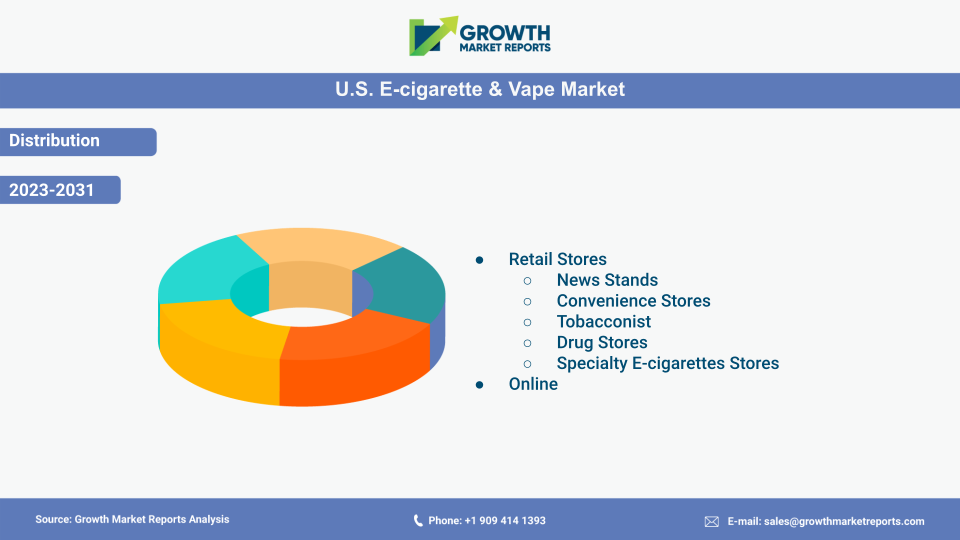
Distribution channels play a pivotal role in shaping the accessibility and visibility of E-cigarette & Vape products. Online stores have emerged as a dominant channel, offering consumers unparalleled convenience, product variety, and competitive pricing. The rise of e-commerce platforms has enabled manufacturers and retailers to reach a global audience, bypassing traditional brick-and-mortar limitations. Online sales are particularly popular among tech-savvy consumers and those seeking discreet purchasing options. However, the growth of online channels also presents challenges related to age verification, regulatory compliance, and counterfeit product risks, prompting industry players to invest in secure and transparent online retail solutions.
Specialty stores, including vape shops and dedicated retail outlets, remain a cornerstone of the E-cigarette & Vape market. These stores offer personalized customer service, expert product knowledge, and hands-on demonstrations, fostering a sense of community among vapers. Specialty stores are instrumental in educating consumers about device operation, maintenance, and safety, contributing to higher customer satisfaction and brand loyalty. The interactive retail environment also provides valuable opportunities for manufacturers to gather consumer feedback, test new products, and build long-term relationships with their target audience.
Supermarkets and hypermarkets are increasingly incorporating E-cigarette & Vape products into their tobacco and wellness sections, broadening the reach of these products to mainstream consumers. The presence of vaping products in large retail chains enhances product visibility, normalizes vaping as a smoking alternative, and facilitates impulse purchases. However, these channels often impose strict product selection and merchandising guidelines, favoring established brands and standardized offerings. Manufacturers must navigate complex supply chain dynamics and invest in retail partnerships to maximize their presence in this segment.
Other distribution channels, such as convenience stores, gas stations, and pharmacies, contribute to the overall accessibility of vaping products, particularly in regions with limited specialty retail infrastructure. The integration of E-cigarette & Vape products into diverse retail environments underscores the industry's commitment to meeting consumers where they are, while adapting to evolving regulatory requirements and consumer preferences. As the market continues to grow, the interplay between online and offline channels will shape the competitive landscape and influence the future trajectory of the industry.
The E-cigarette & Vape market presents significant opportunities for growth and innovation. One of the most promising opportunities lies in the ongoing shift toward harm reduction and smoking cessation. As public health authorities increasingly recognize the potential of vaping as a less harmful alternative to combustible tobacco, manufacturers and retailers have the opportunity to position their products as tools for reducing smoking-related harm. Collaborations with healthcare providers, investment in clinical research, and the development of medically endorsed vaping solutions could open new avenues for market expansion and differentiation. Additionally, the rise of personalized vaping devices and smart technology integration offers opportunities to enhance user experience, improve safety, and gather valuable usage data for product development and regulatory compliance.
Another major opportunity exists in the global expansion of the E-cigarette & Vape market, particularly in emerging economies. Rising disposable incomes, urbanization, and increasing awareness of smoking-related health risks are driving demand for alternative nicotine delivery systems in regions such as Asia Pacific, Latin America, and the Middle East & Africa. Manufacturers that can navigate complex regulatory environments, adapt products to local preferences, and establish strong distribution networks stand to gain a competitive advantage. The development of region-specific flavors, packaging, and marketing strategies will be critical to capturing market share and building brand loyalty in these high-growth markets.
Despite these opportunities, the market faces significant threats and restraining factors. Regulatory uncertainty remains a key challenge, as policymakers grapple with balancing harm reduction objectives against concerns about youth vaping and long-term health effects. The implementation of flavor bans, advertising restrictions, and taxation policies in several countries has created an unpredictable operating environment for manufacturers and retailers. Compliance with evolving regulations requires significant investment in product reformulation, labeling, and supply chain management, increasing operational complexity and costs. The threat of negative public perception, fueled by media coverage of vaping-related health incidents and youth usage, also poses a risk to market growth and brand reputation. Industry stakeholders must proactively engage with regulators, invest in product safety, and adopt responsible marketing practices to mitigate these threats and sustain long-term growth.
North America remains the leading region in the global E-cigarette & Vape market, accounting for approximately USD 9.3 billion in revenue in 2024. The United States is the primary driver of regional growth, supported by a well-established retail infrastructure, high smoking prevalence, and a strong culture of innovation. The region is characterized by a diverse product landscape, with both multinational and local players competing for market share. Regulatory developments, such as the FDA's evolving stance on e-cigarette flavors and sales, will continue to shape the competitive dynamics and growth prospects in North America. The region is projected to maintain a steady growth trajectory, with a CAGR of 11.8% through 2033, driven by increasing consumer acceptance and ongoing product innovation.
Europe is the second-largest market, with a 2024 market size of USD 7.6 billion. The region benefits from progressive harm reduction policies in countries such as the UK, where vaping is actively promoted as a smoking cessation tool. The European market is characterized by a high degree of product regulation, including strict ingredient disclosure requirements and marketing restrictions. Despite these regulatory hurdles, consumer demand for high-quality, innovative vaping products remains strong. The region is witnessing growing adoption among adult smokers and former smokers, as well as increasing interest in premium and customizable devices. The outlook for Europe remains positive, with continued growth expected as public health authorities and industry stakeholders collaborate to promote responsible vaping.
The Asia Pacific region is emerging as a key growth engine, with a 2024 market size of USD 5.2 billion and the highest projected CAGR of 16.5% through 2033. Rapid urbanization, rising disposable incomes, and changing social attitudes toward smoking are driving demand for E-cigarette & Vape products in countries such as China, Japan, and South Korea. The region presents unique challenges and opportunities, including diverse regulatory frameworks, cultural preferences, and competitive dynamics. Manufacturers that can tailor their offerings to local tastes and navigate complex distribution networks are well-positioned to capitalize on the region's growth potential. The Middle East & Africa and Latin America, while currently representing smaller shares of the global market, are also expected to see steady growth as awareness and availability of vaping products increase.
The competitive landscape of the E-cigarette & Vape market is characterized by intense rivalry, rapid innovation, and an evolving regulatory environment. The market comprises a mix of established tobacco companies, independent vaping brands, and technology startups, each vying for market share through product differentiation, brand positioning, and strategic partnerships. Major players are investing heavily in research and development to create safer, more appealing, and technologically advanced products, while also expanding their global footprint through mergers, acquisitions, and distribution agreements. The ability to adapt to changing consumer preferences, regulatory requirements, and market trends is a key determinant of long-term success in this dynamic industry.
Brand loyalty and consumer trust play a critical role in shaping competitive dynamics. Companies that prioritize product safety, quality assurance, and transparent labeling are better positioned to build lasting relationships with consumers and withstand regulatory scrutiny. The rise of premium and customizable vaping devices has created opportunities for niche brands to differentiate themselves and capture market share among discerning users. At the same time, large multinational corporations leverage their scale, distribution networks, and marketing resources to dominate mainstream segments and drive industry consolidation.
Innovation remains a central theme in the competitive landscape, with companies racing to develop new flavors, device formats, and smart features. The integration of technology, such as Bluetooth connectivity, usage tracking, and app-based controls, is emerging as a key differentiator in the premium segment. Manufacturers are also exploring sustainable packaging, eco-friendly materials, and recycling initiatives to address environmental concerns and appeal to socially conscious consumers. As the market matures, the ability to anticipate and respond to regulatory changes, consumer trends, and technological advancements will be critical to maintaining a competitive edge.
Some of the major companies operating in the E-cigarette & Vape market include JUUL Labs, British American Tobacco, Imperial Brands, Japan Tobacco International, Altria Group, NJOY, Vuse (Reynolds American Inc.), and RELX. JUUL Labs remains a dominant force in the US market, known for its sleek device design and wide range of flavors, though it faces ongoing regulatory challenges. British American Tobacco and Imperial Brands have leveraged their global reach and tobacco expertise to expand their vaping portfolios, focusing on harm reduction and product innovation. Japan Tobacco International and Altria Group are also investing in next-generation products, seeking to capture market share in both developed and emerging markets. NJOY and Vuse have established strong presences in North America, with a focus on product quality and consumer safety. RELX, based in China, is rapidly expanding its international footprint, capitalizing on the growing demand for vaping products in Asia Pacific and beyond.
These companies are actively pursuing strategies to strengthen their market positions, including the development of new product lines, partnerships with retailers and distributors, and investments in research and advocacy. As the regulatory landscape continues to evolve, leading players are prioritizing compliance, responsible marketing, and stakeholder engagement to ensure sustainable growth. The competitive outlook for the E-cigarette & Vape market remains dynamic, with ongoing innovation, consolidation, and market expansion expected to drive industry evolution in the years ahead.
The E-cigarette & Vape market has been segmented on the basis of
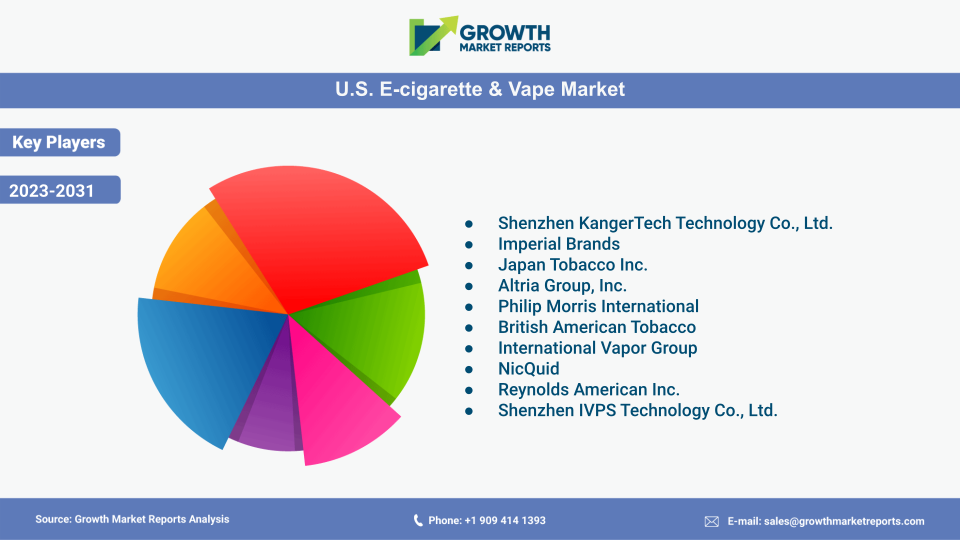
Key players competing in the U.S. e-cigarette & vape market are Shenzhen KangerTech Technology Co., Ltd.; Imperial Brands; Japan Tobacco Inc.; Altria Group, Inc.; Philip Morris International; British American Tobacco; International Vapor Group; NicQuid; Reynolds American Inc.; and Shenzhen IVPS Technology Co., Ltd.
Many of these players have adopted business strategies such as innovation in products, partnerships, acquisitions, alliances, and mergers in order to increase their operation expansion, consumer base, and market position globally.
Opportunities include global expansion, especially in emerging markets, development of personalized and smart vaping devices, and positioning products for harm reduction and smoking cessation.
Major players include JUUL Labs, British American Tobacco, Imperial Brands, Japan Tobacco International, Altria Group, NJOY, Vuse, and RELX.
Key challenges include regulatory uncertainty, flavor bans, advertising restrictions, taxation, and concerns over youth vaping and product safety.
Products are sold through online stores, specialty vape shops, supermarkets/hypermarkets, and other retail channels such as convenience stores and gas stations.
Popular flavors include Tobacco, Fruit, Menthol, and Dessert, with fruit and menthol flavors gaining traction among younger and non-traditional users.
The market is segmented into Disposable, Rechargeable, and Modular Devices, each catering to different user preferences and experience levels.
North America leads the market, followed by Europe and Asia Pacific. The US, UK, and China are particularly significant contributors to market growth.
Key growth drivers include increasing awareness of the health risks of traditional smoking, product innovation, evolving consumer preferences, and supportive harm reduction policies in some regions.
The E-cigarette & Vape market is expected to grow at a CAGR of 13.2% from 2025 to 2033, reaching an estimated USD 77.5 billion by 2033.
As of 2024, the global E-cigarette & Vape market size reached USD 25.6 billion, with strong growth expected in the coming years.