Electric Fireplace Market Outlook
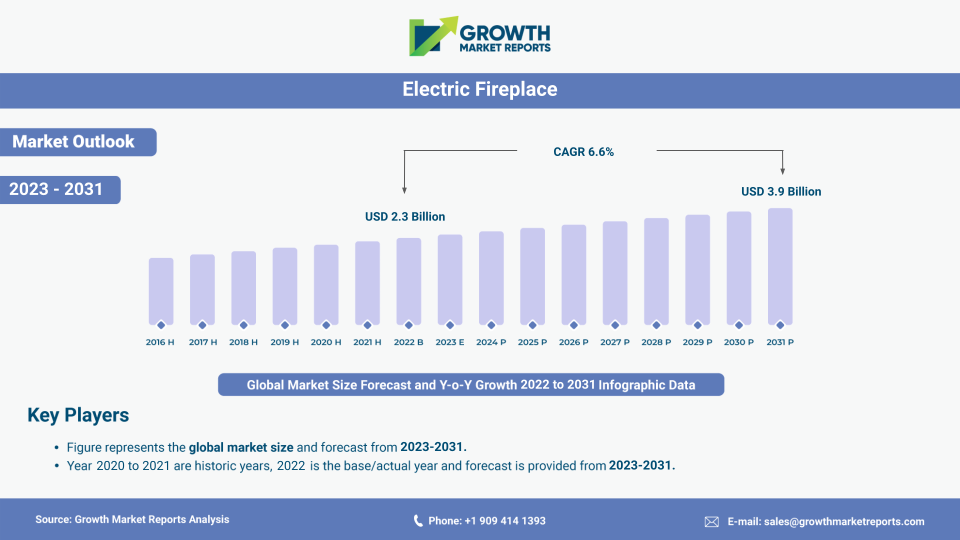
The global electric fireplace market size was USD 2.3 Bn in 2022 and is likely to reach USD 3.9 Bn by 2031, expanding at a CAGR of 6.6% during 2023–2031. The market growth is attributed to the rising infrastructure development and the development of cost and energy-efficient heaters.
An electric heater solution used for increasing the temperature of indoor or outdoor places is identified as an electric fireplace. These electric tools imitate the burning of wood, natural gas, or coal to provide the feel of a natural fire. In modern times, electric fires are placed in the place of traditionally built fireplaces inside the room or outdoors, so that there is no longer a requirement to depend on conventional methods.
Electric fireplaces are economical and safe to use. The new age heaters are portable and pollution-free, and their maintenance costs are lesser than conventional fireplaces that require gas and wood. Modern households are increasingly eliminating chimney system and adding electric fireplaces, which is electricity and cost-efficient.
Moreover, technological advances are allowing major players in the electric fireplace industry to provide improved designs and highly customizable products according to consumer needs. The manufacturers of electric fireplaces provide innovative products such as table or wall inserts and stove style, wall-mounted, freestanding, and others, which in turn, is expected to drive the growth of the electric fireplace market during the forecast period.
COVID-19 Impact on Electric Fireplace Market
The market report finds that the COVID-19 pandemic has affected the global market. The subsequent lockdowns, travel restrictions, and social distancing measures slowed down the raw material sourcing and manufacturing activities. The products that were essential for health and personal well-being were prioritized for online & offline purchase and delivery.
The demand for electric fireplace products and installations was slowed down due to reduced purchasing and economic slowdown. The market has shown a positive sign of recovery post the wide vaccination and rising purchasing power among consumers across major economies.
Electric Fireplace Market Dynamics
The research report presents a complete market overview by providing detailed information about the current market trends, existing drivers, growth opportunities and potentials, and emerging challenges. The global electric fireplace market report has up-to-date insights about market scenarios that can shape the overall market performance and output during the forecast period, 2023 to 2031.
What are the Trends in Electric Fireplace Market?
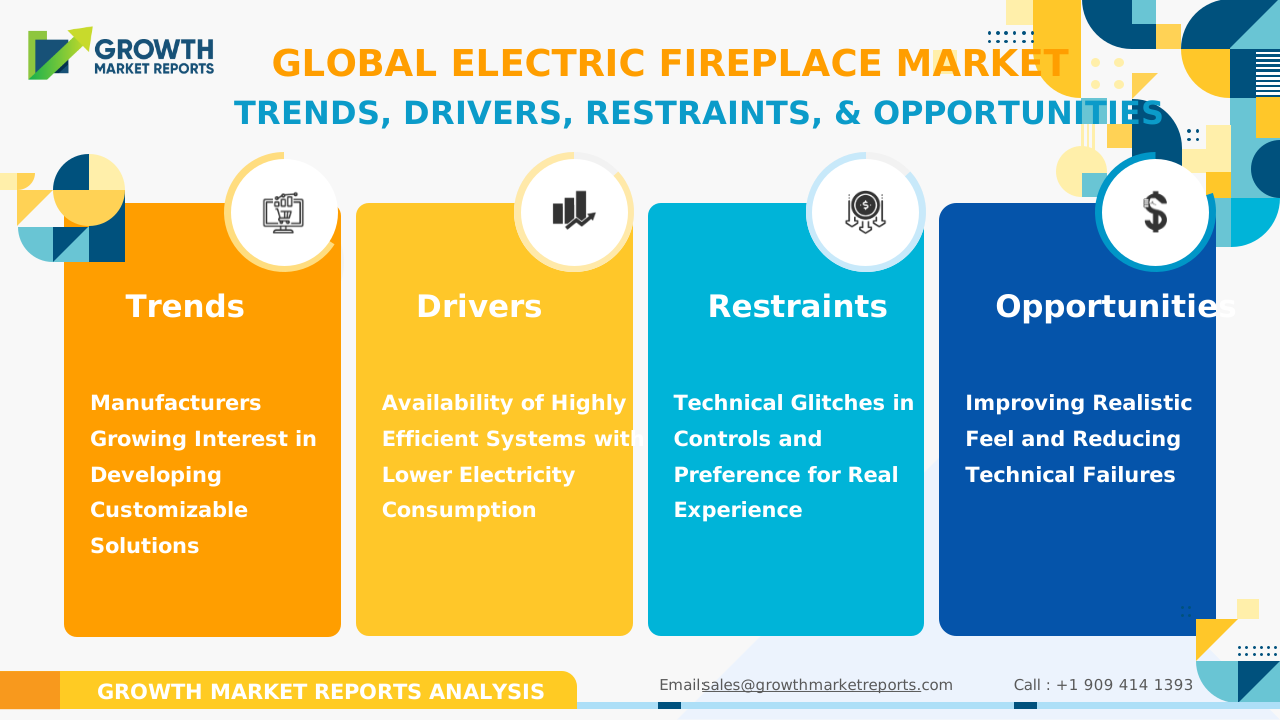
Technology developments and improved manufacturing equipment are enabling manufacturers in the electric fireplace industry to come up with highly customizable solutions. The addition of various modes, adjustment of temperature, improving the glow to make it feel natural, and sound effects are aiding in product improvement and consumer experience.
As the customization and flexibility of use factors are highly considered by consumers in buying electric products, the development of custom-designed products is boosting market growth.
What Drives Electric Fireplace Market?
Electric fireplaces installation is increasing in households and private properties, owing to the improvement of system efficiency with lower electricity consumption. These energy and cost efficacy factors are making it favorable for consumers to buy electrical fireplaces instead of using the conventional fireplace, which is anticipated to drive the market in the coming years.
The enhanced design and optimization of product size are enabling key manufacturers in the industry to raise product efficiency, reduce their electricity consumption and ultimately save raw material and manufacturing costs. Consumers from different regions around the globe, where the temperature is low for the most part of the year are preferring electronic fireplace systems due to the increased availability of cost-friendly highly efficient systems.
Infrastructure development is growing rapidly all around the world, and owing to this adoption of modern electronic fireplace solutions is growing at a significant pace. Modern infrastructures are more suitable for electric systems than conventional solutions. The elimination of chimneys from household and private properties and increasing preference for modern solutions is likely to drive the market during the projection period.
What Restrains Electric Fireplace Market?
The technical glitches and unreal feel of electric fireplaces can be the hampering factors for the global market in the coming years. Some of the commonly occurring technical glitches in electric fireplaces are failing to turn the fireplace on or off, unwanted beeping sounds, unable to adjust the temperature, and auto start or off.
The preference for real experience over the artificial experience of electric fireplaces could also limit the market growth. The consistent technical glitches could make consumers reconsider choosing a conventional fireplace with a realistic feel over the electric fireplace, which could hinder the demand growth in the market.
What are the Opportunities in Electric Fireplace Market?
The addition of sound effects, three-dimensional flames, smoke effects, temperature sensors, and other factors to make electric fireplaces realistic and sophisticated is likely to create lucrative growth opportunities for the market. In addition, reducing the technical glitches to make electric fireplaces highly reliable and safe is likely to gain consumers trust in the product, which can again create opportunities for the market. Technological improvements and remote control enhancement are also anticipated to improve product demand in the coming years.
Scope of Electric Fireplace Market Report
The global electric fireplace market research report includes an assessment of the market trends, market segments, and regional markets. Overview and dynamics have also been included in the report.
|
Attributes
|
Details
|
|
Report Title
|
Electric Fireplace Market - Global Industry Analysis, Growth, Share, Size, Trends, and Forecast
|
|
Base Year
|
2022
|
|
Historic Data
|
2020–2021
|
|
Forecast Period
|
2023–2031
|
|
Segmentation
|
Type (Wall-Mounted Electric Fireplaces, Freestanding Electric Fireplaces, Built-in Electric Fireplaces, Insert Electric Fireplaces. Table-Top Electric Fireplaces, and Corner Electric Fireplaces), Size (Small, Medium, Large, and Extra Large), Style (Modern and Traditional), Location (Indoor and Outdoor), Installation (Portable and Fixed), and Application (Residential and Commercial [Offices, Hotels & Restaurants, and Others])
|
|
Regional Scope
|
Asia Pacific, North America, Latin America, Europe, and Middle East & Africa
|
|
Report Coverage
|
Company Share, Market Analysis and Size, Competitive Landscape, Growth Factors, Market Trends, and Revenue Forecast
|
|
Key Players Covered in the Report
|
GLEN DIMPLEX GROUP; Twin Star Home; Zhejiang Fuerj Electric Science and Technology Co., Ltd; Fujian Allen Electronics Co., LTD; Yiwu Andong Electric Appliance Co., Ltd.; Techome (Zhongshan) Industrial Co., Ltd; NAPOLEON; Sierra Flame; The Alaskan Fireplace Company; Giantexus; Touchstone Home Products, Inc.; BFM Europe Ltd; Empire Comfort Systems; European Home; KSP Group, Inc.; Amantii Electric Fireplaces; Duraflame, Inc.; GHP Group Inc.; Modern Flames; Woodbridge Fireplace Inc.; Heatilator; OER Fireplaces; HNI Corp.; Innovative Hearth Products; RVA Etronics (P) Ltd; Richen Fireplace; Jetmaster Fireplaces Australia; The Kent Fireplace Company; and BUCK STOVE
|
Electric Fireplace Market Segment Insights
How is the Wall-mounted Electric Fireplaces Type Segment Generating More Revenue Share in the Global Market?
Based on type, the global electric fireplace market is segmented into wall-mounted electric fireplaces, freestanding electric fireplaces, built-in electric fireplaces, insert electric fireplaces. table-top electric fireplaces, and corner electric fireplaces. The wall-mounted electric fireplaces segment is expected to generate higher revenues in the market during the projected period, owing to their ease of installation and higher efficiency in warming up the surrounding. The wall-mounted fireplace solutions can be easily moved and installed in required rooms. They can be hung on any wall with access to an electrical power plug switch.
The built-in electric fireplaces segment is anticipated to hold the key revenue share of the market in the coming year. Built-in fireplace systems are installed inside the opening of the wall. Most of these systems come with heaters that are able to generate heat between 500 – 1000 square feet. The built-in fireplace systems can be installed into any wall, including cabinetry and drywalls.
What Main Aspects are Boosting the Medium Size Electric Fireplaces Demand in the Market?
On the basis of size, the global market is segregated into small (below 30 inches), medium (between 30 inches to 45 inches), large (between 45 inches to 60 inches), and extra large (above 60 inches). The medium (between 30 inches to 45 inches) sized segment is projected to register a considerable CAGR during the forecast period.
The growing demand for medium-sized electric fireplaces for indoor installations at cottages, basements, and dens is likely to drive the segment growth in the coming years. Medium-sized electric fireplaces that are portable are preferred by consumers, as they can be easily carried to any place, and warm up the atmosphere with less electricity consumption.
The large size (between 45 inches to 60 inches) segment is projected to grow at a considerable pace in the electric fireplaces market in the coming years. The installation of large-size electric fireplace systems is rising in luxurious homes and hotel rooms, which is fueling the segment growth in the market. The large-sized fireplaces are ideal for master bedrooms, larger lobbies, or at offices.
What are the Major Reasons for the Fastest Growth of the Modern Segment in Electric Fireplace Market?
Based on the style, the global electric fireplace market is bifurcated into modern and traditional. The modern style electric fireplaces segment is expected to expand at the fastest growth rate during the projected period. The growing development of modern homes and other infrastructure is anticipated to create high demand for modern style electric fireplaces with smart controls and advanced designs. The optimized design of modern systems requires less power and provides high efficiency, owing to which its demand is likely to keep growing throughout the projection period.
The traditional style segment is anticipated to expand at a healthy CAGR in the near future. Traditional/conventional electrical fireplaces are demanded in homes and hotels for gaining a more realistic experience. The major players in the market are combining old and modern styles in electric fireplace solutions to make them feel more real and traditional.
What Key Factors Contribute to the Rapid Expansion of the Indoor Segment?
Based on location, the global electric fireplace market is divided into indoor and outdoor. The indoor segment is expected to expand at a significant growth rate during the projected period. Electric fireplace systems are usually utilized in homes, offices, and hotel rooms, as they are highly suitable for indoor settings. The consumer base for indoor use is rising owing to factors such as lower electricity consumption, low maintenance requirements, cost-effectiveness, and improved efficiency in warming up rooms.
The outdoor electric fireplace system is projected to grow at a considerable pace in the coming years. The increased availability of freestanding and portable heater systems is expected to boost the outdoor use of electric fireplace systems. Outdoor fireplace systems are highly used in hotels and luxury homes for keeping a warm atmosphere during the cold seasons.
What are the Main Aspects of Boosting the Fixed Segment?
On the basis of installation, the global market is segregated into portable and fixed. The fixed installation segment held the largest share of the market in 2021 and is projected to account for a major market share in the coming years. Fixed electric fireplace systems are installed in hotels, offices, and luxury homes. In most places, the place of the fireplace system is preferred to be fixed for comfort and safety reasons, owing to which demand for fixed systems growing rapidly in the global market.
The portable segment is projected to register a considerable CAGR during the forecast period. The demand growth for portable electric fireplace systems is attributed to their advantages including easy operability and installation in different parts of indoor settings. The portable heaters can be taken to any preferable location inside or outside to improve the temperature. As portable systems can be easily moved to different rooms, the consumer does not require to buy more than one system for installation in different rooms.
Why is the Residential Segment More Prevalent than the Commercial Segment?
Based on application, the global electric fireplace market is categorized into residential and commercial. The commercial segment is further sub-categorized into offices, hotels & restaurants, and others. The residential segment is expected to expand at a significant growth rate during the projected period. The rise of residential electric fireplace systems is owing to the high dependence of residential consumers on electric fireplace systems.
The commercial segment is anticipated to hold a key share of the electric fireplace market in the coming years. Electric fireplaces installation is rising in offices, hotels, and restaurants to improve the temperature to make it more soothing. The increasing infrastructure development and rising harsh cold conditions in different parts of the world are some of the major factors fueling the growth of electric fireplace use at commercial properties.
Why is North America Dominating Electric Fireplace Market?
In terms of region, the global electric fireplace market is classified as Asia Pacific, North America, Latin America, Europe, and Middle East & Africa. North America is projected to dominate the global electric fireplace market. The market size in North America is likely to expand at a compound annual growth rate (CAGR) of over 7.4% during the forecast period owing to rising awareness among the people about the climatic changes and high adoption of new technologies in household appliances in the region.
The market in Europe is projected to grow due to the increase in the innovation of products by manufacturers of electric fireplaces. The manufacturing of safe and customizable solutions is increasing the consumer preference for electric heating systems in the region.
Furthermore, the market in Asia Pacific is anticipated to grow at a moderate pace during the forecast period, as the number of houses is rising and growing awareness among people about pollution caused by conventional fireplaces. The market in the Middle East & Africa is expected to grow at a slow pace, as the climate in this region is hot and the use of the electric fireplace is limited.
Key Benefits for Industry Participants & Stakeholders
-
In-depth analysis of the global electric fireplace market
-
Historical, current and projected market size in terms of value and volume
-
Potential & niche segments and regions exhibiting promising growth covered
-
Industry drivers, restraints and opportunities covered in the study
-
Recent industry trends and developments
-
Competitive landscape & strategies of key players
-
Neutral perspective on global electric fireplace market performance
Segments
The global electric fireplace market has been segmented on the basis of
Type
- Wall-Mounted Electric Fireplaces
- Freestanding Electric Fireplaces
- Built-in Electric Fireplaces
- Insert Electric Fireplaces
- Table-Top Electric Fireplaces
- Corner Electric Fireplaces
Size
- Small
- Medium
- Large
- Extra Large
Style
Location
Installation
Application
- Residential
- Commercial
- Offices
- Hotels & Restaurants
- Others
Region
- Asia Pacific
- North America
- Latin America
- Europe
- Middle East & Africa
Key Players
- GLEN DIMPLEX GROUP
- Twin Star Home
- Zhejiang Fuerj Electric Science and Technology Co., Ltd
- Fujian Allen Electronics Co., LTD
- Yiwu Andong Electric Appliance Co., Ltd.
- Techome (Zhongshan) Industrial Co., Ltd
- NAPOLEON
- Sierra Flame
- The Alaskan Fireplace Company
- Giantexus
- Touchstone Home Products, Inc.
- BFM Europe Ltd
- Empire Comfort Systems
- European Home
- KSP Group, Inc.
- Amantii Electric Fireplaces
- Duraflame, Inc.
- GHP Group Inc.
- Modern Flames
- Woodbridge Fireplace Inc.
- Heatilator
- OER Fireplaces
- HNI Corp.
- Innovative Hearth Products
- RVA Etronics (P) Ltd
- Richen Fireplace
- Jetmaster Fireplaces Australia
- The Kent Fireplace Company
- BUCK STOVE
Competitive Landscape
The competitive landscape of the global electric fireplace market report provides key insights into the growth strategies and development initiatives implemented by the key players in the market.
Key players competing in the global electric fireplace market are GLEN DIMPLEX GROUP; Twin Star Home; Zhejiang Fuerj Electric Science and Technology Co., Ltd; Fujian Allen Electronics Co., LTD; Yiwu Andong Electric Appliance Co., Ltd.; Techome (Zhongshan) Industrial Co., Ltd; NAPOLEON; Sierra Flame; The Alaskan Fireplace Company; Giantexus; Touchstone Home Products, Inc.; BFM Europe Ltd; Empire Comfort Systems; European Home; KSP Group, Inc.; Amantii Electric Fireplaces; Duraflame, Inc.; GHP Group Inc.; Modern Flames; Woodbridge Fireplace Inc.; Heatilator; OER Fireplaces; HNI Corp.; Innovative Hearth Products; RVA Etronics (P) Ltd; Richen Fireplace; Jetmaster Fireplaces Australia; The Kent Fireplace Company; and BUCK STOVE.
These players are considered as key manufacturers of the market based on their different varieties of product availability, regional presence, better supply chain management system, and increasing demand for products. Some of these major companies adopted various business development strategies including mergers, acquisitions, partnerships, collaboration, product launches, and production capacity expansion to expand their consumer base and enhance their market share.











 Request For Customization
 Enquiry Before Buying
 Speak With Analyst