Segments - by Product Type (Vinegar, Salad Dressings, Mayonnaise, Mustard, Ketchup, Sauces, Others), by Application (Household, Food Service, Industrial), by Distribution Channel (Supermarkets/Hypermarkets, Convenience Stores, Online Retail, Specialty Stores, Others), by Packaging Type (Bottles, Sachets, Jars, Others)
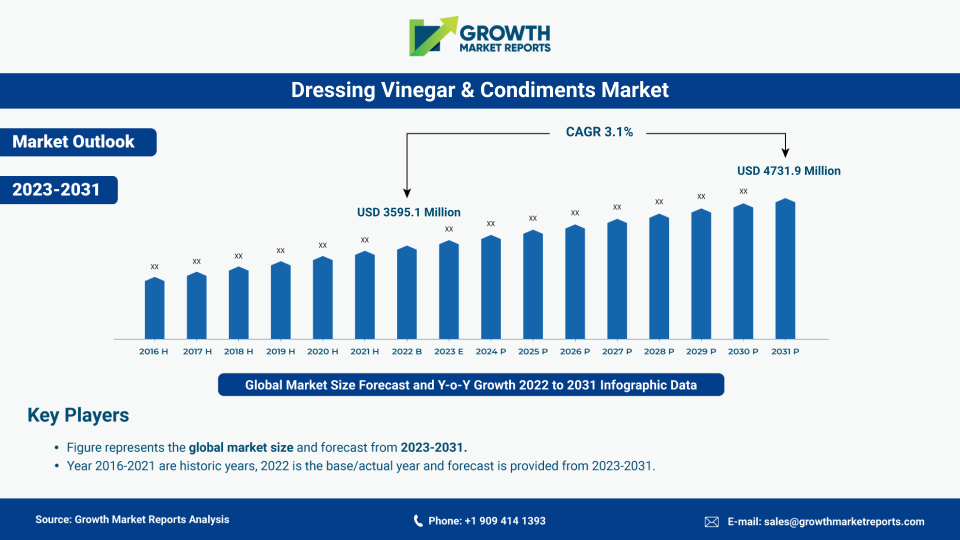
According to our latest research, the global dressing vinegar & condiments market size reached USD 27.4 billion in 2024, exhibiting robust growth driven by evolving consumer preferences and culinary trends. The market is poised to expand at a CAGR of 4.8% from 2025 to 2033, with the market size anticipated to reach USD 41.7 billion by 2033. This growth trajectory is underpinned by increasing demand for diverse flavor profiles, the rising popularity of international cuisines, and a growing emphasis on healthy and natural ingredients. As per our latest research, the industry is witnessing significant investments in product innovation, sustainable packaging, and digital retail channels, further accelerating market expansion.
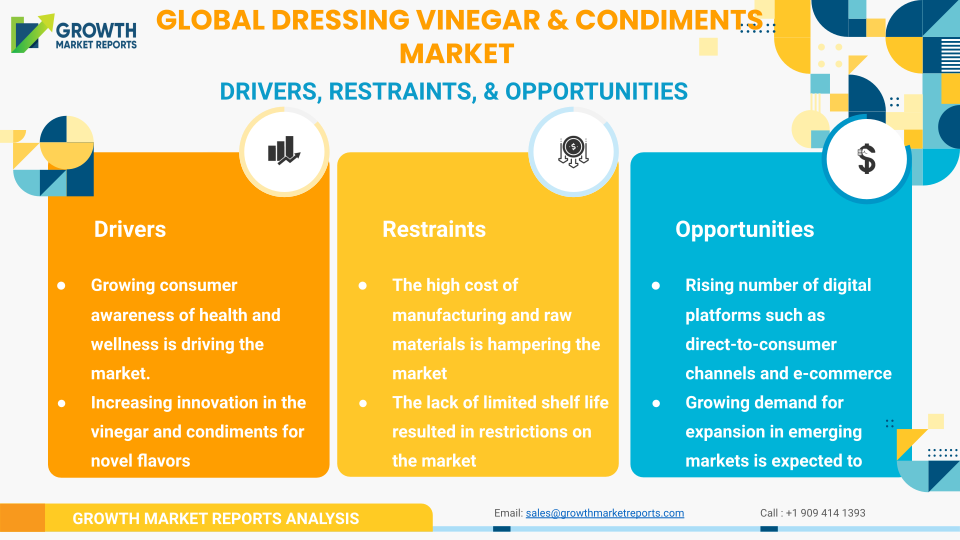
One of the primary growth factors driving the dressing vinegar & condiments market is the shifting consumer preference towards healthier and more natural food products. Consumers, particularly in developed economies, are becoming increasingly health-conscious and are seeking products with clean labels, organic ingredients, and reduced sugar or sodium content. This trend has prompted manufacturers to reformulate their offerings, introduce new variants with functional benefits, and highlight transparency in sourcing and production processes. Additionally, the demand for gluten-free, vegan, and allergen-free condiments is rising, expanding the consumer base and opening new avenues for market players to capitalize on evolving dietary trends.
Another significant growth driver is the globalization of food culture, which has expanded the palate of consumers worldwide and heightened the demand for a wider variety of condiments and dressings. The increasing exposure to international cuisines through travel, digital media, and multicultural societies has spurred interest in products such as balsamic vinegar, sriracha sauce, and exotic salad dressings. Food service establishments, from quick-service restaurants to fine dining, are incorporating a broader range of condiments into their menus to cater to diverse tastes. This, in turn, has boosted the demand for both traditional and innovative products across retail and food service channels, making the market highly dynamic and competitive.
Technological advancements and innovations in packaging and distribution have also played a crucial role in the growth of the dressing vinegar & condiments market. The rise of e-commerce platforms and online retail channels has made it easier for consumers to access a vast array of products, including niche and premium offerings that may not be available in traditional brick-and-mortar stores. Furthermore, manufacturers are investing in sustainable and convenient packaging solutions, such as squeezable bottles, single-serve sachets, and eco-friendly materials, to enhance product shelf life, reduce waste, and cater to on-the-go consumption trends. These innovations are not only improving the consumer experience but also helping brands differentiate themselves in a crowded marketplace.
Regionally, North America and Europe continue to dominate the dressing vinegar & condiments market, accounting for a significant share of global revenue. However, the Asia Pacific region is emerging as a high-growth market, driven by rapid urbanization, rising disposable incomes, and a growing appetite for Western-style foods and flavors. Latin America and the Middle East & Africa are also witnessing steady growth, supported by expanding retail infrastructure and increasing awareness of global culinary trends. As companies adapt their product portfolios and marketing strategies to cater to regional preferences, the global market is expected to become even more diverse and competitive in the coming years.
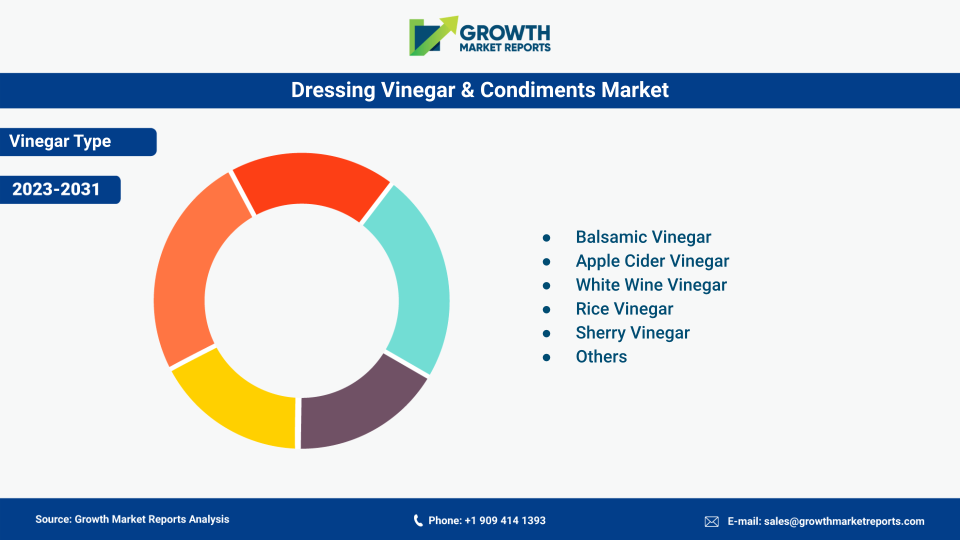
The product type segment of the dressing vinegar & condiments market encompasses a wide range of offerings, including vinegar, salad dressings, mayonnaise, mustard, ketchup, sauces, and other specialty condiments. Vinegar, a staple in households and professional kitchens alike, continues to capture a significant market share due to its versatility and perceived health benefits. Apple cider vinegar, in particular, has seen a surge in demand, driven by its association with digestive health and weight management. Balsamic and flavored vinegars are also gaining popularity as consumers seek out premium and artisanal products. The salad dressings segment is experiencing robust growth, fueled by the increasing consumption of salads and healthy meal options, especially among urban populations. Manufacturers are innovating with new flavors, low-fat formulations, and organic ingredients to cater to health-conscious consumers.
Mayonnaise and mustard remain classic favorites in the condiment category, with both segments benefiting from continuous product innovation and regional flavor adaptations. The mayonnaise market is witnessing a shift towards vegan and eggless variants, appealing to consumers with dietary restrictions or ethical concerns. Flavored and spicy mayonnaise options are also gaining traction, particularly in younger demographics seeking bold taste experiences. Mustard, on the other hand, is seeing renewed interest through the introduction of gourmet and specialty varieties, such as Dijon, honey mustard, and whole grain. These innovations are helping to revitalize mature segments and attract new consumer segments.
Ketchup, a ubiquitous condiment, continues to enjoy widespread popularity, especially in North America and Europe. The segment is evolving with the introduction of reduced-sugar, organic, and clean-label options, in response to growing health awareness. Brands are also experimenting with new flavors, such as spicy or smoky ketchup, to differentiate their products and cater to adventurous palates. The sauces category, which includes barbecue, hot, soy, and other ethnic sauces, is experiencing strong growth driven by the rising popularity of global cuisines and home cooking. Consumers are increasingly seeking out authentic and restaurant-quality sauces to replicate their favorite dishes at home, driving demand for both mainstream and niche products.
The "others" sub-segment, encompassing specialty condiments such as chutneys, relishes, and dressings tailored to specific ethnic cuisines, is gaining prominence as consumers become more adventurous in their culinary choices. These products often feature unique ingredients, bold flavors, and traditional recipes, appealing to both mainstream and niche markets. The growing popularity of plant-based and allergen-free condiments is also contributing to the diversification of product offerings within this segment. As consumer preferences continue to evolve, manufacturers are likely to invest in research and development to introduce innovative products that cater to emerging trends and dietary needs.
| Attributes | Details |
| Report Title | Dressing Vinegar & Condiments Market Research Report 2033 |
| By Product Type | Vinegar, Salad Dressings, Mayonnaise, Mustard, Ketchup, Sauces, Others |
| By Application | Household, Food Service, Industrial |
| By Distribution Channel | Supermarkets/Hypermarkets, Convenience Stores, Online Retail, Specialty Stores, Others |
| By Packaging Type | Bottles, Sachets, Jars, Others |
| Regions Covered | North America, Europe, APAC, Latin America, MEA |
| Base Year | 2024 |
| Historic Data | 2018-2023 |
| Forecast Period | 2025-2033 |
| Number of Pages | 278 |
| Number of Tables & Figures | 281 |
| Customization Available | Yes, the report can be customized as per your need. |
The application segment of the dressing vinegar & condiments market is broadly categorized into household, food service, and industrial uses. The household segment remains the largest, driven by the increasing trend of home cooking and meal preparation, particularly in the wake of global events that have encouraged consumers to spend more time at home. Consumers are experimenting with new recipes and cuisines, leading to higher consumption of a variety of condiments and dressings. The growing awareness of health and wellness is also influencing purchasing decisions, with households opting for products that align with their dietary preferences, such as organic, gluten-free, or low-calorie options. Manufacturers are responding by offering convenient packaging, portion-controlled sachets, and multipacks to cater to the needs of modern households.
The food service segment, encompassing restaurants, cafes, hotels, and catering services, is a significant contributor to the dressing vinegar & condiments market. This segment is characterized by high-volume demand and a preference for bulk packaging and customized solutions. Food service operators are increasingly seeking premium and specialty condiments to enhance their menus and differentiate their offerings. The rise of fast-casual dining, food trucks, and delivery services has further boosted demand for innovative and portable condiment solutions. Additionally, collaborations between condiment manufacturers and food service chains are becoming more common, resulting in co-branded products and exclusive flavor profiles that cater to specific customer bases.
The industrial application segment, while smaller in comparison, plays a crucial role in the supply chain of the food processing industry. Condiments and dressings are essential ingredients in the production of ready-to-eat meals, snacks, sandwiches, and other processed foods. The demand for consistent quality, scalability, and cost-effectiveness drives innovation in this segment. Manufacturers are investing in advanced production technologies, automation, and quality control measures to meet the stringent requirements of industrial clients. The growing trend of private-label products and contract manufacturing is also shaping the dynamics of the industrial application segment, providing opportunities for both established players and new entrants.
Across all application segments, the emphasis on sustainability, clean labeling, and traceability is becoming increasingly important. Consumers and business clients alike are demanding transparency in sourcing, production methods, and ingredient lists. This shift is prompting manufacturers to adopt sustainable practices, invest in eco-friendly packaging, and implement robust supply chain management systems. As regulatory frameworks evolve and consumer expectations continue to rise, the application landscape of the dressing vinegar & condiments market is expected to become more sophisticated and competitive.
The distribution channel segment of the dressing vinegar & condiments market includes supermarkets/hypermarkets, convenience stores, online retail, specialty stores, and other channels. Supermarkets and hypermarkets remain the dominant distribution channels, accounting for the largest share of retail sales globally. These outlets offer consumers a wide selection of brands and products, competitive pricing, and the convenience of one-stop shopping. The presence of dedicated sections for condiments and dressings, coupled with promotional activities and in-store sampling, enhances product visibility and drives impulse purchases. Retailers are also leveraging data analytics and customer insights to optimize product placement and tailor their assortments to local preferences.
Convenience stores play a vital role in the distribution of single-serve and on-the-go condiment products, particularly in urban areas with high population density and fast-paced lifestyles. These outlets cater to the needs of busy consumers seeking quick meal solutions and portable packaging. The growth of convenience stores in emerging markets is creating new opportunities for manufacturers to expand their reach and introduce innovative products tailored to local tastes. Additionally, partnerships between condiment brands and convenience store chains are facilitating the launch of exclusive products and promotional campaigns that drive brand loyalty and repeat purchases.
Online retail is emerging as a rapidly growing distribution channel, fueled by the proliferation of e-commerce platforms, improved logistics, and changing consumer shopping habits. The convenience of home delivery, access to a wide range of products, and the ability to compare prices and read reviews are key factors driving the shift towards online purchases of condiments and dressings. Manufacturers are investing in digital marketing, direct-to-consumer sales models, and subscription services to capitalize on this trend. The rise of online grocery shopping, accelerated by the global pandemic, has further boosted the adoption of digital channels, making it imperative for brands to establish a strong online presence.
Specialty stores, including gourmet shops, organic markets, and ethnic food retailers, cater to discerning consumers seeking premium, artisanal, or niche condiment products. These outlets offer curated selections, personalized service, and opportunities for product sampling and education. The growing interest in global cuisines and authentic flavors is driving foot traffic to specialty stores, particularly in urban centers and tourist destinations. Manufacturers are leveraging partnerships with specialty retailers to launch limited-edition products, host tasting events, and gather feedback from early adopters. The "others" category, encompassing food service distributors, wholesalers, and direct sales, also plays a critical role in reaching institutional clients and bulk purchasers.
The packaging type segment in the dressing vinegar & condiments market is a key factor influencing consumer purchasing decisions, product shelf life, and brand differentiation. Bottles remain the most common packaging format, favored for their durability, ease of use, and ability to preserve product freshness. Glass bottles are often associated with premium and artisanal products, while plastic bottles offer convenience and cost-effectiveness for mass-market brands. The trend towards sustainable packaging is prompting manufacturers to explore recyclable, biodegradable, and lightweight materials, aligning with consumer preferences for eco-friendly solutions. Innovations such as squeeze bottles, flip-top caps, and drip-free spouts are enhancing user experience and reducing product wastage.
Sachets are gaining popularity, particularly in the food service and convenience segments, due to their portability, portion control, and cost efficiency. Single-serve sachets are ideal for on-the-go consumption, meal kits, and takeaway orders, minimizing the risk of contamination and ensuring consistent quality. The rise of meal delivery services and fast-casual dining is driving demand for innovative sachet designs that are easy to open, eco-friendly, and customizable. Manufacturers are also exploring multi-compartment sachets that allow consumers to mix and match flavors, further enhancing product appeal and versatility.
Jars, typically used for mayonnaise, mustard, and specialty sauces, are valued for their resealability, wide-mouth openings, and ability to accommodate larger quantities. Glass jars are often preferred for premium products, as they convey a sense of quality and tradition, while plastic jars offer lightweight and shatter-resistant alternatives. The challenge for manufacturers is to balance aesthetics, functionality, and sustainability in jar design, ensuring that products remain fresh and appealing throughout their shelf life. Innovations such as tamper-evident lids, reusable containers, and smart packaging with QR codes for traceability are gaining traction in this segment.
The "others" category in packaging includes innovative formats such as pouches, tubes, and dispensers, which cater to specific consumer needs and usage occasions. Flexible pouches are becoming increasingly popular for sauces and dressings, offering benefits such as reduced packaging weight, lower transportation costs, and improved product evacuation. Tubes and dispensers are ideal for precise application and minimizing mess, particularly in food service and industrial settings. As consumer expectations for convenience, sustainability, and premiumization continue to rise, manufacturers are investing in research and development to create packaging solutions that enhance brand value and meet evolving market demands.
The dressing vinegar & condiments market is ripe with opportunities for innovation, expansion, and value creation. One of the most promising areas is the development of health-focused products that cater to the growing demand for clean-label, organic, and functional ingredients. Manufacturers can capitalize on this trend by introducing products with added health benefits, such as probiotics, antioxidants, or reduced sodium and sugar content. The rise of plant-based diets and alternative protein sources presents additional opportunities for creating vegan and allergen-free condiments that appeal to a broader consumer base. Furthermore, leveraging digital technologies for personalized marketing, direct-to-consumer sales, and data-driven product development can help brands build stronger relationships with their customers and respond more quickly to emerging trends.
Another significant opportunity lies in expanding into emerging markets, where rising disposable incomes, urbanization, and exposure to global cuisines are driving demand for a wider variety of condiments and dressings. Companies can tailor their product offerings, packaging, and marketing strategies to suit local tastes and preferences, establishing a strong foothold in high-growth regions such as Asia Pacific, Latin America, and the Middle East & Africa. Strategic partnerships with local distributors, food service operators, and retailers can facilitate market entry and enhance brand visibility. Additionally, investing in sustainable practices, such as eco-friendly packaging and ethical sourcing, can differentiate brands and attract environmentally conscious consumers, creating long-term value and competitive advantage.
Despite the numerous opportunities, the dressing vinegar & condiments market faces several restraining factors that could hinder growth. One of the primary challenges is the increasing regulatory scrutiny surrounding food safety, labeling, and ingredient transparency. Compliance with diverse and evolving regulations across different markets can be complex and costly, particularly for smaller players and new entrants. Additionally, the rising cost of raw materials, packaging, and transportation, exacerbated by global supply chain disruptions, can squeeze profit margins and impact pricing strategies. Intense competition from both established brands and private-label products further adds to the pressure, making it essential for companies to continuously innovate and differentiate their offerings to maintain market share.
North America continues to lead the global dressing vinegar & condiments market, with a market value of USD 8.2 billion in 2024. The region’s growth is driven by strong consumer demand for convenient, flavorful, and health-conscious products, as well as a highly developed retail infrastructure. The United States remains the largest market within the region, accounting for the majority of sales, followed by Canada and Mexico. The trend towards clean-label and organic products is particularly pronounced in North America, prompting manufacturers to invest in product reformulation and transparent labeling. The rise of e-commerce and direct-to-consumer sales channels is also reshaping the competitive landscape, enabling brands to reach new customer segments and gather valuable consumer insights.
Europe holds the second-largest share in the global market, valued at USD 7.5 billion in 2024, and is projected to grow at a CAGR of 4.1% through 2033. The region’s rich culinary heritage, diverse flavor preferences, and emphasis on quality and authenticity are key factors driving demand for premium and specialty condiments. Countries such as the United Kingdom, Germany, France, and Italy are major contributors to market growth, with consumers showing a strong preference for artisanal, organic, and locally sourced products. The growing popularity of plant-based diets and sustainable packaging solutions is further shaping the European market, creating opportunities for innovation and differentiation.
The Asia Pacific region is emerging as the fastest-growing market, with a value of USD 6.4 billion in 2024 and an impressive CAGR of 6.3% expected over the forecast period. Rapid urbanization, rising disposable incomes, and increasing exposure to global cuisines are fueling demand for a diverse range of condiments and dressings. China, Japan, India, and Southeast Asian countries are key growth engines, with consumers embracing both traditional and Western-style products. The expansion of modern retail formats, growing food service sector, and increasing adoption of digital shopping platforms are further accelerating market growth in the region. As companies adapt their strategies to cater to local tastes and preferences, the Asia Pacific market is expected to become increasingly dynamic and competitive.
The dressing vinegar & condiments market is characterized by intense competition, with a mix of multinational corporations, regional players, and niche brands vying for market share. The competitive landscape is shaped by factors such as product innovation, brand reputation, distribution reach, and pricing strategies. Leading companies are investing heavily in research and development to introduce new flavors, healthier formulations, and sustainable packaging solutions that resonate with evolving consumer preferences. Mergers, acquisitions, and strategic partnerships are common strategies employed by major players to expand their product portfolios, enter new markets, and strengthen their competitive positions. The rise of private-label brands, particularly in mature markets, is adding to the competitive intensity, prompting established brands to differentiate themselves through quality, innovation, and marketing.
Brand loyalty and consumer trust are critical success factors in the dressing vinegar & condiments market, particularly for premium and specialty products. Companies are leveraging digital marketing, social media engagement, and influencer partnerships to build strong brand identities and connect with target audiences. The growing importance of sustainability and corporate social responsibility is prompting leading brands to adopt ethical sourcing practices, invest in eco-friendly packaging, and support community initiatives. Transparency and traceability are becoming key differentiators, with consumers seeking assurance about the origin, quality, and safety of the products they purchase. As a result, companies are investing in supply chain management, certification programs, and third-party audits to enhance their credibility and reputation.
Innovation remains a cornerstone of competitive strategy in the dressing vinegar & condiments market. Companies are continuously exploring new ingredients, flavor combinations, and product formats to cater to changing consumer tastes and dietary needs. The trend towards customization and personalization is gaining momentum, with brands offering products that allow consumers to tailor flavors, portion sizes, and packaging to their preferences. The integration of digital technologies, such as smart packaging, QR codes, and mobile apps, is enhancing the consumer experience and providing valuable data for product development and marketing. As the market becomes more fragmented and diverse, agility and responsiveness will be key to sustaining growth and maintaining a competitive edge.
Major companies operating in the global dressing vinegar & condiments market include Unilever PLC, The Kraft Heinz Company, McCormick & Company, Inc., Nestlé S.A., Kikkoman Corporation, Mizkan Holdings Co., Ltd., Conagra Brands, Inc., and Del Monte Foods, Inc. These industry leaders are renowned for their extensive product portfolios, strong distribution networks, and commitment to quality and innovation. Unilever PLC and Kraft Heinz are particularly prominent in the mayonnaise, ketchup, and salad dressing segments, leveraging their global brands and marketing resources to maintain market leadership. McCormick & Company and Kikkoman Corporation are recognized for their expertise in sauces and seasonings, with a focus on authentic flavors and culinary heritage. Mizkan Holdings and Conagra Brands are expanding their presence through acquisitions and product diversification, targeting both retail and food service channels. Del Monte Foods is known for its emphasis on natural ingredients and sustainable practices, appealing to health-conscious and environmentally aware consumers. Collectively, these companies are shaping the future of the dressing vinegar & condiments market through continuous innovation, strategic investments, and a relentless focus on consumer needs.
The Dressing Vinegar & Condiments market has been segmented on the basis of
Key players competing in the global dressing vinegar & condiments market are American Garden; Cecil Vinegar works; Dr. Oetker; Fleiscgmanns Vinegar; Kraft Foods; Mizkan America Inc.; Newmans Own Inc.; Sweet Baby Rays; Unilever PLC.
These companies adopt development strategies including mergers, acquisitions, partnerships, collaboration, product launches, and production expansion to expand their consumer base worldwide. For instance,
In July 2022, Ajinomoto Vietnam introduced a drink called Vtox, which is made from naturally fermented rice vinegar, blended with extract and honey.
In November 2021, My Fitness introduced the Suprfit, offering brands effervescent tablets and apple cider vinegar.

Challenges include regulatory scrutiny on food safety and labeling, rising costs of raw materials and packaging, supply chain disruptions, and intense competition from both established and private-label brands.
Applications include household use, food service (restaurants, cafes, catering), and industrial uses in food processing and manufacturing.
Major companies include Unilever PLC, The Kraft Heinz Company, Nestlé S.A., McCormick & Company, Kikkoman Corporation, Conagra Brands, Mizkan Holdings, and Del Monte Foods.
Consumers are increasingly seeking clean-label, organic, gluten-free, vegan, and allergen-free condiments, as well as products with reduced sugar or sodium and functional health benefits.
Innovations in packaging, such as squeezable bottles, single-serve sachets, eco-friendly materials, and smart packaging, are enhancing convenience, sustainability, and brand differentiation.
North America and Europe are the dominant regions, while Asia Pacific is emerging as the fastest-growing market due to urbanization and rising disposable incomes.
Major distribution channels include supermarkets/hypermarkets, convenience stores, online retail, specialty stores, and other channels such as food service distributors and wholesalers.
The market covers vinegar, salad dressings, mayonnaise, mustard, ketchup, sauces, and other specialty condiments such as chutneys and relishes.
Key growth drivers include evolving consumer preferences for healthier and natural ingredients, the rising popularity of international cuisines, product innovation, sustainable packaging, and the expansion of digital retail channels.
As of 2024, the global dressing vinegar & condiments market size reached USD 27.4 billion, with expectations to grow to USD 41.7 billion by 2033.