Segments - by Product Type (Direct Digital X-ray Systems, Indirect Digital X-ray Systems, Hybrid X-ray Systems), by Application (Diagnostic, Therapeutic, Cosmetic, Forensic), by End-User (Hospitals, Dental Clinics, Diagnostic Centers, Academic & Research Institutes), by Technology (Extraoral X-ray Systems, Intraoral X-ray Systems, Cone Beam Computed Tomography)
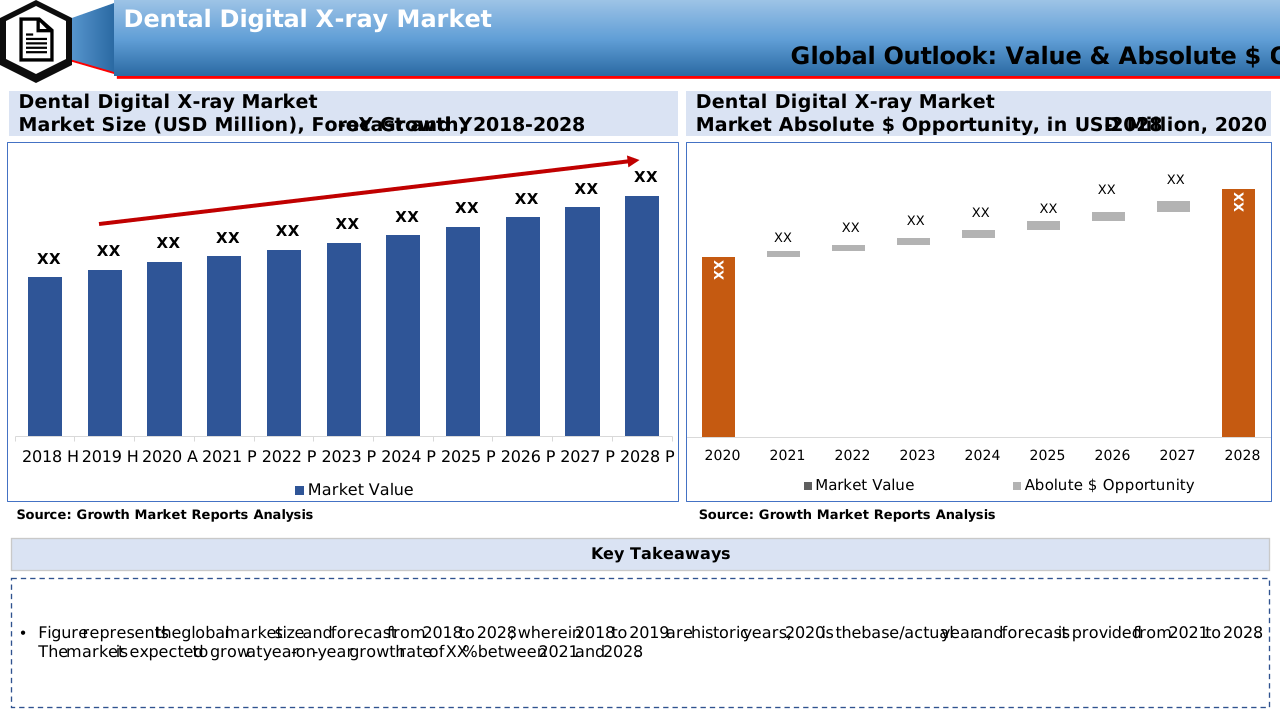
According to our latest research, the global Dental Digital X-ray market size reached USD 4.1 billion in 2024, reflecting robust expansion driven by technological advancements and rising dental healthcare awareness. The market is projected to grow at a CAGR of 8.7% from 2025 to 2033, reaching a forecasted value of USD 8.7 billion by 2033. This impressive growth trajectory is propelled by increasing adoption of digital imaging solutions in dental practices, rising incidence of dental diseases, and a growing emphasis on minimally invasive diagnostic procedures worldwide.
One of the primary growth factors for the Dental Digital X-ray market is the rapid technological evolution in dental imaging equipment. The transition from conventional film-based X-ray systems to advanced digital solutions has significantly enhanced image quality, reduced radiation exposure, and streamlined clinical workflows. Features such as immediate image acquisition, easy storage, and seamless sharing capabilities have made digital X-ray systems indispensable in modern dental practices. Additionally, integration with dental practice management software and electronic health records has improved diagnostic accuracy and patient management, further fueling market expansion. The continuous introduction of innovative products by key manufacturers, such as portable and wireless digital X-ray units, is also contributing to the marketÂ’s upward momentum.
Another critical driver is the increasing prevalence of dental disorders, such as periodontal diseases, dental caries, and oral cancers, which require early and accurate diagnosis. As the global population ages and lifestyles change, the demand for routine dental check-ups and preventive care is on the rise. This trend is particularly pronounced in developed regions, where dental insurance coverage and public health initiatives support regular screening. Furthermore, the growing popularity of cosmetic dentistry and orthodontics, both of which rely heavily on precise imaging, is expanding the scope of Dental Digital X-ray applications. The surge in dental tourism, especially in emerging economies, is also playing a pivotal role in boosting market demand.
Government initiatives and favorable reimbursement policies are further accelerating market growth. Many countries are investing in the modernization of healthcare infrastructure, including dental clinics and diagnostic centers, to improve access to advanced diagnostic technologies. Regulatory bodies are increasingly mandating the use of digital radiography due to its safety and efficiency benefits. In addition, educational campaigns aimed at raising awareness about oral health and the importance of early diagnosis are encouraging more patients to seek dental care, thereby driving the adoption of digital X-ray systems. The collective impact of these factors is creating a conducive environment for sustained market growth over the forecast period.
Digital X-ray technology has revolutionized the dental industry by providing enhanced imaging capabilities that were not possible with traditional film-based systems. The transition to digital X-rays has not only improved diagnostic accuracy but also reduced the time required for image processing and analysis. This technology allows for immediate viewing of images, which can be easily shared with other healthcare professionals for collaborative diagnosis and treatment planning. Additionally, digital X-rays are more environmentally friendly, as they eliminate the need for chemical processing and reduce the overall use of physical materials.
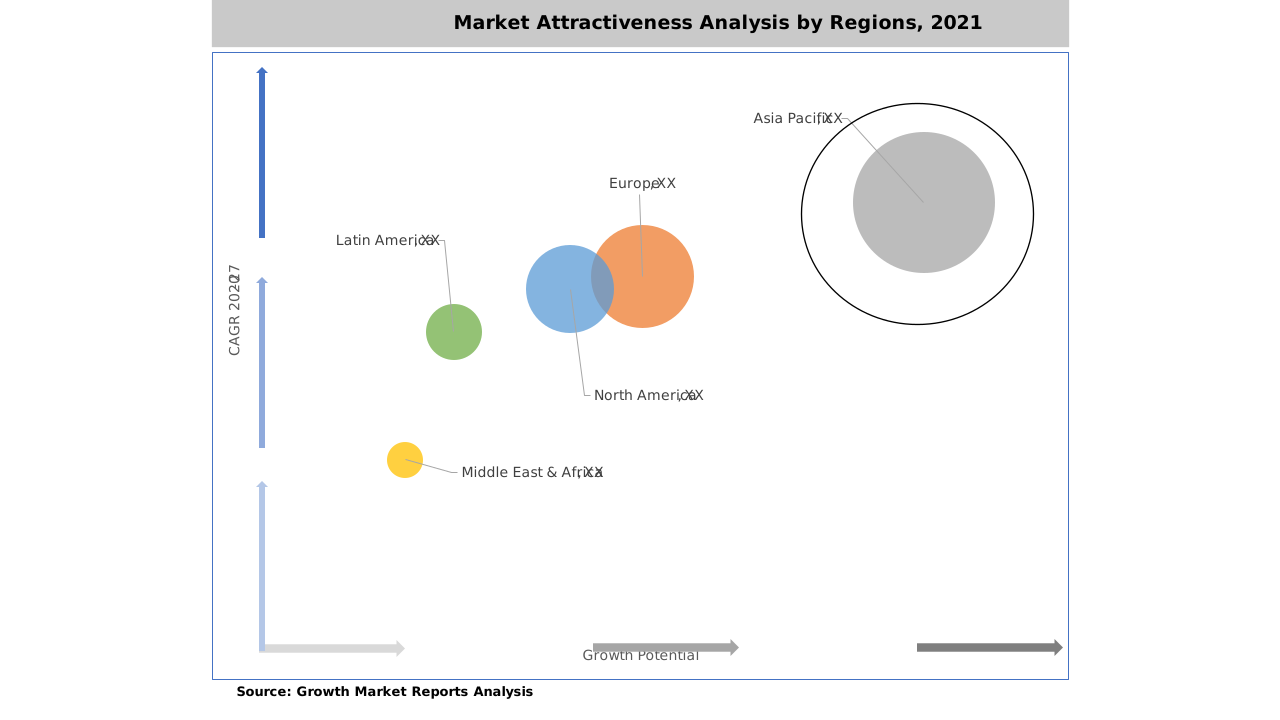
Regionally, North America continues to dominate the Dental Digital X-ray market, accounting for the largest share in 2024, followed by Europe and the Asia Pacific. The high adoption rate of digital technologies, well-established healthcare infrastructure, and presence of leading market players in the United States and Canada are key contributors to North America's leadership. Europe is also experiencing significant growth, driven by increased healthcare spending and supportive government policies. Meanwhile, the Asia Pacific region is emerging as a lucrative market, with countries like China, India, and Japan witnessing rapid expansion due to rising dental care awareness, growing middle-class populations, and expanding private dental practices. Latin America and the Middle East & Africa are expected to register moderate growth, propelled by improving healthcare access and gradual technological adoption.
The Dental Digital X-ray market is segmented by product type into Direct Digital X-ray Systems, Indirect Digital X-ray Systems, and Hybrid X-ray Systems. Direct Digital X-ray Systems have gained significant traction in recent years due to their ability to capture and display images instantaneously, eliminating the need for intermediate processing steps. These systems offer superior image quality, greater workflow efficiency, and lower radiation exposure compared to traditional film-based and indirect digital systems. Dental professionals are increasingly adopting direct digital X-ray systems to enhance diagnostic accuracy and reduce patient wait times, which in turn boosts patient satisfaction and clinic throughput. The integration of advanced software for image enhancement and analysis further strengthens the appeal of direct digital systems, making them the preferred choice in both developed and emerging markets.
Indirect Digital X-ray Systems, which utilize photostimulable phosphor (PSP) plates to capture X-ray images, continue to hold a significant share of the market, particularly in practices transitioning from analog to digital workflows. These systems offer a cost-effective solution for clinics seeking to upgrade their imaging capabilities without the substantial investment required for direct digital systems. Indirect digital X-ray systems are valued for their flexibility, as they can often be retrofitted to existing X-ray units, allowing for incremental adoption of digital technology. However, they typically involve additional steps in image acquisition and processing, which may impact workflow efficiency compared to direct systems. Despite this, the lower upfront costs and ease of integration make indirect systems a viable option for smaller practices and those in developing regions.
The integration of Digital X-ray systems with modern dental practice management software has further streamlined operations within dental clinics. This synergy allows for seamless patient record management, where digital images can be stored and accessed alongside other patient data, enhancing the efficiency of dental care delivery. Moreover, digital X-ray systems are equipped with advanced features such as image enhancement and manipulation tools, which aid in the precise identification of dental issues. These capabilities are particularly beneficial in complex cases where detailed visualization is crucial for accurate diagnosis and treatment planning.
Hybrid X-ray Systems represent an innovative segment that combines the benefits of both direct and indirect digital technologies. These systems are designed to offer enhanced versatility, enabling dental professionals to switch between imaging modes based on specific clinical requirements. Hybrid systems are particularly useful in multi-specialty dental settings where a wide range of diagnostic procedures are performed. The ability to adapt to different imaging needs without investing in multiple standalone systems makes hybrid X-ray units an attractive proposition for larger clinics and dental hospitals. As manufacturers continue to refine hybrid technology, incorporating features such as wireless connectivity and AI-driven image analysis, this segment is expected to witness steady growth in the coming years.
The competitive landscape within the product type segment is marked by ongoing innovation and product differentiation. Leading manufacturers are investing heavily in research and development to introduce next-generation digital X-ray systems with enhanced image resolution, reduced radiation doses, and user-friendly interfaces. The focus on portability, wireless operation, and cloud-based data management is also shaping product development strategies. As dental practices increasingly prioritize patient safety, operational efficiency, and diagnostic precision, the demand for advanced digital X-ray systems across all product types is set to remain strong throughout the forecast period.
| Attributes | Details |
| Report Title | Dental Digital X-ray Market Research Report 2033 |
| By Product Type | Direct Digital X-ray Systems, Indirect Digital X-ray Systems, Hybrid X-ray Systems |
| By Application | Diagnostic, Therapeutic, Cosmetic, Forensic |
| By End-User | Hospitals, Dental Clinics, Diagnostic Centers, Academic & Research Institutes |
| By Technology | Extraoral X-ray Systems, Intraoral X-ray Systems, Cone Beam Computed Tomography |
| Regions Covered | North America, Europe, APAC, Latin America, MEA |
| Base Year | 2024 |
| Historic Data | 2018-2023 |
| Forecast Period | 2025-2033 |
| Number of Pages | 271 |
| Number of Tables & Figures | 386 |
| Customization Available | Yes, the report can be customized as per your need. |
The Dental Digital X-ray market by application is categorized into Diagnostic, Therapeutic, Cosmetic, and Forensic uses. Diagnostic applications account for the largest share of the market, as digital X-ray imaging is a cornerstone of dental diagnostics. Dentists rely on high-resolution images to detect cavities, bone loss, infections, and other oral pathologies at an early stage. The ability to manipulate digital images—such as zooming, adjusting contrast, and applying filters—enhances diagnostic accuracy and supports more effective treatment planning. The growing emphasis on preventive dentistry, coupled with public health initiatives promoting regular dental check-ups, is driving the widespread adoption of digital X-ray systems for diagnostic purposes.
Therapeutic applications are also experiencing notable growth, as digital X-rays are integral to the planning and monitoring of various dental treatments. Procedures such as root canal therapy, dental implant placement, and orthodontic interventions require precise imaging to ensure successful outcomes. Digital X-ray systems facilitate real-time assessment of treatment progress, allowing clinicians to make informed decisions and adjust interventions as needed. The trend towards minimally invasive and patient-centric dental care is further boosting the demand for advanced imaging technologies that support accurate diagnosis and targeted therapy.
Cosmetic applications represent a rapidly expanding segment within the Dental Digital X-ray market. The rising popularity of aesthetic dental procedures, such as teeth whitening, veneers, and smile makeovers, underscores the need for detailed imaging to guide treatment planning and achieve optimal results. Digital X-rays enable cosmetic dentists to assess the underlying structure of teeth and jaws, identify potential issues, and communicate treatment options effectively to patients. The integration of digital imaging with 3D modeling and simulation software is enhancing the precision and predictability of cosmetic dental procedures, driving further adoption of digital X-ray systems in this segment.
Forensic applications of dental digital X-ray technology, though a smaller segment, play a crucial role in legal and investigative contexts. Digital X-rays are used for the identification of individuals in forensic cases, age estimation, and the documentation of dental injuries in cases of abuse or trauma. The ability to store and transmit digital images securely is particularly valuable in forensic investigations, where chain-of-custody and data integrity are paramount. As awareness of forensic odontology grows and legal systems increasingly recognize the importance of dental evidence, the use of digital X-ray systems in forensic settings is expected to rise steadily.
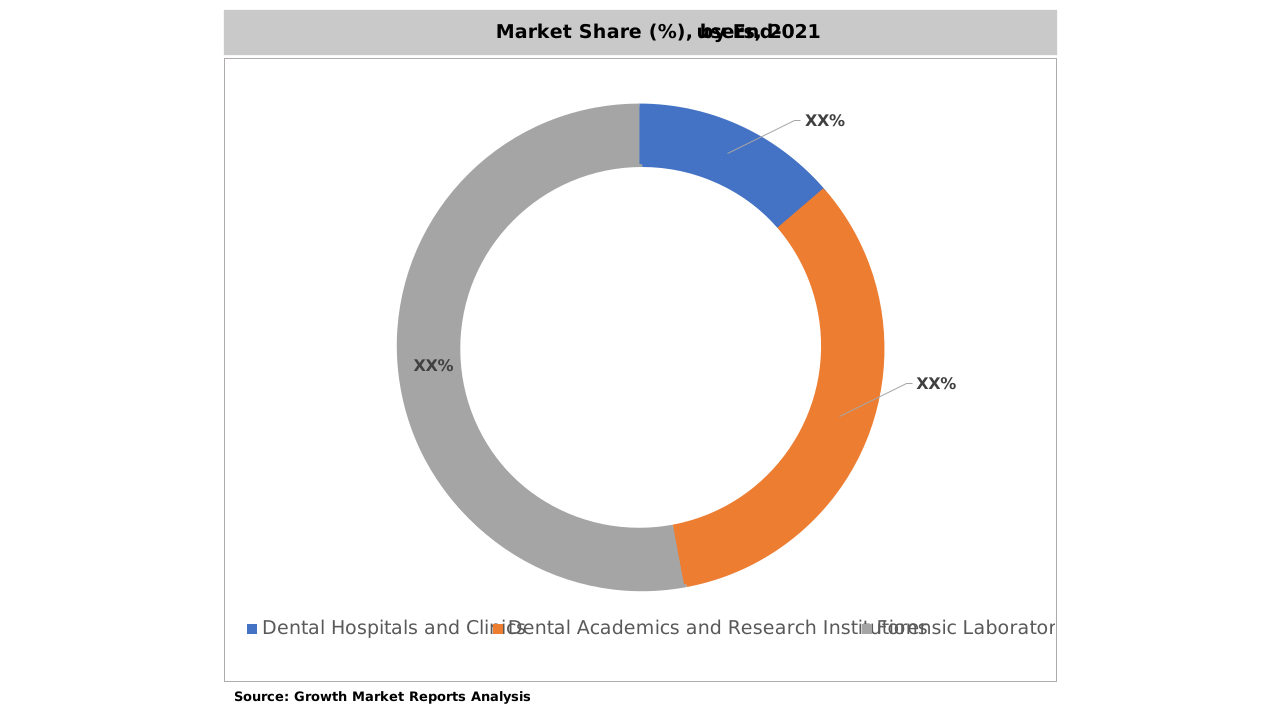
The end-user segment of the Dental Digital X-ray market comprises Hospitals, Dental Clinics, Diagnostic Centers, and Academic & Research Institutes. Hospitals represent a significant portion of the market, especially those with dedicated dental departments or oral and maxillofacial surgery units. The adoption of digital X-ray systems in hospitals is driven by the need for comprehensive diagnostic capabilities, integration with hospital information systems, and compliance with stringent regulatory standards. Hospitals often invest in high-end digital imaging equipment to support a wide range of dental and maxillofacial procedures, from routine screenings to complex surgeries. The presence of multidisciplinary teams and the demand for collaborative care further underscore the importance of advanced digital X-ray technology in hospital settings.
Dental Clinics are the largest end-user group for digital X-ray systems, reflecting the decentralized nature of dental care delivery. The shift towards digital imaging in private and group dental practices is motivated by the desire to improve workflow efficiency, enhance patient experience, and support evidence-based decision-making. Digital X-ray systems enable clinics to offer faster, safer, and more accurate diagnostic services, which is essential for patient retention and practice growth. The availability of compact and affordable digital X-ray units has made it feasible for even small practices to upgrade their imaging capabilities, contributing to the widespread adoption of digital radiography in dental clinics worldwide.
Diagnostic Centers are playing an increasingly important role in the Dental Digital X-ray market, particularly in regions where access to specialized dental care is limited. These centers offer a range of imaging services to dentists and other healthcare providers, often serving as referral hubs for complex diagnostic cases. The focus on high-throughput operations, standardized imaging protocols, and quality assurance makes digital X-ray systems an essential component of diagnostic center infrastructure. The trend towards outsourcing diagnostic services is expected to drive further investment in advanced digital imaging technologies by diagnostic centers.
Academic & Research Institutes constitute a niche but vital segment of the market. These institutions require state-of-the-art digital X-ray systems for dental education, clinical training, and research purposes. The emphasis on hands-on learning and the integration of digital technologies into dental curricula are driving demand for advanced imaging equipment in dental schools and research facilities. Academic and research institutes also play a key role in evaluating emerging digital X-ray technologies, conducting clinical trials, and establishing best practices for their use in dental care. As the focus on evidence-based dentistry grows, the importance of digital X-ray systems in academic and research settings is expected to increase.
The Dental Digital X-ray market by technology is segmented into Extraoral X-ray Systems, Intraoral X-ray Systems, and Cone Beam Computed Tomography (CBCT). Extraoral X-ray Systems are primarily used for capturing images of the entire jaw, skull, and facial structures, making them indispensable for orthodontic, surgical, and comprehensive diagnostic applications. These systems, including panoramic and cephalometric X-rays, offer broad coverage and high-resolution imaging, enabling dentists to assess bone structure, tooth alignment, and the relationship between jaws. The growing demand for orthodontic and maxillofacial procedures, coupled with advancements in extraoral imaging technology, is driving the adoption of these systems in dental practices and hospitals.
Intraoral X-ray Systems remain the most widely used technology in dental imaging, accounting for a substantial share of the market. These systems are designed to capture detailed images of individual teeth and surrounding tissues, making them essential for routine dental examinations, cavity detection, and periodontal assessments. The evolution of intraoral sensors, which offer higher sensitivity and lower radiation exposure, has significantly improved the safety and efficiency of intraoral imaging. The compact size, ease of use, and affordability of intraoral X-ray systems make them ideal for dental clinics of all sizes, ensuring their continued dominance in the market.
Cone Beam Computed Tomography (CBCT) represents the most advanced segment of dental imaging technology, offering three-dimensional visualization of dental and maxillofacial structures. CBCT systems provide unparalleled detail and accuracy, enabling precise diagnosis and treatment planning for complex procedures such as implant placement, endodontic therapy, and orthognathic surgery. The ability to generate 3D images with lower radiation doses compared to conventional CT scans has made CBCT increasingly popular among dental specialists. Despite the higher cost and larger footprint of CBCT systems, their clinical benefits and expanding applications are driving rapid adoption in high-volume dental practices, specialty clinics, and academic institutions.
The technological landscape of the Dental Digital X-ray market is characterized by continuous innovation and convergence. Manufacturers are focusing on enhancing image resolution, reducing radiation exposure, and integrating artificial intelligence (AI) for automated image analysis and diagnostic support. The shift towards wireless and portable imaging solutions is also gaining momentum, enabling greater flexibility and accessibility in dental care delivery. As regulatory standards evolve to prioritize patient safety and data security, technology providers are investing in compliance and interoperability features, ensuring seamless integration with existing dental practice management systems and electronic health records. The ongoing digital transformation of dental imaging is expected to drive sustained growth and differentiation within the technology segment.
The Dental Digital X-ray market presents a wealth of opportunities for stakeholders across the value chain. One of the most significant opportunities lies in the ongoing digital transformation of dental practices, particularly in emerging markets where adoption rates are still relatively low. As awareness of the benefits of digital X-ray systems grows, there is substantial potential for market expansion through targeted educational campaigns, training programs, and government-led initiatives to modernize healthcare infrastructure. The increasing integration of artificial intelligence and machine learning algorithms into digital imaging platforms offers another avenue for growth, enabling automated image analysis, early disease detection, and personalized treatment planning. Companies that invest in developing user-friendly, interoperable, and cost-effective solutions are well-positioned to capture a larger share of this rapidly evolving market.
Another key opportunity is the rising demand for minimally invasive and patient-centric dental care. Patients are increasingly seeking dental providers who offer fast, accurate, and comfortable diagnostic experiences, driving the adoption of advanced digital imaging technologies. The expansion of dental insurance coverage and reimbursement for digital X-ray procedures is also encouraging more patients to undergo routine screenings and preventive care. Furthermore, the growth of dental tourism in countries such as India, Thailand, and Mexico presents lucrative opportunities for manufacturers and service providers to tap into new customer segments. The trend towards cloud-based data management and tele-dentistry is creating additional opportunities for remote diagnostics, second opinions, and collaborative care, further expanding the marketÂ’s reach.
Despite these opportunities, the Dental Digital X-ray market faces certain restraining factors that could impact its growth trajectory. One of the primary challenges is the high initial cost of digital X-ray systems, which can be prohibitive for small and mid-sized dental practices, particularly in developing regions. The need for ongoing maintenance, software updates, and staff training adds to the total cost of ownership, potentially slowing adoption rates. Data security and patient privacy concerns associated with digital imaging and cloud-based storage also pose significant challenges, requiring robust regulatory compliance and cybersecurity measures. Additionally, resistance to change among dental professionals accustomed to traditional film-based systems may hinder the transition to digital workflows in some markets.
Regionally, North America leads the Dental Digital X-ray market, accounting for approximately USD 1.6 billion in revenue in 2024. The high penetration of digital technologies, well-established healthcare infrastructure, and strong presence of leading manufacturers such as Carestream Dental, Dentsply Sirona, and Planmeca are key drivers of market dominance in the United States and Canada. Favorable reimbursement policies, robust regulatory frameworks, and a culture of preventive dental care further contribute to the regionÂ’s leadership. North America is expected to maintain its leading position over the forecast period, with a steady CAGR of 7.9% through 2033.
Europe follows closely, with a market size of approximately USD 1.2 billion in 2024. The region benefits from high healthcare spending, widespread adoption of digital health technologies, and strong government support for dental care modernization. Countries such as Germany, the United Kingdom, France, and Italy are at the forefront of digital X-ray adoption, driven by well-established dental insurance systems and a growing emphasis on early diagnosis and preventive care. The European market is also characterized by a strong focus on research and innovation, with academic and research institutes playing a key role in advancing digital imaging technologies. The region is projected to grow at a CAGR of 8.2% through 2033.
The Asia Pacific region is emerging as the fastest-growing market for Dental Digital X-ray systems, with a market size of USD 0.9 billion in 2024 and a projected CAGR of 10.4% through 2033. Rapid urbanization, rising disposable incomes, and increasing awareness of oral health are driving demand for advanced dental care in countries such as China, India, Japan, and South Korea. The expansion of private dental clinics, growth of dental tourism, and government initiatives to improve healthcare infrastructure are further accelerating market growth. While Latin America and the Middle East & Africa currently account for smaller shares of the global market, they are expected to register steady growth as access to dental care improves and digital technologies become more affordable and accessible.
The competitive landscape of the Dental Digital X-ray market is characterized by intense rivalry among established players and a growing number of new entrants. Leading companies are investing heavily in research and development to introduce innovative products that offer superior image quality, reduced radiation exposure, and advanced software capabilities. The focus on product differentiation, strategic partnerships, and mergers & acquisitions is shaping the market dynamics, as companies seek to expand their geographic presence and strengthen their technological portfolios. The integration of artificial intelligence, cloud-based data management, and wireless connectivity is emerging as a key competitive differentiator, enabling companies to offer holistic solutions that address the evolving needs of dental professionals and patients.
Major players in the market are also focusing on customer-centric strategies, such as comprehensive training programs, technical support, and flexible financing options, to enhance customer loyalty and drive adoption of their products. The emphasis on regulatory compliance, data security, and interoperability is particularly pronounced, as dental practices and healthcare providers prioritize patient safety and seamless integration with existing systems. Companies are also expanding their product offerings to cater to the diverse needs of different end-user segments, from small dental clinics to large hospitals and academic institutions. The ability to offer scalable, customizable solutions is proving to be a key success factor in this highly competitive market.
Regional players and emerging market entrants are gaining traction by offering cost-effective digital X-ray systems tailored to the specific needs and budget constraints of local markets. These companies are leveraging local manufacturing capabilities, distribution networks, and partnerships with dental associations to penetrate underserved regions and expand their customer base. The growing emphasis on digital transformation and modernization of dental care delivery is creating opportunities for both global and regional players to collaborate and co-develop innovative solutions that address unique market challenges.
Some of the major companies operating in the Dental Digital X-ray market include Dentsply Sirona, Carestream Dental, Planmeca Group, Danaher Corporation (KaVo Kerr), Vatech Co., Ltd., Midmark Corporation, Acteon Group, Owandy Radiology, and Air Techniques, Inc.. Dentsply Sirona is renowned for its comprehensive portfolio of digital imaging solutions and strong global distribution network. Carestream Dental is a leader in digital radiography and imaging software, with a focus on innovation and customer support. Planmeca Group is recognized for its advanced extraoral and intraoral X-ray systems, as well as its commitment to research and development. Vatech Co., Ltd. is known for its high-quality, affordable digital X-ray solutions and strong presence in the Asia Pacific region. These companies are continuously investing in technology, expanding their product lines, and forming strategic alliances to maintain their competitive edge in the global market.
The Dental Digital X-ray market has been segmented on the basis of
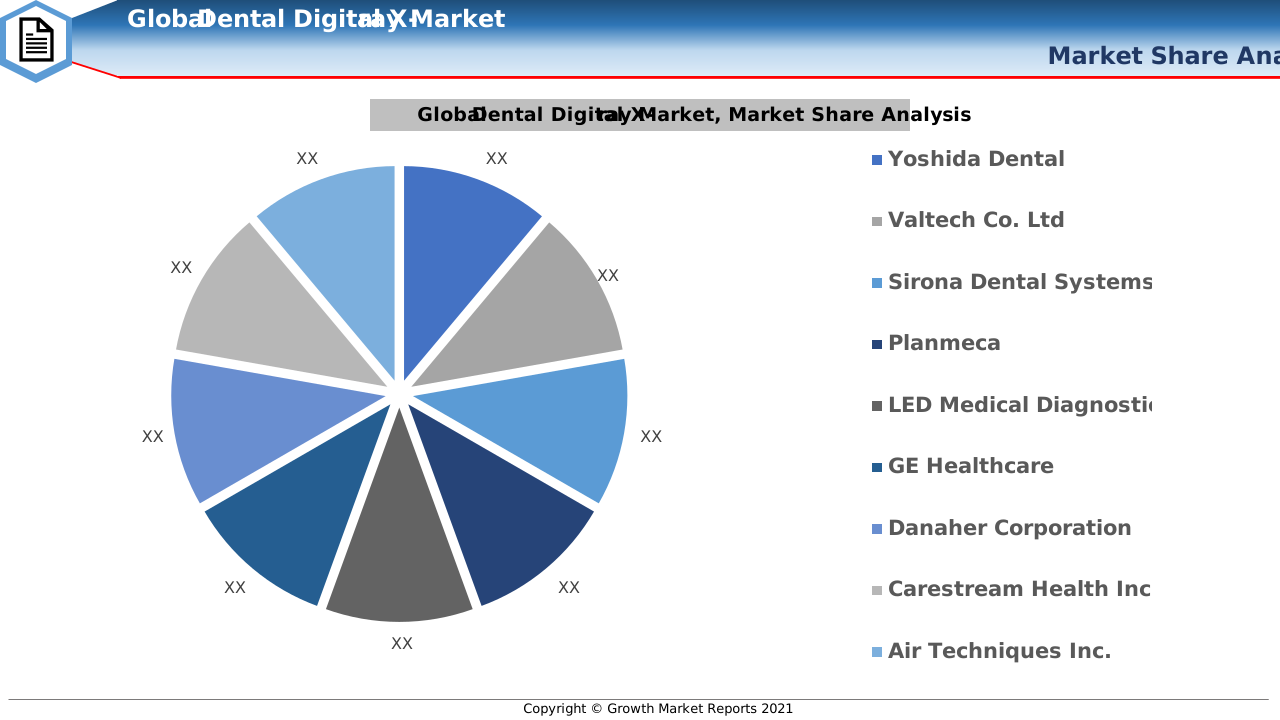
Key players competing in the global dental digital X-ray market are Yoshida Dental; Valtech Co. Ltd; Sirona Dental Systems Inc.; Planmeca; LED Medical Diagnostics Inc.; GE Healthcare; Danaher Corporation; Carestream Health Inc.; and Air Techniques Inc. Some of these players are adopting several market strategies such as acquisitions, mergers, collaborations, partnerships, capacity expansion, and product launches to enhance their market shares.
The market is segmented by technology into Extraoral X-ray Systems, Intraoral X-ray Systems, and Cone Beam Computed Tomography (CBCT), each serving distinct diagnostic and clinical needs.
Major players include Dentsply Sirona, Carestream Dental, Planmeca Group, Danaher Corporation (KaVo Kerr), Vatech Co., Ltd., Midmark Corporation, Acteon Group, Owandy Radiology, and Air Techniques, Inc.
Opportunities include the digital transformation of dental practices, integration of AI, and growth in dental tourism. Challenges include high initial costs, data security concerns, and resistance to change among some dental professionals.
Technological advancements such as the integration of artificial intelligence, wireless and portable systems, cloud-based data management, and improved image resolution are shaping the Dental Digital X-ray market.
Key end-users include hospitals, dental clinics, diagnostic centers, and academic & research institutes, with dental clinics representing the largest user group.
Dental Digital X-ray systems are primarily used for diagnostic, therapeutic, cosmetic, and forensic applications. Diagnostic use accounts for the largest market share due to the need for early detection of dental diseases.
North America is the leading region in the Dental Digital X-ray market, followed by Europe and the Asia Pacific. North America benefits from high adoption rates, advanced healthcare infrastructure, and the presence of major market players.
The main types of Dental Digital X-ray systems are Direct Digital X-ray Systems, Indirect Digital X-ray Systems, and Hybrid X-ray Systems.
The Dental Digital X-ray market is expected to grow at a CAGR of 8.7% from 2025 to 2033, reaching an estimated value of USD 8.7 billion by 2033.
As of 2024, the global Dental Digital X-ray market size reached USD 4.1 billion, reflecting robust growth driven by technological advancements and increased dental healthcare awareness.