Segments - by Product Type (Cakes & Pastries, Ice Creams, Puddings & Custards, Cookies & Biscuits, Chocolates & Confectionery, Others), by Ingredient (Dairy Alternatives, Plant-based Sweeteners, Fruits & Nuts, Grains & Cereals, Others), by Distribution Channel (Supermarkets/Hypermarkets, Convenience Stores, Online Retail, Specialty Stores, Others), by End-User (Households, Foodservice, Others)
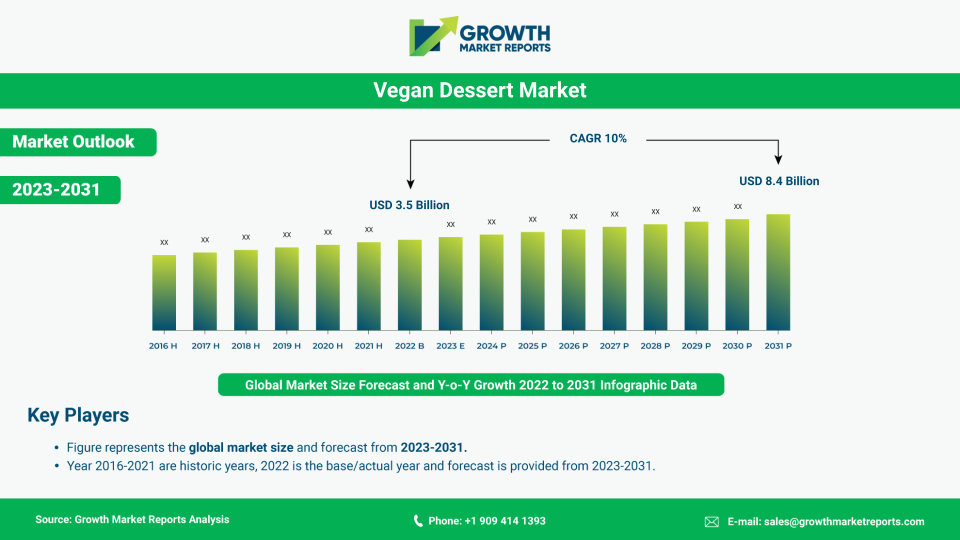
According to our latest research, the global vegan dessert market size reached USD 4.92 billion in 2024. The market is experiencing robust growth, with a recorded CAGR of 10.2% from 2025 to 2033. By the end of the forecast period in 2033, the vegan dessert market is expected to reach USD 12.93 billion. This significant expansion is driven by the rising prevalence of veganism, increasing consumer awareness about health and sustainability, and the growing availability of innovative plant-based dessert options across various distribution channels. As per the latest research, the market is set to witness dynamic transformations, fueled by evolving dietary preferences and technological advancements in food processing.
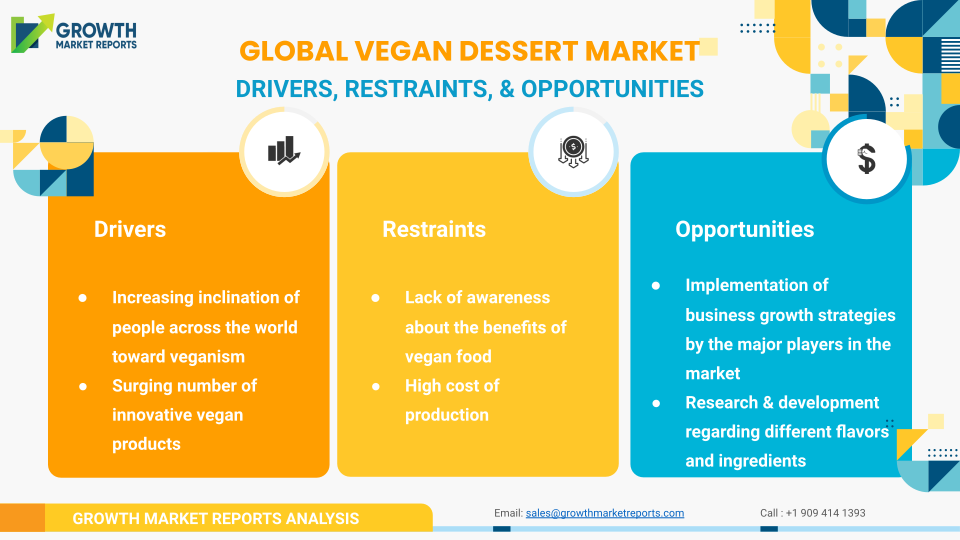
One of the primary growth factors propelling the vegan dessert market is the global shift towards plant-based diets. Consumers are increasingly seeking alternatives to traditional dairy and egg-based desserts due to concerns over animal welfare, environmental sustainability, and personal health. The rise in lactose intolerance and dairy allergies has further accelerated the demand for vegan desserts, as these products offer a safe and inclusive alternative for individuals with dietary restrictions. Social media and influencer marketing have also played a crucial role in promoting vegan lifestyles, leading to greater acceptance and normalization of vegan desserts among mainstream consumers. These factors collectively create a favorable environment for the expansion of the vegan dessert market.
Innovation in product development is another significant driver of market growth. Food manufacturers are investing heavily in research and development to create vegan desserts that closely mimic the taste, texture, and appearance of their traditional counterparts. The use of advanced food processing technologies and novel plant-based ingredients, such as aquafaba, coconut cream, and almond milk, has enabled the production of high-quality vegan cakes, ice creams, and chocolates. Furthermore, the introduction of premium and indulgent vegan dessert options has broadened the consumer base, attracting not only vegans but also flexitarians and health-conscious individuals. The continuous evolution of flavor profiles and packaging formats is expected to sustain the marketÂ’s growth momentum.
The expansion of distribution channels has significantly contributed to the accessibility and visibility of vegan desserts. Supermarkets, hypermarkets, online retail platforms, and specialty stores now offer an extensive range of vegan dessert products, making it easier for consumers to incorporate them into their daily lives. The proliferation of e-commerce has been particularly impactful, enabling brands to reach a wider audience and offer direct-to-consumer delivery services. Additionally, the foodservice sector, including cafes, restaurants, and bakeries, has embraced vegan options, further boosting market penetration. The synergy between retail and foodservice channels is expected to play a pivotal role in the sustained growth of the vegan dessert market.
The rise of Vegan Soft Serve has been a game-changer in the vegan dessert market, offering a creamy and delightful alternative to traditional soft serve ice creams. This product has gained popularity due to its ability to replicate the smooth texture and rich flavor of conventional soft serve, without the use of dairy. Made from plant-based ingredients such as coconut milk or almond milk, vegan soft serve caters to those with lactose intolerance and those who prefer plant-based diets. Its availability in various flavors, from classic vanilla to exotic fruit blends, has broadened its appeal among consumers. As more ice cream parlors and dessert shops introduce vegan soft serve options, this segment is poised to capture a significant share of the market, driven by the growing demand for indulgent yet health-conscious treats.
From a regional perspective, North America and Europe continue to dominate the vegan dessert market, accounting for the largest shares in terms of revenue and product innovation. The Asia Pacific region, however, is emerging as a high-growth market, driven by increasing urbanization, rising disposable incomes, and a growing awareness of vegan and plant-based diets. Latin America and the Middle East & Africa are also witnessing steady growth, albeit from a smaller base, as global food trends permeate these regions. The regional dynamics are influenced by cultural preferences, regulatory frameworks, and the availability of plant-based ingredients, all of which shape the competitive landscape and future growth prospects of the vegan dessert market.
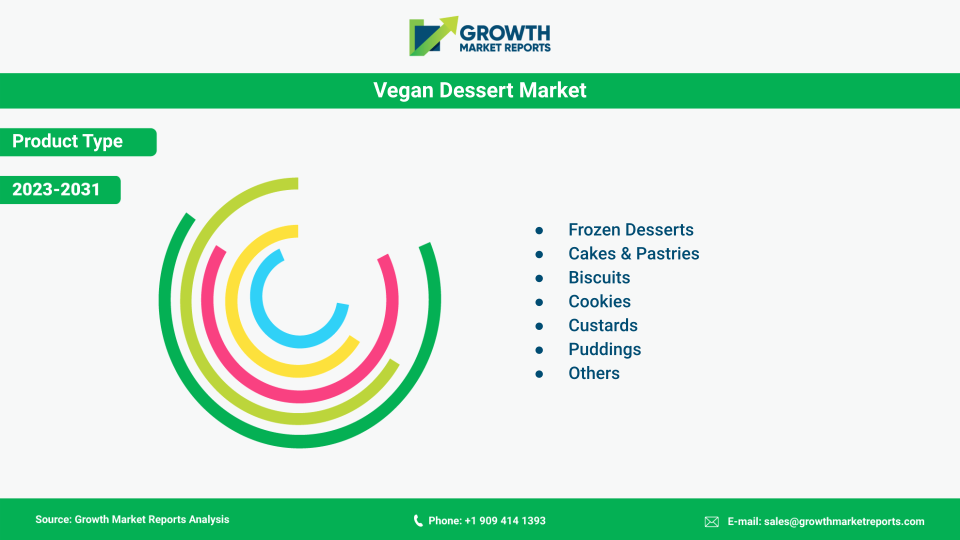
The vegan dessert market is segmented by product type into cakes & pastries, ice creams, puddings & custards, cookies & biscuits, chocolates & confectionery, and others. Among these, vegan cakes & pastries have gained significant traction, driven by the increasing demand for indulgent yet healthy treats. Manufacturers are leveraging plant-based alternatives to butter, milk, and eggs to develop cakes and pastries that cater to vegan consumers without compromising on taste or texture. The popularity of vegan cakes for celebrations, such as birthdays and weddings, has surged, with bakeries and specialty stores offering customizable options to meet diverse dietary needs. This segment is expected to maintain steady growth, supported by ongoing innovation and the rising trend of home baking.
Vegan ice creams represent another rapidly expanding segment within the vegan dessert market. Advances in food technology have enabled the creation of creamy, flavorful vegan ice creams using bases such as coconut milk, almond milk, and oat milk. These products are often fortified with natural sweeteners and functional ingredients, appealing to health-conscious consumers. The availability of a wide range of flavors, including traditional and exotic options, has broadened the appeal of vegan ice creams beyond the vegan community. The segmentÂ’s growth is further fueled by the entry of major ice cream brands into the vegan space, as well as the increasing presence of vegan ice cream parlors in urban centers.
Puddings & custards have also carved out a niche in the vegan dessert market, offering a comforting and versatile dessert option. The use of plant-based thickeners, such as cornstarch and agar-agar, allows for the creation of smooth and creamy vegan puddings and custards. These products are often enriched with fruits, nuts, and natural flavors, catering to consumers seeking both taste and nutrition. The segment is gaining popularity in both retail and foodservice settings, with ready-to-eat and easy-to-prepare options driving convenience-driven consumption. As consumer demand for clean-label and allergen-free desserts rises, the vegan puddings & custards segment is poised for continued growth.
Vegan Brownie has emerged as a beloved treat in the vegan dessert landscape, offering a rich and fudgy experience that rivals its traditional counterpart. These brownies are crafted using plant-based ingredients like almond flour, coconut oil, and dark chocolate, ensuring a decadent taste while aligning with vegan dietary preferences. The popularity of vegan brownies is fueled by their versatility; they can be enjoyed as a standalone dessert or paired with vegan ice creams and sauces for an elevated experience. As consumers increasingly seek out healthier dessert options, the demand for vegan brownies continues to rise, supported by their presence in cafes, bakeries, and online retail platforms. This trend highlights the growing acceptance of vegan desserts as mainstream indulgences that do not compromise on flavor or satisfaction.
Cookies & biscuits, as well as chocolates & confectionery, are witnessing robust demand within the vegan dessert market. Vegan cookies and biscuits are increasingly available in supermarkets and online stores, featuring ingredients like whole grains, seeds, and plant-based sweeteners. The chocolates & confectionery segment, meanwhile, benefits from the use of high-quality cocoa and dairy alternatives, resulting in rich and satisfying vegan chocolate products. Both segments are characterized by frequent product launches, innovative flavors, and attractive packaging, appealing to a broad spectrum of consumers. The “others” category, which includes vegan brownies, tarts, and specialty desserts, continues to grow as brands experiment with new formats and ingredients to capture emerging consumer trends.
| Attributes | Details |
| Report Title | Vegan Dessert Market Research Report 2033 |
| By Product Type | Cakes & Pastries, Ice Creams, Puddings & Custards, Cookies & Biscuits, Chocolates & Confectionery, Others |
| By Ingredient | Dairy Alternatives, Plant-based Sweeteners, Fruits & Nuts, Grains & Cereals, Others |
| By Distribution Channel | Supermarkets/Hypermarkets, Convenience Stores, Online Retail, Specialty Stores, Others |
| By End-User | Households, Foodservice, Others |
| Regions Covered | North America, Europe, APAC, Latin America, MEA |
| Base Year | 2024 |
| Historic Data | 2018-2023 |
| Forecast Period | 2025-2033 |
| Number of Pages | 271 |
| Number of Tables & Figures | 260 |
| Customization Available | Yes, the report can be customized as per your need. |
The ingredient segment of the vegan dessert market encompasses dairy alternatives, plant-based sweeteners, fruits & nuts, grains & cereals, and others. Dairy alternatives form the backbone of the vegan dessert industry, with almond milk, soy milk, oat milk, and coconut milk being the most commonly used substitutes for traditional dairy. These alternatives provide the necessary creaminess and richness required for a wide array of desserts, from cakes to ice creams. The increasing availability and affordability of high-quality dairy alternatives have empowered manufacturers to expand their vegan dessert portfolios, ensuring that products meet both taste and nutritional expectations.
Plant-based sweeteners are gaining prominence as consumers seek to reduce their intake of refined sugars and artificial additives. Ingredients such as agave syrup, maple syrup, coconut sugar, and stevia are widely used in vegan desserts, offering a natural and healthier alternative to conventional sweeteners. These plant-based sweeteners not only enhance the flavor profile of desserts but also align with the clean-label movement, which emphasizes transparency and minimal processing. The growing awareness of the health risks associated with excessive sugar consumption is expected to drive further adoption of plant-based sweeteners in the vegan dessert market.
Fruits & nuts play a pivotal role in enriching the nutritional value and sensory appeal of vegan desserts. From berries and bananas to almonds and walnuts, these ingredients are used in various forms—fresh, dried, pureed, or chopped—to add flavor, texture, and visual appeal. The inclusion of superfoods such as chia seeds, goji berries, and cacao nibs has become increasingly popular, as consumers prioritize functional ingredients that offer additional health benefits. The versatility of fruits & nuts allows for endless innovation in vegan dessert formulations, supporting the market’s growth and diversification.
The Vegan Cheesecake Bar is redefining the concept of cheesecake in the vegan dessert market, offering a creamy, tangy, and satisfying alternative to traditional cheesecake. These bars are typically made with a base of nuts and dates, topped with a rich filling crafted from cashews, coconut cream, or tofu, and flavored with natural sweeteners and fruit purees. The vegan cheesecake bar appeals to health-conscious consumers who appreciate its nutrient-rich ingredients and the absence of dairy and refined sugars. Available in a variety of flavors, from classic lemon to innovative matcha or berry swirls, these bars cater to diverse palates. As more consumers embrace plant-based diets, the vegan cheesecake bar is gaining traction in both retail and foodservice channels, becoming a staple in the vegan dessert repertoire.
Grains & cereals, including oats, quinoa, and rice, are essential components in the production of vegan cookies, biscuits, and certain cakes. These ingredients provide structure, fiber, and a wholesome character to desserts, catering to consumers seeking nutritious and satiating options. The use of ancient grains and gluten-free cereals has expanded the appeal of vegan desserts to individuals with specific dietary needs, such as gluten intolerance or celiac disease. As the demand for nutrient-dense and functional foods rises, the role of grains & cereals in vegan dessert formulations is expected to become even more pronounced.
The “others” category within the ingredient segment includes a range of innovative components, such as aquafaba (chickpea brine), plant-based emulsifiers, and natural colorants. These ingredients enable the creation of complex textures and visually appealing desserts without the use of animal-derived products. The ongoing exploration of novel plant-based ingredients is anticipated to drive the next wave of innovation in the vegan dessert market, ensuring that products remain both exciting and accessible to a diverse consumer base.
The distribution channel segment of the vegan dessert market is divided into supermarkets/hypermarkets, convenience stores, online retail, specialty stores, and others. Supermarkets and hypermarkets account for the largest share of sales, offering consumers a wide variety of vegan dessert options in a single location. The convenience of one-stop shopping, combined with frequent promotions and in-store sampling, has made supermarkets the preferred destination for many consumers. Leading retailers are expanding their vegan product assortments, dedicating shelf space and signage to highlight plant-based options, thereby increasing visibility and accessibility.
Convenience stores play a crucial role in the distribution of vegan desserts, particularly in urban areas where on-the-go consumption is prevalent. These outlets cater to busy consumers seeking quick and easy snack or dessert solutions. The increasing availability of single-serve and ready-to-eat vegan desserts in convenience stores has contributed to the segmentÂ’s growth. As consumer demand for healthier and more sustainable convenience foods rises, retailers are likely to expand their vegan dessert offerings to capture this growing market.
Online retail has emerged as a transformative force in the vegan dessert market, providing brands with a direct-to-consumer channel and enabling consumers to access a broader range of products. E-commerce platforms offer the convenience of home delivery, subscription services, and the ability to compare products and read reviews. The rise of digital marketing and social media has further amplified the reach of vegan dessert brands, allowing them to engage with a global audience. Online retail is particularly appealing to consumers in regions with limited access to physical stores, making it a key growth driver for the market.
Specialty stores, including health food shops and vegan boutiques, cater to niche consumer segments seeking premium, artisanal, or allergen-free vegan desserts. These outlets often focus on quality, transparency, and sustainability, offering products that may not be available in mainstream retail channels. The personalized shopping experience and expert staff contribute to higher customer loyalty and repeat purchases. Specialty stores are expected to maintain a strong presence in the market, particularly as consumer interest in clean-label and ethically sourced products continues to grow.
The “others” category encompasses alternative distribution channels such as food trucks, farmers’ markets, and direct sales through community events. These channels provide opportunities for small and local producers to introduce unique vegan dessert offerings and build brand awareness. As the vegan dessert market evolves, the integration of omnichannel strategies—combining physical and digital touchpoints—will be essential for brands seeking to maximize reach and engagement.
The vegan dessert market serves a diverse range of end-users, including households, foodservice establishments, and others. Households represent the largest consumer base, driven by the growing adoption of plant-based diets and the desire for healthier dessert options at home. The increasing availability of vegan dessert mixes, frozen treats, and ready-to-eat products has made it easier for consumers to enjoy plant-based indulgence without the need for extensive preparation. Social trends such as family wellness, childrenÂ’s nutrition, and home entertaining have further fueled demand for vegan desserts among households.
The foodservice segment, encompassing restaurants, cafes, bakeries, and catering companies, is playing an increasingly important role in the vegan dessert market. As consumer expectations for inclusive and diverse menu options rise, foodservice providers are incorporating vegan desserts to attract a broader clientele. High-end restaurants and boutique bakeries are experimenting with gourmet vegan desserts, while quick-service outlets are offering convenient plant-based dessert options. The foodservice sector also benefits from the growing trend of vegan events, such as weddings and corporate functions, where demand for vegan cakes and pastries is particularly strong.
The “others” category includes institutions such as schools, hospitals, and corporate cafeterias, as well as event organizers and travel operators. These end-users are increasingly recognizing the importance of offering vegan dessert options to accommodate dietary preferences and restrictions among their patrons. The inclusion of vegan desserts in institutional menus supports broader health and wellness initiatives, while also aligning with sustainability and ethical sourcing goals. As public awareness of plant-based diets continues to rise, the demand for vegan desserts in these settings is expected to grow.
The interplay between household and foodservice demand is shaping the future of the vegan dessert market. While households drive volume sales, foodservice channels are instrumental in introducing consumers to new and innovative products. Collaborative initiatives, such as co-branded dessert launches and limited-time menu offerings, are creating synergies that benefit both segments. The ongoing evolution of consumer preferences and the blurring of lines between retail and foodservice experiences will continue to influence market dynamics.
The end-user segment is characterized by a high degree of customization and personalization, as brands seek to cater to the unique needs and preferences of different consumer groups. Whether through allergen-free formulations, portion-controlled packaging, or premium ingredients, the focus on meeting diverse end-user demands will remain central to the growth and competitiveness of the vegan dessert market.
The vegan dessert market presents a wealth of opportunities for industry stakeholders, driven by shifting consumer preferences and advancements in food technology. One of the most promising areas is the development of innovative product formulations that deliver superior taste, texture, and nutritional value. The use of functional ingredients, such as probiotics, superfoods, and plant-based proteins, can differentiate products and appeal to health-conscious consumers. Additionally, the expansion of the vegan dessert market into emerging economies offers significant growth potential, as rising incomes and urbanization fuel demand for premium and convenient dessert options. Strategic partnerships between manufacturers, retailers, and foodservice providers can further enhance market reach and accelerate product adoption.
Another key opportunity lies in the adoption of sustainable and ethical sourcing practices. As consumers become increasingly aware of the environmental impact of their food choices, brands that prioritize transparency, traceability, and responsible sourcing are likely to gain a competitive edge. The integration of eco-friendly packaging, carbon-neutral production processes, and support for local farmers can enhance brand reputation and foster customer loyalty. The rise of digital platforms and social media also presents opportunities for targeted marketing, consumer engagement, and the creation of vibrant online communities centered around vegan desserts. These trends are expected to drive long-term growth and innovation in the market.
Despite the positive outlook, the vegan dessert market faces several restraining factors. One of the primary challenges is the higher cost of production associated with premium plant-based ingredients and specialized manufacturing processes. The price premium of vegan desserts compared to conventional options can limit their accessibility, particularly in price-sensitive markets. Additionally, the perception that vegan desserts may lack the indulgence or familiarity of traditional desserts remains a barrier for some consumers. Overcoming these challenges will require ongoing investment in research and development, cost optimization, and consumer education to highlight the benefits and quality of vegan dessert offerings.
North America remains the largest regional market for vegan desserts, accounting for a revenue share of approximately USD 1.85 billion in 2024. The regionÂ’s leadership is driven by high consumer awareness, a well-established retail infrastructure, and a vibrant foodservice sector that actively promotes plant-based options. The United States, in particular, has witnessed a proliferation of vegan bakeries, ice cream parlors, and specialty dessert shops, catering to a diverse and health-conscious population. Canada is also emerging as a key market, with growing demand for vegan desserts in both urban and suburban areas. The North American market is expected to maintain a strong CAGR of 9.8% through 2033, supported by ongoing innovation and favorable regulatory frameworks.
Europe is another major hub for the vegan dessert market, with a market size of USD 1.41 billion in 2024. The regionÂ’s growth is fueled by a strong tradition of plant-based eating, progressive food labeling regulations, and the presence of leading vegan dessert brands. Countries such as the United Kingdom, Germany, and France are at the forefront of product innovation, with supermarkets and specialty stores offering an extensive array of vegan dessert options. The European market is characterized by high levels of consumer engagement and a strong emphasis on sustainability, which is reflected in the popularity of organic and ethically sourced products. Europe is projected to witness a CAGR of 10.5% during the forecast period.
The Asia Pacific region is rapidly emerging as a high-growth market for vegan desserts, with a market value of USD 0.98 billion in 2024. The regionÂ’s expansion is driven by increasing urbanization, rising disposable incomes, and a growing awareness of vegan and plant-based diets. Countries such as Australia, China, and India are experiencing a surge in demand for vegan desserts, particularly among younger consumers and urban professionals. The proliferation of online retail platforms and the entry of international brands are further accelerating market growth. The Asia Pacific region is forecasted to achieve the highest CAGR of 12.1% through 2033, as consumer preferences continue to evolve and the availability of vegan dessert products expands.
The competitive landscape of the vegan dessert market is characterized by a dynamic mix of established food companies, emerging startups, and specialty brands. Major players are leveraging their extensive distribution networks, research and development capabilities, and marketing expertise to capture market share and drive innovation. The entry of traditional dessert manufacturers into the vegan space has intensified competition, leading to an increase in product launches, flavor innovations, and strategic partnerships. Companies are also investing in sustainable sourcing, clean-label formulations, and eco-friendly packaging to align with evolving consumer expectations and regulatory requirements.
Startups and niche brands are playing a pivotal role in shaping the vegan dessert market, often introducing disruptive products and pioneering new ingredient combinations. These companies are agile and responsive to emerging trends, such as allergen-free desserts, superfood-infused treats, and artisanal confections. The use of digital marketing, influencer collaborations, and direct-to-consumer sales channels has enabled smaller brands to build strong customer communities and achieve rapid growth. The competitive environment is further enriched by collaborations between food manufacturers, retailers, and foodservice providers, facilitating the co-creation of innovative vegan dessert offerings.
The market is also witnessing increased investment in research and development, with companies focusing on improving the sensory attributes and nutritional profiles of vegan desserts. Advances in food technology, such as the use of precision fermentation and plant-based emulsifiers, are enabling the creation of products that closely resemble traditional desserts in taste and texture. The emphasis on transparency, traceability, and ethical sourcing is becoming a key differentiator, as consumers seek brands that align with their values. As the market matures, consolidation is expected, with larger players acquiring innovative startups to expand their product portfolios and geographic reach.
Some of the major companies operating in the vegan dessert market include Unilever (Ben & Jerry’s), Danone, General Mills, Nestlé, The Hain Celestial Group, Tofutti Brands, Daiya Foods, So Delicious Dairy Free, Alpro, and Lenny & Larry’s. Unilever, through its Ben & Jerry’s brand, has introduced a wide range of vegan ice creams, leveraging its global distribution network and strong brand equity. Danone and General Mills have expanded their vegan dessert portfolios through acquisitions and product innovation, focusing on dairy-free yogurts, puddings, and snacks. Nestlé has launched plant-based chocolate and confectionery products, targeting both vegan and flexitarian consumers.
The Hain Celestial Group and Tofutti Brands are recognized for their extensive range of vegan desserts, including frozen treats, cheesecakes, and specialty items. Daiya Foods and So Delicious Dairy Free are leaders in the plant-based dessert segment, known for their innovative use of dairy alternatives and commitment to clean-label formulations. Alpro, a subsidiary of Danone, has established a strong presence in Europe with its range of plant-based yogurts and desserts. Lenny & LarryÂ’s is renowned for its vegan cookies and protein-rich baked goods, catering to fitness enthusiasts and health-conscious consumers. These companies, along with a host of emerging players, are shaping the future of the vegan dessert market through continuous innovation, strategic partnerships, and a relentless focus on consumer needs.
The Vegan Dessert market has been segmented on the basis of
Key players operating in the global vegan dessert market include Alternative Foods London Ltd; Ben & Jerry's Homemade, Inc.; BOSH MEDIA LTD.; Cadoicecream; Daiya; Danone S.A.; Grupo Bimbo, S.A.B. de C.V; and HP HOOD LLC.
Major companies are adopting market expansion & growth strategies such as acquisitions, divestitures, partnerships, R&D investments, collaboration, mergers, and product launches to boost their market share. For instance,
Key players include Unilever (Ben & Jerry’s), Danone, General Mills, Nestlé, The Hain Celestial Group, Tofutti Brands, Daiya Foods, So Delicious Dairy Free, Alpro, and Lenny & Larry’s.
Challenges include higher production costs, price sensitivity in some markets, and consumer perceptions that vegan desserts may lack the indulgence of traditional desserts.
Major end-users include households, foodservice establishments (restaurants, cafes, bakeries), institutions (schools, hospitals), and event organizers.
Vegan desserts are sold through supermarkets/hypermarkets, convenience stores, online retail, specialty stores, and alternative channels such as food trucks and farmers’ markets.
Common ingredients include dairy alternatives (such as almond, soy, oat, and coconut milk), plant-based sweeteners (like agave syrup and stevia), fruits & nuts, grains & cereals, and innovative components like aquafaba.
The main product types include cakes & pastries, ice creams, puddings & custards, cookies & biscuits, chocolates & confectionery, and other specialty desserts.
North America and Europe currently dominate the vegan dessert market, while the Asia Pacific region is emerging as a high-growth area.
Key growth drivers include the rising prevalence of veganism, increased consumer awareness about health and sustainability, growing lactose intolerance and dairy allergies, and innovation in plant-based dessert options.
The vegan dessert market is expected to grow at a CAGR of 10.2% from 2025 to 2033, reaching USD 12.93 billion by 2033.
As of 2024, the global vegan dessert market is valued at USD 4.92 billion.