Segments - by Product Type (Plain, Flavored, Baked, Kettle-Cooked, Others), by Flavor (Salted, Barbecue, Sour Cream & Onion, Cheese, Others), by Distribution Channel (Supermarkets/Hypermarkets, Convenience Stores, Online Stores, Specialty Stores, Others), by Packaging Type (Pouches, Cans, Boxes, Others)
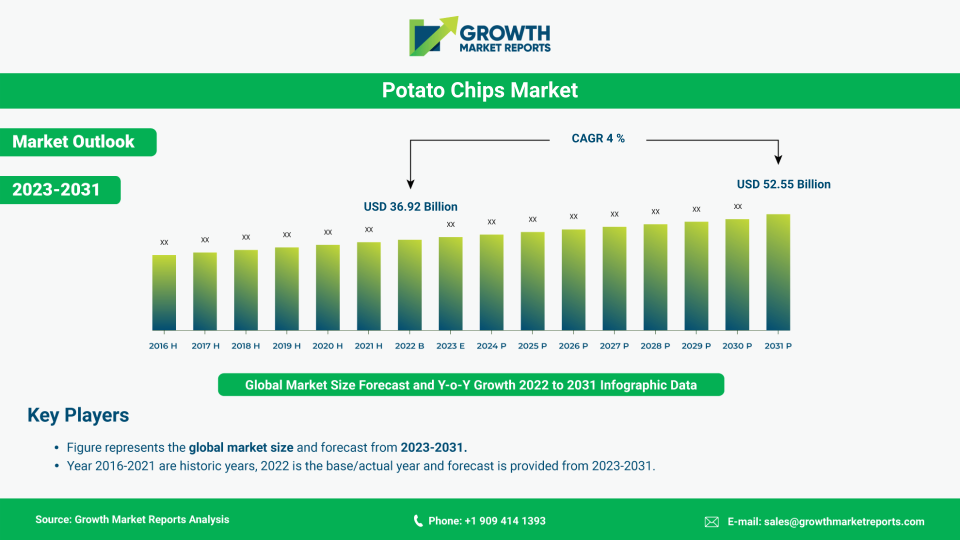
According to our latest research, the global potato chips market size reached USD 33.8 billion in 2024, reflecting robust demand across all major regions. The market is projected to expand at a CAGR of 4.1% during the forecast period, reaching approximately USD 48.2 billion by 2033. This steady growth is primarily fueled by evolving consumer preferences, increasing urbanization, and the continuous introduction of innovative flavors and healthier product variants. As per our latest research, the potato chips market is undergoing a transformation as manufacturers focus on health-centric formulations, new packaging technologies, and diversified distribution channels to capture a broader consumer base.
One of the most significant growth factors driving the potato chips market is the dynamic shift in consumer snacking habits. The increasing trend toward convenient, ready-to-eat snacks has propelled the demand for potato chips globally. Urban consumers, especially millennials and Gen Z, are seeking snacks that are not only flavorful but also offer a quick energy boost during their busy lifestyles. The introduction of single-serve and family-size packs has further amplified the consumption of potato chips, making them a preferred choice for both individual indulgence and group occasions. Additionally, the growing popularity of on-the-go snacking has prompted manufacturers to invest in innovative packaging solutions, ensuring product freshness and convenience, thereby enhancing overall market penetration.
Health and wellness trends are also playing a pivotal role in shaping the potato chips market. With rising awareness about the adverse health effects of excessive sodium and unhealthy fats, consumers are increasingly opting for baked, kettle-cooked, and low-fat potato chips. Manufacturers are responding to this demand by launching products with reduced sodium, trans-fat-free options, and chips cooked in healthier oils such as sunflower or olive oil. Furthermore, the emergence of organic and non-GMO potato chips is gaining traction among health-conscious consumers, particularly in developed markets. This shift toward healthier snacking alternatives is expected to accelerate market growth, as brands continue to innovate and expand their product portfolios to cater to diverse dietary preferences.
Flavor innovation remains a cornerstone of growth in the potato chips market. The introduction of regional and exotic flavors, such as wasabi, jalapeño, truffle, and barbecue, has significantly broadened the appeal of potato chips to a global audience. Manufacturers are leveraging advanced flavoring technologies and collaborating with celebrity chefs to create unique taste experiences that resonate with local and international palates. Limited-edition and seasonal flavors are also being launched to generate consumer excitement and drive repeat purchases. This focus on flavor experimentation not only enhances brand differentiation but also fosters customer loyalty, contributing to sustained market expansion over the forecast period.
Regionally, North America continues to dominate the potato chips market, accounting for the largest share in 2024, followed closely by Europe and Asia Pacific. The presence of established brands, high per capita consumption, and a mature retail infrastructure have solidified North America's leadership in the market. However, Asia Pacific is emerging as the fastest-growing region, driven by rising disposable incomes, rapid urbanization, and the westernization of dietary habits. Countries such as China and India are witnessing a surge in demand for potato chips, supported by expanding retail networks and increasing product availability. This regional dynamism is expected to reshape the competitive landscape and offer lucrative opportunities for both global and local manufacturers.
The potato chips market is segmented by product type into plain, flavored, baked, kettle-cooked, and others, each catering to distinct consumer preferences. Plain potato chips continue to hold a significant share of the market owing to their widespread acceptance and classic taste appeal. These chips are favored for their simplicity and are often chosen as a staple snack for various occasions. However, the segment has experienced moderate growth as consumers increasingly seek novel and adventurous taste experiences. To maintain relevance, manufacturers in this segment are focusing on improving product quality, using premium potatoes, and enhancing the crunchiness and texture of plain chips, which remain a staple in many households worldwide.
Flavored potato chips represent the fastest-growing segment within the product type category. The surge in demand for flavored chips can be attributed to the continuous introduction of new and exotic flavors that cater to evolving consumer palates. From traditional favorites like barbecue and sour cream & onion to innovative offerings such as sriracha, truffle, and regional spices, flavored chips are capturing a broader demographic. Brands are leveraging consumer insights and local taste preferences to develop region-specific flavors, thereby expanding their market reach. The success of this segment is further bolstered by aggressive marketing campaigns and collaborations with influencers, which help generate buzz around new product launches.
Baked potato chips are gaining traction among health-conscious consumers who seek lower-calorie snacking options without compromising on taste. This segment has witnessed robust growth as manufacturers emphasize the use of healthier ingredients and advanced baking techniques to reduce fat content. Baked chips are often marketed as guilt-free alternatives to traditional fried chips, appealing to consumers who are mindful of their dietary intake. The increasing prevalence of lifestyle diseases such as obesity and heart-related conditions has amplified the demand for baked chips, prompting brands to expand their product portfolios and invest in R&D to enhance taste and texture.
Kettle-cooked potato chips, known for their artisanal appeal and distinctive crunch, have carved out a premium niche in the market. These chips are typically cooked in small batches using traditional methods, resulting in a thicker and more textured product. The artisanal positioning of kettle-cooked chips appeals to consumers who prioritize quality, authenticity, and unique flavor profiles. This segment is particularly popular in North America and Europe, where consumers are willing to pay a premium for gourmet snacking experiences. The growth of the kettle-cooked segment is further supported by the rising trend of craft foods and the increasing number of specialty snack shops offering bespoke chip varieties.
| Attributes | Details |
| Report Title | Potato Chips Market Research Report 2033 |
| By Product Type | Plain, Flavored, Baked, Kettle-Cooked, Others |
| By Flavor | Salted, Barbecue, Sour Cream & Onion, Cheese, Others |
| By Distribution Channel | Supermarkets/Hypermarkets, Convenience Stores, Online Stores, Specialty Stores, Others |
| By Packaging Type | Pouches, Cans, Boxes, Others |
| Regions Covered | North America, Europe, APAC, Latin America, MEA |
| Base Year | 2024 |
| Historic Data | 2018-2023 |
| Forecast Period | 2025-2033 |
| Number of Pages | 268 |
| Number of Tables & Figures | 355 |
| Customization Available | Yes, the report can be customized as per your need. |
Flavor is a critical determinant in the potato chips market, with salted, barbecue, sour cream & onion, cheese, and other flavors driving consumer preferences. Salted potato chips remain a perennial favorite, accounting for a substantial share of the market due to their universal appeal and compatibility with various dips and accompaniments. Despite the influx of new flavors, salted chips continue to attract loyal consumers who prefer classic, unadulterated tastes. Manufacturers are enhancing this segment by introducing sea salt and Himalayan pink salt variants, which are perceived as healthier alternatives to conventional table salt, thus catering to the health-conscious segment without compromising on flavor.
Barbecue-flavored potato chips have established themselves as a popular choice among consumers seeking bold and smoky taste experiences. The unique blend of spices and seasonings used in barbecue chips appeals to a wide demographic, making them a staple in both casual snacking and social gatherings. Brands are continuously innovating within this segment, introducing regional barbecue flavors such as Texas barbecue, Korean barbecue, and chipotle to cater to diverse palates. The success of barbecue-flavored chips is also attributed to their strong association with outdoor events, sporting occasions, and parties, where consumers seek flavorful and shareable snacks.
Sour cream & onion and cheese flavors have emerged as strong contenders in the flavored chips segment, offering creamy, tangy, and savory profiles that resonate with both younger and older consumers. These flavors are particularly popular in North America and Europe, where dairy-based snacks have a long-standing tradition. The creamy texture and balanced seasoning of these flavors provide a satisfying snacking experience, encouraging repeat purchases. Manufacturers are capitalizing on this trend by launching limited-edition variants and combining these flavors with other ingredients, such as herbs, spices, and even bacon, to create unique taste sensations.
The "others" category encompasses a wide array of innovative and experimental flavors, including wasabi, jalapeño, truffle, and various ethnic-inspired seasonings. This segment is characterized by rapid innovation and frequent product launches, as brands strive to capture the attention of adventurous consumers. The growing influence of global cuisines and cross-cultural flavor trends has encouraged manufacturers to experiment with fusion flavors, resulting in a vibrant and dynamic market landscape. The success of this segment is closely tied to effective marketing strategies and the ability to quickly adapt to changing consumer preferences, making it a key area for future growth.
The distribution channel landscape for potato chips is diverse, encompassing supermarkets/hypermarkets, convenience stores, online stores, specialty stores, and others. Supermarkets and hypermarkets dominate the distribution landscape, accounting for the largest share of sales in 2024. These retail outlets offer a wide variety of potato chip brands and flavors, providing consumers with the convenience of one-stop shopping. The extensive shelf space and frequent promotional activities in supermarkets/hypermarkets contribute to high product visibility and impulse purchases. Additionally, the increasing penetration of organized retail in emerging markets has further strengthened the dominance of this channel.
Convenience stores play a pivotal role in driving potato chips sales, particularly in urban areas where consumers seek quick and accessible snack options. The strategic location of convenience stores, often in high-traffic areas such as transportation hubs and residential neighborhoods, makes them an ideal channel for impulse buys. The availability of single-serve packs and promotional bundles in convenience stores caters to on-the-go consumers, enhancing the overall consumption frequency. This channel is especially significant in regions like North America and Asia Pacific, where convenience-driven lifestyles are prevalent.
The rise of e-commerce and online grocery platforms has transformed the distribution dynamics of the potato chips market. Online stores are gaining traction, especially among tech-savvy consumers who prioritize convenience and doorstep delivery. The ability to compare prices, access a wider range of products, and benefit from exclusive online promotions has made e-commerce a preferred channel for many consumers. Manufacturers are increasingly partnering with leading e-commerce platforms to expand their digital presence and offer direct-to-consumer sales, further boosting online sales. The COVID-19 pandemic has accelerated this trend, with a significant uptick in online snack purchases observed in recent years.
Specialty stores, including gourmet food shops and health-focused retailers, are carving out a niche in the potato chips market by offering premium and artisanal products. These outlets cater to discerning consumers who seek unique flavors, organic ingredients, and high-quality chips. The personalized shopping experience and curated product selection in specialty stores appeal to consumers willing to pay a premium for differentiated offerings. While this channel accounts for a smaller share of overall sales, it is witnessing steady growth, particularly in developed markets where consumer preferences are shifting toward premium and health-oriented snacks.
Packaging type is a crucial factor influencing consumer purchasing decisions in the potato chips market. The most common packaging types include pouches, cans, boxes, and others, each offering distinct advantages in terms of convenience, freshness, and shelf appeal. Pouches are the most widely used packaging format, favored for their lightweight, resealable, and cost-effective nature. The flexibility of pouches allows manufacturers to offer a range of pack sizes, from single-serve to family packs, catering to diverse consumption occasions. The development of advanced pouch materials with improved barrier properties has further enhanced product shelf life and quality, making pouches the preferred choice for both manufacturers and consumers.
Cans are gaining popularity as a premium packaging option, particularly for kettle-cooked and gourmet potato chips. The rigid structure of cans provides superior protection against breakage and ensures product freshness over an extended period. Cans also offer a distinctive visual appeal, making them ideal for gifting and special occasions. Brands are leveraging the premium positioning of cans to differentiate their products and attract consumers seeking a premium snacking experience. The recyclability of metal cans aligns with growing consumer demand for sustainable packaging solutions, further supporting the growth of this segment.
Boxes, though less common than pouches and cans, are used for multi-pack offerings and value packs. The sturdy construction of boxes provides effective protection during transportation and storage, making them suitable for bulk purchases. Boxes are often used for promotional packs and limited-edition flavors, allowing brands to create visually striking packaging that stands out on retail shelves. The use of eco-friendly materials in box packaging is gaining traction, as brands respond to increasing consumer awareness about environmental sustainability. The versatility of boxes in accommodating various pack sizes and configurations makes them a practical choice for both manufacturers and retailers.
Other packaging types, such as glass jars and biodegradable materials, are emerging as niche options in the potato chips market. Glass jars are primarily used for high-end, artisanal chips, offering a premium and reusable packaging solution. Biodegradable and compostable packaging materials are being adopted by environmentally conscious brands seeking to minimize their carbon footprint. While these packaging types currently represent a small share of the market, their adoption is expected to increase as sustainability becomes a key purchasing criterion for consumers. The ongoing innovation in packaging materials and designs is set to further enhance the appeal and functionality of potato chips packaging, driving market growth.
The potato chips market is ripe with opportunities for innovation and expansion, particularly in the realms of flavor development and health-oriented product offerings. The growing demand for exotic and region-specific flavors presents a significant opportunity for manufacturers to differentiate their brands and capture new market segments. By leveraging insights into local taste preferences and collaborating with culinary experts, brands can introduce unique flavor profiles that resonate with diverse consumer groups. Additionally, the increasing emphasis on health and wellness is driving the development of baked, low-fat, and organic potato chips, catering to consumers seeking healthier snacking alternatives. This trend is expected to accelerate as awareness about nutrition and lifestyle diseases continues to rise globally.
Another major opportunity lies in the expansion of distribution channels, particularly through e-commerce and direct-to-consumer models. The rapid growth of online grocery platforms and the increasing adoption of digital payment solutions are transforming the way consumers purchase snacks, including potato chips. Manufacturers can capitalize on this trend by enhancing their online presence, offering exclusive digital promotions, and leveraging data analytics to personalize marketing efforts. The integration of technology in supply chain management and inventory tracking also presents opportunities for operational efficiencies and cost savings. Furthermore, the adoption of sustainable packaging solutions is emerging as a key differentiator, with consumers increasingly favoring brands that demonstrate a commitment to environmental responsibility.
Despite the numerous growth opportunities, the potato chips market faces certain restraining factors that could impede its expansion. The rising prevalence of health concerns related to high sodium and fat content in potato chips has prompted regulatory scrutiny and the implementation of stricter labeling requirements in several countries. This has compelled manufacturers to reformulate their products and invest in healthier alternatives, which can increase production costs and impact profit margins. Additionally, the volatility in raw material prices, particularly potatoes and edible oils, poses a challenge to market stability. Supply chain disruptions, driven by climate change and geopolitical tensions, further exacerbate these risks, necessitating robust risk management strategies by industry players.
North America remains the largest regional market for potato chips, accounting for approximately 35% of the global market in 2024, or about USD 11.8 billion. The region's dominance is underpinned by high per capita consumption, a mature retail infrastructure, and the presence of leading international brands. The United States, in particular, is a key market, with a strong tradition of snacking and a culture that embraces innovation in flavors and packaging. The region is also witnessing a growing demand for healthier chip options, prompting manufacturers to diversify their product portfolios and invest in marketing campaigns that highlight nutritional benefits. The North American market is expected to maintain steady growth, supported by ongoing product innovation and consumer engagement initiatives.
Europe represents the second-largest market, with a market size of approximately USD 8.7 billion in 2024. The region is characterized by a diverse consumer base with distinct taste preferences across countries. The popularity of artisanal and gourmet potato chips is particularly pronounced in Western Europe, where consumers are willing to pay a premium for high-quality, locally sourced products. The European market is also at the forefront of sustainable packaging adoption, with stringent regulations driving innovation in eco-friendly materials. The CAGR for Europe is projected to be around 3.8% over the forecast period, reflecting steady demand and increasing product differentiation.
Asia Pacific is emerging as the fastest-growing region in the potato chips market, with a market value of USD 7.5 billion in 2024 and a projected CAGR of 5.6% through 2033. The rapid urbanization, rising disposable incomes, and the westernization of eating habits are driving increased consumption of potato chips in countries such as China, India, and Japan. The expansion of modern retail formats and the proliferation of convenience stores are further boosting market penetration. Local manufacturers are introducing innovative flavors tailored to regional preferences, while international brands are expanding their footprints through strategic partnerships and investments. The Asia Pacific region is expected to be a key growth engine for the global potato chips market in the coming years.
The global potato chips market is highly competitive, characterized by the presence of several multinational corporations, regional players, and emerging startups. The competitive landscape is shaped by continuous product innovation, aggressive marketing strategies, and a strong focus on brand loyalty. Leading companies are investing heavily in research and development to introduce new flavors, healthier formulations, and sustainable packaging solutions. The emphasis on premiumization and artisanal offerings is also evident, as brands seek to differentiate themselves in an increasingly crowded market. Mergers, acquisitions, and strategic collaborations are common strategies employed by key players to expand their market presence and leverage synergies across product lines and geographies.
Brand equity and distribution strength are critical factors influencing competitive success in the potato chips market. Established brands benefit from extensive distribution networks, enabling them to reach a wide consumer base across multiple channels. The ability to secure prime shelf space in supermarkets, hypermarkets, and convenience stores is a key determinant of market share. Additionally, companies are leveraging digital marketing and social media platforms to engage with younger consumers and build brand communities. The growing importance of e-commerce has prompted many players to enhance their online presence, offer direct-to-consumer sales, and invest in data-driven marketing campaigns to drive customer acquisition and retention.
Innovation in product development is a major focus area for leading potato chips manufacturers. The introduction of limited-edition flavors, health-focused variants, and region-specific offerings is helping brands stay relevant and capture new market segments. Companies are also investing in sustainable sourcing practices and environmentally friendly packaging to align with evolving consumer values. The adoption of advanced manufacturing technologies and automation is enabling greater efficiency, consistency, and scalability in production processes. These efforts are supported by robust quality assurance systems and stringent regulatory compliance, ensuring product safety and consumer trust.
Some of the major companies operating in the global potato chips market include PepsiCo (Lay’s), Kellogg Company (Pringles), Utz Brands, Calbee Inc., Herr Foods Inc., Intersnack Group, and The Kraft Heinz Company. PepsiCo, through its Lay’s brand, is the undisputed leader in the market, known for its extensive flavor portfolio and global reach. Kellogg Company has a strong presence with its Pringles brand, which is recognized for its unique can packaging and international appeal. Utz Brands and Herr Foods Inc. are prominent players in the North American market, focusing on artisanal and regional flavors. Calbee Inc. dominates the Asia Pacific region, leveraging local insights to introduce innovative products tailored to regional tastes. Intersnack Group has a significant footprint in Europe, offering a diverse range of potato chip brands and flavors.
These companies are continuously expanding their product lines, investing in marketing campaigns, and forming strategic alliances to strengthen their market positions. For instance, PepsiCo and Kellogg Company have made significant investments in sustainable sourcing and packaging initiatives, reflecting their commitment to environmental stewardship. Calbee Inc. and Intersnack Group are focusing on expanding their distribution networks in emerging markets, capitalizing on the growing demand for potato chips in Asia and Eastern Europe. The competitive intensity in the market is expected to remain high, with ongoing innovation, brand building, and geographic expansion shaping the future trajectory of the potato chips industry.
The Potato Chips market has been segmented on the basis of
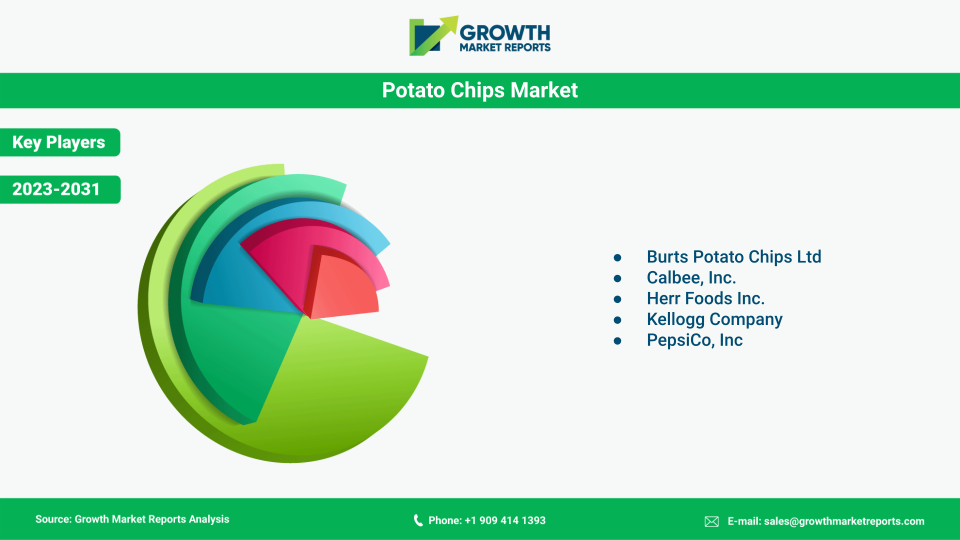
Key players competing in the potato chips market include Burts Potato Chips Ltd, Calbee, Inc., Herr Foods Inc., Kellogg Company, and PepsiCo, Inc.
Major players include PepsiCo (Lay’s), Kellogg Company (Pringles), Calbee Inc., The Kraft Heinz Company, Utz Brands, Herr Foods Inc., and Intersnack Group, among others.
Common packaging types include pouches, cans, and boxes. Pouches are most widely used, while cans and eco-friendly packaging are gaining popularity for premium and sustainable positioning.
Consumers are increasingly seeking healthier options such as baked, low-fat, organic, and non-GMO potato chips. Manufacturers are responding with new formulations and healthier ingredients.
Potato chips are primarily sold through supermarkets/hypermarkets, convenience stores, online stores, and specialty stores. Supermarkets/hypermarkets hold the largest share, while online sales are growing rapidly.
Salted, barbecue, sour cream & onion, and cheese are among the most popular flavors. There is also growing interest in exotic and regional flavors like wasabi, jalapeño, and truffle.
Popular types include plain, flavored, baked, and kettle-cooked potato chips. Flavored and baked chips are experiencing the fastest growth due to consumer demand for variety and healthier options.
Key trends include evolving consumer snacking habits, demand for convenient and healthier snacks, flavor innovation, and the expansion of online and specialty distribution channels.
North America is the largest regional market for potato chips, followed by Europe and Asia Pacific. Asia Pacific is the fastest-growing region due to rising disposable incomes and urbanization.
The potato chips market is expected to grow at a CAGR of 4.1% from 2025 to 2033, reaching approximately USD 48.2 billion by 2033.
As of 2024, the global potato chips market size reached USD 33.8 billion, with robust demand across all major regions.