Segments - by Product Type (Gummies, Chocolates, Bars, Cookies, Chips, Others), by Application (Wellness, Pain Relief, Anxiety & Stress Relief, Sleep Aid, Others), by Distribution Channel (Online Stores, Supermarkets/Hypermarkets, Specialty Stores, Convenience Stores, Others), by Source (Hemp-derived, Marijuana-derived)
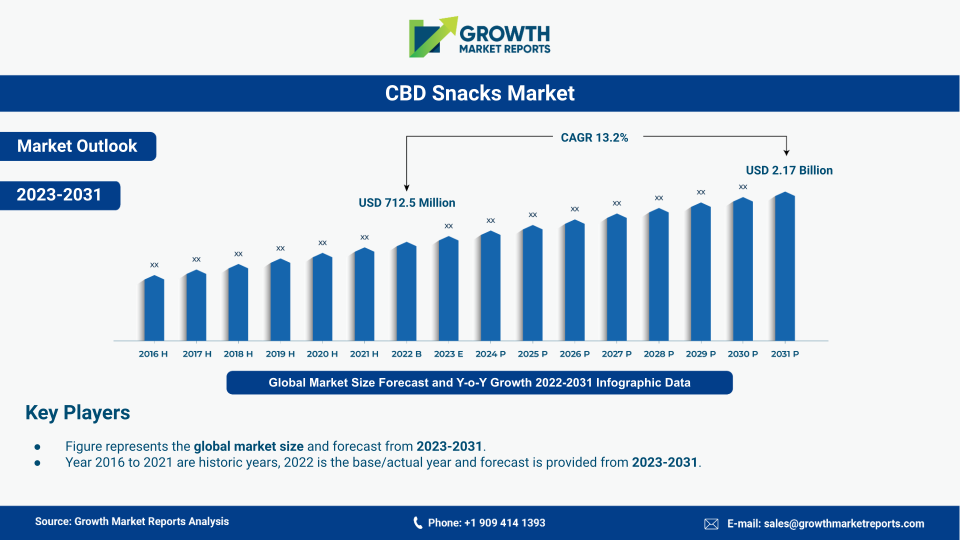
According to our latest research, the CBD snacks market size reached USD 2.1 billion globally in 2024, with a robust compound annual growth rate (CAGR) of 17.2% projected from 2025 to 2033. By the end of 2033, the market is anticipated to achieve a value of approximately USD 8.1 billion. This rapid expansion is primarily driven by increasing consumer awareness of the health and wellness benefits associated with cannabidiol (CBD), as well as a broadening acceptance of CBD-infused products across various demographics and regions. The CBD snacks market is experiencing significant momentum due to evolving regulatory landscapes, innovative product launches, and a growing demand for functional foods that cater to wellness, relaxation, and mental health.
A key growth factor for the CBD snacks market is the rising consumer inclination toward natural and plant-based wellness solutions. As individuals become more health-conscious, there is a marked shift away from synthetic pharmaceuticals toward holistic alternatives. CBD, renowned for its potential anti-inflammatory, analgesic, and anxiolytic properties, is increasingly being incorporated into everyday snacks such as gummies, chocolates, and bars. This trend is further amplified by the growing prevalence of stress, anxiety, and sleep disorders, particularly among urban populations. Millennials and Gen Z consumers, in particular, are driving demand for convenient, on-the-go snacks that offer both nutrition and functional benefits. The perception of CBD as a safe, non-psychoactive compound further enhances its appeal, fostering widespread adoption in the snacks segment.
Another significant driver for the CBD snacks market is the surge in product innovation and diversification. Manufacturers are investing heavily in research and development to create novel CBD-infused snack formats, flavors, and formulations tailored to specific consumer needs. This includes sugar-free, vegan, gluten-free, and organic options, catering to the dietary preferences of a broader audience. Collaborations between food technology companies and CBD extractors are resulting in enhanced bioavailability and taste-masking techniques, addressing common consumer concerns about flavor and efficacy. Additionally, attractive packaging and targeted marketing campaigns are playing a crucial role in educating consumers and building brand loyalty. The entry of established food and beverage brands into the CBD space is also lending credibility and accelerating market growth.
Regulatory advancements and increasing legalization of hemp-derived products are further catalyzing the expansion of the CBD snacks market. In North America and parts of Europe, progressive regulatory frameworks have paved the way for widespread commercialization and distribution of CBD-infused snacks. This has led to an upsurge in retail availability across online platforms, supermarkets, specialty stores, and convenience outlets. However, the regulatory scenario remains fragmented globally, with some regions still grappling with ambiguities regarding permissible THC content and labeling requirements. Despite these challenges, ongoing advocacy efforts and scientific research are expected to harmonize regulations, thereby facilitating market entry and expansion. The convergence of favorable regulatory trends, consumer demand, and technological innovation is positioning the CBD snacks market for sustained long-term growth.
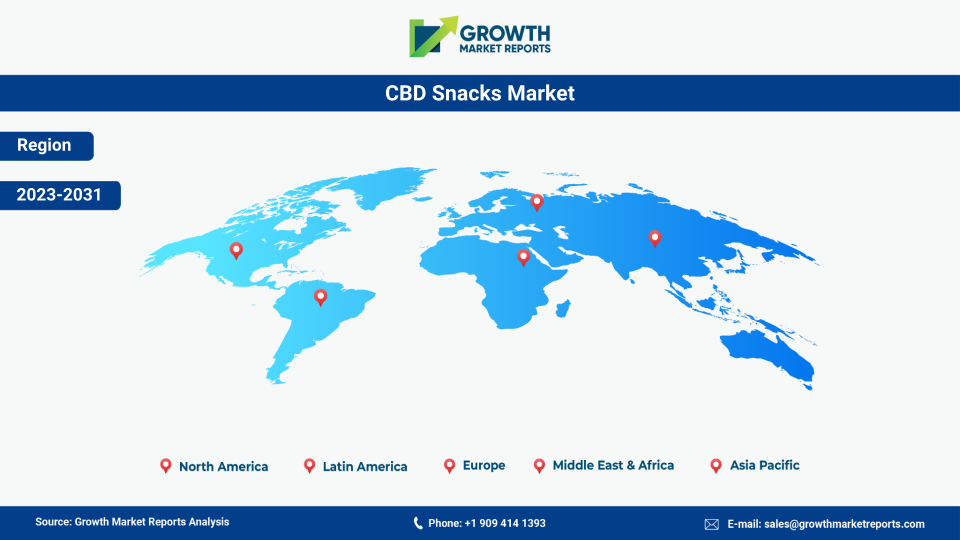
From a regional perspective, North America continues to dominate the CBD snacks market, accounting for the largest share in terms of revenue and product launches. The United States, in particular, benefits from a mature CBD industry, well-established distribution networks, and a receptive consumer base. Europe is rapidly emerging as a lucrative market, driven by increasing legalization and rising health consciousness. Meanwhile, the Asia Pacific region is witnessing heightened interest due to changing attitudes toward cannabis-derived products and a burgeoning wellness industry. Latin America and the Middle East & Africa are also poised for growth, albeit at a more gradual pace, as regulatory clarity improves and consumer awareness spreads. The interplay of regional dynamics, regulatory frameworks, and consumer preferences will continue to shape the global landscape of the CBD snacks market in the coming years.
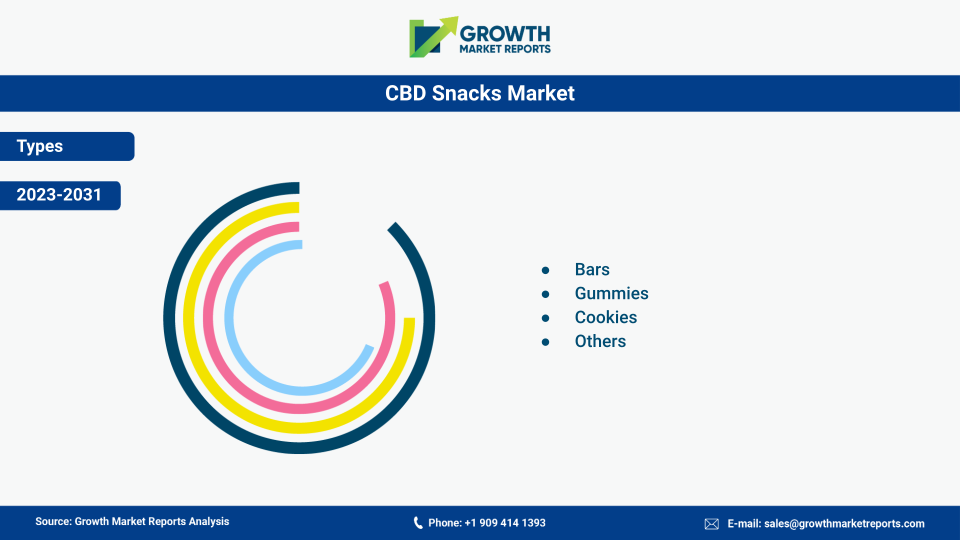
The CBD snacks market is segmented by product type into gummies, chocolates, bars, cookies, chips, and others. Among these, gummies have emerged as the most popular category, capturing a substantial share of the market. Their widespread appeal can be attributed to their ease of consumption, precise dosing, and appealing flavors. Gummies are particularly favored by younger consumers and those new to CBD, as they offer a discreet and enjoyable way to experience the benefits of cannabidiol. The segment has witnessed a proliferation of innovative formulations, including vegan, sugar-free, and fortified options, catering to diverse dietary preferences. Manufacturers are also leveraging advanced encapsulation technologies to enhance the bioavailability and shelf life of CBD in gummies, further boosting their market penetration.
Chocolates represent another significant segment within the CBD snacks market, attracting consumers who seek indulgence alongside wellness benefits. The combination of premium chocolate and high-quality CBD extracts has created a niche for artisanal and luxury CBD chocolates, often marketed as functional gifts or self-care treats. This segment is characterized by a focus on ethical sourcing, organic ingredients, and unique flavor profiles, such as dark chocolate with sea salt or fruit-infused varieties. The growing popularity of gifting and premiumization trends in the confectionery industry is translating into robust demand for CBD chocolates, especially during festive seasons and special occasions.
CBD-infused bars, including protein and energy bars, are gaining traction among fitness enthusiasts and health-conscious consumers. These products are positioned as functional snacks that support recovery, stress management, and overall wellness. The integration of CBD with other superfoods, adaptogens, and nutritional supplements is enhancing the appeal of this segment. Brands are emphasizing clean labels, high protein content, and low sugar formulations to attract a discerning consumer base. The convenience of on-the-go consumption and the association with active lifestyles are key factors driving the growth of CBD bars within the broader market.
Cookies, chips, and other snack formats are also making inroads into the CBD snacks market, offering consumers a variety of options to incorporate CBD into their daily routines. CBD cookies, for instance, are available in both traditional and health-focused variants, such as gluten-free or high-fiber options. Chips infused with CBD cater to the savory snack segment, appealing to those who prefer salty over sweet flavors. The "others" category includes emerging products like CBD popcorn, trail mixes, and baked goods, reflecting the ongoing experimentation and diversification within the market. As consumer preferences continue to evolve, product type innovation will remain a cornerstone of competitive differentiation in the CBD snacks market.
| Attributes | Details |
| Report Title | CBD Snacks Market Research Report 2033 |
| By Product Type | Gummies, Chocolates, Bars, Cookies, Chips, Others |
| By Application | Wellness, Pain Relief, Anxiety & Stress Relief, Sleep Aid, Others |
| By Distribution Channel | Online Stores, Supermarkets/Hypermarkets, Specialty Stores, Convenience Stores, Others |
| By Source | Hemp-derived, Marijuana-derived |
| Regions Covered | North America, Europe, APAC, Latin America, MEA |
| Base Year | 2024 |
| Historic Data | 2018-2023 |
| Forecast Period | 2025-2033 |
| Number of Pages | 252 |
| Number of Tables & Figures | 377 |
| Customization Available | Yes, the report can be customized as per your need. |
The application landscape of the CBD snacks market is segmented into wellness, pain relief, anxiety and stress relief, sleep aid, and others. Wellness applications account for the largest share, as consumers increasingly seek holistic solutions for maintaining overall health and vitality. CBD snacks positioned for wellness often emphasize their role in supporting immune function, digestive health, and daily relaxation. Brands are leveraging scientific research and clinical studies to substantiate their health claims, thereby building credibility and trust among consumers. The integration of CBD with other wellness-enhancing ingredients, such as vitamins, minerals, and botanicals, is further expanding the appeal of this segment.
Pain relief is another prominent application driving demand for CBD snacks. Individuals suffering from chronic pain, inflammation, or exercise-induced discomfort are turning to CBD as a natural alternative to conventional painkillers. The non-invasive and convenient nature of CBD-infused snacks makes them an attractive option for ongoing pain management. This segment is particularly popular among older adults, athletes, and individuals with active lifestyles. Brands are differentiating their offerings by highlighting targeted pain relief benefits, such as joint support or muscle recovery, and incorporating synergistic ingredients like turmeric or ginger.
The anxiety and stress relief segment is experiencing significant growth, fueled by rising mental health awareness and the increasing prevalence of stress-related disorders. CBD is widely recognized for its potential anxiolytic effects, and snacks formulated for stress relief are gaining traction among consumers seeking natural ways to unwind and relax. This application is especially relevant in urban environments, where fast-paced lifestyles and work-related pressures are commonplace. Product marketing often emphasizes calming effects, mood enhancement, and the promotion of emotional well-being. Partnerships with mental health organizations and influencers are also helping to destigmatize CBD use and broaden its acceptance.
Sleep aid applications represent a growing niche within the CBD snacks market. As sleep disorders become more widespread, consumers are exploring functional snacks that promote restful sleep without the side effects associated with pharmaceutical sleep aids. CBD-infused snacks designed for sleep support are often combined with melatonin, chamomile, or other natural sleep-promoting ingredients. These products are marketed as part of bedtime routines, offering a convenient and enjoyable way to improve sleep quality. The sleep aid segment is expected to witness continued expansion as research into the sleep-enhancing properties of CBD advances and consumer interest in sleep health intensifies.
The distribution landscape of the CBD snacks market is segmented into online stores, supermarkets/hypermarkets, specialty stores, convenience stores, and others. Online stores have emerged as the dominant channel, driven by the convenience of home delivery, a wide product selection, and the ability to access detailed product information and customer reviews. E-commerce platforms enable brands to reach a global audience, bypassing geographical and regulatory barriers. The COVID-19 pandemic further accelerated the shift toward online shopping, prompting both established brands and new entrants to invest in robust digital marketing and direct-to-consumer strategies. Subscription models, personalized recommendations, and loyalty programs are also enhancing customer retention in the online segment.
Supermarkets and hypermarkets constitute a significant distribution channel for CBD snacks, offering high visibility and accessibility to mainstream consumers. The presence of CBD-infused snacks in major retail chains is a testament to the growing acceptance and normalization of these products. Retailers are dedicating shelf space to CBD categories, often in wellness or natural foods sections, and collaborating with brands to ensure regulatory compliance and quality assurance. Promotional activities, in-store sampling, and educational campaigns are being employed to increase consumer awareness and drive impulse purchases. The scale and reach of supermarkets/hypermarkets make them a critical channel for market expansion.
Specialty stores, including health food stores, organic markets, and CBD dispensaries, play a pivotal role in educating consumers and offering curated selections of high-quality CBD snacks. These outlets cater to health-conscious and informed shoppers who prioritize product transparency, ingredient quality, and ethical sourcing. Staff expertise and personalized recommendations are key differentiators for specialty stores, fostering trust and loyalty among customers. The focus on niche segments, such as vegan or gluten-free CBD snacks, further enhances the appeal of specialty retail in the market.
Convenience stores and other channels, such as vending machines and pop-up shops, are increasingly being leveraged to reach consumers seeking quick and accessible snack options. The impulse-driven nature of convenience store purchases aligns well with the snack category, and the availability of CBD-infused products in these outlets is broadening their reach to new consumer segments. Strategic partnerships with convenience store chains and innovative merchandising techniques are helping brands capture market share in this fast-paced retail environment. As the regulatory landscape evolves and consumer familiarity with CBD increases, distribution channels will continue to diversify, supporting the sustained growth of the CBD snacks market.
The CBD snacks market is segmented by source into hemp-derived and marijuana-derived products. Hemp-derived CBD snacks dominate the market, accounting for the majority of sales due to their legal status and low THC content. The 2018 Farm Bill in the United States and similar legislation in other regions have facilitated the widespread commercialization of hemp-derived CBD products, provided they contain less than 0.3% THC. Consumers perceive hemp-derived CBD as a safe and non-intoxicating option, making it the preferred choice for mainstream snack applications. The scalability of hemp cultivation and advancements in extraction technologies are further supporting the growth of this segment.
Marijuana-derived CBD snacks represent a smaller but rapidly growing segment, primarily concentrated in regions where recreational cannabis use is legal. These products may contain higher levels of THC, appealing to consumers seeking both the therapeutic and psychoactive effects of cannabinoids. The segment is characterized by artisanal and premium offerings, often marketed through dispensaries and specialty channels. Regulatory restrictions and labeling requirements for marijuana-derived products are more stringent, necessitating rigorous quality control and transparent communication with consumers. As legalization expands and consumer attitudes shift, the marijuana-derived segment is expected to gain traction, particularly among experienced users and those seeking targeted therapeutic benefits.
The choice of source also influences product positioning, marketing strategies, and target demographics within the CBD snacks market. Hemp-derived snacks are often marketed as wellness and lifestyle products, emphasizing safety, purity, and compliance with legal standards. In contrast, marijuana-derived snacks may highlight potency, full-spectrum cannabinoid profiles, and enhanced efficacy for specific health conditions. Brands are increasingly investing in third-party testing, certifications, and traceability to differentiate their products and build consumer trust. The ongoing evolution of regulatory frameworks and consumer education efforts will continue to shape the competitive dynamics between hemp-derived and marijuana-derived segments.
Supply chain considerations also play a critical role in source selection for CBD snacks manufacturers. Hemp cultivation offers advantages in terms of scalability, environmental sustainability, and cost-effectiveness. Vertical integration, from cultivation to extraction and product formulation, enables brands to maintain quality control and ensure consistency. Conversely, the marijuana-derived segment faces higher production costs and regulatory hurdles but benefits from a dedicated consumer base and opportunities for product innovation. As the market matures, strategic partnerships and investments in supply chain optimization will be essential for sustaining growth across both source segments.
The CBD snacks market presents numerous opportunities for innovation, expansion, and value creation. One of the most promising opportunities lies in the development of personalized and functional CBD snacks tailored to specific health needs and consumer preferences. Advances in food technology and cannabinoid research are enabling the creation of products with enhanced bioavailability, targeted delivery systems, and synergistic ingredient combinations. Brands that invest in consumer education, transparent labeling, and robust clinical validation are well-positioned to capture market share and foster long-term loyalty. Additionally, the expansion of e-commerce and direct-to-consumer channels offers unprecedented access to global markets, enabling brands to scale rapidly and engage with diverse consumer segments. Strategic collaborations with health professionals, wellness influencers, and regulatory bodies can further enhance credibility and accelerate adoption.
Another significant opportunity in the CBD snacks market is the potential for geographic expansion and market penetration in emerging regions. As regulatory frameworks evolve and consumer awareness grows, markets in Asia Pacific, Latin America, and the Middle East & Africa are becoming increasingly attractive. Localization of product offerings, adaptation to regional taste preferences, and compliance with local regulations will be key success factors for brands seeking to establish a presence in these markets. The development of region-specific marketing campaigns, partnerships with local distributors, and participation in trade shows and wellness events can facilitate market entry and drive brand recognition. Furthermore, the integration of CBD snacks into mainstream retail channels, such as supermarkets and convenience stores, will broaden consumer access and accelerate category growth.
Despite the promising outlook, the CBD snacks market faces several restraining factors that could impede growth. Regulatory uncertainty remains a significant challenge, with varying legal standards, labeling requirements, and permissible THC levels across different jurisdictions. This fragmentation creates barriers to entry, increases compliance costs, and complicates cross-border trade. Inconsistent enforcement and the risk of product recalls or legal action can undermine consumer confidence and disrupt supply chains. Additionally, the lack of standardized testing and quality assurance protocols poses risks related to product safety, efficacy, and transparency. Addressing these challenges will require ongoing collaboration between industry stakeholders, regulatory agencies, and scientific experts to establish harmonized standards and ensure consumer protection.
North America leads the global CBD snacks market, accounting for approximately 53% of total market revenue in 2024, which translates to around USD 1.1 billion. The United States is the primary growth engine, supported by a favorable regulatory environment, widespread consumer acceptance, and a well-established retail infrastructure. Canada also contributes significantly, particularly in the marijuana-derived segment, where legal recreational cannabis has spurred innovation and product diversification. The North American market is characterized by intense competition, rapid product launches, and a high degree of brand loyalty. Looking ahead, the region is expected to maintain its leadership position, with a projected CAGR of 15.8% through 2033.
Europe is the second-largest market for CBD snacks, with a market size of approximately USD 520 million in 2024. The region is witnessing accelerated growth due to increasing legalization of hemp-derived products, rising health consciousness, and a strong tradition of functional foods. Key markets include the United Kingdom, Germany, and Switzerland, where regulatory clarity and consumer education efforts are driving adoption. The European market is distinguished by a preference for organic, ethically sourced, and premium CBD snacks, as well as a growing demand for vegan and allergen-free options. The region is expected to achieve a CAGR of 18.6% between 2025 and 2033, outpacing global growth rates.
The Asia Pacific region is emerging as a dynamic growth frontier for the CBD snacks market, with a 2024 market value of approximately USD 260 million. Japan, Australia, and South Korea are leading the charge, supported by evolving regulatory frameworks and increasing consumer interest in wellness products. The region presents significant untapped potential, particularly in urban centers where demand for functional snacks is rising. Localization of flavors, adaptation to cultural preferences, and strategic partnerships with regional distributors will be critical for success. Latin America and the Middle East & Africa collectively account for around USD 220 million in 2024, with growth prospects tied to regulatory developments and expanding retail networks. As global awareness of CBD's benefits continues to spread, regional markets are expected to play an increasingly important role in shaping the future of the CBD snacks industry.
The competitive landscape of the CBD snacks market is characterized by a diverse mix of established food and beverage companies, specialized CBD brands, and innovative startups. Intense competition has spurred a wave of product innovation, with companies vying to differentiate themselves through unique formulations, premium ingredients, and targeted health benefits. Brand reputation, product quality, and consumer trust are critical success factors, given the nascent and highly scrutinized nature of the market. Companies are investing heavily in research and development, quality assurance, and third-party testing to ensure product safety and efficacy. Strategic partnerships, mergers and acquisitions, and vertical integration are also prevalent, enabling firms to strengthen their supply chains, expand distribution networks, and accelerate market entry.
Marketing and branding play a pivotal role in the CBD snacks market, with companies leveraging digital platforms, influencer collaborations, and experiential marketing to build awareness and engage consumers. Transparent labeling, educational content, and customer testimonials are being used to address consumer concerns about safety, legality, and efficacy. The ability to adapt to evolving regulatory requirements and consumer preferences is a key differentiator, as is the capacity to scale production and distribution in response to growing demand. Companies that prioritize sustainability, ethical sourcing, and social responsibility are also gaining favor among environmentally conscious consumers.
The entry of large food and beverage conglomerates into the CBD snacks market has intensified competition and accelerated category growth. These players bring significant resources, established distribution networks, and expertise in branding and product development. At the same time, nimble startups and boutique brands are carving out niches by focusing on premium, artisanal, and functional offerings. The coexistence of mass-market and niche players is fostering a dynamic and innovative market environment, with continuous product launches and evolving consumer trends.
Some of the major companies operating in the CBD snacks market include Charlotte’s Web Holdings, Inc., CV Sciences, Inc., Medterra CBD, Green Roads, cbdMD, Inc., PlusCBD, PureKana, Joy Organics, and Lord Jones. Charlotte’s Web Holdings, Inc. is renowned for its high-quality, hemp-derived CBD products and strong brand presence in North America. CV Sciences, Inc. offers a diverse portfolio of CBD-infused snacks, emphasizing transparency and third-party testing. Medterra CBD is recognized for its commitment to quality, compliance, and innovative product development. Green Roads has established itself as a leader in the wellness segment, with a focus on pharmacist-formulated CBD snacks. cbdMD, Inc. and PlusCBD are known for their broad product ranges and strong online presence, while PureKana and Joy Organics have built reputations for premium, organic, and vegan-friendly offerings. Lord Jones specializes in luxury CBD confections, targeting the high-end segment of the market.
These leading companies are continuously expanding their product portfolios, investing in research and development, and pursuing strategic partnerships to stay ahead in a rapidly evolving market. Their efforts are complemented by a growing number of regional and niche brands that are driving innovation and catering to specific consumer needs. As the CBD snacks market continues to mature, competition is expected to intensify, with a focus on quality, transparency, and consumer education shaping the future of the industry.
The CBD Snacks market has been segmented on the basis of
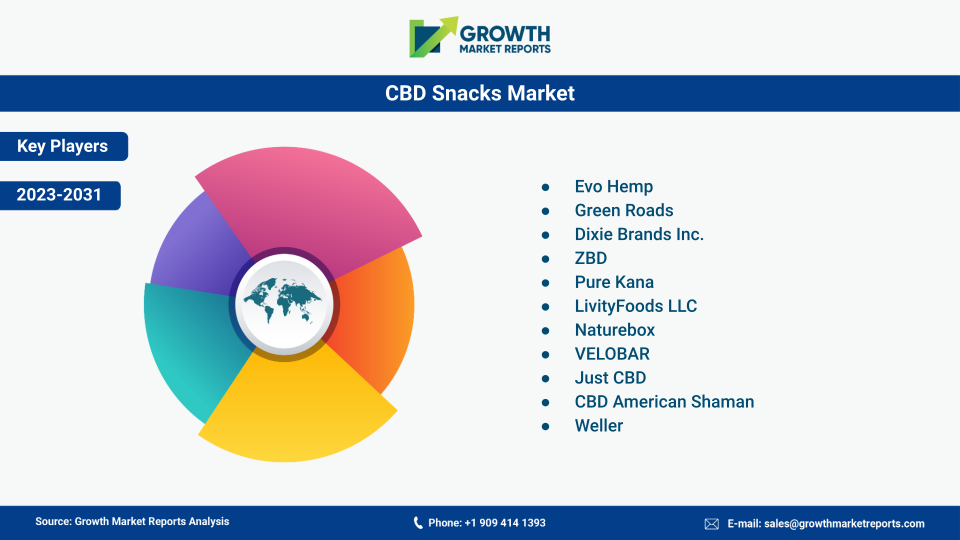
Key players in the CBD snacks market include Evo Hemp, Green Roads, Dixie Brands Inc., ZBD, Pure Kana, LivityFoods LLC, Naturebox, VELOBAR, Just CBD, CBD American Shaman, and Weller, among others. Mergers & acquisitions, collaborations, agreements, and partnerships are some growth strategies adopted by these players to strengthen their geographical presence.
Opportunities include developing personalized and functional CBD snacks, expanding into emerging regions, leveraging e-commerce, and investing in consumer education and transparent labeling.
Major challenges include regulatory uncertainty, varying legal standards for THC content, inconsistent labeling requirements, and the need for standardized quality assurance protocols.
Key companies include Charlotte’s Web Holdings, Inc., CV Sciences, Inc., Medterra CBD, Green Roads, cbdMD, Inc., PlusCBD, PureKana, Joy Organics, Lord Jones, and others.
North America is the largest market, accounting for about 53% of global revenue, followed by Europe and the Asia Pacific. Latin America and the Middle East & Africa are also experiencing growth as regulations evolve.
Hemp-derived CBD snacks dominate the market due to their legal status and low THC content. Marijuana-derived CBD snacks, which may contain higher THC, are mainly available in regions where recreational cannabis is legal.
Online stores are the leading distribution channel, followed by supermarkets/hypermarkets, specialty stores, convenience stores, and other outlets.
CBD snacks are primarily used for wellness, pain relief, anxiety and stress relief, and as sleep aids. Wellness applications hold the largest market share.
Gummies are the most popular CBD snack type, followed by chocolates, bars, cookies, chips, and other formats like popcorn and trail mixes.
Key growth drivers include increasing consumer awareness of health and wellness benefits of CBD, evolving regulatory landscapes, product innovation, and rising demand for natural, plant-based functional foods.
The global CBD snacks market reached USD 2.1 billion in 2024 and is projected to grow at a CAGR of 17.2% from 2025 to 2033, reaching approximately USD 8.1 billion by 2033.