Segments - by Product Type (Green Herbal Tea, Black Herbal Tea, Yellow Herbal Tea, Oolong Herbal Tea, Others), by Form (Loose Leaf, Tea Bags, Powder, Others), by Distribution Channel (Supermarkets/Hypermarkets, Specialty Stores, Online Retail, Convenience Stores, Others), by Application (Residential, Commercial, Others)
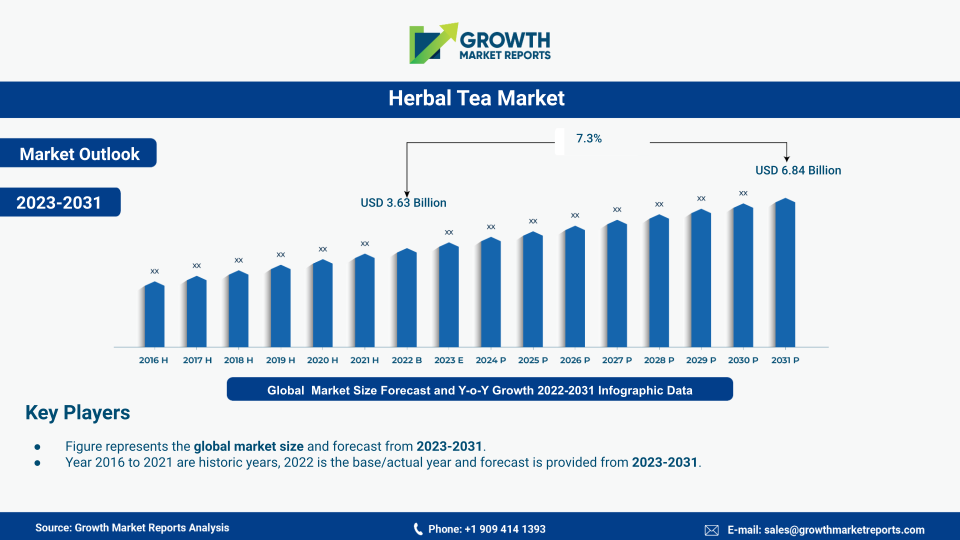
According to our latest research, the global herbal tea market size reached USD 4.82 billion in 2024, reflecting a strong consumer shift toward natural and wellness-oriented beverages. The market is expected to expand at a CAGR of 6.7% from 2025 to 2033, culminating in a forecasted market size of USD 8.74 billion by 2033. This robust growth is primarily attributed to rising health consciousness, increasing demand for functional beverages, and the growing adoption of herbal tea as a caffeine-free alternative to traditional teas and coffees. As per our latest research, the herbal tea market is witnessing significant traction across both developed and emerging economies, driven by evolving consumer preferences and innovative product offerings.
One of the most significant growth factors propelling the herbal tea market is the increasing awareness of the health benefits associated with herbal ingredients. Consumers are becoming more mindful of their dietary choices, seeking products that not only refresh but also contribute to overall well-being. Herbal teas, rich in antioxidants, vitamins, and minerals, are perceived as natural remedies for various ailments such as digestive issues, stress, and inflammation. The trend toward preventive healthcare and holistic wellness has encouraged consumers to incorporate herbal teas into their daily routines. Additionally, the growing incidence of lifestyle diseases and the rising prevalence of obesity and diabetes are prompting individuals to opt for healthier beverage options, further supporting market expansion.
Another key driver for the herbal tea market is the surge in product innovation and the introduction of novel flavors and blends. Manufacturers are constantly experimenting with unique herbal combinations, infusing traditional teas with botanicals such as chamomile, ginger, hibiscus, and lemongrass to cater to diverse palates. This has not only expanded the consumer base but also attracted younger demographics looking for new taste experiences. The premiumization of herbal teas, with organic and sustainably sourced ingredients, has further elevated the market's appeal. Moreover, the integration of functional ingredients targeting specific health concerns, such as immunity-boosting or detoxifying properties, has positioned herbal tea as a versatile beverage with broad consumer relevance.
The expansion of distribution channels has also played a crucial role in the growth of the herbal tea market. The proliferation of supermarkets, hypermarkets, specialty stores, and online retail platforms has made herbal teas more accessible to a wider audience. E-commerce, in particular, has emerged as a vital channel, offering consumers the convenience of browsing and purchasing a diverse range of herbal tea products from the comfort of their homes. This shift in retail dynamics has enabled brands to reach new markets and foster greater brand loyalty through targeted marketing and subscription-based models. The increasing penetration of herbal tea in cafes, restaurants, and hospitality establishments has further contributed to market growth by introducing the beverage to new consumer segments.
Loose-Leaf Herbal Tea has gained considerable popularity among tea aficionados who appreciate the authenticity and richness of flavor that this form offers. Unlike tea bags, loose-leaf teas allow the leaves to fully expand and release their complex flavors and aromas, providing a more immersive and satisfying tea experience. This form is particularly favored by consumers who enjoy the ritual of brewing tea and value the ability to customize the strength and blend of their brew. The trend towards premium and artisanal products has further fueled the demand for loose-leaf herbal teas, as consumers increasingly seek out high-quality, organic, and ethically sourced options. As the market continues to evolve, loose-leaf herbal tea is expected to maintain its appeal among discerning consumers who prioritize quality and sustainability in their beverage choices.
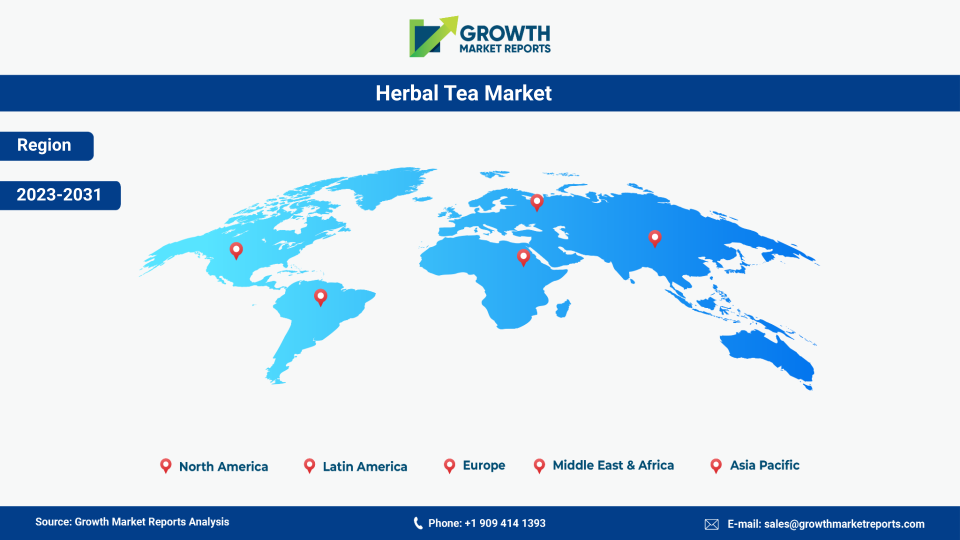
Regionally, the herbal tea market exhibits significant variation in growth patterns and consumer preferences. Asia Pacific remains the largest and fastest-growing market, driven by a rich tea culture and a strong tradition of herbal medicine. North America and Europe are witnessing rapid adoption due to rising health awareness and the popularity of organic products. Meanwhile, Latin America and the Middle East & Africa are emerging as promising markets, fueled by increasing urbanization and expanding retail infrastructure. The global landscape is characterized by a dynamic interplay of traditional consumption patterns and modern lifestyle trends, shaping the future trajectory of the herbal tea market.
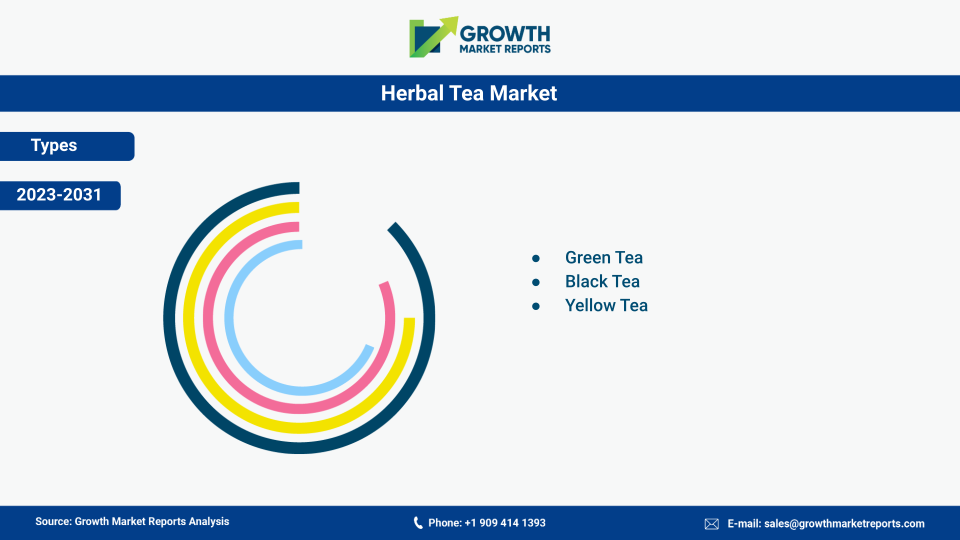
The herbal tea market is segmented by product type into Green Herbal Tea, Black Herbal Tea, Yellow Herbal Tea, Oolong Herbal Tea, and Others. Among these, Green Herbal Tea dominates the segment, accounting for the largest share in 2024, owing to its well-documented health benefits and widespread cultural acceptance, especially in Asia Pacific. Green herbal teas are renowned for their antioxidant content and are often associated with weight management and metabolic health, making them a popular choice among health-conscious consumers. The segment's growth is further supported by ongoing research into the therapeutic properties of green tea blends, which has bolstered consumer confidence and demand globally.
Black Herbal Tea follows closely, benefiting from its robust flavor profile and versatility in blending with various herbs and botanicals. Black herbal teas are particularly favored in Western markets, where traditional black tea consumption is high, and consumers are open to experimenting with new flavors. The segment is witnessing increased innovation, with manufacturers introducing blends that combine black tea with calming or energizing herbs, targeting specific consumer needs such as relaxation or mental alertness. This has broadened the appeal of black herbal teas beyond their traditional base, attracting a diverse range of consumers seeking both taste and functionality.
The Yellow Herbal Tea and Oolong Herbal Tea segments, while smaller in comparison, are gaining traction due to their unique taste profiles and niche health benefits. Yellow herbal teas, often considered premium due to their limited production and delicate flavor, are attracting connoisseurs and consumers seeking luxury tea experiences. Oolong herbal teas, known for their partially fermented character, offer a balance between green and black teas, appealing to those who desire complexity in flavor and moderate caffeine content. These segments are expected to grow steadily as awareness and appreciation for specialty teas increase, particularly among urban and affluent consumers.
The Others category encompasses a diverse array of herbal teas such as white, red (rooibos), and blended herbal infusions. This segment is characterized by high innovation and the introduction of new botanicals, including adaptogenic herbs and exotic ingredients. The growing interest in personalized nutrition and wellness has spurred demand for customized herbal tea blends that cater to individual health goals. As consumers become more adventurous in their beverage choices, the Others segment is poised for dynamic growth, offering ample opportunities for brands to differentiate themselves through unique product offerings.
| Attributes | Details |
| Report Title | Herbal Tea Market Research Report 2033 |
| By Product Type | Green Herbal Tea, Black Herbal Tea, Yellow Herbal Tea, Oolong Herbal Tea, Others |
| By Form | Loose Leaf, Tea Bags, Powder, Others |
| By Distribution Channel | Supermarkets/Hypermarkets, Specialty Stores, Online Retail, Convenience Stores, Others |
| By Application | Residential, Commercial, Others |
| Regions Covered | North America, Europe, APAC, Latin America, MEA |
| Base Year | 2024 |
| Historic Data | 2018-2023 |
| Forecast Period | 2025-2033 |
| Number of Pages | 265 |
| Number of Tables & Figures | 304 |
| Customization Available | Yes, the report can be customized as per your need. |
The herbal tea market is also segmented by form, including Loose Leaf, Tea Bags, Powder, and Others. Loose leaf herbal tea commands a significant share, particularly among tea enthusiasts who prioritize quality and freshness. Loose leaf teas are perceived as more authentic and less processed, allowing consumers to experience the full flavor and aroma of the herbs. This segment is especially popular in specialty tea shops and among consumers who prefer brewing their tea in traditional ways. The demand for loose leaf herbal tea is further bolstered by the premiumization trend and the growing popularity of artisanal and organic products.
Tea bags represent the most convenient and widely consumed form of herbal tea, catering to busy lifestyles and on-the-go consumption. The segment's popularity is driven by its ease of use, portion control, and consistent flavor profile. Major brands have capitalized on this trend by offering a wide variety of herbal tea blends in tea bag format, often emphasizing eco-friendly and biodegradable packaging to appeal to environmentally conscious consumers. The tea bags segment is expected to maintain strong growth as consumers seek both convenience and variety in their beverage choices.
The Powder form of herbal tea is gaining momentum, particularly in the functional beverage and nutraceutical markets. Herbal tea powders are valued for their versatility, allowing consumers to easily mix them into hot or cold beverages, smoothies, or even food recipes. This segment is experiencing rapid innovation, with manufacturers developing instant herbal tea blends fortified with additional nutrients or functional ingredients. The rise of health and fitness trends has further propelled the demand for powdered herbal teas, which are often marketed as energy boosters, detoxifiers, or immunity enhancers.
The Others category includes formats such as ready-to-drink (RTD) herbal teas, concentrates, and herbal infusions in sachet or capsule form. These formats cater to niche consumer segments seeking novel and convenient ways to consume herbal tea. The RTD segment, in particular, is witnessing robust growth in urban markets, driven by the demand for healthy, on-the-go beverages. As consumer preferences continue to evolve, the form segment is expected to witness ongoing diversification, with brands exploring new delivery formats to enhance user experience and expand market reach.
The herbal tea market's distribution landscape is segmented into Supermarkets/Hypermarkets, Specialty Stores, Online Retail, Convenience Stores, and Others. Supermarkets and hypermarkets are the leading distribution channels, accounting for a substantial share of global herbal tea sales in 2024. These retail giants offer a wide selection of brands and products, making it convenient for consumers to compare and purchase herbal teas during routine grocery shopping. The prominence of supermarkets and hypermarkets is particularly notable in developed regions, where organized retail infrastructure supports large-scale distribution and promotional activities.
Specialty stores play a crucial role in the herbal tea market, catering to discerning consumers seeking premium, organic, or artisanal products. These stores often provide a curated selection of high-quality herbal teas, along with expert advice and personalized recommendations. Specialty stores are instrumental in educating consumers about the health benefits and brewing techniques of various herbal teas, thereby fostering brand loyalty and repeat purchases. The segment is particularly strong in urban centers and affluent neighborhoods, where consumers are willing to pay a premium for unique and authentic tea experiences.
The rise of online retail has revolutionized the herbal tea market, offering unparalleled convenience and access to a vast array of products from around the world. E-commerce platforms have enabled brands to reach new customer segments, including those in remote or underserved areas. Online retail is characterized by dynamic marketing strategies, such as subscription services, personalized recommendations, and influencer collaborations, which drive consumer engagement and repeat purchases. The COVID-19 pandemic further accelerated the shift to online shopping, with many consumers continuing to prefer digital channels for their herbal tea purchases even as physical stores reopen.
Convenience stores and the Others segment, which includes direct sales, vending machines, and food service outlets, also contribute significantly to the distribution of herbal teas. Convenience stores are particularly popular in densely populated urban areas, offering quick and easy access to single-serve herbal tea options. The Others segment is witnessing growth through innovative channels such as health and wellness centers, spas, and fitness clubs, where herbal teas are positioned as part of a holistic wellness experience. As the herbal tea market continues to expand, distribution strategies are becoming increasingly diversified to capture a broader consumer base.
The application of herbal tea is broadly categorized into Residential, Commercial, and Others. The residential segment holds the largest share, driven by the growing trend of at-home consumption and the integration of herbal teas into daily health routines. Consumers are increasingly brewing herbal teas at home for relaxation, wellness, and social occasions. The surge in home-based health and wellness activities, especially during the pandemic, has further reinforced the importance of the residential segment. Brands are responding by offering convenient packaging, variety packs, and educational content to enhance the at-home herbal tea experience.
The commercial segment encompasses cafes, restaurants, hotels, and other hospitality establishments that serve herbal tea as part of their beverage offerings. This segment has seen notable growth as herbal tea becomes a staple in menus catering to health-conscious patrons. Commercial establishments are embracing the trend by offering premium and exotic herbal tea blends, often paired with food or wellness services. The rise of specialty tea houses and wellness cafes in urban centers has further propelled the commercial application of herbal teas, creating new opportunities for brand partnerships and experiential marketing.
The Others segment includes applications such as institutional consumption in offices, educational institutions, and healthcare facilities. Herbal tea is increasingly being offered as a healthier alternative to traditional caffeinated beverages in these settings, supporting employee wellness programs and patient care initiatives. The segment is also witnessing growth in the context of events, retreats, and wellness workshops, where herbal tea is positioned as part of a holistic approach to health and relaxation. As awareness of the benefits of herbal tea continues to rise, the application landscape is expected to diversify further, with new opportunities emerging in both residential and commercial domains.
The herbal tea market presents a multitude of opportunities for growth and innovation. One of the most promising avenues is the development of functional and fortified herbal teas that cater to specific health needs, such as immunity support, stress relief, and digestive wellness. As consumers become more proactive about their health, there is a growing demand for beverages that offer tangible health benefits beyond basic hydration. Brands can capitalize on this trend by investing in research and development to create scientifically validated formulations and by leveraging transparent labeling and marketing to build consumer trust. Additionally, the expansion into emerging markets, where tea culture is already deeply rooted, offers significant potential for market penetration and revenue growth.
Another key opportunity lies in the adoption of sustainable and ethical sourcing practices. Consumers are increasingly prioritizing brands that demonstrate a commitment to environmental stewardship and social responsibility. By sourcing organic and fair-trade ingredients, implementing eco-friendly packaging, and supporting local farming communities, companies can differentiate themselves in a crowded marketplace and appeal to environmentally conscious consumers. The integration of digital technologies, such as e-commerce platforms and data-driven marketing, also presents opportunities for brands to engage with consumers more effectively, personalize offerings, and drive repeat purchases through loyalty programs and subscription models.
Despite the positive outlook, the herbal tea market faces several restraining factors that could hinder growth. One of the primary challenges is the variability in quality and efficacy of herbal tea products, which can lead to consumer skepticism and regulatory scrutiny. The lack of standardized regulations governing herbal ingredients and health claims can result in inconsistencies in product quality and labeling, undermining consumer confidence. Additionally, the market is highly fragmented, with numerous small and local players competing alongside established brands, leading to intense price competition and margin pressures. Addressing these challenges will require industry-wide collaboration, investment in quality assurance, and transparent communication with consumers.
The Asia Pacific region continues to dominate the global herbal tea market, accounting for approximately USD 2.15 billion in 2024. This leadership is underpinned by a longstanding tradition of tea consumption and the widespread use of herbal remedies in countries such as China, India, and Japan. The region is characterized by a rich diversity of herbal tea varieties, ranging from green and oolong teas to unique blends featuring indigenous herbs. The Asia Pacific market is expected to maintain a strong growth trajectory, with a projected CAGR of 7.3% through 2033, driven by rising disposable incomes, urbanization, and increasing health awareness among consumers.
North America represents a significant and rapidly growing market for herbal tea, with a market size of USD 1.12 billion in 2024. The region's growth is fueled by a robust wellness culture, the popularity of organic and natural products, and the increasing adoption of herbal teas as functional beverages. The United States and Canada are at the forefront of this trend, with consumers seeking alternatives to sugary and caffeinated drinks. The proliferation of specialty tea shops, health food stores, and online retail platforms has further facilitated the accessibility and popularity of herbal teas in North America, positioning the region as a key driver of global market growth.
Europe holds a substantial share of the herbal tea market, valued at USD 0.96 billion in 2024. The region is characterized by a strong preference for premium and organic herbal teas, supported by stringent quality standards and a well-developed retail infrastructure. Countries such as Germany, the United Kingdom, and France are leading consumers of herbal teas, with a growing emphasis on sustainability and ethical sourcing. The European market is expected to witness steady growth, driven by ongoing product innovation and the integration of herbal teas into mainstream wellness trends. Latin America and the Middle East & Africa, while smaller in size, are emerging as high-potential markets, with increasing urbanization, rising health awareness, and expanding retail networks supporting future growth prospects.
The global herbal tea market is characterized by intense competition, with a mix of established multinational corporations and numerous regional and local players vying for market share. The competitive landscape is shaped by ongoing product innovation, strategic partnerships, and a strong focus on branding and marketing. Leading companies are investing heavily in research and development to introduce new flavors, functional blends, and value-added products that cater to evolving consumer preferences. The emphasis on organic, sustainable, and ethically sourced ingredients has become a key differentiator, with brands leveraging these attributes to build trust and loyalty among environmentally conscious consumers.
Market leaders are also pursuing aggressive expansion strategies, both geographically and through diversification of their product portfolios. Mergers, acquisitions, and collaborations with local tea producers and distributors are common tactics employed to strengthen market presence and tap into new consumer segments. The rise of private-label brands, especially in supermarkets and online retail, has intensified competition, compelling established players to continuously enhance product quality and customer engagement. Digital marketing, influencer partnerships, and experiential marketing campaigns are increasingly being used to connect with younger demographics and drive brand awareness.
Innovation in packaging and delivery formats is another area of focus for competitors in the herbal tea market. Companies are exploring eco-friendly packaging solutions, such as biodegradable tea bags and recyclable containers, to align with consumer expectations for sustainability. The introduction of convenient formats, such as ready-to-drink herbal teas and single-serve sachets, has expanded the market's appeal and facilitated on-the-go consumption. As the market continues to evolve, agility and responsiveness to consumer trends will be critical for maintaining a competitive edge.
Some of the major companies operating in the global herbal tea market include Twinings, Celestial Seasonings, Yogi Tea, The Republic of Tea, Traditional Medicinals, Unilever (Lipton), Tata Consumer Products, and Bigelow Tea Company. Twinings is renowned for its extensive range of herbal and specialty teas, leveraging centuries of expertise and a strong global distribution network. Celestial Seasonings and Yogi Tea have established themselves as leaders in the natural and organic segment, offering a wide variety of functional herbal blends targeting specific health needs. The Republic of Tea and Traditional Medicinals are recognized for their commitment to quality, sustainability, and innovation, with a focus on premium and wellness-oriented products.
Unilever, through its Lipton brand, has a significant presence in both mainstream and specialty tea markets, benefiting from a vast supply chain and marketing resources. Tata Consumer Products, a major player in the Asia Pacific region, has expanded its herbal tea offerings to cater to growing health and wellness trends. Bigelow Tea Company, a family-owned business, is known for its diverse portfolio of herbal and specialty teas and its emphasis on quality and tradition. These companies, along with numerous regional and local brands, are driving the growth and evolution of the herbal tea market through continuous innovation, strategic investments, and a deep understanding of consumer needs.
The Herbal Tea market has been segmented on the basis of
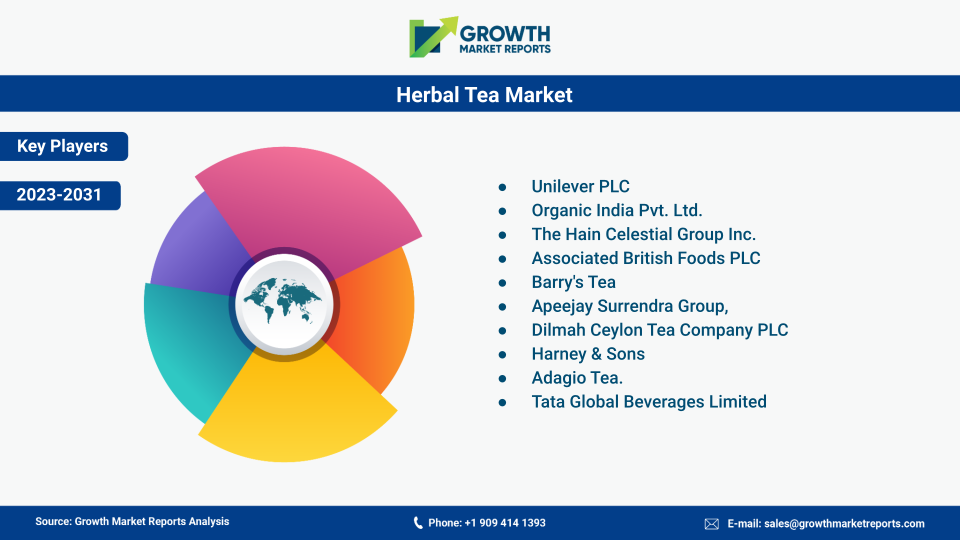
Key players in the herbal tea market include Tata Global Beverages Limited, Unilever PLC, Organic India Pvt. Ltd., The Hain Celestial Group, Inc., Associated British Foods PLC, Barry's Tea, ApeejaySurrendra Group, Dilmah Ceylon Tea Company PLC, Harney &Sons, and Adagio Tea. Mergers & acquisitions, collaborations, agreements, and partnerships are some growth strategies adopted by these players to strengthen their geographical presence.
Trends include the development of functional and fortified herbal teas, sustainable and ethical sourcing, innovative packaging, and the rise of e-commerce and subscription models. There is also growing demand for organic and personalized blends.
Herbal tea is consumed both at home (residential) and in commercial settings such as cafes, restaurants, hotels, and wellness centers. It is also used in offices, educational institutions, and healthcare facilities.
Key players include Twinings, Celestial Seasonings, Yogi Tea, The Republic of Tea, Traditional Medicinals, Unilever (Lipton), Tata Consumer Products, Bigelow Tea Company, and others.
Herbal tea is available in loose leaf, tea bags, powder, and other forms such as ready-to-drink beverages, concentrates, and sachets or capsules.
Herbal tea is distributed through supermarkets/hypermarkets, specialty stores, online retail, convenience stores, and other channels such as cafes, restaurants, and wellness centers.
Green herbal tea dominates the market due to its health benefits and cultural acceptance, especially in Asia Pacific. Black herbal tea, yellow herbal tea, oolong herbal tea, and specialty blends are also popular.
Asia Pacific is the largest and fastest-growing region for herbal tea, followed by North America and Europe. Latin America and the Middle East & Africa are emerging as promising markets due to urbanization and expanding retail infrastructure.
Key growth factors include rising health consciousness, demand for functional beverages, product innovation, the popularity of caffeine-free alternatives, and expanding distribution channels such as online retail.
The herbal tea market is expected to grow at a CAGR of 6.7% from 2025 to 2033, reaching a forecasted market size of USD 8.74 billion by 2033.
As of 2024, the global herbal tea market size reached USD 4.82 billion, reflecting strong growth driven by consumer interest in natural and wellness-oriented beverages.