Segments - by Product Type (Hot Cereals, Ready-to-Eat Cereals, Others), by Ingredient (Wheat, Rice, Oats, Corn, Barley, Others), by Distribution Channel (Supermarkets/Hypermarkets, Convenience Stores, Online Stores, Specialty Stores, Others), by Packaging Type (Boxes, Pouches, Others)
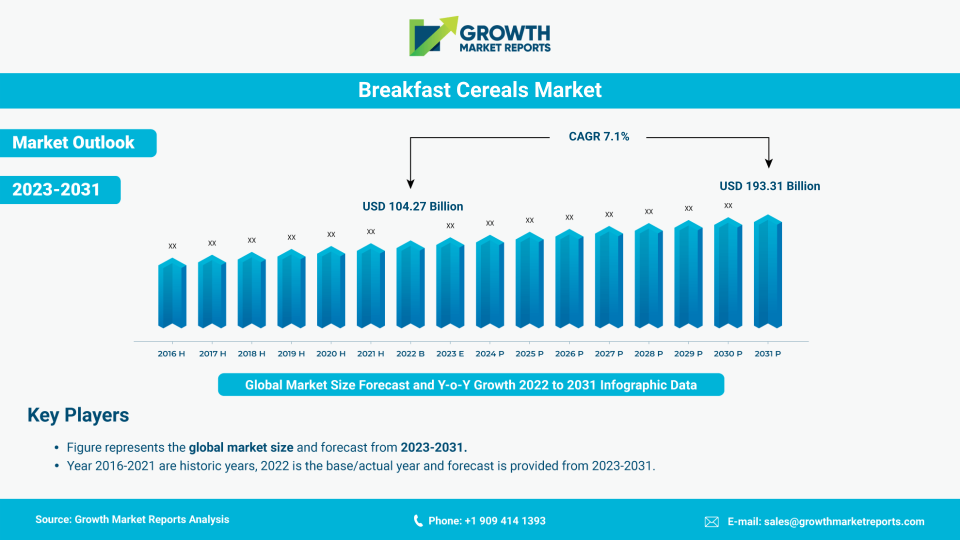
According to our latest research, the global breakfast cereals market size in 2024 is valued at USD 52.8 billion, with a robust compound annual growth rate (CAGR) of 4.7% expected from 2025 to 2033. By the end of 2033, the market is forecasted to reach approximately USD 81.3 billion. The primary growth driver is the increasing consumer inclination toward convenient, healthy, and ready-to-eat food options, particularly in urbanized regions where busy lifestyles demand quick meal solutions.
The growth trajectory of the breakfast cereals market is underpinned by evolving consumer dietary habits and the rising awareness regarding the importance of a balanced breakfast. With hectic daily routines and a growing number of working professionals, there is a significant shift towards convenient breakfast solutions that do not compromise on nutrition. The introduction of fortified cereals with added vitamins, minerals, and fibers has further enhanced their appeal, especially among health-conscious consumers. Moreover, the popularity of plant-based and gluten-free cereals is expanding the market's reach to new consumer segments, including those with dietary restrictions or preferences. This trend is anticipated to continue as manufacturers innovate with new ingredients and flavors to cater to diverse palates globally.
Another crucial factor driving the breakfast cereals market is the aggressive marketing and promotional strategies adopted by leading brands. Companies are investing heavily in advertising campaigns, celebrity endorsements, and digital marketing to boost brand visibility and consumer engagement. Packaging innovations, such as resealable pouches and eco-friendly boxes, are also playing a pivotal role in attracting environmentally conscious buyers. Additionally, the rise of private label brands in supermarkets and hypermarkets is intensifying competition, offering consumers a wider variety of options at competitive prices. These factors collectively contribute to the sustained growth and dynamism of the breakfast cereals industry.
The increasing penetration of organized retail and e-commerce platforms is significantly enhancing the accessibility of breakfast cereals, especially in developing economies. Online grocery shopping is witnessing exponential growth, driven by the convenience of home delivery and a broad assortment of products. Retailers are leveraging advanced data analytics to personalize offerings, recommend products, and optimize inventory, thereby improving the overall consumer experience. Furthermore, the expansion of supermarkets and hypermarkets in emerging markets is providing a substantial boost to the sales of breakfast cereals, as consumers gain easier access to both international and local brands.
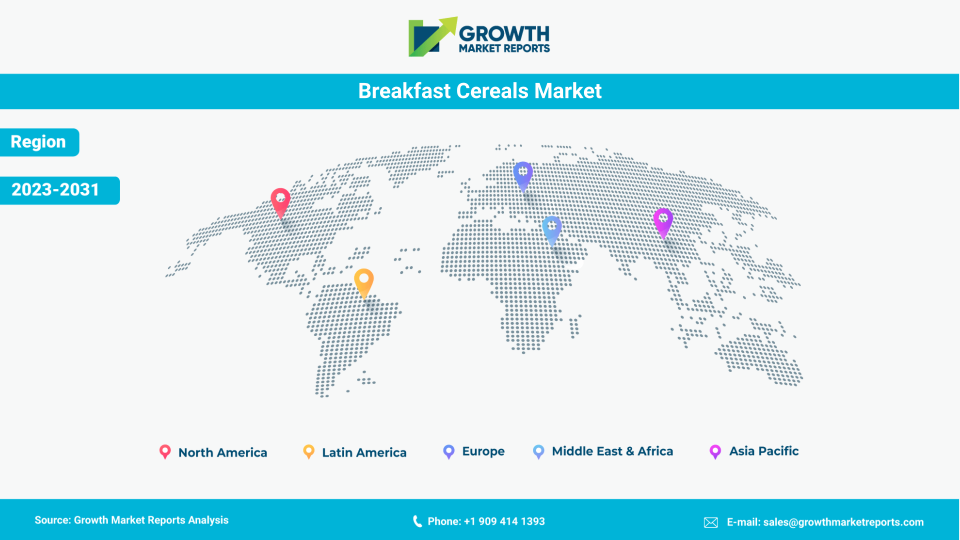
Regionally, North America and Europe continue to dominate the breakfast cereals market, accounting for a substantial share of global revenue. However, the Asia Pacific region is emerging as a lucrative market, fueled by rapid urbanization, rising disposable incomes, and shifting dietary patterns. Countries such as China, India, and Japan are witnessing increased consumption of breakfast cereals, particularly among younger demographics. Latin America and the Middle East & Africa are also exhibiting steady growth, supported by expanding retail infrastructure and growing health awareness. As these regions continue to develop economically, the demand for convenient and nutritious breakfast options is expected to surge, further propelling the global breakfast cereals market.
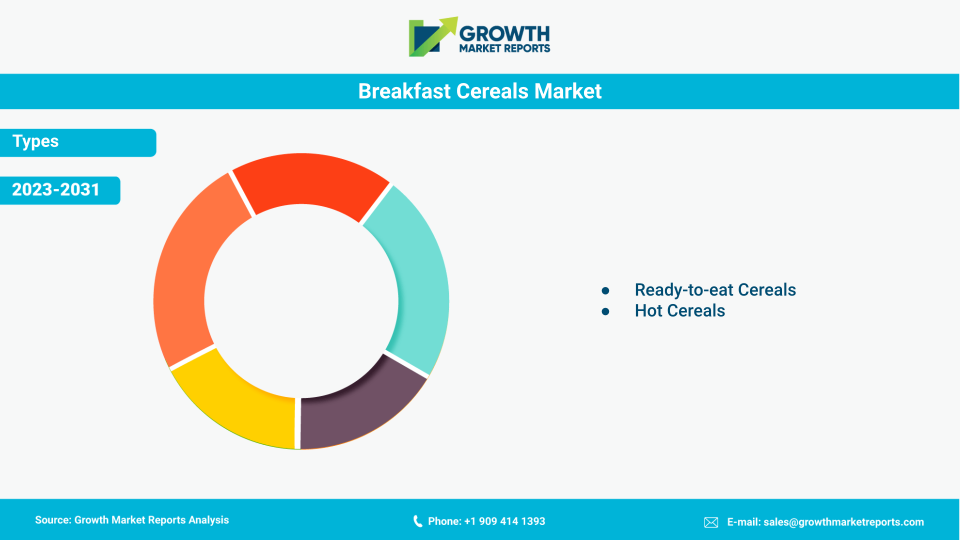
The breakfast cereals market is segmented by product type into hot cereals, ready-to-eat cereals, and others. Ready-to-eat cereals dominate the market, representing over 65% of the total market share in 2024. The convenience offered by ready-to-eat cereals, coupled with a wide variety of flavors and nutritional profiles, makes them the preferred choice among urban consumers. These cereals are particularly popular among children and working adults who seek a quick, nutritious start to their day. Manufacturers are continuously innovating in this segment, introducing products with reduced sugar, high fiber, and added protein to cater to evolving health trends.
Hot cereals, such as oatmeal and porridge, are gaining traction due to their perceived health benefits and traditional appeal. This segment is expected to witness a higher growth rate compared to ready-to-eat cereals, with consumers increasingly seeking wholesome and minimally processed breakfast options. The growing popularity of plant-based and organic hot cereals is attracting health-conscious individuals, particularly in North America and Europe. Additionally, the introduction of instant hot cereal variants that require minimal preparation time is further driving the segment’s growth, especially among time-pressed consumers.
The 'others' category, which includes muesli, granola, and specialty blends, is also expanding as consumers become more adventurous with their breakfast choices. This segment benefits from the rising demand for customizable and premium breakfast solutions. Granola, in particular, is witnessing strong demand, driven by its versatility as both a breakfast and snack option. The inclusion of superfoods, such as chia seeds, flaxseeds, and dried fruits, in these products is enhancing their nutritional value and market appeal. Manufacturers are leveraging this trend by launching innovative product lines that cater to niche consumer preferences, including vegan and allergen-free options.
Overall, the product type segmentation highlights the dynamic nature of the breakfast cereals market, with each segment catering to distinct consumer needs and preferences. The ongoing focus on health, convenience, and product innovation is expected to further diversify the product landscape, creating new growth opportunities for manufacturers and retailers alike.
| Attributes | Details |
| Report Title | Breakfast Cereals Market Research Report 2033 |
| By Product Type | Hot Cereals, Ready-to-Eat Cereals, Others |
| By Ingredient | Wheat, Rice, Oats, Corn, Barley, Others |
| By Distribution Channel | Supermarkets/Hypermarkets, Convenience Stores, Online Stores, Specialty Stores, Others |
| By Packaging Type | Boxes, Pouches, Others |
| Regions Covered | North America, Europe, APAC, Latin America, MEA |
| Base Year | 2024 |
| Historic Data | 2018-2023 |
| Forecast Period | 2025-2033 |
| Number of Pages | 285 |
| Number of Tables & Figures | 310 |
| Customization Available | Yes, the report can be customized as per your need. |
The ingredient segmentation of the breakfast cereals market encompasses wheat, rice, oats, corn, barley, and others. Oats have emerged as a leading ingredient, driven by their high fiber content and associated health benefits, including cholesterol reduction and improved digestive health. Oat-based cereals are particularly popular among health-conscious consumers and those seeking gluten-free alternatives. The demand for oat cereals is further bolstered by the growing popularity of overnight oats and instant oatmeal, which offer both convenience and nutrition.
Corn-based cereals hold a significant share of the market, especially in North America, where cornflakes have been a breakfast staple for decades. Corn cereals are favored for their crisp texture and mild flavor, making them suitable for a wide range of consumers, including children. Manufacturers are enhancing the nutritional profile of corn cereals by fortifying them with vitamins, minerals, and protein, thereby addressing the growing demand for functional foods. The versatility of corn as an ingredient also allows for the creation of innovative product formats, such as bars and clusters.
Wheat and rice cereals are also prominent in the global market, particularly in regions where these grains are dietary staples. Wheat-based cereals, such as shredded wheat and wheat flakes, are valued for their high fiber content and low sugar levels, appealing to health-focused consumers. Rice cereals, on the other hand, are often marketed as gentle and easy-to-digest options, making them popular among children and individuals with sensitive digestive systems. The inclusion of whole grains and ancient grains, such as quinoa and amaranth, in cereal formulations is further expanding the ingredient landscape.
Barley and other emerging ingredients are finding their place in the breakfast cereals market, driven by the demand for novel flavors and enhanced nutritional profiles. Barley is rich in beta-glucans, which have been linked to heart health benefits, making it an attractive ingredient for functional cereals. Specialty ingredients, including seeds, nuts, and dried fruits, are increasingly being incorporated to add texture, flavor, and nutritional value. This trend toward ingredient diversification is expected to continue, as consumers seek out cereals that align with their dietary preferences and wellness goals.
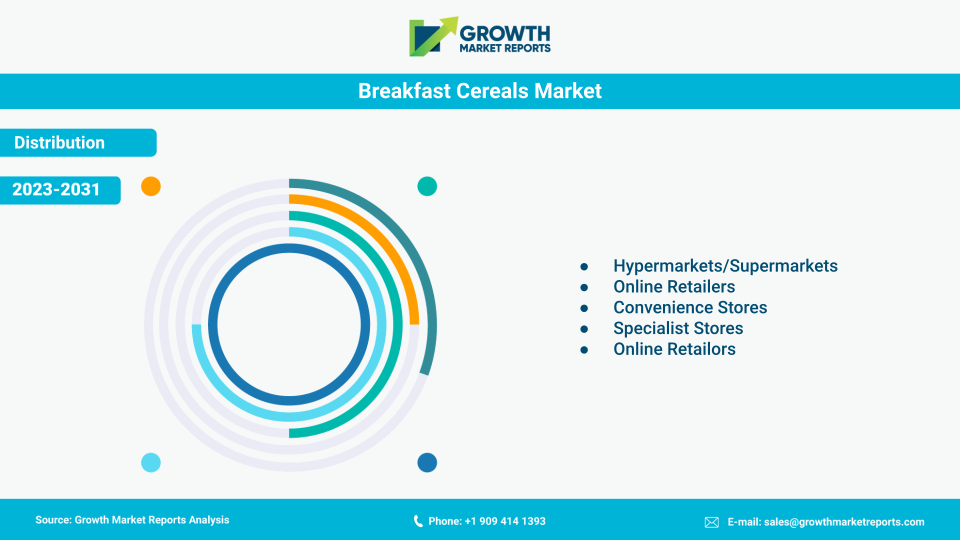
The distribution channel segmentation of the breakfast cereals market includes supermarkets/hypermarkets, convenience stores, online stores, specialty stores, and others. Supermarkets and hypermarkets remain the dominant distribution channel, accounting for over 50% of global sales in 2024. These retail outlets offer consumers the advantage of product variety, competitive pricing, and the ability to compare brands and ingredients. The presence of dedicated cereal aisles and frequent promotional activities further drive sales through this channel, making it the preferred choice for bulk purchases and family shopping.
Convenience stores play a vital role in catering to on-the-go consumers and those seeking quick, last-minute purchases. The strategic location of these stores in urban and suburban areas ensures easy accessibility, while smaller pack sizes and single-serve options cater to individual consumers and small households. Convenience stores are particularly popular in densely populated cities, where time constraints and limited storage space drive demand for ready-to-eat and portable breakfast solutions.
The rise of online stores has revolutionized the breakfast cereals market, providing consumers with unparalleled convenience and access to a wider range of products. Online platforms offer detailed product information, customer reviews, and personalized recommendations, enhancing the overall shopping experience. The COVID-19 pandemic further accelerated the shift toward e-commerce, with many consumers continuing to prefer online grocery shopping for its safety and convenience. Subscription services and direct-to-consumer models are gaining traction, enabling brands to build stronger relationships with their customers and gather valuable insights into purchasing behavior.
Specialty stores, including health food stores and organic markets, are gaining importance as consumers become more discerning about product quality and ingredient sourcing. These stores typically offer a curated selection of premium, organic, and specialty cereals, catering to niche markets such as vegan, gluten-free, and allergen-free consumers. The personalized service and product expertise provided by specialty retailers enhance consumer trust and loyalty, driving repeat purchases and word-of-mouth referrals. As health and wellness trends continue to shape consumer preferences, specialty stores are expected to play an increasingly significant role in the distribution landscape.
Packaging plays a crucial role in the breakfast cereals market, influencing consumer purchasing decisions and brand perception. The market is segmented by packaging type into boxes, pouches, and others. Boxes remain the most widely used packaging format, accounting for more than 60% of the market share in 2024. Boxes offer several advantages, including product protection, ease of stacking, and ample space for branding and nutritional information. The use of recyclable and biodegradable materials in box packaging is also resonating with environmentally conscious consumers, further enhancing the appeal of this format.
Pouches are gaining popularity as a flexible and lightweight packaging solution, particularly for single-serve and on-the-go cereal products. Pouches are easy to open, reseal, and carry, making them ideal for busy consumers and those with limited storage space. The growing demand for convenience and portability is driving the adoption of pouch packaging, especially among younger demographics and single-person households. Manufacturers are also exploring innovative pouch designs, such as stand-up and spouted pouches, to differentiate their products and improve user experience.
The 'others' category includes packaging formats such as tubs, jars, and canisters, which are primarily used for premium and specialty cereals. These packaging types offer enhanced product freshness and reusability, appealing to consumers who prioritize quality and sustainability. Transparent packaging is also gaining traction, as it allows consumers to visually assess the product before purchase, thereby increasing trust and perceived value. The use of eco-friendly materials and minimalistic designs is further driving innovation in cereal packaging, aligning with broader sustainability trends in the food industry.
Overall, packaging innovation is a key differentiator in the breakfast cereals market, with manufacturers investing in materials and designs that enhance convenience, sustainability, and shelf appeal. The growing emphasis on reducing plastic waste and improving recyclability is expected to influence future packaging trends, as both consumers and regulators demand greater environmental responsibility from food brands.
The breakfast cereals market presents significant opportunities for growth and innovation, driven by changing consumer lifestyles and dietary preferences. One of the most promising opportunities lies in the development of functional and fortified cereals that cater to specific health needs, such as heart health, digestive wellness, and immune support. The increasing prevalence of lifestyle-related health conditions, including obesity and diabetes, is prompting consumers to seek out cereals with added nutrients, reduced sugar, and high fiber content. Manufacturers can capitalize on this trend by investing in research and development to create products that deliver tangible health benefits and align with current wellness trends.
Another major opportunity is the expansion into emerging markets, where rising disposable incomes, urbanization, and changing dietary habits are driving demand for convenient and nutritious breakfast options. Markets in Asia Pacific, Latin America, and the Middle East & Africa offer substantial growth potential, particularly as retail infrastructure improves and consumers become more aware of the benefits of breakfast cereals. Localization of flavors and ingredients, as well as targeted marketing campaigns, can help brands establish a strong presence in these regions. Additionally, the adoption of digital technologies and e-commerce platforms provides a scalable and cost-effective way to reach new consumers and gather valuable market insights.
Despite the positive outlook, the breakfast cereals market faces certain restraints, the most significant being increasing consumer scrutiny regarding sugar content and the presence of artificial additives in cereal products. Health-conscious consumers are becoming more vigilant about reading labels and avoiding products with high levels of sugar, sodium, and preservatives. This trend is prompting regulatory bodies to impose stricter labeling requirements and nutritional standards, which may increase compliance costs for manufacturers. Brands that fail to adapt to these changing expectations risk losing market share to competitors offering healthier, cleaner-label alternatives.
North America remains the largest regional market for breakfast cereals, accounting for approximately USD 19.2 billion in 2024, driven by high per capita consumption, a strong culture of breakfast cereal consumption, and a well-developed retail infrastructure. The United States and Canada are the primary contributors, with consumers favoring both traditional and innovative cereal varieties. The region is characterized by a high degree of brand loyalty, extensive product innovation, and aggressive marketing strategies. While growth in North America is relatively mature, the market continues to expand through the introduction of health-focused and premium cereals.
Europe holds the second-largest share, with a market size of around USD 15.7 billion in 2024. The region is witnessing steady growth, supported by increasing health awareness, demand for organic and natural cereals, and the popularity of muesli and granola. The United Kingdom, Germany, and France are leading markets within Europe, with consumers showing a preference for both traditional and contemporary breakfast options. The European market is also characterized by stringent food safety regulations and a growing emphasis on sustainability, prompting manufacturers to invest in eco-friendly packaging and clean-label formulations.
The Asia Pacific region is the fastest-growing market, with a projected CAGR of 7.2% from 2025 to 2033. The market size in 2024 is estimated at USD 10.5 billion, with significant contributions from China, India, and Japan. Rapid urbanization, rising disposable incomes, and changing dietary habits are fueling demand for convenient breakfast solutions. The increasing penetration of modern retail and e-commerce platforms is making breakfast cereals more accessible to a wider consumer base. As awareness of the nutritional benefits of breakfast cereals grows, the Asia Pacific market is expected to play a pivotal role in driving global industry growth over the next decade.
The global breakfast cereals market is highly competitive, characterized by the presence of several multinational corporations, regional players, and emerging startups. The competitive landscape is shaped by continuous product innovation, aggressive marketing, and a strong focus on health and wellness trends. Leading companies are investing in research and development to introduce new flavors, functional ingredients, and sustainable packaging solutions that resonate with evolving consumer preferences. The rise of private label brands and direct-to-consumer channels is intensifying competition, compelling established players to differentiate their offerings and enhance customer engagement.
Mergers, acquisitions, and strategic partnerships are common strategies employed by market leaders to expand their product portfolios, enter new markets, and strengthen their distribution networks. Companies are also leveraging digital technologies to enhance their marketing efforts, streamline supply chains, and gather real-time consumer insights. The growing emphasis on sustainability is prompting manufacturers to adopt eco-friendly practices across the value chain, from sourcing raw materials to packaging and distribution. Brands that demonstrate a commitment to social and environmental responsibility are likely to gain a competitive edge in the market.
The competitive dynamics are further influenced by the entry of niche and specialty brands that cater to specific dietary needs, such as gluten-free, vegan, and organic cereals. These brands are gaining traction among health-conscious consumers and those with food allergies or intolerances. The ability to offer personalized and customizable cereal options is emerging as a key differentiator, enabling brands to build loyal customer bases and drive repeat purchases. As consumers become more discerning and demanding, the importance of product quality, transparency, and authenticity is expected to increase.
Major companies operating in the global breakfast cereals market include Kellogg Company, General Mills Inc., Nestlé S.A., PepsiCo, Inc. (Quaker), Post Holdings, Inc., and Weetabix Limited. Kellogg Company is renowned for its extensive product portfolio and global reach, with iconic brands such as Corn Flakes, Special K, and Frosted Flakes. General Mills, the maker of Cheerios and Wheaties, is a leader in health-focused innovation and sustainability initiatives. Nestlé, through its Cereal Partners Worldwide joint venture, offers a wide range of breakfast cereals tailored to regional tastes and preferences. PepsiCo’s Quaker brand is synonymous with oatmeal and hot cereals, while Post Holdings and Weetabix are known for their strong presence in both traditional and specialty cereal segments.
These companies continue to invest in expanding their product lines, enhancing nutritional profiles, and adopting sustainable practices to maintain their competitive positions. Strategic collaborations with retailers, digital marketing campaigns, and consumer education initiatives are also central to their growth strategies. As the breakfast cereals market evolves, the ability to anticipate and respond to changing consumer needs will be critical for sustained success and market leadership.
The Breakfast Cereals market has been segmented on the basis of
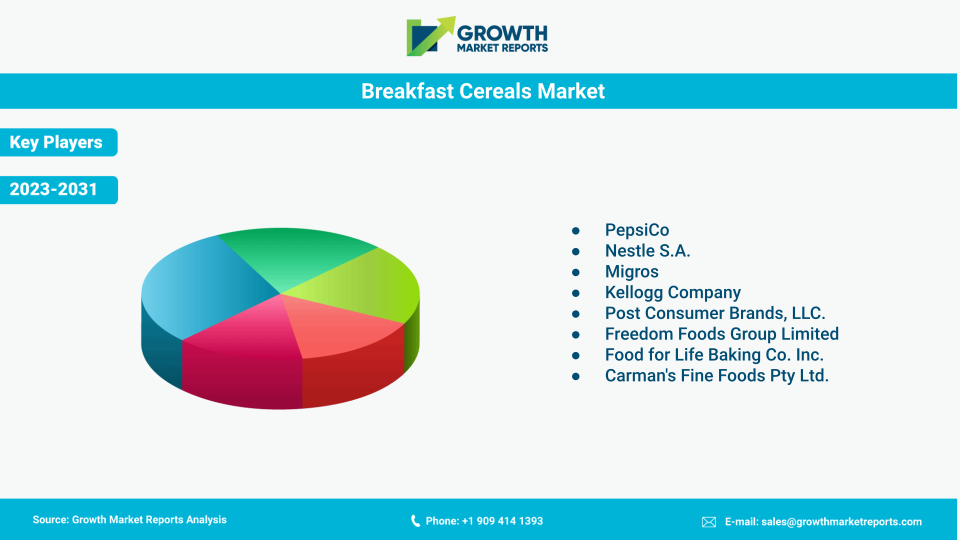
Key players competing in the global breakfast cereals market are PepsiCo; Nestle S.A.; Migros; Kellogg Company; Post Consumer Brands, LLC.; Freedom Foods Group Limited; Food for Life Baking Co. Inc.; Carman's Fine Foods Pty Ltd.; Back to Nature Foods Company, LLC.; Bob's Red Mill Natural Foods; Dr. Oetker; General Mills Inc.; Attune Foods, LLC; and Marico Limited. Some of these players are adopting several market strategies such as acquisitions, mergers, collaborations, partnerships, capacity expansion, and product launches to increase their market shares.
Opportunities include the development of functional and fortified cereals and expansion into emerging markets. Challenges include consumer concerns over sugar content and artificial additives, as well as stricter regulatory requirements.
Major players include Kellogg Company, General Mills Inc., Nestlé S.A., PepsiCo, Inc. (Quaker), Post Holdings, Inc., and Weetabix Limited.
Packaging is evolving with a focus on sustainability and convenience, with boxes being the most common, followed by pouches and other innovative formats like tubs and jars.
Oats, corn, wheat, and rice are the most popular ingredients, with oats gaining traction for their health benefits and gluten-free properties.
The main distribution channels are supermarkets/hypermarkets, convenience stores, online stores, and specialty stores, with supermarkets/hypermarkets accounting for over 50% of global sales.
North America and Europe are the leading regions, while Asia Pacific is the fastest-growing market due to rapid urbanization and rising disposable incomes.
Key trends include increasing demand for convenient and healthy breakfast options, the popularity of plant-based and gluten-free cereals, aggressive marketing strategies, and packaging innovations.
Ready-to-eat cereals dominate the market, accounting for over 65% of the total market share in 2024.
The breakfast cereals market is expected to grow at a compound annual growth rate (CAGR) of 4.7% from 2025 to 2033.
The global breakfast cereals market size in 2024 is valued at USD 52.8 billion.