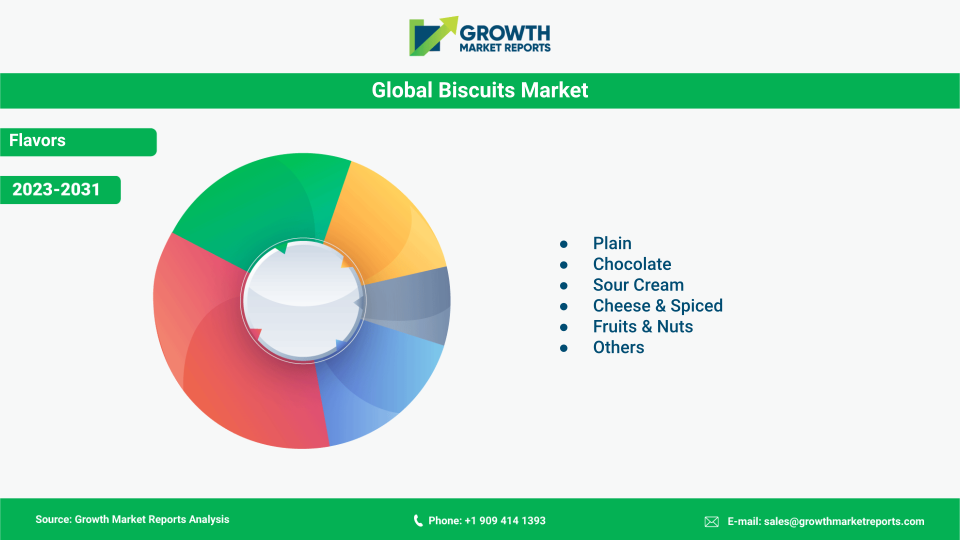
Segments - by Product Type (Sweet Biscuits, Savory Biscuits, Crackers, Filled Biscuits, Others), by Ingredient (Wheat, Oats, Multigrain, Others), by Packaging (Packets, Boxes, Jars, Others), by Distribution Channel (Supermarkets/Hypermarkets, Convenience Stores, Online Retail, Specialty Stores, Others)
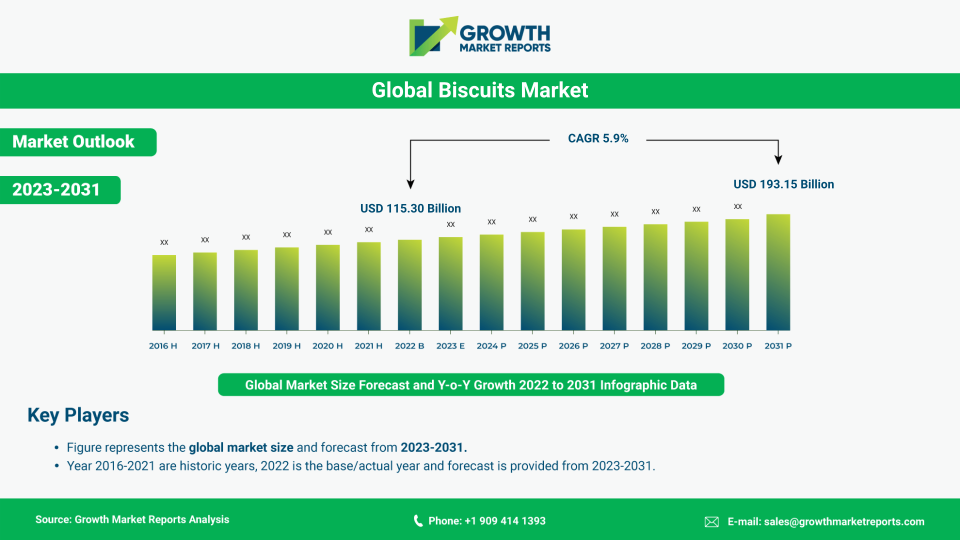
As per our latest research, the global biscuits market size in 2024 stands at USD 119.7 billion, demonstrating robust growth momentum across both developed and emerging economies. The market is projected to expand at a CAGR of 5.2% during the forecast period, reaching an estimated value of USD 187.5 billion by 2033. This impressive expansion is driven by changing consumer lifestyles, increasing demand for convenient snacking options, and continuous product innovation by manufacturers. The biscuits market is experiencing a strong upward trajectory, with health-conscious trends and premiumization further fueling its growth globally.
One of the primary growth factors propelling the biscuits market is the rising consumer preference for ready-to-eat and on-the-go food products. Urbanization and hectic lifestyles have significantly altered eating habits, with consumers seeking convenient, quick, and nutritious snacking solutions. Biscuits, with their long shelf life, portability, and variety, fit perfectly into this dynamic, making them a staple in households and workplaces alike. Furthermore, the increasing participation of women in the workforce and the growing number of nuclear families have contributed to the surge in demand for packaged food products, where biscuits play a pivotal role. The trend is particularly pronounced in emerging economies, where rapid urbanization is reshaping food consumption patterns.
Another vital driver is the ongoing product innovation and diversification within the biscuits market. Manufacturers are continuously introducing new flavors, healthier ingredient blends, and premium offerings to cater to the evolving tastes and dietary preferences of consumers. The surge in demand for gluten-free, sugar-free, and high-fiber biscuits reflects a broader shift towards health and wellness. Additionally, the incorporation of functional ingredients such as oats, multigrains, and seeds is expanding the consumer base, attracting not only traditional buyers but also health-conscious individuals and millennials. The market is also witnessing an uptick in demand for indulgent varieties such as filled biscuits and gourmet crackers, underlining the importance of innovation in sustaining market growth.
The expansion of modern retail infrastructure and the proliferation of e-commerce platforms have also played a significant role in the biscuits market’s growth. Supermarkets, hypermarkets, convenience stores, and online retail channels have made biscuits more accessible to a wider audience, particularly in rural and semi-urban areas. The increasing penetration of organized retail, coupled with aggressive marketing and promotional strategies by leading brands, has enhanced product visibility and consumer engagement. Moreover, the rise of digital platforms and direct-to-consumer channels is enabling manufacturers to reach new customer segments, personalize offerings, and respond swiftly to changing market trends.
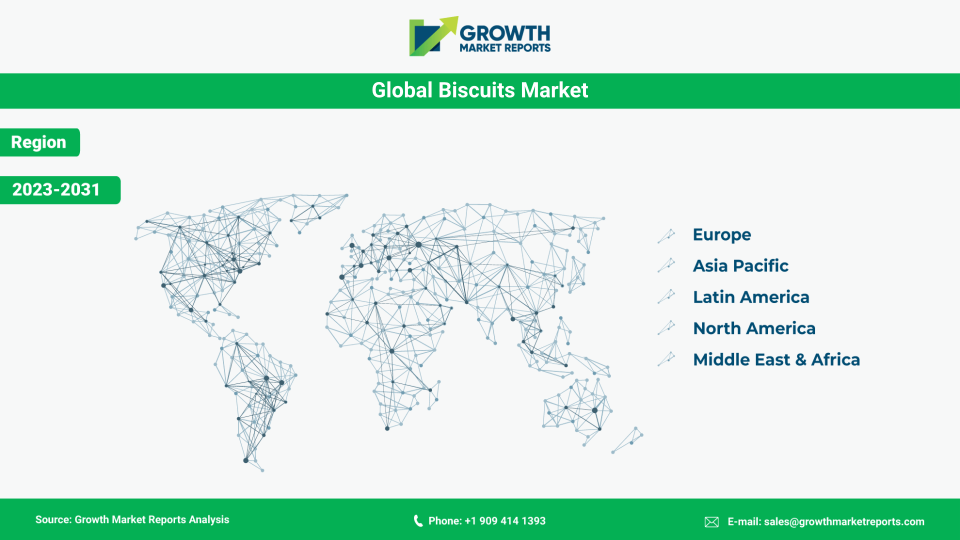
Regionally, Asia Pacific continues to dominate the global biscuits market, accounting for the largest share in both volume and value terms. The region’s growth is underpinned by a large and growing population, rising disposable incomes, and rapid urbanization. Countries such as China, India, and Indonesia are witnessing a surge in demand for packaged snacks, including biscuits, driven by a young demographic and increasing westernization of diets. North America and Europe remain significant markets, characterized by high per capita consumption and a strong focus on product innovation, premiumization, and health-oriented offerings. Meanwhile, Latin America and the Middle East & Africa are emerging as lucrative markets, supported by improving economic conditions and expanding retail networks.
The biscuits market is broadly segmented by product type into sweet biscuits, savory biscuits, crackers, filled biscuits, and others. Sweet biscuits represent the largest segment, driven by their widespread popularity among all age groups and their versatility as a snack or breakfast item. These biscuits are available in a myriad of flavors, shapes, and textures, catering to diverse consumer preferences across regions. The segment’s growth is further bolstered by continuous product launches, seasonal variants, and innovative packaging solutions that enhance consumer appeal and convenience. Sweet biscuits have also benefited from the growing trend of gifting and festive consumption, particularly in Asia Pacific and the Middle East.
Savory biscuits and crackers are gaining significant traction, especially among health-conscious consumers seeking alternatives to traditional sweet snacks. These products are often marketed as healthier options, with lower sugar content and the inclusion of ingredients such as whole grains, seeds, and herbs. The growing awareness of the adverse effects of excessive sugar consumption has led to a shift in consumer preferences towards savory and lightly salted biscuits. Manufacturers are responding by expanding their product portfolios to include baked, low-fat, and high-fiber varieties, thereby attracting a broader customer base and driving incremental growth in this segment.
Filled biscuits, which include cream-filled, chocolate-filled, and fruit-filled varieties, are emerging as a fast-growing segment within the global biscuits market. These products appeal to both children and adults, offering indulgence and variety in taste and texture. The segment’s growth is supported by continuous innovation in fillings, flavors, and packaging, as well as aggressive marketing campaigns targeting younger demographics. Filled biscuits are increasingly being positioned as premium products, with brands launching limited-edition flavors and collaborations with popular confectionery brands to capture consumer interest and boost sales.
Other biscuit types, such as digestive biscuits, specialty biscuits, and ethnic varieties, also contribute to the overall market growth. Digestive and specialty biscuits, in particular, are gaining popularity among health-conscious consumers due to their perceived health benefits and functional ingredients. Ethnic and regional biscuit varieties, which cater to local tastes and preferences, are witnessing renewed interest as manufacturers seek to differentiate their offerings and tap into niche markets. The growing demand for artisanal and handmade biscuits, especially in developed markets, is further diversifying the product landscape and creating new growth opportunities for both established brands and emerging players.
| Attributes | Details |
| Report Title | Biscuits Market Research Report 2033 |
| By Product Type | Sweet Biscuits, Savory Biscuits, Crackers, Filled Biscuits, Others |
| By Ingredient | Wheat, Oats, Multigrain, Others |
| By Packaging | Packets, Boxes, Jars, Others |
| By Distribution Channel | Supermarkets/Hypermarkets, Convenience Stores, Online Retail, Specialty Stores, Others |
| Regions Covered | North America, Europe, APAC, Latin America, MEA |
| Base Year | 2024 |
| Historic Data | 2018-2023 |
| Forecast Period | 2025-2033 |
| Number of Pages | 268 |
| Number of Tables & Figures | 365 |
| Customization Available | Yes, the report can be customized as per your need. |
The choice of ingredients plays a crucial role in shaping consumer preferences and driving innovation in the biscuits market. Wheat remains the predominant ingredient, owing to its widespread availability, cost-effectiveness, and desirable baking properties. Wheat-based biscuits are favored for their familiar taste, texture, and versatility, making them the go-to choice for mass-market products. However, as consumers become increasingly health-conscious, there is a growing demand for biscuits made from alternative grains and ingredients that offer enhanced nutritional benefits and cater to specific dietary needs.
Oats have emerged as a popular ingredient in the biscuits market, thanks to their high fiber content, heart-healthy properties, and growing association with wellness. Oat-based biscuits appeal to health-conscious consumers seeking to incorporate more whole grains and functional foods into their diets. These biscuits are often positioned as breakfast or snack options, targeting urban professionals, fitness enthusiasts, and individuals with specific health concerns such as cholesterol management. The rising popularity of oats is prompting manufacturers to innovate with new flavors, textures, and formats, further expanding the market for oat-based biscuits.
Multigrain biscuits represent another fast-growing segment, driven by the increasing awareness of the health benefits associated with consuming a variety of grains. Multigrain formulations typically include a blend of wheat, oats, barley, millet, and other grains, offering a richer nutritional profile and appealing to consumers seeking balanced and wholesome snacks. The segment’s growth is supported by aggressive marketing campaigns highlighting the benefits of multigrain consumption, as well as endorsements by nutritionists and health experts. Multigrain biscuits are particularly popular among urban consumers and families with young children, who are increasingly prioritizing health and wellness in their food choices.
Other ingredients, such as gluten-free flours, seeds, nuts, and natural sweeteners, are gaining traction as manufacturers respond to the growing demand for specialty and functional biscuits. Gluten-free biscuits cater to individuals with celiac disease or gluten intolerance, while biscuits enriched with seeds, nuts, and superfoods target the premium and health-conscious segments. The use of natural sweeteners, such as honey and stevia, is also on the rise, driven by concerns over artificial additives and sugar consumption. These trends are reshaping the ingredient landscape of the biscuits market, encouraging continuous innovation and diversification.
Packaging plays a pivotal role in the biscuits market, influencing consumer perceptions, enhancing product shelf life, and supporting brand differentiation. Packets remain the most common packaging format, favored for their convenience, cost-effectiveness, and suitability for a wide range of biscuit types. Packet packaging is particularly popular in emerging markets, where affordability and portability are key considerations for consumers. Manufacturers are investing in innovative packaging materials and designs to improve product freshness, reduce environmental impact, and enhance visual appeal on retail shelves.
Boxes are another widely used packaging format, especially for premium, gift, and family-sized biscuit packs. Box packaging offers superior protection against breakage and moisture, making it ideal for delicate or artisanal biscuits. The use of attractive graphics, branding, and window displays on boxes helps to create a premium image and attract discerning consumers. Boxed biscuits are often associated with festive occasions, celebrations, and gifting, particularly in markets such as Europe, the Middle East, and Asia Pacific, where biscuits play a significant role in social and cultural traditions.
Jars and tins are commonly used for specialty and high-end biscuits, offering a unique combination of aesthetics, functionality, and reusability. Packaging biscuits in jars or tins not only enhances product protection and shelf life but also adds value through reusable containers that can be repurposed by consumers. This packaging format is particularly popular for gourmet, artisanal, and seasonal biscuits, as well as for export markets where presentation and durability are critical. The growing demand for sustainable and eco-friendly packaging solutions is encouraging manufacturers to explore recyclable, biodegradable, and reusable materials for jars and tins.
Other packaging formats, including pouches, trays, and multipacks, are gaining popularity as manufacturers seek to cater to diverse consumer needs and consumption occasions. Multipacks, for example, are ideal for families and bulk buyers, while single-serve pouches address the needs of on-the-go consumers and portion control. The adoption of smart packaging technologies, such as QR codes and freshness indicators, is also on the rise, enabling brands to engage with consumers, track product quality, and enhance the overall consumption experience. As packaging continues to evolve, it will remain a key driver of differentiation and growth in the biscuits market.
The distribution landscape of the biscuits market is characterized by a diverse mix of traditional and modern retail channels, each playing a unique role in product accessibility and consumer engagement. Supermarkets and hypermarkets account for the largest share of biscuit sales globally, owing to their extensive product assortments, competitive pricing, and convenient shopping experience. These retail formats provide consumers with the opportunity to compare different brands, flavors, and packaging options, driving impulse purchases and brand switching. The expansion of organized retail infrastructure, particularly in emerging markets, is further boosting the visibility and availability of biscuits across urban and semi-urban areas.
Convenience stores represent another important distribution channel, especially for single-serve and impulse-buy biscuit products. These stores are strategically located in residential and commercial areas, catering to the needs of busy consumers seeking quick and easy snacking solutions. The rise of modern convenience store chains in Asia Pacific, Latin America, and the Middle East is contributing to the growth of this channel, enabling manufacturers to reach new customer segments and drive incremental sales. Convenience stores are also leveraging technology and digital platforms to enhance inventory management, product placement, and promotional activities.
Online retail is emerging as a game-changer in the biscuits market, driven by the rapid adoption of e-commerce platforms and changing consumer shopping habits. The convenience of home delivery, a wide selection of products, and attractive discounts are encouraging consumers to purchase biscuits online, particularly during and post-pandemic periods. E-commerce platforms enable manufacturers to launch exclusive products, conduct targeted marketing campaigns, and collect valuable consumer insights. The growth of online retail is also facilitating the entry of niche and artisanal biscuit brands, which may not have a significant presence in traditional retail channels.
Specialty stores, including health food stores, gourmet shops, and ethnic grocery outlets, cater to specific consumer segments seeking premium, functional, or ethnic biscuit varieties. These stores offer a curated selection of products, personalized service, and expert advice, attracting health-conscious, affluent, and culturally diverse consumers. The growth of specialty stores is supported by rising consumer interest in unique and high-quality food products, as well as increasing awareness of dietary restrictions and preferences. Other distribution channels, such as vending machines, direct sales, and institutional sales, also contribute to the overall market, providing additional avenues for manufacturers to reach diverse consumer groups.
The biscuits market offers significant opportunities for growth, particularly through product innovation and diversification. As consumer preferences evolve, manufacturers have the chance to develop new flavors, formats, and health-oriented offerings that cater to specific dietary needs and lifestyle trends. The rising demand for gluten-free, vegan, organic, and fortified biscuits presents a lucrative opportunity for brands to differentiate themselves and tap into niche markets. Additionally, the expansion of e-commerce and direct-to-consumer channels allows manufacturers to reach new customer segments, personalize offerings, and build stronger brand loyalty. Collaborations with health experts, nutritionists, and food technologists can further enhance the credibility and appeal of innovative biscuit products, driving sustained growth and profitability.
Another major opportunity lies in the expansion of the biscuits market into emerging economies, where rising incomes, urbanization, and changing dietary habits are driving increased consumption of packaged snacks. Investments in local production facilities, distribution networks, and marketing campaigns can help manufacturers establish a strong foothold in these high-growth markets. The adoption of sustainable and eco-friendly packaging solutions is also emerging as a key differentiator, as consumers become more environmentally conscious and demand responsible business practices. Brands that prioritize sustainability, transparency, and social responsibility are likely to gain a competitive edge and attract a loyal customer base.
Despite these opportunities, the biscuits market faces several restraining factors, including intense competition, price sensitivity, and changing regulatory environments. The proliferation of local and international brands has intensified competition, leading to price wars, margin pressures, and the need for continuous innovation. Rising raw material costs, particularly for wheat, sugar, and packaging materials, can impact profitability and necessitate price adjustments. Regulatory changes related to food safety, labeling, and advertising may also pose challenges, requiring manufacturers to invest in compliance and quality assurance. Furthermore, growing health concerns related to sugar, fat, and calorie content may lead to shifting consumer preferences towards healthier alternatives, necessitating ongoing reformulation and product development efforts.
Asia Pacific remains the largest and fastest-growing region in the global biscuits market, accounting for approximately USD 47.9 billion in sales in 2024. The region’s dominance is fueled by a large and youthful population, rising disposable incomes, and rapid urbanization, particularly in countries like China, India, and Indonesia. The increasing adoption of western eating habits, coupled with the expansion of modern retail and e-commerce channels, is driving the consumption of packaged snacks, including biscuits. Manufacturers are investing in local production, product innovation, and targeted marketing campaigns to cater to diverse regional tastes and preferences. The Asia Pacific biscuits market is projected to grow at a CAGR of 6.1% through 2033, outpacing other regions and offering significant growth opportunities for both domestic and international brands.
North America and Europe together account for a substantial share of the global biscuits market, with combined sales of approximately USD 48.2 billion in 2024. These mature markets are characterized by high per capita consumption, a strong focus on product innovation, and a growing demand for premium and health-oriented biscuit varieties. In North America, the United States and Canada lead the market, driven by a preference for convenient, portable snacks and a growing interest in gluten-free and organic products. Europe, with its rich tradition of biscuit consumption and artisanal production, remains a hub for premium, specialty, and seasonal biscuits. Both regions are witnessing increased competition from private label and niche brands, as well as a shift towards sustainable packaging and ethical sourcing practices.
Latin America and the Middle East & Africa are emerging as promising markets for biscuits, with combined sales reaching USD 23.6 billion in 2024. Economic growth, urbanization, and the expansion of modern retail infrastructure are driving increased consumption of packaged snacks in these regions. In Latin America, Brazil and Mexico are the key markets, while in the Middle East & Africa, countries such as Saudi Arabia, the United Arab Emirates, and South Africa are witnessing rising demand for biscuits. The growth of these markets is supported by investments in local manufacturing, distribution, and marketing, as well as the introduction of affordable and culturally relevant products. As these regions continue to develop, they are expected to contribute significantly to the overall growth of the global biscuits market.
The global biscuits market is highly competitive, with a diverse mix of multinational corporations, regional players, and local brands vying for market share. The competitive landscape is characterized by continuous product innovation, aggressive marketing strategies, and a strong focus on brand differentiation. Leading companies are investing heavily in research and development to introduce new flavors, health-oriented formulations, and premium offerings that cater to evolving consumer preferences. The ability to adapt quickly to changing market trends, regulatory requirements, and consumer demands is a key determinant of success in this dynamic industry. Strategic partnerships, mergers and acquisitions, and expansion into emerging markets are common strategies employed by major players to strengthen their market position and drive growth.
Brand loyalty and consumer trust play a crucial role in the biscuits market, with established brands leveraging their heritage, quality, and distribution networks to maintain a competitive edge. However, the rise of private label and niche brands is intensifying competition, particularly in mature markets such as North America and Europe. These brands are often able to offer competitive pricing, innovative products, and targeted marketing campaigns that resonate with specific consumer segments. The growing importance of sustainability, transparency, and ethical sourcing is also influencing competitive dynamics, with brands that prioritize responsible business practices gaining favor among environmentally conscious consumers.
Digital transformation and the adoption of e-commerce and direct-to-consumer channels are reshaping the competitive landscape, enabling both established and emerging brands to reach new customer segments and personalize their offerings. The use of data analytics, social media, and influencer marketing is enhancing brand visibility, consumer engagement, and loyalty. Companies that effectively leverage digital platforms to understand consumer preferences, respond to feedback, and launch targeted campaigns are likely to outperform their competitors. Furthermore, the integration of smart packaging technologies and traceability solutions is providing additional opportunities for differentiation and value creation.
Some of the major companies operating in the global biscuits market include Mondelez International, Kellogg Company, Britannia Industries Limited, Parle Products Pvt. Ltd., Nestlé S.A., Pladis Global (United Biscuits), Campbell Soup Company (Pepperidge Farm), Grupo Bimbo, ITC Limited, and Lotus Bakeries. Mondelez International, with its iconic brands such as Oreo and Chips Ahoy!, leads the market in terms of innovation, global reach, and brand recognition. Britannia and Parle are dominant players in India, leveraging extensive distribution networks and strong brand equity to capture a significant share of the market. Nestlé and Kellogg continue to expand their portfolios with health-oriented and premium biscuit offerings, while Pladis Global and Lotus Bakeries focus on premium, artisanal, and specialty biscuits.
Grupo Bimbo, with a strong presence in Latin America and North America, is expanding its footprint through acquisitions and the introduction of innovative products. Campbell Soup Company, through its Pepperidge Farm brand, is a key player in the premium and specialty biscuit segment in North America. ITC Limited, another major player in India, is known for its diverse portfolio and focus on quality and innovation. These companies are continuously investing in product development, marketing, and sustainability initiatives to maintain their competitive edge and drive long-term growth. The global biscuits market is expected to remain highly dynamic, with ongoing innovation, evolving consumer preferences, and intensifying competition shaping its future trajectory.
The Biscuits market has been segmented on the basis of
Key players in the global biscuits market include Bahlsen GmbH & Co. KG, Britannia Industries, Burton's Biscuits Co, ITC Limited, Kambly SA, Lance, Lotus Bakeries Corporate, Mondelez International, Parle Products Pvt. Ltd, pladis, ÜlkerBisküviSanayi A.Ş., and Walker's Shortbread Ltd.
These players engage in mergers & acquisitions, collaborations, agreements, and partnerships to strengthen their geographical presence.

E-commerce is rapidly expanding the reach of biscuit brands, enabling direct-to-consumer sales, exclusive product launches, targeted marketing, and easier access for niche and artisanal brands.
Opportunities include product innovation (gluten-free, vegan, organic), expansion into emerging markets, and sustainable packaging. Challenges include intense competition, price sensitivity, rising raw material costs, and regulatory changes.
Major companies include Mondelez International, Nestlé S.A., Kellogg Company, Parle Products, Britannia Industries, Grupo Bimbo, Campbell Soup Company (Pepperidge Farm), Lotus Bakeries, Pladis Global (United Biscuits), and ITC Limited.
Biscuits are commonly packaged in packets, boxes, jars, tins, pouches, and multipacks. They are distributed through supermarkets/hypermarkets, convenience stores, online retail, specialty stores, and other channels such as vending machines and direct sales.
Wheat is the most common ingredient, but there is growing demand for biscuits made with oats, multigrain blends, seeds, nuts, gluten-free flours, and natural sweeteners like honey and stevia.
Key trends include rising demand for convenient and on-the-go snacks, product innovation (new flavors, healthier ingredients), premiumization, health-conscious options (gluten-free, sugar-free, high-fiber), and the expansion of e-commerce and modern retail channels.
The biscuits market is segmented into sweet biscuits, savory biscuits, crackers, filled biscuits (such as cream-filled and chocolate-filled), and other specialty or ethnic varieties.
Asia Pacific is the largest and fastest-growing region in the global biscuits market, driven by a large population, rising incomes, and rapid urbanization, especially in countries like China, India, and Indonesia.
The biscuits market is expected to grow at a CAGR of 5.2% from 2025 to 2033, reaching an estimated value of USD 187.5 billion by 2033.
The global biscuits market size in 2024 is valued at USD 119.7 billion, with strong growth momentum across both developed and emerging economies.