Synthetic Human Secretin Market Research Report 2033

Synthetic Human Secretin Market Research Report 2033

Segments - by Product Type (Injectable Synthetic Human Secretin, Oral Synthetic Human Secretin, Others), by Application (Diagnostic Agents, Therapeutic Agents, Others), by End-User (Hospitals, Diagnostic Centers, Research Institutes, Others), by Distribution Channel (Hospital Pharmacies, Retail Pharmacies, Online Pharmacies, Others)

https://growthmarketreports.com/raksha
Author : Raksha Sharma
https://growthmarketreports.com/Vaibhav
Fact-checked by : V. Chandola
https://growthmarketreports.com/Shruti
Editor : Shruti Bhat

Upcoming | Report ID :HC-3996 | 4.9 Rating | 71 Reviews | 262 Pages | Format : Docx PDF

Report Description


Synthetic Human Secretin Market Outlook

According to our latest research, the global synthetic human secretin market size reached USD 38.7 million in 2024, reflecting a robust demand for advanced diagnostic and therapeutic solutions in gastroenterology and related fields. The market is expected to grow at a CAGR of 8.2% from 2025 to 2033, reaching an estimated USD 77.2 million by the end of the forecast period. This growth is primarily driven by the rising prevalence of gastrointestinal disorders, increasing adoption of synthetic peptides in clinical practice, and significant advancements in biotechnology and pharmaceutical manufacturing.

One of the primary growth drivers for the synthetic human secretin market is the escalating incidence of gastrointestinal diseases such as pancreatitis, Zollinger-Ellison syndrome, and cystic fibrosis, which require precise diagnostic and therapeutic interventions. The global burden of these disorders has prompted a surge in demand for reliable diagnostic agents, with synthetic human secretin emerging as a preferred choice due to its high purity, consistent biological activity, and reduced risk of immunogenic reactions compared to animal-derived alternatives. Furthermore, the increasing awareness among healthcare practitioners regarding the advantages of synthetic secretin, coupled with the expanding applications in both diagnostic imaging and therapeutic protocols, is expected to further accelerate market growth.

Another significant factor fueling the expansion of the synthetic human secretin market is the rapid advancements in peptide synthesis technologies. Modern manufacturing processes enable the production of synthetic secretin with improved stability, bioavailability, and scalability, making it suitable for a broader range of clinical and research applications. The pharmaceutical industry's growing investment in research and development, particularly in the field of peptide-based drugs, has led to the introduction of innovative formulations such as injectable and oral synthetic secretin. These advancements not only enhance patient compliance but also open new avenues for the use of synthetic secretin in diverse therapeutic areas, including neuroendocrine and metabolic disorders.

The increasing collaboration between academic research institutes, biotechnology companies, and pharmaceutical manufacturers is also contributing significantly to the growth of the synthetic human secretin market. These partnerships facilitate the translation of cutting-edge research into commercial products, enabling the development of novel diagnostic and therapeutic agents based on synthetic secretin. Additionally, favorable regulatory frameworks in key markets such as North America and Europe have streamlined the approval process for synthetic peptides, further supporting market expansion. The integration of synthetic secretin into diagnostic protocols for pancreatic function testing and magnetic resonance cholangiopancreatography (MRCP) is particularly noteworthy, as it underscores the clinical value and growing acceptance of these products.

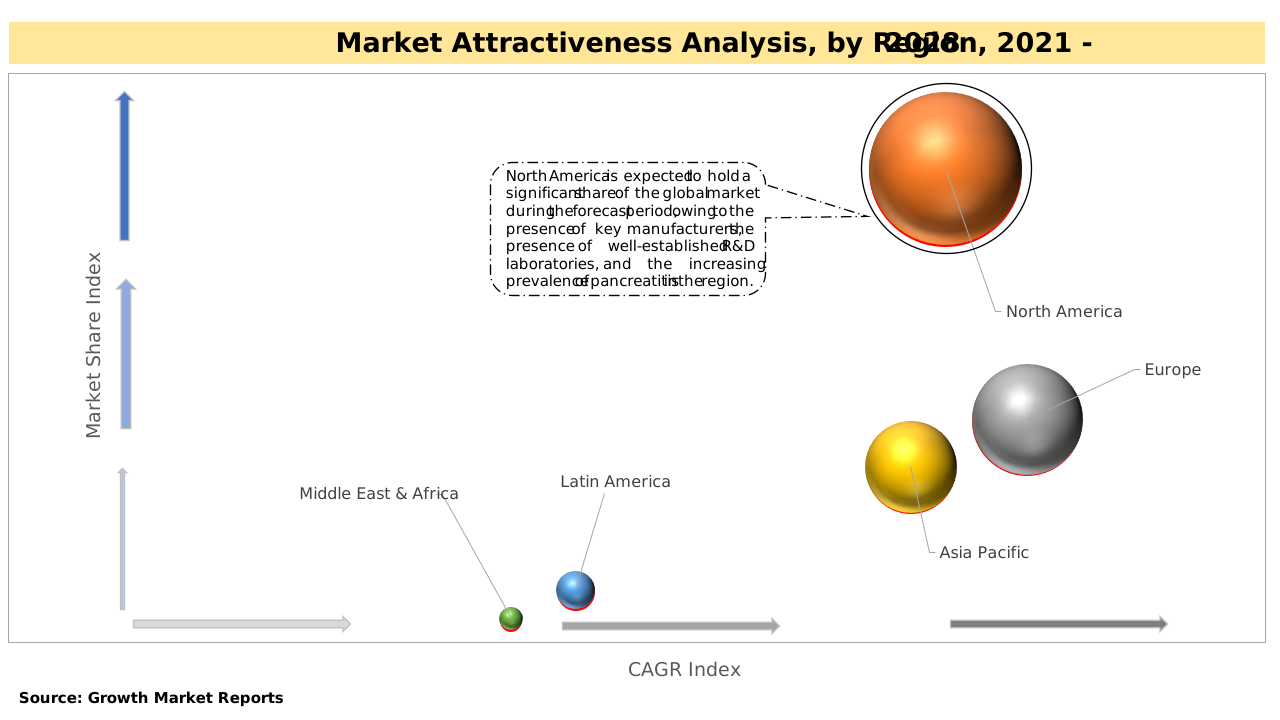
From a regional perspective, North America currently dominates the synthetic human secretin market, accounting for the largest share in 2024 due to its advanced healthcare infrastructure, high healthcare expenditure, and strong presence of leading pharmaceutical companies. Europe follows closely, driven by increasing adoption of innovative diagnostic agents and supportive government policies. The Asia Pacific region is poised for the fastest growth over the forecast period, attributed to rising healthcare investments, growing awareness about gastrointestinal health, and expanding access to advanced medical technologies. Latin America and the Middle East & Africa are also witnessing gradual increases in market penetration, supported by improving healthcare systems and rising disease prevalence.

Global Synthetic Human Secretin Industry Outlook

Product Type Analysis

The product type segment of the synthetic human secretin market is broadly categorized into injectable synthetic human secretin, oral synthetic human secretin, and others. Injectable synthetic human secretin currently dominates the market, primarily due to its established efficacy in diagnostic imaging procedures such as pancreatic function tests and MRCP. The injectable form ensures rapid onset of action, precise dosing, and reliable pharmacokinetics, making it the preferred choice in hospital and clinical settings. Furthermore, the widespread use of injectable secretin in both adult and pediatric populations underscores its versatility and clinical relevance, driving sustained demand across major healthcare markets.

Oral synthetic human secretin, while still in the early stages of commercialization, represents a promising area of innovation within the market. The development of oral formulations is driven by the need for enhanced patient compliance, particularly in outpatient and chronic care settings. Advances in drug delivery technologies, such as encapsulation and sustained-release systems, are enabling the creation of oral secretin products with improved stability and bioavailability. Although regulatory approvals for oral synthetic secretin are currently limited, ongoing clinical trials and research initiatives are expected to accelerate the introduction of these products in the coming years, thereby expanding the market’s scope.

The 'others' category in the product type segment includes novel formulations and combination products that incorporate synthetic human secretin with other diagnostic or therapeutic agents. These products are being developed to address specific clinical needs, such as enhanced imaging contrast or targeted delivery to diseased tissues. The integration of synthetic secretin into multifunctional diagnostic kits and personalized medicine protocols is indicative of the market’s evolving landscape. As research in peptide engineering and molecular diagnostics advances, the potential for innovative product offerings within this segment is expected to grow, contributing to the overall expansion of the synthetic human secretin market.

In summary, the product type segment is characterized by a dynamic interplay between established injectable formulations and emerging oral and combination products. The continued focus on improving the safety, efficacy, and convenience of synthetic secretin formulations is likely to drive sustained innovation and market growth. As healthcare providers increasingly recognize the clinical benefits of synthetic secretin, the adoption of both traditional and novel product types is expected to rise, further solidifying the market’s position in the global healthcare landscape.

Report Scope

Attributes Details
Report Title Synthetic Human Secretin Market Research Report 2033
By Product Type Injectable Synthetic Human Secretin, Oral Synthetic Human Secretin, Others
By Application Diagnostic Agents, Therapeutic Agents, Others
By End-User Hospitals, Diagnostic Centers, Research Institutes, Others
By Distribution Channel Hospital Pharmacies, Retail Pharmacies, Online Pharmacies, Others
Regions Covered North America, Europe, APAC, Latin America, MEA
Base Year 2024
Historic Data 2018-2023
Forecast Period 2025-2033
Number of Pages 262
Number of Tables & Figures 315
Customization Available Yes, the report can be customized as per your need.

Application Analysis

The application segment of the synthetic human secretin market is divided into diagnostic agents, therapeutic agents, and others. Diagnostic applications currently account for the largest share of the market, driven by the widespread use of synthetic secretin in pancreatic function testing, MRCP, and other imaging procedures. The high specificity and sensitivity of synthetic secretin in stimulating pancreatic and biliary secretions make it an invaluable tool for diagnosing a range of gastrointestinal and endocrine disorders. The growing emphasis on early and accurate diagnosis, coupled with the increasing adoption of advanced imaging modalities, is expected to sustain the dominance of diagnostic applications throughout the forecast period.

Therapeutic applications of synthetic human secretin are gaining traction, particularly in the management of conditions such as autism spectrum disorders, neuroendocrine tumors, and metabolic syndromes. Although the therapeutic use of secretin is still under investigation in several areas, ongoing clinical trials and research studies are exploring its potential to modulate gastrointestinal motility, hormone secretion, and neural signaling. The expanding body of evidence supporting the therapeutic efficacy of synthetic secretin is likely to drive increased adoption in specialized clinical settings, paving the way for new treatment protocols and personalized medicine approaches.

The 'others' category within the application segment encompasses experimental and off-label uses of synthetic human secretin in research and clinical practice. These applications include its use as a research tool in basic and translational studies, as well as its incorporation into combination therapies for complex diseases. The versatility of synthetic secretin as a biological modulator has attracted significant interest from academic and industry researchers, leading to the exploration of novel applications beyond traditional diagnostic and therapeutic domains. As scientific understanding of secretin’s mechanisms of action deepens, the range of potential applications is expected to broaden, contributing to the market’s long-term growth.

Overall, the application segment reflects the multifaceted nature of the synthetic human secretin market, with diagnostic and therapeutic uses driving core demand and innovative research applications fueling future expansion. The ongoing integration of synthetic secretin into clinical and research protocols underscores its value as a versatile and reliable biological agent. As healthcare systems worldwide continue to prioritize precision medicine and early intervention, the demand for high-quality synthetic secretin products across diverse applications is set to increase significantly.

End-User Analysis

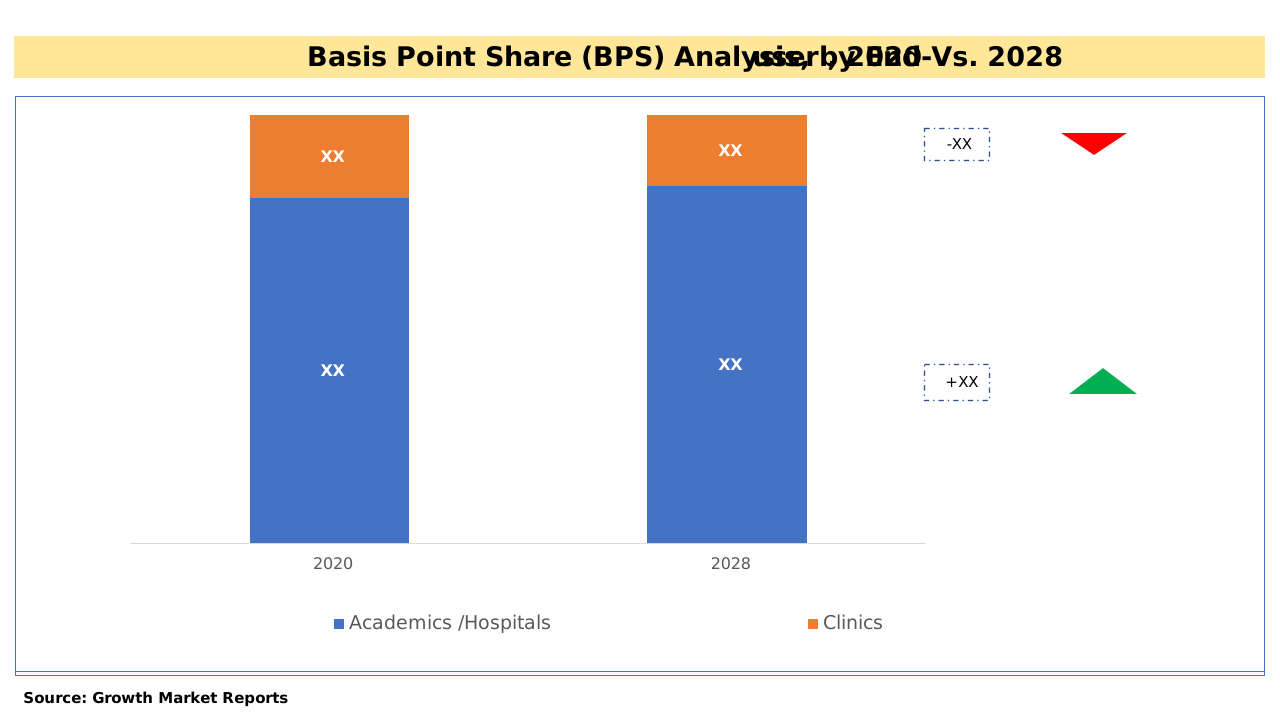
The end-user segment of the synthetic human secretin market includes hospitals, diagnostic centers, research institutes, and others. Hospitals represent the largest end-user category, accounting for a substantial share of the market due to their central role in the diagnosis and treatment of gastrointestinal and endocrine disorders. The availability of advanced diagnostic equipment, specialized medical personnel, and integrated care pathways in hospital settings facilitates the widespread use of synthetic secretin for both routine and complex clinical procedures. The growing trend toward hospital-based diagnostic imaging and interventional therapies is expected to further bolster demand for synthetic secretin products in this segment.

Diagnostic centers constitute another key end-user group, driven by the increasing demand for specialized imaging and laboratory services. These centers often serve as referral hubs for complex diagnostic procedures, including pancreatic function tests and MRCP, where synthetic secretin is routinely employed. The expansion of diagnostic center networks, particularly in urban and semi-urban areas, is enhancing access to advanced diagnostic modalities and driving market growth. Additionally, the emphasis on cost-effective and timely diagnostics is prompting diagnostic centers to adopt high-quality synthetic secretin products to ensure accurate and reliable test results.

Research institutes play a vital role in the synthetic human secretin market, particularly in the context of drug discovery, translational research, and clinical trials. The use of synthetic secretin as a research tool enables scientists to investigate its biological effects, develop new diagnostic and therapeutic agents, and explore its potential in emerging areas such as neuroendocrinology and metabolic regulation. The increasing investment in biomedical research, coupled with the proliferation of collaborative research initiatives, is expected to drive sustained demand for synthetic secretin in academic and research settings.

The 'others' category within the end-user segment includes specialty clinics, ambulatory surgical centers, and home healthcare providers. These settings are increasingly adopting synthetic secretin products to support outpatient diagnostics, chronic disease management, and personalized medicine approaches. The growing focus on decentralized healthcare delivery and patient-centric care models is likely to expand the use of synthetic secretin beyond traditional hospital and diagnostic center environments, further diversifying the market’s end-user base.

Distribution Channel Analysis

The distribution channel segment of the synthetic human secretin market comprises hospital pharmacies, retail pharmacies, online pharmacies, and others. Hospital pharmacies dominate the distribution landscape, given their direct integration with hospital-based diagnostic and therapeutic services. The ability to ensure timely and secure supply of synthetic secretin products for inpatient and outpatient procedures makes hospital pharmacies the preferred distribution channel for healthcare providers. Furthermore, the stringent quality control and inventory management protocols in hospital pharmacies enhance the reliability and safety of synthetic secretin administration.

Retail pharmacies represent a growing distribution channel, particularly in regions with well-established pharmaceutical retail networks. The increasing availability of synthetic secretin products through retail pharmacies is improving patient access to these agents, especially for outpatient and chronic care applications. Retail pharmacies also play a crucial role in patient education, counseling, and adherence monitoring, thereby supporting optimal clinical outcomes. The expansion of retail pharmacy chains and the introduction of value-added services are expected to further drive market growth in this segment.

Online pharmacies are emerging as a significant distribution channel in the synthetic human secretin market, driven by the rising adoption of e-commerce platforms and digital health technologies. The convenience, accessibility, and competitive pricing offered by online pharmacies are attracting a growing number of consumers, particularly in urban and tech-savvy populations. Online platforms also facilitate direct-to-patient delivery, remote prescription management, and digital health consultations, enhancing the overall patient experience. The ongoing digital transformation of the healthcare sector is likely to accelerate the penetration of online pharmacies in the synthetic secretin market.

The 'others' category includes specialty distributors, wholesalers, and direct sales channels. These channels cater to niche markets, research institutions, and specialty clinics, providing customized distribution solutions and value-added services. The increasing complexity of supply chains, regulatory requirements, and product handling protocols is driving the adoption of specialized distribution strategies to ensure the safe and efficient delivery of synthetic secretin products. As the market continues to evolve, the role of diversified distribution channels in optimizing product availability and accessibility will become increasingly important.

Opportunities & Threats

The synthetic human secretin market presents a multitude of opportunities for growth and innovation. One of the most promising opportunities lies in the expanding applications of synthetic secretin in both diagnostic and therapeutic domains. The ongoing development of novel formulations, such as oral and sustained-release products, is expected to enhance patient compliance and broaden the market’s reach. Additionally, the increasing integration of synthetic secretin into advanced imaging protocols, personalized medicine approaches, and combination therapies is creating new avenues for market expansion. The convergence of biotechnology, digital health, and precision diagnostics is likely to drive the adoption of synthetic secretin across diverse clinical and research settings, unlocking significant value for stakeholders.

Another key opportunity in the synthetic human secretin market is the growing emphasis on research and development, particularly in the context of rare and complex diseases. The use of synthetic secretin as a research tool in basic, translational, and clinical studies is enabling the discovery of new biological pathways, therapeutic targets, and diagnostic biomarkers. The increasing collaboration between academic institutions, biotechnology companies, and pharmaceutical manufacturers is facilitating the translation of scientific discoveries into commercial products. Furthermore, the expansion of regulatory approvals and reimbursement pathways for synthetic secretin products is expected to enhance market access and drive sustained growth over the forecast period.

Despite the numerous opportunities, the synthetic human secretin market faces certain restraining factors that could impede its growth. One of the primary challenges is the high cost of peptide synthesis and manufacturing, which can limit the affordability and accessibility of synthetic secretin products, particularly in resource-constrained settings. Additionally, the stringent regulatory requirements for the approval and commercialization of synthetic peptides pose significant barriers to entry for new market players. The limited awareness among healthcare providers and patients regarding the benefits of synthetic secretin, as well as concerns about potential side effects and long-term safety, may also hinder market adoption. Addressing these challenges through targeted education, cost optimization, and regulatory harmonization will be critical to realizing the full potential of the synthetic human secretin market.

Regional Outlook

Regionally, North America held the largest share of the synthetic human secretin market in 2024, valued at approximately USD 16.2 million. This dominance is attributed to the region’s advanced healthcare infrastructure, high prevalence of gastrointestinal and endocrine disorders, and strong presence of leading pharmaceutical and biotechnology companies. The United States, in particular, is a major contributor to market growth, driven by extensive research and development activities, favorable reimbursement policies, and early adoption of innovative diagnostic and therapeutic agents. The region is expected to maintain its leadership position throughout the forecast period, supported by ongoing investments in healthcare innovation and regulatory support for synthetic peptides.

Europe is the second-largest market, with a market size of USD 11.5 million in 2024. The region benefits from a well-established healthcare system, increasing adoption of advanced diagnostic modalities, and supportive government initiatives aimed at improving gastrointestinal health. Countries such as Germany, the United Kingdom, and France are at the forefront of market growth, driven by robust research and clinical networks, high healthcare expenditure, and a strong focus on precision medicine. The European market is projected to grow at a steady CAGR of 7.9% during the forecast period, reflecting sustained demand for synthetic secretin products across both diagnostic and therapeutic applications.

The Asia Pacific region is poised for the fastest growth, with a market size of USD 7.8 million in 2024 and a projected CAGR of 9.6% through 2033. Rapid economic development, increasing healthcare investments, and rising awareness about gastrointestinal health are driving market expansion in countries such as China, India, and Japan. The growing burden of digestive and metabolic disorders, coupled with improving access to advanced medical technologies, is fueling demand for synthetic secretin products in the region. Latin America and the Middle East & Africa, with market sizes of USD 2.1 million and USD 1.1 million respectively, are also witnessing gradual increases in market penetration, supported by improving healthcare infrastructure and rising disease prevalence.

Synthetic Human Secretin Market Statistics

Competitor Outlook

The synthetic human secretin market is characterized by a moderately consolidated competitive landscape, with a mix of established pharmaceutical giants, specialized biotechnology firms, and emerging startups. The market’s competitive dynamics are shaped by ongoing research and development efforts, strategic collaborations, and product innovation. Leading players are focused on expanding their product portfolios, enhancing manufacturing capabilities, and securing regulatory approvals to strengthen their market positions. The emphasis on quality assurance, supply chain optimization, and customer support is also driving competition among market participants, as companies seek to differentiate themselves through superior product offerings and value-added services.

Mergers and acquisitions, licensing agreements, and partnerships are common strategies employed by key players to accelerate product development, expand geographic reach, and access new technologies. The integration of synthetic secretin into comprehensive diagnostic and therapeutic solutions is enabling companies to capture a larger share of the value chain and address unmet clinical needs. Furthermore, the increasing focus on personalized medicine, digital health, and patient-centric care is prompting companies to invest in advanced drug delivery systems, companion diagnostics, and real-world evidence generation. These trends are expected to intensify competition and drive continuous innovation in the synthetic human secretin market.

The market is also witnessing the entry of new players, particularly in the Asia Pacific and Latin America regions, where rising healthcare investments and supportive regulatory environments are creating attractive opportunities for market expansion. These entrants are leveraging advanced manufacturing technologies, cost-effective production processes, and innovative business models to gain a foothold in the market. However, the high capital requirements, stringent regulatory standards, and complex supply chains pose significant challenges for new entrants, necessitating strategic partnerships and alliances with established players.

Major companies operating in the synthetic human secretin market include ChiRhoClin, Inc., Ferring Pharmaceuticals, Polypeptide Group, Bachem Holding AG, and Merck KGaA. ChiRhoClin, Inc. is a pioneer in the development and commercialization of synthetic human secretin products, with a strong focus on diagnostic imaging and pancreatic function testing. Ferring Pharmaceuticals is known for its broad portfolio of peptide-based therapeutics and diagnostics, leveraging advanced research and development capabilities to drive innovation. Polypeptide Group and Bachem Holding AG are leading contract manufacturers of synthetic peptides, providing high-quality secretin products to pharmaceutical and research clients worldwide. Merck KGaA, a global leader in life sciences, offers a range of synthetic peptides and related products for clinical and research applications, supported by extensive manufacturing and distribution networks.

These companies are actively investing in product development, regulatory compliance, and market expansion to maintain their competitive edge. Strategic collaborations with academic institutions, research organizations, and healthcare providers are enabling them to access new markets, accelerate innovation, and enhance customer engagement. The competitive landscape is expected to remain dynamic, with ongoing advancements in peptide synthesis, drug delivery, and clinical research driving the evolution of the synthetic human secretin market.

Key Players

  • Ferring Pharmaceuticals
  • Polypeptide Group
  • Bachem Holding AG
  • AmbioPharm Inc.
  • CSBio Company
  • Phoenix Pharmaceuticals Inc.
  • GenScript Biotech Corporation
  • Peptide Institute Inc.
  • Novo Nordisk A/S
  • Merck KGaA
  • Thermo Fisher Scientific Inc.
  • Sigma-Aldrich Corporation
  • Pepscan Holding NV
  • Creative Peptides
  • AnaSpec Inc.
  • CordenPharma International
  • Synthetech Inc.
  • Biomatik Corporation
  • Peptide Synthetics Ltd.
  • JPT Peptide Technologies GmbH
Synthetic Human Secretin Market Overview

Segments

The Synthetic Human Secretin market has been segmented on the basis of

Product Type

  • Injectable Synthetic Human Secretin
  • Oral Synthetic Human Secretin
  • Others

Application

  • Diagnostic Agents
  • Therapeutic Agents
  • Others

End-User

  • Hospitals
  • Diagnostic Centers
  • Research Institutes
  • Others

Distribution Channel

  • Hospital Pharmacies
  • Retail Pharmacies
  • Online Pharmacies
  • Others

Competitive Landscape

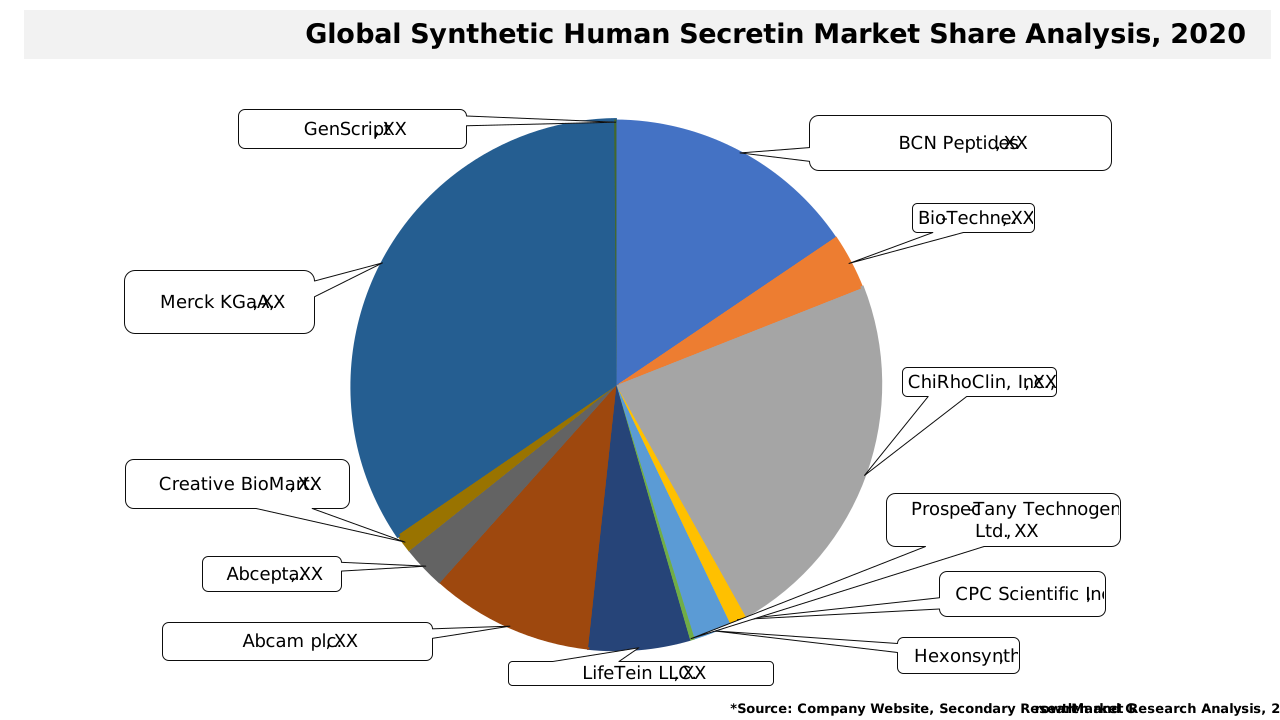
  • Manufacturers operating in the Global Synthetic Human Secretin Market BCN Peptides; Bio-Techne; ChiRhoClin, Inc.; CPC Scientific Inc.; Hexonsynth; Prospec-Tany Technogene Ltd.; LifeTein LLC.; Abcam plc.; Abcepta; Creative BioMart; Merck KGaA; GenScript.
  • Market Players are pursuing key strategies such as acquisitions, collaborations, and geographic expansion where a potential opportunity arises for the global synthetic human secretin market.

Synthetic Human Secretin Market Key Players

Frequently Asked Questions

Additional company profiles can be provided on request

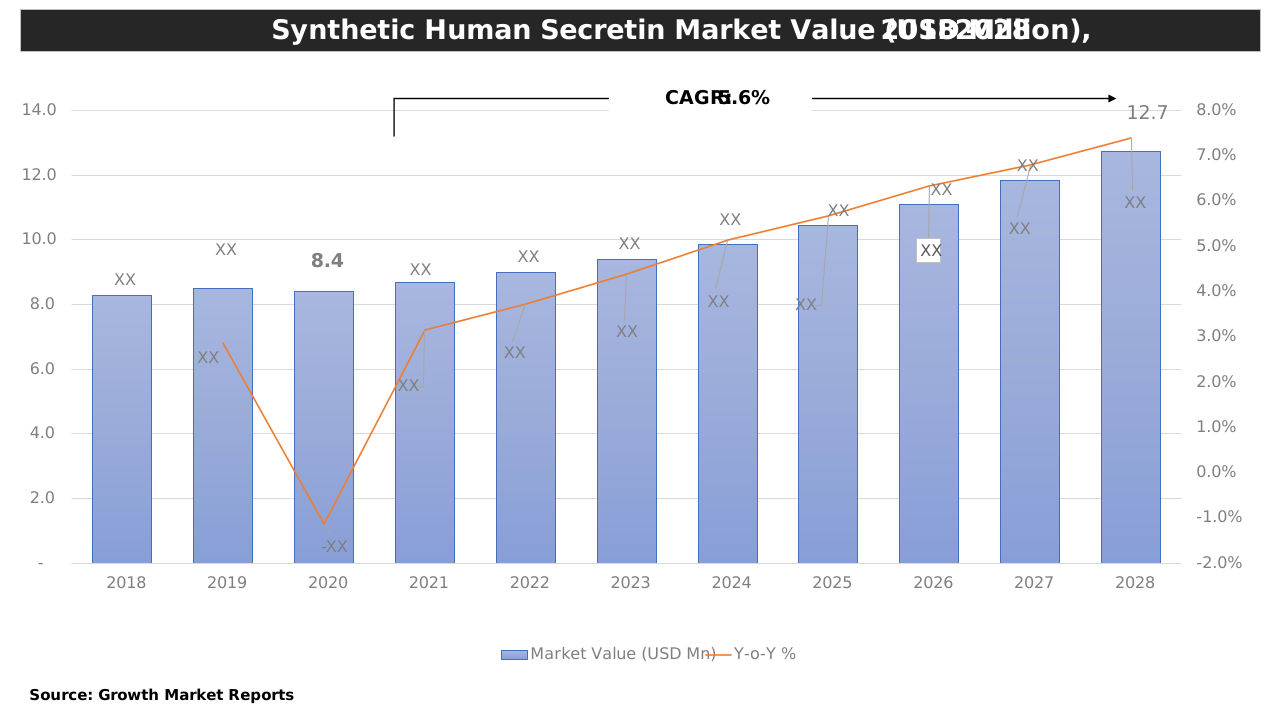
According to this Growth Market Reports report, the Global Synthetic Human Secretin Market is likely to register a CAGR of 5.6% during the forecast period 2020-2028, with a projected valuation of USD 12.7 million by the end of 2028.

In addition to market size (in US$ Million), Company Market Share (in % for the base year 2020), pricing analysis, the impact of key regulations, and pipeline analysis.

Factors such as competitive strength and market positioning are key areas considered while selecting top companies to be profiled.

Rising diagnostic testing for pancreatic disorders, growing disposable income in emerging countries, and rising prevalence of pancreatic disorders are the factors anticipated to drive the market growth during the forecast period.

The Global synthetic human secretin market was slightly negatively impacted by the covid-19, owing to the disruptions in the form of supply chain breaks and shutdown of workspaces, caused by lockdowns imposed in various countries to control the spread of the disease.

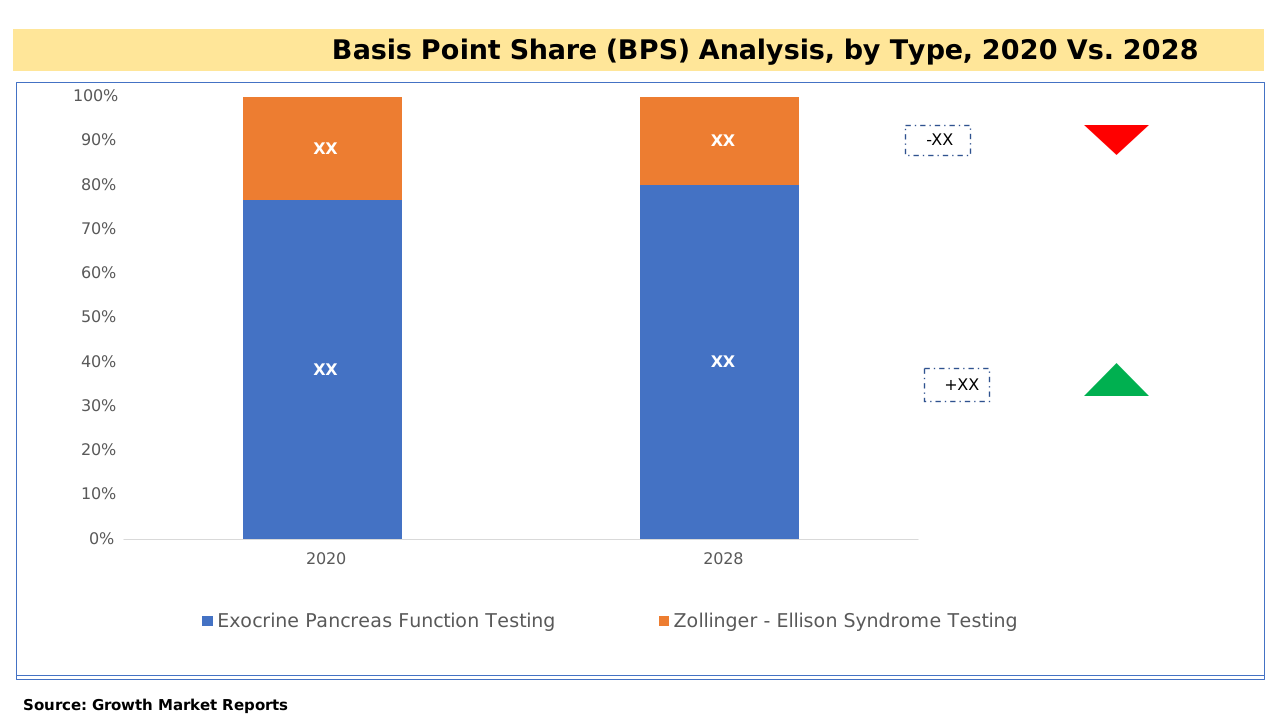
Exocrine pancreas function testing is the major type of global synthetic human secretin market.

The base year considered for the Global Synthetic Human Secretin Market report is 2020. The complete analysis period is 2018 to 2028, wherein, 2018, and 2019 are the historic years, and the forecast is provided from 2021 to 2028.

Factors such as R&D activities, government regulations, the prevalence of pancreatic conditions, GDP, healthcare infrastructure, and demand are analyzed in the final report.

Major manufacturers include BCN Peptides, Bio-Techne, ChiRhoClin, Inc., and CPC Scientific Inc.

Table Of Content

Chapter 1 Executive Summary
Chapter 2 Assumptions and Acronyms Used
Chapter 3 Research Methodology
Chapter 4 Synthetic Human Secretin Market Overview
   4.1 Introduction
      4.1.1 Market Taxonomy
      4.1.2 Market Definition
      4.1.3 Macro-Economic Factors Impacting the Market Growth
   4.2 Synthetic Human Secretin Market Dynamics
      4.2.1 Market Drivers
      4.2.2 Market Restraints
      4.2.3 Market Opportunity
   4.3 Synthetic Human Secretin Market - Supply Chain Analysis
      4.3.1 List of Key Suppliers
      4.3.2 List of Key Distributors
      4.3.3 List of Key Consumers
   4.4 Key Forces Shaping the Synthetic Human Secretin Market
      4.4.1 Bargaining Power of Suppliers
      4.4.2 Bargaining Power of Buyers
      4.4.3 Threat of Substitution
      4.4.4 Threat of New Entrants
      4.4.5 Competitive Rivalry
   4.5 Global Synthetic Human Secretin Market Size & Forecast, 2023-2032
      4.5.1 Synthetic Human Secretin Market Size and Y-o-Y Growth
      4.5.2 Synthetic Human Secretin Market Absolute $ Opportunity

Chapter 5 Global Synthetic Human Secretin Market Analysis and Forecast By Product Type
   5.1 Introduction
      5.1.1 Key Market Trends & Growth Opportunities By Product Type
      5.1.2 Basis Point Share (BPS) Analysis By Product Type
      5.1.3 Absolute $ Opportunity Assessment By Product Type
   5.2 Synthetic Human Secretin Market Size Forecast By Product Type
      5.2.1 Injectable Synthetic Human Secretin
      5.2.2 Oral Synthetic Human Secretin
      5.2.3 Others
   5.3 Market Attractiveness Analysis By Product Type

Chapter 6 Global Synthetic Human Secretin Market Analysis and Forecast By Application
   6.1 Introduction
      6.1.1 Key Market Trends & Growth Opportunities By Application
      6.1.2 Basis Point Share (BPS) Analysis By Application
      6.1.3 Absolute $ Opportunity Assessment By Application
   6.2 Synthetic Human Secretin Market Size Forecast By Application
      6.2.1 Diagnostic Agents
      6.2.2 Therapeutic Agents
      6.2.3 Others
   6.3 Market Attractiveness Analysis By Application

Chapter 7 Global Synthetic Human Secretin Market Analysis and Forecast By End-User
   7.1 Introduction
      7.1.1 Key Market Trends & Growth Opportunities By End-User
      7.1.2 Basis Point Share (BPS) Analysis By End-User
      7.1.3 Absolute $ Opportunity Assessment By End-User
   7.2 Synthetic Human Secretin Market Size Forecast By End-User
      7.2.1 Hospitals
      7.2.2 Diagnostic Centers
      7.2.3 Research Institutes
      7.2.4 Others
   7.3 Market Attractiveness Analysis By End-User

Chapter 8 Global Synthetic Human Secretin Market Analysis and Forecast By Distribution Channel
   8.1 Introduction
      8.1.1 Key Market Trends & Growth Opportunities By Distribution Channel
      8.1.2 Basis Point Share (BPS) Analysis By Distribution Channel
      8.1.3 Absolute $ Opportunity Assessment By Distribution Channel
   8.2 Synthetic Human Secretin Market Size Forecast By Distribution Channel
      8.2.1 Hospital Pharmacies
      8.2.2 Retail Pharmacies
      8.2.3 Online Pharmacies
      8.2.4 Others
   8.3 Market Attractiveness Analysis By Distribution Channel

Chapter 9 Global Synthetic Human Secretin Market Analysis and Forecast by Region
   9.1 Introduction
      9.1.1 Key Market Trends & Growth Opportunities By Region
      9.1.2 Basis Point Share (BPS) Analysis By Region
      9.1.3 Absolute $ Opportunity Assessment By Region
   9.2 Synthetic Human Secretin Market Size Forecast By Region
      9.2.1 North America
      9.2.2 Europe
      9.2.3 Asia Pacific
      9.2.4 Latin America
      9.2.5 Middle East & Africa (MEA)
   9.3 Market Attractiveness Analysis By Region

Chapter 10 Coronavirus Disease (COVID-19) Impact 
   10.1 Introduction 
   10.2 Current & Future Impact Analysis 
   10.3 Economic Impact Analysis 
   10.4 Government Policies 
   10.5 Investment Scenario

Chapter 11 North America Synthetic Human Secretin Analysis and Forecast
   11.1 Introduction
   11.2 North America Synthetic Human Secretin Market Size Forecast by Country
      11.2.1 U.S.
      11.2.2 Canada
   11.3 Basis Point Share (BPS) Analysis by Country
   11.4 Absolute $ Opportunity Assessment by Country
   11.5 Market Attractiveness Analysis by Country
   11.6 North America Synthetic Human Secretin Market Size Forecast By Product Type
      11.6.1 Injectable Synthetic Human Secretin
      11.6.2 Oral Synthetic Human Secretin
      11.6.3 Others
   11.7 Basis Point Share (BPS) Analysis By Product Type 
   11.8 Absolute $ Opportunity Assessment By Product Type 
   11.9 Market Attractiveness Analysis By Product Type
   11.10 North America Synthetic Human Secretin Market Size Forecast By Application
      11.10.1 Diagnostic Agents
      11.10.2 Therapeutic Agents
      11.10.3 Others
   11.11 Basis Point Share (BPS) Analysis By Application 
   11.12 Absolute $ Opportunity Assessment By Application 
   11.13 Market Attractiveness Analysis By Application
   11.14 North America Synthetic Human Secretin Market Size Forecast By End-User
      11.14.1 Hospitals
      11.14.2 Diagnostic Centers
      11.14.3 Research Institutes
      11.14.4 Others
   11.15 Basis Point Share (BPS) Analysis By End-User 
   11.16 Absolute $ Opportunity Assessment By End-User 
   11.17 Market Attractiveness Analysis By End-User
   11.18 North America Synthetic Human Secretin Market Size Forecast By Distribution Channel
      11.18.1 Hospital Pharmacies
      11.18.2 Retail Pharmacies
      11.18.3 Online Pharmacies
      11.18.4 Others
   11.19 Basis Point Share (BPS) Analysis By Distribution Channel 
   11.20 Absolute $ Opportunity Assessment By Distribution Channel 
   11.21 Market Attractiveness Analysis By Distribution Channel

Chapter 12 Europe Synthetic Human Secretin Analysis and Forecast
   12.1 Introduction
   12.2 Europe Synthetic Human Secretin Market Size Forecast by Country
      12.2.1 Germany
      12.2.2 France
      12.2.3 Italy
      12.2.4 U.K.
      12.2.5 Spain
      12.2.6 Russia
      12.2.7 Rest of Europe
   12.3 Basis Point Share (BPS) Analysis by Country
   12.4 Absolute $ Opportunity Assessment by Country
   12.5 Market Attractiveness Analysis by Country
   12.6 Europe Synthetic Human Secretin Market Size Forecast By Product Type
      12.6.1 Injectable Synthetic Human Secretin
      12.6.2 Oral Synthetic Human Secretin
      12.6.3 Others
   12.7 Basis Point Share (BPS) Analysis By Product Type 
   12.8 Absolute $ Opportunity Assessment By Product Type 
   12.9 Market Attractiveness Analysis By Product Type
   12.10 Europe Synthetic Human Secretin Market Size Forecast By Application
      12.10.1 Diagnostic Agents
      12.10.2 Therapeutic Agents
      12.10.3 Others
   12.11 Basis Point Share (BPS) Analysis By Application 
   12.12 Absolute $ Opportunity Assessment By Application 
   12.13 Market Attractiveness Analysis By Application
   12.14 Europe Synthetic Human Secretin Market Size Forecast By End-User
      12.14.1 Hospitals
      12.14.2 Diagnostic Centers
      12.14.3 Research Institutes
      12.14.4 Others
   12.15 Basis Point Share (BPS) Analysis By End-User 
   12.16 Absolute $ Opportunity Assessment By End-User 
   12.17 Market Attractiveness Analysis By End-User
   12.18 Europe Synthetic Human Secretin Market Size Forecast By Distribution Channel
      12.18.1 Hospital Pharmacies
      12.18.2 Retail Pharmacies
      12.18.3 Online Pharmacies
      12.18.4 Others
   12.19 Basis Point Share (BPS) Analysis By Distribution Channel 
   12.20 Absolute $ Opportunity Assessment By Distribution Channel 
   12.21 Market Attractiveness Analysis By Distribution Channel

Chapter 13 Asia Pacific Synthetic Human Secretin Analysis and Forecast
   13.1 Introduction
   13.2 Asia Pacific Synthetic Human Secretin Market Size Forecast by Country
      13.2.1 China
      13.2.2 Japan
      13.2.3 South Korea
      13.2.4 India
      13.2.5 Australia
      13.2.6 South East Asia (SEA)
      13.2.7 Rest of Asia Pacific (APAC)
   13.3 Basis Point Share (BPS) Analysis by Country
   13.4 Absolute $ Opportunity Assessment by Country
   13.5 Market Attractiveness Analysis by Country
   13.6 Asia Pacific Synthetic Human Secretin Market Size Forecast By Product Type
      13.6.1 Injectable Synthetic Human Secretin
      13.6.2 Oral Synthetic Human Secretin
      13.6.3 Others
   13.7 Basis Point Share (BPS) Analysis By Product Type 
   13.8 Absolute $ Opportunity Assessment By Product Type 
   13.9 Market Attractiveness Analysis By Product Type
   13.10 Asia Pacific Synthetic Human Secretin Market Size Forecast By Application
      13.10.1 Diagnostic Agents
      13.10.2 Therapeutic Agents
      13.10.3 Others
   13.11 Basis Point Share (BPS) Analysis By Application 
   13.12 Absolute $ Opportunity Assessment By Application 
   13.13 Market Attractiveness Analysis By Application
   13.14 Asia Pacific Synthetic Human Secretin Market Size Forecast By End-User
      13.14.1 Hospitals
      13.14.2 Diagnostic Centers
      13.14.3 Research Institutes
      13.14.4 Others
   13.15 Basis Point Share (BPS) Analysis By End-User 
   13.16 Absolute $ Opportunity Assessment By End-User 
   13.17 Market Attractiveness Analysis By End-User
   13.18 Asia Pacific Synthetic Human Secretin Market Size Forecast By Distribution Channel
      13.18.1 Hospital Pharmacies
      13.18.2 Retail Pharmacies
      13.18.3 Online Pharmacies
      13.18.4 Others
   13.19 Basis Point Share (BPS) Analysis By Distribution Channel 
   13.20 Absolute $ Opportunity Assessment By Distribution Channel 
   13.21 Market Attractiveness Analysis By Distribution Channel

Chapter 14 Latin America Synthetic Human Secretin Analysis and Forecast
   14.1 Introduction
   14.2 Latin America Synthetic Human Secretin Market Size Forecast by Country
      14.2.1 Brazil
      14.2.2 Mexico
      14.2.3 Rest of Latin America (LATAM)
   14.3 Basis Point Share (BPS) Analysis by Country
   14.4 Absolute $ Opportunity Assessment by Country
   14.5 Market Attractiveness Analysis by Country
   14.6 Latin America Synthetic Human Secretin Market Size Forecast By Product Type
      14.6.1 Injectable Synthetic Human Secretin
      14.6.2 Oral Synthetic Human Secretin
      14.6.3 Others
   14.7 Basis Point Share (BPS) Analysis By Product Type 
   14.8 Absolute $ Opportunity Assessment By Product Type 
   14.9 Market Attractiveness Analysis By Product Type
   14.10 Latin America Synthetic Human Secretin Market Size Forecast By Application
      14.10.1 Diagnostic Agents
      14.10.2 Therapeutic Agents
      14.10.3 Others
   14.11 Basis Point Share (BPS) Analysis By Application 
   14.12 Absolute $ Opportunity Assessment By Application 
   14.13 Market Attractiveness Analysis By Application
   14.14 Latin America Synthetic Human Secretin Market Size Forecast By End-User
      14.14.1 Hospitals
      14.14.2 Diagnostic Centers
      14.14.3 Research Institutes
      14.14.4 Others
   14.15 Basis Point Share (BPS) Analysis By End-User 
   14.16 Absolute $ Opportunity Assessment By End-User 
   14.17 Market Attractiveness Analysis By End-User
   14.18 Latin America Synthetic Human Secretin Market Size Forecast By Distribution Channel
      14.18.1 Hospital Pharmacies
      14.18.2 Retail Pharmacies
      14.18.3 Online Pharmacies
      14.18.4 Others
   14.19 Basis Point Share (BPS) Analysis By Distribution Channel 
   14.20 Absolute $ Opportunity Assessment By Distribution Channel 
   14.21 Market Attractiveness Analysis By Distribution Channel

Chapter 15 Middle East & Africa (MEA) Synthetic Human Secretin Analysis and Forecast
   15.1 Introduction
   15.2 Middle East & Africa (MEA) Synthetic Human Secretin Market Size Forecast by Country
      15.2.1 Saudi Arabia
      15.2.2 South Africa
      15.2.3 UAE
      15.2.4 Rest of Middle East & Africa (MEA)
   15.3 Basis Point Share (BPS) Analysis by Country
   15.4 Absolute $ Opportunity Assessment by Country
   15.5 Market Attractiveness Analysis by Country
   15.6 Middle East & Africa (MEA) Synthetic Human Secretin Market Size Forecast By Product Type
      15.6.1 Injectable Synthetic Human Secretin
      15.6.2 Oral Synthetic Human Secretin
      15.6.3 Others
   15.7 Basis Point Share (BPS) Analysis By Product Type 
   15.8 Absolute $ Opportunity Assessment By Product Type 
   15.9 Market Attractiveness Analysis By Product Type
   15.10 Middle East & Africa (MEA) Synthetic Human Secretin Market Size Forecast By Application
      15.10.1 Diagnostic Agents
      15.10.2 Therapeutic Agents
      15.10.3 Others
   15.11 Basis Point Share (BPS) Analysis By Application 
   15.12 Absolute $ Opportunity Assessment By Application 
   15.13 Market Attractiveness Analysis By Application
   15.14 Middle East & Africa (MEA) Synthetic Human Secretin Market Size Forecast By End-User
      15.14.1 Hospitals
      15.14.2 Diagnostic Centers
      15.14.3 Research Institutes
      15.14.4 Others
   15.15 Basis Point Share (BPS) Analysis By End-User 
   15.16 Absolute $ Opportunity Assessment By End-User 
   15.17 Market Attractiveness Analysis By End-User
   15.18 Middle East & Africa (MEA) Synthetic Human Secretin Market Size Forecast By Distribution Channel
      15.18.1 Hospital Pharmacies
      15.18.2 Retail Pharmacies
      15.18.3 Online Pharmacies
      15.18.4 Others
   15.19 Basis Point Share (BPS) Analysis By Distribution Channel 
   15.20 Absolute $ Opportunity Assessment By Distribution Channel 
   15.21 Market Attractiveness Analysis By Distribution Channel

Chapter 16 Competition Landscape 
   16.1 Synthetic Human Secretin Market: Competitive Dashboard
   16.2 Global Synthetic Human Secretin Market: Market Share Analysis, 2023
   16.3 Company Profiles (Details – Overview, Financials, Developments, Strategy) 
      16.3.1 Ferring Pharmaceuticals
Polypeptide Group
Bachem Holding AG
AmbioPharm Inc.
CSBio Company
Phoenix Pharmaceuticals Inc.
GenScript Biotech Corporation
Peptide Institute Inc.
Novo Nordisk A/S
Merck KGaA
Thermo Fisher Scientific Inc.
Sigma-Aldrich Corporation
Pepscan Holding NV
Creative Peptides
AnaSpec Inc.
CordenPharma International
Synthetech Inc.
Biomatik Corporation
Peptide Synthetics Ltd.
JPT Peptide Technologies GmbH

Methodology

Our Clients

Dassault Aviation
Deloitte
The John Holland Group
General Mills
General Electric
Siemens Healthcare
sinopec
Microsoft