Segments - by Product Type (Enzyme Replacement Therapies, Enzyme Supplements), by Application (Gaucher Disease, Fabry Disease, Pompe Disease, Mucopolysaccharidosis, Others), by Route Of Administration (Oral, Intravenous, Others), by End-User (Hospitals, Clinics, Homecare, Others)
According to our latest research, the global enzyme replacement market size reached USD 10.4 billion in 2024, reflecting a robust expansion driven by increasing awareness and diagnostic rates of rare enzyme deficiency disorders. The market is projected to grow at a CAGR of 8.2% from 2025 to 2033, reaching an estimated USD 21.1 billion by 2033. This growth is primarily fueled by advancements in biotechnology, rising investments in orphan drug development, and an expanding patient pool due to improved diagnostic capabilities worldwide.
A key growth factor propelling the enzyme replacement market is the rising prevalence of rare genetic disorders such as Gaucher disease, Fabry disease, Pompe disease, and various forms of mucopolysaccharidosis. The increasing incidence of these lysosomal storage disorders has underscored the urgent need for effective therapeutic options, with enzyme replacement therapies (ERTs) emerging as the gold standard for disease management. Furthermore, the expansion of newborn screening programs across developed and emerging economies is facilitating early diagnosis, which, in turn, drives demand for timely intervention through enzyme replacement therapies. The growing awareness among healthcare professionals and patients regarding the benefits of early treatment is further spurring the adoption of ERTs globally.
Technological advancements in recombinant DNA technology and protein engineering have significantly contributed to the evolution of the enzyme replacement market. The development of next-generation enzyme products with improved pharmacokinetic profiles, reduced immunogenicity, and enhanced tissue targeting has optimized patient outcomes and reduced treatment-related complications. Additionally, the increasing focus on personalized medicine and the integration of companion diagnostics are enabling more precise patient selection and tailored dosing regimens. These innovations are not only improving efficacy but also expanding the therapeutic reach of enzyme replacement therapies to a broader spectrum of rare diseases, thus stimulating market growth.
Another major driver is the supportive regulatory landscape and growing investment from both public and private sectors. Orphan drug designations, fast-track approvals, and financial incentives provided by regulatory agencies such as the FDA and EMA have encouraged pharmaceutical companies to invest in the research and development of enzyme replacement therapies. The rising number of clinical trials and collaborative efforts between academic institutions, biotech firms, and pharmaceutical giants are accelerating the introduction of novel therapies into the market. Moreover, patient advocacy groups and non-profit organizations are playing a pivotal role in raising funds, supporting research, and increasing treatment accessibility, thereby contributing to the sustained expansion of the enzyme replacement market.
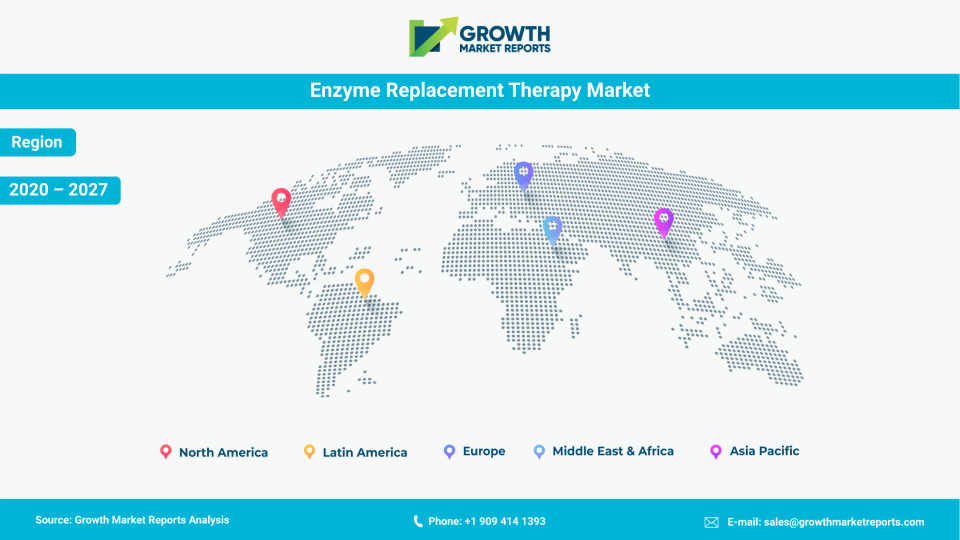
From a regional perspective, North America continues to dominate the enzyme replacement market, accounting for the largest revenue share in 2024, followed by Europe and the Asia Pacific. This leadership is largely attributed to advanced healthcare infrastructure, high adoption rates of innovative therapies, and strong presence of key market players in these regions. However, the Asia Pacific region is expected to witness the fastest growth over the forecast period, driven by increasing healthcare expenditure, expanding patient population, and improving access to advanced therapeutics. Latin America and the Middle East & Africa are also poised for steady growth, supported by rising awareness and gradual improvements in healthcare delivery systems.
The enzyme replacement market by product type is primarily segmented into enzyme replacement therapies (ERTs) and enzyme supplements. Enzyme replacement therapies represent the cornerstone of disease management for several inherited metabolic disorders, with a substantial share of the global market. These therapies involve the intravenous or, in some cases, oral administration of recombinant enzymes to compensate for the deficient or absent enzymes in patients. The consistent introduction of new ERTs, supported by robust clinical evidence and regulatory approvals, has reinforced the segment’s dominance. Notably, the focus on improving the safety, efficacy, and convenience of ERTs through advancements in recombinant technology and formulation science is further driving demand.
Enzyme supplements, although representing a comparatively smaller market share, are gaining traction due to their utility in managing mild to moderate enzyme deficiencies and certain digestive disorders. These products are typically available over-the-counter and are used to supplement endogenous enzyme activity, particularly in conditions such as pancreatic insufficiency and lactose intolerance. The growing consumer inclination toward preventive healthcare and dietary supplements is expected to bolster the growth of this segment. Additionally, ongoing research aimed at expanding the therapeutic indications for enzyme supplements is likely to create new opportunities in the coming years.
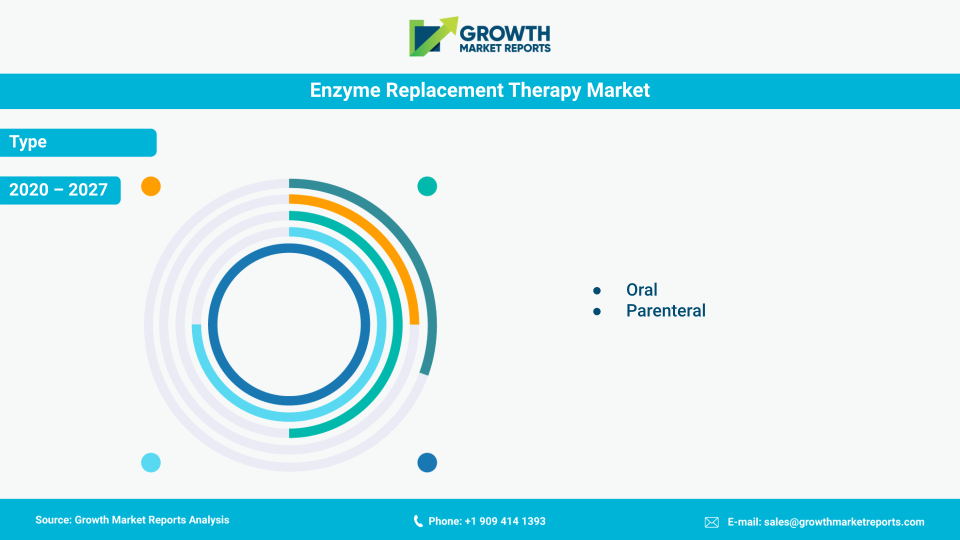
The competitive landscape within the product type segment is characterized by the presence of established pharmaceutical companies and a growing number of biotechnology startups. Market leaders are increasingly investing in the development of next-generation ERTs with improved attributes, such as extended half-life and enhanced tissue penetration. There is also a notable trend toward the development of oral and subcutaneous formulations, which offer greater convenience and patient compliance compared to traditional intravenous therapies. These innovations are expected to reshape the competitive dynamics and expand the market for enzyme replacement products.
Regulatory support for orphan drugs and incentives for rare disease research have played a crucial role in accelerating the development and commercialization of enzyme replacement products. The granting of orphan drug status, priority review, and fast-track designations by regulatory agencies has shortened development timelines and facilitated market entry for new products. Furthermore, collaborations between pharmaceutical companies, academic institutions, and patient advocacy groups are fostering innovation and enabling the translation of scientific discoveries into marketable therapies. As a result, the enzyme replacement market by product type is poised for sustained growth, driven by continuous product innovation and expanding therapeutic applications.
| Attributes | Details |
| Report Title | Enzyme Replacement Market Research Report 2033 |
| By Product Type | Enzyme Replacement Therapies, Enzyme Supplements |
| By Application | Gaucher Disease, Fabry Disease, Pompe Disease, Mucopolysaccharidosis, Others |
| By Route Of Administration | Oral, Intravenous, Others |
| By End-User | Hospitals, Clinics, Homecare, Others |
| Regions Covered | North America, Europe, APAC, Latin America, MEA |
| Base Year | 2024 |
| Historic Data | 2018-2023 |
| Forecast Period | 2025-2033 |
| Number of Pages | 291 |
| Number of Tables & Figures | 327 |
| Customization Available | Yes, the report can be customized as per your need. |
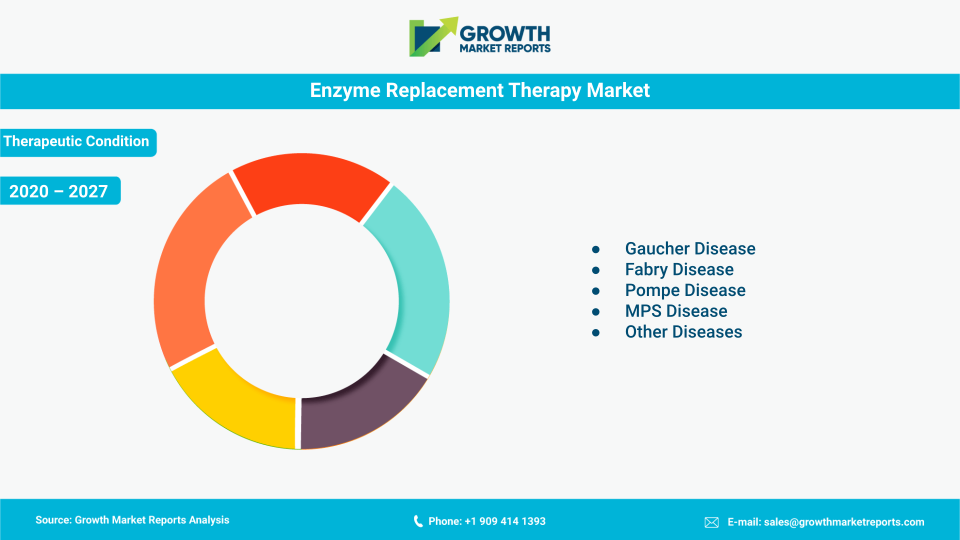
The application segment of the enzyme replacement market encompasses a range of rare genetic disorders, with Gaucher disease, Fabry disease, Pompe disease, and various types of mucopolysaccharidosis (MPS) being the most prominent indications. Gaucher disease accounts for a significant share of the market, owing to the relatively higher prevalence and earlier approval of ERTs for its management. The availability of multiple approved therapies, coupled with established treatment protocols, has facilitated widespread adoption and improved patient outcomes. Ongoing research aimed at optimizing dosing regimens and minimizing adverse effects is expected to further enhance the therapeutic landscape for Gaucher disease.
Fabry disease and Pompe disease are also key application areas, with enzyme replacement therapies serving as the standard of care for affected patients. The increasing recognition of these disorders, along with expanded newborn screening programs, is driving earlier diagnosis and intervention. Recent advancements in enzyme engineering and targeted delivery systems are addressing the limitations of traditional therapies, such as immunogenicity and suboptimal tissue distribution. These innovations are expected to improve long-term disease management and quality of life for patients with Fabry and Pompe diseases, thereby fueling market growth in these segments.
The mucopolysaccharidosis segment, which includes several subtypes such as MPS I, II, and VI, is witnessing significant research and development activity. The introduction of new ERTs targeting specific MPS subtypes has expanded treatment options and improved prognosis for affected individuals. However, challenges related to blood-brain barrier penetration and long-term efficacy remain, necessitating continued innovation and clinical investigation. The growing pipeline of investigational therapies and supportive regulatory environment are expected to drive further expansion of the enzyme replacement market within the mucopolysaccharidosis application segment.
Beyond these primary indications, the enzyme replacement market is gradually expanding into other rare and ultra-rare disorders, as well as select acquired conditions. The increasing focus on personalized medicine and the identification of novel therapeutic targets are paving the way for the development of new enzyme replacement therapies across a broader spectrum of diseases. Collaborative efforts between researchers, clinicians, and industry stakeholders are accelerating the translation of scientific discoveries into clinical practice, thereby broadening the scope and impact of enzyme replacement therapies in the global healthcare landscape.
The route of administration is a critical determinant of the efficacy, safety, and patient acceptance of enzyme replacement therapies. The majority of approved ERTs are administered via the intravenous route, which ensures rapid and complete delivery of the therapeutic enzyme into systemic circulation. Intravenous administration remains the gold standard, particularly for conditions such as Gaucher disease, Fabry disease, and Pompe disease, where high systemic enzyme levels are required to achieve therapeutic benefit. However, the need for frequent hospital visits and the risk of infusion-related reactions are notable challenges associated with this route.
In response to these challenges, significant research efforts are being directed toward developing alternative routes of administration, including oral and subcutaneous formulations. Oral enzyme replacement therapies offer the potential for improved convenience, reduced healthcare resource utilization, and enhanced patient compliance. Although the development of effective oral formulations is technically challenging due to the enzymatic degradation and poor absorption in the gastrointestinal tract, recent advancements in drug delivery technologies and enzyme stabilization are showing promise. Several oral ERTs are currently in clinical development, with encouraging preliminary results.
Subcutaneous administration is another emerging approach, offering the advantages of self-administration, reduced infusion times, and potentially lower immunogenicity. This route is particularly attractive for chronic conditions requiring long-term therapy, as it can significantly improve patient quality of life and reduce the burden on healthcare systems. The successful development and commercialization of subcutaneous enzyme replacement therapies could transform the treatment paradigm for enzyme deficiency disorders and expand market access, especially in resource-limited settings.
In addition to intravenous, oral, and subcutaneous routes, research is ongoing to explore novel delivery methods, such as intrathecal and intranasal administration, particularly for targeting the central nervous system in lysosomal storage disorders with neurological involvement. These innovative approaches aim to overcome the limitations of current therapies and address unmet medical needs. The evolving landscape of administration routes is expected to drive further growth and diversification of the enzyme replacement market, catering to the diverse preferences and clinical requirements of patients worldwide.
The enzyme replacement market by end-user is segmented into hospitals, clinics, homecare settings, and others. Hospitals constitute the largest end-user segment, primarily due to the need for specialized facilities, trained personnel, and close patient monitoring during enzyme replacement therapy administration. The majority of intravenous ERTs are initiated and managed in hospital settings, where comprehensive diagnostic and supportive care services are readily available. The presence of multidisciplinary teams, including geneticists, hematologists, and metabolic specialists, ensures optimal disease management and improved patient outcomes.
Clinics represent an important secondary end-user segment, particularly for patients requiring regular follow-up and maintenance therapy. The increasing availability of specialized metabolic clinics and outpatient infusion centers has facilitated greater access to enzyme replacement therapies and reduced the burden on hospital resources. Clinics offer a more convenient and cost-effective alternative for long-term management, especially for stable patients who do not require intensive monitoring or acute care.
Homecare is an emerging trend in the enzyme replacement market, driven by advancements in drug delivery systems, improved safety profiles of newer therapies, and the growing emphasis on patient-centered care. The shift toward home-based administration of ERTs is supported by the development of portable infusion devices, telemedicine platforms, and comprehensive homecare support services. Homecare not only enhances patient convenience and quality of life but also reduces healthcare costs and resource utilization. The COVID-19 pandemic has further accelerated the adoption of home-based care models, with many patients and healthcare providers recognizing the benefits of minimizing hospital visits and exposure risks.
Other end-users, including research institutions and academic centers, play a vital role in advancing the field of enzyme replacement therapy through clinical trials, translational research, and educational initiatives. These institutions are at the forefront of innovation, driving the development of next-generation therapies and expanding the knowledge base for rare disease management. The collaborative efforts between end-users, industry stakeholders, and patient advocacy groups are essential for ensuring timely access to life-saving treatments and improving outcomes for individuals affected by enzyme deficiency disorders.
The enzyme replacement market is ripe with opportunities, particularly in the areas of technological innovation and market expansion. Advances in genetic engineering, protein modification, and targeted drug delivery are enabling the development of more effective and safer enzyme replacement therapies. The growing adoption of personalized medicine and companion diagnostics is facilitating tailored treatment approaches, improving patient outcomes, and reducing adverse events. Emerging markets, especially in Asia Pacific and Latin America, present significant growth potential due to increasing healthcare investment, expanding patient populations, and improving access to advanced therapeutics. Strategic collaborations, mergers, and acquisitions among pharmaceutical companies, biotechnology firms, and academic institutions are fostering innovation and accelerating the commercialization of novel therapies. Furthermore, the expansion of newborn screening programs and heightened awareness of rare diseases are expected to drive earlier diagnosis and intervention, further boosting market growth.
Another major opportunity lies in the development of oral and subcutaneous enzyme replacement therapies, which have the potential to revolutionize the treatment landscape. These alternative delivery methods offer improved convenience, patient compliance, and accessibility, particularly in resource-limited settings. The integration of digital health technologies, such as remote monitoring and telemedicine, is also enhancing patient management and enabling more efficient care delivery. Additionally, the increasing focus on expanding the therapeutic indications for enzyme replacement therapies, including acquired and ultra-rare disorders, is expected to create new market opportunities. The supportive regulatory environment, with incentives for orphan drug development and expedited approval pathways, is further encouraging investment and innovation in this space.
Despite these opportunities, the enzyme replacement market faces several restraining factors, the most significant of which is the high cost of therapy. Enzyme replacement therapies are among the most expensive treatments in the pharmaceutical industry, often costing hundreds of thousands of dollars per patient annually. This poses a significant barrier to access, particularly in low- and middle-income countries with limited healthcare budgets and reimbursement mechanisms. The complexity of manufacturing recombinant enzymes, stringent regulatory requirements, and the need for specialized infrastructure further contribute to the high cost of therapy. Additionally, challenges related to immunogenicity, limited tissue penetration, and suboptimal efficacy in certain patient populations remain unresolved. Addressing these barriers will require continued innovation, policy support, and collaborative efforts among stakeholders to ensure equitable access to life-saving treatments.
North America remains the largest regional market for enzyme replacement therapies, accounting for a substantial share of global revenue in 2024. The market size in North America was estimated at USD 4.2 billion, driven by advanced healthcare infrastructure, high adoption rates of innovative therapies, and a strong presence of leading pharmaceutical and biotechnology companies. The region benefits from favorable reimbursement policies, robust regulatory support, and active patient advocacy organizations, all of which contribute to early diagnosis, timely intervention, and widespread access to enzyme replacement therapies. The United States, in particular, is a major contributor, with a well-established ecosystem for rare disease research and treatment.
Europe is the second-largest market, with a market size of approximately USD 3.1 billion in 2024. The region is characterized by a strong focus on rare disease management, comprehensive newborn screening programs, and collaborative research initiatives. Countries such as Germany, France, the United Kingdom, and Italy have established centers of excellence for metabolic disorders and are at the forefront of clinical research and innovation. The European Medicines Agency (EMA) plays a pivotal role in facilitating the approval and commercialization of orphan drugs, further supporting market growth. The region is expected to maintain steady growth, with a projected CAGR of 7.8% over the forecast period.
The Asia Pacific region is emerging as the fastest-growing market for enzyme replacement therapies, with a market size of USD 1.8 billion in 2024 and a projected CAGR of 10.2% from 2025 to 2033. Rapid economic development, increasing healthcare expenditure, and improving access to advanced medical technologies are driving market expansion in countries such as China, Japan, India, and South Korea. The growing awareness of rare diseases, expanding diagnostic capabilities, and rising investment in biotechnology are further supporting market growth. Latin America and the Middle East & Africa, with market sizes of USD 0.8 billion and USD 0.5 billion respectively, are also expected to witness steady growth, supported by gradual improvements in healthcare infrastructure and increased focus on rare disease management.
The global enzyme replacement market is highly competitive, with a mix of established pharmaceutical giants and innovative biotechnology firms vying for market share. The competitive landscape is shaped by continuous product innovation, strategic collaborations, and a strong focus on research and development. Leading companies are investing heavily in the development of next-generation enzyme replacement therapies with improved efficacy, safety, and patient convenience. The market is also witnessing an increasing number of partnerships and licensing agreements, as companies seek to expand their product portfolios and geographic reach. The presence of a robust pipeline of investigational therapies and the entry of new players are intensifying competition and driving market evolution.
Major players in the enzyme replacement market are leveraging their expertise in biotechnology, regulatory affairs, and commercialization to maintain a competitive edge. These companies are actively engaged in clinical trials, regulatory submissions, and post-marketing surveillance to ensure the safety and efficacy of their products. The focus on patient-centric approaches, including the development of home-based therapies and digital health solutions, is further differentiating market leaders from their competitors. Collaborations with academic institutions, research organizations, and patient advocacy groups are enabling companies to stay at the forefront of scientific innovation and address unmet medical needs.
The market is also characterized by a high degree of consolidation, with several mergers and acquisitions observed in recent years. Large pharmaceutical companies are acquiring smaller biotechnology firms with promising enzyme replacement therapy pipelines to strengthen their market position and accelerate product development. This trend is expected to continue, as companies seek to capitalize on the growing demand for rare disease therapies and expand their presence in emerging markets. The ability to navigate complex regulatory environments, secure reimbursement, and demonstrate value to payers and healthcare providers will be critical for sustained success in this competitive landscape.
Some of the key players in the global enzyme replacement market include Sanofi S.A., Takeda Pharmaceutical Company Limited, BioMarin Pharmaceutical Inc., Pfizer Inc., and Shire (now part of Takeda). Sanofi is a leader in the development and commercialization of enzyme replacement therapies, with a strong portfolio targeting Gaucher disease, Fabry disease, and Pompe disease. Takeda, following its acquisition of Shire, has expanded its presence in the rare disease space and is a major provider of ERTs for lysosomal storage disorders. BioMarin is renowned for its focus on innovative therapies for rare genetic diseases, with a robust pipeline of investigational enzyme replacement products. Pfizer has leveraged its global reach and research capabilities to develop and commercialize ERTs for multiple indications. These companies are at the forefront of scientific and clinical innovation, driving the evolution of the enzyme replacement market and shaping the future of rare disease management.
The Enzyme Replacement market has been segmented on the basis of
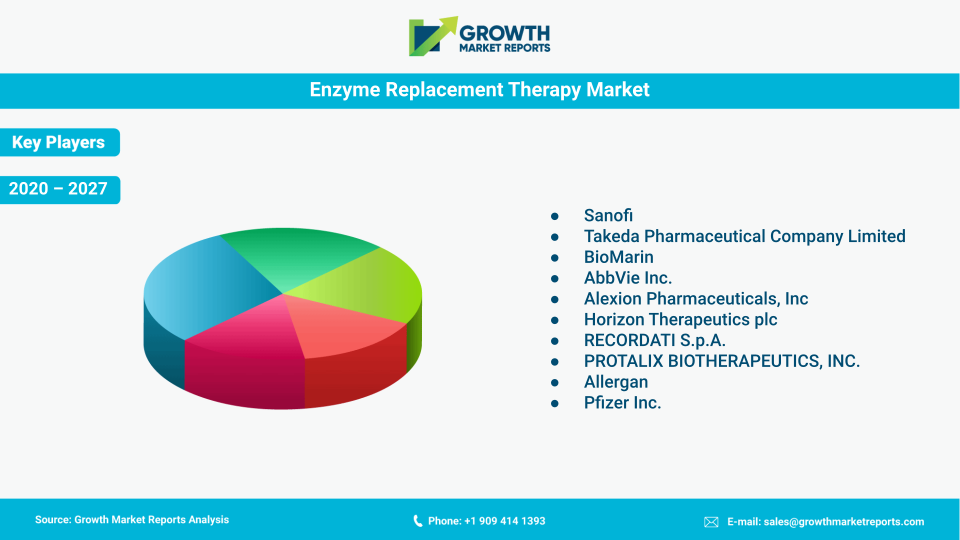
Key players in the market include Sanofi, Takeda Pharmaceutical Company Limited, BioMarin, AbbVie Inc, Alexion Pharmaceuticals, Inc., Horizon Therapeutics plc, RECORDATI S.p.A., PROTALIX BIOTHERAPEUTICS, INC., Allergan, Pfizer Inc., and Leadiant Biosciences, Ltd. These companies are considered as key manufacturers of enzyme replacement based on their revenue, research & development (R&D) activities, regional presence, and supply chain management system.
Additional company profiles can be provided on request.
Yes, the report covers therapeutic condition specific information.
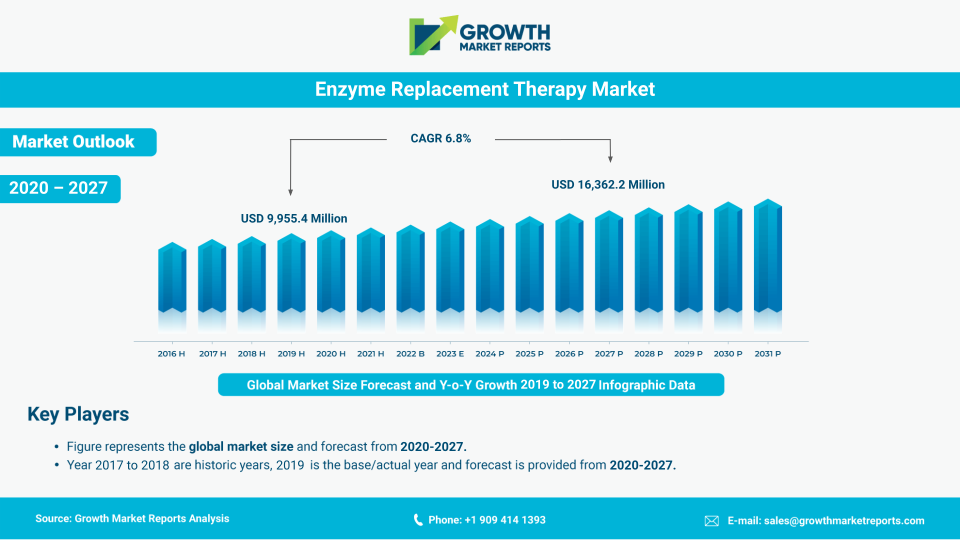
According to this Growth Market Reports report, the market from enzyme replacement is likely to register a CAGR of 6.8% during forecast period 2020-2027, with an anticipated valuation of USD 16,362.2 million by the end of the 2027.
In addition to market size (in USD Million), company Market Share (in % for base year 2019), other data such as COVID-19 Impact on the enzyme replacement market, Macro-economic factors are available in the final report.
The increasing plantation activities for fulfilling the accelerated demand for enzyme replacement is to drive the market growth.
Factors such as competitive strength and market positioning are key areas considered while selecting top companies to be profiled.
The market is expected to witness slight decline between 2019 and 2020 owing to the impact of COVID-19 pandemic on the enzyme replacement market.
The base year considered for the global enzyme replacement market report is 2019. The complete analysis period is 2017 to 2027, wherein, 2017 & 2018 are the historic years and the forecast is provided from 2020 to 2027.
Hospitals, clinics are the key end-user that are driving the enzyme replacement market.
Major Manufactures include, Sanofi, Takeda Pharmaceutical Company Limited, BioMarin, AbbVie Inc, Alexion Pharmaceuticals, Inc., Horizon Therapeutics plc, RECORDATI S.p.A., PROTALIX BIOTHERAPEUTICS, INC., Allergan, Pfizer Inc., and Leadiant Biosciences, Ltd.