Large Molecule Bioanalytical Testing Service Market Research Report 2033

Large Molecule Bioanalytical Testing Service Market Research Report 2033

Segments - by Service Type (PK/PD Testing, ADA Testing, Biomarker Testing, Cell-based Assays, Others), by Molecule Type (Monoclonal Antibodies, Vaccines, Recombinant Proteins, Others), by Application (Clinical Research, Preclinical Research), by End-User (Pharmaceutical & Biotechnology Companies, Contract Research Organizations, Academic & Research Institutes, Others)

https://growthmarketreports.com/raksha
Author : Raksha Sharma
https://growthmarketreports.com/Vaibhav
Fact-checked by : V. Chandola
https://growthmarketreports.com/Shruti
Editor : Shruti Bhat

Upcoming | Report ID :HC-140 | 4.5 Rating | 16 Reviews | 277 Pages | Format : Docx PDF

Report Description


Large Molecule Bioanalytical Testing Service Market Outlook

According to our latest research, the global Large Molecule Bioanalytical Testing Service market size reached USD 4.21 billion in 2024, driven by the increasing demand for advanced biopharmaceuticals and the growing complexity of biologics. The market is expected to expand at a robust CAGR of 8.9% from 2025 to 2033, with the projected market value reaching approximately USD 9.18 billion by 2033. This growth is attributed to the surge in clinical trials of large molecule drugs, rising investments in biotechnology research, and the continuous innovation in analytical technologies for bioanalysis.

The primary growth factor for the Large Molecule Bioanalytical Testing Service market is the rapid expansion of the biopharmaceutical sector, which is increasingly focused on developing monoclonal antibodies, recombinant proteins, and vaccines. As large molecule therapeutics become more prevalent in treating chronic diseases, there is a corresponding need for sophisticated bioanalytical services to ensure the safety, efficacy, and regulatory compliance of these products. The complexity of large molecules necessitates advanced analytical methodologies, such as cell-based assays and biomarker testing, which further propels the demand for specialized bioanalytical testing services. Biopharmaceutical companies are also outsourcing these services to contract research organizations (CROs) to leverage their technical expertise and reduce development timelines.

Additionally, the increasing number of clinical and preclinical studies for biologics is fueling the market's growth. Regulatory agencies worldwide are imposing stringent guidelines for the approval of large molecule drugs, requiring comprehensive bioanalytical data throughout the drug development process. This has led to a surge in demand for services such as PK/PD testing, ADA testing, and biomarker assays. The trend towards personalized medicine and the development of targeted biologics also contribute to the growing need for precise and reliable bioanalytical testing solutions. Furthermore, the emergence of novel therapeutic modalities, such as gene and cell therapies, is expanding the scope of bioanalytical testing services beyond traditional biologics.

Technological advancements in analytical techniques, including mass spectrometry, high-performance liquid chromatography, and next-generation sequencing, are significantly enhancing the capabilities of bioanalytical testing service providers. These innovations enable more accurate, sensitive, and high-throughput analysis of complex biological samples, thereby improving the quality and reliability of test results. The integration of automation and digitalization in laboratory workflows is also streamlining operations, increasing efficiency, and reducing turnaround times. As a result, pharmaceutical and biotechnology companies are increasingly partnering with specialized service providers to access cutting-edge technologies and expertise, further driving the market's expansion.

Bioanalytical Testing Services play a pivotal role in the development and validation of large molecule drugs. These services encompass a wide range of analytical techniques designed to ensure the safety, efficacy, and quality of biopharmaceuticals. As the complexity of biologics increases, so does the need for sophisticated bioanalytical methods that can accurately measure drug concentrations, assess pharmacokinetics, and detect potential immunogenic responses. The integration of cutting-edge technologies in bioanalytical testing not only enhances the precision of data but also supports regulatory compliance, thereby facilitating the successful approval and commercialization of new therapies.

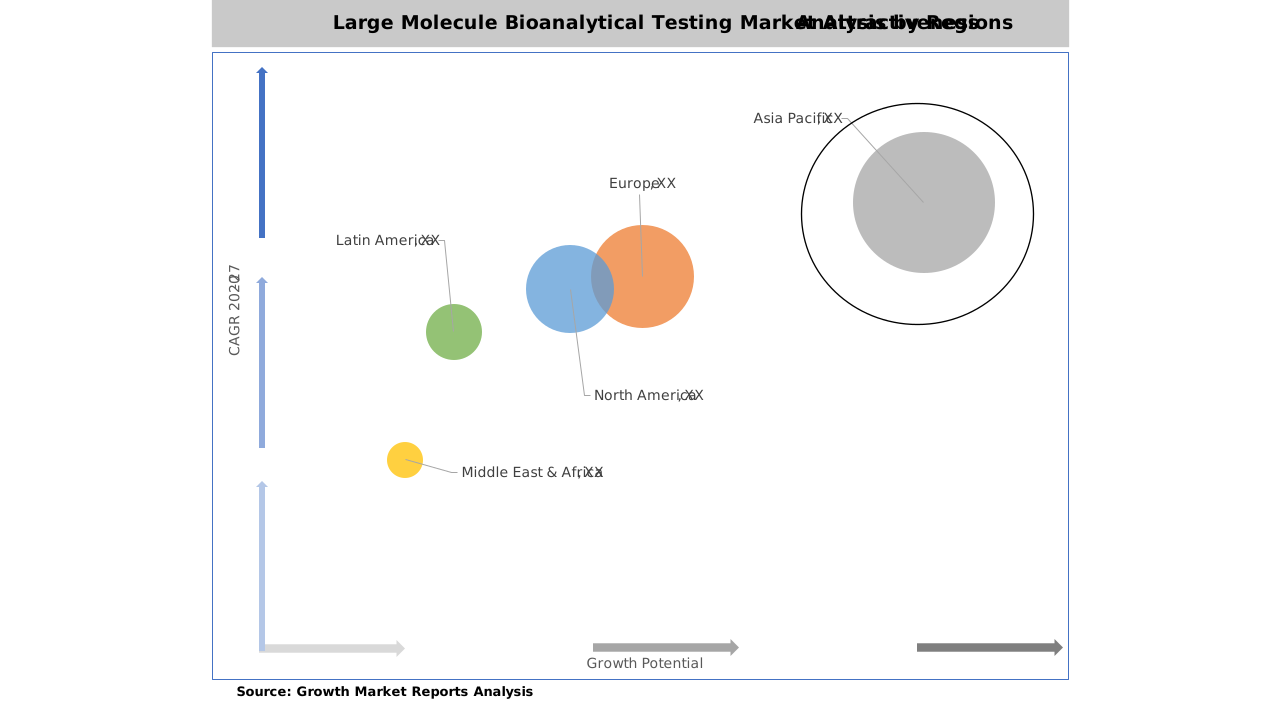
From a regional perspective, North America dominated the Large Molecule Bioanalytical Testing Service market in 2024, accounting for the largest revenue share due to its well-established biopharmaceutical industry, strong regulatory framework, and high adoption of advanced analytical technologies. Europe followed closely, supported by significant investments in life sciences research and a robust clinical trial landscape. The Asia Pacific region is emerging as a high-growth market, driven by increasing R&D activities, expanding pharmaceutical manufacturing capabilities, and supportive government initiatives. Latin America and the Middle East & Africa are also witnessing steady growth, albeit from a smaller base, as local biopharma sectors mature and international collaborations increase.

Global Large Molecule Bioanalytical Testing Service Industry Outlook

Service Type Analysis

The Service Type segment of the Large Molecule Bioanalytical Testing Service market is highly diversified, encompassing a range of specialized services such as PK/PD testing, ADA testing, biomarker testing, cell-based assays, and other analytical methodologies. PK/PD (pharmacokinetics/pharmacodynamics) testing is a critical component, as it provides essential data on the absorption, distribution, metabolism, and excretion of large molecule drugs. This information is vital for optimizing dosing regimens and ensuring therapeutic efficacy. As the number of biologics entering clinical development increases, the demand for PK/PD testing services continues to rise, with service providers investing in advanced analytical platforms and automation to meet client needs.

Large Molecule Stability and Storage are critical components in the lifecycle of biopharmaceutical products. Ensuring the stability of large molecules, such as monoclonal antibodies and recombinant proteins, is essential for maintaining their therapeutic efficacy and safety. Advanced stability testing protocols are employed to evaluate the impact of environmental factors, such as temperature, humidity, and light, on the integrity of these molecules. Proper storage conditions are equally important, as they prevent degradation and preserve the biological activity of the product. The development of innovative storage solutions and stability testing methodologies is crucial for extending the shelf life of biopharmaceuticals and ensuring their availability to patients worldwide.

ADA (anti-drug antibody) testing is another key service, particularly important for biologics that have the potential to elicit immune responses. Detecting and characterizing ADAs is crucial for assessing the immunogenicity of large molecule therapeutics, as immune reactions can impact drug safety, efficacy, and patient outcomes. The growing complexity of biologics, including bispecific antibodies and fusion proteins, necessitates more sensitive and specific ADA assays. Service providers are developing innovative assay formats, such as bridging ELISA and electrochemiluminescence, to address these challenges and comply with evolving regulatory requirements.

Biomarker testing is gaining prominence as personalized medicine becomes more widespread in the biopharmaceutical industry. Biomarkers are increasingly used to stratify patient populations, monitor therapeutic responses, and predict clinical outcomes. The integration of biomarker analysis into clinical trials for large molecule drugs is driving the need for robust and validated testing platforms. Service providers are expanding their biomarker portfolios to include genomic, proteomic, and metabolomic assays, leveraging advanced technologies such as multiplex immunoassays and digital PCR to enhance sensitivity and throughput.

Pharmacokinetics Bioanalysis is a fundamental aspect of drug development, providing insights into the absorption, distribution, metabolism, and excretion of large molecule therapeutics. This type of bioanalysis is essential for understanding the drug's behavior in the body and optimizing dosing regimens to achieve the desired therapeutic effect. Advanced analytical techniques, such as mass spectrometry and liquid chromatography, are employed to generate precise pharmacokinetic data, which informs clinical decision-making and supports regulatory submissions. As the demand for personalized medicine grows, pharmacokinetics bioanalysis becomes increasingly important in tailoring treatments to individual patient needs, enhancing the overall effectiveness of biopharmaceutical interventions.

Cell-based assays represent a rapidly growing segment, offering functional insights into the biological activity of large molecules. These assays are essential for evaluating the potency, mechanism of action, and safety of biologics, particularly in the context of immuno-oncology and cell therapy products. The increasing adoption of cell-based assays in both preclinical and clinical research is prompting service providers to invest in specialized laboratory infrastructure, skilled personnel, and standardized protocols. Other services, such as bioavailability and biosimilar testing, also contribute to the segment's growth, reflecting the expanding scope of bioanalytical testing in the evolving biopharma landscape.

Report Scope

Attributes Details
Report Title Large Molecule Bioanalytical Testing Service Market Research Report 2033
By Service Type PK/PD Testing, ADA Testing, Biomarker Testing, Cell-based Assays, Others
By Molecule Type Monoclonal Antibodies, Vaccines, Recombinant Proteins, Others
By Application Clinical Research, Preclinical Research
By End-User Pharmaceutical & Biotechnology Companies, Contract Research Organizations, Academic & Research Institutes, Others
Regions Covered North America, Europe, APAC, Latin America, MEA
Base Year 2024
Historic Data 2018-2023
Forecast Period 2025-2033
Number of Pages 277
Number of Tables & Figures 251
Customization Available Yes, the report can be customized as per your need.

Molecule Type Analysis

The Molecule Type segment is a cornerstone of the Large Molecule Bioanalytical Testing Service market, reflecting the diversity and complexity of biologics under development. Monoclonal antibodies (mAbs) dominate this segment, representing the largest share due to their widespread use in treating cancer, autoimmune disorders, and infectious diseases. The surge in mAb-based therapeutics has led to increased demand for comprehensive bioanalytical testing services, including PK/PD, ADA, and potency assays. Service providers are continually refining their analytical methodologies to address the unique challenges posed by mAbs, such as heterogeneity and glycosylation variability.

Vaccines are another significant molecule type, especially in the wake of the COVID-19 pandemic, which underscored the importance of rapid and reliable bioanalytical testing for vaccine development. The ongoing global efforts to develop next-generation vaccines against emerging infectious diseases are expected to sustain high demand for specialized testing services. This includes immunogenicity assessments, stability studies, and potency evaluations, all of which are critical for regulatory approval and market access. Service providers are expanding their vaccine testing capabilities to support the growing pipeline of candidates across various platforms, including mRNA, viral vector, and protein subunit vaccines.

Recombinant proteins constitute a substantial portion of the molecule type segment, with applications spanning hormone replacement therapy, enzyme replacement, and rare disease treatment. The structural complexity of recombinant proteins necessitates advanced analytical techniques for characterization, quantification, and quality control. Bioanalytical testing service providers are leveraging mass spectrometry, capillary electrophoresis, and other high-resolution methods to ensure accurate and reproducible results. As the market for recombinant proteins continues to expand, driven by unmet medical needs and technological innovation, the demand for tailored bioanalytical solutions is expected to grow in parallel.

Other molecule types, such as biosimilars, gene therapies, and cell-based products, are emerging as important contributors to the Large Molecule Bioanalytical Testing Service market. The increasing development of biosimilars, in particular, is driving demand for comparative analytical studies to establish biosimilarity with reference products. Gene and cell therapies present unique analytical challenges, requiring specialized assays for vector quantification, transgene expression, and cellular potency. Service providers are investing in R&D and laboratory infrastructure to support these novel modalities, positioning themselves at the forefront of the evolving biopharmaceutical landscape.

Application Analysis

The Application segment of the Large Molecule Bioanalytical Testing Service market is primarily divided into clinical research and preclinical research, each playing a vital role in the drug development continuum. Clinical research accounts for the largest share, as most bioanalytical testing is conducted to support clinical trials of large molecule drugs. The increasing number of Phase I–III trials for biologics, coupled with stringent regulatory requirements for bioanalytical data, drives substantial demand for clinical research testing services. Service providers are collaborating closely with pharmaceutical sponsors to design and execute comprehensive bioanalytical strategies that ensure regulatory compliance and facilitate timely drug approval.

Preclinical research is also a critical application area, encompassing the early-stage evaluation of large molecule candidates for safety, efficacy, and pharmacokinetics. The complexity of biologics necessitates sophisticated analytical techniques to characterize their behavior in animal models and assess potential risks before entering human trials. The rise of advanced preclinical models, such as humanized mice and organ-on-chip systems, is further enhancing the quality and relevance of preclinical bioanalytical data. Service providers are expanding their preclinical testing portfolios to include a wide range of assays, from immunogenicity to tissue distribution studies, supporting the growing pipeline of biologics in early development.

The integration of translational research into the application segment is becoming increasingly important, bridging the gap between preclinical findings and clinical outcomes. Translational bioanalytical testing enables the identification of predictive biomarkers, mechanistic insights, and patient stratification strategies, all of which are essential for the success of large molecule therapeutics. Service providers are leveraging advanced analytical platforms and bioinformatics tools to facilitate the translation of preclinical data into clinically meaningful results, thereby accelerating the drug development process.

The emergence of novel therapeutic modalities, such as gene and cell therapies, is expanding the application landscape for bioanalytical testing services. These innovative treatments require specialized assays for vector quantification, gene expression analysis, and cellular potency assessment, necessitating close collaboration between sponsors and service providers. As the adoption of personalized medicine and targeted therapies increases, the demand for customized bioanalytical testing solutions tailored to specific patient populations and disease indications is expected to rise, further driving growth in the application segment.

End-User Analysis

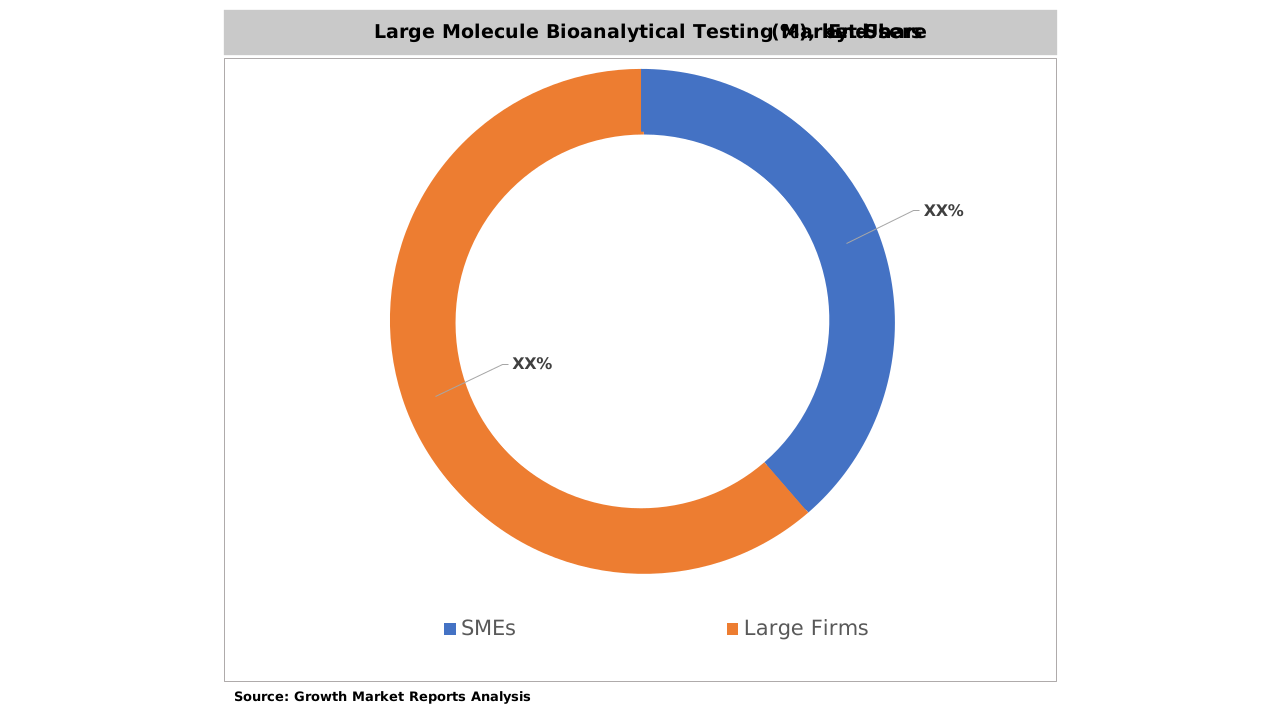
The End-User segment is a key determinant of demand in the Large Molecule Bioanalytical Testing Service market, encompassing pharmaceutical and biotechnology companies, contract research organizations (CROs), academic and research institutes, and other stakeholders. Pharmaceutical and biotechnology companies represent the largest end-user group, as they are the primary sponsors of large molecule drug development programs. These organizations rely heavily on external bioanalytical testing service providers to access specialized expertise, advanced technologies, and scalable laboratory infrastructure. Outsourcing bioanalytical testing enables biopharma companies to focus on core R&D activities, accelerate development timelines, and optimize resource allocation.

Contract research organizations (CROs) play a pivotal role in the market, serving as strategic partners for pharmaceutical sponsors throughout the drug development lifecycle. CROs offer a comprehensive suite of bioanalytical testing services, from assay development and validation to sample analysis and data interpretation. The increasing trend towards outsourcing in the biopharmaceutical industry is driving robust growth in the CRO segment, with service providers expanding their capabilities through investments in technology, talent, and global laboratory networks. The ability to deliver high-quality, regulatory-compliant data is a key differentiator for CROs in this competitive market.

Academic and research institutes are important end-users, particularly in the context of early-stage discovery and translational research. These institutions often collaborate with industry partners to advance the development of novel biologics, leveraging their scientific expertise and access to cutting-edge analytical technologies. Academic research plays a crucial role in the identification of new biomarkers, elucidation of drug mechanisms, and validation of innovative assay platforms. Service providers are increasingly partnering with academic centers to support collaborative research initiatives and foster innovation in bioanalytical testing.

Other end-users, such as government agencies, regulatory bodies, and non-profit organizations, also contribute to the demand for large molecule bioanalytical testing services. These stakeholders are involved in public health initiatives, regulatory oversight, and funding of research programs aimed at advancing biopharmaceutical development. The growing emphasis on global health challenges, such as infectious diseases and rare disorders, is prompting increased investment in bioanalytical testing capabilities across diverse end-user segments. As the market continues to evolve, service providers are tailoring their offerings to address the unique needs and priorities of each end-user group, ensuring broad access to high-quality bioanalytical solutions.

Opportunities & Threats

The Large Molecule Bioanalytical Testing Service market presents significant opportunities for growth and innovation, driven by the expanding pipeline of biologics, increasing outsourcing trends, and technological advancements in analytical methodologies. The rise of personalized medicine and targeted therapies is creating new avenues for bioanalytical testing, as sponsors seek to develop more precise and effective treatments for diverse patient populations. Service providers that can offer integrated solutions, combining advanced analytics, automation, and digitalization, are well-positioned to capture a larger share of the market. Additionally, the growing focus on biosimilars, gene therapies, and cell-based products is opening up new segments for specialized testing services, offering lucrative opportunities for providers that can adapt to the evolving needs of the biopharmaceutical industry.

Another major opportunity lies in the globalization of clinical research, with increasing numbers of trials being conducted in emerging markets such as Asia Pacific and Latin America. These regions offer cost advantages, access to diverse patient populations, and supportive regulatory environments, making them attractive destinations for biopharmaceutical development. Service providers that can establish a strong presence in these markets, build local expertise, and navigate regional regulatory requirements are likely to benefit from the growing demand for bioanalytical testing services. Strategic partnerships, mergers and acquisitions, and investments in laboratory infrastructure are key strategies for capitalizing on these opportunities and expanding market reach.

Despite the positive outlook, the market faces several threats and restrainers that could impact growth. One of the primary challenges is the increasing complexity of biologics, which requires continuous investment in R&D, technology upgrades, and workforce training. The high cost of advanced analytical instruments and the need for specialized expertise can pose barriers to entry for new service providers and limit the scalability of existing operations. Additionally, evolving regulatory requirements and the need for global harmonization of bioanalytical standards create compliance challenges for service providers operating in multiple jurisdictions. Addressing these threats requires a proactive approach to innovation, quality assurance, and regulatory engagement to ensure sustained market growth.

Regional Outlook

North America remains the largest regional market for Large Molecule Bioanalytical Testing Services, accounting for approximately USD 1.85 billion in revenue in 2024. The region's dominance is underpinned by its mature biopharmaceutical industry, strong regulatory framework, and high adoption of advanced analytical technologies. The presence of leading pharmaceutical companies, CROs, and academic research centers, coupled with significant investments in R&D, drives robust demand for bioanalytical testing services. The United States, in particular, is a global hub for biologics development, with a large number of clinical trials and regulatory submissions requiring comprehensive bioanalytical support.

Europe is the second-largest market, generating around USD 1.10 billion in 2024. The region benefits from a well-established life sciences ecosystem, supportive government policies, and a growing emphasis on translational research. Major countries such as Germany, the United Kingdom, and France are key contributors to the market, with active pipelines of biologics and biosimilars. The European Medicines Agency (EMA) plays a pivotal role in shaping regulatory standards for bioanalytical testing, fostering a culture of quality and innovation among service providers. The region is expected to grow at a steady CAGR of 8.1% through 2033, driven by increasing R&D investments and expanding clinical trial activity.

The Asia Pacific region is emerging as a high-growth market, with revenues reaching USD 0.85 billion in 2024. The region's rapid expansion is fueled by the growth of the pharmaceutical manufacturing sector, rising investments in biotechnology research, and supportive government initiatives to promote innovation and clinical development. Countries such as China, India, and Japan are at the forefront of this growth, offering cost advantages, skilled talent pools, and access to large patient populations. Service providers are increasingly establishing laboratories and partnerships in Asia Pacific to capitalize on the region's potential and meet the needs of global biopharmaceutical clients. Latin America and the Middle East & Africa collectively account for the remaining market share, with revenues of approximately USD 0.41 billion in 2024. These regions are gradually developing their biopharma sectors and attracting international collaborations, contributing to the overall growth of the global market.

Large Molecule Bioanalytical Testing Service Market Statistics

Competitor Outlook

The Large Molecule Bioanalytical Testing Service market is characterized by intense competition, with a diverse mix of global, regional, and specialized service providers vying for market share. Leading players differentiate themselves through their technical expertise, comprehensive service portfolios, and ability to deliver high-quality, regulatory-compliant data. The competitive landscape is shaped by ongoing investments in technology, laboratory infrastructure, and talent development, as service providers seek to stay ahead of evolving client needs and regulatory requirements. Strategic partnerships, mergers and acquisitions, and geographic expansion are common strategies employed by major companies to enhance their market position and broaden their client base.

Innovation is a key driver of competition in the market, with service providers continuously upgrading their analytical platforms, automation capabilities, and digital tools to improve efficiency, accuracy, and turnaround times. The integration of artificial intelligence, machine learning, and bioinformatics into bioanalytical workflows is enabling more sophisticated data analysis and interpretation, further enhancing the value proposition for clients. Companies that can offer end-to-end solutions, from assay development and validation to sample analysis and regulatory support, are particularly well-positioned to capture large, multi-year contracts with biopharmaceutical sponsors.

The market also features a growing number of niche and specialized providers, focusing on specific molecule types, therapeutic areas, or analytical methodologies. These companies often collaborate with larger CROs or pharmaceutical companies to provide complementary expertise and address complex analytical challenges. The ability to deliver customized, flexible, and innovative solutions is a key differentiator for smaller players in the market. As the demand for large molecule bioanalytical testing services continues to grow, the competitive landscape is expected to become even more dynamic, with new entrants and disruptive technologies reshaping the industry.

Major companies operating in the Large Molecule Bioanalytical Testing Service market include Covance Inc. (LabCorp Drug Development), Charles River Laboratories, Eurofins Scientific, SGS SA, ICON plc, PPD, Inc. (part of Thermo Fisher Scientific), WuXi AppTec, Syneos Health, and Pace Analytical. Covance Inc. is renowned for its comprehensive suite of bioanalytical services, global laboratory network, and strong regulatory track record. Charles River Laboratories is a leader in preclinical and clinical bioanalytical testing, with a focus on innovation and client-centric solutions. Eurofins Scientific offers a broad range of analytical services, leveraging advanced technologies and a global footprint to support biopharmaceutical development.

SGS SA and ICON plc are prominent players with extensive experience in large molecule bioanalysis, offering integrated services across the drug development continuum. PPD, now part of Thermo Fisher Scientific, combines scientific expertise with state-of-the-art laboratory infrastructure to deliver high-quality, compliant data for biologics and biosimilars. WuXi AppTec is a key player in the Asia Pacific region, providing end-to-end bioanalytical solutions for global clients. Syneos Health and Pace Analytical are recognized for their specialized offerings, flexible service models, and commitment to quality and innovation. Collectively, these companies are driving the growth and evolution of the Large Molecule Bioanalytical Testing Service market, setting new standards for excellence in bioanalytical science.

Key Players

  • Covance Inc.
  • Charles River Laboratories International, Inc.
  • SGS SA
  • Eurofins Scientific SE
  • ICON plc
  • Syneos Health
  • PPD, Inc. (Thermo Fisher Scientific)
  • WuXi AppTec
  • Pace Analytical Services, LLC
  • Intertek Group plc
  • BioAgilytix Labs
  • Frontage Laboratories, Inc.
  • Medpace Holdings, Inc.
  • IQVIA Holdings Inc.
  • Labcorp Drug Development
  • Celerion Inc.
  • Altasciences
  • LGC Limited
  • QPS Holdings, LLC
  • Creative BioMart
Large Molecule Bioanalytical Testing Service Market Overview

Segments

The Large Molecule Bioanalytical Testing Service market has been segmented on the basis of

Service Type

  • PK/PD Testing
  • ADA Testing
  • Biomarker Testing
  • Cell-based Assays
  • Others

Molecule Type

  • Monoclonal Antibodies
  • Vaccines
  • Recombinant Proteins
  • Others

Application

  • Clinical Research
  • Preclinical Research

End-User

  • Pharmaceutical & Biotechnology Companies
  • Contract Research Organizations
  • Academic & Research Institutes
  • Others

Competitive Landscape

Key players in the large molecule bioanalytical testing service market include Charles River Laboratory International, Covance, Inc., ICON Plc, Intertek Group plc, IQVIA, Pace Analytical Services LLC, PPD, INC., SGS SA, Syneos Health, and Toxikon. Mergers & acquisitions, collaborations, agreements, and partnerships are some growth strategies adopted by these players to strengthen their geographical presence.
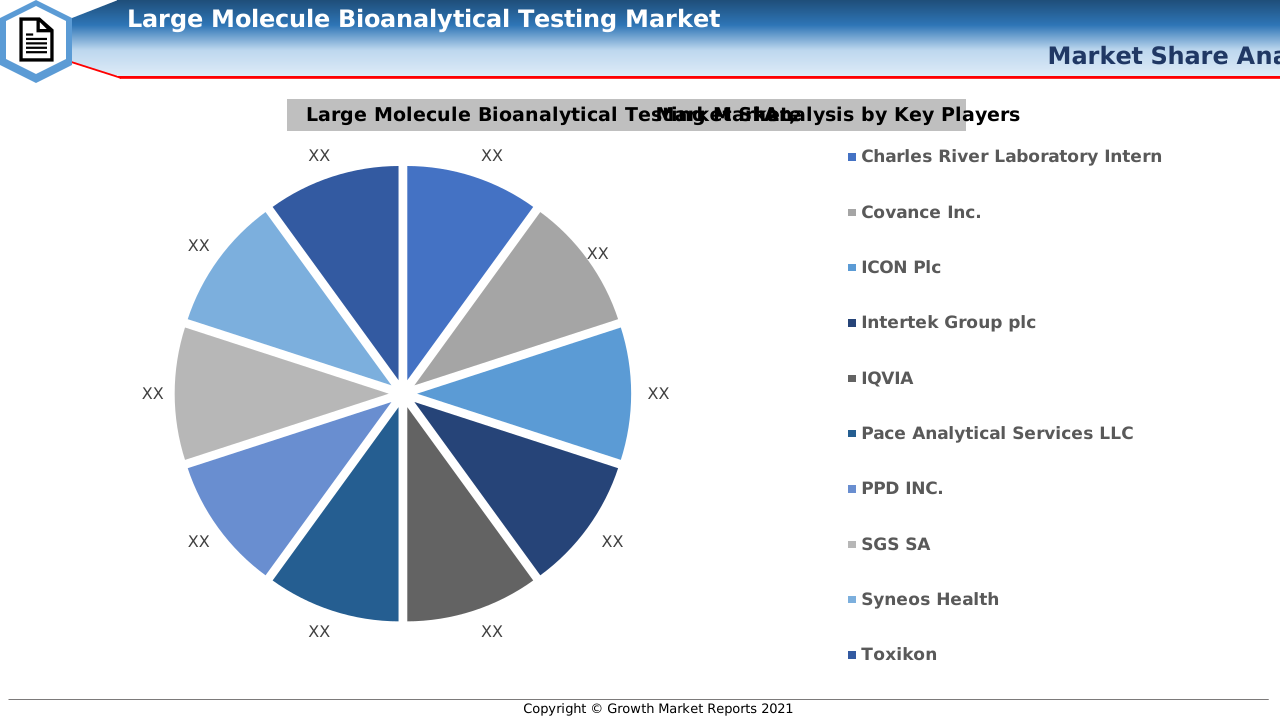

Global Large Molecule Bioanalytical Testing Market Key Players

Frequently Asked Questions

Opportunities include the rise of personalized medicine, biosimilars, gene and cell therapies, and globalization of clinical research. Challenges include increasing complexity of biologics, high costs of advanced instruments, and evolving regulatory requirements.

Key players include Covance Inc. (LabCorp Drug Development), Charles River Laboratories, Eurofins Scientific, SGS SA, ICON plc, PPD (Thermo Fisher Scientific), WuXi AppTec, Syneos Health, and Pace Analytical.

Advancements in mass spectrometry, high-performance liquid chromatography, next-generation sequencing, automation, and digitalization are enhancing the accuracy, sensitivity, and efficiency of bioanalytical testing.

Major applications include clinical research (supporting clinical trials) and preclinical research (early-stage safety and efficacy studies), with increasing focus on translational research and novel therapies.

Pharmaceutical and biotechnology companies, contract research organizations (CROs), academic and research institutes, government agencies, and regulatory bodies are the main end-users.

Monoclonal antibodies, vaccines, recombinant proteins, biosimilars, gene therapies, and cell-based products are the primary molecule types analyzed.

Key service types include PK/PD testing, ADA testing, biomarker testing, cell-based assays, and other analytical methodologies.

North America leads the market, followed by Europe. Asia Pacific is emerging as a high-growth region, while Latin America and the Middle East & Africa are also experiencing steady growth.

Growth is driven by the expansion of the biopharmaceutical sector, increasing clinical trials for large molecule drugs, rising investments in biotechnology research, and continuous innovation in analytical technologies.

The global Large Molecule Bioanalytical Testing Service market reached USD 4.21 billion in 2024 and is projected to grow at a CAGR of 8.9% from 2025 to 2033, reaching approximately USD 9.18 billion by 2033.

Table Of Content

Chapter 1 Executive Summary
Chapter 2 Assumptions and Acronyms Used
Chapter 3 Research Methodology
Chapter 4 Large Molecule Bioanalytical Testing Service Market Overview
   4.1 Introduction
      4.1.1 Market Taxonomy
      4.1.2 Market Definition
      4.1.3 Macro-Economic Factors Impacting the Market Growth
   4.2 Large Molecule Bioanalytical Testing Service Market Dynamics
      4.2.1 Market Drivers
      4.2.2 Market Restraints
      4.2.3 Market Opportunity
   4.3 Large Molecule Bioanalytical Testing Service Market - Supply Chain Analysis
      4.3.1 List of Key Suppliers
      4.3.2 List of Key Distributors
      4.3.3 List of Key Consumers
   4.4 Key Forces Shaping the Large Molecule Bioanalytical Testing Service Market
      4.4.1 Bargaining Power of Suppliers
      4.4.2 Bargaining Power of Buyers
      4.4.3 Threat of Substitution
      4.4.4 Threat of New Entrants
      4.4.5 Competitive Rivalry
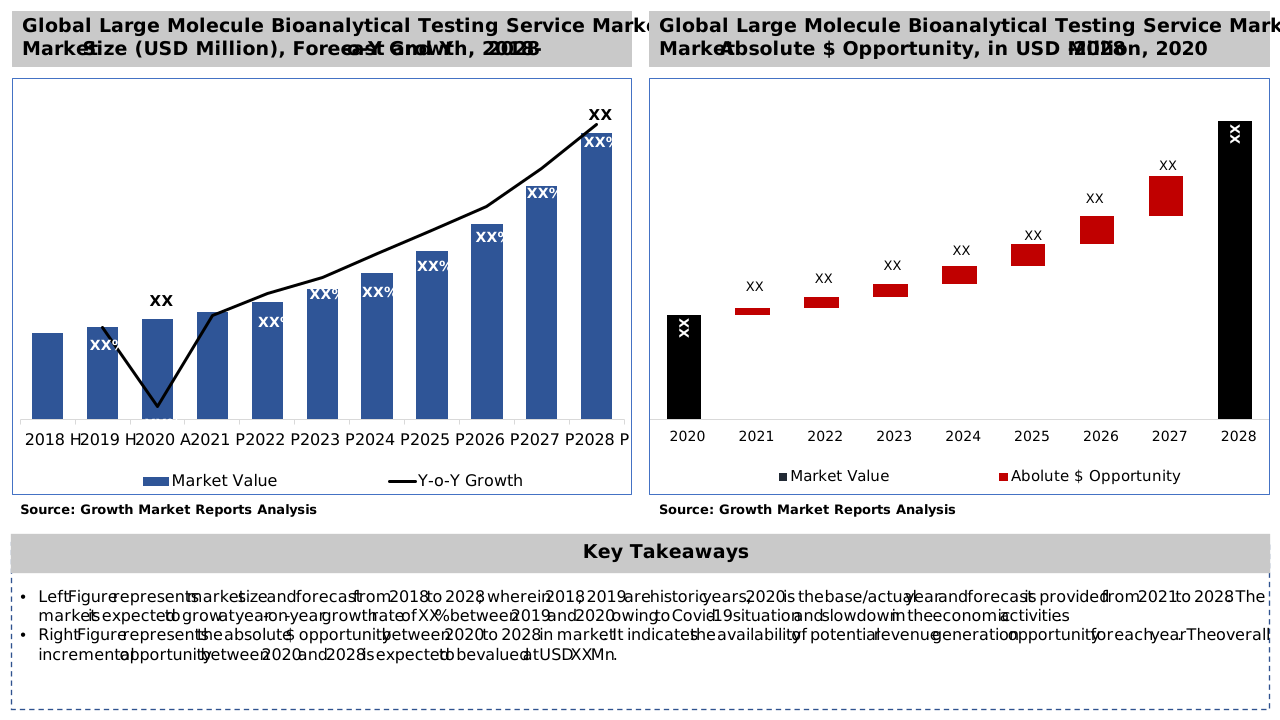
   4.5 Global Large Molecule Bioanalytical Testing Service Market Size & Forecast, 2023-2032
      4.5.1 Large Molecule Bioanalytical Testing Service Market Size and Y-o-Y Growth
      4.5.2 Large Molecule Bioanalytical Testing Service Market Absolute $ Opportunity

Chapter 5 Global Large Molecule Bioanalytical Testing Service Market Analysis and Forecast By Service Type
   5.1 Introduction
      5.1.1 Key Market Trends & Growth Opportunities By Service Type
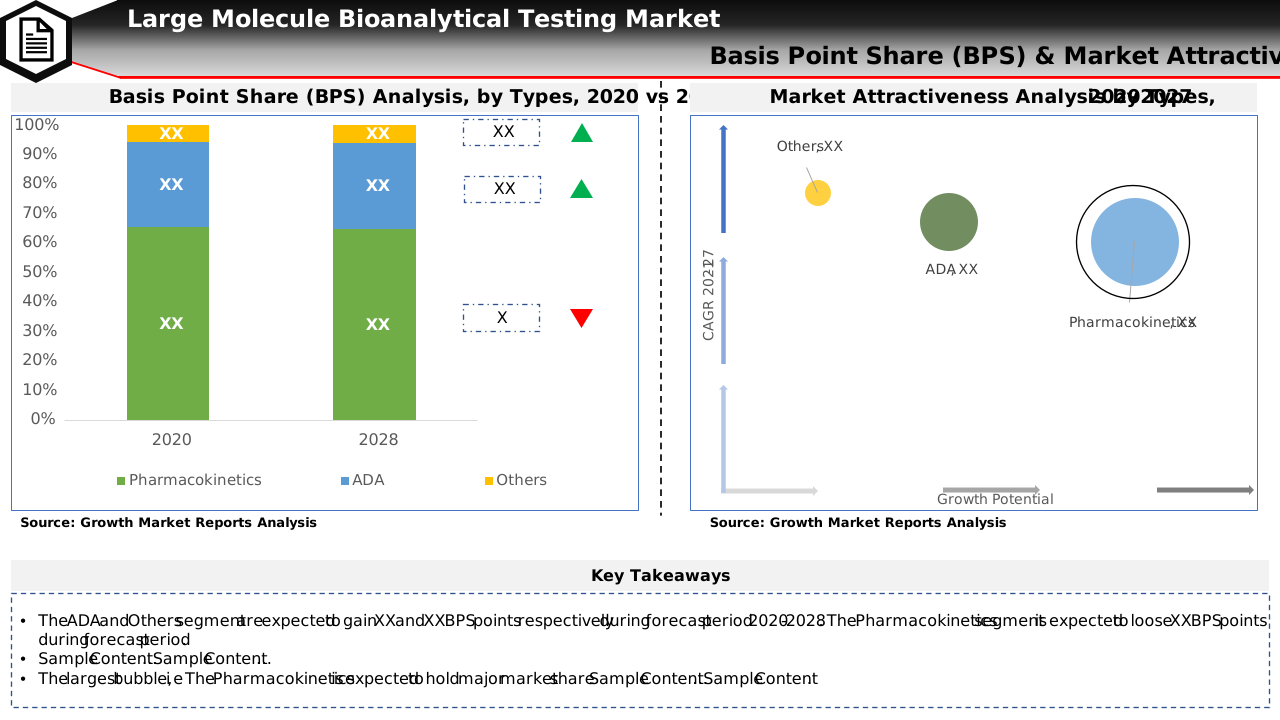
      5.1.2 Basis Point Share (BPS) Analysis By Service Type
      5.1.3 Absolute $ Opportunity Assessment By Service Type
   5.2 Large Molecule Bioanalytical Testing Service Market Size Forecast By Service Type
      5.2.1 PK/PD Testing
      5.2.2 ADA Testing
      5.2.3 Biomarker Testing
      5.2.4 Cell-based Assays
      5.2.5 Others
   5.3 Market Attractiveness Analysis By Service Type

Chapter 6 Global Large Molecule Bioanalytical Testing Service Market Analysis and Forecast By Molecule Type
   6.1 Introduction
      6.1.1 Key Market Trends & Growth Opportunities By Molecule Type
      6.1.2 Basis Point Share (BPS) Analysis By Molecule Type
      6.1.3 Absolute $ Opportunity Assessment By Molecule Type
   6.2 Large Molecule Bioanalytical Testing Service Market Size Forecast By Molecule Type
      6.2.1 Monoclonal Antibodies
      6.2.2 Vaccines
      6.2.3 Recombinant Proteins
      6.2.4 Others
   6.3 Market Attractiveness Analysis By Molecule Type

Chapter 7 Global Large Molecule Bioanalytical Testing Service Market Analysis and Forecast By Application
   7.1 Introduction
      7.1.1 Key Market Trends & Growth Opportunities By Application
      7.1.2 Basis Point Share (BPS) Analysis By Application
      7.1.3 Absolute $ Opportunity Assessment By Application
   7.2 Large Molecule Bioanalytical Testing Service Market Size Forecast By Application
      7.2.1 Clinical Research
      7.2.2 Preclinical Research
   7.3 Market Attractiveness Analysis By Application

Chapter 8 Global Large Molecule Bioanalytical Testing Service Market Analysis and Forecast By End-User
   8.1 Introduction
      8.1.1 Key Market Trends & Growth Opportunities By End-User
      8.1.2 Basis Point Share (BPS) Analysis By End-User
      8.1.3 Absolute $ Opportunity Assessment By End-User
   8.2 Large Molecule Bioanalytical Testing Service Market Size Forecast By End-User
      8.2.1 Pharmaceutical & Biotechnology Companies
      8.2.2 Contract Research Organizations
      8.2.3 Academic & Research Institutes
      8.2.4 Others
   8.3 Market Attractiveness Analysis By End-User

Chapter 9 Global Large Molecule Bioanalytical Testing Service Market Analysis and Forecast by Region
   9.1 Introduction
      9.1.1 Key Market Trends & Growth Opportunities By Region
      9.1.2 Basis Point Share (BPS) Analysis By Region
      9.1.3 Absolute $ Opportunity Assessment By Region
   9.2 Large Molecule Bioanalytical Testing Service Market Size Forecast By Region
      9.2.1 North America
      9.2.2 Europe
      9.2.3 Asia Pacific
      9.2.4 Latin America
      9.2.5 Middle East & Africa (MEA)
   9.3 Market Attractiveness Analysis By Region

Chapter 10 Coronavirus Disease (COVID-19) Impact 
   10.1 Introduction 
   10.2 Current & Future Impact Analysis 
   10.3 Economic Impact Analysis 
   10.4 Government Policies 
   10.5 Investment Scenario

Chapter 11 North America Large Molecule Bioanalytical Testing Service Analysis and Forecast
   11.1 Introduction
   11.2 North America Large Molecule Bioanalytical Testing Service Market Size Forecast by Country
      11.2.1 U.S.
      11.2.2 Canada
   11.3 Basis Point Share (BPS) Analysis by Country
   11.4 Absolute $ Opportunity Assessment by Country
   11.5 Market Attractiveness Analysis by Country
   11.6 North America Large Molecule Bioanalytical Testing Service Market Size Forecast By Service Type
      11.6.1 PK/PD Testing
      11.6.2 ADA Testing
      11.6.3 Biomarker Testing
      11.6.4 Cell-based Assays
      11.6.5 Others
   11.7 Basis Point Share (BPS) Analysis By Service Type 
   11.8 Absolute $ Opportunity Assessment By Service Type 
   11.9 Market Attractiveness Analysis By Service Type
   11.10 North America Large Molecule Bioanalytical Testing Service Market Size Forecast By Molecule Type
      11.10.1 Monoclonal Antibodies
      11.10.2 Vaccines
      11.10.3 Recombinant Proteins
      11.10.4 Others
   11.11 Basis Point Share (BPS) Analysis By Molecule Type 
   11.12 Absolute $ Opportunity Assessment By Molecule Type 
   11.13 Market Attractiveness Analysis By Molecule Type
   11.14 North America Large Molecule Bioanalytical Testing Service Market Size Forecast By Application
      11.14.1 Clinical Research
      11.14.2 Preclinical Research
   11.15 Basis Point Share (BPS) Analysis By Application 
   11.16 Absolute $ Opportunity Assessment By Application 
   11.17 Market Attractiveness Analysis By Application
   11.18 North America Large Molecule Bioanalytical Testing Service Market Size Forecast By End-User
      11.18.1 Pharmaceutical & Biotechnology Companies
      11.18.2 Contract Research Organizations
      11.18.3 Academic & Research Institutes
      11.18.4 Others
   11.19 Basis Point Share (BPS) Analysis By End-User 
   11.20 Absolute $ Opportunity Assessment By End-User 
   11.21 Market Attractiveness Analysis By End-User

Chapter 12 Europe Large Molecule Bioanalytical Testing Service Analysis and Forecast
   12.1 Introduction
   12.2 Europe Large Molecule Bioanalytical Testing Service Market Size Forecast by Country
      12.2.1 Germany
      12.2.2 France
      12.2.3 Italy
      12.2.4 U.K.
      12.2.5 Spain
      12.2.6 Russia
      12.2.7 Rest of Europe
   12.3 Basis Point Share (BPS) Analysis by Country
   12.4 Absolute $ Opportunity Assessment by Country
   12.5 Market Attractiveness Analysis by Country
   12.6 Europe Large Molecule Bioanalytical Testing Service Market Size Forecast By Service Type
      12.6.1 PK/PD Testing
      12.6.2 ADA Testing
      12.6.3 Biomarker Testing
      12.6.4 Cell-based Assays
      12.6.5 Others
   12.7 Basis Point Share (BPS) Analysis By Service Type 
   12.8 Absolute $ Opportunity Assessment By Service Type 
   12.9 Market Attractiveness Analysis By Service Type
   12.10 Europe Large Molecule Bioanalytical Testing Service Market Size Forecast By Molecule Type
      12.10.1 Monoclonal Antibodies
      12.10.2 Vaccines
      12.10.3 Recombinant Proteins
      12.10.4 Others
   12.11 Basis Point Share (BPS) Analysis By Molecule Type 
   12.12 Absolute $ Opportunity Assessment By Molecule Type 
   12.13 Market Attractiveness Analysis By Molecule Type
   12.14 Europe Large Molecule Bioanalytical Testing Service Market Size Forecast By Application
      12.14.1 Clinical Research
      12.14.2 Preclinical Research
   12.15 Basis Point Share (BPS) Analysis By Application 
   12.16 Absolute $ Opportunity Assessment By Application 
   12.17 Market Attractiveness Analysis By Application
   12.18 Europe Large Molecule Bioanalytical Testing Service Market Size Forecast By End-User
      12.18.1 Pharmaceutical & Biotechnology Companies
      12.18.2 Contract Research Organizations
      12.18.3 Academic & Research Institutes
      12.18.4 Others
   12.19 Basis Point Share (BPS) Analysis By End-User 
   12.20 Absolute $ Opportunity Assessment By End-User 
   12.21 Market Attractiveness Analysis By End-User

Chapter 13 Asia Pacific Large Molecule Bioanalytical Testing Service Analysis and Forecast
   13.1 Introduction
   13.2 Asia Pacific Large Molecule Bioanalytical Testing Service Market Size Forecast by Country
      13.2.1 China
      13.2.2 Japan
      13.2.3 South Korea
      13.2.4 India
      13.2.5 Australia
      13.2.6 South East Asia (SEA)
      13.2.7 Rest of Asia Pacific (APAC)
   13.3 Basis Point Share (BPS) Analysis by Country
   13.4 Absolute $ Opportunity Assessment by Country
   13.5 Market Attractiveness Analysis by Country
   13.6 Asia Pacific Large Molecule Bioanalytical Testing Service Market Size Forecast By Service Type
      13.6.1 PK/PD Testing
      13.6.2 ADA Testing
      13.6.3 Biomarker Testing
      13.6.4 Cell-based Assays
      13.6.5 Others
   13.7 Basis Point Share (BPS) Analysis By Service Type 
   13.8 Absolute $ Opportunity Assessment By Service Type 
   13.9 Market Attractiveness Analysis By Service Type
   13.10 Asia Pacific Large Molecule Bioanalytical Testing Service Market Size Forecast By Molecule Type
      13.10.1 Monoclonal Antibodies
      13.10.2 Vaccines
      13.10.3 Recombinant Proteins
      13.10.4 Others
   13.11 Basis Point Share (BPS) Analysis By Molecule Type 
   13.12 Absolute $ Opportunity Assessment By Molecule Type 
   13.13 Market Attractiveness Analysis By Molecule Type
   13.14 Asia Pacific Large Molecule Bioanalytical Testing Service Market Size Forecast By Application
      13.14.1 Clinical Research
      13.14.2 Preclinical Research
   13.15 Basis Point Share (BPS) Analysis By Application 
   13.16 Absolute $ Opportunity Assessment By Application 
   13.17 Market Attractiveness Analysis By Application
   13.18 Asia Pacific Large Molecule Bioanalytical Testing Service Market Size Forecast By End-User
      13.18.1 Pharmaceutical & Biotechnology Companies
      13.18.2 Contract Research Organizations
      13.18.3 Academic & Research Institutes
      13.18.4 Others
   13.19 Basis Point Share (BPS) Analysis By End-User 
   13.20 Absolute $ Opportunity Assessment By End-User 
   13.21 Market Attractiveness Analysis By End-User

Chapter 14 Latin America Large Molecule Bioanalytical Testing Service Analysis and Forecast
   14.1 Introduction
   14.2 Latin America Large Molecule Bioanalytical Testing Service Market Size Forecast by Country
      14.2.1 Brazil
      14.2.2 Mexico
      14.2.3 Rest of Latin America (LATAM)
   14.3 Basis Point Share (BPS) Analysis by Country
   14.4 Absolute $ Opportunity Assessment by Country
   14.5 Market Attractiveness Analysis by Country
   14.6 Latin America Large Molecule Bioanalytical Testing Service Market Size Forecast By Service Type
      14.6.1 PK/PD Testing
      14.6.2 ADA Testing
      14.6.3 Biomarker Testing
      14.6.4 Cell-based Assays
      14.6.5 Others
   14.7 Basis Point Share (BPS) Analysis By Service Type 
   14.8 Absolute $ Opportunity Assessment By Service Type 
   14.9 Market Attractiveness Analysis By Service Type
   14.10 Latin America Large Molecule Bioanalytical Testing Service Market Size Forecast By Molecule Type
      14.10.1 Monoclonal Antibodies
      14.10.2 Vaccines
      14.10.3 Recombinant Proteins
      14.10.4 Others
   14.11 Basis Point Share (BPS) Analysis By Molecule Type 
   14.12 Absolute $ Opportunity Assessment By Molecule Type 
   14.13 Market Attractiveness Analysis By Molecule Type
   14.14 Latin America Large Molecule Bioanalytical Testing Service Market Size Forecast By Application
      14.14.1 Clinical Research
      14.14.2 Preclinical Research
   14.15 Basis Point Share (BPS) Analysis By Application 
   14.16 Absolute $ Opportunity Assessment By Application 
   14.17 Market Attractiveness Analysis By Application
   14.18 Latin America Large Molecule Bioanalytical Testing Service Market Size Forecast By End-User
      14.18.1 Pharmaceutical & Biotechnology Companies
      14.18.2 Contract Research Organizations
      14.18.3 Academic & Research Institutes
      14.18.4 Others
   14.19 Basis Point Share (BPS) Analysis By End-User 
   14.20 Absolute $ Opportunity Assessment By End-User 
   14.21 Market Attractiveness Analysis By End-User

Chapter 15 Middle East & Africa (MEA) Large Molecule Bioanalytical Testing Service Analysis and Forecast
   15.1 Introduction
   15.2 Middle East & Africa (MEA) Large Molecule Bioanalytical Testing Service Market Size Forecast by Country
      15.2.1 Saudi Arabia
      15.2.2 South Africa
      15.2.3 UAE
      15.2.4 Rest of Middle East & Africa (MEA)
   15.3 Basis Point Share (BPS) Analysis by Country
   15.4 Absolute $ Opportunity Assessment by Country
   15.5 Market Attractiveness Analysis by Country
   15.6 Middle East & Africa (MEA) Large Molecule Bioanalytical Testing Service Market Size Forecast By Service Type
      15.6.1 PK/PD Testing
      15.6.2 ADA Testing
      15.6.3 Biomarker Testing
      15.6.4 Cell-based Assays
      15.6.5 Others
   15.7 Basis Point Share (BPS) Analysis By Service Type 
   15.8 Absolute $ Opportunity Assessment By Service Type 
   15.9 Market Attractiveness Analysis By Service Type
   15.10 Middle East & Africa (MEA) Large Molecule Bioanalytical Testing Service Market Size Forecast By Molecule Type
      15.10.1 Monoclonal Antibodies
      15.10.2 Vaccines
      15.10.3 Recombinant Proteins
      15.10.4 Others
   15.11 Basis Point Share (BPS) Analysis By Molecule Type 
   15.12 Absolute $ Opportunity Assessment By Molecule Type 
   15.13 Market Attractiveness Analysis By Molecule Type
   15.14 Middle East & Africa (MEA) Large Molecule Bioanalytical Testing Service Market Size Forecast By Application
      15.14.1 Clinical Research
      15.14.2 Preclinical Research
   15.15 Basis Point Share (BPS) Analysis By Application 
   15.16 Absolute $ Opportunity Assessment By Application 
   15.17 Market Attractiveness Analysis By Application
   15.18 Middle East & Africa (MEA) Large Molecule Bioanalytical Testing Service Market Size Forecast By End-User
      15.18.1 Pharmaceutical & Biotechnology Companies
      15.18.2 Contract Research Organizations
      15.18.3 Academic & Research Institutes
      15.18.4 Others
   15.19 Basis Point Share (BPS) Analysis By End-User 
   15.20 Absolute $ Opportunity Assessment By End-User 
   15.21 Market Attractiveness Analysis By End-User

Chapter 16 Competition Landscape 
   16.1 Large Molecule Bioanalytical Testing Service Market: Competitive Dashboard
   16.2 Global Large Molecule Bioanalytical Testing Service Market: Market Share Analysis, 2023
   16.3 Company Profiles (Details – Overview, Financials, Developments, Strategy) 
      16.3.1 Covance Inc.
Charles River Laboratories International, Inc.
SGS SA
Eurofins Scientific SE
ICON plc
Syneos Health
PPD, Inc. (Thermo Fisher Scientific)
WuXi AppTec
Pace Analytical Services, LLC
Intertek Group plc
BioAgilytix Labs
Frontage Laboratories, Inc.
Medpace Holdings, Inc.
IQVIA Holdings Inc.
Labcorp Drug Development
Celerion Inc.
Altasciences
LGC Limited
QPS Holdings, LLC
Creative BioMart

Methodology

Our Clients

Siemens Healthcare
Honda Motor Co. Ltd.
sinopec
Nestle SA
General Mills
General Electric
FedEx Logistics
Deloitte