Segments - by Type (Dehydrated Culture Media, Prepared Culture Media, Chromogenic Culture Media, Others), by Application (Clinical Diagnostics, Food and Water Testing, Pharmaceutical, Research, Others), by Form (Powder, Liquid, Gel), by End-User (Hospitals and Diagnostic Laboratories, Academic and Research Institutes, Pharmaceutical and Biotechnology Companies, Others)
As per our latest research, the global culture media market size reached USD 5.1 billion in 2024, demonstrating robust expansion across its diverse applications. The market is projected to expand at a CAGR of 7.4% from 2025 to 2033, positioning it to attain a value of USD 9.7 billion by 2033. Key growth drivers include the increasing prevalence of infectious diseases, rising investments in biopharmaceutical research, and the growing demand for advanced diagnostic solutions. The culture media market continues to evolve as a critical enabler of biotechnology, pharmaceutical development, and clinical diagnostics, reflecting its pivotal role in the broader life sciences sector.
A primary growth factor for the culture media market is the escalating demand for biopharmaceuticals and vaccines worldwide. The surge in chronic diseases, coupled with the need for innovative therapeutics, has spurred significant investments in biopharmaceutical research and development. Culture media serves as the foundational substrate for cell culture, microbial fermentation, and the production of biologics, making it indispensable for pharmaceutical companies. The COVID-19 pandemic further underscored the importance of rapid vaccine development and mass production, accelerating the adoption of advanced culture media formulations. As governments and private organizations continue to prioritize healthcare innovation, the demand for high-quality, standardized culture media is expected to remain strong.
Another crucial driver is the expansion of clinical diagnostics and food safety testing. With the rise in infectious diseases and the need for early, accurate diagnosis, clinical laboratories are increasingly relying on culture media to isolate and identify pathogens. The food and beverage industry also depends on culture media for quality assurance, ensuring products are free from harmful microorganisms. Regulatory agencies around the globe are enforcing stringent guidelines for food safety and water testing, necessitating reliable culture media solutions. This has led to a surge in demand for both traditional and chromogenic culture media, which offer enhanced specificity and faster results, supporting the growth trajectory of the market.
Technological advancements in culture media formulations and automation are further propelling the market. The introduction of chromogenic and dehydrated culture media has improved efficiency, sensitivity, and ease of use in laboratory workflows. Automation in microbiology laboratories, including automated media preparation and inoculation systems, has reduced manual errors and accelerated throughput. These innovations are especially beneficial for pharmaceutical and biotechnology companies engaged in large-scale production and research. The trend toward customized media formulations tailored to specific cell lines or microbial strains is also gaining traction, opening new avenues for market expansion and differentiation among suppliers.
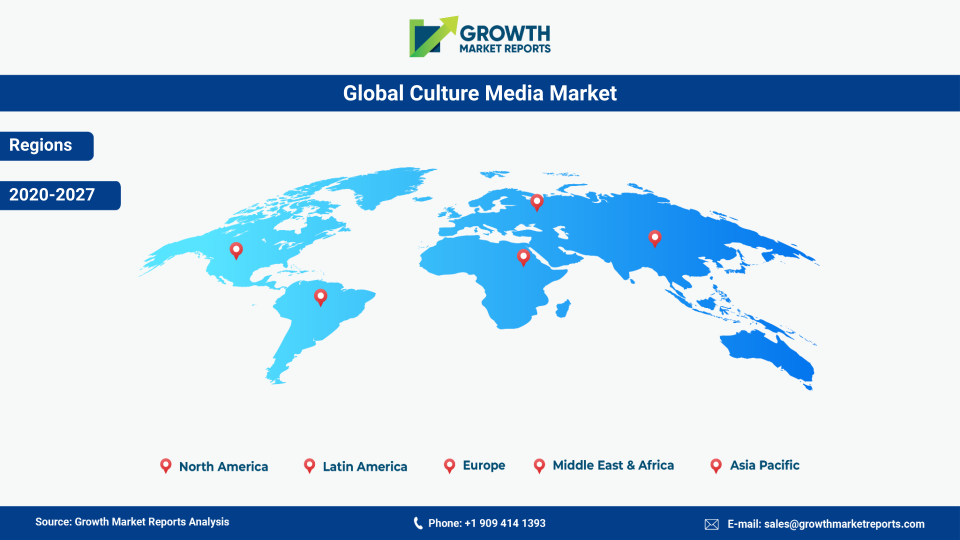
From a regional perspective, North America currently dominates the culture media market, supported by a well-established healthcare infrastructure, significant investments in biotechnology, and a strong presence of leading pharmaceutical companies. Europe follows closely, driven by robust research activities and regulatory support for advanced diagnostics. The Asia Pacific region is emerging as a high-growth market, fueled by increasing healthcare expenditure, expanding pharmaceutical manufacturing, and rising awareness about food and water safety. Latin America and the Middle East & Africa are also witnessing gradual growth, primarily due to improving healthcare systems and growing investments in life sciences research. The regional landscape is expected to evolve further as emerging economies ramp up their focus on healthcare innovation and quality assurance.
In the realm of food microbiology, Spiral Platers for Food Microbiology have emerged as a transformative technology, enhancing the efficiency and accuracy of microbial testing. These devices automate the process of plating samples, significantly reducing the time and labor required for traditional methods. Spiral platers are particularly beneficial in high-throughput environments, such as food testing laboratories, where rapid and precise microbial enumeration is crucial. By depositing a precise volume of sample in a spiral pattern, these platers ensure uniform distribution and accurate colony counts. This innovation not only improves laboratory productivity but also enhances the reliability of food safety testing, supporting the industry's commitment to consumer protection and quality assurance.
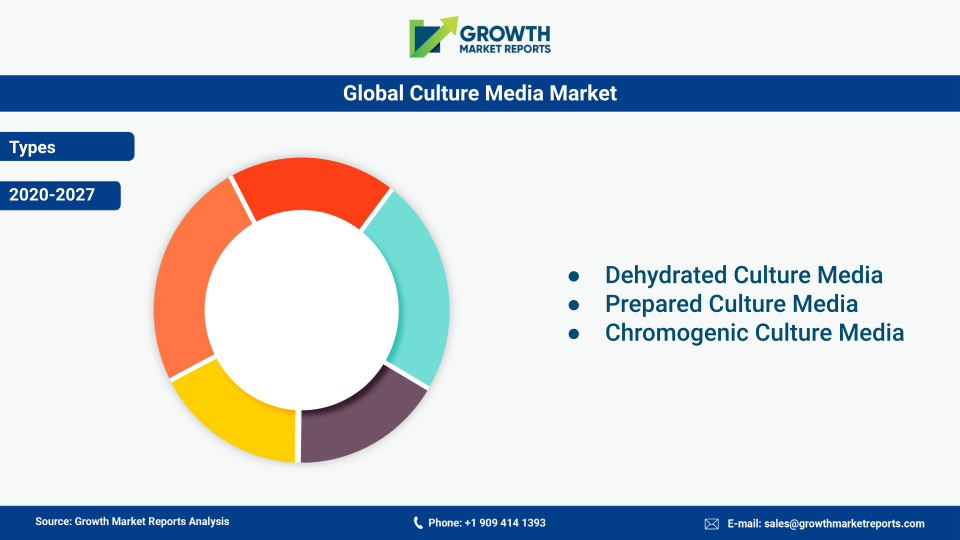
The culture media market is segmented by type into dehydrated culture media, prepared culture media, chromogenic culture media, and others. Dehydrated culture media holds a substantial market share, owing to its long shelf life, easy storage, and cost-effectiveness. Laboratories and pharmaceutical companies prefer dehydrated media for its convenience in transportation and consistent performance, which is critical in high-throughput environments. The ability to reconstitute dehydrated media on-demand allows for greater flexibility and reduces wastage, making it highly suitable for both small-scale research and large-scale industrial production. This segment is expected to maintain its dominance, particularly in regions with established pharmaceutical manufacturing hubs.
Prepared culture media, on the other hand, is gaining traction due to its ready-to-use format, saving time and reducing the risk of contamination during media preparation. This convenience is especially valuable in clinical diagnostics and food testing laboratories, where rapid turnaround times are essential. The increasing adoption of automation in laboratory workflows has further boosted the demand for prepared media, as it seamlessly integrates into automated systems. Suppliers are focusing on expanding their portfolios with a wide range of prepared media formulations tailored to specific applications, driving segment growth and enhancing laboratory productivity.
Chromogenic culture media represents a significant technological advancement, offering enhanced specificity and faster identification of microorganisms. This type of media utilizes chromogenic substrates that produce distinct color changes in the presence of target organisms, enabling rapid and accurate detection. Chromogenic media is particularly valuable in clinical and food safety applications, where timely identification of pathogens is critical. The growing emphasis on reducing diagnostic turnaround times and improving accuracy is expected to fuel the adoption of chromogenic media, especially in developed markets with stringent regulatory requirements.
Other types of culture media, including specialized and selective media, cater to niche applications in research and industrial microbiology. These media are designed to support the growth of specific microorganisms or cell lines, facilitating advanced research in areas such as stem cell biology, regenerative medicine, and environmental microbiology. The demand for customized and specialty media is rising as researchers seek tailored solutions for unique experimental needs. This trend is expected to drive innovation and collaboration between suppliers and end-users, fostering the development of novel media formulations that address emerging challenges in life sciences research.
| Attributes | Details |
| Report Title | Culture Media Market Research Report 2033 |
| By Type | Dehydrated Culture Media, Prepared Culture Media, Chromogenic Culture Media, Others |
| By Application | Clinical Diagnostics, Food and Water Testing, Pharmaceutical, Research, Others |
| By Form | Powder, Liquid, Gel |
| By End-User | Hospitals and Diagnostic Laboratories, Academic and Research Institutes, Pharmaceutical and Biotechnology Companies, Others |
| Regions Covered | North America, Europe, APAC, Latin America, MEA |
| Base Year | 2024 |
| Historic Data | 2018-2023 |
| Forecast Period | 2025-2033 |
| Number of Pages | 268 |
| Number of Tables & Figures | 315 |
| Customization Available | Yes, the report can be customized as per your need. |
Clinical diagnostics is the leading application segment in the culture media market, driven by the increasing need for accurate and timely identification of infectious agents. Hospitals and diagnostic laboratories rely heavily on culture media for isolating, culturing, and identifying bacteria, viruses, and fungi. The rise in hospital-acquired infections, antimicrobial resistance, and emerging pathogens has heightened the demand for reliable culture media solutions. Moreover, advancements in chromogenic and selective media have improved diagnostic accuracy, enabling rapid differentiation of microbial species. The clinical diagnostics segment is expected to maintain its dominance, supported by ongoing investments in healthcare infrastructure and laboratory automation.
Food and water testing is another critical application, with regulatory agencies mandating stringent quality control measures to ensure consumer safety. Culture media is essential for detecting and quantifying microbial contaminants in food products and water sources. The increasing incidence of foodborne illnesses and waterborne diseases has prompted food manufacturers and water utilities to adopt advanced testing protocols. Chromogenic and rapid culture media are gaining popularity in this segment, as they offer faster results and improved specificity. The growing awareness of food safety and the implementation of global quality standards are expected to drive sustained demand for culture media in this application.
The pharmaceutical and biotechnology sector represents a significant growth avenue for the culture media market. Culture media is indispensable in drug discovery, vaccine development, and biopharmaceutical production. The trend toward personalized medicine, cell therapy, and regenerative medicine has intensified the need for specialized media formulations that support the growth and maintenance of specific cell types. Pharmaceutical companies are increasingly collaborating with media suppliers to develop customized solutions that enhance productivity and product quality. The expansion of biomanufacturing facilities and the rise of contract research and manufacturing organizations (CROs and CMOs) are further fueling demand in this segment.
Research applications, encompassing academic and industrial research, also contribute significantly to market growth. Culture media is a fundamental tool in microbiology, molecular biology, and cell biology research, enabling scientists to study cellular processes, genetic manipulation, and microbial ecology. The proliferation of research initiatives in emerging fields such as synthetic biology, genomics, and proteomics is driving demand for innovative media formulations. Research institutions and universities are investing in advanced culture media to support cutting-edge projects, fostering a dynamic environment for product development and innovation.
The culture media market is segmented by form into powder, liquid, and gel, each offering distinct advantages and catering to specific user preferences. Powdered culture media dominates the market due to its extended shelf life, ease of transportation, and cost-effectiveness. Laboratories and production facilities favor powdered media for its flexibility in preparation, allowing them to reconstitute only the required quantity, thereby minimizing waste and optimizing resource utilization. The ability to store large volumes of powdered media without significant degradation is particularly advantageous for pharmaceutical manufacturers and research institutions engaged in large-scale operations.
Liquid culture media is gaining popularity, especially in clinical and diagnostic laboratories where rapid and consistent results are paramount. The ready-to-use nature of liquid media eliminates the need for reconstitution, reducing preparation time and minimizing the risk of contamination. This format is particularly suitable for automated laboratory systems, which require consistent and homogenous media for high-throughput testing. The trend toward laboratory automation and the increasing adoption of point-of-care diagnostics are expected to drive growth in the liquid media segment, as laboratories seek solutions that enhance efficiency and reliability.
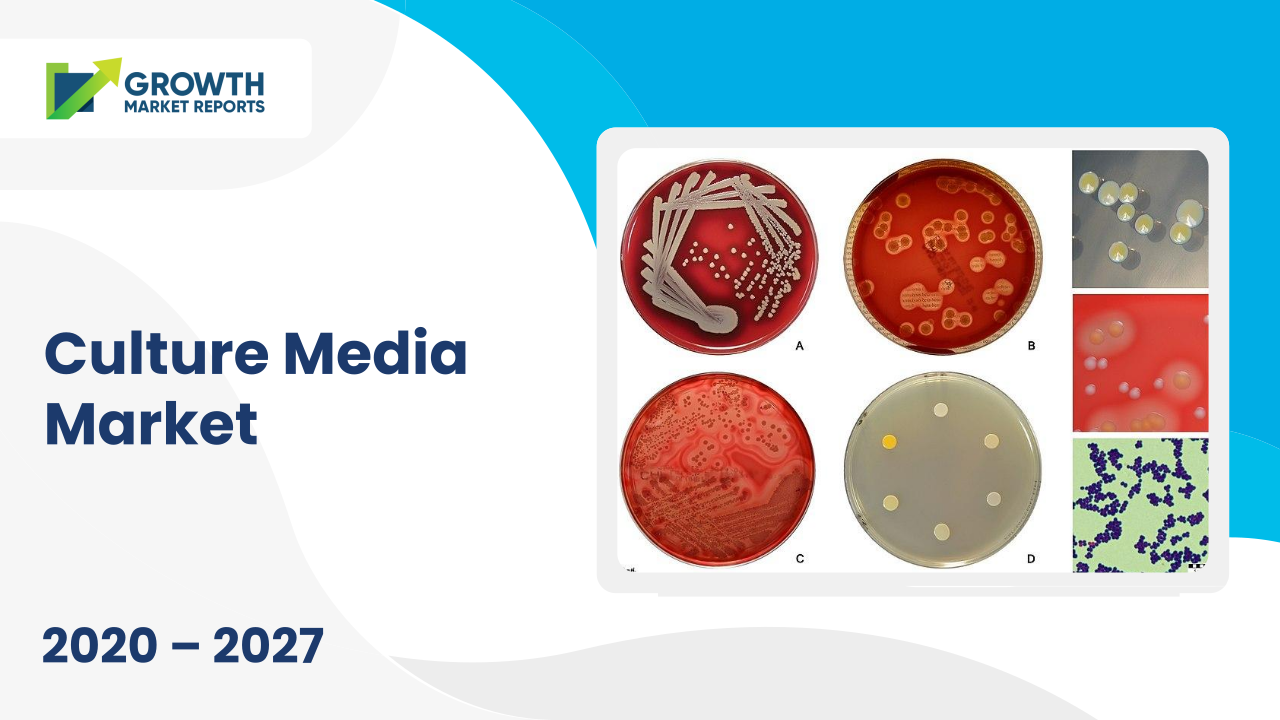
Gel culture media, commonly used in the form of agar plates, is indispensable in microbiological research and clinical diagnostics. Gel media provides a solid matrix for the growth and isolation of microorganisms, facilitating colony formation and morphological analysis. This format is widely used in routine laboratory procedures, including antibiotic susceptibility testing, microbial enumeration, and environmental monitoring. The continued reliance on traditional microbiological techniques, coupled with innovations in chromogenic and selective agar formulations, is expected to sustain demand for gel media in both research and clinical settings.
The choice of media form is often dictated by the specific requirements of the end-user and the nature of the application. While powdered media offers flexibility and cost savings, liquid and gel formats provide convenience and consistency. Suppliers are increasingly offering a diverse range of media forms to cater to the evolving needs of laboratories, pharmaceutical companies, and research institutions. The trend toward customized media solutions, including pre-measured and pre-sterilized formats, is expected to drive further innovation and differentiation within the market.
Hospitals and diagnostic laboratories represent the largest end-user segment in the culture media market, driven by the growing demand for accurate and timely diagnosis of infectious diseases. These facilities rely on a wide range of culture media for the isolation, identification, and susceptibility testing of pathogens. The increasing prevalence of hospital-acquired infections, antimicrobial resistance, and emerging diseases has heightened the need for reliable media solutions. The adoption of advanced diagnostic technologies, including automated culture systems and chromogenic media, is further enhancing the efficiency and accuracy of laboratory workflows in this segment.
Academic and research institutes are significant contributors to market growth, as they conduct fundamental and applied research in microbiology, cell biology, and molecular biology. These institutions require a diverse array of culture media to support a wide range of experimental protocols and research projects. The proliferation of interdisciplinary research initiatives, including synthetic biology, genomics, and systems biology, is driving demand for specialized and customized media formulations. Academic collaborations with industry partners are also fostering innovation and the development of novel media products tailored to specific research needs.
Pharmaceutical and biotechnology companies are key end-users of culture media, utilizing it extensively in drug discovery, vaccine development, and biomanufacturing. The trend toward biologics, cell therapy, and personalized medicine has intensified the need for high-performance media that supports optimal cell growth and product yield. Pharmaceutical companies are increasingly seeking customized media solutions that enhance process efficiency and product quality. The expansion of biomanufacturing capacity, coupled with the rise of contract research and manufacturing organizations, is expected to drive sustained demand for culture media in this segment.
Other end-users, including food and beverage manufacturers, water utilities, and environmental testing laboratories, also rely on culture media for quality control and safety testing. The implementation of stringent regulatory standards for food and water safety has necessitated the adoption of reliable media solutions for the detection and quantification of microbial contaminants. The growing awareness of public health and the need for compliance with global quality standards are expected to drive further adoption of culture media across diverse end-user segments.
The culture media market presents significant opportunities for growth and innovation, particularly in the areas of biopharmaceutical production and advanced diagnostics. The increasing adoption of cell-based therapies, regenerative medicine, and personalized medicine is driving demand for specialized media formulations that support the growth and differentiation of specific cell types. Suppliers have the opportunity to collaborate with pharmaceutical and biotechnology companies to develop customized media solutions that enhance process efficiency and product quality. The trend toward automation and digitalization in laboratory workflows also presents opportunities for the integration of ready-to-use and pre-sterilized media formats, streamlining operations and reducing the risk of contamination.
Another major opportunity lies in the expansion of emerging markets, particularly in the Asia Pacific and Latin America regions. Rapid urbanization, rising healthcare expenditure, and growing investments in life sciences research are creating a favorable environment for market growth. Suppliers can leverage these trends by expanding their distribution networks, offering localized solutions, and collaborating with regional stakeholders to address specific market needs. The increasing focus on food and water safety, coupled with the implementation of global quality standards, presents additional opportunities for suppliers to expand their product portfolios and capture new market segments.
Despite these opportunities, the culture media market faces certain restraining factors, including the high cost of advanced media formulations and the stringent regulatory requirements governing their use. The development and validation of specialized media can be resource-intensive, requiring significant investments in research and quality assurance. Regulatory agencies mandate rigorous testing and certification processes to ensure the safety and efficacy of culture media, which can delay product launches and increase compliance costs. Smaller suppliers may face challenges in meeting these requirements, limiting their ability to compete with established players. Addressing these challenges will be critical for sustaining long-term growth and maintaining market competitiveness.
North America remains the dominant region in the global culture media market, accounting for the largest share with a market value of USD 1.8 billion in 2024. The region's leadership is underpinned by a robust healthcare infrastructure, significant investments in biotechnology and pharmaceutical research, and a strong presence of leading industry players. The United States, in particular, is a major contributor, driven by ongoing advancements in clinical diagnostics, vaccine development, and biomanufacturing. The region is expected to maintain steady growth, supported by favorable government policies, increasing adoption of advanced laboratory technologies, and a high level of research activity in academic and commercial sectors.
Europe holds the second-largest share of the culture media market, with a market size of USD 1.4 billion in 2024. The region benefits from a well-established life sciences sector, strong regulatory frameworks, and a high level of investment in healthcare innovation. Countries such as Germany, the United Kingdom, and France are leading contributors, driven by active research communities and a focus on quality assurance in food and water testing. The European market is characterized by a strong emphasis on compliance with global standards and the adoption of advanced diagnostic technologies. The region is projected to grow at a CAGR of 7.1% over the forecast period, reflecting ongoing investments in research and development.
The Asia Pacific region is emerging as a high-growth market, with a market value of USD 1.2 billion in 2024. Rapid urbanization, increasing healthcare expenditure, and expanding pharmaceutical manufacturing capacity are driving market expansion in countries such as China, India, and Japan. The region is witnessing a surge in investments in biotechnology research, clinical diagnostics, and food safety testing, creating a favorable environment for the adoption of culture media. The Asia Pacific market is expected to register the highest CAGR among all regions, driven by rising demand for advanced healthcare solutions and the implementation of stringent quality standards. Latin America and the Middle East & Africa, with market sizes of USD 0.4 billion and USD 0.3 billion respectively in 2024, are also experiencing steady growth, supported by improving healthcare infrastructure and increasing awareness of public health and safety.
The culture media market is characterized by intense competition, with a mix of global giants and regional players vying for market share. The competitive landscape is defined by continuous innovation, product differentiation, and strategic collaborations. Leading companies are investing heavily in research and development to introduce advanced media formulations that cater to the evolving needs of pharmaceutical, biotechnology, and diagnostic laboratories. The trend toward customized and specialty media is prompting suppliers to work closely with end-users to develop tailored solutions that enhance efficiency, accuracy, and product quality. Mergers, acquisitions, and partnerships are common strategies employed to expand product portfolios, strengthen distribution networks, and gain access to new markets.
The market is also witnessing increased investment in automation and digitalization, with suppliers offering integrated solutions that combine media preparation, inoculation, and analysis. The adoption of automated laboratory systems is driving demand for ready-to-use and pre-sterilized media formats, as laboratories seek to streamline workflows and minimize the risk of contamination. Companies are focusing on sustainability and quality assurance, implementing rigorous testing and certification processes to meet global regulatory standards. The ability to offer consistent, high-quality products is a key differentiator in a market where reliability and performance are paramount.
Regional players are leveraging their local expertise and distribution networks to address specific market needs, particularly in emerging economies. These companies are focusing on cost-effective solutions and localized product offerings to compete with global giants. The increasing focus on food safety, water quality, and environmental monitoring is creating new opportunities for suppliers to expand their product portfolios and capture niche market segments. Collaboration with academic and research institutions is also fostering innovation and driving the development of novel media formulations tailored to emerging research areas.
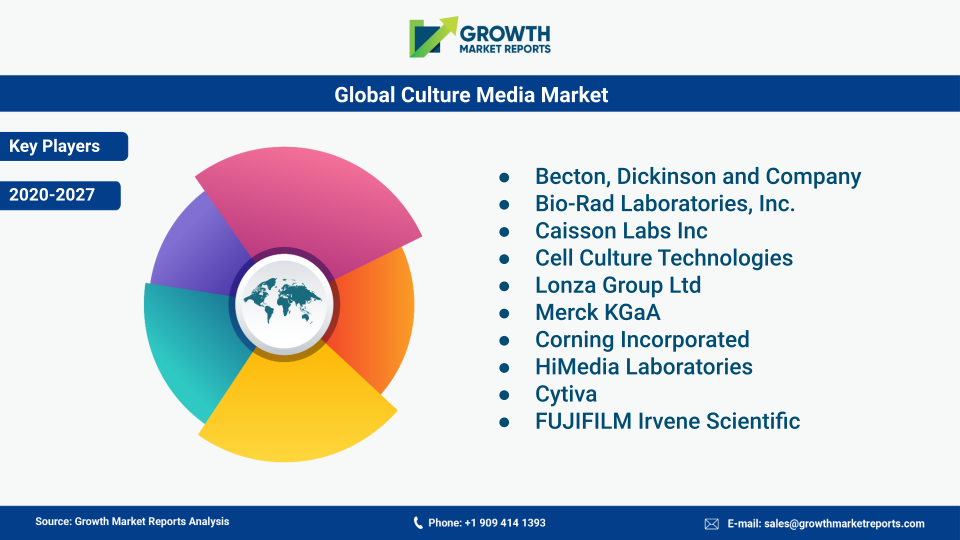
Major companies operating in the culture media market include Thermo Fisher Scientific Inc., Merck KGaA, Becton, Dickinson and Company (BD), bioMérieux SA, HiMedia Laboratories, Lonza Group AG, and Neogen Corporation. Thermo Fisher Scientific is renowned for its comprehensive portfolio of culture media products, catering to clinical, pharmaceutical, and research applications. Merck KGaA offers a wide range of dehydrated and prepared media, with a strong focus on quality assurance and regulatory compliance. BD is a leading provider of chromogenic and selective media, supporting rapid and accurate microbial identification. bioMérieux specializes in diagnostic solutions, including advanced culture media for clinical laboratories. HiMedia Laboratories is a prominent player in emerging markets, offering cost-effective and innovative media solutions. Lonza Group AG and Neogen Corporation are also key contributors, with a focus on biopharmaceutical production and food safety testing, respectively. These companies are at the forefront of innovation, driving the evolution of the culture media market through continuous product development and strategic collaborations.
The Culture Media market has been segmented on the basis of
Additional company profiles can be provided on request.
Yes, the report covers product specific information such as dehydrated culture media, prepared culture media, and Chromogenic Culture Media.
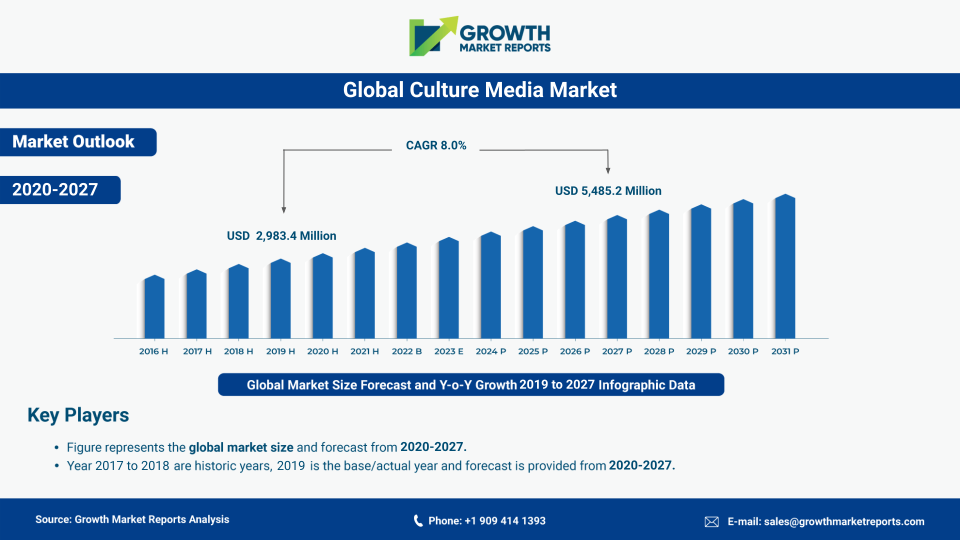
According to this Growth Market Reports report, the market from culture media market shall probably to register a CAGR of 8.0% during forecast period 2020-2027, with an anticipated valuation of USD 5,485.2 million by the end of the 2027.
The rising research activities in biopharmaceutical and cancer treatment areas are expected to drive the market growth during forecast period.
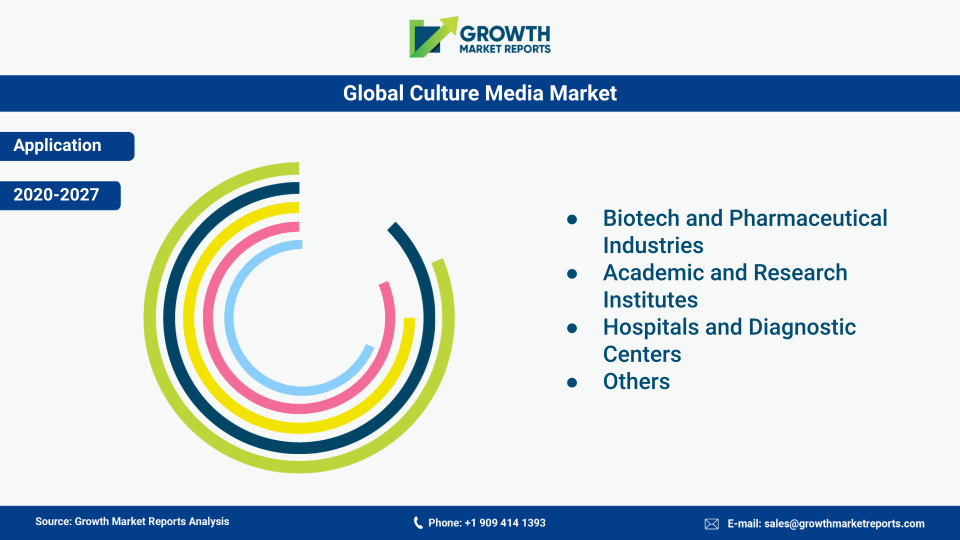
Biotech and pharmaceutical industries, research and academic Institutes, hospitals and diagnostic centers are the key application that are driving the culture media market.
Factors such as competitive strength and market positioning are key areas considered while selecting top companies to be profiled.
The market is expected to project a growth of over 7.4% between 2019 and 2020 owing to the positive impact of COVID-19 pandemic on the culture media market. The rising adoption of culture media by biopharmaceutical companies boost the growth of the segment.
The base year considered for the global culture media market report is 2019. The complete analysis period is 2017 to 2027, wherein, 2017 & 2018 are the historic years and the forecast is provided from 2020 to 2027.
Major Manufactures include, Bio-Rad Laboratories Inc., Merck KGaA and Lonza are the key players operating in the market.