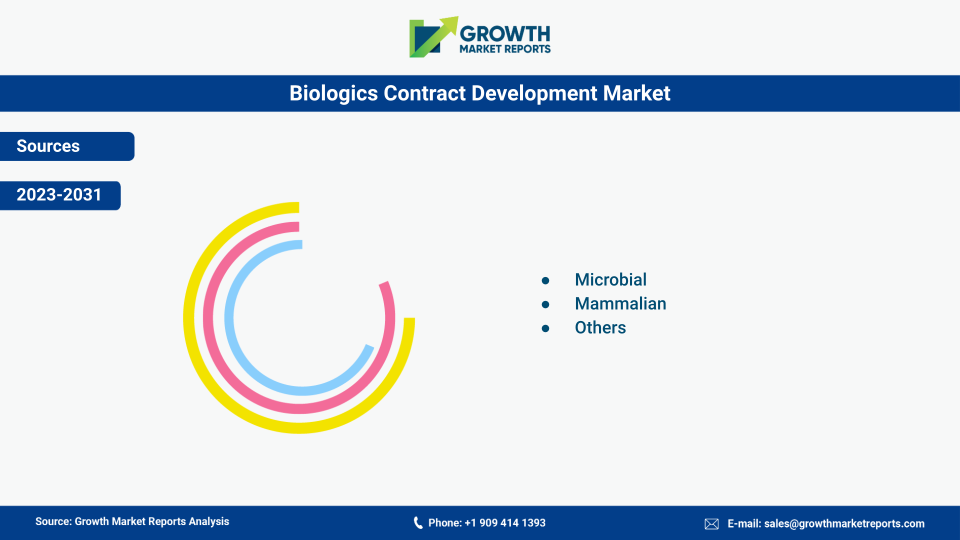
Segments - by Service Type (Process Development, Analytical and Quality Control, Cell Line Development, Formulation Development, Others), by Product Type (Monoclonal Antibodies, Recombinant Proteins, Vaccines, Gene Therapy, Others), by Phase (Preclinical, Clinical, Commercial), by End-User (Pharmaceutical Companies, Biotechnology Companies, Research Institutes, Others)
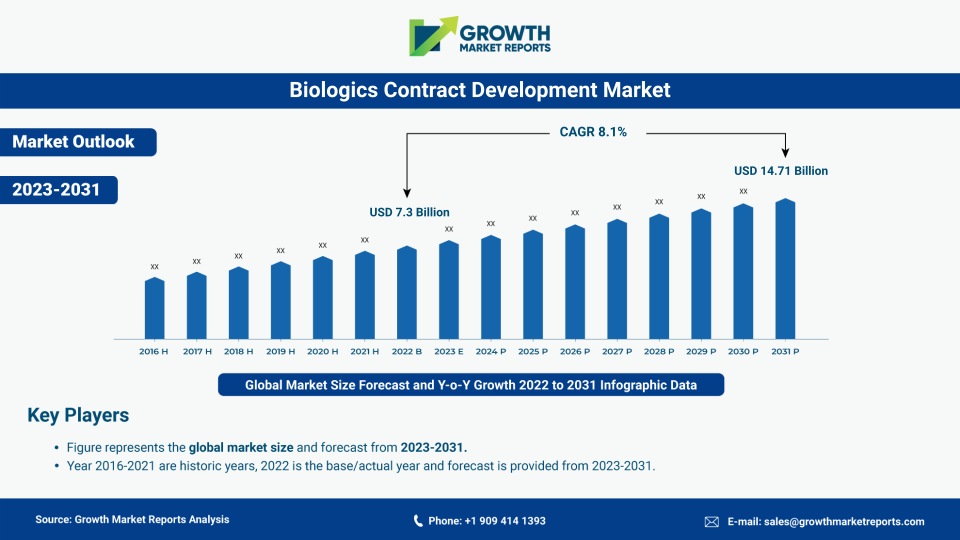
According to our latest research, the global biologics contract development market size reached USD 8.4 billion in 2024, reflecting robust expansion driven by surging demand for advanced biotherapeutics. The market is expected to grow at a CAGR of 9.2% during the forecast period, with projections indicating that it will attain a value of USD 18.3 billion by 2033. This impressive growth trajectory is primarily fueled by increasing investments in biologics research, the rising prevalence of chronic diseases, and the growing adoption of outsourcing strategies among pharmaceutical and biotechnology companies globally.
The growth of the biologics contract development market is underpinned by several fundamental factors. One of the most significant drivers is the escalating demand for biologics, including monoclonal antibodies, recombinant proteins, and gene therapies. As global healthcare systems increasingly shift their focus toward personalized medicine and targeted therapies, the need for innovative biologic drugs has soared. This, in turn, has compelled pharmaceutical and biotechnology companies to seek specialized contract development organizations (CDOs) that possess the expertise, infrastructure, and regulatory know-how to accelerate product development timelines and ensure compliance with stringent quality standards. Furthermore, the complexity of biologic drugs, which require sophisticated development processes and analytical techniques, has made it more cost-effective and efficient for companies to outsource these activities to experienced partners.
Another crucial growth factor is the rapid advancement of bioprocessing technologies and analytical methods. The biologics contract development market has benefited immensely from innovations such as single-use bioreactors, high-throughput screening, and next-generation sequencing, which have streamlined cell line development, process optimization, and quality control. These technological advancements have enabled contract development organizations to offer end-to-end solutions, from early-stage research to commercial-scale manufacturing, thereby attracting a broader clientele. Additionally, increasing regulatory scrutiny and the need for robust data integrity have prompted biopharmaceutical companies to partner with CDOs that can provide comprehensive analytical and quality control services, ensuring product safety and efficacy throughout the development lifecycle.
The surge in strategic collaborations and partnerships between pharmaceutical giants and contract development organizations is also accelerating market growth. As the pipeline for biologics continues to expand, companies are under mounting pressure to shorten development timelines and reduce costs. Outsourcing to specialized CDOs allows companies to leverage external expertise, access state-of-the-art facilities, and focus internal resources on core competencies such as discovery and commercialization. The trend toward strategic alliances is especially pronounced in emerging markets, where local regulatory landscapes and infrastructure limitations make it advantageous to engage with established global partners. This collaborative approach not only enhances operational efficiency but also fosters innovation and knowledge transfer across the industry.
The increasing reliance on Biopharmaceuticals CMO and CRO services is a testament to the evolving landscape of the biologics contract development market. As pharmaceutical and biotechnology companies strive to meet the growing demand for complex biologic drugs, they are turning to contract manufacturing organizations (CMOs) and contract research organizations (CROs) for their specialized expertise and resources. These partnerships allow companies to leverage the technical capabilities and regulatory knowledge of CMOs and CROs, facilitating faster and more efficient drug development processes. The trend is particularly pronounced in the biopharmaceutical sector, where the need for scalable manufacturing solutions and comprehensive research support is paramount. By collaborating with CMOs and CROs, companies can focus on their core competencies while ensuring that their products meet the highest standards of quality and compliance.
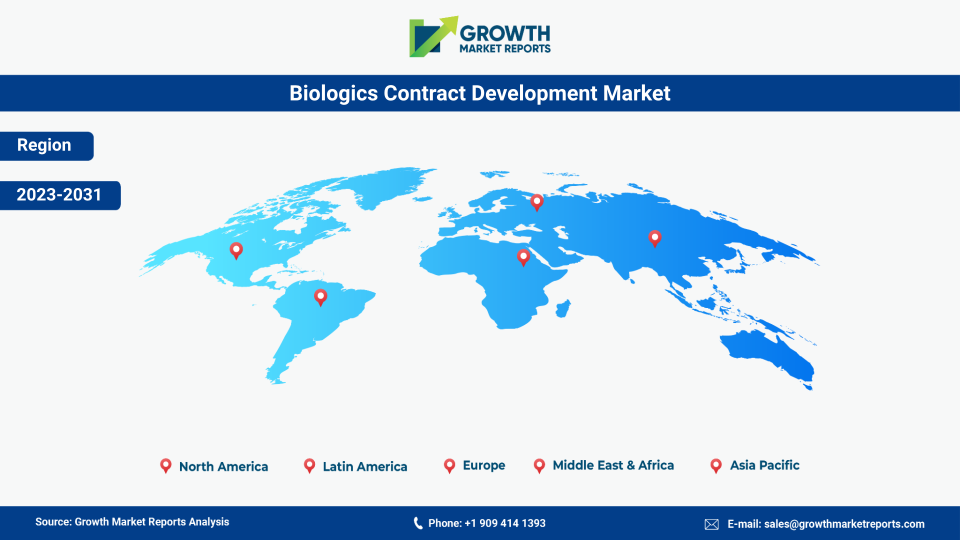
From a regional perspective, North America remains the dominant market for biologics contract development, accounting for the largest revenue share in 2024. The region's leadership is attributed to a well-established biopharmaceutical sector, a robust regulatory framework, and significant investments in R&D. Europe follows closely, driven by strong government support for biotechnology and a growing emphasis on biosimilars. Meanwhile, the Asia Pacific region is emerging as a lucrative market, fueled by increasing healthcare expenditures, expanding clinical trial activity, and a rising number of biotechnology startups. Latin America and the Middle East & Africa are also witnessing steady growth, albeit from a smaller base, as global players expand their footprint and local governments invest in healthcare infrastructure.
The biologics contract development market is segmented by service type into process development, analytical and quality control, cell line development, formulation development, and others. Process development services dominate this segment, as they are critical for optimizing upstream and downstream manufacturing processes, ensuring scalability, and maintaining product consistency. The growing complexity of biologics has heightened the demand for advanced process development solutions that can minimize production costs and enhance yields. Contract development organizations invest heavily in state-of-the-art bioprocessing technologies and expertise to meet the evolving needs of their clients. This segment is expected to maintain its leading position throughout the forecast period, supported by continuous innovation and rising demand for customized solutions.
Analytical and quality control services represent another significant segment, driven by stringent regulatory requirements and the need for comprehensive product characterization. These services encompass a wide range of analytical techniques, including potency assays, purity testing, and stability studies, which are essential for ensuring the safety and efficacy of biologic drugs. As regulatory agencies worldwide tighten their oversight of biologics, companies are increasingly relying on contract development partners to provide robust analytical support throughout the development lifecycle. Advances in analytical instrumentation and data analytics have further enhanced the capabilities of CDOs, enabling them to deliver high-quality, reproducible results that meet global standards.
Cell line development is a foundational service within the biologics contract development market, as the choice and optimization of cell lines directly impact product yield, quality, and regulatory compliance. The demand for cell line development services is rising in tandem with the proliferation of monoclonal antibodies and other recombinant biologics. CDOs offer a range of services, from cell line engineering and clone selection to stability testing and characterization, helping clients accelerate their development timelines. The increasing adoption of advanced gene-editing technologies, such as CRISPR/Cas9, has further expanded the scope and efficiency of cell line development services.
Formulation development services are gaining prominence as biopharmaceutical companies seek to enhance the stability, bioavailability, and patient compliance of their products. The unique physicochemical properties of biologics pose significant formulation challenges, necessitating specialized expertise and innovative approaches. Contract development organizations offer tailored formulation solutions, including lyophilization, nanoparticle delivery systems, and sustained-release formulations, to address these challenges. The growing focus on patient-centric drug delivery and the need for differentiated product profiles are expected to drive sustained demand for formulation development services in the coming years.
The integration of Biotechnology And Pharmaceutical Services is becoming increasingly crucial in the biologics contract development market. As the boundaries between biotechnology and pharmaceutical industries continue to blur, companies are seeking comprehensive service providers that can offer a seamless blend of both disciplines. This convergence is driving demand for contract development organizations that possess a deep understanding of both biotechnology processes and pharmaceutical regulations. By offering integrated services, these organizations can support clients throughout the entire product development lifecycle, from early-stage research to commercial-scale manufacturing. The synergy between biotechnology and pharmaceutical services not only enhances operational efficiency but also accelerates innovation, allowing companies to bring novel biologic therapies to market more rapidly and effectively.
The others segment encompasses a variety of ancillary services, such as regulatory consulting, project management, and technology transfer. As the biologics contract development market matures, CDOs are expanding their service portfolios to offer integrated, end-to-end solutions that support clients at every stage of the product development lifecycle. This holistic approach not only enhances client satisfaction but also positions CDOs as strategic partners in the global biopharmaceutical ecosystem.
| Attributes | Details |
| Report Title | Biologics Contract Development Market Research Report 2033 |
| By Service Type | Process Development, Analytical and Quality Control, Cell Line Development, Formulation Development, Others |
| By Product Type | Monoclonal Antibodies, Recombinant Proteins, Vaccines, Gene Therapy, Others |
| By Phase | Preclinical, Clinical, Commercial |
| By End-User | Pharmaceutical Companies, Biotechnology Companies, Research Institutes, Others |
| Regions Covered | North America, Europe, APAC, Latin America, MEA |
| Base Year | 2024 |
| Historic Data | 2018-2023 |
| Forecast Period | 2025-2033 |
| Number of Pages | 298 |
| Number of Tables & Figures | 387 |
| Customization Available | Yes, the report can be customized as per your need. |
The biologics contract development market is segmented by product type into monoclonal antibodies, recombinant proteins, vaccines, gene therapy, and others. Monoclonal antibodies represent the largest and fastest-growing segment, driven by their widespread use in oncology, autoimmune disorders, and infectious diseases. The complexity and specificity of monoclonal antibodies necessitate sophisticated development processes, prompting pharmaceutical and biotechnology companies to partner with experienced CDOs. The robust pipeline of monoclonal antibody therapeutics, coupled with increasing regulatory approvals, is expected to sustain strong demand for contract development services in this segment.
Recombinant proteins constitute a significant share of the biologics contract development market, owing to their broad therapeutic applications and established manufacturing processes. Contract development organizations offer a comprehensive suite of services for recombinant protein development, including gene synthesis, expression optimization, purification, and analytical characterization. Advances in protein engineering and expression systems have enabled CDOs to deliver high-quality recombinant proteins with improved efficacy and safety profiles. The growing adoption of biosimilars and the expansion of therapeutic indications are further fueling demand for contract development services in this segment.
Vaccines have gained renewed attention in the wake of global pandemics and the rising prevalence of infectious diseases. The development of novel vaccines, including mRNA and vector-based platforms, requires specialized expertise and infrastructure, making contract development an attractive option for pharmaceutical companies. CDOs play a pivotal role in accelerating vaccine development timelines, optimizing formulations, and ensuring regulatory compliance. The increasing emphasis on pandemic preparedness and the expansion of immunization programs worldwide are expected to drive robust growth in the vaccine segment of the biologics contract development market.
Gene therapy is an emerging segment with immense growth potential, fueled by breakthroughs in genetic engineering and regenerative medicine. The development of gene therapies involves complex manufacturing processes, stringent quality control, and rigorous regulatory oversight. Contract development organizations offer specialized services, such as vector design, process development, and analytical testing, to support the unique requirements of gene therapy products. As more gene therapies receive regulatory approval and enter commercial production, the demand for contract development services in this segment is expected to surge.
The others category includes a diverse array of biologic products, such as cell therapies, fusion proteins, and antibody-drug conjugates. The expanding pipeline of innovative biologics and the increasing focus on personalized medicine are driving demand for contract development services across these product categories. CDOs are continuously investing in new technologies and capabilities to address the evolving needs of their clients and capture emerging opportunities in the biologics contract development market.
The biologics contract development market is segmented by phase into preclinical, clinical, and commercial. Preclinical development services are essential for evaluating the safety, efficacy, and pharmacokinetics of biologic candidates before they enter human trials. Contract development organizations offer a wide range of preclinical services, including in vitro and in vivo studies, toxicology assessments, and bioanalytical testing. The increasing complexity of biologic drugs and the need for comprehensive preclinical data to support regulatory submissions have heightened demand for outsourcing in this phase. CDOs with advanced scientific expertise and state-of-the-art facilities are well-positioned to capture growth opportunities in the preclinical segment.
Clinical development services encompass a broad spectrum of activities, from first-in-human studies to late-stage clinical trials. The biologics contract development market has witnessed a surge in demand for clinical development services, driven by the expanding pipeline of biologic therapeutics and the increasing complexity of clinical trial designs. Contract development organizations offer integrated solutions, including clinical trial management, regulatory support, and biostatistical analysis, to help clients navigate the challenges of clinical development. The growing emphasis on patient-centric trial designs and the adoption of decentralized clinical trial models are further shaping the landscape of this segment.
Commercial development services are gaining prominence as more biologic drugs advance to the market and require large-scale manufacturing, supply chain management, and post-approval support. Contract development organizations play a critical role in scaling up production, ensuring product quality, and meeting global regulatory requirements. The transition from clinical to commercial production poses unique challenges, including technology transfer, process validation, and lifecycle management. CDOs with commercial-scale capabilities and global reach are increasingly sought after by pharmaceutical and biotechnology companies seeking to maximize the commercial success of their biologic products.
The dynamic nature of the biologics contract development market necessitates a flexible and adaptive approach to service delivery across all phases of development. CDOs that can seamlessly integrate preclinical, clinical, and commercial services are well-positioned to establish long-term partnerships with clients and capture a larger share of the market. The trend toward end-to-end solutions is expected to intensify as the biologics industry continues to evolve and diversify.
The biologics contract development market is segmented by end-user into pharmaceutical companies, biotechnology companies, research institutes, and others. Pharmaceutical companies represent the largest end-user segment, accounting for a significant share of market revenue. These companies increasingly rely on contract development organizations to accelerate the development of biologic drugs, manage resource constraints, and mitigate risks associated with complex manufacturing processes. The growing emphasis on innovation, cost containment, and regulatory compliance has reinforced the strategic importance of outsourcing for pharmaceutical companies, driving sustained demand for contract development services.
Biotechnology companies are a key driver of growth in the biologics contract development market, as they often lack the in-house capabilities and infrastructure required for comprehensive product development. Startups and small-to-medium enterprises (SMEs) in the biotechnology sector are particularly reliant on CDOs to provide technical expertise, access to advanced technologies, and regulatory support. The proliferation of biotech startups and the increasing flow of venture capital into the sector are expected to fuel robust demand for contract development services in this segment.
Research institutes play a vital role in the early stages of biologics development, particularly in basic research, proof-of-concept studies, and preclinical testing. Academic and government research organizations often collaborate with contract development organizations to translate scientific discoveries into viable therapeutic candidates. These partnerships facilitate knowledge transfer, accelerate innovation, and enhance the commercialization potential of novel biologics. The growing focus on translational research and public-private partnerships is expected to drive increased engagement between research institutes and CDOs.
The others category includes a diverse array of end-users, such as contract research organizations (CROs), non-profit organizations, and government agencies. These entities contribute to the biologics contract development market by supporting clinical trials, advancing public health initiatives, and fostering innovation through grant funding and collaborative projects. The expanding ecosystem of stakeholders underscores the importance of contract development organizations as enablers of progress and innovation in the global biopharmaceutical industry.
The biologics contract development market presents a multitude of opportunities for growth and innovation. One of the most significant opportunities lies in the expansion of the biosimilars market, as patents for blockbuster biologics expire and demand for cost-effective alternatives rises. Contract development organizations with expertise in biosimilar development and regulatory compliance are well-positioned to capture a share of this burgeoning market. Additionally, the increasing adoption of advanced technologies, such as artificial intelligence, automation, and digital analytics, offers opportunities to enhance process efficiency, reduce development timelines, and improve data quality. CDOs that invest in digital transformation and innovation are likely to gain a competitive edge and drive value for their clients.
Another major opportunity is the growing demand for personalized medicine and targeted therapies, which require specialized development processes and customized solutions. The rise of cell and gene therapies, in particular, presents unique challenges and opportunities for contract development organizations. CDOs that can offer end-to-end solutions, from vector design to commercial-scale manufacturing, are poised to become strategic partners for companies developing next-generation biologics. Furthermore, the globalization of clinical trials and the expansion of biopharmaceutical markets in emerging regions create new avenues for growth and collaboration. By establishing a presence in high-growth markets and building strong local partnerships, CDOs can diversify their client base and capitalize on emerging opportunities.
Despite the favorable growth outlook, the biologics contract development market faces several challenges and restrainers. One of the primary threats is the intensifying competition among contract development organizations, which has led to pricing pressures and margin erosion. The high capital investment required for advanced infrastructure and regulatory compliance also poses a barrier to entry for new players. Additionally, the complexity of biologic development processes and the evolving regulatory landscape can result in project delays, increased costs, and operational risks. CDOs must continuously invest in talent development, quality systems, and technology upgrades to mitigate these risks and maintain their competitive position in the market.
North America leads the global biologics contract development market, accounting for the largest share of market revenue in 2024, estimated at USD 3.6 billion. The region's dominance is underpinned by a mature biopharmaceutical industry, a robust regulatory framework, and significant investments in research and development. The presence of leading contract development organizations, coupled with a strong pipeline of biologic drugs, has cemented North America's position as a hub for innovation and collaboration. The United States, in particular, is home to a large number of pharmaceutical and biotechnology companies that actively engage in outsourcing to accelerate product development and commercialization.
Europe represents the second-largest market for biologics contract development, with a market size of approximately USD 2.7 billion in 2024. The region benefits from a supportive regulatory environment, strong government backing for biotechnology, and a growing emphasis on biosimilars and innovative biologics. Countries such as Germany, the United Kingdom, and Switzerland are at the forefront of biologics research and development, attracting significant investments from global and regional players. The European market is expected to grow at a healthy CAGR of 8.7% during the forecast period, driven by increasing adoption of outsourcing strategies and the expansion of clinical trial activity across the region.
The Asia Pacific region is emerging as a high-growth market for biologics contract development, with a market size of USD 1.4 billion in 2024 and a projected CAGR of 11.6% through 2033. The region's growth is fueled by rising healthcare expenditures, expanding biotechnology sectors, and increasing clinical trial activity. Countries such as China, India, and South Korea are investing heavily in healthcare infrastructure and regulatory reforms to attract global biopharmaceutical companies and contract development organizations. The growing number of biotechnology startups and the increasing focus on biosimilars and novel biologics are expected to drive sustained demand for contract development services in the Asia Pacific region. Latin America and the Middle East & Africa, while smaller in terms of market size, are also experiencing steady growth as global players expand their presence and local governments invest in healthcare innovation.
The biologics contract development market is characterized by intense competition, with a diverse array of global and regional players vying for market share. The competitive landscape is shaped by factors such as technological innovation, service portfolio breadth, regulatory expertise, and client relationships. Leading contract development organizations differentiate themselves by offering integrated, end-to-end solutions that span the entire product development lifecycle, from early-stage research to commercial manufacturing. The ability to deliver high-quality, compliant, and cost-effective services is a key determinant of success in this dynamic market.
Strategic partnerships, mergers, and acquisitions are common strategies employed by market participants to expand their capabilities, geographic reach, and client base. The trend toward consolidation is driven by the need to offer comprehensive solutions, streamline operations, and enhance competitiveness in an increasingly complex regulatory environment. Major players are also investing heavily in digital transformation, automation, and advanced analytics to improve process efficiency, data quality, and client outcomes. The adoption of cutting-edge technologies, such as single-use bioreactors, high-throughput screening, and artificial intelligence, is enabling contract development organizations to deliver innovative solutions and stay ahead of the competition.
Quality and regulatory compliance are critical differentiators in the biologics contract development market, as clients seek partners with proven track records of successful regulatory submissions and product approvals. Contract development organizations invest significantly in talent development, quality systems, and infrastructure to maintain high standards of service delivery and meet the evolving needs of their clients. The ability to navigate complex regulatory landscapes, manage intellectual property, and ensure data integrity is essential for building long-term client relationships and sustaining growth in the market.
Some of the leading companies operating in the biologics contract development market include Lonza Group, WuXi Biologics, Samsung Biologics, Catalent Inc., and Charles River Laboratories. Lonza Group is renowned for its comprehensive suite of biologics development services, state-of-the-art manufacturing facilities, and global reach. WuXi Biologics has established itself as a leading provider of end-to-end biologics solutions, with a strong presence in Asia and an expanding global footprint. Samsung Biologics is recognized for its large-scale manufacturing capabilities and commitment to innovation, while Catalent Inc. offers a broad portfolio of development and manufacturing services for biologics and advanced therapies. Charles River Laboratories is a key player in preclinical and clinical development, with a focus on scientific excellence and regulatory compliance.
Other notable players include Boehringer Ingelheim BioXcellence, Fujifilm Diosynth Biotechnologies, Thermo Fisher Scientific, and ICON plc, each of which brings unique strengths and capabilities to the market. These companies are continuously investing in technology upgrades, facility expansions, and talent acquisition to enhance their competitive position and capture emerging opportunities in the biologics contract development market. The competitive landscape is expected to remain dynamic, with ongoing innovation, strategic alliances, and market consolidation shaping the future of the industry.
The Biologics Contract Development market has been segmented on the basis of
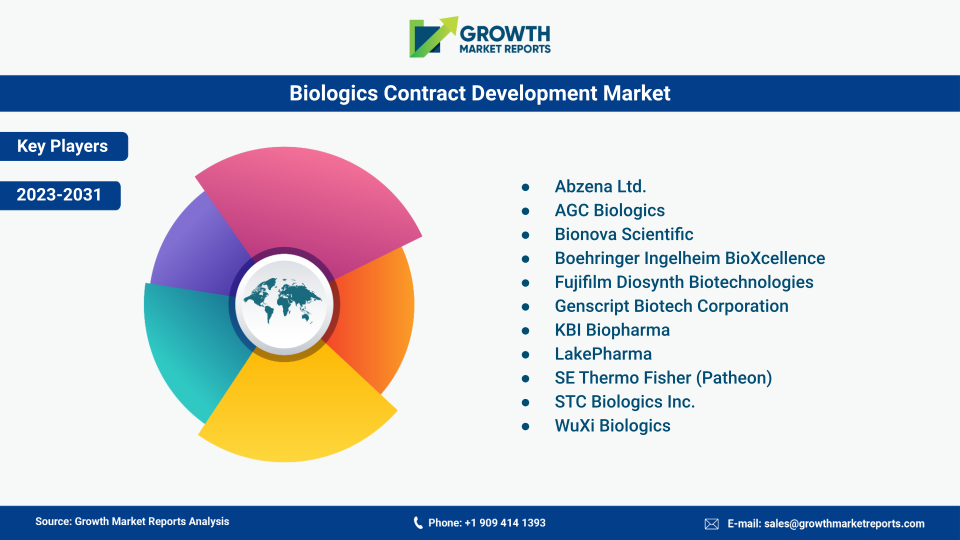
Key players in the biologics contract development market include Abzena Ltd., AGC Biologics, Bionova Scientific, Boehringer Ingelheim BioXcellence, Fujifilm Diosynth Biotechnologies, Genscript Biotech Corporation, KBI Biopharma, LakePharma, SE Thermo Fisher (Patheon), STC Biologics, Inc., and WuXi Biologics. These players engage in mergers & acquisitions, collaborations, agreements, and partnerships to strengthen their geographical presence.
Technological advancements such as single-use bioreactors, high-throughput screening, next-generation sequencing, and digital analytics are streamlining development processes and enhancing service offerings.
Key players include Lonza Group, WuXi Biologics, Samsung Biologics, Catalent Inc., Charles River Laboratories, Boehringer Ingelheim BioXcellence, Fujifilm Diosynth Biotechnologies, and Thermo Fisher Scientific.
Challenges include intense competition, pricing pressures, high capital investment requirements, complex regulatory landscapes, and operational risks.
Opportunities include the expansion of the biosimilars market, adoption of advanced technologies like AI and automation, and growing demand for personalized medicine and targeted therapies.
Key end-users include pharmaceutical companies, biotechnology companies, research institutes, and others such as CROs and government agencies.
North America is the leading region, followed by Europe and the Asia Pacific. North America accounts for the largest revenue share due to its mature biopharmaceutical sector and strong R&D investments.
The market is segmented into monoclonal antibodies, recombinant proteins, vaccines, gene therapy, and others, with monoclonal antibodies being the largest and fastest-growing segment.
Process development services dominate the market, followed by analytical and quality control, cell line development, and formulation development services.
Key growth drivers include rising demand for advanced biotherapeutics, increasing investments in biologics research, the prevalence of chronic diseases, and the growing adoption of outsourcing by pharmaceutical and biotechnology companies.
The global biologics contract development market reached USD 8.4 billion in 2024 and is expected to grow at a CAGR of 9.2%, reaching USD 18.3 billion by 2033.