Somatostatin Analogs Market Research Report 2033

Somatostatin Analogs Market Research Report 2033

Segments - by Product Type (Octreotide, Lanreotide, Pasireotide, Others), by Application (Acromegaly, Neuroendocrine Tumors, Cushing’s Syndrome, Gastroenteropancreatic Tumors, Others), by Route Of Administration (Injectable, Oral, Others), by Distribution Channel (Hospital Pharmacies, Retail Pharmacies, Online Pharmacies, Others)

https://growthmarketreports.com/raksha
Author : Raksha Sharma
https://growthmarketreports.com/Vaibhav
Fact-checked by : V. Chandola
https://growthmarketreports.com/Shruti
Editor : Shruti Bhat

Upcoming | Report ID :HC-1981 | 4.2 Rating | 37 Reviews | 300 Pages | Format : Docx PDF

Report Description


Somatostatin Analogs Market Outlook

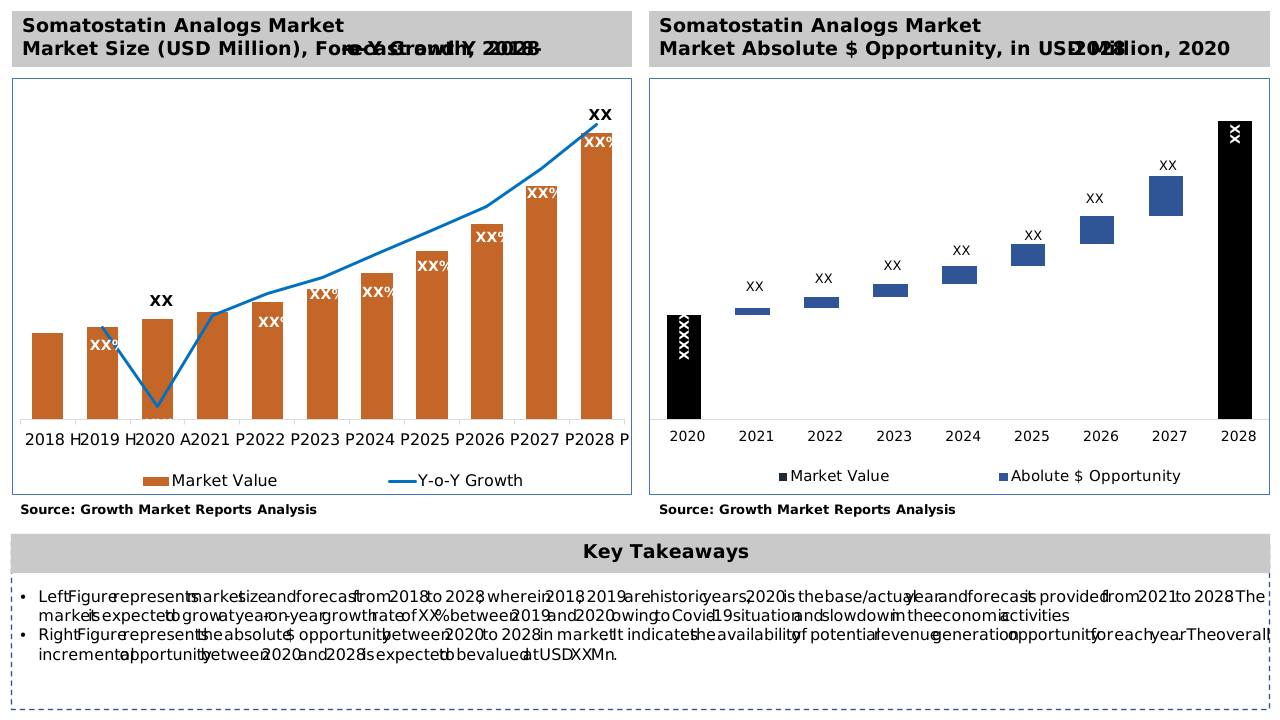
As per our latest research and analysis, the global somatostatin analogs market size in 2024 stands at USD 4.1 billion. The market is demonstrating robust momentum, registering a CAGR of 6.2% from 2025 to 2033. By the end of 2033, the market is forecasted to reach USD 7.1 billion, driven by the rising prevalence of neuroendocrine tumors, acromegaly, and other hormone-related disorders, alongside advancements in drug formulation and delivery. This consistent growth trajectory is underpinned by increasing awareness, improved diagnostic rates, and the expansion of therapeutic indications for somatostatin analogs across multiple regions.

The primary growth driver for the somatostatin analogs market is the escalating incidence of neuroendocrine tumors (NETs) and related endocrine disorders globally. NETs, which include gastroenteropancreatic neuroendocrine tumors and pituitary adenomas, are being diagnosed at higher rates due to enhanced imaging modalities and increased clinical awareness. This trend is particularly notable in developed markets, where early detection and intervention are more prevalent. Furthermore, the growing geriatric population—who are more susceptible to such disorders—contributes significantly to the expanding patient pool. The effectiveness of somatostatin analogs in controlling hormone hypersecretion and tumor progression has solidified their role as frontline therapies, further propelling market demand.

Another substantial growth factor is the continuous innovation in drug development and delivery mechanisms for somatostatin analogs. Pharmaceutical companies are investing heavily in research and development to create long-acting formulations, improve patient compliance, and reduce dosing frequency. For instance, advancements in depot injections and the exploration of oral somatostatin analogs are expected to revolutionize treatment paradigms. These innovations not only enhance the quality of life for patients but also open new avenues for market expansion. Moreover, regulatory agencies have shown increasing support for novel analogs and expanded indications, expediting the approval process and facilitating faster market entry for new products.

The expansion of healthcare infrastructure and increasing accessibility to advanced therapies in emerging economies also play a pivotal role in the marketÂ’s growth. Countries in Asia Pacific and Latin America are witnessing significant investments in healthcare, leading to improved diagnosis and management of endocrine disorders. Additionally, the rise in medical tourism, particularly for specialized treatments involving somatostatin analogs, is bolstering market growth in these regions. Pharmaceutical companies are also partnering with local distributors and healthcare providers to enhance their reach and cater to the growing demand. These collective efforts are expected to bridge the gap in treatment availability and contribute to a more balanced global market distribution.

Indium 111 Pentetreotide is a radiopharmaceutical used in the imaging of neuroendocrine tumors. It plays a crucial role in the diagnostic process by binding to somatostatin receptors, which are often overexpressed in these tumors. This imaging agent allows for precise localization and characterization of neuroendocrine tumors, aiding in the assessment of disease extent and guiding treatment decisions. The integration of Indium 111 Pentetreotide in diagnostic protocols has enhanced the ability of healthcare professionals to tailor therapeutic strategies, thereby improving patient outcomes. Its use underscores the importance of advanced imaging techniques in the management of complex endocrine disorders, complementing the therapeutic role of somatostatin analogs.

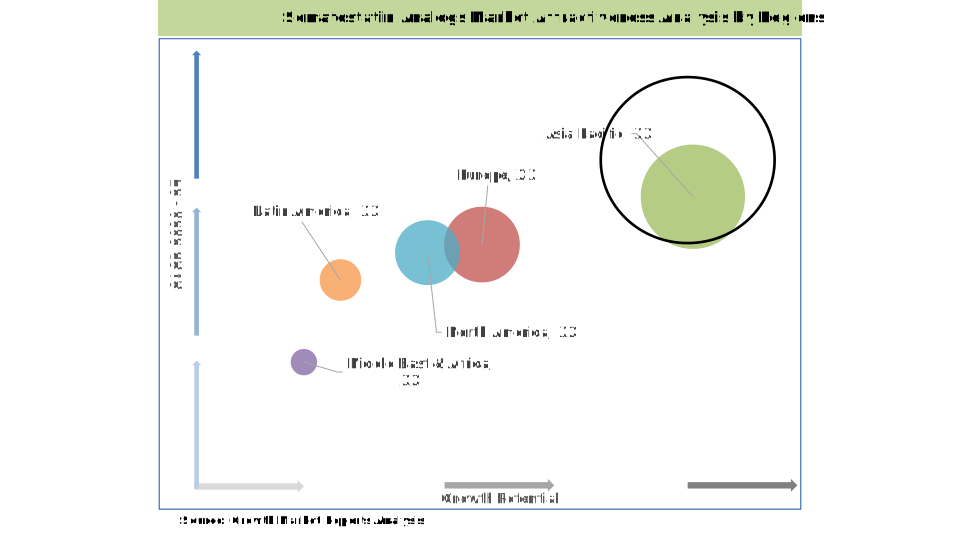
Regionally, North America remains the dominant player in the somatostatin analogs market, accounting for the largest share due to its advanced healthcare system, high prevalence of target diseases, and strong presence of leading pharmaceutical companies. Europe follows closely, benefiting from robust research activities and favorable reimbursement policies. Meanwhile, the Asia Pacific region is emerging as a lucrative market, driven by a large patient base, rising healthcare expenditure, and increasing adoption of innovative therapies. Latin America and the Middle East & Africa, although currently holding smaller shares, are projected to witness steady growth owing to ongoing healthcare reforms and the gradual introduction of advanced treatment options.

Global Somatostatin Analogs Industry Outlook

Product Type Analysis

The product type segment of the somatostatin analogs market is primarily categorized into Octreotide, Lanreotide, Pasireotide, and Others. Octreotide, as the first synthetic somatostatin analog introduced to the market, holds a significant share due to its well-established efficacy in managing acromegaly, neuroendocrine tumors, and gastrointestinal disorders. Its long-acting formulations, such as Sandostatin LAR, have become the gold standard in chronic therapy, offering consistent symptom control and tumor stabilization. The clinical reliability and extensive track record of octreotide continue to drive its adoption among healthcare providers, particularly in settings where long-term disease management is crucial.

Lanreotide, another widely used somatostatin analog, has gained prominence in the treatment of neuroendocrine tumors and acromegaly, especially following the approval of its long-acting formulation, Somatuline Depot. The drugÂ’s unique pharmacokinetic profile, characterized by sustained release and convenient dosing intervals, has contributed to improved patient adherence and outcomes. Additionally, recent clinical trials supporting its efficacy in controlling tumor growth and hormone hypersecretion have further reinforced its position in the market. LanreotideÂ’s expanding indications and favorable safety profile are expected to drive its market share in the coming years, particularly in regions with rising NET prevalence.

Pasireotide represents a newer generation of somatostatin analogs, distinguished by its broader receptor binding profile. It is primarily indicated for patients with CushingÂ’s syndrome and acromegaly who are resistant to first-generation analogs. The introduction of pasireotide has addressed a critical unmet need in refractory cases, offering an alternative for patients who do not respond adequately to octreotide or lanreotide. Its expanding clinical applications, coupled with ongoing research into additional indications, position pasireotide as a key growth driver within the product type segment. However, its higher cost and specific side effect profile may limit widespread adoption in certain markets.

Lonapegsomatropin is an innovative long-acting growth hormone therapy that has garnered attention for its potential to improve treatment adherence and outcomes in patients with growth hormone deficiencies. Unlike traditional daily injections, Lonapegsomatropin offers a more convenient dosing schedule, which can significantly enhance patient compliance and quality of life. This advancement aligns with the broader trend in endocrinology towards developing therapies that reduce the burden of treatment while maintaining efficacy. As the somatostatin analogs market continues to evolve, the introduction of such patient-friendly formulations is likely to influence therapeutic approaches and expand the scope of hormone-related treatments.

The “Others” category encompasses emerging somatostatin analogs and combination therapies under development. These products are being designed to overcome the limitations of existing analogs, such as suboptimal receptor affinity or inconvenient administration routes. Pharmaceutical companies are actively exploring novel molecules with enhanced efficacy, reduced side effects, and improved patient convenience. The ongoing pipeline activity in this segment reflects the dynamic nature of the market and the continuous pursuit of therapeutic innovation. As these new agents progress through clinical trials and receive regulatory approval, they are expected to diversify the product landscape and offer additional options for clinicians and patients alike.

Report Scope

Attributes Details
Report Title Somatostatin Analogs Market Research Report 2033
By Product Type Octreotide, Lanreotide, Pasireotide, Others
By Application Acromegaly, Neuroendocrine Tumors, CushingÂ’s Syndrome, Gastroenteropancreatic Tumors, Others
By Route Of Administration Injectable, Oral, Others
By Distribution Channel Hospital Pharmacies, Retail Pharmacies, Online Pharmacies, Others
Regions Covered North America, Europe, APAC, Latin America, MEA
Base Year 2024
Historic Data 2018-2023
Forecast Period 2025-2033
Number of Pages 300
Number of Tables & Figures 364
Customization Available Yes, the report can be customized as per your need.

Application Analysis

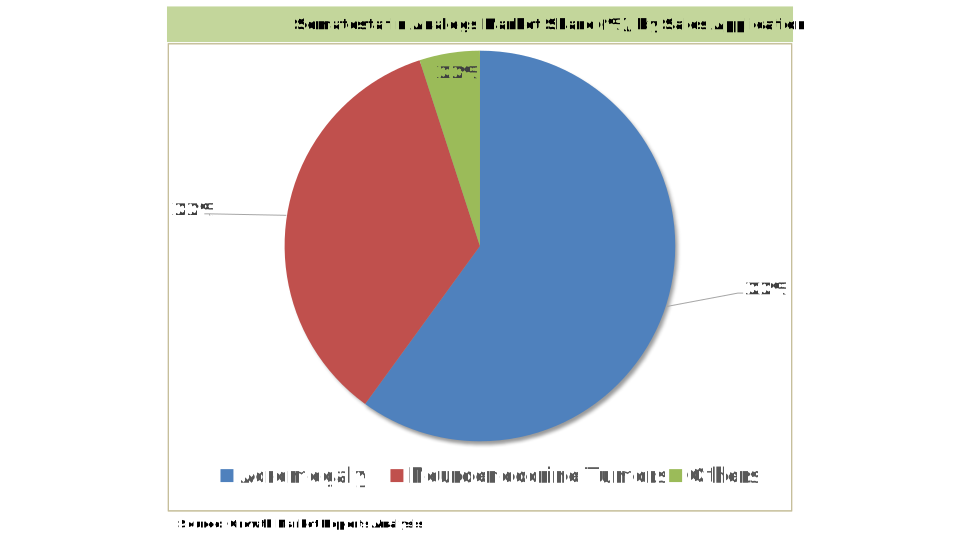
The application segment of the somatostatin analogs market is broadly divided into Acromegaly, Neuroendocrine Tumors, CushingÂ’s Syndrome, Gastroenteropancreatic Tumors, and Others. Acromegaly, a chronic disorder characterized by excessive growth hormone secretion, remains a major therapeutic focus for somatostatin analogs. These agents are the cornerstone of medical management, providing effective hormonal control and tumor shrinkage in patients who are ineligible for surgery or have residual disease post-operatively. The increasing prevalence of acromegaly, coupled with improved disease awareness and diagnostic capabilities, continues to drive demand for somatostatin analogs in this indication.

Neuroendocrine tumors (NETs) constitute another significant application area, with somatostatin analogs serving as first-line therapy for symptom control and tumor stabilization. The rising incidence of NETs, attributed to better diagnostic imaging and heightened clinical vigilance, has expanded the patient pool requiring long-term management. Somatostatin analogs not only alleviate debilitating symptoms such as flushing and diarrhea but also exhibit anti-proliferative effects, delaying disease progression. The growing body of clinical evidence supporting their efficacy in both functional and non-functional NETs is expected to sustain strong market growth in this segment.

CushingÂ’s syndrome, though a relatively rare disorder, represents a critical niche for somatostatin analogs, particularly for patients who are refractory to conventional therapies. Pasireotide, with its unique receptor binding profile, has emerged as a preferred option for managing hypercortisolism in CushingÂ’s syndrome. The increasing recognition of the disease and the need for effective second-line treatments are driving the adoption of somatostatin analogs in this application. Ongoing research into the long-term safety and efficacy of these agents is likely to further broaden their use in endocrine disorders characterized by hormone excess.

The development of Neuroendocrine Tumors Therapeutics has been pivotal in addressing the complex needs of patients with these challenging malignancies. Advances in this field have led to the introduction of targeted therapies that specifically address the unique biological characteristics of neuroendocrine tumors. These therapeutics not only aim to control tumor growth and hormone secretion but also improve symptom management and overall survival rates. The integration of novel agents into treatment regimens reflects a growing understanding of tumor biology and the importance of personalized medicine in oncology. As research continues to uncover new therapeutic targets, the landscape of neuroendocrine tumor management is poised for further transformation.

Gastroenteropancreatic tumors, a subset of NETs, also represent a key market segment for somatostatin analogs. These tumors, which arise from hormone-producing cells in the gastrointestinal tract and pancreas, often present with complex clinical manifestations that require specialized management. Somatostatin analogs play a crucial role in controlling hormone-mediated symptoms and inhibiting tumor growth. The increasing incidence of gastroenteropancreatic tumors, particularly in aging populations, is expected to fuel demand for these therapies. Additionally, ongoing clinical trials exploring novel combinations and extended indications are poised to expand the therapeutic landscape in this segment.

Route of Administration Analysis

The route of administration segment in the somatostatin analogs market is segmented into Injectable, Oral, and Others. Injectable formulations currently dominate the market, accounting for the vast majority of prescriptions. Long-acting depot injections, such as those for octreotide and lanreotide, offer sustained drug release and convenient dosing schedules, significantly improving patient compliance and clinical outcomes. The reliability and efficacy of injectable somatostatin analogs have made them the standard of care for chronic conditions like acromegaly and neuroendocrine tumors, particularly in hospital and specialty clinic settings.

The development of oral somatostatin analogs represents a transformative trend within this segment. Although still in the early stages of clinical adoption, oral formulations hold the promise of further enhancing patient convenience and expanding access to therapy. Pharmaceutical companies are actively pursuing research into oral delivery technologies that can overcome the challenges of peptide degradation in the gastrointestinal tract. Success in this area would not only reduce the burden of frequent injections but also potentially broaden the patient base, particularly among those who are needle-averse or have limited access to healthcare facilities.

Other routes of administration, including intranasal or transdermal formulations, are being explored as part of ongoing research initiatives aimed at improving drug delivery and patient experience. These alternative approaches seek to address unmet needs in specific patient populations, such as pediatric or geriatric patients who may face challenges with injections or oral medications. While these options are not yet widely available, their development underscores the commitment of the pharmaceutical industry to innovation and patient-centric care. As these novel formulations progress through clinical trials, they may offer additional therapeutic choices and contribute to market growth.

The choice of administration route significantly influences patient adherence, treatment outcomes, and overall healthcare costs. Injectable formulations, while effective, may be associated with injection site reactions and require healthcare professional involvement for administration. In contrast, oral and alternative formulations have the potential to reduce healthcare resource utilization and improve patient quality of life. The evolving landscape of administration routes reflects the dynamic nature of the somatostatin analogs market and the ongoing efforts to optimize therapy for diverse patient needs.

Distribution Channel Analysis

The distribution channel segment for somatostatin analogs is segmented into Hospital Pharmacies, Retail Pharmacies, Online Pharmacies, and Others. Hospital pharmacies currently account for the largest share of the market, reflecting the high utilization of somatostatin analogs in inpatient and specialty care settings. These facilities are often the primary point of care for patients with complex endocrine disorders, ensuring timely access to specialized therapies and facilitating close monitoring of treatment outcomes. The centralized procurement and distribution systems in hospitals also support efficient inventory management and cost containment.

Retail pharmacies play a growing role in the distribution of somatostatin analogs, particularly as outpatient management of chronic endocrine disorders becomes more common. The expansion of retail pharmacy networks, coupled with the increasing availability of specialty drugs, has improved patient access to these therapies. Retail pharmacies also offer the convenience of local pickup and personalized support, which can enhance adherence and patient satisfaction. As healthcare systems shift towards more decentralized models of care, the importance of retail pharmacies in the somatostatin analogs market is expected to increase.

Online pharmacies represent an emerging distribution channel with significant growth potential, especially in the wake of the global digital health transformation. The convenience, privacy, and accessibility offered by online platforms are appealing to patients managing chronic conditions. Online pharmacies facilitate home delivery of medications, remote consultations, and automated refill reminders, all of which contribute to improved adherence. Regulatory changes supporting the online sale of prescription medications are further accelerating the adoption of this channel, particularly in developed markets with robust digital infrastructure.

Other distribution channels, including specialty clinics and direct-to-patient models, are also gaining traction. These channels are particularly relevant for patients requiring complex or high-cost therapies that necessitate specialized handling and administration. Pharmaceutical companies are increasingly partnering with specialty distributors and care providers to ensure seamless access to somatostatin analogs and support services. The diversification of distribution channels reflects the evolving needs of patients and healthcare systems, as well as the growing emphasis on accessibility, convenience, and comprehensive care.

Opportunities & Threats

The somatostatin analogs market presents several compelling opportunities for growth and innovation. One of the most promising areas is the development of novel formulations and delivery methods that enhance patient convenience and adherence. The shift towards oral and alternative non-injectable formulations has the potential to transform the treatment landscape, making therapy more accessible to a broader patient population. Furthermore, the expansion of indications for somatostatin analogs, driven by ongoing clinical research, is likely to open new therapeutic avenues in both oncology and endocrinology. The increasing focus on personalized medicine and biomarker-driven approaches also offers opportunities for targeted therapy, optimizing outcomes for specific patient subgroups.

Another significant opportunity lies in the expansion into emerging markets, where the burden of endocrine disorders is rising but access to advanced therapies remains limited. Strategic partnerships with local healthcare providers, investment in healthcare infrastructure, and tailored patient support programs can facilitate market entry and growth in these regions. Additionally, the integration of digital health solutions, such as telemedicine and remote monitoring, can improve disease management and medication adherence, further expanding the reach of somatostatin analogs. The growing emphasis on value-based care and outcomes-driven reimbursement models also incentivizes the adoption of effective and cost-efficient therapies, positioning somatostatin analogs favorably in the evolving healthcare landscape.

Despite these opportunities, the market faces certain restraining factors that may hinder growth. Chief among these is the high cost of somatostatin analog therapies, which can limit access for patients in low- and middle-income countries and strain healthcare budgets even in developed markets. Reimbursement challenges and restrictive insurance policies may further impede uptake, particularly for newer and more expensive analogs. Additionally, the risk of adverse effects, such as gastrointestinal disturbances and glucose metabolism alterations, may affect patient compliance and necessitate close monitoring. Competition from alternative therapies, including peptide receptor radionuclide therapy (PRRT) and newer targeted agents, also poses a potential threat to market share. Addressing these challenges will require ongoing innovation, patient education, and collaborative efforts among stakeholders.

Regional Outlook

North America continues to dominate the somatostatin analogs market, with the region accounting for approximately USD 1.7 billion in market value in 2024. The United States is the primary contributor, driven by a high prevalence of neuroendocrine tumors, advanced healthcare infrastructure, and strong presence of leading pharmaceutical companies. The region benefits from favorable reimbursement policies, widespread adoption of innovative therapies, and a robust clinical research ecosystem. The presence of specialized treatment centers and high awareness among healthcare professionals further support the uptake of somatostatin analogs. North America is expected to maintain its leadership position throughout the forecast period, with a steady CAGR reflecting ongoing demand and innovation.

Europe follows as the second-largest regional market, valued at approximately USD 1.1 billion in 2024. The region is characterized by a well-established healthcare system, strong research capabilities, and supportive regulatory frameworks. Countries such as Germany, France, and the United Kingdom are key contributors, benefiting from high diagnostic rates and access to advanced treatments. The European market is also witnessing growth in clinical trials and real-world evidence generation, supporting the expansion of indications and reimbursement for somatostatin analogs. With a projected CAGR of 6.0% from 2025 to 2033, Europe is expected to see continued growth, driven by rising disease prevalence and increasing healthcare investment.

The Asia Pacific region is emerging as a high-growth market, with a market value of USD 0.8 billion in 2024. Rapid economic development, rising healthcare expenditure, and increasing awareness of endocrine disorders are driving market expansion in countries such as China, India, and Japan. The regionÂ’s large and aging population presents a significant opportunity for market penetration, particularly as healthcare infrastructure continues to improve. Local pharmaceutical companies are also playing a growing role in the development and distribution of somatostatin analogs, contributing to increased accessibility. Asia Pacific is projected to register the highest CAGR among all regions, reflecting its dynamic market environment and untapped potential. Latin America and the Middle East & Africa, while currently holding smaller shares, are expected to experience gradual growth as healthcare systems evolve and access to advanced therapies improves.

Somatostatin Analogs Market Statistics

Competitor Outlook

The competitive landscape of the somatostatin analogs market is characterized by the presence of several global pharmaceutical giants alongside a growing number of regional and specialty players. Market competition is driven by innovation in drug formulation, expansion of therapeutic indications, and strategic collaborations aimed at enhancing market reach. Leading companies are investing heavily in research and development to maintain their competitive edge, focusing on the creation of long-acting and patient-friendly formulations that address unmet clinical needs. Intellectual property protection and regulatory exclusivity also play a significant role in shaping market dynamics, with companies leveraging their patent portfolios to secure market share and delay generic competition.

Strategic partnerships and licensing agreements are increasingly common as companies seek to expand their product offerings and geographic presence. Collaborations with research institutions, healthcare providers, and specialty distributors enable companies to accelerate product development, streamline distribution, and enhance patient support services. The trend towards personalized medicine and biomarker-driven therapy is also influencing competitive strategies, with companies investing in companion diagnostics and targeted treatment approaches. In addition, the integration of digital health solutions and real-world evidence generation is becoming a key differentiator, enabling companies to demonstrate the value of their therapies in diverse patient populations.

Market entry barriers remain high due to the complex regulatory requirements, stringent clinical trial standards, and significant investment needed for drug development and commercialization. However, the expiration of key patents and the introduction of generic and biosimilar somatostatin analogs are expected to intensify competition in the coming years. Generic manufacturers are focusing on cost-effective production and efficient distribution to capture market share, particularly in price-sensitive regions. Brand loyalty, physician preference, and established safety profiles continue to support the dominance of leading brands, but ongoing innovation and competitive pricing will be critical to sustaining growth in a rapidly evolving market.

Major players in the somatostatin analogs market include Novartis AG, Ipsen Pharma, Pfizer Inc., Sun Pharmaceutical Industries Ltd., and Chiasma, Inc. Novartis AG is a global leader, with its flagship products Sandostatin and Signifor holding significant market share due to their proven efficacy and extensive clinical evidence. Ipsen Pharma has established a strong presence with its Somatuline Depot (lanreotide) product, supported by robust research and expanding indications. Pfizer Inc. is actively involved in the development and commercialization of innovative endocrine therapies, leveraging its global reach and research capabilities. Sun Pharmaceutical Industries Ltd. is a key player in emerging markets, focusing on affordable and accessible formulations. Chiasma, Inc. is pioneering the development of oral somatostatin analogs, aiming to transform the treatment paradigm and improve patient convenience. These companies, along with several others, are shaping the future of the somatostatin analogs market through ongoing innovation, strategic expansion, and a commitment to addressing unmet medical needs.

Key Players

  • Novartis AG
  • Ipsen Pharma
  • Pfizer Inc.
  • Sun Pharmaceutical Industries Ltd.
  • Teva Pharmaceutical Industries Ltd.
  • Cipla Limited
  • Fresenius Kabi AG
  • Mylan N.V.
  • Wockhardt Ltd.
  • Chengdu Tiantaishan Pharmaceutical Co., Ltd.
  • Samarth Life Sciences Pvt. Ltd.
  • Taj Pharmaceuticals Limited
  • Shanghai Soho-Yiming Pharmaceuticals Co., Ltd.
  • Bluepharma
  • Sandoz International GmbH
  • Zydus Lifesciences Limited
  • Amneal Pharmaceuticals, Inc.
  • Bharat Serums and Vaccines Limited
  • Polypeptide Group
  • ScinoPharm Taiwan Ltd.
Somatostatin Analogs Market Overview

Segments

The Somatostatin Analogs market has been segmented on the basis of

Product Type

  • Octreotide
  • Lanreotide
  • Pasireotide
  • Others

Application

  • Acromegaly
  • Neuroendocrine Tumors
  • Cushing’s Syndrome
  • Gastroenteropancreatic Tumors
  • Others

Route Of Administration

  • Injectable
  • Oral
  • Others

Distribution Channel

  • Hospital Pharmacies
  • Retail Pharmacies
  • Online Pharmacies
  • Others

Competitive Landscape

Key players competing in the global somatostatin analogs market are Novartis AG; Sun Pharmaceutical Industries Ltd; Midatech Pharma PLC; Ipsen Pharma; Chiasma Inc; Peptron, Inc; Crinetics Pharmaceuticals; Dauntless Pharmaceuticals; Camurus AB; Teva Pharmaceuticals Inc; and Pfizer Inc. To boost their revenue share, companies are focused on initiatives such as developing new formulations, forming partnerships and distribution agreements, and expanding regionally. Chiasma Inc., for example, is developing oral octreotide, which offers a simpler administration route and is currently undergoing a phase III clinical trial.
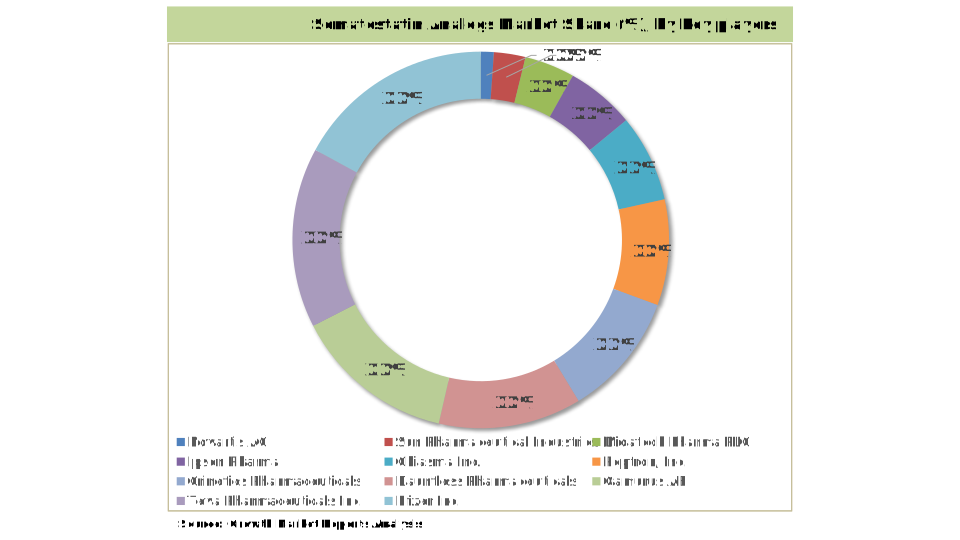

Somatostatin Analogs Market Share

Frequently Asked Questions

The market is expected to grow at a CAGR of 6.2% from 2025 to 2033, reaching USD 7.1 billion by 2033.

Opportunities include the development of novel formulations, expansion into emerging markets, and integration of digital health. Challenges involve high therapy costs, reimbursement issues, and competition from alternative treatments.

Major companies include Novartis AG, Ipsen Pharma, Pfizer Inc., Sun Pharmaceutical Industries Ltd., and Chiasma, Inc., among others.

The main distribution channels include hospital pharmacies, retail pharmacies, online pharmacies, and specialty clinics.

They are mainly administered via injectable formulations, but oral and other alternative routes like intranasal and transdermal are being developed.

Somatostatin analogs are primarily used for treating acromegaly, neuroendocrine tumors, Cushing’s syndrome, and gastroenteropancreatic tumors.

The main product types are Octreotide, Lanreotide, Pasireotide, and emerging analogs categorized as 'Others.'

North America is the dominant region, followed by Europe and the Asia Pacific. North America benefits from advanced healthcare infrastructure, high disease prevalence, and strong pharmaceutical presence.

Key growth drivers include the rising prevalence of neuroendocrine tumors, acromegaly, and other hormone-related disorders, advancements in drug formulation and delivery, increasing awareness, and improved diagnostic rates.

As of 2024, the global somatostatin analogs market size is valued at USD 4.1 billion.

Table Of Content

Chapter 1 Executive Summary
Chapter 2 Assumptions and Acronyms Used
Chapter 3 Research Methodology
Chapter 4 Somatostatin Analogs Market Overview
   4.1 Introduction
      4.1.1 Market Taxonomy
      4.1.2 Market Definition
      4.1.3 Macro-Economic Factors Impacting the Market Growth
   4.2 Somatostatin Analogs Market Dynamics
      4.2.1 Market Drivers
      4.2.2 Market Restraints
      4.2.3 Market Opportunity
   4.3 Somatostatin Analogs Market - Supply Chain Analysis
      4.3.1 List of Key Suppliers
      4.3.2 List of Key Distributors
      4.3.3 List of Key Consumers
   4.4 Key Forces Shaping the Somatostatin Analogs Market
      4.4.1 Bargaining Power of Suppliers
      4.4.2 Bargaining Power of Buyers
      4.4.3 Threat of Substitution
      4.4.4 Threat of New Entrants
      4.4.5 Competitive Rivalry
   4.5 Global Somatostatin Analogs Market Size & Forecast, 2023-2032
      4.5.1 Somatostatin Analogs Market Size and Y-o-Y Growth
      4.5.2 Somatostatin Analogs Market Absolute $ Opportunity

Chapter 5 Global Somatostatin Analogs Market Analysis and Forecast By Product Type
   5.1 Introduction
      5.1.1 Key Market Trends & Growth Opportunities By Product Type
      5.1.2 Basis Point Share (BPS) Analysis By Product Type
      5.1.3 Absolute $ Opportunity Assessment By Product Type
   5.2 Somatostatin Analogs Market Size Forecast By Product Type
      5.2.1 Octreotide
      5.2.2 Lanreotide
      5.2.3 Pasireotide
      5.2.4 Others
   5.3 Market Attractiveness Analysis By Product Type

Chapter 6 Global Somatostatin Analogs Market Analysis and Forecast By Application
   6.1 Introduction
      6.1.1 Key Market Trends & Growth Opportunities By Application
      6.1.2 Basis Point Share (BPS) Analysis By Application
      6.1.3 Absolute $ Opportunity Assessment By Application
   6.2 Somatostatin Analogs Market Size Forecast By Application
      6.2.1 Acromegaly
      6.2.2 Neuroendocrine Tumors
      6.2.3 Cushing’s Syndrome
      6.2.4 Gastroenteropancreatic Tumors
      6.2.5 Others
   6.3 Market Attractiveness Analysis By Application

Chapter 7 Global Somatostatin Analogs Market Analysis and Forecast By Route Of Administration
   7.1 Introduction
      7.1.1 Key Market Trends & Growth Opportunities By Route Of Administration
      7.1.2 Basis Point Share (BPS) Analysis By Route Of Administration
      7.1.3 Absolute $ Opportunity Assessment By Route Of Administration
   7.2 Somatostatin Analogs Market Size Forecast By Route Of Administration
      7.2.1 Injectable
      7.2.2 Oral
      7.2.3 Others
   7.3 Market Attractiveness Analysis By Route Of Administration

Chapter 8 Global Somatostatin Analogs Market Analysis and Forecast By Distribution Channel
   8.1 Introduction
      8.1.1 Key Market Trends & Growth Opportunities By Distribution Channel
      8.1.2 Basis Point Share (BPS) Analysis By Distribution Channel
      8.1.3 Absolute $ Opportunity Assessment By Distribution Channel
   8.2 Somatostatin Analogs Market Size Forecast By Distribution Channel
      8.2.1 Hospital Pharmacies
      8.2.2 Retail Pharmacies
      8.2.3 Online Pharmacies
      8.2.4 Others
   8.3 Market Attractiveness Analysis By Distribution Channel

Chapter 9 Global Somatostatin Analogs Market Analysis and Forecast by Region
   9.1 Introduction
      9.1.1 Key Market Trends & Growth Opportunities By Region
      9.1.2 Basis Point Share (BPS) Analysis By Region
      9.1.3 Absolute $ Opportunity Assessment By Region
   9.2 Somatostatin Analogs Market Size Forecast By Region
      9.2.1 North America
      9.2.2 Europe
      9.2.3 Asia Pacific
      9.2.4 Latin America
      9.2.5 Middle East & Africa (MEA)
   9.3 Market Attractiveness Analysis By Region

Chapter 10 Coronavirus Disease (COVID-19) Impact 
   10.1 Introduction 
   10.2 Current & Future Impact Analysis 
   10.3 Economic Impact Analysis 
   10.4 Government Policies 
   10.5 Investment Scenario

Chapter 11 North America Somatostatin Analogs Analysis and Forecast
   11.1 Introduction
   11.2 North America Somatostatin Analogs Market Size Forecast by Country
      11.2.1 U.S.
      11.2.2 Canada
   11.3 Basis Point Share (BPS) Analysis by Country
   11.4 Absolute $ Opportunity Assessment by Country
   11.5 Market Attractiveness Analysis by Country
   11.6 North America Somatostatin Analogs Market Size Forecast By Product Type
      11.6.1 Octreotide
      11.6.2 Lanreotide
      11.6.3 Pasireotide
      11.6.4 Others
   11.7 Basis Point Share (BPS) Analysis By Product Type 
   11.8 Absolute $ Opportunity Assessment By Product Type 
   11.9 Market Attractiveness Analysis By Product Type
   11.10 North America Somatostatin Analogs Market Size Forecast By Application
      11.10.1 Acromegaly
      11.10.2 Neuroendocrine Tumors
      11.10.3 Cushing’s Syndrome
      11.10.4 Gastroenteropancreatic Tumors
      11.10.5 Others
   11.11 Basis Point Share (BPS) Analysis By Application 
   11.12 Absolute $ Opportunity Assessment By Application 
   11.13 Market Attractiveness Analysis By Application
   11.14 North America Somatostatin Analogs Market Size Forecast By Route Of Administration
      11.14.1 Injectable
      11.14.2 Oral
      11.14.3 Others
   11.15 Basis Point Share (BPS) Analysis By Route Of Administration 
   11.16 Absolute $ Opportunity Assessment By Route Of Administration 
   11.17 Market Attractiveness Analysis By Route Of Administration
   11.18 North America Somatostatin Analogs Market Size Forecast By Distribution Channel
      11.18.1 Hospital Pharmacies
      11.18.2 Retail Pharmacies
      11.18.3 Online Pharmacies
      11.18.4 Others
   11.19 Basis Point Share (BPS) Analysis By Distribution Channel 
   11.20 Absolute $ Opportunity Assessment By Distribution Channel 
   11.21 Market Attractiveness Analysis By Distribution Channel

Chapter 12 Europe Somatostatin Analogs Analysis and Forecast
   12.1 Introduction
   12.2 Europe Somatostatin Analogs Market Size Forecast by Country
      12.2.1 Germany
      12.2.2 France
      12.2.3 Italy
      12.2.4 U.K.
      12.2.5 Spain
      12.2.6 Russia
      12.2.7 Rest of Europe
   12.3 Basis Point Share (BPS) Analysis by Country
   12.4 Absolute $ Opportunity Assessment by Country
   12.5 Market Attractiveness Analysis by Country
   12.6 Europe Somatostatin Analogs Market Size Forecast By Product Type
      12.6.1 Octreotide
      12.6.2 Lanreotide
      12.6.3 Pasireotide
      12.6.4 Others
   12.7 Basis Point Share (BPS) Analysis By Product Type 
   12.8 Absolute $ Opportunity Assessment By Product Type 
   12.9 Market Attractiveness Analysis By Product Type
   12.10 Europe Somatostatin Analogs Market Size Forecast By Application
      12.10.1 Acromegaly
      12.10.2 Neuroendocrine Tumors
      12.10.3 Cushing’s Syndrome
      12.10.4 Gastroenteropancreatic Tumors
      12.10.5 Others
   12.11 Basis Point Share (BPS) Analysis By Application 
   12.12 Absolute $ Opportunity Assessment By Application 
   12.13 Market Attractiveness Analysis By Application
   12.14 Europe Somatostatin Analogs Market Size Forecast By Route Of Administration
      12.14.1 Injectable
      12.14.2 Oral
      12.14.3 Others
   12.15 Basis Point Share (BPS) Analysis By Route Of Administration 
   12.16 Absolute $ Opportunity Assessment By Route Of Administration 
   12.17 Market Attractiveness Analysis By Route Of Administration
   12.18 Europe Somatostatin Analogs Market Size Forecast By Distribution Channel
      12.18.1 Hospital Pharmacies
      12.18.2 Retail Pharmacies
      12.18.3 Online Pharmacies
      12.18.4 Others
   12.19 Basis Point Share (BPS) Analysis By Distribution Channel 
   12.20 Absolute $ Opportunity Assessment By Distribution Channel 
   12.21 Market Attractiveness Analysis By Distribution Channel

Chapter 13 Asia Pacific Somatostatin Analogs Analysis and Forecast
   13.1 Introduction
   13.2 Asia Pacific Somatostatin Analogs Market Size Forecast by Country
      13.2.1 China
      13.2.2 Japan
      13.2.3 South Korea
      13.2.4 India
      13.2.5 Australia
      13.2.6 South East Asia (SEA)
      13.2.7 Rest of Asia Pacific (APAC)
   13.3 Basis Point Share (BPS) Analysis by Country
   13.4 Absolute $ Opportunity Assessment by Country
   13.5 Market Attractiveness Analysis by Country
   13.6 Asia Pacific Somatostatin Analogs Market Size Forecast By Product Type
      13.6.1 Octreotide
      13.6.2 Lanreotide
      13.6.3 Pasireotide
      13.6.4 Others
   13.7 Basis Point Share (BPS) Analysis By Product Type 
   13.8 Absolute $ Opportunity Assessment By Product Type 
   13.9 Market Attractiveness Analysis By Product Type
   13.10 Asia Pacific Somatostatin Analogs Market Size Forecast By Application
      13.10.1 Acromegaly
      13.10.2 Neuroendocrine Tumors
      13.10.3 Cushing’s Syndrome
      13.10.4 Gastroenteropancreatic Tumors
      13.10.5 Others
   13.11 Basis Point Share (BPS) Analysis By Application 
   13.12 Absolute $ Opportunity Assessment By Application 
   13.13 Market Attractiveness Analysis By Application
   13.14 Asia Pacific Somatostatin Analogs Market Size Forecast By Route Of Administration
      13.14.1 Injectable
      13.14.2 Oral
      13.14.3 Others
   13.15 Basis Point Share (BPS) Analysis By Route Of Administration 
   13.16 Absolute $ Opportunity Assessment By Route Of Administration 
   13.17 Market Attractiveness Analysis By Route Of Administration
   13.18 Asia Pacific Somatostatin Analogs Market Size Forecast By Distribution Channel
      13.18.1 Hospital Pharmacies
      13.18.2 Retail Pharmacies
      13.18.3 Online Pharmacies
      13.18.4 Others
   13.19 Basis Point Share (BPS) Analysis By Distribution Channel 
   13.20 Absolute $ Opportunity Assessment By Distribution Channel 
   13.21 Market Attractiveness Analysis By Distribution Channel

Chapter 14 Latin America Somatostatin Analogs Analysis and Forecast
   14.1 Introduction
   14.2 Latin America Somatostatin Analogs Market Size Forecast by Country
      14.2.1 Brazil
      14.2.2 Mexico
      14.2.3 Rest of Latin America (LATAM)
   14.3 Basis Point Share (BPS) Analysis by Country
   14.4 Absolute $ Opportunity Assessment by Country
   14.5 Market Attractiveness Analysis by Country
   14.6 Latin America Somatostatin Analogs Market Size Forecast By Product Type
      14.6.1 Octreotide
      14.6.2 Lanreotide
      14.6.3 Pasireotide
      14.6.4 Others
   14.7 Basis Point Share (BPS) Analysis By Product Type 
   14.8 Absolute $ Opportunity Assessment By Product Type 
   14.9 Market Attractiveness Analysis By Product Type
   14.10 Latin America Somatostatin Analogs Market Size Forecast By Application
      14.10.1 Acromegaly
      14.10.2 Neuroendocrine Tumors
      14.10.3 Cushing’s Syndrome
      14.10.4 Gastroenteropancreatic Tumors
      14.10.5 Others
   14.11 Basis Point Share (BPS) Analysis By Application 
   14.12 Absolute $ Opportunity Assessment By Application 
   14.13 Market Attractiveness Analysis By Application
   14.14 Latin America Somatostatin Analogs Market Size Forecast By Route Of Administration
      14.14.1 Injectable
      14.14.2 Oral
      14.14.3 Others
   14.15 Basis Point Share (BPS) Analysis By Route Of Administration 
   14.16 Absolute $ Opportunity Assessment By Route Of Administration 
   14.17 Market Attractiveness Analysis By Route Of Administration
   14.18 Latin America Somatostatin Analogs Market Size Forecast By Distribution Channel
      14.18.1 Hospital Pharmacies
      14.18.2 Retail Pharmacies
      14.18.3 Online Pharmacies
      14.18.4 Others
   14.19 Basis Point Share (BPS) Analysis By Distribution Channel 
   14.20 Absolute $ Opportunity Assessment By Distribution Channel 
   14.21 Market Attractiveness Analysis By Distribution Channel

Chapter 15 Middle East & Africa (MEA) Somatostatin Analogs Analysis and Forecast
   15.1 Introduction
   15.2 Middle East & Africa (MEA) Somatostatin Analogs Market Size Forecast by Country
      15.2.1 Saudi Arabia
      15.2.2 South Africa
      15.2.3 UAE
      15.2.4 Rest of Middle East & Africa (MEA)
   15.3 Basis Point Share (BPS) Analysis by Country
   15.4 Absolute $ Opportunity Assessment by Country
   15.5 Market Attractiveness Analysis by Country
   15.6 Middle East & Africa (MEA) Somatostatin Analogs Market Size Forecast By Product Type
      15.6.1 Octreotide
      15.6.2 Lanreotide
      15.6.3 Pasireotide
      15.6.4 Others
   15.7 Basis Point Share (BPS) Analysis By Product Type 
   15.8 Absolute $ Opportunity Assessment By Product Type 
   15.9 Market Attractiveness Analysis By Product Type
   15.10 Middle East & Africa (MEA) Somatostatin Analogs Market Size Forecast By Application
      15.10.1 Acromegaly
      15.10.2 Neuroendocrine Tumors
      15.10.3 Cushing’s Syndrome
      15.10.4 Gastroenteropancreatic Tumors
      15.10.5 Others
   15.11 Basis Point Share (BPS) Analysis By Application 
   15.12 Absolute $ Opportunity Assessment By Application 
   15.13 Market Attractiveness Analysis By Application
   15.14 Middle East & Africa (MEA) Somatostatin Analogs Market Size Forecast By Route Of Administration
      15.14.1 Injectable
      15.14.2 Oral
      15.14.3 Others
   15.15 Basis Point Share (BPS) Analysis By Route Of Administration 
   15.16 Absolute $ Opportunity Assessment By Route Of Administration 
   15.17 Market Attractiveness Analysis By Route Of Administration
   15.18 Middle East & Africa (MEA) Somatostatin Analogs Market Size Forecast By Distribution Channel
      15.18.1 Hospital Pharmacies
      15.18.2 Retail Pharmacies
      15.18.3 Online Pharmacies
      15.18.4 Others
   15.19 Basis Point Share (BPS) Analysis By Distribution Channel 
   15.20 Absolute $ Opportunity Assessment By Distribution Channel 
   15.21 Market Attractiveness Analysis By Distribution Channel

Chapter 16 Competition Landscape 
   16.1 Somatostatin Analogs Market: Competitive Dashboard
   16.2 Global Somatostatin Analogs Market: Market Share Analysis, 2023
   16.3 Company Profiles (Details – Overview, Financials, Developments, Strategy) 
      16.3.1 Novartis AG
Ipsen Pharma
Pfizer Inc.
Sun Pharmaceutical Industries Ltd.
Teva Pharmaceutical Industries Ltd.
Cipla Limited
Fresenius Kabi AG
Mylan N.V.
Wockhardt Ltd.
Chengdu Tiantaishan Pharmaceutical Co., Ltd.
Samarth Life Sciences Pvt. Ltd.
Taj Pharmaceuticals Limited
Shanghai Soho-Yiming Pharmaceuticals Co., Ltd.
Bluepharma
Sandoz International GmbH
Zydus Lifesciences Limited
Amneal Pharmaceuticals, Inc.
Bharat Serums and Vaccines Limited
Polypeptide Group
ScinoPharm Taiwan Ltd.

Methodology

Our Clients

Dassault Aviation
General Electric
Honda Motor Co. Ltd.
General Mills
Microsoft
Nestle SA
Siemens Healthcare
Deloitte