Segments - by Product Type (Foam Dressings, Hydrocolloid Dressings, Film Dressings, Alginate Dressings, Others), by Application (Chronic Wounds, Acute Wounds, Surgical Wounds, Burns, Others), by End-User (Hospitals & Clinics, Ambulatory Surgical Centers, Home Healthcare, Others), by Distribution Channel (Direct Tenders, Retail Pharmacies, Online Pharmacies, Others)
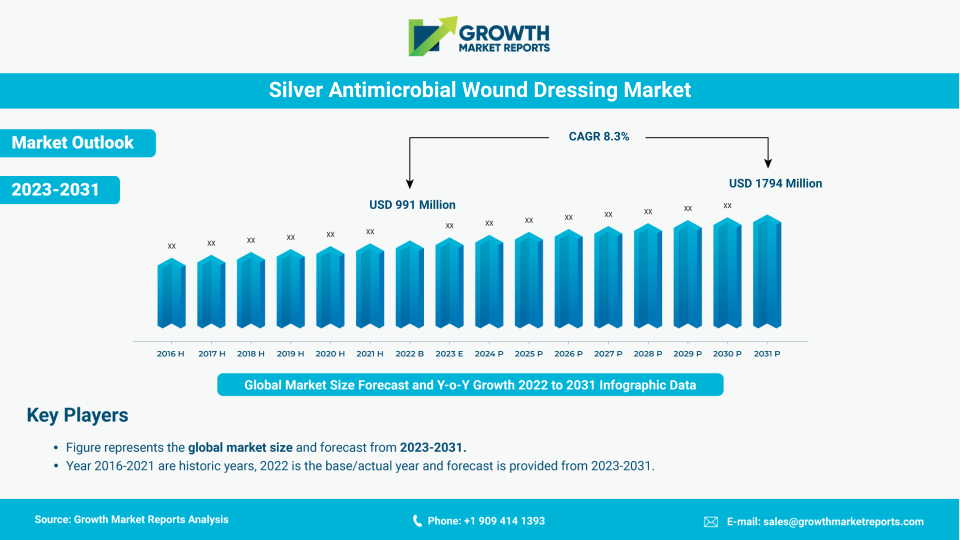
According to our latest research, the global Silver Antimicrobial Wound Dressing market size in 2024 stands at USD 1.42 billion, with the market expected to grow at a robust CAGR of 6.8% through the forecast period. By 2033, the market is projected to reach approximately USD 2.62 billion. This growth is primarily driven by the rising prevalence of chronic wounds, increased awareness regarding advanced wound care, and the proven efficacy of silver-based antimicrobial dressings in infection management and healing acceleration.
The growth trajectory of the Silver Antimicrobial Wound Dressing market is significantly influenced by the increasing incidence of chronic diseases such as diabetes and vascular disorders, which are leading contributors to chronic wound formation. As the global population ages, the number of patients requiring long-term wound care rises, fueling the demand for advanced wound dressing solutions that can effectively manage infections and promote faster healing. Silver, with its broad-spectrum antimicrobial properties, has become a preferred agent in wound care products, offering a reliable defense against multi-drug-resistant pathogens. This has led to the integration of silver into various dressing types, further propelling market expansion.
Another critical growth driver is the shift in healthcare paradigms towards outpatient and home healthcare solutions. With healthcare systems globally striving to reduce hospital stays and associated costs, there is a marked increase in the adoption of wound care products suitable for use outside traditional clinical settings. Silver antimicrobial wound dressings, known for their ease of application and sustained antimicrobial action, align perfectly with this trend. Additionally, technological advancements in dressing materials, such as the development of foam and hydrocolloid dressings infused with nano-silver particles, have enhanced product efficacy and patient comfort, thereby boosting market penetration.
The market is also benefitting from heightened awareness and educational initiatives regarding advanced wound care practices among healthcare professionals and patients. Government agencies, along with private organizations, are actively promoting wound management protocols that emphasize infection prevention and the use of evidence-based products like silver antimicrobial dressings. Furthermore, the rise of e-commerce and digital health platforms has improved product accessibility, enabling patients and caregivers to procure advanced wound care products conveniently. This seamless distribution network, coupled with continuous product innovation, is anticipated to sustain the market’s upward momentum over the next decade.
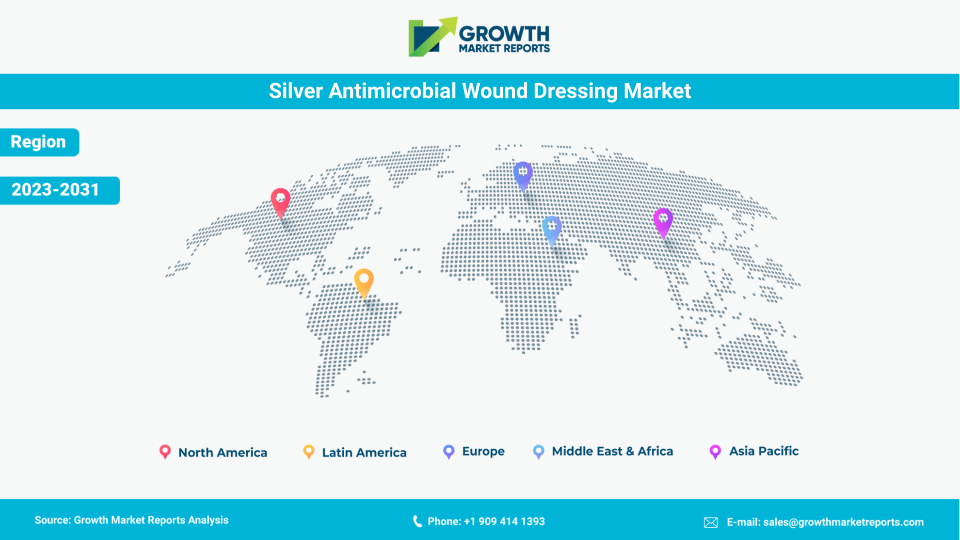
From a regional perspective, North America currently dominates the Silver Antimicrobial Wound Dressing market, accounting for the largest revenue share in 2024, followed by Europe and the Asia Pacific. The dominance of North America can be attributed to its well-established healthcare infrastructure, high healthcare expenditure, and a large base of patients with chronic wounds. Europe follows closely, driven by government-supported healthcare initiatives and widespread adoption of advanced wound care technologies. Meanwhile, the Asia Pacific region is expected to witness the fastest growth rate, propelled by increasing healthcare investments, rising incidence of diabetes, and expanding access to advanced medical products in emerging economies such as China and India.
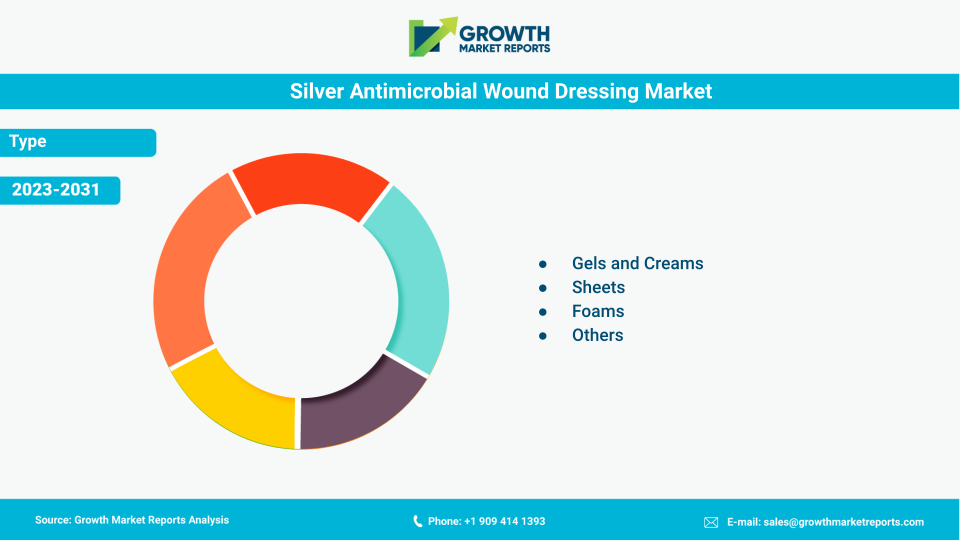
The Silver Antimicrobial Wound Dressing market by product type encompasses a diverse range of solutions, including Foam Dressings, Hydrocolloid Dressings, Film Dressings, Alginate Dressings, and other specialized variants. Among these, foam dressings have emerged as the leading segment, owing to their superior absorption capacity, flexibility, and ability to maintain a moist wound environment conducive to healing. These dressings are particularly effective for moderate to heavily exuding wounds, making them a popular choice in both hospital and home care settings. The integration of silver in foam dressings enhances their antimicrobial efficacy, reducing the risk of infection and supporting faster tissue regeneration.
Hydrocolloid dressings represent another significant product segment, characterized by their ability to form a gel-like covering over the wound, which promotes autolytic debridement and protects against external contaminants. The addition of silver compounds to hydrocolloid matrices further amplifies their antimicrobial properties, making them suitable for wounds at high risk of infection. These dressings are favored for their extended wear time and ease of application, which reduces the frequency of dressing changes and minimizes patient discomfort. As a result, hydrocolloid dressings are increasingly being adopted in the management of pressure ulcers and diabetic foot ulcers.
Film dressings, while thinner and more flexible, offer unique benefits such as transparency for wound monitoring and excellent adherence to irregular wound sites. The incorporation of silver into film dressings provides a protective barrier against microbial invasion without impeding the wound’s natural healing process. These dressings are particularly useful for superficial wounds, surgical incisions, and as secondary dressings over primary wound care products. Their lightweight construction and breathable design make them a preferred option for patients with sensitive skin or those requiring frequent wound inspection.
Alginate dressings, derived from natural seaweed, are highly absorbent and particularly effective for wounds with excessive exudate. When infused with silver, these dressings provide robust antimicrobial protection while maintaining a moist wound environment. Alginate dressings are widely used for cavity wounds, leg ulcers, and traumatic injuries, where infection control and exudate management are critical. The versatility and biocompatibility of alginate-silver dressings have led to their growing adoption across various clinical settings, further expanding the product landscape within the Silver Antimicrobial Wound Dressing market.
| Attributes | Details |
| Report Title | Silver Antimicrobial Wound Dressing Market Research Report 2033 |
| By Product Type | Foam Dressings, Hydrocolloid Dressings, Film Dressings, Alginate Dressings, Others |
| By Application | Chronic Wounds, Acute Wounds, Surgical Wounds, Burns, Others |
| By End-User | Hospitals & Clinics, Ambulatory Surgical Centers, Home Healthcare, Others |
| By Distribution Channel | Direct Tenders, Retail Pharmacies, Online Pharmacies, Others |
| Regions Covered | North America, Europe, APAC, Latin America, MEA |
| Base Year | 2024 |
| Historic Data | 2018-2023 |
| Forecast Period | 2025-2033 |
| Number of Pages | 290 |
| Number of Tables & Figures | 385 |
| Customization Available | Yes, the report can be customized as per your need. |
The application spectrum of Silver Antimicrobial Wound Dressings is broad, encompassing Chronic Wounds, Acute Wounds, Surgical Wounds, Burns, and other specialized wound types. Chronic wounds, including diabetic foot ulcers, pressure ulcers, and venous leg ulcers, represent the largest application segment. These wounds are often complicated by persistent infections and impaired healing, necessitating advanced wound care solutions with proven antimicrobial efficacy. Silver-based dressings have demonstrated superior outcomes in managing chronic wounds by reducing microbial load, promoting granulation tissue formation, and minimizing the risk of complications.
Acute wounds, such as traumatic injuries, lacerations, and abrasions, also constitute a significant portion of the market. The rapid onset of infection in acute wounds can impede healing and increase the risk of systemic complications. Silver antimicrobial dressings provide an immediate antimicrobial barrier, preventing colonization by pathogenic bacteria and facilitating a sterile healing environment. The use of these dressings in emergency care, first aid, and outpatient settings has gained traction, driven by their ease of use and effectiveness in reducing infection rates.
Surgical wounds form another critical application area, with post-operative infections posing a major challenge to patient recovery and healthcare systems. The prophylactic use of silver antimicrobial dressings in surgical wound management has been shown to lower the incidence of surgical site infections (SSIs), reduce hospital readmissions, and improve overall patient outcomes. Hospitals and surgical centers are increasingly adopting these dressings as part of standardized post-operative care protocols, further driving market growth in this segment.
Burn care represents a specialized application segment, where the risk of infection and delayed healing is particularly high. Silver antimicrobial dressings play a pivotal role in burn management by providing sustained antimicrobial action, reducing pain, and supporting the formation of healthy tissue. Innovations in dressing materials, such as silver-impregnated foam and hydrogel dressings, have expanded treatment options for burn patients, contributing to improved clinical outcomes and enhanced quality of life. The versatility of silver antimicrobial dressings across various wound types underscores their indispensable role in modern wound care practice.
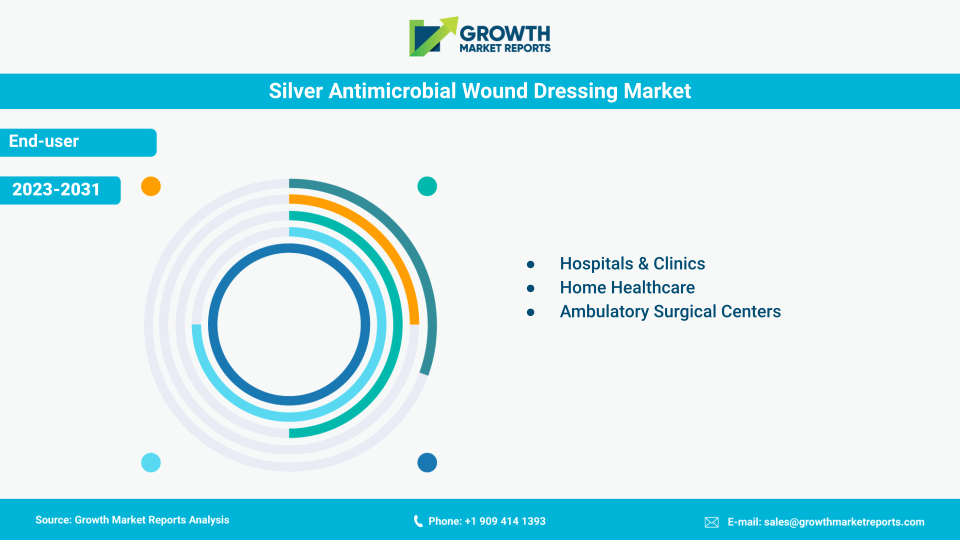
The end-user landscape of the Silver Antimicrobial Wound Dressing market is segmented into Hospitals & Clinics, Ambulatory Surgical Centers, Home Healthcare, and other healthcare facilities. Hospitals and clinics remain the largest end-users, accounting for a substantial share of market revenue. The high volume of chronic and complex wound cases managed in these settings, coupled with the availability of skilled healthcare professionals, drives the demand for advanced wound care products such as silver antimicrobial dressings. Hospitals are also at the forefront of adopting evidence-based wound management protocols, further reinforcing their dominant position in the market.
Ambulatory surgical centers (ASCs) represent a rapidly growing end-user segment, fueled by the increasing preference for minimally invasive procedures and outpatient care. ASCs prioritize efficient post-operative care and infection prevention, making silver antimicrobial wound dressings an integral component of their wound management strategies. The convenience, cost-effectiveness, and clinical efficacy of these dressings align with the operational goals of ASCs, supporting their widespread adoption across various surgical specialties.
Home healthcare is emerging as a significant growth area within the Silver Antimicrobial Wound Dressing market. The shift towards home-based care, driven by an aging population and the desire to reduce hospital stays, has created new opportunities for advanced wound care products designed for self-administration or caregiver use. Silver antimicrobial dressings, with their user-friendly design and sustained antimicrobial action, are well-suited for home healthcare applications. Manufacturers are responding to this trend by developing products with simplified application protocols and enhanced patient comfort features, further expanding their reach in the home healthcare segment.
Other end-users, including long-term care facilities, rehabilitation centers, and military medical units, also contribute to market growth. These settings often manage patients with complex or chronic wounds requiring specialized care. The adoption of silver antimicrobial wound dressings in these environments is driven by the need for effective infection control and improved patient outcomes. As healthcare delivery models continue to evolve, the demand for versatile and high-performance wound care solutions is expected to rise across all end-user segments.
The distribution landscape for Silver Antimicrobial Wound Dressings is multifaceted, comprising Direct Tenders, Retail Pharmacies, Online Pharmacies, and other channels. Direct tenders, which involve bulk procurement by hospitals, clinics, and government agencies, account for the largest share of market distribution. This channel is characterized by large-volume orders, competitive pricing, and long-term supply agreements, making it a preferred option for healthcare institutions seeking cost-effective and reliable wound care solutions. Direct tenders also facilitate the rapid adoption of new products and technologies, as suppliers work closely with healthcare providers to meet evolving clinical needs.
Retail pharmacies play a crucial role in making silver antimicrobial wound dressings accessible to individual patients and caregivers. These outlets offer a wide range of wound care products, including over-the-counter and prescription-based dressings. The growing trend of self-care and home-based wound management has increased footfall in retail pharmacies, driving sales of advanced wound care products. Retail pharmacies also serve as important touchpoints for patient education and guidance on product selection and usage.
Online pharmacies have witnessed significant growth in recent years, propelled by the increasing adoption of e-commerce and digital health platforms. The convenience of online ordering, home delivery, and access to a broad product portfolio has made online pharmacies an attractive distribution channel for silver antimicrobial wound dressings. Patients, caregivers, and healthcare professionals can easily compare products, read reviews, and make informed purchasing decisions. The COVID-19 pandemic further accelerated the shift towards online procurement, a trend that is expected to persist in the post-pandemic era.
Other distribution channels, such as medical supply stores and specialty distributors, also contribute to market accessibility, particularly in remote or underserved regions. These channels play a vital role in bridging the gap between manufacturers and end-users, ensuring the timely availability of advanced wound care products. As manufacturers continue to expand their distribution networks and leverage digital technologies, the reach and impact of silver antimicrobial wound dressings are expected to grow, supporting market expansion across diverse geographies and patient populations.
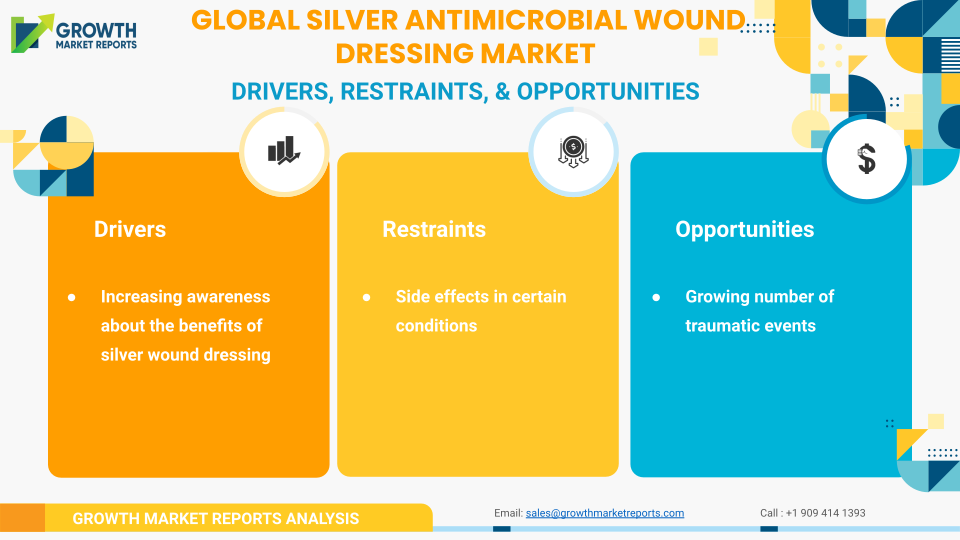
The Silver Antimicrobial Wound Dressing market presents a multitude of opportunities for growth and innovation. One of the most promising opportunities lies in the development of next-generation wound care products that combine silver with other antimicrobial agents, growth factors, or bioactive compounds. These advanced formulations have the potential to enhance healing outcomes, reduce the risk of antibiotic resistance, and address a broader spectrum of wound types. Additionally, the integration of digital health technologies, such as smart dressings equipped with sensors for real-time wound monitoring, offers new avenues for personalized wound care and improved patient compliance. The expanding home healthcare segment also presents significant growth potential, as manufacturers innovate user-friendly products tailored for self-care and remote patient management.
Another key opportunity stems from the increasing focus on emerging markets, particularly in the Asia Pacific and Latin America regions. Rapid urbanization, rising healthcare expenditure, and growing awareness of advanced wound care solutions are creating favorable conditions for market expansion in these regions. Strategic collaborations between global manufacturers and local distributors can help penetrate untapped markets and address the unique needs of diverse patient populations. Furthermore, ongoing research and development efforts aimed at reducing the cost of silver-based dressings without compromising efficacy are expected to drive adoption among cost-sensitive healthcare systems and patients.
Despite the positive outlook, the market faces certain restraining factors that could impede growth. One notable challenge is the high cost of silver antimicrobial wound dressings compared to traditional wound care products. While the clinical benefits of silver-based dressings are well-documented, their premium pricing can limit accessibility, particularly in low- and middle-income countries. Reimbursement policies and budget constraints in public healthcare systems may further restrict market penetration. In addition, concerns regarding the potential cytotoxicity of silver ions and the emergence of silver-resistant microbial strains represent ongoing scientific and regulatory challenges that must be addressed through rigorous research and product validation.
The regional distribution of the Silver Antimicrobial Wound Dressing market reveals distinct trends and growth dynamics. North America leads the market with a revenue share of approximately USD 540 million in 2024, driven by a high prevalence of chronic wounds, advanced healthcare infrastructure, and proactive adoption of innovative wound care technologies. The presence of major market players, robust reimbursement frameworks, and extensive research activities further consolidate North America’s leadership position. The region is expected to maintain steady growth, supported by ongoing investments in healthcare and a strong focus on patient outcomes.
Europe follows as the second-largest regional market, with revenues estimated at USD 410 million in 2024. The region benefits from comprehensive public healthcare systems, widespread adoption of advanced wound care practices, and supportive regulatory policies. Countries such as Germany, the United Kingdom, and France are at the forefront of market growth, driven by high healthcare spending and collaborative initiatives between government agencies and private sector players. Europe is projected to register a moderate CAGR of 6.2% during the forecast period, reflecting stable demand and continuous product innovation.
The Asia Pacific region is poised for the fastest growth, with market revenues reaching USD 320 million in 2024 and a projected CAGR of 8.1% through 2033. This rapid expansion is fueled by increasing healthcare investments, rising awareness of advanced wound care, and the growing burden of diabetes and chronic wounds in countries such as China, India, and Japan. The region’s large and aging population, coupled with improving access to healthcare services, presents significant opportunities for market penetration. Latin America and the Middle East & Africa collectively account for the remaining market share, with growth driven by expanding healthcare infrastructure and targeted awareness campaigns.
The Silver Antimicrobial Wound Dressing market is characterized by a highly competitive landscape, with a mix of global giants and regional players vying for market share. The competition is driven by continuous innovation, product differentiation, and strategic collaborations aimed at expanding product portfolios and geographical reach. Leading companies invest heavily in research and development to introduce advanced formulations, improve product efficacy, and address evolving clinical needs. The market also witnesses frequent mergers and acquisitions, as established players seek to strengthen their position and capitalize on emerging opportunities.
Product innovation remains a key competitive strategy, with companies focusing on developing dressings that offer enhanced antimicrobial protection, improved patient comfort, and ease of use. The integration of nanotechnology, smart sensors, and bioactive compounds into silver-based dressings has set new benchmarks in wound care, enabling personalized treatment and real-time monitoring of wound healing. Companies are also investing in educational initiatives and training programs to raise awareness among healthcare professionals and patients, thereby driving product adoption and brand loyalty.
The competitive landscape is further shaped by regulatory compliance and quality assurance, as manufacturers strive to meet stringent safety and performance standards set by global health authorities. Companies that demonstrate a strong commitment to clinical validation and regulatory approvals gain a competitive edge, particularly in markets with strict healthcare regulations. Additionally, the expansion of distribution networks, including partnerships with online pharmacies and retail chains, has become a critical factor in reaching a broader customer base and improving market accessibility.
Major companies operating in the Silver Antimicrobial Wound Dressing market include Smith & Nephew plc, Mölnlycke Health Care AB, ConvaTec Group PLC, 3M Company, Coloplast A/S, Medline Industries, Inc., Cardinal Health, Inc., Integra LifeSciences Holdings Corporation, B. Braun Melsungen AG, and Derma Sciences, Inc. Smith & Nephew is renowned for its extensive portfolio of advanced wound care products and strong global presence. Mölnlycke Health Care is a leader in developing innovative wound management solutions, while ConvaTec Group is recognized for its focus on chronic wound care and patient-centric products.
3M Company leverages its technological expertise to introduce cutting-edge wound care solutions, including silver-infused dressings with enhanced antimicrobial action. Coloplast and Medline Industries are known for their commitment to quality and continuous product improvement, catering to diverse patient needs across multiple care settings. Cardinal Health and Integra LifeSciences have established themselves as key suppliers to hospitals and clinics, offering a comprehensive range of wound care products supported by robust distribution networks. B. Braun Melsungen and Derma Sciences specialize in advanced wound management and have a strong presence in both developed and emerging markets.
These leading players are expected to maintain their competitive advantage through ongoing investments in R&D, strategic partnerships, and a relentless focus on customer needs. As the market continues to evolve, collaboration between industry stakeholders, healthcare providers, and regulatory bodies will be essential in driving innovation and ensuring the widespread adoption of silver antimicrobial wound dressings for improved patient outcomes worldwide.
The Silver Antimicrobial Wound Dressing market has been segmented on the basis of
Key players competing in the global silver antimicrobial wound dressing market are Smith+Nephew; Mölnlycke Health Care AB; Medline Industries, Inc.; Johnson & Johnson, Inc; Ferris Mfg. Corp.; DermaRite Industries, LLC; Convatec Inc.; B. Braun SE; Argentum Medical LLC; and 3M.
These market players adopted several development strategies including acquisitions, partnerships, product launches, mergers, collaboration, and production expansion to expand their consumer base worldwide. For instance,
In January 2022, ConvaTec, one of the prominent market players, entered the wound biologics sector with a bid of USD 450 million for acquiring Triad Life Sciences. This is intended to strengthen the former’s business in the US for advanced wound care.
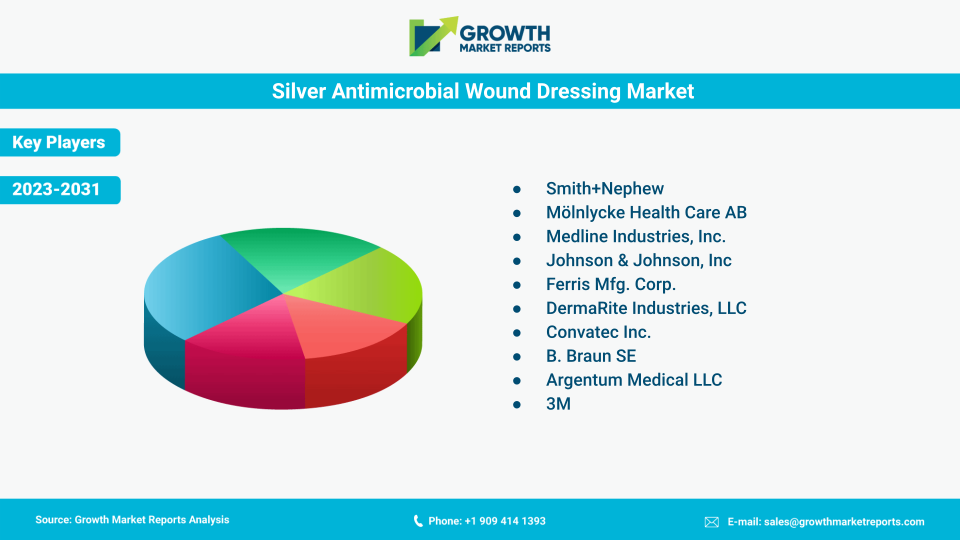
Key players include Smith & Nephew plc, 3M Company, Mölnlycke Health Care AB, ConvaTec Group PLC, Coloplast A/S, Medline Industries, Cardinal Health, Integra LifeSciences, B. Braun Melsungen AG, and Derma Sciences, Inc.
Opportunities include the development of next-generation dressings, integration with digital health technologies, and expansion in emerging markets. Challenges include high product costs, reimbursement issues, and concerns about silver resistance and cytotoxicity.
The main distribution channels are direct tenders, retail pharmacies, online pharmacies, and other channels such as medical supply stores.
Hospitals & clinics are the largest end-users, followed by ambulatory surgical centers, home healthcare providers, and other healthcare facilities.
These dressings are primarily used for chronic wounds (such as diabetic foot ulcers and pressure ulcers), acute wounds, surgical wounds, burns, and other specialized wound types.
The main product types include Foam Dressings, Hydrocolloid Dressings, Film Dressings, Alginate Dressings, and other specialized variants.
North America leads the market, followed by Europe and the Asia Pacific. North America's dominance is due to its advanced healthcare infrastructure and high prevalence of chronic wounds.
Key growth drivers include the rising prevalence of chronic wounds, increased awareness of advanced wound care, the efficacy of silver-based dressings in infection management, and the shift towards outpatient and home healthcare.
The market is expected to grow at a CAGR of 6.8% from 2024 to 2033.
The global Silver Antimicrobial Wound Dressing market size in 2024 is estimated at USD 1.42 billion.