Segments - by Component (Software, Services, Hardware), by Delivery Mode (On-Premise, Cloud-Based, Web-Based), by Application (Health Management, Social and Behavioral Management, Home Health Management, Financial Health Management), by End-User (Providers, Payers, Patients, Others)
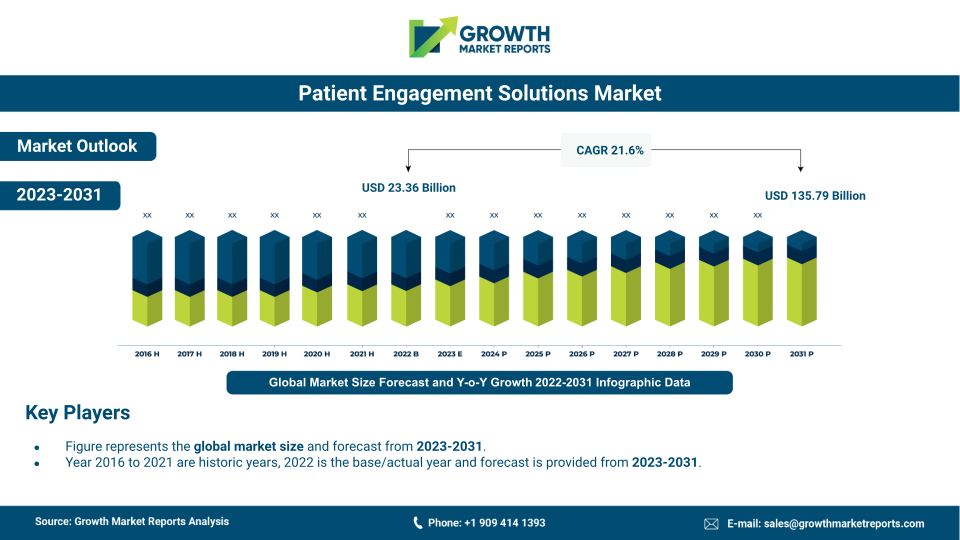
According to our latest research, the global patient engagement solutions market size reached USD 23.8 billion in 2024, reflecting robust adoption across healthcare systems worldwide. The market is projected to grow at a CAGR of 16.2% during the forecast period, reaching USD 57.7 billion by 2033. This remarkable growth is primarily driven by increasing digitalization in healthcare, the rising focus on patient-centric care, and the proliferation of chronic diseases necessitating ongoing patient-provider communication and management.
One of the primary growth factors fueling the patient engagement solutions market is the global shift toward value-based care models. Healthcare providers and payers are increasingly adopting patient engagement platforms to improve care coordination, enhance patient outcomes, and reduce overall healthcare costs. These solutions empower patients to take an active role in their health management, offering tools for appointment scheduling, medication reminders, access to personal health records, and direct communication with care teams. The integration of advanced technologies such as artificial intelligence, telemedicine, and wearable devices has further expanded the capabilities of patient engagement solutions, enabling real-time monitoring and personalized interventions. As healthcare systems worldwide strive to improve efficiency and patient satisfaction, the demand for robust engagement platforms continues to rise.
Another significant driver is the growing prevalence of chronic diseases such as diabetes, cardiovascular disorders, and respiratory illnesses. These conditions require continuous monitoring and long-term management, making patient engagement solutions indispensable for both patients and healthcare providers. By facilitating regular communication, remote monitoring, and self-management, these platforms help reduce hospital readmissions and emergency visits, ultimately lowering healthcare expenditures. Additionally, the COVID-19 pandemic has accelerated the adoption of digital health tools, as providers sought to maintain continuity of care while minimizing in-person visits. This shift has not only highlighted the benefits of patient engagement solutions but also established them as a critical component of modern healthcare delivery.
The increasing emphasis on interoperability and integration with electronic health records (EHRs) is also propelling market growth. Healthcare organizations are recognizing the need for seamless data exchange between different systems to ensure a holistic view of patient health. Patient engagement solutions that offer robust integration capabilities with EHRs, telehealth platforms, and other digital health tools are witnessing heightened demand. Furthermore, regulatory initiatives such as the Health Information Technology for Economic and Clinical Health (HITECH) Act and similar mandates in other regions are encouraging the adoption of these solutions by offering incentives and establishing standards for patient data access and engagement. As regulatory frameworks evolve, they are expected to further boost the uptake of patient engagement platforms globally.
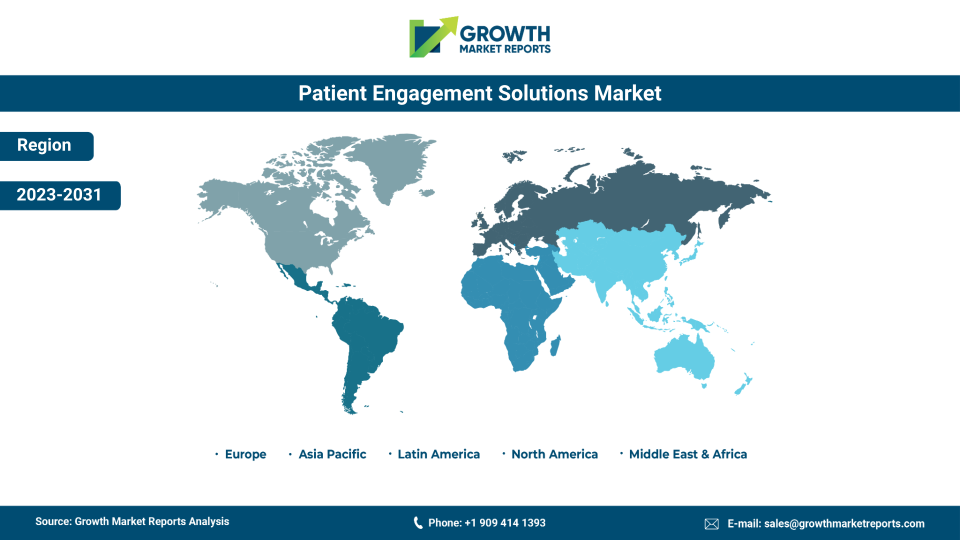
Regionally, North America dominates the patient engagement solutions market, accounting for the largest share in 2024, driven by well-established healthcare infrastructure, high digital literacy, and proactive government initiatives supporting healthcare IT adoption. Europe follows closely, benefiting from increasing investments in healthcare digitalization and a growing elderly population requiring chronic disease management. The Asia Pacific region is poised for the fastest growth over the forecast period, fueled by rapid urbanization, expanding healthcare access, and rising awareness of digital health technologies. Latin America and the Middle East & Africa are also witnessing gradual adoption, supported by improving healthcare infrastructure and government efforts to enhance patient outcomes through technology-driven solutions.
Interactive Patient Care Systems are becoming an integral part of modern healthcare delivery, enhancing the way patients engage with their care providers. These systems offer a dynamic platform for patients to access educational content, manage their health records, and communicate with healthcare professionals in real-time. By leveraging interactive technologies, healthcare providers can deliver personalized care experiences that cater to individual patient needs and preferences. This not only improves patient satisfaction but also fosters a more collaborative approach to health management, where patients are empowered to take an active role in their care journey. As the healthcare industry continues to evolve, the integration of Interactive Patient Care Systems is expected to play a pivotal role in improving patient outcomes and streamlining healthcare processes.
The patient engagement solutions market is segmented by component into software, services, and hardware, each playing a crucial role in delivering comprehensive engagement platforms. Software remains the largest segment, encompassing patient portals, mobile health applications, telehealth platforms, and data analytics tools. The proliferation of cloud-based and mobile solutions has significantly enhanced the accessibility and usability of patient engagement software, allowing patients to interact with their healthcare providers remotely and conveniently. These software solutions are designed to be user-friendly and integrate seamlessly with existing hospital information systems, enabling real-time data sharing and personalized patient outreach. The growing emphasis on interoperability and the integration of artificial intelligence for predictive analytics are further driving innovation in this segment.
Services constitute the second-largest component, encompassing implementation, consulting, training, support, and maintenance services. As healthcare organizations increasingly adopt digital engagement platforms, the demand for specialized services to ensure smooth deployment and ongoing system optimization has surged. Service providers play a pivotal role in customizing solutions to meet the unique needs of healthcare institutions, facilitating user training, and providing technical support to maximize the return on investment. The complexity of integrating patient engagement solutions with legacy systems and the need for continuous updates to address evolving regulatory requirements further underscore the importance of professional services in this market.
The hardware segment, while smaller compared to software and services, is gaining traction with the rise of connected health devices such as tablets, kiosks, and wearable monitors. These devices serve as critical touchpoints for patient engagement, enabling real-time data collection, remote monitoring, and interactive communication between patients and providers. The integration of hardware with software platforms allows for a more comprehensive approach to patient management, particularly for chronic disease monitoring and telehealth consultations. As the adoption of Internet of Things (IoT) devices in healthcare continues to grow, the hardware segment is expected to witness steady expansion, contributing to the overall growth of the patient engagement solutions market.
Interoperability between components is a key consideration for healthcare organizations investing in patient engagement solutions. Vendors are increasingly focusing on developing integrated platforms that combine software, services, and hardware to deliver a seamless user experience. This holistic approach not only enhances patient satisfaction but also streamlines administrative workflows, reduces operational costs, and improves clinical outcomes. As healthcare systems continue to evolve, the demand for integrated, scalable, and interoperable patient engagement solutions is expected to drive further innovation and market growth across all component segments.
Remote HCP Engagement Platforms are revolutionizing the way healthcare professionals interact with patients, particularly in the context of telemedicine and remote care delivery. These platforms provide a seamless interface for healthcare providers to conduct virtual consultations, monitor patient progress, and collaborate with other care team members from any location. By facilitating remote engagement, these platforms help overcome geographical barriers and ensure continuity of care, especially for patients in underserved or rural areas. The adoption of Remote HCP Engagement Platforms is driven by the need for flexible and efficient healthcare delivery models that can adapt to the changing landscape of patient care. As digital health technologies continue to advance, these platforms are expected to become a cornerstone of modern healthcare systems, supporting improved access to care and enhanced patient-provider relationships.
| Attributes | Details |
| Report Title | Patient Engagement Solutions Market Research Report 2033 |
| By Component | Software, Services, Hardware |
| By Delivery Mode | On-Premise, Cloud-Based, Web-Based |
| By Application | Health Management, Social and Behavioral Management, Home Health Management, Financial Health Management |
| By End-User | Providers, Payers, Patients, Others |
| Regions Covered | North America, Europe, APAC, Latin America, MEA |
| Base Year | 2024 |
| Historic Data | 2018-2023 |
| Forecast Period | 2025-2033 |
| Number of Pages | 251 |
| Number of Tables & Figures | 302 |
| Customization Available | Yes, the report can be customized as per your need. |
The delivery mode segment of the patient engagement solutions market is categorized into on-premise, cloud-based, and web-based solutions, each offering distinct advantages and challenges. On-premise solutions are traditionally favored by large healthcare organizations with robust IT infrastructure and stringent data security requirements. These solutions offer complete control over data management and customization, making them suitable for institutions with complex workflows and regulatory compliance needs. However, the high upfront investment, ongoing maintenance costs, and limited scalability have led many organizations to reconsider their reliance on on-premise systems, especially as digital transformation accelerates in the healthcare sector.
Cloud-based solutions have emerged as the fastest-growing delivery mode, driven by their scalability, cost-effectiveness, and ease of deployment. Cloud-based patient engagement platforms enable healthcare providers to access patient data and communication tools from any location, facilitating remote care delivery and telemedicine services. These solutions offer automatic updates, robust data backup, and disaster recovery capabilities, reducing the burden on internal IT teams. The flexibility of cloud-based platforms allows healthcare organizations to quickly adapt to changing patient needs and regulatory requirements, making them an attractive option for both large hospitals and smaller clinics. As concerns around data security and privacy are addressed through advanced encryption and compliance with healthcare standards such as HIPAA and GDPR, the adoption of cloud-based patient engagement solutions is expected to accelerate further.
Web-based solutions occupy a unique position in the delivery mode landscape, offering accessibility through standard web browsers without the need for dedicated software installation. These platforms are particularly well-suited for smaller healthcare providers and outpatient facilities seeking cost-effective and user-friendly engagement tools. Web-based solutions facilitate patient-provider communication, appointment scheduling, and access to health records, all through intuitive interfaces accessible from desktops, tablets, and smartphones. The rise of progressive web applications and responsive design has further enhanced the functionality and reach of web-based patient engagement platforms, making them a viable alternative for organizations with limited IT resources.
The choice of delivery mode is increasingly influenced by factors such as organizational size, IT maturity, regulatory environment, and patient demographics. Hybrid models that combine the strengths of on-premise, cloud, and web-based solutions are gaining popularity, enabling healthcare organizations to tailor their engagement strategies to specific needs and constraints. As digital health adoption continues to rise, the demand for flexible, secure, and scalable delivery modes is expected to shape the future landscape of the patient engagement solutions market, driving innovation and competitive differentiation among solution providers.
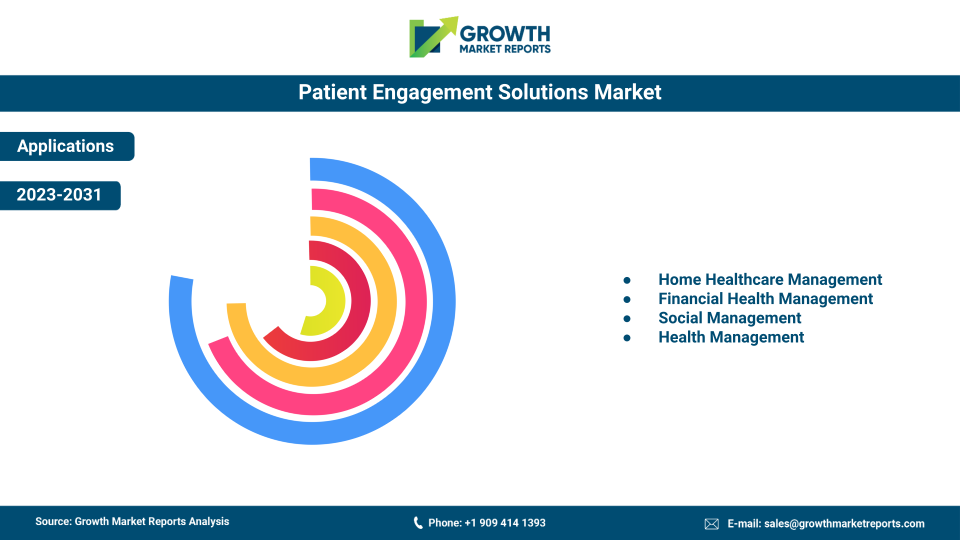
The patient engagement solutions market is segmented by application into health management, social and behavioral management, home health management, and financial health management. Health management remains the dominant application, encompassing tools and platforms that support disease prevention, wellness programs, medication adherence, and chronic disease management. These solutions empower patients to actively participate in their care journey, providing access to personalized health information, educational resources, and real-time feedback from healthcare providers. The integration of remote monitoring devices and telehealth services has further expanded the scope of health management applications, enabling continuous care delivery and early intervention for at-risk populations.
Social and behavioral management applications are gaining traction as healthcare organizations recognize the importance of addressing social determinants of health and promoting healthy behaviors. These solutions leverage digital platforms to facilitate peer support, behavioral coaching, and community engagement, helping patients overcome barriers to care and adopt healthier lifestyles. By integrating social and behavioral data with clinical information, healthcare providers can develop more comprehensive care plans that address the root causes of health disparities and improve overall patient outcomes. The use of gamification, incentives, and personalized messaging has proven effective in increasing patient motivation and engagement, driving growth in this application segment.
Home health management is another rapidly expanding application area, driven by the growing demand for remote care and aging-in-place solutions. Patient engagement platforms designed for home health management enable patients to monitor vital signs, track symptoms, and communicate with care teams from the comfort of their homes. These solutions are particularly valuable for elderly patients and those with chronic conditions requiring ongoing monitoring and support. The integration of wearable devices, mobile health apps, and telehealth services has transformed home health management, enabling proactive interventions and reducing the need for hospital visits. As healthcare systems increasingly prioritize preventive care and cost containment, the adoption of home health management solutions is expected to surge.
Financial health management applications address the growing complexity of healthcare billing, insurance, and payment processes. These solutions provide patients with transparent access to billing information, insurance coverage details, and payment options, helping to reduce confusion and improve financial literacy. By streamlining administrative workflows and facilitating timely payments, financial health management platforms enhance the overall patient experience and contribute to revenue cycle optimization for healthcare providers. The integration of secure payment gateways, real-time cost estimators, and automated reminders has further improved the efficiency and effectiveness of financial health management applications, making them an essential component of comprehensive patient engagement strategies.
The end-user segment of the patient engagement solutions market is divided into providers, payers, patients, and others, each with unique requirements and adoption drivers. Providers, including hospitals, clinics, and physician practices, represent the largest end-user group, leveraging patient engagement platforms to enhance care coordination, improve clinical outcomes, and streamline administrative processes. These solutions enable providers to deliver personalized care, monitor patient progress, and facilitate communication across multidisciplinary care teams. The integration of patient engagement tools with electronic health records and telehealth platforms has further enhanced provider efficiency, enabling more proactive and data-driven care delivery.
Payers, such as insurance companies and health plans, are increasingly adopting patient engagement solutions to improve member satisfaction, reduce claims costs, and support value-based care initiatives. By offering digital tools for care management, wellness programs, and preventive screenings, payers can incentivize healthy behaviors and improve population health outcomes. Patient engagement platforms also enable payers to gather valuable data on member preferences, utilization patterns, and health risks, supporting more targeted interventions and personalized outreach. As the healthcare industry continues to shift toward value-based reimbursement models, the role of payers in driving patient engagement is expected to expand significantly.
Patients themselves are becoming more active participants in their healthcare journeys, leveraging engagement platforms to access health information, communicate with providers, and manage their care plans. The increasing availability of mobile health apps, wearable devices, and online portals has empowered patients to take greater control over their health and wellness. Patient engagement solutions designed with user-centric interfaces and personalized features are particularly effective in promoting adherence to treatment regimens and fostering long-term behavior change. As consumer expectations for convenience and transparency continue to rise, patient-driven adoption of engagement platforms is expected to be a key growth driver in the market.
The others category includes government agencies, research organizations, and pharmaceutical companies that utilize patient engagement solutions for clinical trials, public health initiatives, and patient education programs. These stakeholders play a critical role in advancing the adoption of digital engagement tools, supporting innovation, and driving best practices across the healthcare ecosystem. By collaborating with providers, payers, and patients, these organizations can help accelerate the development and deployment of patient engagement solutions that address diverse healthcare needs and improve outcomes on a population level.
The patient engagement solutions market presents significant opportunities for growth and innovation, driven by the ongoing digital transformation of the healthcare sector. One of the most promising opportunities lies in the integration of advanced technologies such as artificial intelligence, machine learning, and predictive analytics into patient engagement platforms. These technologies enable more personalized and proactive care delivery, allowing healthcare providers to identify at-risk patients, tailor interventions, and optimize resource allocation. The rise of wearable devices and Internet of Things (IoT) technologies also presents new opportunities for real-time health monitoring and remote patient management, expanding the reach and impact of engagement solutions. As healthcare systems worldwide continue to prioritize patient-centric care and value-based reimbursement models, the demand for innovative engagement platforms is expected to surge.
Another key opportunity in the market is the expansion of patient engagement solutions into emerging markets, particularly in the Asia Pacific, Latin America, and Middle East & Africa regions. Rapid urbanization, increasing healthcare access, and rising digital literacy are creating fertile ground for the adoption of digital health tools in these regions. Governments and healthcare organizations are investing in healthcare infrastructure and digitalization initiatives, creating new opportunities for solution providers to expand their footprint and address unmet needs. The growing focus on preventive care, chronic disease management, and population health initiatives further underscores the potential for patient engagement solutions to drive positive health outcomes and reduce healthcare costs in these markets.
Despite the significant opportunities, the patient engagement solutions market faces several restraining factors that could hinder growth. Data security and privacy concerns remain a top challenge, particularly as patient engagement platforms handle sensitive health information and facilitate data exchange across multiple systems. Compliance with regulations such as HIPAA, GDPR, and other regional data protection laws requires robust security measures and ongoing monitoring, increasing the complexity and cost of solution deployment. Additionally, the lack of standardization and interoperability among different platforms can create integration challenges for healthcare organizations, limiting the seamless exchange of patient data and undermining the effectiveness of engagement initiatives. Addressing these challenges will be critical for solution providers seeking to build trust and drive adoption in the market.
North America remains the largest regional market for patient engagement solutions, accounting for approximately USD 10.8 billion in 2024. The regionÂ’s dominance is underpinned by advanced healthcare infrastructure, high digital literacy, and strong regulatory support for health IT adoption. The United States, in particular, has been at the forefront of implementing patient engagement platforms, driven by initiatives such as the HITECH Act and the widespread adoption of electronic health records. Canada also continues to invest in digital health, with provincial health authorities promoting the use of patient portals and telehealth services to improve access and outcomes. With a projected CAGR of 14.8%, North America is expected to maintain its leadership position throughout the forecast period.
Europe represents the second-largest market, with a market size of USD 6.2 billion in 2024. The region benefits from a growing elderly population, increasing prevalence of chronic diseases, and significant investments in healthcare digitalization. Countries such as Germany, the United Kingdom, and France are leading the adoption of patient engagement solutions, supported by robust regulatory frameworks and government funding for health IT initiatives. The European UnionÂ’s emphasis on cross-border health data exchange and patient empowerment is further driving the adoption of digital engagement platforms. Eastern European countries are also witnessing gradual uptake, as healthcare systems modernize and prioritize patient-centric care.
The Asia Pacific region is poised for the fastest growth in the patient engagement solutions market, with a market size of USD 4.1 billion in 2024 and an anticipated CAGR of 19.3% through 2033. Rapid urbanization, expanding healthcare access, and rising awareness of digital health technologies are key drivers in this region. Countries such as China, India, Japan, and Australia are making significant investments in healthcare infrastructure and digitalization, creating new opportunities for solution providers. The regionÂ’s large and diverse population, coupled with increasing smartphone and internet penetration, is accelerating the adoption of mobile health apps and telehealth services. As governments and private sector players continue to collaborate on digital health initiatives, the Asia Pacific market is expected to emerge as a major growth engine for patient engagement solutions globally.
The competitive landscape of the patient engagement solutions market is characterized by intense rivalry among global and regional players, each striving to differentiate their offerings through innovation, integration, and customer-centricity. Leading companies are investing heavily in research and development to enhance the functionality, interoperability, and security of their platforms. Strategic partnerships, mergers, and acquisitions are common as firms seek to expand their product portfolios, enter new markets, and strengthen their competitive positions. The market is witnessing increased collaboration between technology providers, healthcare organizations, and payers to develop integrated solutions that address the evolving needs of patients and providers alike.
Product innovation remains a key focus area for market leaders, with a growing emphasis on artificial intelligence, machine learning, and data analytics to deliver more personalized and proactive patient engagement. Companies are also prioritizing user experience, developing intuitive interfaces and mobile-friendly platforms that cater to the preferences of digitally savvy patients. The integration of telehealth, remote monitoring, and wearable devices is further enhancing the capabilities of patient engagement solutions, enabling real-time communication and continuous care delivery. As regulatory requirements evolve and patient expectations rise, solution providers are continuously upgrading their offerings to ensure compliance, security, and scalability.
The market is also witnessing the entry of new players, particularly startups and niche technology firms that bring innovative approaches to patient engagement. These companies are leveraging cloud computing, mobile technologies, and data analytics to develop agile and cost-effective solutions tailored to the needs of specific patient populations and care settings. While established players benefit from strong brand recognition and extensive customer bases, new entrants are driving competition by offering disruptive technologies and flexible business models. As the market continues to evolve, the ability to deliver integrated, interoperable, and scalable solutions will be critical for sustained success.
Major companies operating in the patient engagement solutions market include Allscripts Healthcare Solutions, Inc., Cerner Corporation, McKesson Corporation, Epic Systems Corporation, Orion Health, IBM Corporation, Athenahealth, Inc., Medecision, GetWellNetwork, Inc., and Lincor Solutions. Allscripts is renowned for its comprehensive suite of patient engagement tools and robust integration capabilities with electronic health records. Cerner Corporation offers a wide range of digital health solutions, including patient portals and population health management platforms, with a strong focus on interoperability and data analytics. McKesson Corporation is a leading provider of healthcare technology and services, delivering patient engagement solutions that support care coordination and medication management across diverse care settings.
Epic Systems Corporation is recognized for its innovative EHR-integrated patient engagement platforms, enabling seamless communication and data sharing between patients and providers. Orion Health specializes in population health management and care coordination, offering cloud-based solutions that facilitate real-time patient engagement and remote monitoring. IBM Corporation leverages its expertise in artificial intelligence and data analytics to deliver advanced patient engagement platforms that support personalized care and predictive insights. Athenahealth, Inc. is known for its cloud-based patient engagement solutions, offering user-friendly interfaces and robust analytics capabilities. Medecision and GetWellNetwork, Inc. focus on care management and patient education, providing tailored engagement tools for specific patient populations. Lincor Solutions is a key player in bedside patient engagement, offering interactive platforms that enhance the patient experience in hospital settings.
These companies are continuously expanding their product offerings, forging strategic partnerships, and investing in cutting-edge technologies to maintain their competitive edge. As the patient engagement solutions market continues to grow and evolve, the ability to deliver integrated, user-centric, and secure platforms will be paramount for success. The ongoing digital transformation of healthcare, coupled with rising patient expectations and regulatory requirements, is expected to drive further innovation and competition in the market, benefiting patients, providers, and the broader healthcare ecosystem.
The Patient Engagement Solutions market has been segmented on the basis of
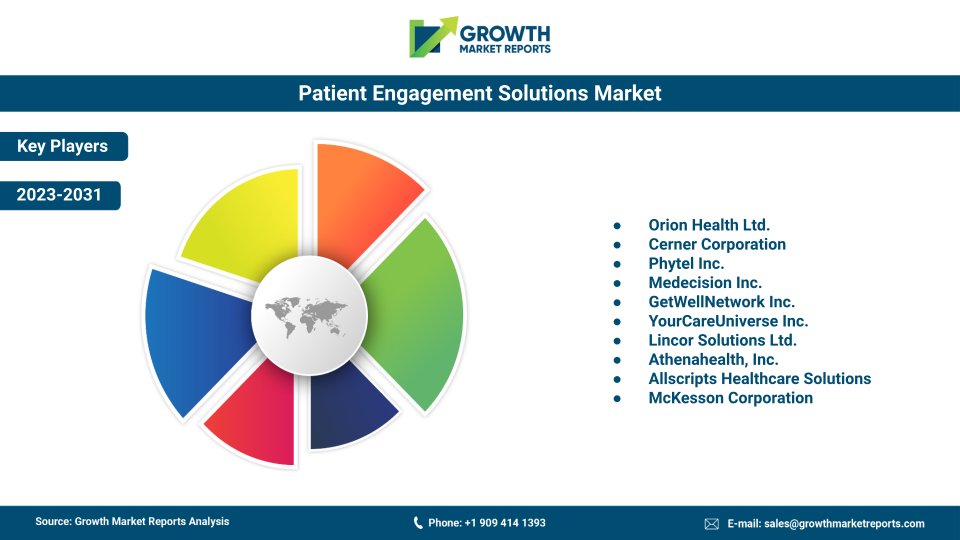
Key players competing in the global patient engagement solutions market are Orion Health Ltd.; Cerner Corporation; Phytel Inc.; Medecision Inc.; GetWellNetwork Inc.; YourCareUniverse Inc.; Lincor Solutions Ltd.; Athenahealth, Inc.; Allscripts Healthcare Solutions; and McKesson Corporation.
To increase their market presence, major firms are pursuing new strategies such as regional penetration, mergers and acquisitions, and collaboration. For instance, GetWellNetwork and Cerner joined in September 2019 to bridge the gap between doctors and patients from inpatient to outpatient and home settings.This collaboration aimed at improving customer involvement and accessibility.
Major players include Allscripts Healthcare Solutions, Oracle Corporation (Cerner), McKesson Corporation, Epic Systems, IBM Corporation, Medtronic, GetWellNetwork, Athenahealth, IQVIA, Solutionreach, Lincor Solutions, eClinicalWorks, Cognizant, Siemens Healthineers, Wolters Kluwer, NextGen Healthcare, Medhost, Health Catalyst, and Salesforce.
Major challenges include data security and privacy concerns, lack of standardization and interoperability, and the complexity of integrating with legacy healthcare systems.
Key end-users include healthcare providers (hospitals, clinics), payers (insurance companies), patients, and others such as government agencies and research organizations.
Applications include health management, social and behavioral management, home health management, and financial health management.
Patient engagement solutions are delivered via on-premise, cloud-based, and web-based platforms. Cloud-based solutions are growing fastest due to scalability and cost-effectiveness.
The market is segmented into software (patient portals, mobile apps, telehealth platforms), services (implementation, consulting, training, support), and hardware (wearables, kiosks, tablets).
North America dominates the market, followed by Europe. The Asia Pacific region is expected to experience the fastest growth due to rapid urbanization, expanding healthcare access, and increasing digital health awareness.
Key growth drivers include increasing digitalization in healthcare, the shift to value-based care, rising prevalence of chronic diseases, and the integration of advanced technologies like AI, telemedicine, and wearable devices.
The patient engagement solutions market is expected to grow at a CAGR of 16.2% from 2025 to 2033, reaching USD 57.7 billion by 2033.
As of 2024, the global patient engagement solutions market size reached USD 23.8 billion, reflecting robust adoption across healthcare systems worldwide.