Segments - by Material Type (Thermoplastic Polyurethane, Polyvinyl Chloride, Polyethylene Terephthalate, Others), by Application (Automotive, Electronics, Aerospace & Defense, Others), by Finish (Gloss, Matte, Others), by End-User (OEM, Aftermarket)
According to our latest research, the global paint protection film market size in 2024 reached USD 542.8 million, reflecting robust demand across multiple end-use industries. The market is poised for significant expansion, with a projected CAGR of 6.2% from 2025 to 2033. By the end of 2033, the paint protection film market is forecasted to achieve a value of USD 934.3 million. This growth trajectory is primarily driven by increasing consumer awareness regarding vehicle aesthetics, rising automotive sales, and technological advancements in film materials and application methods.
The growth of the paint protection film market is underpinned by the surging demand for automotive customization and preservation solutions. Consumers are increasingly recognizing the long-term value and cost savings associated with protecting their vehiclesÂ’ exteriors from scratches, stone chips, and environmental contaminants. As vehicles become more expensive and owners seek to retain resale value, the adoption of high-performance paint protection films has witnessed a notable uptick. This trend is further bolstered by the proliferation of luxury and sports vehicles, where maintaining pristine exteriors is a top priority for owners. Additionally, the rapid expansion of automotive aftermarket services and the availability of professional installation centers have made it easier for consumers to access and install these protective solutions.
Technological advancements in film materials and manufacturing processes are another major growth catalyst for the paint protection film market. The introduction of advanced thermoplastic polyurethane (TPU) and self-healing films has significantly enhanced the durability, clarity, and performance of protective films. These innovations have not only improved the product lifespan but have also enabled manufacturers to offer films with enhanced resistance to yellowing, staining, and UV degradation. Moreover, the development of hydrophobic and anti-corrosion coatings further extends the functionality of paint protection films, making them suitable for a broader range of applications beyond automotive, including electronics and aerospace. The ongoing research and development investments by leading market players are expected to yield even more advanced products, thereby fueling market growth over the forecast period.
Environmental and regulatory factors are also shaping the dynamics of the paint protection film market. With increasing emphasis on sustainability and eco-friendly solutions, manufacturers are focusing on developing recyclable and low-VOC (volatile organic compound) films. Regulatory standards pertaining to vehicle safety and environmental protection are prompting OEMs and aftermarket providers to adopt high-quality films that meet stringent compliance requirements. Furthermore, the integration of paint protection film application into OEM manufacturing processes is gaining traction, as automakers seek to differentiate their offerings and enhance customer satisfaction. This trend is expected to create new avenues for market expansion, particularly in regions with a strong automotive manufacturing base.
Automotive Paint Protection Film is a significant component of the paint protection film market, particularly within the automotive sector. These films are specifically designed to protect vehicles from the rigors of daily use, such as scratches, chips, and environmental contaminants. The automotive industry has seen a surge in demand for these films as consumers become more conscious of maintaining their vehicle's exterior aesthetics and resale value. With the rise of luxury and high-performance vehicles, the need for advanced protection solutions has never been greater. Automotive Paint Protection Film offers a durable, nearly invisible shield that preserves the pristine appearance of vehicles, making it an essential product for car enthusiasts and everyday drivers alike.
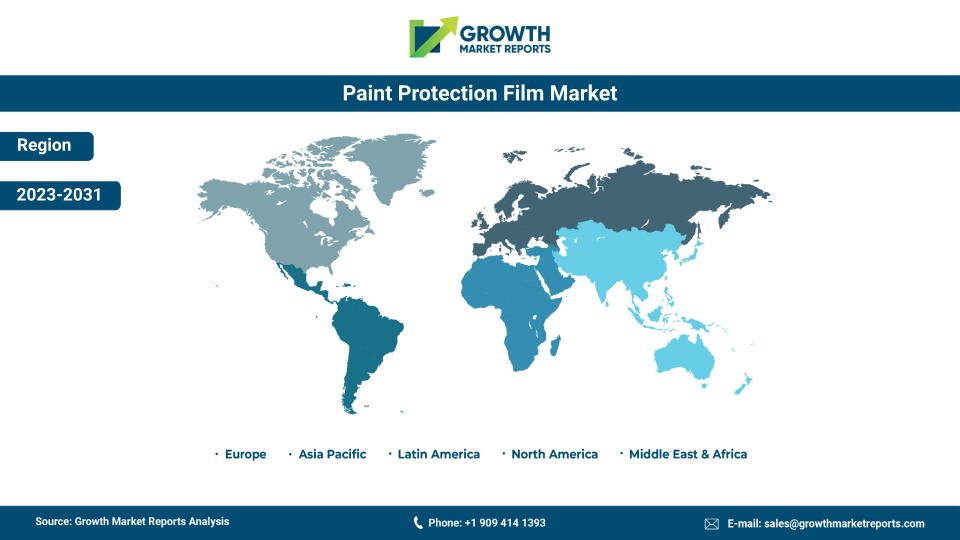
From a regional perspective, Asia Pacific remains the dominant market for paint protection films, accounting for the largest share of global revenue in 2024. This leadership is attributed to the regionÂ’s burgeoning automotive industry, rapid urbanization, and increasing disposable incomes. North America and Europe also represent significant markets, driven by high vehicle ownership rates, a strong culture of automotive care, and the presence of major OEMs and aftermarket service providers. The Middle East & Africa and Latin America are emerging as promising markets, supported by growing investments in automotive infrastructure and rising consumer awareness. Regional variations in consumer preferences, regulatory frameworks, and economic conditions will continue to influence market growth and competitive dynamics across these geographies.
The material type segment plays a pivotal role in the paint protection film market, with thermoplastic polyurethane (TPU) leading the way as the most preferred material. TPUÂ’s dominance stems from its outstanding properties, such as superior elasticity, self-healing capabilities, and high resistance to abrasion and environmental damage. These qualities make TPU-based films exceptionally suited for automotive applications, where protection against stone chips, scratches, and UV exposure is critical. The self-healing property, in particular, has become a key selling point, as it allows minor surface scratches to disappear with exposure to heat, ensuring the film maintains a flawless appearance over time. As automotive owners and manufacturers become more discerning about the longevity and aesthetic value of protective films, TPUÂ’s market share is expected to remain robust throughout the forecast period.
Polyvinyl chloride (PVC) is another widely utilized material in the paint protection film market, particularly valued for its cost-effectiveness and ease of processing. While PVC films offer reasonable protection and are suitable for budget-conscious consumers, they typically fall short in terms of clarity, flexibility, and long-term durability compared to TPU. Nevertheless, PVC remains popular in applications where affordability is a primary consideration, such as entry-level vehicles and certain aftermarket segments. Manufacturers continue to innovate by developing PVC formulations with improved UV resistance and enhanced optical properties, aiming to bridge the performance gap with higher-end materials.
Polyethylene terephthalate (PET) is gaining traction in specific applications due to its excellent optical clarity, chemical resistance, and lightweight characteristics. PET-based paint protection films are particularly favored in the electronics industry, where maintaining the pristine appearance of screens and surfaces is crucial. Their use in automotive applications is more limited, primarily due to lower flexibility and self-healing capacity compared to TPU. However, as demand for clear and thin protective films grows in non-automotive sectors, PET is expected to carve out a niche market, especially in consumer electronics and display protection.
Other materials, including hybrid composites and specialty polymers, are emerging as alternatives in the paint protection film market, offering unique combinations of durability, clarity, and environmental resistance. These materials are often tailored for specific high-performance applications, such as aerospace or industrial equipment, where standard films may not suffice. The ongoing research into bio-based and recyclable polymers also reflects the industryÂ’s commitment to sustainability and regulatory compliance. As environmental concerns and performance requirements evolve, the material landscape of the paint protection film market is likely to witness further diversification and innovation.
| Attributes | Details |
| Report Title | Paint Protection Film Market Research Report 2033 |
| By Material Type | Thermoplastic Polyurethane, Polyvinyl Chloride, Polyethylene Terephthalate, Others |
| By Application | Automotive, Electronics, Aerospace & Defense, Others |
| By Finish | Gloss, Matte, Others |
| By End-User | OEM, Aftermarket |
| Regions Covered | North America, Europe, APAC, Latin America, MEA |
| Base Year | 2024 |
| Historic Data | 2018-2023 |
| Forecast Period | 2025-2033 |
| Number of Pages | 278 |
| Number of Tables & Figures | 341 |
| Customization Available | Yes, the report can be customized as per your need. |
The automotive application segment is the undisputed leader in the paint protection film market, accounting for the lionÂ’s share of global demand. The automotive sectorÂ’s reliance on paint protection films is driven by the need to safeguard vehicle exteriors from everyday hazards such as gravel, road debris, and weather-induced wear. Both OEMs and aftermarket providers are increasingly integrating advanced film solutions into their service offerings, catering to a wide spectrum of vehicles ranging from luxury sedans to commercial fleets. The growing trend of vehicle customization and the rising popularity of car wraps have further accelerated the adoption of paint protection films, as consumers seek to personalize their vehicles while preserving their original paintwork.
The electronics segment represents a rapidly expanding application area for paint protection films, fueled by the proliferation of smartphones, tablets, laptops, and wearable devices. In this context, paint protection films are used to protect delicate screens and surfaces from scratches, fingerprints, and minor impacts, thereby extending the lifespan and maintaining the aesthetic appeal of electronic devices. The demand for ultra-clear, thin, and durable films is particularly pronounced in this segment, prompting manufacturers to innovate with new materials and coating technologies. As the consumer electronics market continues to grow globally, the application of paint protection films in this sector is expected to witness steady growth.
Aerospace and defense constitute another high-value application segment for paint protection films, where the emphasis is on durability, reliability, and compliance with stringent safety standards. Aircraft exteriors, rotor blades, and sensitive instrumentation are routinely exposed to harsh environmental conditions and require robust protection against erosion, chemical exposure, and UV degradation. Paint protection films designed for aerospace applications are typically engineered to meet rigorous performance specifications, including resistance to extreme temperatures and minimal impact on aerodynamic properties. The increasing investment in fleet modernization and maintenance by commercial airlines and defense agencies is set to drive further adoption of advanced paint protection solutions in this segment.
Other applications of paint protection films include industrial equipment, marine vessels, and architectural surfaces. In industrial settings, these films are used to shield machinery, tools, and surfaces from abrasion, corrosion, and chemical damage, thereby reducing maintenance costs and extending equipment lifespan. The marine industry leverages paint protection films to combat the corrosive effects of saltwater and UV exposure on boat hulls and decks. In architecture, films are increasingly used to protect glass facades, signage, and decorative surfaces from vandalism and environmental wear. The versatility of paint protection films across diverse applications underscores their growing importance as a cost-effective solution for surface preservation in multiple industries.
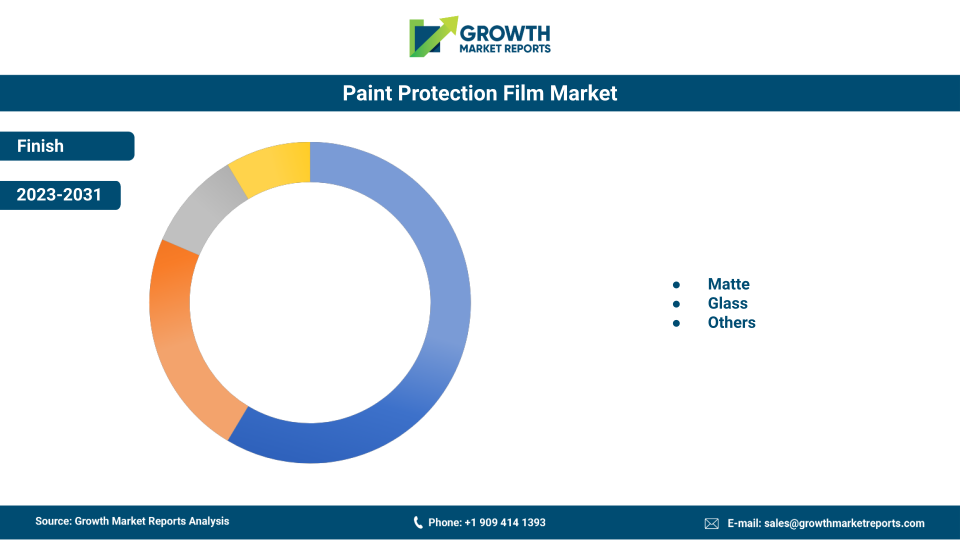
The finish segment in the paint protection film market is primarily categorized into gloss, matte, and other specialized finishes, each catering to distinct consumer preferences and application requirements. Gloss finish paint protection films remain the most popular choice, particularly in the automotive sector, as they enhance the vehicleÂ’s natural shine and provide a seamless, almost invisible layer of protection. The high optical clarity and reflective properties of gloss films make them ideal for luxury and high-performance vehicles, where maintaining a showroom-quality appearance is paramount. Manufacturers are continuously refining gloss film formulations to improve their resistance to yellowing, staining, and environmental contaminants, thereby ensuring long-lasting protection and visual appeal.
Matte finish paint protection films are gaining traction among consumers seeking a unique, understated look for their vehicles and other surfaces. Unlike gloss films, matte finishes diffuse light, resulting in a smooth, non-reflective appearance that is increasingly favored for custom car wraps and specialty vehicles. Matte films not only provide effective protection against scratches and chips but also offer a distinctive aesthetic that sets vehicles apart from the conventional glossy finish. The demand for matte films is also rising in architectural and electronics applications, where a subtle, anti-glare surface is preferred. As customization trends continue to evolve, the matte segment is expected to capture a larger share of the market.
Other specialized finishes, including satin, textured, and color-shifting films, are emerging as niche offerings in the paint protection film market. Satin finishes provide a balance between gloss and matte, delivering a soft sheen that appeals to consumers looking for a sophisticated yet understated look. Textured films, on the other hand, are designed for specific functional or decorative applications, such as providing grip or simulating natural materials. Color-shifting films, which change appearance based on viewing angle and lighting conditions, are gaining popularity among automotive enthusiasts and specialty markets. The availability of a wide range of finishes reflects the industryÂ’s commitment to catering to diverse consumer tastes and expanding the scope of paint protection film applications.
The ongoing innovation in film finishes is driven by advancements in coating technologies and material science. Manufacturers are leveraging nanotechnology, multi-layer coatings, and advanced adhesives to enhance the performance and versatility of paint protection films. These innovations enable films to offer additional functionalities, such as hydrophobicity, anti-fingerprint properties, and enhanced UV protection, further broadening their appeal across different end-use industries. As consumer expectations for both aesthetics and performance rise, the finish segment will continue to be a focal point for product differentiation and market growth.
The OEM (Original Equipment Manufacturer) segment is a critical driver of growth in the paint protection film market, as automakers increasingly integrate protective films into their production processes to enhance vehicle durability and customer satisfaction. OEMs are recognizing the value of offering factory-installed paint protection as a standard or optional feature, particularly for premium and luxury vehicles. This approach not only differentiates their offerings in a competitive market but also addresses consumer demand for long-lasting vehicle aesthetics. The partnership between film manufacturers and automotive OEMs is fostering innovation in film design, application techniques, and quality assurance, ensuring that protective films meet stringent industry standards and seamlessly integrate with vehicle assembly lines.
The aftermarket segment represents a substantial share of the paint protection film market, driven by the growing trend of vehicle customization and the desire to maintain resale value. Aftermarket providers offer a wide range of film products and installation services, catering to diverse customer needs and budgets. The aftermarket channel is particularly important for older vehicles, commercial fleets, and consumers who wish to upgrade their vehicle protection after purchase. The proliferation of professional installation centers, mobile services, and DIY kits has made it easier for consumers to access high-quality paint protection solutions. This accessibility, combined with increasing consumer awareness and education, is expected to sustain robust growth in the aftermarket segment.
The dynamics between OEM and aftermarket channels are evolving as both segments seek to capitalize on the growing demand for paint protection films. OEMs are focusing on integrating advanced film technologies into their vehicles at the manufacturing stage, while aftermarket providers are expanding their product portfolios and service offerings to address a broader range of applications and customer preferences. The competition and collaboration between these channels are driving innovation, quality improvements, and market expansion, ultimately benefiting end-users with a wider array of choices and enhanced value propositions.
Beyond automotive, OEM and aftermarket channels are also emerging in other industries, such as electronics and aerospace, where original equipment manufacturers and service providers are adopting paint protection films to enhance product durability and customer satisfaction. The ability to offer customized, high-performance films tailored to specific end-use requirements is becoming a key differentiator for market players. As the market matures, the emphasis on quality, reliability, and value-added services will continue to shape the competitive landscape of the paint protection film industry.
The paint protection film market is brimming with opportunities, particularly as consumer awareness of vehicle care and surface preservation continues to rise globally. One of the most significant opportunities lies in the expansion of the automotive aftermarket, where consumers are increasingly seeking advanced solutions to maintain the aesthetic and functional value of their vehicles. The proliferation of electric vehicles (EVs) and luxury cars, which often feature high-value paint finishes, further amplifies demand for premium protection solutions. Additionally, the growing adoption of paint protection films in non-automotive sectors, such as electronics, aerospace, and industrial equipment, presents lucrative avenues for market diversification and revenue growth. Manufacturers who invest in research and development to create innovative, high-performance films tailored to these emerging applications are well-positioned to capture a larger share of the expanding market.
Technological advancements represent another major opportunity for growth in the paint protection film market. The development of self-healing, hydrophobic, and environmentally friendly films is transforming the value proposition for end-users, offering enhanced durability, easier maintenance, and improved sustainability. The integration of smart technologies, such as UV indicators and anti-microbial coatings, is also opening new frontiers for product differentiation and market expansion. As regulatory requirements around environmental safety and product performance become more stringent, manufacturers who can deliver compliant, high-quality solutions will enjoy a significant competitive advantage. Furthermore, strategic collaborations between film producers, OEMs, and aftermarket service providers are facilitating the development of integrated solutions that address the evolving needs of consumers and industry stakeholders alike.
Despite the promising growth outlook, the paint protection film market faces several restraining factors that could impede its expansion. One of the primary challenges is the relatively high cost of premium protective films, particularly those made from advanced materials like TPU. This cost barrier can deter price-sensitive consumers, especially in emerging markets where affordability is a key consideration. Additionally, the installation process for paint protection films requires specialized skills and equipment, which can limit accessibility and increase labor costs. The presence of low-quality, counterfeit products in the market also poses a threat to brand reputation and consumer trust. To mitigate these challenges, industry stakeholders must focus on cost optimization, installer training, and quality assurance, while also investing in consumer education to highlight the long-term value and benefits of high-quality paint protection films.
Asia Pacific remains the dominant region in the global paint protection film market, accounting for approximately 38% of the total market value in 2024, equivalent to about USD 206 million. This leadership position is underpinned by the regionÂ’s thriving automotive industry, rapid urbanization, and increasing disposable incomes among the expanding middle class. Countries such as China, Japan, South Korea, and India are at the forefront of automotive production and sales, creating a robust demand for advanced paint protection solutions. The presence of major OEMs, a burgeoning aftermarket, and a growing culture of vehicle customization further contribute to the regionÂ’s market dominance. With a projected CAGR of 7.1% through 2033, Asia Pacific is expected to maintain its leadership and continue to attract significant investments in manufacturing and innovation.
North America is another key market for paint protection films, valued at approximately USD 148 million in 2024, driven by high vehicle ownership rates, a strong emphasis on vehicle aesthetics, and the widespread availability of professional installation services. The United States and Canada are major contributors to regional growth, supported by a mature automotive aftermarket and a culture of automotive care. The prevalence of luxury vehicles, sports cars, and a growing trend of vehicle customization are fueling demand for premium paint protection solutions. The region is also witnessing increased adoption of paint protection films in non-automotive sectors, such as electronics and aerospace, further diversifying growth opportunities. North America is expected to maintain steady growth, with a CAGR of around 5.8% over the forecast period.
Europe, with a market size of approximately USD 109 million in 2024, is characterized by a strong presence of automotive OEMs, a high concentration of luxury and performance vehicles, and stringent regulatory standards for vehicle safety and environmental protection. Germany, the United Kingdom, France, and Italy are among the leading markets in the region. The adoption of advanced paint protection films is driven by consumer demand for high-quality, durable solutions and the increasing integration of protective films into OEM manufacturing processes. The regionÂ’s focus on sustainability and innovation is also prompting manufacturers to develop eco-friendly and recyclable film options. While EuropeÂ’s market growth is steady, it is somewhat tempered by economic uncertainties and varying consumer preferences across different countries.
The global paint protection film market is characterized by intense competition, with a mix of established multinational corporations and innovative regional players vying for market share. The competitive landscape is shaped by continuous product innovation, strategic partnerships, and a strong emphasis on quality and performance. Leading companies are investing heavily in research and development to introduce advanced materials, self-healing technologies, and multifunctional coatings that address the evolving needs of consumers and OEMs. The ability to offer customized solutions, superior durability, and seamless installation services is becoming a key differentiator in this highly competitive market. Additionally, companies are expanding their global footprint through mergers, acquisitions, and collaborations to strengthen their distribution networks and enhance market penetration.
Brand reputation and product quality play a critical role in shaping the competitive dynamics of the paint protection film market. Consumers and OEMs alike prioritize brands that offer proven performance, reliable warranties, and comprehensive after-sales support. As a result, market leaders are focusing on building strong relationships with automotive manufacturers, professional installers, and end-users to foster brand loyalty and repeat business. The rise of e-commerce and digital marketing is also transforming the way companies engage with customers, enabling them to reach new markets and provide tailored solutions through online platforms. The increasing presence of counterfeit and low-quality products, however, poses a challenge to reputable brands, necessitating ongoing vigilance and quality assurance measures.
Regional players are making significant inroads by offering cost-effective solutions and catering to the specific needs of local markets. These companies often leverage their deep understanding of regional consumer preferences, regulatory requirements, and distribution channels to gain a competitive edge. Strategic collaborations with OEMs, aftermarket service providers, and raw material suppliers are enabling regional players to enhance their product offerings and compete effectively with global giants. The focus on sustainability and environmental compliance is also prompting both multinational and regional companies to develop eco-friendly films and adopt green manufacturing practices, further intensifying competition in the market.
Among the major companies operating in the global paint protection film market are 3M Company, XPEL Inc., Eastman Chemical Company, Avery Dennison Corporation, and STEK Automotive. 3M Company is renowned for its innovative film technologies and extensive distribution network, serving both OEM and aftermarket segments worldwide. XPEL Inc. specializes in high-performance, self-healing films and has established a strong presence in North America and Europe through its network of authorized installers and training programs. Eastman Chemical Company, through its LLumar and SunTek brands, offers a diverse portfolio of paint protection solutions tailored to automotive, electronics, and architectural applications. Avery Dennison Corporation is recognized for its advanced adhesive technologies and commitment to sustainability, while STEK Automotive is gaining traction with its focus on high-quality, customizable film products for luxury vehicles and specialty markets.
These leading companies are continuously expanding their product lines, investing in marketing and brand building, and exploring new growth opportunities in emerging markets. Their ability to innovate, maintain high quality standards, and adapt to changing market dynamics will be crucial in sustaining their competitive advantage. As the paint protection film market continues to evolve, the interplay between global leaders and agile regional players will shape the future trajectory of the industry, driving further advancements in technology, performance, and customer satisfaction.
The Paint Protection Film market has been segmented on the basis of
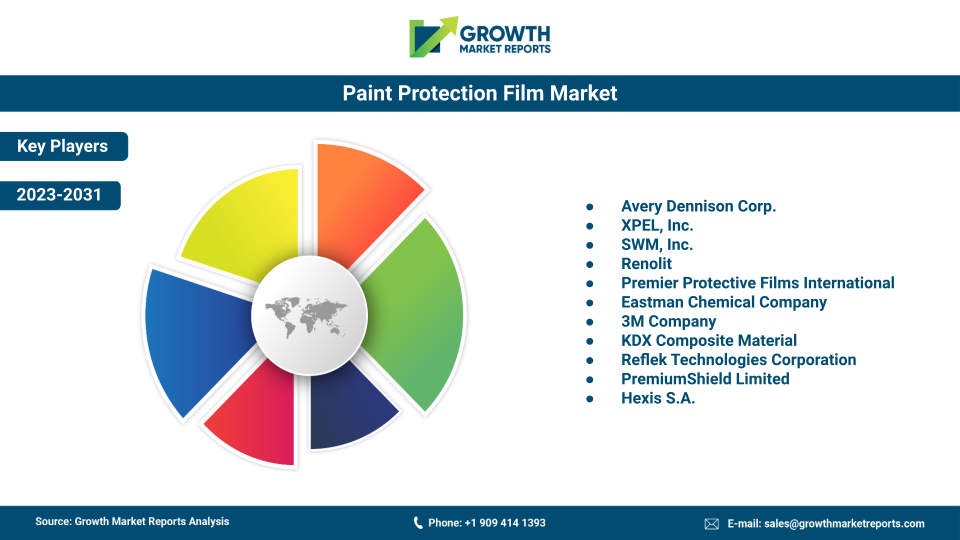
Key players competing in the paint protection film market include Avery Dennison Corp.; XPEL, Inc.; SWM, Inc.; Renolit; Premier Protective Films International; Eastman Chemical Company; 3M Company; KDX Composite Material; Reflek Technologies Corporation; PremiumShield Limited; and Hexis S.A.
Some of these players are using several market strategies such as acquisitions, mergers, collaborations, partnerships, capacity expansion, and product launches to enhance their market shares, generate revenue, and raise their production line of the business in the coming years. For instance,
In October 2021, XPEL, a company that makes surface protection film, architecture window films porcelain coatings, automobile paint protection films, and vehicle has made several acquisitions in North America.
In April 2022, Covestro AG announced an increase in domestic investments to enhance the company's production of paint protection film, a high-demand automotive protective film in Asia.

Materials, Finish, and Applications are the segments provided in the paint protection film market report.
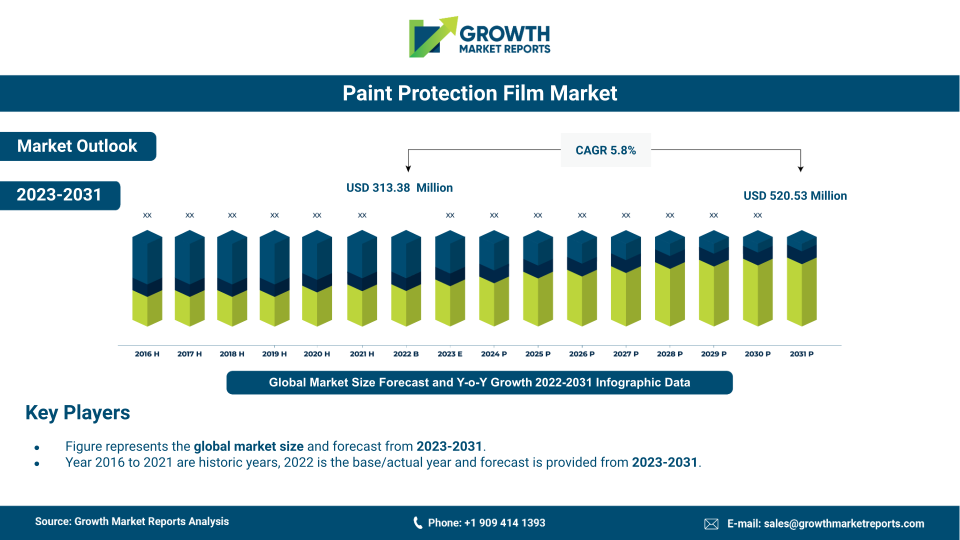
The paint protection film (PPF) market is projected to expand at a CAGR of around 5.8% during the forecast period, 2023 – 2031.
The paint protection film (PPF) market was valued at USD 313.38 million in 2022.
Asia Pacific dominated the market in 2021.
Renolit; Premier Protective Films International; Eastman Chemical Company; 3M Company; KDX Composite Material are some of the key players in the paint protection film market.