Segments - by Type (Polymeric MDI, Pure MDI, Modified MDI), by Application (Rigid Foams, Flexible Foams, Coatings, Adhesives & Sealants, Elastomers, Others), by End-Use Industry (Construction, Automotive, Electronics, Furniture & Interiors, Packaging, Others)
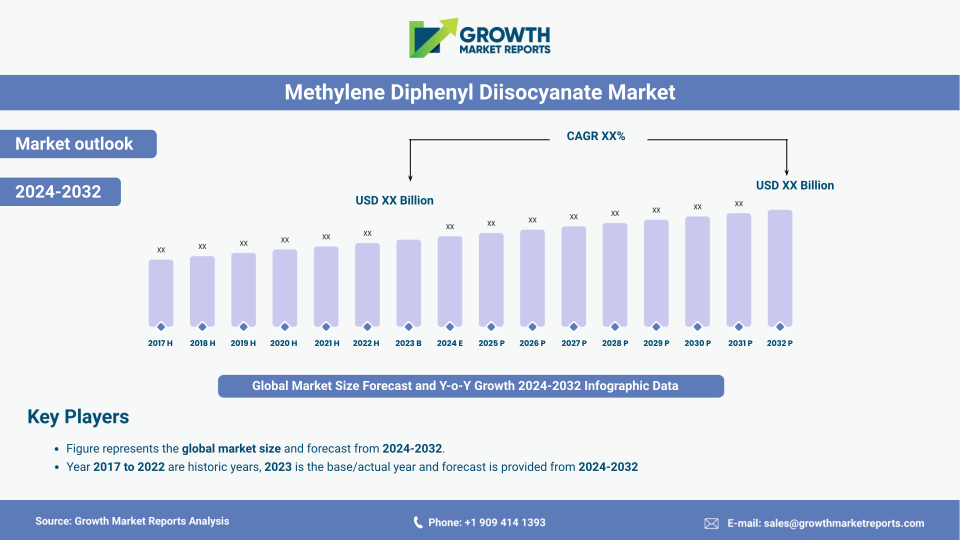
Based on our latest research, the global market size for Methylene Diphenyl Diisocyanate (MDI) reached USD 28.6 billion in 2024, reflecting robust demand from key end-use industries. The market is advancing at a CAGR of 5.2% and is projected to attain a value of USD 44.7 billion by 2033. The primary growth factor driving this expansion is the escalating adoption of MDI-based polyurethane products across construction, automotive, and furniture sectors due to their superior insulation, durability, and versatility. As per our latest research, the MDI market is positioned for sustained growth, underpinned by technological advancements, regulatory support for energy-efficient materials, and ongoing infrastructure development worldwide.
One of the most significant growth factors for the Methylene Diphenyl Diisocyanate (MDI) market is the surging demand for energy-efficient buildings and sustainable construction materials. MDI is a critical raw material in the production of rigid polyurethane foams, which are extensively used for insulation in residential, commercial, and industrial buildings. As global regulations tighten around energy consumption and carbon emissions, building codes increasingly mandate the use of high-performance insulation materials. This regulatory environment, coupled with rising energy costs and heightened awareness of environmental sustainability, is compelling builders and developers to opt for MDI-based insulation solutions. Furthermore, the growing trend of green buildings and smart infrastructure projects, particularly in urbanizing regions, is amplifying the consumption of MDI, further solidifying its market trajectory.
Another key driver fueling the growth of the MDI market is the automotive industryÂ’s transition towards lightweight, energy-efficient vehicles. MDI-based polyurethane foams are widely used in automotive seating, interior panels, and noise insulation components. The shift towards electric vehicles (EVs) and the need for enhanced fuel efficiency have intensified the demand for lightweight materials that do not compromise on safety or comfort. MDIÂ’s unique properties, such as high mechanical strength, excellent thermal insulation, and versatility, make it an ideal choice for automakers striving to meet stringent emission standards and consumer expectations for comfort. Additionally, the increasing use of MDI in automotive adhesives, coatings, and elastomers is further expanding its application scope within the sector.
The proliferation of consumer electronics and the ever-evolving furniture and interiors industry are also contributing to the robust growth of the MDI market. In electronics, MDI-based foams and coatings are used for encapsulation, thermal management, and protection of sensitive components. The rapid pace of innovation in consumer gadgets, coupled with the trend towards miniaturization and enhanced durability, is driving the uptake of specialty MDI formulations. In the furniture and interiors segment, MDI is integral to the production of flexible foams used in mattresses, cushions, and upholstered furniture, responding to increasing consumer demand for comfort and ergonomic design. The convergence of these trends across multiple end-use industries is reinforcing the positive outlook for the global MDI market.
Regionally, the Asia Pacific market remains at the forefront of MDI consumption, accounting for the largest share globally. This dominance is attributed to rapid urbanization, expanding middle-class populations, and substantial investments in infrastructure and housing, particularly in China, India, and Southeast Asia. North America and Europe also represent significant markets, driven by stringent energy efficiency regulations and ongoing innovation in the automotive and construction sectors. Meanwhile, emerging economies in Latin America and the Middle East & Africa are witnessing accelerated growth, fueled by industrialization and rising demand for high-performance materials. The regional landscape of the MDI market is thus characterized by both mature and emerging opportunities, with Asia Pacific expected to maintain its leadership throughout the forecast period.
In recent years, the emergence of Bio-Based MDI has been gaining traction as a sustainable alternative to traditional MDI. Bio-Based MDI is derived from renewable resources, reducing reliance on petrochemical feedstocks and minimizing the carbon footprint associated with MDI production. This innovation aligns with the growing demand for eco-friendly materials in the construction and automotive industries, where sustainability is becoming a key purchasing criterion. The development of Bio-Based MDI is supported by advancements in biotechnology and green chemistry, enabling manufacturers to produce high-performance polyurethane products with lower environmental impact. As regulatory pressures increase and consumer preferences shift towards greener solutions, Bio-Based MDI is poised to play a significant role in the future of the MDI market, offering a competitive edge to companies that prioritize sustainability.
The Methylene Diphenyl Diisocyanate (MDI) market is segmented by type into Polymeric MDI, Pure MDI, and Modified MDI, each serving distinct applications and end-user requirements. Polymeric MDI holds the largest share of the market, driven by its extensive use in the production of rigid polyurethane foams. These foams are indispensable in construction insulation, refrigeration, and packaging due to their superior thermal performance and mechanical strength. The versatility and cost-effectiveness of polymeric MDI have made it the preferred choice for large-scale industrial applications, fueling its dominant position in the market. As construction activities surge in developing economies and energy efficiency standards become more stringent, the demand for polymeric MDI is expected to remain robust.
Pure MDI, although constituting a smaller share of the market compared to polymeric MDI, is witnessing steady growth due to its application in high-performance elastomers, coatings, and adhesives. Pure MDI offers unique properties such as high reactivity and excellent compatibility with various polyols, making it suitable for specialty applications where performance and precision are critical. Industries such as automotive, electronics, and footwear increasingly rely on pure MDI for manufacturing products that require durability, flexibility, and enhanced mechanical properties. The segmentÂ’s growth is further supported by ongoing research and development efforts aimed at expanding the application scope of pure MDI in emerging technologies.
The Modified MDI segment is gaining traction as manufacturers seek tailored solutions that combine the advantages of both polymeric and pure MDI. Modified MDI offers improved processing characteristics, enhanced performance, and greater formulation flexibility, making it ideal for applications that demand specific mechanical and thermal properties. This segment is particularly relevant in the production of spray polyurethane foams, adhesives, and coatings used in construction and automotive industries. The ability of modified MDI to deliver customized solutions is attracting a growing customer base, especially among manufacturers looking to differentiate their products in competitive markets.
Advancements in MDI production technologies and the development of novel formulations are further shaping the competitive dynamics within the type segment. Leading manufacturers are investing in capacity expansions and process optimization to cater to the evolving needs of end-users. Environmental considerations, such as the reduction of volatile organic compounds (VOCs) and the adoption of bio-based raw materials, are also influencing product development strategies. As regulatory pressures intensify and customer preferences shift towards sustainable solutions, the type segment is expected to witness continuous innovation and diversification, reinforcing the overall growth of the MDI market.
| Attributes | Details |
| Report Title | Methylene Diphenyl Diisocyanate Market Research Report 2033 |
| By Type | Polymeric MDI, Pure MDI, Modified MDI |
| By Application | Rigid Foams, Flexible Foams, Coatings, Adhesives & Sealants, Elastomers, Others |
| By End-Use Industry | Construction, Automotive, Electronics, Furniture & Interiors, Packaging, Others |
| Regions Covered | North America, Europe, APAC, Latin America, MEA |
| Base Year | 2024 |
| Historic Data | 2018-2023 |
| Forecast Period | 2025-2033 |
| Number of Pages | 264 |
| Number of Tables & Figures | 298 |
| Customization Available | Yes, the report can be customized as per your need. |
The application landscape of the MDI market is broad, encompassing rigid foams, flexible foams, coatings, adhesives & sealants, elastomers, and others. Rigid foams represent the largest application segment, accounting for a significant portion of global MDI consumption. These foams are extensively used in the construction industry for insulation panels, roofing, and wall systems, owing to their superior thermal insulation and energy-saving properties. The growing emphasis on green buildings and energy-efficient infrastructure is propelling the adoption of rigid polyurethane foams, thereby driving the demand for MDI. Additionally, the cold chain logistics sector relies heavily on rigid foams for refrigeration and storage solutions, further boosting market growth.
Flexible foams, another major application segment, are primarily used in the furniture, bedding, and automotive industries. The increasing demand for comfort and ergonomic design in mattresses, cushions, and vehicle seating is fueling the consumption of MDI-based flexible foams. These foams offer excellent resilience, comfort, and durability, making them ideal for consumer-centric applications. Furthermore, the rising disposable incomes and changing lifestyles, particularly in emerging markets, are supporting the growth of the flexible foams segment. Manufacturers are also focusing on developing low-emission and eco-friendly foam solutions to address environmental concerns and regulatory requirements.
MDI is also widely used in the production of coatings, adhesives, and sealants, which find applications across construction, automotive, and electronics industries. The demand for high-performance coatings and adhesives is escalating in response to the need for enhanced protection, bonding strength, and longevity of materials. MDI-based formulations offer superior chemical resistance, weatherability, and mechanical properties, making them suitable for demanding environments. The trend towards lightweight and multifunctional materials in automotive and electronics manufacturing is further stimulating the use of MDI in specialty coatings and adhesives.
Elastomers, another important application area, benefit from MDIÂ’s ability to impart elasticity, toughness, and abrasion resistance. MDI-based elastomers are used in automotive parts, industrial rollers, footwear, and sports equipment, where performance and durability are paramount. The ongoing advancements in elastomer technology and the development of customized solutions are expanding the application scope of MDI in this segment. Other niche applications, such as binders for composite wood products and encapsulation materials for electronics, also contribute to the overall demand for MDI, reflecting its versatility across diverse industries.
The end-use industry segmentation of the MDI market includes construction, automotive, electronics, furniture & interiors, packaging, and others, each contributing uniquely to market dynamics. The construction sector is the largest consumer of MDI, driven by the need for high-performance insulation materials and energy-efficient building solutions. Rigid polyurethane foams, produced using MDI, are integral to modern construction practices, offering superior thermal insulation, moisture resistance, and structural integrity. The global push towards sustainable urbanization, coupled with government incentives for green building initiatives, is significantly boosting MDI demand in the construction industry.
The automotive industry represents a rapidly growing end-use segment, leveraging MDI for the production of lightweight foams, adhesives, and elastomers. As automakers strive to reduce vehicle weight and improve fuel efficiency, the adoption of MDI-based materials is intensifying. These materials not only enhance comfort and safety but also contribute to noise reduction and improved interior aesthetics. The shift towards electric vehicles and the integration of advanced materials in automotive design are further accelerating the use of MDI in this sector. Additionally, the trend towards customization and premiumization in automotive interiors is driving innovation in MDI-based products.
In the electronics industry, MDI finds application in the encapsulation of sensitive components, thermal management materials, and protective coatings. The rapid proliferation of consumer electronics, coupled with the trend towards miniaturization and enhanced device protection, is driving the demand for specialty MDI formulations. MDI-based materials offer excellent electrical insulation, thermal stability, and mechanical protection, making them indispensable in the manufacturing of advanced electronic devices. The ongoing digital transformation and the advent of smart technologies are expected to further expand the application of MDI in the electronics sector.
The furniture and interiors segment is another major consumer of MDI, particularly in the production of flexible polyurethane foams for mattresses, cushions, and upholstered furniture. The rising demand for comfort, durability, and ergonomic design in residential and commercial furniture is fueling the growth of this segment. Additionally, the increasing focus on sustainable and low-emission materials is prompting manufacturers to develop eco-friendly MDI-based foam solutions. The packaging industry, though a smaller end-use segment, is witnessing steady growth due to the use of MDI in protective packaging foams and insulation materials for temperature-sensitive goods.
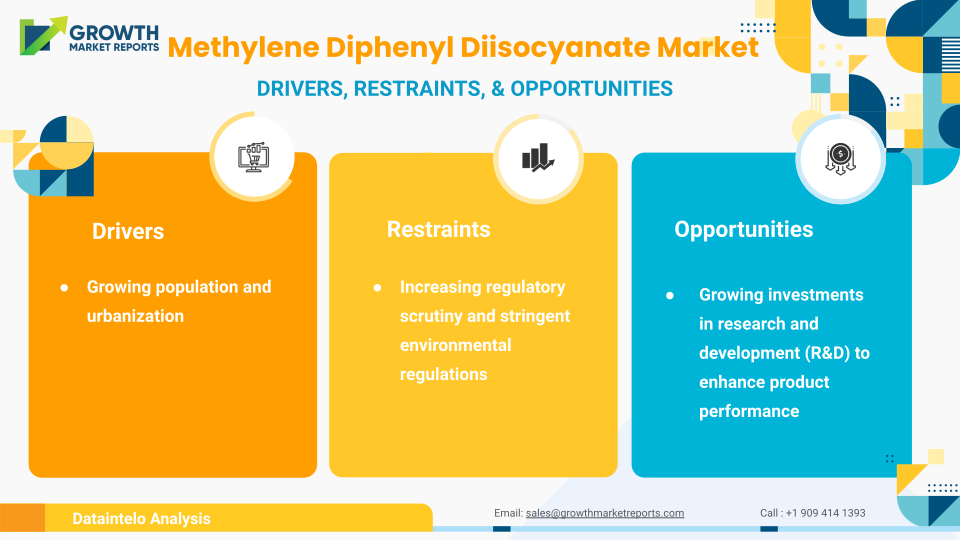
The Methylene Diphenyl Diisocyanate (MDI) market presents significant opportunities driven by the global shift towards sustainable construction and energy-efficient materials. The growing adoption of green building standards and the increasing awareness of environmental conservation are creating a favorable environment for MDI-based insulation solutions. Innovations in product formulations, such as the development of bio-based and low-emission MDI, are opening new avenues for market expansion. Additionally, the rapid urbanization and infrastructure development in emerging economies offer substantial growth prospects for MDI manufacturers. Strategic partnerships and investments in research and development are enabling companies to introduce advanced products that cater to evolving customer needs, further enhancing market opportunities.
Another promising opportunity lies in the automotive and electronics sectors, where the demand for lightweight, high-performance materials is on the rise. The transition towards electric vehicles and the integration of smart technologies in automotive and electronic devices are driving the need for innovative MDI-based solutions. Manufacturers are increasingly focusing on developing specialty MDI formulations that offer enhanced mechanical, thermal, and electrical properties. The expansion of the cold chain logistics industry and the growing demand for temperature-controlled packaging also present lucrative opportunities for MDI applications in rigid foams. Furthermore, the trend towards customization and premiumization in consumer products is stimulating the development of tailored MDI-based materials.
Despite the positive outlook, the MDI market faces certain restraining factors, primarily related to environmental and health concerns associated with the production and use of diisocyanates. Stringent regulations regarding the handling, storage, and disposal of MDI, particularly in developed regions, are posing challenges for manufacturers. The volatility in raw material prices and the dependence on petrochemical feedstocks can impact profitability and supply chain stability. Additionally, the emergence of alternative materials and the increasing focus on bio-based and recyclable products may pose a threat to the long-term growth of the MDI market. Companies need to invest in sustainable practices and comply with evolving regulatory standards to mitigate these risks and ensure continued market relevance.
The Asia Pacific region dominates the global MDI market, accounting for over 45% of total consumption in 2024, which translates to approximately USD 12.9 billion. This leadership is attributed to rapid industrialization, urbanization, and significant investments in infrastructure and housing across key economies such as China, India, Japan, and South Korea. The regionÂ’s construction sector is experiencing unprecedented growth, driven by population expansion, rising disposable incomes, and government initiatives to promote sustainable development. The automotive and electronics industries in Asia Pacific are also witnessing robust demand for MDI-based materials, further strengthening the regionÂ’s market position. With a projected CAGR of 6.1% through 2033, Asia Pacific is expected to maintain its dominance and offer lucrative growth opportunities for market participants.
North America represents the second-largest regional market, with a market size of USD 7.6 billion in 2024. The region benefits from stringent energy efficiency regulations, advanced construction practices, and a strong presence of leading automotive and electronics manufacturers. The adoption of green building standards and the focus on sustainable materials are driving the demand for MDI-based insulation and foam products. Additionally, the trend towards smart homes and connected devices is stimulating innovation in MDI applications within the electronics sector. The construction of new residential and commercial buildings, coupled with renovations and retrofitting activities, is expected to sustain market growth in North America over the forecast period.
Europe holds a significant share of the global MDI market, valued at USD 6.2 billion in 2024. The region is characterized by mature construction and automotive industries, stringent environmental regulations, and a strong emphasis on energy conservation. European countries are at the forefront of adopting advanced insulation materials and promoting sustainable construction practices. The automotive sectorÂ’s focus on lightweight materials and the integration of electric vehicles are driving the use of MDI-based solutions. Latin America and the Middle East & Africa, although smaller in market size, are witnessing accelerated growth due to rising industrialization, infrastructure development, and increasing demand for high-performance materials. Collectively, these regions accounted for approximately USD 1.9 billion and USD 1.1 billion respectively in 2024, and are expected to register above-average CAGRs over the forecast period as industrialization and urbanization gain momentum.
The global Methylene Diphenyl Diisocyanate (MDI) market is highly competitive, with a mix of multinational corporations and regional players vying for market share. The competitive landscape is characterized by ongoing capacity expansions, technological advancements, and strategic collaborations aimed at strengthening market positions. Leading companies are investing heavily in research and development to introduce innovative products that address evolving customer needs and comply with stringent regulatory standards. The focus on sustainability, cost optimization, and supply chain resilience is shaping the strategic priorities of key market participants. Mergers and acquisitions, along with joint ventures, are common strategies employed to expand product portfolios, enhance geographic reach, and achieve operational synergies.
Product differentiation and customer-centric innovation are critical success factors in the MDI market. Companies are increasingly developing specialty MDI formulations tailored to specific applications and end-user requirements. The adoption of digital technologies and advanced manufacturing processes is enabling manufacturers to improve product quality, reduce production costs, and enhance operational efficiency. Environmental stewardship is also emerging as a key competitive differentiator, with leading players focusing on reducing emissions, minimizing waste, and incorporating renewable raw materials in their production processes. These efforts are not only helping companies meet regulatory requirements but also enhancing their brand reputation and customer loyalty.
The competitive dynamics are further influenced by the volatility in raw material prices and the growing emphasis on sustainable sourcing. Companies are actively seeking to diversify their supply chains and establish long-term partnerships with raw material suppliers to ensure stability and cost competitiveness. The emergence of new entrants and the increasing presence of regional players are intensifying competition, particularly in rapidly growing markets such as Asia Pacific. To maintain their competitive edge, established players are focusing on continuous improvement, operational excellence, and proactive market engagement.
Several major companies dominate the global MDI market, including BASF SE, Covestro AG, Wanhua Chemical Group Co. Ltd., Huntsman Corporation, and Dow Inc. BASF SE is renowned for its extensive product portfolio and commitment to sustainability, investing in advanced technologies and eco-friendly formulations. Covestro AG is a leading innovator in the field of high-performance polymers and is actively involved in expanding its MDI production capacities worldwide. Wanhua Chemical Group, based in China, is one of the largest MDI producers globally and has a strong presence in both domestic and international markets. Huntsman Corporation and Dow Inc. are also key players, known for their focus on product innovation, customer service, and sustainable manufacturing practices.
These companies are continuously enhancing their competitive positions through strategic investments, partnerships, and technological advancements. For instance, BASFÂ’s focus on circular economy initiatives and CovestroÂ’s investments in renewable energy are setting new benchmarks for sustainability in the MDI market. Wanhua ChemicalÂ’s aggressive expansion strategy and commitment to research and development are enabling it to capture a growing share of the global market. Huntsman and Dow are leveraging their global networks and technical expertise to deliver customized solutions to a diverse customer base. Collectively, these leading players are shaping the future of the MDI market by driving innovation, fostering sustainability, and delivering value to customers across various industries.
The Methylene Diphenyl Diisocyanate market has been segmented on the basis of
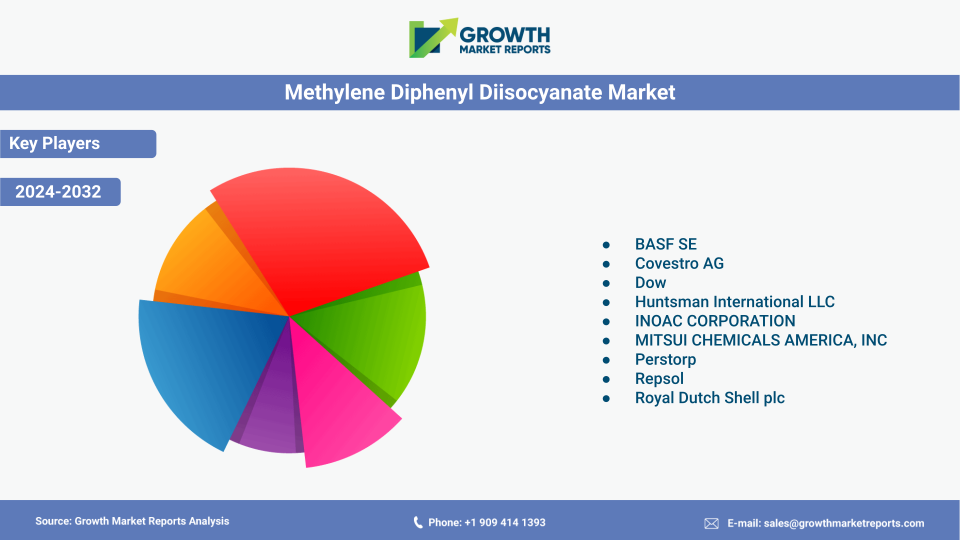
Key players competing in the global methylene diphenyl diisocyanate market are BASF SE; Covestro AG; Dow; Huntsman International LLC; INOAC CORPORATION; MITSUI CHEMICALS AMERICA, INC; Perstorp; Repsol; and Royal Dutch Shell plc
These companies use development strategies including mergers, acquisitions, partnerships, collaboration, and product launches to expand their consumer base worldwide. For instances,
On January 11, 2023, BASF SE, a leading chemical manufacturing company, announced the initiation of an MDI capacity expansion project at its Geismar Site. The project's focus is to increase the production capacity of methylene diphenyl diisocyanate (MDI) to approximately 600,000 metric tons per day. This expansion represents a substantial investment in the project's final phase, spanning from 2022 to 2025, with an estimated investment of around USD 780 million.
Yes, the MDI market research report offers customization options to address specific client requirements.
The market is seeing increased innovation in bio-based and low-emission MDI formulations, with manufacturers investing in sustainable practices and eco-friendly product development to meet regulatory and consumer demands.
Challenges include environmental and health concerns related to diisocyanates, stringent regulations, raw material price volatility, and competition from alternative and bio-based materials.
Leading companies include BASF SE, Covestro AG, Wanhua Chemical Group Co. Ltd., Huntsman Corporation, Dow Inc., Mitsui Chemicals, Tosoh Corporation, and others.
MDI-based polyurethane foams are widely used for building insulation, automotive seating, mattresses, cushions, refrigeration, and protective packaging.
Asia Pacific leads the global MDI market, accounting for over 45% of total consumption in 2024, driven by rapid urbanization and infrastructure development in countries like China and India.
The main types are Polymeric MDI (used mainly in rigid foams for insulation and packaging), Pure MDI (for elastomers, coatings, adhesives), and Modified MDI (for spray foams, adhesives, and specialty applications).
The construction industry is the largest consumer of MDI, followed by automotive, electronics, furniture & interiors, and packaging sectors.
Key growth drivers include rising demand for energy-efficient buildings, increased use in automotive lightweighting, expanding applications in electronics and furniture, and regulatory support for sustainable construction materials.
As of 2024, the global MDI market size reached USD 28.6 billion, with projections to grow to USD 44.7 billion by 2033.