Segments - by Product Type (Jerky, Sticks, Bars, Sausages, Others), by Source (Beef, Pork, Poultry, Turkey, Others), by Flavor (Original, Spicy, Teriyaki, Barbecue, Others), by Distribution Channel (Supermarkets/Hypermarkets, Convenience Stores, Online Retail, Specialty Stores, Others)
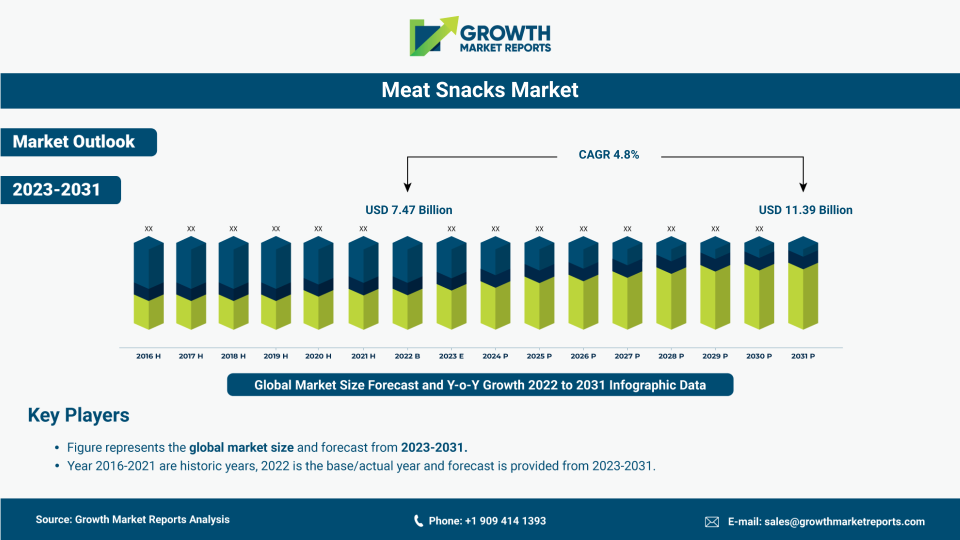
According to our latest research, the global meat snacks market size reached USD 10.9 billion in 2024, reflecting robust consumer demand and a growing appetite for protein-rich, convenient food options. The market is expected to grow at a CAGR of 5.8% from 2025 to 2033, resulting in a projected market value of USD 18.3 billion by 2033. This expansion is primarily fueled by shifting consumer preferences towards high-protein, on-the-go food products, as well as the increasing popularity of clean-label and minimally processed snacks. As per our latest research, the meat snacks industry continues to evolve, driven by innovation in flavors, product formats, and distribution channels.
One of the key growth drivers for the meat snacks market is the rising global demand for protein-enriched diets. As consumers become more health-conscious and seek alternatives to traditional carbohydrate-heavy snacks, meat snacks offer a compelling solution due to their high protein content and satiating properties. This trend is particularly pronounced among fitness enthusiasts, athletes, and individuals following specialized diets such as keto, paleo, and low-carb regimens. Additionally, the convenience of meat snacks—available in portable, ready-to-eat formats—caters to busy lifestyles, further boosting their adoption across various demographics. The proliferation of innovative product offerings, such as grass-fed beef jerky, turkey sticks, and exotic meat bars, has also expanded the market’s appeal beyond traditional consumers.
Another significant factor propelling the meat snacks market growth is the continuous innovation in flavors and product formats. Manufacturers are increasingly investing in research and development to create unique, bold, and globally inspired flavors that cater to diverse consumer palates. From spicy and teriyaki to barbecue and fusion flavors, the variety available in the market is immense. This trend is complemented by the introduction of healthier formulations, including reduced sodium, nitrate-free, and preservative-free options. The focus on clean-label ingredients and transparency in sourcing has resonated well with health-conscious consumers, driving repeat purchases and fostering brand loyalty. Furthermore, the entry of premium and artisanal brands has elevated the perception of meat snacks from a basic convenience food to a gourmet snacking option.
The expansion of distribution channels has also played a pivotal role in the growth of the meat snacks market. While traditional retail outlets such as supermarkets, hypermarkets, and convenience stores remain dominant, the rise of e-commerce and online retail platforms has significantly broadened market access. Consumers now enjoy the convenience of purchasing their favorite meat snacks online, often benefiting from subscription services and exclusive product offerings. Specialty stores and health food retailers have also emerged as important distribution points, catering to niche markets and consumers seeking premium or specialty meat snacks. This multi-channel approach has enabled manufacturers to reach a wider audience and respond swiftly to changing consumer preferences and market trends.
Snack Sticks have become a popular choice among consumers seeking convenient and protein-packed options. These sticks offer a perfect blend of taste and nutrition, making them an ideal snack for busy individuals on the go. With their easy-to-carry packaging, snack sticks fit seamlessly into lunchboxes, gym bags, and travel kits, providing a quick energy boost whenever needed. The versatility of snack sticks allows manufacturers to experiment with a variety of flavors, from classic savory to bold and spicy, catering to diverse taste preferences. Additionally, the growing trend towards healthier snacking has led to the introduction of low-fat, low-sodium, and nitrate-free snack sticks, aligning with current wellness trends. As a result, snack sticks continue to gain traction across different demographics, appealing to both traditional snackers and health-conscious consumers alike.
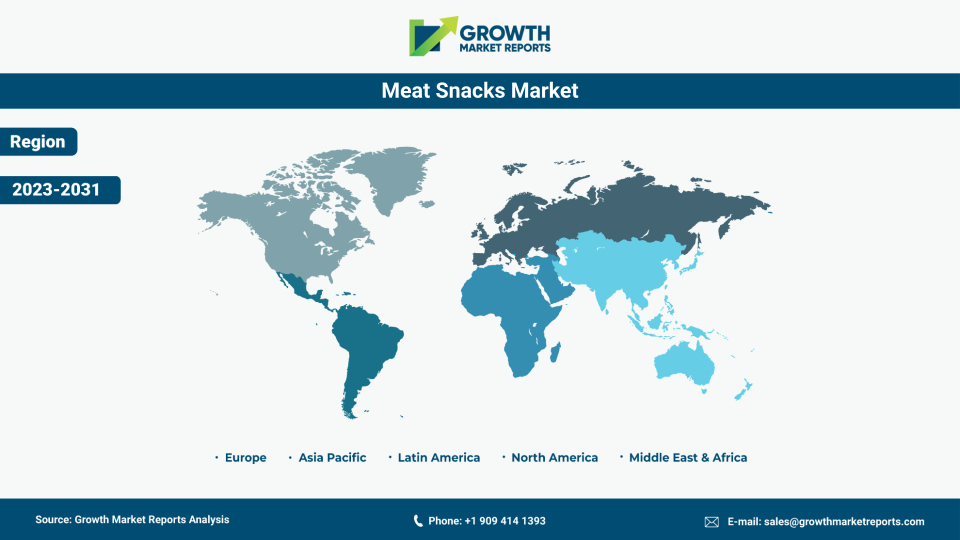
Regionally, North America continues to lead the global meat snacks market, accounting for the largest share in 2024. The regionÂ’s dominance is attributed to high per capita meat consumption, a well-established snacking culture, and the presence of numerous leading brands. Europe and Asia Pacific are also witnessing significant growth, driven by rising disposable incomes, urbanization, and increasing awareness of protein-centric diets. In Asia Pacific, countries such as China, Japan, and Australia are emerging as lucrative markets, supported by changing dietary habits and the growing influence of Western food trends. Meanwhile, Latin America and the Middle East & Africa are gradually catching up, presenting untapped opportunities for market players. The regional outlook underscores the importance of tailored marketing strategies and product innovation to cater to diverse consumer preferences and regulatory landscapes.
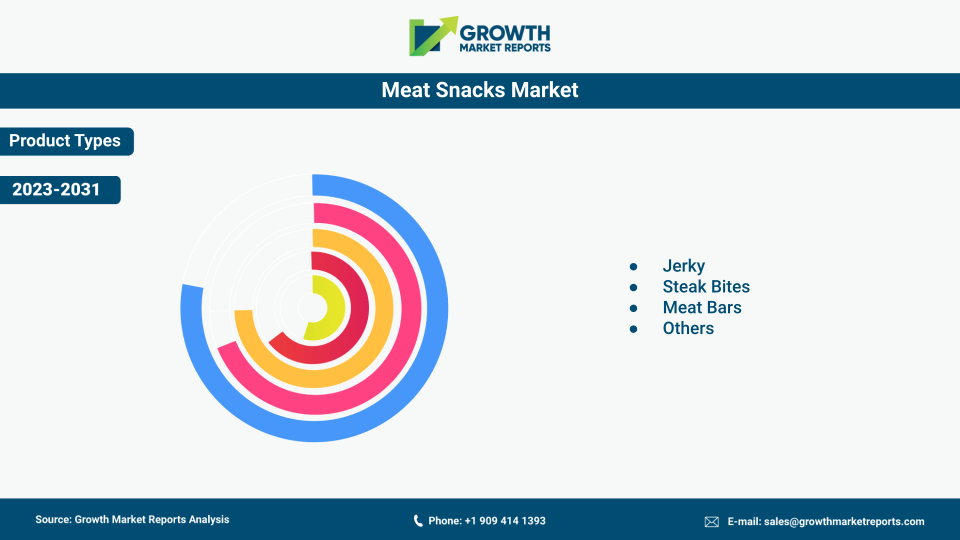
The meat snacks market is segmented by product type into jerky, sticks, bars, sausages, and others, each catering to distinct consumer preferences and consumption occasions. Jerky remains the most popular segment, accounting for a significant share of the overall market due to its long-standing presence, convenience, and variety of flavors. Jerky is favored for its chewy texture, high protein content, and extended shelf life, making it a staple snack for outdoor enthusiasts, travelers, and busy professionals. The segment has witnessed continuous innovation, with manufacturers introducing new meat sources, flavor profiles, and packaging formats to attract a broader audience. Premium jerky products, such as grass-fed beef and organic turkey, have gained traction among health-conscious consumers seeking natural and minimally processed options.
Meat sticks represent another fast-growing segment in the meat snacks market, appealing to consumers looking for convenient, portion-controlled snacks. Sticks are particularly popular among younger demographics and those seeking quick, on-the-go nutrition. The portability and ease of consumption make meat sticks a preferred choice for lunchboxes, gym bags, and travel kits. Manufacturers have responded to this demand by offering a wide range of flavors, protein sources, and packaging options, including single-serve and multi-pack formats. The segment's growth is further supported by the increasing availability of healthier options, such as low-fat, low-sodium, and nitrate-free sticks, which align with current wellness trends.
Meat bars have emerged as a relatively new but rapidly expanding product type within the meat snacks market. These bars combine the convenience of traditional snack bars with the nutritional benefits of meat, often incorporating additional functional ingredients such as nuts, seeds, and spices. Meat bars are particularly popular among fitness enthusiasts and consumers seeking high-protein, low-carb snacks that support active lifestyles. The segment has seen significant innovation in terms of flavor combinations, ingredient transparency, and sustainable sourcing. Brands are increasingly positioning meat bars as meal replacements or energy boosters, targeting consumers on the go who prioritize nutrition without compromising on taste.
Sausages and other meat snack formats, including meat chips and bites, contribute to the marketÂ’s diversity and cater to evolving consumer preferences. Sausages offer a familiar and satisfying snacking experience, often available in a variety of regional and international flavors. The segment benefits from strong brand recognition and the ability to leverage traditional recipes with modern twists. Other emerging product types, such as meat chips and bites, are gaining popularity among adventurous consumers seeking novel snacking experiences. These products often feature unique textures and innovative flavor profiles, appealing to a younger, trend-driven audience. The ongoing diversification of product types underscores the dynamic nature of the meat snacks market and the importance of continuous innovation.
| Attributes | Details |
| Report Title | Meat Snacks Market Research Report 2033 |
| By Product Type | Jerky, Sticks, Bars, Sausages, Others |
| By Source | Beef, Pork, Poultry, Turkey, Others |
| By Flavor | Original, Spicy, Teriyaki, Barbecue, Others |
| By Distribution Channel | Supermarkets/Hypermarkets, Convenience Stores, Online Retail, Specialty Stores, Others |
| Regions Covered | North America, Europe, APAC, Latin America, MEA |
| Base Year | 2024 |
| Historic Data | 2018-2023 |
| Forecast Period | 2025-2033 |
| Number of Pages | 284 |
| Number of Tables & Figures | 265 |
| Customization Available | Yes, the report can be customized as per your need. |
The meat snacks market is segmented by source into beef, pork, poultry, turkey, and others, reflecting the diverse range of protein options available to consumers. Beef remains the dominant source in the market, accounting for the largest share due to its widespread availability, robust flavor, and high protein content. Beef-based snacks, particularly jerky and sticks, have a long-standing tradition and are favored for their rich taste and satisfying texture. The segment has benefited from the growing popularity of grass-fed, organic, and sustainably sourced beef products, which appeal to health-conscious and environmentally aware consumers. The focus on clean-label ingredients and ethical sourcing practices has further strengthened the position of beef as the preferred protein source in the meat snacks market.
Pork-based meat snacks are also widely consumed, particularly in regions where pork is a dietary staple. Pork offers a distinctive flavor profile and is often used in the production of sausages, sticks, and specialty snacks. The segment has seen innovation in terms of seasoning blends, curing processes, and regional variations, catering to diverse consumer preferences. However, the consumption of pork-based snacks is influenced by cultural and religious factors, which can limit market penetration in certain regions. Despite these challenges, pork remains a significant contributor to the global meat snacks market, supported by strong demand in North America, Europe, and parts of Asia.
Poultry and turkey have emerged as popular alternatives to traditional red meat snacks, driven by growing health consciousness and the perception of poultry as a leaner protein source. Poultry-based snacks, including chicken and turkey jerky, sticks, and bars, are favored for their lower fat content and milder flavor. These products appeal to consumers seeking lighter, healthier snacking options without compromising on protein intake. The segment has witnessed robust growth, particularly among women, older adults, and individuals with dietary restrictions. Manufacturers are leveraging the versatility of poultry to create innovative flavor combinations and product formats, further expanding the segmentÂ’s reach.
The “others” category encompasses a range of alternative protein sources, including exotic meats such as venison, bison, elk, and even plant-based options. Exotic meat snacks cater to adventurous consumers seeking unique taste experiences and differentiated nutritional profiles. These products often command premium pricing and are positioned as gourmet or specialty items. The rise of plant-based meat snacks, while still a niche segment, reflects the growing demand for vegetarian and flexitarian options in the snacking category. Manufacturers are experimenting with novel ingredients and processing techniques to replicate the taste and texture of traditional meat snacks, appealing to a broader audience and supporting the market’s diversification.
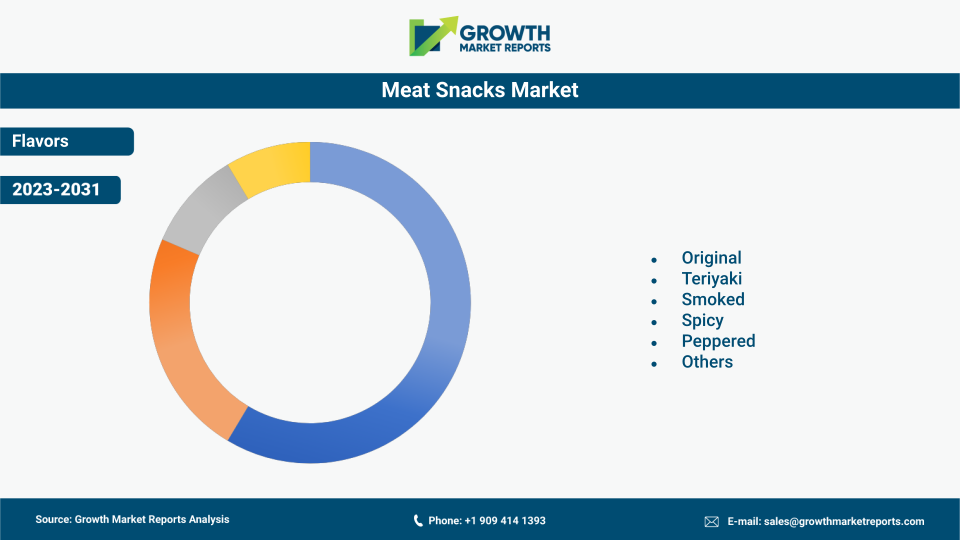
Flavor innovation is a key driver of growth and differentiation in the meat snacks market. The market is segmented by flavor into original, spicy, teriyaki, barbecue, and others, each catering to distinct consumer preferences and regional tastes. Original flavor remains a staple choice, favored for its simplicity and emphasis on the natural taste of the meat. This segment appeals to traditionalists and those seeking a classic snacking experience. Original-flavored meat snacks often highlight the quality of the meat and the expertise of the manufacturer, making them a popular choice in both mainstream and premium segments.
Spicy flavors have gained significant traction in recent years, reflecting the global trend towards bold and adventurous taste experiences. Spicy meat snacks, infused with chili, pepper, and exotic spices, cater to consumers seeking excitement and intensity in their snacks. The segment has benefited from the growing popularity of international cuisines and the influence of street food culture. Manufacturers are continuously experimenting with heat levels and spice blends to create unique and memorable flavor profiles. Spicy flavors are particularly popular among younger consumers and those seeking a sensory snacking adventure.
Teriyaki and barbecue flavors represent two of the most successful examples of globally inspired meat snack offerings. Teriyaki-flavored snacks, characterized by their sweet and savory profile, have captured the interest of consumers seeking Asian-inspired tastes. The segment has seen robust growth in North America, Europe, and Asia Pacific, supported by the increasing popularity of Japanese cuisine and fusion food trends. Barbecue-flavored meat snacks, on the other hand, draw on the rich tradition of smoked and grilled meats, offering a familiar and comforting taste experience. The segment is characterized by a wide range of regional variations, from smoky and tangy to sweet and spicy, catering to diverse consumer preferences.
The “others” category encompasses a broad spectrum of innovative and niche flavors, including honey mustard, garlic, maple, sriracha, and more. These flavors cater to consumers seeking novelty and variety in their snacking choices. The continuous introduction of limited-edition and seasonal flavors has become a popular strategy among manufacturers to drive trial and repeat purchases. Flavor innovation is further supported by consumer demand for clean-label ingredients, with a growing preference for natural seasonings, non-GMO spices, and allergen-free formulations. The dynamic nature of flavor preferences highlights the importance of market responsiveness and agility in the meat snacks industry.
The meat snacks market is segmented by distribution channel into supermarkets/hypermarkets, convenience stores, online retail, specialty stores, and others, reflecting the diverse ways in which consumers access these products. Supermarkets and hypermarkets remain the primary distribution channels, accounting for the largest share of the market. These outlets offer consumers a wide selection of meat snacks, competitive pricing, and the convenience of one-stop shopping. The prominent placement of meat snacks in high-traffic areas, such as checkout counters and snack aisles, has contributed to impulse purchases and increased category visibility. Supermarkets and hypermarkets are also key partners for product launches and promotional activities, supporting brand growth and market penetration.
Convenience stores play a crucial role in the distribution of meat snacks, particularly in urban areas and high-traffic locations such as gas stations, airports, and transit hubs. The convenience store segment is characterized by frequent, small-scale purchases and a focus on single-serve packaging. Meat snacks are positioned as ideal grab-and-go options for consumers seeking quick, satisfying snacks during commutes or travel. The segment has benefited from the increasing demand for portable, ready-to-eat foods and the growing popularity of snacking as a lifestyle choice. Manufacturers often collaborate with convenience store chains to develop exclusive products and targeted marketing campaigns.
Online retail has emerged as a rapidly growing distribution channel for meat snacks, driven by the proliferation of e-commerce platforms and changing consumer shopping habits. Online retailers offer consumers the convenience of home delivery, access to a broader range of products, and the ability to compare prices and read reviews. The segment has seen significant growth during and after the COVID-19 pandemic, as consumers increasingly turn to digital channels for their grocery and snack purchases. Subscription services and direct-to-consumer models have also gained popularity, allowing brands to build stronger relationships with their customers and offer personalized product recommendations.
Specialty stores, including health food shops, gourmet retailers, and organic markets, cater to niche consumer segments seeking premium, artisanal, or health-focused meat snacks. These outlets are characterized by curated product selections, knowledgeable staff, and a focus on quality and differentiation. Specialty stores often serve as incubators for new brands and innovative products, providing a platform for market entry and consumer education. The segmentÂ’s growth is supported by the increasing demand for clean-label, minimally processed, and sustainably sourced meat snacks. Other distribution channels, such as vending machines and foodservice outlets, contribute to the marketÂ’s diversity and accessibility, ensuring that meat snacks remain a convenient and appealing option for a wide range of consumers.
The meat snacks market presents a wealth of opportunities for growth and innovation, driven by evolving consumer preferences, technological advancements, and expanding distribution networks. One of the most promising opportunities lies in the development of healthier, clean-label meat snacks that cater to the growing demand for natural, minimally processed foods. Manufacturers can capitalize on this trend by investing in research and development to create products with reduced sodium, no artificial preservatives, and transparent ingredient sourcing. The rise of functional snacks, incorporating added vitamins, minerals, and superfoods, offers another avenue for differentiation and value addition. Furthermore, the increasing popularity of exotic and alternative protein sources, such as venison, bison, and plant-based options, presents opportunities to tap into new consumer segments and expand market reach.
Geographical expansion and the penetration of emerging markets represent significant growth opportunities for meat snack manufacturers. As disposable incomes rise and urbanization accelerates in regions such as Asia Pacific, Latin America, and the Middle East & Africa, the demand for convenient, high-protein snacks is expected to surge. Companies can leverage localized marketing strategies, tailored flavor profiles, and culturally relevant product offerings to capture market share in these high-potential regions. The continued growth of e-commerce and direct-to-consumer channels further enhances the ability of brands to reach new customers and build strong, loyal communities. Strategic partnerships, mergers, and acquisitions can also facilitate market entry and accelerate growth by leveraging established distribution networks and brand equity.
Despite the positive outlook, the meat snacks market faces several restraining factors that could impact growth and profitability. One of the primary challenges is the rising cost of raw materials, particularly high-quality meat and specialty ingredients. Fluctuations in livestock prices, supply chain disruptions, and regulatory constraints can increase production costs and pressure profit margins. Additionally, growing concerns about the environmental impact of meat production, including greenhouse gas emissions and resource consumption, have led to increased scrutiny and calls for more sustainable practices. Manufacturers must invest in sustainable sourcing, waste reduction, and eco-friendly packaging to address these concerns and maintain consumer trust. Regulatory compliance, particularly in terms of food safety, labeling, and health claims, remains a critical consideration for market participants, requiring ongoing investment in quality assurance and transparency.
North America continues to dominate the global meat snacks market, accounting for approximately USD 4.3 billion of the total market size in 2024. The regionÂ’s leadership is driven by high per capita meat consumption, a well-established snacking culture, and the presence of leading brands such as Jack LinkÂ’s, Slim Jim, and Oberto. The United States remains the largest individual market, supported by strong demand for jerky and sticks, widespread availability across retail channels, and continuous product innovation. Canada also contributes significantly to regional growth, with increasing consumer interest in premium, organic, and sustainably sourced meat snacks. The North American market is expected to maintain a steady CAGR of 5.2% through 2033, reaching an estimated value of USD 6.9 billion.
The Asia Pacific region is emerging as a key growth engine for the meat snacks market, with a market size of approximately USD 2.6 billion in 2024. Rapid urbanization, rising disposable incomes, and changing dietary habits are driving demand for convenient, protein-rich snacks across countries such as China, Japan, South Korea, and Australia. The influence of Western food trends, coupled with the increasing popularity of international flavors, has further fueled market expansion. Local manufacturers are innovating with regionally inspired flavors and alternative protein sources to cater to diverse consumer preferences. The Asia Pacific market is projected to achieve the highest CAGR among all regions, at 7.1% from 2025 to 2033, reflecting substantial untapped potential.
Europe represents another significant market for meat snacks, with a market size of USD 2.2 billion in 2024. The regionÂ’s growth is supported by increasing health consciousness, demand for high-protein foods, and the popularity of artisanal and gourmet meat snacks. Key markets include the United Kingdom, Germany, France, and the Nordic countries, where consumers value product quality, transparency, and ethical sourcing. The market is characterized by a strong presence of local and regional brands, as well as the entry of international players seeking to capitalize on evolving snacking trends. Latin America and the Middle East & Africa, with market sizes of USD 1.1 billion and USD 0.7 billion respectively, are gradually gaining traction, driven by urbanization, rising incomes, and increased exposure to global food trends. These regions offer significant growth opportunities for manufacturers willing to invest in market development and consumer education.
The global meat snacks market is highly competitive, characterized by the presence of both established multinational corporations and a dynamic landscape of regional and artisanal brands. The competitive environment is shaped by continuous innovation in product development, flavor variety, and packaging, as well as strategic investments in marketing and distribution. Leading companies are leveraging their extensive distribution networks, brand recognition, and economies of scale to maintain market share and drive growth. At the same time, smaller and emerging players are carving out niche positions by focusing on premium, organic, and specialty meat snacks that cater to specific consumer segments and dietary preferences. The marketÂ’s dynamism is further enhanced by the entry of new participants, including plant-based and alternative protein brands, which are challenging traditional players and expanding the competitive set.
Innovation remains a key differentiator in the meat snacks market, with companies investing heavily in research and development to create novel products and capture consumer interest. Flavor innovation, clean-label formulations, and sustainable sourcing are among the top priorities for market leaders seeking to meet evolving consumer expectations. Strategic partnerships, mergers, and acquisitions are also common, enabling companies to expand their product portfolios, enter new markets, and achieve operational efficiencies. The rise of direct-to-consumer and e-commerce channels has further intensified competition, as brands seek to build deeper relationships with consumers and offer personalized experiences. Marketing and branding strategies, including influencer collaborations, social media campaigns, and experiential marketing, play a critical role in shaping consumer perceptions and driving brand loyalty.
Major companies operating in the global meat snacks market include Jack LinkÂ’s, Conagra Brands (Slim Jim), Oberto Snacks Inc., General Mills (Epic Provisions), Hormel Foods Corporation, and Bridgford Foods Corporation. Jack LinkÂ’s is a leading player, known for its extensive product range, innovative flavors, and strong distribution network. The company has a significant presence in North America and is expanding its footprint in international markets through strategic partnerships and acquisitions. Conagra Brands, with its popular Slim Jim brand, focuses on bold flavors and convenient packaging, targeting younger consumers and on-the-go snacking occasions. Oberto Snacks Inc. is recognized for its commitment to quality, natural ingredients, and artisanal production methods, appealing to health-conscious and premium-oriented consumers.
General Mills, through its Epic Provisions brand, has pioneered the development of meat bars and functional meat snacks, targeting fitness enthusiasts and consumers seeking clean-label, high-protein options. Hormel Foods Corporation offers a diverse portfolio of meat snacks, including jerky, sticks, and specialty products, supported by strong marketing and innovation capabilities. Bridgford Foods Corporation is known for its traditional recipes and high-quality products, catering to both mainstream and specialty markets. In addition to these major players, the market features a vibrant ecosystem of regional and artisanal brands, such as Krave Jerky, Country Archer Provisions, and The New Primal, which are driving category growth through product differentiation and targeted marketing. The competitive outlook for the meat snacks market remains robust, with ongoing innovation, market expansion, and evolving consumer preferences shaping the industryÂ’s future trajectory.
The Meat Snacks market has been segmented on the basis of
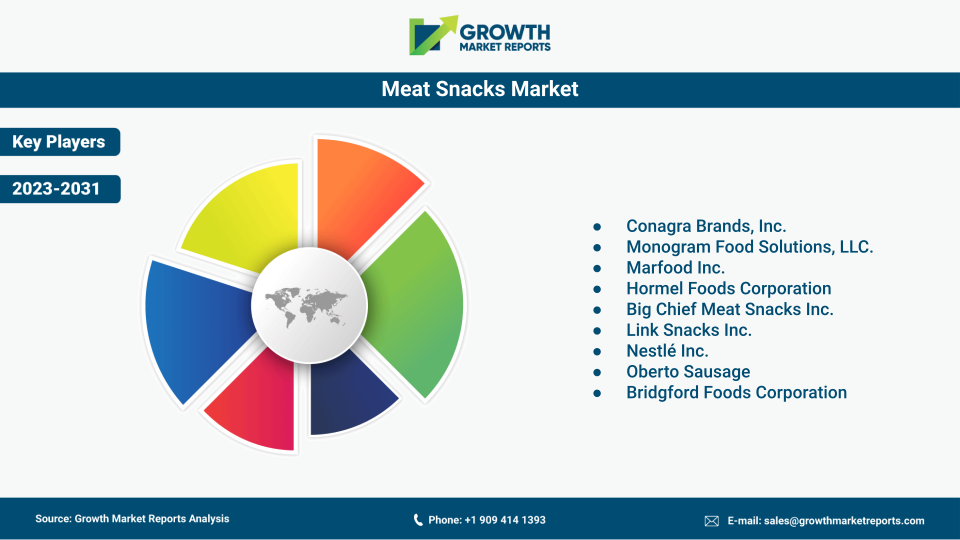
Key players competing in the meat snacks market include Conagra Brands, Inc., Monogram Food Solutions, LLC., Marfood Inc., Hormel Foods Corporation, Big Chief Meat Snacks Inc., Link Snacks, Inc., Nestlé Inc., Oberto Sausage Co, Inc., Bridgford Foods Corporation, Golden Valley Dairy Products, Meatsnacks Group, Werner Gourmet Meat Snacks, FireCreek Snacks, Country Archer Jerky Co., Stafford Meat Company, Copperstone Foods, LLC.
Yes, the Meat Snacks Market Research Report 2033 can be customized according to specific business needs.
Opportunities include developing healthier, clean-label products, expanding into emerging markets, and leveraging e-commerce. Challenges include rising raw material costs, environmental concerns, and regulatory compliance.
Key players include Jack Link’s, Conagra Brands (Slim Jim), Oberto Snacks Inc., General Mills (Epic Provisions), Hormel Foods Corporation, Bridgford Foods Corporation, and several regional and artisanal brands.
North America is the largest market, followed by Asia Pacific and Europe. Asia Pacific is expected to have the highest growth rate due to urbanization and rising disposable incomes.
Meat snacks are sold through supermarkets/hypermarkets, convenience stores, online retail, specialty stores, and other channels such as vending machines and foodservice outlets.
Popular flavors include original, spicy, teriyaki, barbecue, and innovative options like honey mustard, garlic, maple, and sriracha. Spicy and globally inspired flavors are particularly on the rise.
Meat snacks are commonly made from beef, pork, poultry, turkey, and exotic meats like venison and bison. There is also a growing trend towards plant-based meat snacks.
Jerky is the most popular product type, followed by sticks, bars, sausages, and emerging formats like meat chips and bites. Each caters to different consumer preferences and occasions.
Key growth drivers include rising demand for high-protein, convenient snacks, increasing health consciousness, innovation in flavors and product formats, and the expansion of distribution channels such as e-commerce.
The global meat snacks market reached USD 10.9 billion in 2024 and is projected to grow at a CAGR of 5.8% from 2025 to 2033, reaching USD 18.3 billion by 2033.