Segments - by Product Type (Epicardial LAA Closure Devices, Endocardial LAA Closure Devices), by Procedure (Percutaneous, Surgical), by End-User (Hospitals, Ambulatory Surgical Centers, Specialty Clinics, Others)
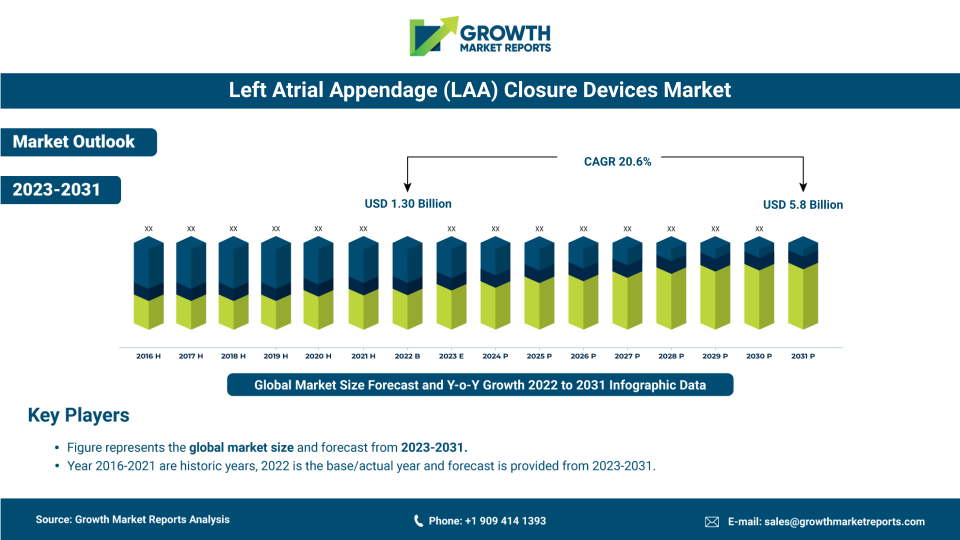
According to our latest research, the global left atrial appendage closure devices market size reached USD 1.82 billion in 2024, reflecting robust expansion driven by technological advancements and rising prevalence of atrial fibrillation (AF). The market is expected to register a CAGR of 17.4% from 2025 to 2033, with the total market value projected to climb to USD 6.24 billion by 2033. The primary growth factor fueling this trajectory is the increasing adoption of minimally invasive cardiac procedures and the growing awareness of stroke prevention strategies in patients with non-valvular atrial fibrillation.
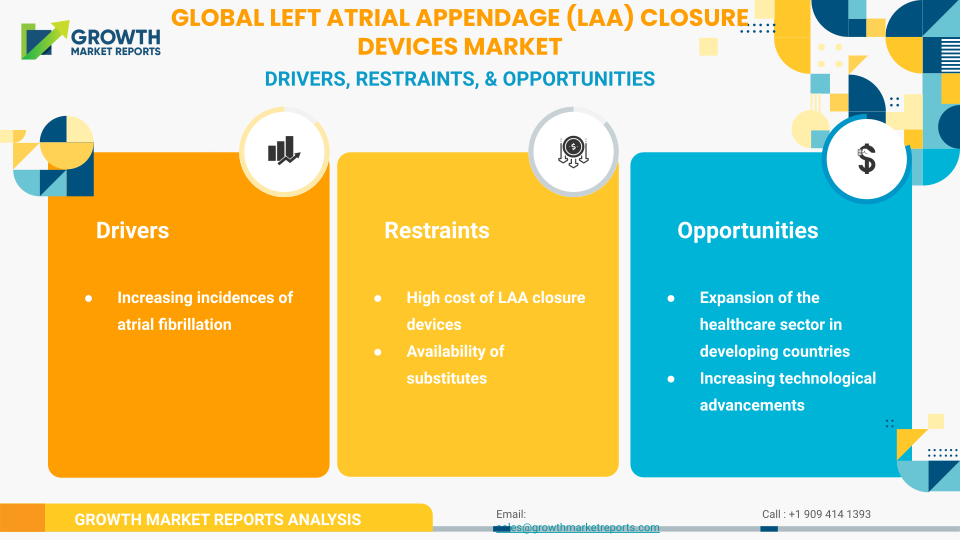
The demand for left atrial appendage closure devices is being propelled by the escalating incidence of atrial fibrillation globally, a condition that significantly elevates the risk of thromboembolic stroke. As the population ages, particularly in developed economies, the prevalence of AF is rising, necessitating advanced interventions for stroke prevention. Oral anticoagulants have been the mainstay of therapy; however, concerns regarding bleeding complications and contraindications in certain patient populations have amplified the need for alternative solutions. Left atrial appendage closure devices offer a compelling option for patients unsuitable for long-term anticoagulation, thereby broadening their clinical utility and driving market growth.
Technological innovation is another key growth driver in the left atrial appendage closure devices market. Manufacturers are investing heavily in research and development to enhance device efficacy, safety, and ease of implantation. The introduction of next-generation devices with improved conformability, retrievability, and reduced procedural complications is expanding the eligible patient pool and fostering physician confidence. Furthermore, increasing clinical evidence supporting the long-term effectiveness of these devices in stroke prevention is influencing guideline updates and reimbursement policies, which in turn is stimulating adoption rates across both developed and emerging markets.
Healthcare infrastructure improvements and favorable reimbursement scenarios in key markets are further catalyzing the expansion of the left atrial appendage closure devices market. In regions such as North America and Europe, supportive regulatory frameworks and the presence of well-established healthcare systems have facilitated rapid uptake of these devices. Meanwhile, emerging economies in Asia Pacific and Latin America are witnessing heightened investments in cardiovascular care, with governments and private players focusing on reducing the burden of stroke-related morbidity and mortality. This global push towards advanced cardiac care solutions is expected to sustain the marketÂ’s high growth momentum throughout the forecast period.
The Amplatzer Cardiac Plug is a noteworthy innovation in the realm of left atrial appendage closure devices. This device has been designed to provide an effective solution for patients who are at risk of thromboembolic events due to atrial fibrillation but are unable to tolerate long-term anticoagulation therapy. Its unique design allows for secure placement within the left atrial appendage, effectively reducing the risk of stroke. The Amplatzer Cardiac Plug is particularly valued for its ease of use and the ability to conform to various anatomical structures, making it a versatile option in diverse clinical scenarios. As the market for these devices expands, the Amplatzer Cardiac Plug continues to play a crucial role in advancing patient care and improving outcomes in atrial fibrillation management.
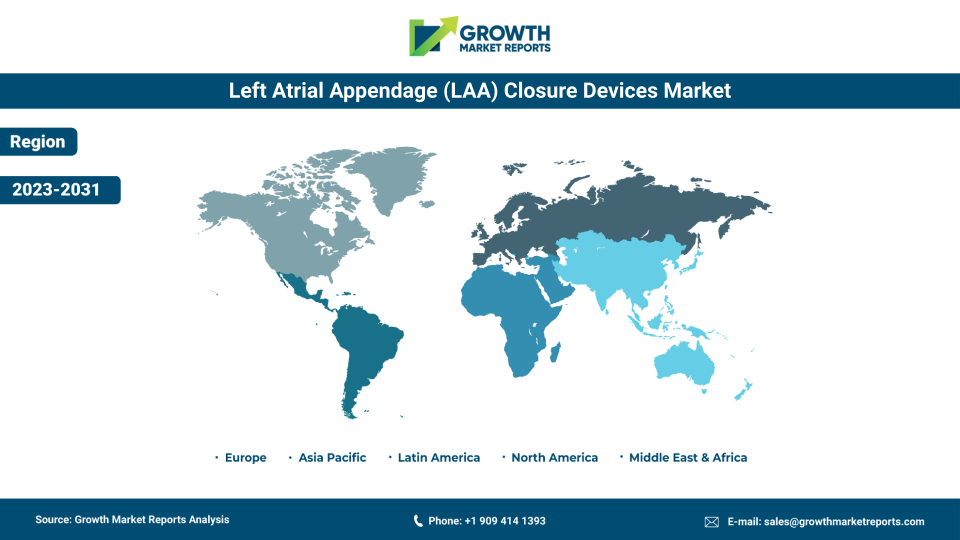
From a regional perspective, North America currently leads the global market, accounting for over 41% of total revenue in 2024, followed closely by Europe. The Asia Pacific region is anticipated to exhibit the fastest CAGR of 19.2% through 2033, fueled by a rapidly aging population, increasing healthcare expenditure, and growing awareness of atrial fibrillation management. Latin America and the Middle East & Africa are also experiencing steady growth, albeit from a smaller base, as access to advanced cardiovascular therapies improves. Overall, the global landscape for left atrial appendage closure devices is characterized by significant opportunities for expansion, underpinned by demographic trends, technological progress, and evolving clinical guidelines.
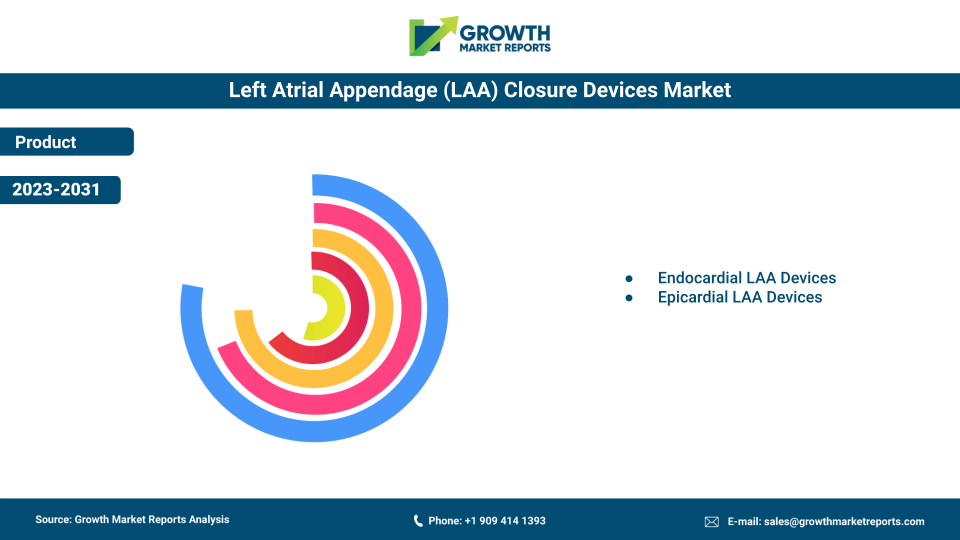
The left atrial appendage closure devices market is segmented by product type into epicardial and endocardial LAA closure devices, each offering distinct advantages and clinical applications. Endocardial LAA closure devices, which involve accessing the left atrial appendage through the vascular system, currently dominate the market due to their minimally invasive nature and extensive clinical validation. Devices such as the WATCHMAN and Amplatzer have set industry benchmarks, with large-scale studies demonstrating their efficacy in reducing stroke risk among patients with non-valvular atrial fibrillation. The ease of percutaneous delivery, reduced procedural times, and favorable safety profiles have cemented endocardial devices as the preferred choice in most clinical settings.
The introduction of the Transseptal Access Device has revolutionized the approach to minimally invasive cardiac procedures, particularly in the context of left atrial appendage closure. This device facilitates precise access to the left atrium, enabling the safe and efficient deployment of closure devices. Its development has been pivotal in enhancing procedural success rates and minimizing complications associated with transseptal puncture. The Transseptal Access Device is instrumental in broadening the applicability of percutaneous interventions, allowing more patients to benefit from advanced cardiac therapies. As healthcare providers continue to adopt these innovative solutions, the role of transseptal access devices in optimizing procedural outcomes and expanding the reach of minimally invasive cardiac care is increasingly recognized.
In contrast, epicardial LAA closure devices are typically employed in patients undergoing concomitant cardiac surgery or in cases where endocardial access is contraindicated. These devices are placed externally on the heartÂ’s surface, providing mechanical closure of the appendage. While the adoption rate of epicardial devices is currently lower compared to endocardial options, they offer significant benefits in select patient populations, such as those with challenging atrial anatomies or prior device failures. Continued innovation in device design and surgical techniques is expected to enhance the safety and effectiveness of epicardial solutions, thereby expanding their role in comprehensive AF management.
The competitive landscape within the product type segment is marked by ongoing research and development aimed at improving device performance and patient outcomes. Manufacturers are focusing on miniaturization, enhanced conformability, and retrievability to address anatomical variations and procedural complexities. The integration of advanced imaging technologies for real-time guidance during implantation is further optimizing procedural success rates. As clinical experience grows and long-term data accumulates, the differentiation between epicardial and endocardial devices will become more nuanced, with tailored solutions emerging for specific patient subgroups.
The Lp(a) Apheresis Device represents a significant advancement in the management of cardiovascular risk factors, particularly for patients with elevated lipoprotein(a) levels. This device is designed to selectively remove Lp(a) from the bloodstream, thereby reducing the risk of atherosclerotic cardiovascular disease. Its application is especially beneficial for patients who do not respond adequately to conventional lipid-lowering therapies. The integration of Lp(a) apheresis into clinical practice offers a targeted approach to managing cardiovascular risk, complementing existing therapeutic strategies. As awareness of the impact of Lp(a) on cardiovascular health grows, the demand for specialized devices like the Lp(a) Apheresis Device is expected to increase, providing new avenues for improving patient outcomes in cardiovascular care.
Market penetration for both product types is influenced by physician training, institutional expertise, and patient selection criteria. Endocardial devices are increasingly being adopted in ambulatory settings due to their less invasive approach, while epicardial devices remain primarily within the purview of specialized cardiac centers. The evolving clinical guidelines and reimbursement frameworks are also shaping product utilization patterns, with a trend towards personalized therapy based on patient risk profiles and comorbidities. Overall, the product type segment is poised for continued growth as new devices enter the market and existing technologies are refined to meet the diverse needs of the global AF population.
| Attributes | Details |
| Report Title | Left Atrial Appendage Closure Devices Market Research Report 2033 |
| By Product Type | Epicardial LAA Closure Devices, Endocardial LAA Closure Devices |
| By Procedure | Percutaneous, Surgical |
| By End-User | Hospitals, Ambulatory Surgical Centers, Specialty Clinics, Others |
| Regions Covered | North America, Europe, APAC, Latin America, MEA |
| Base Year | 2024 |
| Historic Data | 2018-2023 |
| Forecast Period | 2025-2033 |
| Number of Pages | 297 |
| Number of Tables & Figures | 336 |
| Customization Available | Yes, the report can be customized as per your need. |
The procedure segment of the left atrial appendage closure devices market is bifurcated into percutaneous and surgical approaches, each with distinct clinical pathways and patient selection criteria. Percutaneous procedures, which involve accessing the left atrial appendage via catheter-based techniques, have witnessed exponential growth in recent years. This surge is attributed to the minimally invasive nature of the approach, reduced hospital stays, and lower complication rates compared to traditional open-heart surgery. The widespread availability of advanced imaging modalities, such as transesophageal echocardiography and intracardiac echocardiography, has further enhanced the safety and precision of percutaneous LAA closure, making it the preferred option for a majority of patients.
Surgical LAA closure, on the other hand, is typically performed in conjunction with other cardiac surgeries, such as valve repair or coronary artery bypass grafting. While the surgical approach offers direct visualization and access to the appendage, it is inherently more invasive, necessitating longer recovery times and higher perioperative risk. Nevertheless, surgical LAA closure remains a vital option for patients who are already undergoing open-heart procedures or those with anatomical contraindications to percutaneous techniques. The development of minimally invasive surgical methods, including thoracoscopic and robotic-assisted approaches, is gradually reducing the invasiveness of surgical LAA closure, thereby broadening its applicability.
The choice between percutaneous and surgical procedures is influenced by a multitude of factors, including patient comorbidities, anatomical considerations, and institutional expertise. Percutaneous procedures are increasingly being performed on an outpatient basis, supported by streamlined protocols and enhanced post-procedural monitoring. This shift is driving higher procedure volumes and expanding access to LAA closure therapy, particularly in regions with well-established interventional cardiology networks. Surgical procedures, while less common, continue to play a crucial role in comprehensive cardiac care, especially in complex cases and high-risk patient cohorts.
Regulatory approvals and reimbursement policies are also shaping the procedural landscape, with many countries now recognizing percutaneous LAA closure as a viable alternative to long-term anticoagulation. Ongoing clinical trials and real-world studies are expected to provide further evidence supporting the safety and efficacy of both procedural approaches, thereby informing future guideline updates. As procedural techniques continue to evolve and operator experience increases, the procedural segment is anticipated to witness sustained growth, with a trend towards less invasive and more patient-centric interventions.
The end-user segment of the left atrial appendage closure devices market encompasses hospitals, ambulatory surgical centers (ASCs), specialty clinics, and other healthcare facilities. Hospitals currently represent the largest end-user segment, accounting for over 62% of total market revenue in 2024. This dominance is attributed to the availability of advanced infrastructure, skilled personnel, and comprehensive cardiac care services within hospital settings. Hospitals also serve as primary centers for complex and high-risk procedures, including both percutaneous and surgical LAA closure, making them the preferred choice for a majority of patients and referring physicians.
Ambulatory surgical centers are rapidly gaining traction as viable alternatives to traditional hospital-based care, particularly for percutaneous LAA closure procedures. The growing emphasis on cost containment, patient convenience, and streamlined care pathways is driving the shift towards ASCs, which offer shorter procedure times, reduced hospital stays, and lower overall costs. The proliferation of ASCs is particularly notable in developed markets such as the United States and Western Europe, where regulatory frameworks and reimbursement policies support outpatient cardiac interventions. As procedural safety and device reliability continue to improve, the role of ASCs in LAA closure therapy is expected to expand further.
Specialty clinics, including dedicated electrophysiology and cardiology centers, are emerging as important end-users in the left atrial appendage closure devices market. These clinics often cater to specific patient populations, such as those with complex arrhythmias or high stroke risk, providing specialized care and personalized treatment plans. The focus on multidisciplinary collaboration, patient education, and long-term follow-up is enhancing outcomes and patient satisfaction in these settings. Specialty clinics are particularly well-positioned to drive adoption of novel devices and procedural innovations, given their expertise and commitment to evidence-based practice.
Other healthcare facilities, including academic medical centers and government-funded institutions, also contribute to market growth by serving as hubs for clinical research, training, and technology evaluation. These institutions play a critical role in generating real-world evidence, conducting post-market surveillance, and facilitating knowledge transfer to community-based providers. As the market continues to evolve, collaboration between different end-user segments will be essential to ensure equitable access to LAA closure therapy and optimize patient outcomes across diverse healthcare settings.
The left atrial appendage closure devices market is poised for significant opportunities in the coming years, driven by ongoing advancements in device technology and expanding clinical indications. The increasing prevalence of atrial fibrillation, particularly in aging populations, is creating a substantial pool of patients who may benefit from LAA closure therapy. Emerging markets, such as Asia Pacific and Latin America, present untapped opportunities for market expansion, supported by rising healthcare investments, improving access to advanced cardiac care, and growing awareness of stroke prevention strategies. Additionally, the integration of artificial intelligence and advanced imaging modalities into procedural planning and execution is expected to enhance procedural outcomes and broaden the eligible patient pool.
Collaborative partnerships between device manufacturers, healthcare providers, and regulatory agencies are fostering innovation and accelerating the adoption of new technologies. The development of next-generation LAA closure devices with enhanced safety profiles, simplified implantation procedures, and improved long-term durability is expected to drive market growth. Furthermore, ongoing clinical trials exploring the use of LAA closure devices in broader patient populations, including those with contraindications to anticoagulation or high bleeding risk, have the potential to expand the clinical utility of these devices. Favorable reimbursement policies and guideline updates recognizing the value of LAA closure therapy are also contributing to increased adoption rates and market penetration.
Despite the numerous opportunities, the left atrial appendage closure devices market faces several restraining factors that could impede growth. High procedural costs, particularly in developing regions with limited healthcare budgets, remain a significant barrier to widespread adoption. Additionally, the need for specialized training and expertise to perform LAA closure procedures may limit access in certain settings, particularly in rural or resource-constrained areas. Regulatory challenges, including lengthy approval processes and post-market surveillance requirements, can also delay the introduction of new devices and technologies. Addressing these challenges will be critical to ensuring sustained market growth and maximizing the benefits of LAA closure therapy for patients worldwide.
North America remains the leading regional market for left atrial appendage closure devices, accounting for approximately USD 748 million in revenue in 2024. The regionÂ’s dominance is underpinned by advanced healthcare infrastructure, high prevalence of atrial fibrillation, and strong adoption of minimally invasive cardiac interventions. The United States, in particular, is a major contributor to regional growth, supported by favorable reimbursement policies, robust clinical research networks, and a large pool of experienced interventional cardiologists. Canada is also witnessing steady growth, driven by increasing awareness of stroke prevention and expanding access to advanced cardiac therapies. North America is expected to maintain its leadership position throughout the forecast period, with a projected CAGR of 16.2% from 2025 to 2033.
Europe is the second-largest regional market, with total revenues reaching USD 546 million in 2024. The region benefits from well-established healthcare systems, supportive regulatory frameworks, and a strong focus on evidence-based medicine. Key markets such as Germany, the United Kingdom, and France are at the forefront of LAA closure device adoption, driven by high disease prevalence, government initiatives to reduce stroke-related morbidity, and active participation in clinical trials. The European market is characterized by a high level of physician expertise, widespread availability of advanced imaging technologies, and increasing patient demand for minimally invasive procedures. With a projected CAGR of 17.8% through 2033, Europe is expected to remain a key growth engine for the global market.
The Asia Pacific region is emerging as the fastest-growing market for left atrial appendage closure devices, with revenues reaching USD 385 million in 2024. Rapid urbanization, an expanding middle class, and rising healthcare expenditure are driving increased adoption of advanced cardiac interventions in countries such as China, Japan, and India. The region is witnessing a surge in AF diagnosis rates, coupled with growing awareness of stroke prevention and improved access to specialized care. Government initiatives to modernize healthcare infrastructure and expand insurance coverage are further supporting market growth. With a projected CAGR of 19.2% from 2025 to 2033, Asia Pacific is expected to capture a larger share of the global market in the coming years. Latin America and the Middle East & Africa, while currently representing smaller market shares, are also experiencing steady growth as access to advanced cardiac therapies improves and awareness of atrial fibrillation management increases.
The competitive landscape of the left atrial appendage closure devices market is characterized by the presence of several global and regional players, each striving to enhance their market position through innovation, strategic partnerships, and geographical expansion. Leading companies are focused on developing next-generation devices with improved safety profiles, ease of use, and long-term durability. The market is highly dynamic, with frequent product launches, clinical trial updates, and regulatory approvals shaping the competitive environment. Companies are also investing in physician training, patient education, and post-market surveillance to support device adoption and ensure optimal outcomes.
Mergers and acquisitions are a common strategy among major players seeking to expand their product portfolios and enter new markets. Strategic collaborations with healthcare providers, research institutions, and regulatory agencies are facilitating the development of innovative solutions and accelerating the adoption of LAA closure therapy. The competitive landscape is further influenced by the entry of new players, particularly in emerging markets, who are introducing cost-effective devices tailored to local needs. Intellectual property protection, regulatory compliance, and reimbursement strategies are critical factors influencing competitive success in this market.
Key players are also leveraging digital health technologies and advanced imaging solutions to enhance procedural planning, device placement, and post-procedural monitoring. The integration of artificial intelligence and machine learning into clinical workflows is expected to drive further differentiation and value creation in the market. Companies are increasingly focusing on patient-centric approaches, including personalized therapy selection, remote monitoring, and long-term follow-up, to improve patient satisfaction and outcomes. The emphasis on real-world evidence generation and data-driven decision-making is shaping product development and commercialization strategies across the industry.
Some of the major companies operating in the left atrial appendage closure devices market include Boston Scientific Corporation, Abbott Laboratories, Johnson & Johnson (Biosense Webster), AtriCure, Inc., and Lifetech Scientific. Boston Scientific is a market leader with its WATCHMAN device, which has set the standard for endocardial LAA closure and is supported by extensive clinical evidence. Abbott Laboratories offers the Amplatzer Amulet device, known for its versatility and ease of use in diverse patient populations. Johnson & Johnson, through its Biosense Webster subsidiary, is actively involved in research and development of innovative electrophysiology solutions, including LAA closure devices. AtriCure specializes in surgical and minimally invasive cardiac therapies, with a strong focus on epicardial LAA closure solutions. Lifetech Scientific is a prominent player in the Asia Pacific region, offering a range of cost-effective devices tailored to local market needs. These companies are continuously investing in product innovation, clinical research, and market expansion to maintain their competitive edge and capitalize on the growing demand for LAA closure therapy worldwide.
The Left Atrial Appendage Closure Devices market has been segmented on the basis of
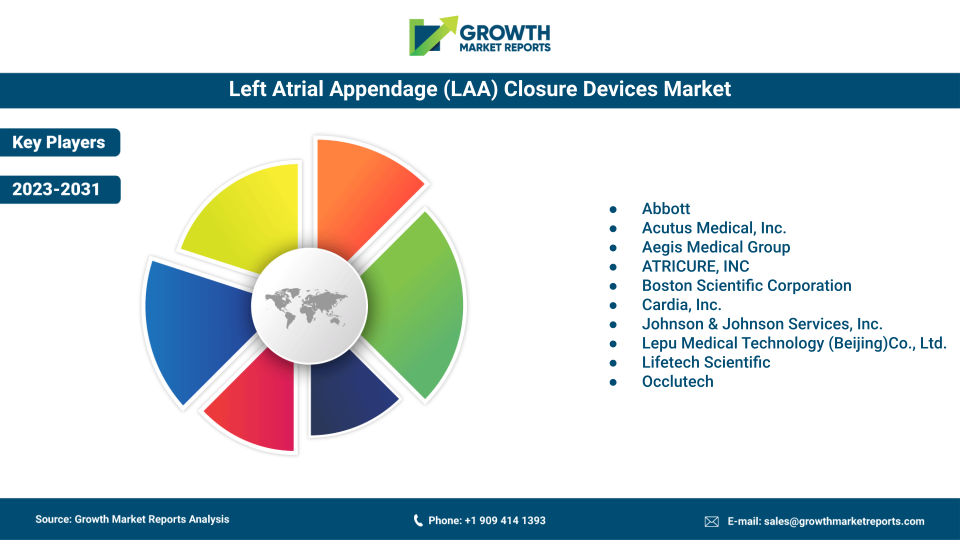
Key players competing in the global left atrial appendage closure devices market are Abbott; Acutus Medical, Inc.; Aegis Medical Group; ATRICURE, INC; Boston Scientific Corporation; Cardia, Inc.; Johnson & Johnson Services, Inc.; Lepu Medical Technology (Beijing)Co., Ltd.; Lifetech Scientific; and Occlutech.
These key players adopt various strategies including mergers, acquisitions, collaboration, partnerships, product launches, and production expansion to expand their consumer base globally.
In June 2022, Acutus Medical, Inc. launched an expanded suite of left-heart access products to include the AcQCross Qx system for the use with the TruSeal (TM) and FXD (TM) delivery system for the WATCHMAN LAAC Device.
Yes, the report offers customization options to meet specific client needs.
Technological innovations such as advanced imaging, device miniaturization, and integration of artificial intelligence are improving device efficacy, safety, and procedural outcomes.
Major players include Boston Scientific Corporation, Abbott Laboratories, Johnson & Johnson (Biosense Webster), AtriCure, Inc., and Lifetech Scientific Corporation.
Opportunities include technological advancements, expanding clinical indications, and growth in emerging markets. Challenges include high procedural costs, need for specialized training, and regulatory hurdles.
Hospitals are the largest end-users, followed by ambulatory surgical centers, specialty clinics, and other healthcare facilities like academic medical centers.
Procedures are divided into percutaneous (catheter-based, minimally invasive) and surgical approaches. Percutaneous procedures are preferred due to lower complication rates and shorter hospital stays.
North America leads the market, accounting for over 41% of revenue in 2024, followed by Europe. The Asia Pacific region is expected to have the fastest growth, with a projected CAGR of 19.2% through 2033.
The market is segmented into epicardial and endocardial LAA closure devices. Endocardial devices, such as WATCHMAN and Amplatzer, dominate due to their minimally invasive nature and strong clinical validation.
Key growth drivers include rising prevalence of atrial fibrillation, increasing adoption of minimally invasive cardiac procedures, technological advancements, and growing awareness of stroke prevention strategies.
The global left atrial appendage closure devices market reached USD 1.82 billion in 2024 and is expected to grow at a CAGR of 17.4% from 2025 to 2033, reaching USD 6.24 billion by 2033.