Segments - by Product (Probiotics, Prebiotics, Food, Medical Foods, Diagnostic Devices, Drugs, Others), by Application (Therapeutics, Diagnostics, Others), by Disease (Infectious Diseases, Metabolic Disorders, Gastrointestinal Diseases, Cancer, Others), by End-User (Hospitals & Clinics, Research & Academic Institutes, Pharmaceutical & Biotechnology Companies, Others)
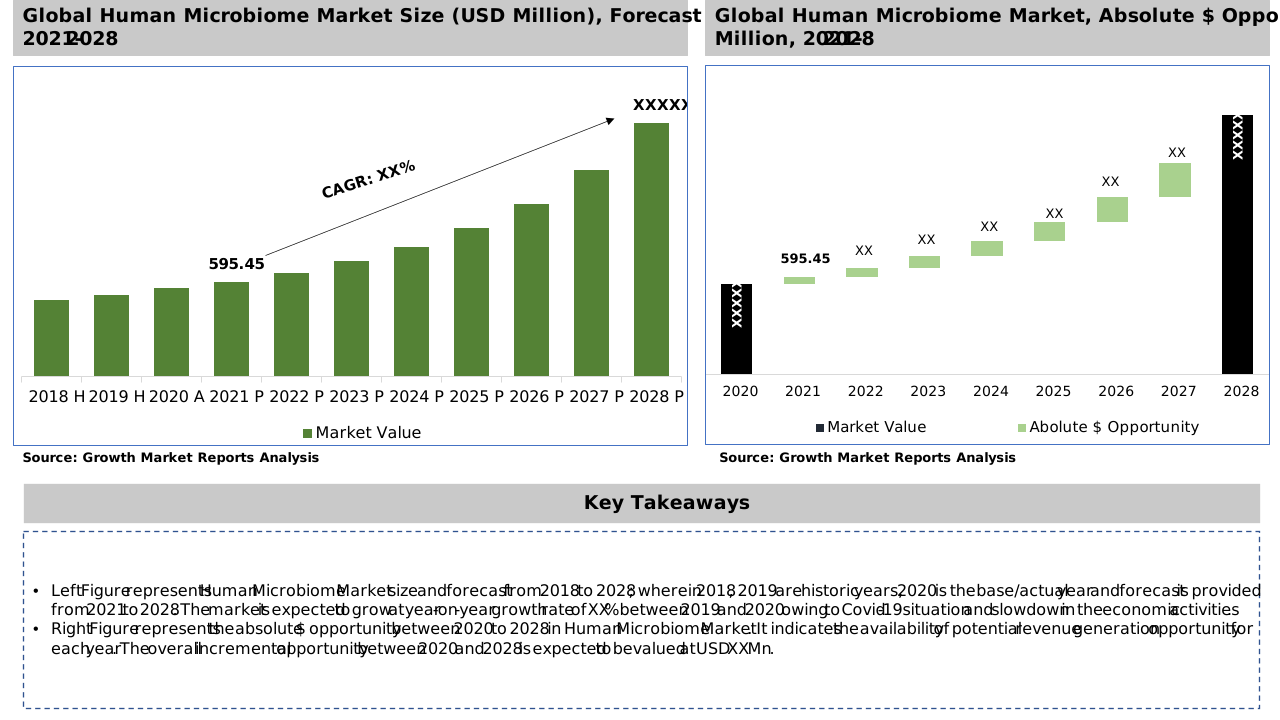
According to our latest research, the global human microbiome market size reached USD 1.85 billion in 2024, reflecting robust industry momentum. The market is poised to grow at a CAGR of 21.7% from 2025 to 2033, with forecasts indicating a value of approximately USD 13.2 billion by 2033. This remarkable expansion is primarily driven by the increasing recognition of the microbiomeÂ’s role in human health, coupled with technological advancements in genomics and next-generation sequencing. The rising prevalence of chronic diseases and the growing demand for personalized medicine are further accelerating the adoption of microbiome-based products and solutions worldwide.
One of the primary growth drivers for the human microbiome market is the surge in research activities focused on understanding the complex interactions between the microbiome and human physiology. The proliferation of advanced sequencing technologies has enabled researchers to decode the vast diversity of microorganisms inhabiting the human body, uncovering their impact on health and disease. This, in turn, has spurred the development of innovative diagnostic tools and therapeutic interventions targeting the microbiome. Pharmaceutical and biotechnology companies are increasingly investing in microbiome research, aiming to develop novel drugs and probiotics that can modulate the microbiota for improved clinical outcomes, particularly in areas such as gastrointestinal health, metabolic disorders, and immune modulation.
Another significant growth factor is the rising consumer awareness regarding the importance of gut health and its influence on overall well-being. This trend is driving demand for microbiome-based food products, supplements, and medical foods, as consumers seek preventive healthcare solutions. The increasing prevalence of lifestyle-related disorders, such as obesity, diabetes, and gastrointestinal diseases, has further fueled interest in microbiome-targeted interventions. Additionally, regulatory agencies have begun to recognize the potential of microbiome-based therapies, streamlining approval pathways and fostering a supportive environment for product development. This regulatory evolution is expected to catalyze market growth by facilitating the introduction of safe and effective microbiome products.
Collaborative efforts between academic institutions, research organizations, and industry players are also contributing to market expansion. Public and private funding initiatives are supporting large-scale microbiome projects, enabling the discovery of new microbial biomarkers and therapeutic targets. Strategic partnerships and mergers are becoming increasingly common, as companies seek to leverage complementary expertise and accelerate product commercialization. The integration of artificial intelligence and machine learning into microbiome research is further enhancing data analysis capabilities, paving the way for personalized and precision medicine approaches. These collaborative and technological advancements are expected to sustain the marketÂ’s upward trajectory over the forecast period.
Regionally, North America dominates the human microbiome market, accounting for the largest revenue share in 2024, followed closely by Europe. The presence of leading research institutions, a well-established healthcare infrastructure, and favorable government initiatives have positioned these regions at the forefront of microbiome innovation. The Asia Pacific market is emerging as a high-growth region, driven by increasing healthcare investments, rising awareness of microbiome science, and expanding biopharmaceutical industries. Latin America and the Middle East & Africa are also witnessing gradual growth, supported by improving healthcare access and growing research collaborations. However, regional disparities in regulatory frameworks and market maturity may influence the pace of adoption in these markets.
The integration of AI Microbiome Drug Discovery is revolutionizing the way researchers approach the development of new therapeutics. By leveraging artificial intelligence, scientists are able to analyze vast datasets of microbiome information to identify potential drug candidates more efficiently. This approach not only accelerates the drug discovery process but also enhances the precision of targeting specific microbial interactions that contribute to disease. As the field of microbiome research continues to expand, the use of AI in drug discovery is expected to play a crucial role in bringing innovative treatments to market, ultimately improving patient outcomes and advancing personalized medicine.
The human microbiome market is segmented by product into probiotics, prebiotics, food, medical foods, diagnostic devices, drugs, and others. Probiotics represent a significant share of the market, driven by their widespread use in promoting gut health and preventing gastrointestinal disorders. The increasing consumer preference for natural and preventive healthcare solutions has propelled the demand for probiotic supplements and functional foods. Companies are continuously innovating to develop multi-strain and targeted probiotic formulations, catering to specific health needs such as immunity, digestion, and mental well-being. The expanding retail and online distribution channels have also facilitated greater accessibility and consumer engagement, further boosting market growth in this segment.
Prebiotics are another vital product category, experiencing substantial growth due to their role in stimulating the growth of beneficial gut bacteria. Prebiotics are increasingly incorporated into dietary supplements, infant formulas, and functional foods, as consumers become more aware of their health benefits. The synergistic use of prebiotics and probiotics, known as synbiotics, is gaining traction, offering enhanced therapeutic potential. Research and development efforts are focused on identifying novel prebiotic compounds and optimizing their efficacy. Regulatory support for health claims related to prebiotics is also contributing to market expansion, particularly in developed regions where consumer education is high.
Medical foods and diagnostic devices are emerging as promising segments within the human microbiome market. Medical foods designed to manage specific health conditions, such as irritable bowel syndrome and metabolic disorders, are witnessing increased adoption among patients and healthcare providers. Diagnostic devices, including next-generation sequencing platforms and microbiome analysis kits, are revolutionizing disease detection and monitoring by providing comprehensive insights into microbial composition and function. The integration of advanced bioinformatics tools is enhancing the accuracy and clinical utility of microbiome diagnostics, supporting the shift towards personalized healthcare.
The drugs segment, though currently in its nascent stage, holds significant long-term potential. Pharmaceutical companies are actively pursuing the development of microbiome-based therapeutics for a range of conditions, including infectious diseases, cancer, and metabolic disorders. Clinical trials are underway to evaluate the safety and efficacy of live biotherapeutic products and microbiota transplants. Regulatory agencies are working to establish clear guidelines for the approval of these novel therapies, which is expected to accelerate their entry into the market. As scientific understanding of the microbiomeÂ’s role in disease pathogenesis deepens, the drugs segment is anticipated to become a major growth driver in the coming years.
Other product categories, such as postbiotics and synbiotics, are also gaining attention as research uncovers new mechanisms of action and health benefits. Companies are exploring innovative delivery systems and formulations to enhance product stability and bioavailability. The competitive landscape is characterized by a mix of established players and emerging startups, all striving to capture a share of this rapidly evolving market. Strategic collaborations, licensing agreements, and mergers are common strategies employed to strengthen product portfolios and accelerate commercialization. Overall, the product segment analysis underscores the dynamic and multifaceted nature of the human microbiome market.
| Attributes | Details |
| Report Title | Human Microbiome Market Market Research Report 2033 |
| By Product | Probiotics, Prebiotics, Food, Medical Foods, Diagnostic Devices, Drugs, Others |
| By Application | Therapeutics, Diagnostics, Others |
| By Disease | Infectious Diseases, Metabolic Disorders, Gastrointestinal Diseases, Cancer, Others |
| By End-User | Hospitals & Clinics, Research & Academic Institutes, Pharmaceutical & Biotechnology Companies, Others |
| Regions Covered | North America, Europe, APAC, Latin America, MEA |
| Base Year | 2024 |
| Historic Data | 2018-2023 |
| Forecast Period | 2025-2033 |
| Number of Pages | 295 |
| Number of Tables & Figures | 276 |
| Customization Available | Yes, the report can be customized as per your need. |
Within the human microbiome market, applications are broadly categorized into therapeutics, diagnostics, and others. Therapeutics constitute the largest application segment, driven by the growing body of evidence linking the microbiome to various health conditions. Microbiome-based therapies are being developed to address unmet medical needs in areas such as gastrointestinal disorders, metabolic diseases, and immune-related conditions. The ability to modulate the microbiome through targeted interventions offers a novel approach to disease management, with the potential to improve patient outcomes and reduce healthcare costs. Clinical research is increasingly focused on identifying specific microbial strains and metabolites with therapeutic potential, fueling innovation in this segment.
Diagnostics represent a rapidly expanding application area, as advancements in sequencing technologies and bioinformatics enable comprehensive profiling of the human microbiome. Diagnostic tools are being used to detect microbial imbalances associated with diseases, monitor treatment responses, and stratify patients for personalized therapies. The adoption of non-invasive sampling methods, such as stool and saliva analysis, has enhanced patient convenience and compliance. Companies are developing user-friendly microbiome testing kits for both clinical and consumer use, broadening the marketÂ’s reach. The integration of artificial intelligence and machine learning is further improving the accuracy and predictive value of microbiome diagnostics.
The “others” application segment encompasses research, academic, and industrial uses of microbiome data and products. Academic and research institutions are leveraging microbiome analysis to advance our understanding of host-microbe interactions and disease mechanisms. Industrial applications include the use of microbiome insights in food production, agriculture, and cosmetics, where microbial interventions can enhance product quality and safety. The cross-disciplinary nature of microbiome research is fostering collaborations across sectors, driving innovation and expanding the market’s scope. Regulatory agencies are also utilizing microbiome data to inform public health policies and guidelines, highlighting the broader societal impact of microbiome applications.
Microbiome Diversity Support Supplements are gaining traction as a means to enhance gut health and overall well-being. These supplements are formulated to promote a balanced and diverse microbiome, which is essential for optimal digestive function and immune support. By providing a range of beneficial bacteria and prebiotic fibers, these products help maintain microbial equilibrium, potentially reducing the risk of gastrointestinal disorders and other health issues. As consumer awareness of the importance of microbiome diversity grows, the demand for these supplements is expected to increase, driving further innovation and research in the field.
The therapeutic application segment is expected to witness the highest growth rate over the forecast period, as more microbiome-based drugs and interventions receive regulatory approval and enter clinical practice. The diagnostics segment is also poised for substantial growth, supported by increasing demand for precision medicine and early disease detection. The availability of large-scale microbiome datasets and advanced analytical tools is accelerating the discovery of new biomarkers and therapeutic targets. As the clinical utility of microbiome applications becomes more widely recognized, healthcare providers are integrating these tools into routine practice, further driving market adoption.
Overall, the application analysis reveals a vibrant landscape characterized by rapid innovation and expanding use cases. The convergence of therapeutic and diagnostic approaches is enabling a more holistic and personalized approach to healthcare, positioning the human microbiome market as a key enabler of the next generation of medical solutions.
The human microbiome market addresses a diverse array of disease categories, including infectious diseases, metabolic disorders, gastrointestinal diseases, cancer, and others. Infectious diseases are a major focus area, as the microbiome plays a critical role in modulating host immunity and pathogen resistance. Probiotics and microbiome-based therapeutics are being explored as adjunct treatments for infections such as Clostridium difficile, Helicobacter pylori, and antibiotic-associated diarrhea. The development of targeted microbial interventions offers a promising strategy to combat antibiotic resistance and improve infection outcomes, particularly in vulnerable populations such as the elderly and immunocompromised.
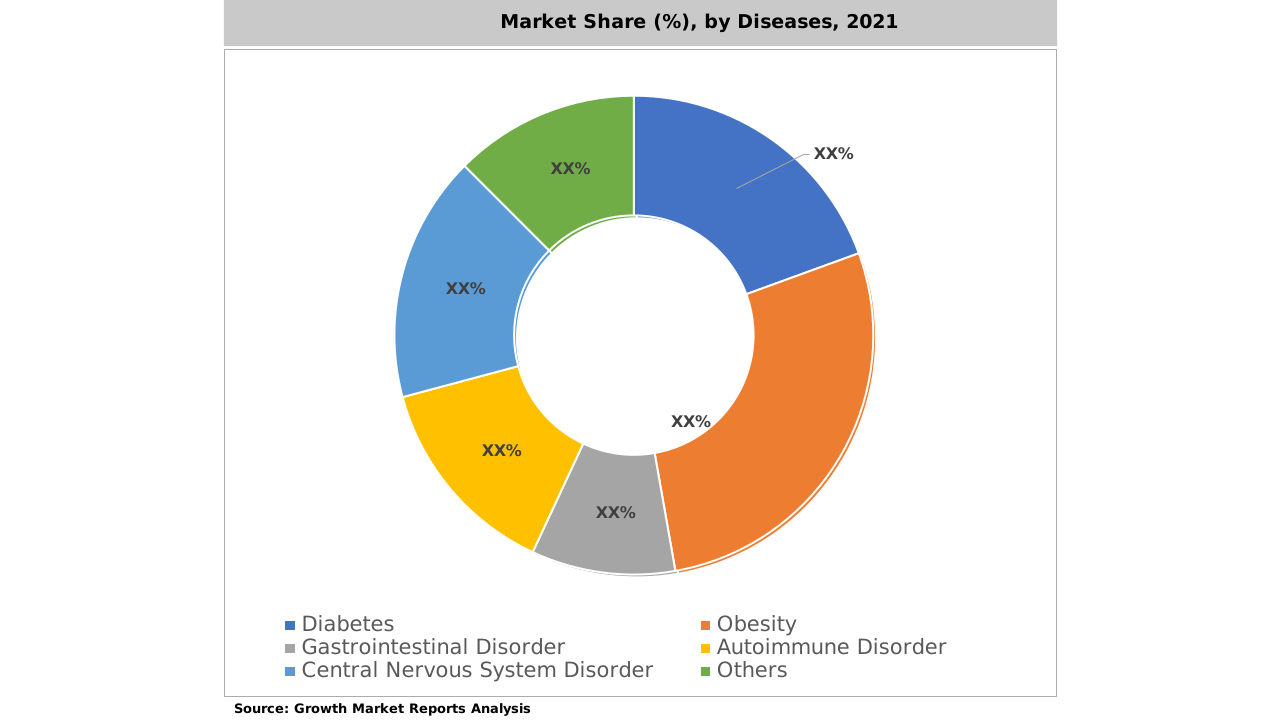
Metabolic disorders, including obesity, diabetes, and non-alcoholic fatty liver disease, represent another significant disease segment within the human microbiome market. Emerging research has demonstrated strong associations between gut microbiota composition and metabolic health, paving the way for microbiome-targeted interventions. Probiotics, prebiotics, and dietary modifications are being investigated for their potential to modulate metabolic pathways and improve insulin sensitivity. Clinical trials are evaluating the efficacy of microbiome-based therapies in preventing and managing metabolic diseases, with promising early results. The growing prevalence of lifestyle-related disorders is expected to drive continued investment and innovation in this segment.
Gastrointestinal diseases remain a cornerstone of microbiome research and product development. Conditions such as irritable bowel syndrome, inflammatory bowel disease, and colorectal cancer have been linked to dysbiosis, or imbalances in the gut microbiota. Therapeutic strategies aimed at restoring microbial balance, including fecal microbiota transplantation and targeted probiotics, are gaining traction among clinicians and patients. Diagnostic tools that assess gut microbiota composition are being used to guide personalized treatment plans and monitor disease progression. The integration of microbiome-based approaches into standard care protocols is expected to improve outcomes and reduce healthcare costs associated with gastrointestinal diseases.
The role of the microbiome in cancer is an emerging area of interest, with studies indicating that microbial composition can influence cancer risk, progression, and response to therapy. Researchers are exploring the use of microbiome profiling to identify cancer biomarkers, predict treatment responses, and develop adjunctive therapies. The potential to enhance the efficacy of immunotherapies through microbiome modulation is a particularly promising avenue. As scientific understanding of the microbiome-cancer axis deepens, new opportunities are expected to arise for microbiome-based diagnostics and therapeutics in oncology.
Other disease areas, such as autoimmune disorders, neurological conditions, and allergies, are also being investigated for their links to the microbiome. The expanding scope of microbiome research is uncovering novel mechanisms of disease and identifying new therapeutic targets. As the evidence base grows, the human microbiome market is expected to play an increasingly central role in the prevention, diagnosis, and treatment of a wide range of health conditions.
The human microbiome market serves a diverse range of end-users, including hospitals and clinics, research and academic institutes, pharmaceutical and biotechnology companies, and others. Hospitals and clinics represent a major end-user segment, driven by the integration of microbiome-based diagnostics and therapeutics into clinical practice. Healthcare providers are increasingly utilizing microbiome analysis to inform treatment decisions, monitor disease progression, and personalize patient care. The adoption of microbiome interventions in hospital settings is supported by growing clinical evidence and favorable reimbursement policies, particularly in developed markets.
Research and academic institutes are at the forefront of microbiome discovery and innovation. These institutions are conducting large-scale studies to elucidate the role of the microbiome in health and disease, identify novel biomarkers, and develop new therapeutic strategies. Collaboration between academia and industry is accelerating the translation of research findings into commercial products. Funding from government agencies, non-profit organizations, and private investors is supporting groundbreaking microbiome research, positioning academic institutions as key drivers of market growth.
Pharmaceutical and biotechnology companies are increasingly investing in the development of microbiome-based drugs, diagnostics, and supplements. These companies are leveraging advanced technologies, such as next-generation sequencing and bioinformatics, to identify microbial targets and develop innovative products. Strategic partnerships, mergers, and acquisitions are common strategies employed to expand product portfolios and accelerate time-to-market. The competitive landscape is characterized by a mix of established pharmaceutical giants and agile biotech startups, all vying to capture a share of the rapidly growing microbiome market.
Other end-users, such as contract research organizations, food and beverage companies, and nutraceutical manufacturers, are also engaging with the human microbiome market. These stakeholders are utilizing microbiome insights to develop new products, improve quality control, and enhance consumer health outcomes. The cross-sectoral nature of the market is fostering collaboration and innovation, driving the development of integrated solutions that address a wide range of health and wellness needs.
The end-user analysis highlights the broad and multifaceted demand for microbiome products and services. As awareness of the microbiomeÂ’s importance continues to grow, adoption is expected to increase across all end-user segments, further propelling market expansion.
The human microbiome market presents significant opportunities for growth and innovation. One of the most promising avenues is the development of personalized microbiome-based therapies and diagnostics. As scientific understanding of the microbiomeÂ’s role in individual health deepens, companies have the opportunity to create targeted interventions that address specific patient needs. This personalized approach has the potential to revolutionize disease prevention, diagnosis, and treatment, offering improved outcomes and reduced side effects. The integration of artificial intelligence and machine learning into microbiome research is further enhancing data analysis capabilities, enabling the identification of novel biomarkers and therapeutic targets. Companies that invest in these cutting-edge technologies and personalized solutions are well-positioned to capture a competitive advantage in the market.
Another key opportunity lies in expanding the application of microbiome science beyond traditional healthcare settings. The use of microbiome insights in food production, agriculture, and consumer health products is gaining traction, opening new revenue streams for market participants. The growing demand for functional foods, dietary supplements, and probiotic-rich products reflects a broader shift towards preventive and holistic healthcare. Companies that can effectively bridge the gap between scientific research and consumer products are likely to benefit from increasing consumer awareness and demand. Additionally, public and private funding initiatives are supporting large-scale microbiome projects, fostering collaboration between academia, industry, and government agencies. These collaborative efforts are expected to drive innovation and accelerate the commercialization of new microbiome-based solutions.
Despite the numerous opportunities, the human microbiome market faces several challenges and restraining factors. One of the primary threats is the complexity and variability of the human microbiome, which makes it difficult to establish standardized protocols and regulatory frameworks. The lack of consensus on clinical endpoints and biomarkers poses challenges for product development and approval. Regulatory uncertainty can delay the introduction of new products and increase development costs. Additionally, concerns regarding the safety and long-term effects of microbiome-based interventions may hinder adoption among healthcare providers and patients. Addressing these challenges will require ongoing collaboration between industry stakeholders, regulatory agencies, and the scientific community to establish clear guidelines and ensure the safety and efficacy of microbiome products.
North America continues to be the dominant region in the human microbiome market, accounting for more than 48% of the global revenue in 2024, equivalent to approximately USD 890 million. The regionÂ’s leadership is attributed to its advanced healthcare infrastructure, presence of leading research institutions, and strong government support for microbiome research and innovation. The United States, in particular, has witnessed significant investment from both public and private sectors, fostering a vibrant ecosystem for microbiome product development. The adoption of microbiome-based diagnostics and therapeutics in clinical practice is higher in North America compared to other regions, driven by favorable reimbursement policies and high consumer awareness.
Europe is the second-largest market, capturing around 32% of the global market share, with a value of approximately USD 590 million in 2024. The region benefits from a robust regulatory framework, strong academic research networks, and growing investment in biotechnology. Countries such as Germany, the United Kingdom, and France are at the forefront of microbiome research, supported by government funding and industry partnerships. The European market is characterized by a high level of consumer awareness and demand for functional foods and supplements, further driving growth. The region is expected to register a steady CAGR of 20.5% over the forecast period, reflecting sustained innovation and market expansion.
The Asia Pacific region is emerging as a high-growth market, with a current value of USD 270 million in 2024 and projected to grow at a CAGR of 25.2% through 2033. Increasing healthcare investments, rising prevalence of chronic diseases, and expanding biopharmaceutical industries are key drivers of market growth in this region. Countries such as China, Japan, and India are investing in microbiome research and infrastructure, supported by government initiatives and international collaborations. The Asia Pacific market is characterized by a large and diverse population, offering significant opportunities for market players to expand their footprint. Latin America and the Middle East & Africa are also witnessing gradual growth, supported by improving healthcare access and growing research collaborations, with combined market values not exceeding USD 100 million in 2024.
The competitive landscape of the human microbiome market is dynamic and rapidly evolving, characterized by intense innovation and a mix of established players and emerging startups. Leading companies are investing heavily in research and development to discover new microbial strains, develop advanced diagnostics, and create novel therapeutics. Strategic partnerships, mergers, and acquisitions are common, as companies seek to expand their product portfolios, access new technologies, and accelerate commercialization. Collaborations between industry, academia, and research organizations are also fostering innovation and driving the development of integrated solutions that address a wide range of health conditions.
Intellectual property and patent protection are critical competitive factors in the market, with companies vying to secure proprietary technologies and formulations. The regulatory landscape is also shaping competition, as companies that can successfully navigate approval pathways and demonstrate product safety and efficacy are better positioned to capture market share. The integration of artificial intelligence and digital health technologies is emerging as a key differentiator, enabling companies to enhance data analysis, improve product development, and deliver personalized solutions. Market leaders are also focusing on expanding their global footprint through partnerships, distribution agreements, and direct-to-consumer channels.
The influx of venture capital and private equity investment is fueling the growth of innovative startups in the human microbiome market. These companies are leveraging cutting-edge technologies, such as next-generation sequencing, machine learning, and synthetic biology, to develop disruptive products and services. The competitive landscape is further intensified by the entry of large pharmaceutical and biotechnology companies, which bring significant resources and expertise to the market. As competition intensifies, companies are increasingly focused on demonstrating clinical value, building robust evidence bases, and engaging with healthcare providers and patients to drive adoption.
Some of the major companies operating in the human microbiome market include Seres Therapeutics, Enterome Bioscience, DuPont Nutrition & Health (now part of IFF), Yakult Honsha, Second Genome, AOBiome, Vedanta Biosciences, Synlogic, and Ferring Pharmaceuticals. Seres Therapeutics is a pioneer in microbiome therapeutics, with a strong pipeline of drugs targeting infectious and metabolic diseases. Enterome Bioscience specializes in microbiome-derived biomarkers and immunotherapies, leveraging proprietary technology platforms to develop precision medicines. DuPont Nutrition & Health (IFF) and Yakult Honsha are global leaders in probiotics and functional foods, with extensive product portfolios and global distribution networks. Second Genome and AOBiome focus on developing microbiome-based diagnostics and therapeutics for a range of health conditions, while Vedanta Biosciences and Synlogic are at the forefront of synthetic biology and live biotherapeutic products. Ferring Pharmaceuticals is actively involved in developing microbiome-based therapies for gastrointestinal and reproductive health.
These companies are distinguished by their strong research capabilities, robust product pipelines, and strategic collaborations. They are investing in clinical trials, regulatory compliance, and commercialization strategies to strengthen their market positions. As the human microbiome market continues to evolve, competition is expected to intensify, driving further innovation and delivering new solutions that address unmet medical needs and improve patient outcomes worldwide.
The Human Microbiome market has been segmented on the basis of
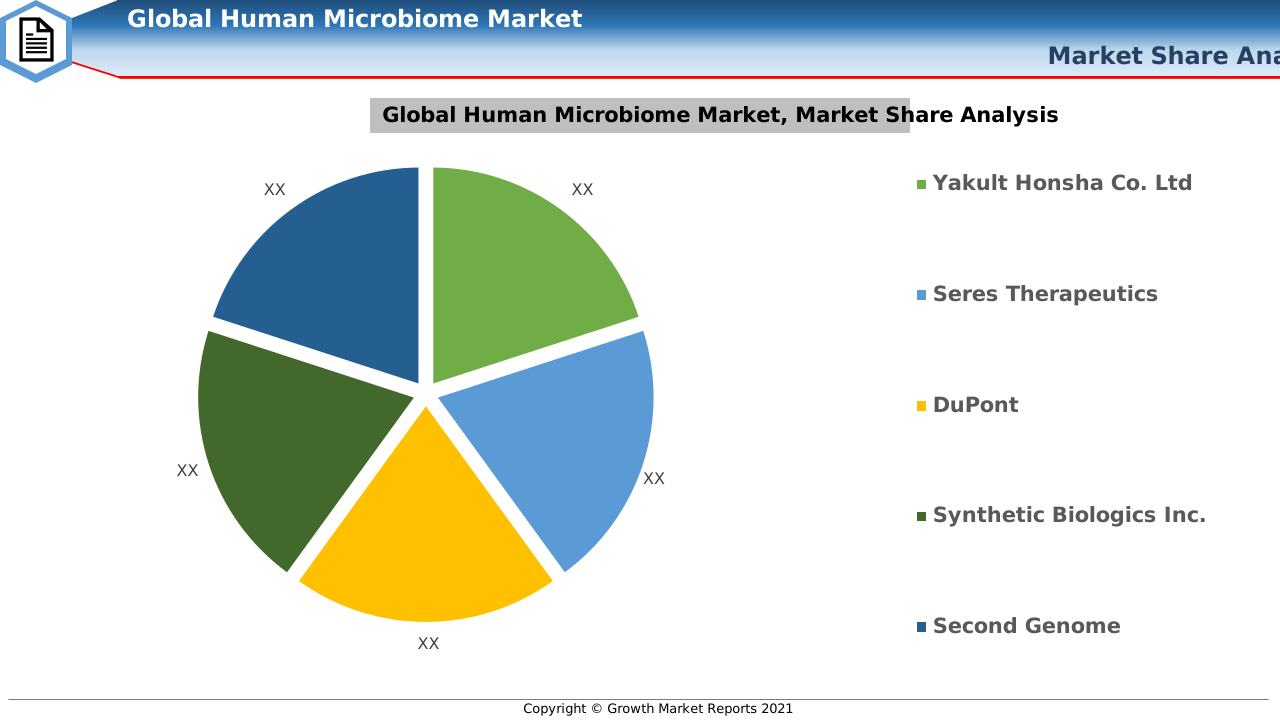
Key players competing in the global human microbiome market are Yakult Honsha Co. Ltd; Seres Therapeutics; DuPont; Synthetic Biologics Inc.; and Second Genome. These players use strategies such as mergers, acquisitions, expansions, partnerships, and product launches to increase their customer base and strengthen their hold on the market. For example, in June 2021, NovoBiome announced the development of a research and discovery platform, NovoSift, which primarily investigates the symbiotic relationship between microbiota and human intestine.
Advances in next-generation sequencing, bioinformatics, artificial intelligence, and machine learning are enabling deeper insights into the microbiome, improving diagnostics, and accelerating the development of targeted therapies and personalized medicine.
Major players include Seres Therapeutics, Enterome Bioscience, Vedanta Biosciences, Second Genome, 4D Pharma, Rebiotix (Ferring), Finch Therapeutics, Synlogic, Yakult Honsha, DuPont Nutrition & Health (IFF), Nestlé Health Science, BioGaia AB, and others.
Opportunities include personalized therapies, AI-driven research, and expanding applications in food and agriculture. Challenges involve regulatory uncertainty, complexity of the microbiome, and safety concerns regarding new interventions.
North America is the largest market, followed by Europe. Asia Pacific is emerging as a high-growth region, while Latin America and the Middle East & Africa are experiencing gradual growth.
Key end-users include hospitals and clinics, research and academic institutes, pharmaceutical and biotechnology companies, as well as contract research organizations, food and beverage companies, and nutraceutical manufacturers.
Microbiome-based interventions are being developed for infectious diseases, metabolic disorders (like obesity and diabetes), gastrointestinal diseases (such as IBS and IBD), cancer, and other conditions including autoimmune and neurological disorders.
The main applications are therapeutics (for gastrointestinal, metabolic, and immune-related conditions), diagnostics (microbiome profiling and disease detection), and research/industrial uses (food, agriculture, cosmetics).
Probiotics hold a significant market share due to their widespread use for gut health. Other important segments include prebiotics, medical foods, diagnostic devices, drugs, and emerging categories like postbiotics and synbiotics.
Key growth drivers include increased recognition of the microbiome’s role in health, technological advancements in genomics and sequencing, rising prevalence of chronic diseases, and growing demand for personalized medicine.
The global human microbiome market reached USD 1.85 billion in 2024 and is projected to grow at a CAGR of 21.7% from 2025 to 2033, reaching approximately USD 13.2 billion by 2033.