Segments - by Product Type (Rechargeable Electric Toothbrushes, Battery-powered Electric Toothbrushes, Others), by Bristle Type (Soft, Medium, Hard), by Technology (Sonic, Ultrasonic, Rotational, Others), by End-User (Adults, Children), by Distribution Channel (Online Stores, Supermarkets/Hypermarkets, Specialty Stores, Others)
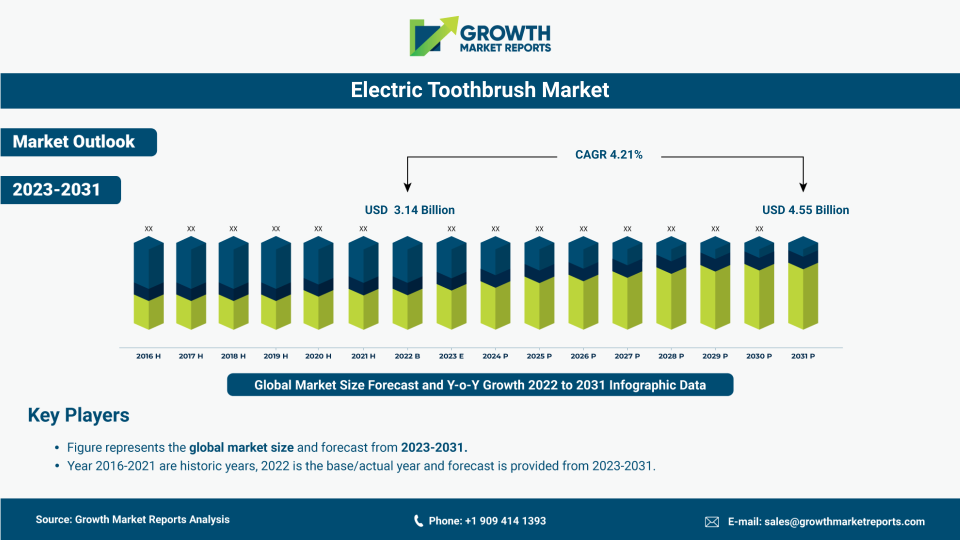
According to our latest research, the global electric toothbrush market size reached USD 4.9 billion in 2024, reflecting a robust and sustained demand for advanced oral care solutions. The market is projected to grow at a CAGR of 7.3% from 2025 to 2033, with the total market value expected to reach USD 9.2 billion by 2033. This impressive growth trajectory is primarily fueled by increasing consumer awareness regarding oral hygiene, continuous technological advancements, and the rising prevalence of dental disorders globally.
One of the most significant growth factors driving the electric toothbrush market is the growing awareness and emphasis on dental health, which is being strongly advocated by dental professionals and public health organizations. With the rising incidence of dental caries, gum diseases, and other oral health issues, consumers are increasingly seeking efficient and innovative solutions to maintain oral hygiene. The electric toothbrush, with its advanced cleaning mechanisms and ability to remove plaque more effectively than manual toothbrushes, has gained widespread acceptance. Additionally, frequent dental campaigns and educational programs are helping consumers understand the long-term benefits of adopting electric toothbrushes, propelling market growth further.
Technological innovation is another key driver shaping the trajectory of the electric toothbrush market. Manufacturers are continuously enhancing their product offerings by integrating features such as pressure sensors, Bluetooth connectivity, multiple brushing modes, and real-time feedback through mobile applications. These advancements not only improve the efficacy of electric toothbrushes but also enhance user experience and engagement. The introduction of sonic and ultrasonic technologies, which provide superior cleaning action, has further differentiated electric toothbrushes from traditional alternatives. Furthermore, the development of eco-friendly and rechargeable models aligns with the global shift towards sustainability, attracting environmentally conscious consumers and expanding the market base.
Demographic and lifestyle trends are also playing a pivotal role in the expansion of the electric toothbrush market. The increasing purchasing power of consumers in emerging economies, coupled with the growing urban population, has resulted in higher demand for premium and technologically advanced personal care products. Busy lifestyles and a preference for convenient, time-saving solutions have made electric toothbrushes an attractive choice for both adults and children. In addition, the influence of social media, celebrity endorsements, and aggressive marketing strategies by leading brands have heightened consumer interest and awareness, further boosting market penetration.
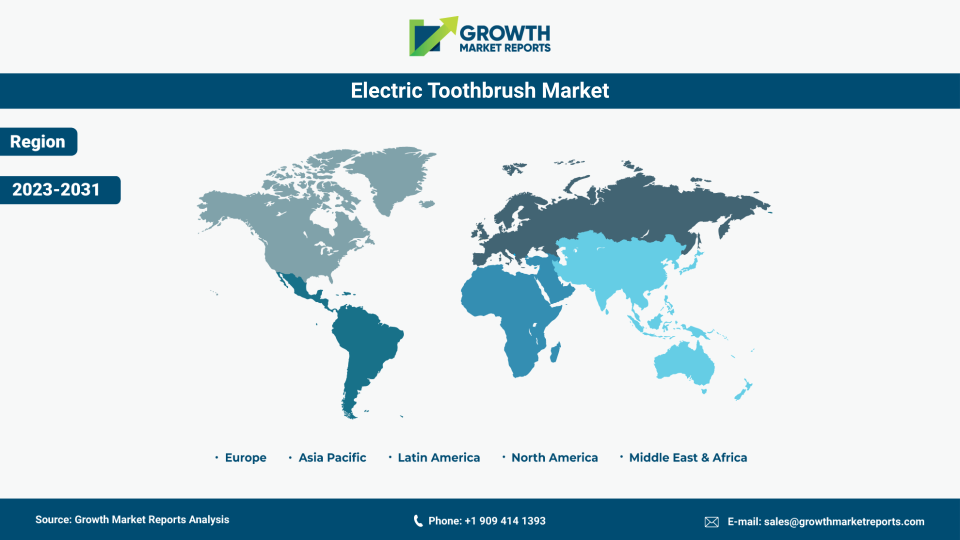
From a regional perspective, North America and Europe continue to dominate the electric toothbrush market, accounting for the largest revenue shares due to high consumer awareness, advanced healthcare infrastructure, and the presence of major market players. However, the Asia Pacific region is emerging as a lucrative market, driven by rapid urbanization, increasing disposable incomes, and a growing focus on personal health and wellness. Countries such as China, India, and Japan are witnessing significant growth in electric toothbrush adoption, supported by expanding retail networks and rising health consciousness among consumers. The market in Latin America and the Middle East & Africa is also showing promising growth potential, albeit at a relatively slower pace, as awareness and accessibility improve over time.
The electric toothbrush market is segmented by product type into rechargeable electric toothbrushes, battery-powered electric toothbrushes, and others. Rechargeable electric toothbrushes currently hold the largest market share, owing to their superior performance, longer lifespan, and advanced features such as multiple cleaning modes and smart connectivity. Consumers are increasingly favoring rechargeable models for their convenience, cost-effectiveness over time, and environmental benefits, as they reduce the need for frequent battery replacements. Major brands are investing in R&D to introduce innovative rechargeable models with enhanced battery life and user-friendly charging options, further driving the adoption of this segment.
Battery-powered electric toothbrushes, while less expensive upfront, are often viewed as entry-level options for consumers transitioning from manual to electric brushing. These products appeal to budget-conscious customers and those seeking portability, making them popular among travelers and as secondary toothbrushes. However, concerns about battery disposal and limited features compared to rechargeable variants have somewhat constrained their growth. Nonetheless, the segment continues to maintain a steady demand, especially in developing regions where price sensitivity remains high and infrastructure for rechargeable devices is still developing.
The “others” category includes innovative and niche product types such as hybrid toothbrushes and specialized models designed for orthodontic patients or sensitive teeth. These products cater to specific consumer needs and preferences, offering tailored solutions for unique oral care challenges. While this segment currently represents a smaller share of the overall market, it is expected to grow as manufacturers continue to diversify their product portfolios and address unmet needs within the oral care landscape. Customization and personalization are emerging trends in this segment, with brands offering interchangeable brush heads and specialized cleaning modes.
Overall, the product type segment of the electric toothbrush market is characterized by intense competition and rapid innovation. Leading companies are differentiating their offerings through design, technology, and value-added features, while also targeting various consumer segments through tiered pricing strategies. The increasing shift towards rechargeable and technologically advanced models is expected to continue, supported by ongoing consumer education and the rising importance of sustainability in purchasing decisions.
| Attributes | Details |
| Report Title | Electric Toothbrush Market Research Report 2033 |
| By Product Type | Rechargeable Electric Toothbrushes, Battery-powered Electric Toothbrushes, Others |
| By Bristle Type | Soft, Medium, Hard |
| By Technology | Sonic, Ultrasonic, Rotational, Others |
| By End-User | Adults, Children |
| By Distribution Channel | Online Stores, Supermarkets/Hypermarkets, Specialty Stores, Others |
| Regions Covered | North America, Europe, APAC, Latin America, MEA |
| Base Year | 2024 |
| Historic Data | 2018-2023 |
| Forecast Period | 2025-2033 |
| Number of Pages | 297 |
| Number of Tables & Figures | 289 |
| Customization Available | Yes, the report can be customized as per your need. |
The bristle type segment in the electric toothbrush market is divided into soft, medium, and hard bristles. Soft bristle toothbrushes dominate the market, as dental professionals widely recommend them for their gentle cleaning action and ability to prevent gum damage and enamel erosion. The majority of electric toothbrushes are equipped with soft bristles, making them suitable for a broad range of users, including children, the elderly, and individuals with sensitive teeth or gums. The increasing prevalence of dental sensitivity and the growing emphasis on preventive oral care have further bolstered the demand for soft bristle electric toothbrushes.
Medium bristle electric toothbrushes are preferred by consumers seeking a balance between effective plaque removal and gentle cleaning. While not as commonly recommended as soft bristles, medium bristles cater to users with specific oral care needs, such as those with higher plaque buildup or less sensitive gums. Manufacturers are offering a variety of medium bristle options, often with unique shapes and materials designed to optimize cleaning efficiency without compromising comfort. This segment maintains a stable demand, particularly among adults who prioritize thorough cleaning and are less prone to gum sensitivity.
Hard bristle electric toothbrushes represent a niche segment, primarily targeting consumers who believe in vigorous brushing for maximum cleanliness. However, dental professionals generally advise against hard bristles due to the risk of gum recession and enamel abrasion. As a result, the market share for hard bristle electric toothbrushes remains limited, and manufacturers are increasingly focusing on educating consumers about the potential risks associated with their use. Some brands are introducing innovative bristle designs that combine firmness with flexibility, aiming to provide effective cleaning while minimizing the risk of oral tissue damage.
The ongoing trend towards personalization in oral care is also influencing the bristle type segment. Many electric toothbrush brands now offer interchangeable brush heads with different bristle types, allowing users to customize their brushing experience according to their individual needs. This flexibility has contributed to increased consumer satisfaction and brand loyalty, as users can switch between soft, medium, and specialty bristles as required. The bristle type segment is expected to evolve further as manufacturers invest in advanced materials and ergonomic designs to enhance both efficacy and comfort.
Technological innovation is at the heart of the electric toothbrush market, with products segmented by sonic, ultrasonic, rotational, and other advanced technologies. Sonic electric toothbrushes are the most prevalent, leveraging high-frequency vibrations to remove plaque and food particles effectively. These models are favored for their ability to deliver up to 40,000 strokes per minute, offering superior cleaning performance compared to manual toothbrushes. The widespread adoption of sonic technology is driven by its proven efficacy, user-friendly design, and compatibility with a variety of brush heads and bristle types.
Ultrasonic electric toothbrushes represent the cutting edge of oral care technology, utilizing ultrasonic waves to disrupt bacterial chains and clean beyond the reach of bristles. Although they command a premium price, ultrasonic models are gaining traction among consumers with specific oral health needs, such as those with braces, implants, or periodontal disease. The segment is expected to witness significant growth as awareness of the unique benefits of ultrasonic technology increases and manufacturers introduce more affordable options to broaden market accessibility.
Rotational electric toothbrushes, also known as oscillating-rotating models, use rotating brush heads to provide mechanical cleaning action. These products are popular for their simplicity, effectiveness, and affordability, making them an attractive choice for first-time electric toothbrush users. Leading brands continue to enhance rotational technology by incorporating additional features such as pulsation, pressure sensors, and smart timers, further improving cleaning outcomes and user experience. The rotational segment remains a key contributor to overall market growth, particularly in regions where sonic and ultrasonic technologies are still gaining acceptance.
The “others” category in technology includes hybrid models, dual-action toothbrushes, and emerging innovations such as AI-enabled and app-connected toothbrushes. These products are designed to offer enhanced customization, real-time feedback, and improved oral health outcomes. The integration of artificial intelligence and data analytics is revolutionizing the electric toothbrush market, providing users with personalized brushing guidance and tracking oral hygiene habits over time. As technology continues to advance, the market is expected to see a proliferation of smart and connected devices, catering to tech-savvy consumers and driving further differentiation among brands.
The electric toothbrush market is segmented by end-user into adults and children, each with distinct needs and preferences. Adults constitute the largest end-user segment, accounting for a significant share of market revenue. The demand among adults is driven by increasing awareness of the importance of oral hygiene, the desire for advanced features, and the willingness to invest in premium personal care products. Manufacturers are targeting adult consumers with a wide range of electric toothbrushes, offering various technologies, brushing modes, and aesthetic designs to cater to different lifestyles and oral health requirements.
The children’s segment, while smaller in comparison, is experiencing rapid growth as parents become more proactive about their children’s dental health. Pediatric electric toothbrushes are designed with smaller brush heads, softer bristles, and engaging features such as colorful designs, music, and interactive apps to make brushing a fun and educational experience. The increasing prevalence of dental caries among children and the endorsement of electric toothbrushes by pediatric dentists are contributing to the rising adoption in this segment. Brands are also collaborating with popular children’s characters and franchises to enhance product appeal and encourage regular brushing habits from an early age.
Customization and personalization are key trends in the end-user segment, with brands offering products tailored to specific age groups, oral health conditions, and user preferences. For adults, features such as whitening modes, gum care settings, and pressure sensors are highly valued, while for children, safety, ease of use, and entertainment are paramount. The growing focus on preventive care and the increasing availability of educational resources are expected to drive continued growth across both end-user segments.
Manufacturers are also leveraging digital marketing and direct-to-consumer sales channels to reach diverse end-user groups. The proliferation of online reviews, influencer endorsements, and social media campaigns has heightened awareness and facilitated informed purchasing decisions. As the market evolves, the end-user segment will continue to expand, supported by ongoing innovation, targeted marketing, and the rising importance of oral health across all age groups.
The distribution channel segment of the electric toothbrush market encompasses online stores, supermarkets/hypermarkets, specialty stores, and others. Online stores have emerged as the fastest-growing distribution channel, driven by the convenience of home delivery, a wide selection of products, and competitive pricing. The increasing penetration of e-commerce platforms and the adoption of digital payment methods have made it easier for consumers to compare features, read reviews, and make informed purchasing decisions. Brands are also leveraging online channels to launch exclusive products, offer personalized recommendations, and engage with customers through targeted marketing campaigns.
Supermarkets and hypermarkets remain a popular channel for purchasing electric toothbrushes, particularly among consumers who prefer to physically examine products before buying. These retail outlets offer the advantage of immediate product availability, attractive in-store promotions, and the opportunity to bundle electric toothbrushes with other personal care items. The visibility and accessibility of electric toothbrushes in supermarkets and hypermarkets have contributed to their widespread adoption, especially in urban areas with high foot traffic and busy lifestyles.
Specialty stores, including pharmacies, dental clinics, and dedicated personal care outlets, play a crucial role in the distribution of electric toothbrushes. These channels are valued for their expert advice, product demonstrations, and the availability of premium and professional-grade products. Dental professionals often recommend specific electric toothbrush models to patients based on their oral health needs, driving sales through specialty channels. The trust and credibility associated with these outlets make them a preferred choice for consumers seeking high-quality and clinically endorsed products.
The “others” category includes emerging distribution channels such as subscription services, direct-to-consumer models, and pop-up stores. Subscription services are gaining popularity as they offer the convenience of regular brush head replacements and personalized product recommendations delivered directly to consumers’ doorsteps. Direct-to-consumer brands are leveraging online platforms to bypass traditional retail channels, offering competitive pricing and enhanced customer engagement. As the retail landscape continues to evolve, the distribution channel segment is expected to witness further diversification and innovation, driven by changing consumer preferences and advancements in technology.
The electric toothbrush market presents significant opportunities for growth, particularly in emerging economies where rising disposable incomes and increasing awareness of oral hygiene are driving demand. As consumers in these regions become more health-conscious and seek advanced personal care solutions, manufacturers have the opportunity to expand their presence through targeted marketing, localized product offerings, and strategic partnerships with dental professionals. The growing trend towards preventive healthcare and the increasing prevalence of dental disorders provide a fertile ground for innovation and market expansion. Additionally, the integration of smart technologies, such as Bluetooth connectivity and AI-driven feedback, offers the potential to differentiate products and capture the interest of tech-savvy consumers.
Another major opportunity lies in the development of eco-friendly and sustainable electric toothbrushes. With increasing environmental awareness, consumers are seeking products that minimize waste and reduce their carbon footprint. Manufacturers can capitalize on this trend by introducing rechargeable models, biodegradable brush heads, and recyclable packaging. Collaborations with environmental organizations and the adoption of green manufacturing practices can further enhance brand reputation and appeal to environmentally conscious consumers. The rise of subscription services and direct-to-consumer sales channels also presents new avenues for growth, enabling brands to offer personalized experiences and foster long-term customer loyalty.
Despite the promising outlook, the electric toothbrush market faces certain restrainers, including high product costs and limited accessibility in rural and low-income regions. The initial investment required for electric toothbrushes, especially advanced models with smart features, can be a barrier for price-sensitive consumers. Additionally, the lack of awareness and education about the benefits of electric toothbrushes in some regions may hinder adoption. Manufacturers must address these challenges by offering affordable options, increasing consumer education, and expanding distribution networks to reach underserved markets. Regulatory hurdles and concerns about electronic waste disposal also pose potential threats to market growth, necessitating proactive measures by industry stakeholders.
North America remains the largest regional market for electric toothbrushes, with a market size of USD 1.6 billion in 2024. The region’s dominance is attributed to high consumer awareness, advanced healthcare infrastructure, and the presence of leading market players. The United States is the primary contributor, driven by strong demand for premium oral care products, frequent dental visits, and supportive insurance policies. Canada also exhibits robust growth, supported by similar trends and increasing health consciousness among consumers. The North American market is expected to maintain a healthy CAGR of 6.8% through 2033, with continued innovation and product differentiation driving further expansion.
Europe is another key market, accounting for USD 1.3 billion in 2024. The region benefits from a well-established dental care system, high disposable incomes, and a strong emphasis on preventive healthcare. Countries such as Germany, the United Kingdom, and France lead the adoption of electric toothbrushes, supported by widespread dental insurance coverage and proactive oral health campaigns. The European market is characterized by intense competition, with both global and regional players vying for market share through product innovation, sustainability initiatives, and targeted marketing strategies. The region is projected to achieve steady growth, with a focus on eco-friendly products and smart technologies.
The Asia Pacific region is rapidly emerging as a lucrative market for electric toothbrushes, with a market size of USD 1.2 billion in 2024 and a projected CAGR of 9.1% through 2033. The growth in this region is driven by rising urbanization, increasing disposable incomes, and a growing focus on personal health and hygiene. China, Japan, and India are the primary growth engines, supported by expanding retail networks, aggressive marketing campaigns, and increasing consumer education about oral care. The market in Latin America and the Middle East & Africa, valued at USD 0.8 billion in 2024 collectively, is also showing promising potential, albeit at a slower pace, as awareness and accessibility continue to improve.
The global electric toothbrush market is highly competitive, characterized by the presence of several established players and a growing number of new entrants. Leading companies are focusing on product innovation, technological advancements, and strategic partnerships to strengthen their market positions and expand their customer base. The competitive landscape is marked by continuous R&D investments, the introduction of smart and connected toothbrushes, and the adoption of sustainable manufacturing practices. Companies are also leveraging digital marketing, influencer collaborations, and direct-to-consumer sales channels to enhance brand visibility and engage with tech-savvy consumers.
Brand differentiation is a key strategy in the electric toothbrush market, with manufacturers offering a wide range of products tailored to different consumer segments, price points, and oral care needs. Premium brands are emphasizing advanced features such as AI-enabled feedback, pressure sensors, and customizable brushing modes to attract discerning customers. Meanwhile, value-oriented brands are focusing on affordability, durability, and ease of use to capture price-sensitive segments. The rise of subscription services and personalized oral care solutions is also reshaping the competitive dynamics, enabling brands to foster long-term relationships with customers and drive recurring revenue streams.
Strategic mergers and acquisitions, collaborations with dental professionals, and geographic expansion are common approaches adopted by leading players to gain a competitive edge. Companies are also investing in sustainability initiatives, such as the development of biodegradable brush heads and eco-friendly packaging, to appeal to environmentally conscious consumers and comply with evolving regulatory requirements. The competitive landscape is further intensified by the entry of new players, particularly in emerging markets, who are introducing innovative products and leveraging local distribution networks to gain market share.
Major companies in the electric toothbrush market include Procter & Gamble (Oral-B), Philips Sonicare, Colgate-Palmolive, Panasonic, FOREO, Quip, and Fairywill. Procter & Gamble, through its Oral-B brand, is a global leader known for its extensive product portfolio, advanced technologies, and strong distribution network. Philips Sonicare is recognized for its innovative sonic technology and focus on premium oral care solutions. Colgate-Palmolive leverages its strong brand presence and marketing expertise to offer a wide range of electric toothbrushes targeting various consumer segments. Panasonic and FOREO are known for their commitment to design, performance, and sustainability, while Quip and Fairywill have disrupted the market with affordable, subscription-based models and direct-to-consumer sales strategies.
These companies continue to invest in research and development to introduce cutting-edge features, improve product efficacy, and enhance user experience. They are also expanding their presence in emerging markets through localized marketing, partnerships with dental professionals, and the development of region-specific products. As competition intensifies, the ability to innovate, adapt to changing consumer preferences, and deliver value-added services will be critical for sustaining growth and maintaining market leadership in the dynamic electric toothbrush market.
The Electric Toothbrush market has been segmented on the basis of
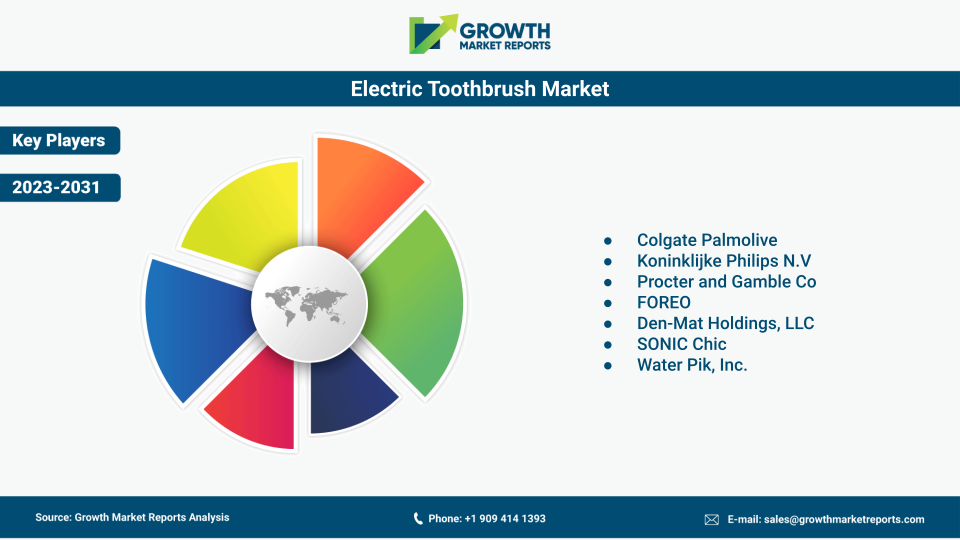
Some of the leading manufacturers in the global electric toothbrush market are Colgate Palmolive, Koninklijke Philips N.V, Procter and Gamble Co, FOREO, Den-Mat Holdings, LLC, SONIC Chic, and Water Pik, Inc. manufacturers are focusing on development of innovative and technologically advanced products to improve their product offerings and acquire large market share.
In 2018, Colgate announced the launch of Colgate Smart Electronic Toothbrush E1 with Artificial Intelligence (AI) technology in the US.
Opportunities include growth in emerging markets, demand for eco-friendly products, and smart technology integration. Challenges include high product costs, limited accessibility in some regions, and concerns about electronic waste disposal.
Key players include Philips Sonicare, Oral-B (Procter & Gamble), Colgate-Palmolive, Panasonic, FOREO, Waterpik, Fairywill, Quip, Sonic Chic, Xiaomi, and others.
Electric toothbrushes are sold through online stores, supermarkets/hypermarkets, specialty stores (such as pharmacies and dental clinics), and emerging channels like subscription services and direct-to-consumer models.
The market is segmented into adults and children. Adults represent the largest segment, but the children's segment is growing rapidly with products designed for safety, ease of use, and engagement through interactive features.
Recent innovations include sonic and ultrasonic cleaning technologies, pressure sensors, Bluetooth connectivity, multiple brushing modes, real-time feedback via mobile apps, and AI-enabled smart toothbrushes.
Soft bristle electric toothbrushes are most widely recommended by dental professionals and dominate the market due to their gentle cleaning action and suitability for sensitive teeth and gums.
Rechargeable electric toothbrushes hold the largest market share due to their superior performance, longer lifespan, and environmental benefits. Battery-powered models are popular for their affordability and portability, while niche products like hybrid and specialized toothbrushes cater to specific needs.
North America and Europe currently dominate the market due to high consumer awareness and advanced healthcare infrastructure. The Asia Pacific region, particularly China, India, and Japan, is emerging as a high-growth area due to rapid urbanization and rising health consciousness.
Key growth drivers include increasing consumer awareness about oral hygiene, technological advancements (such as smart features and connectivity), rising prevalence of dental disorders, and growing disposable incomes, especially in emerging markets.
The global electric toothbrush market reached USD 4.9 billion in 2024 and is projected to grow at a CAGR of 7.3% from 2025 to 2033, reaching an estimated USD 9.2 billion by 2033.