Segments - by Product Type (Laboratory Instruments, Reagents, Consumables, Software), by Application (Disease Diagnosis, Drug Development, Food Testing, Environmental Monitoring, Others), by End User (Hospitals and Diagnostic Centers, Academic and Research Institutes, Pharmaceutical and Biotechnology Companies, Others)
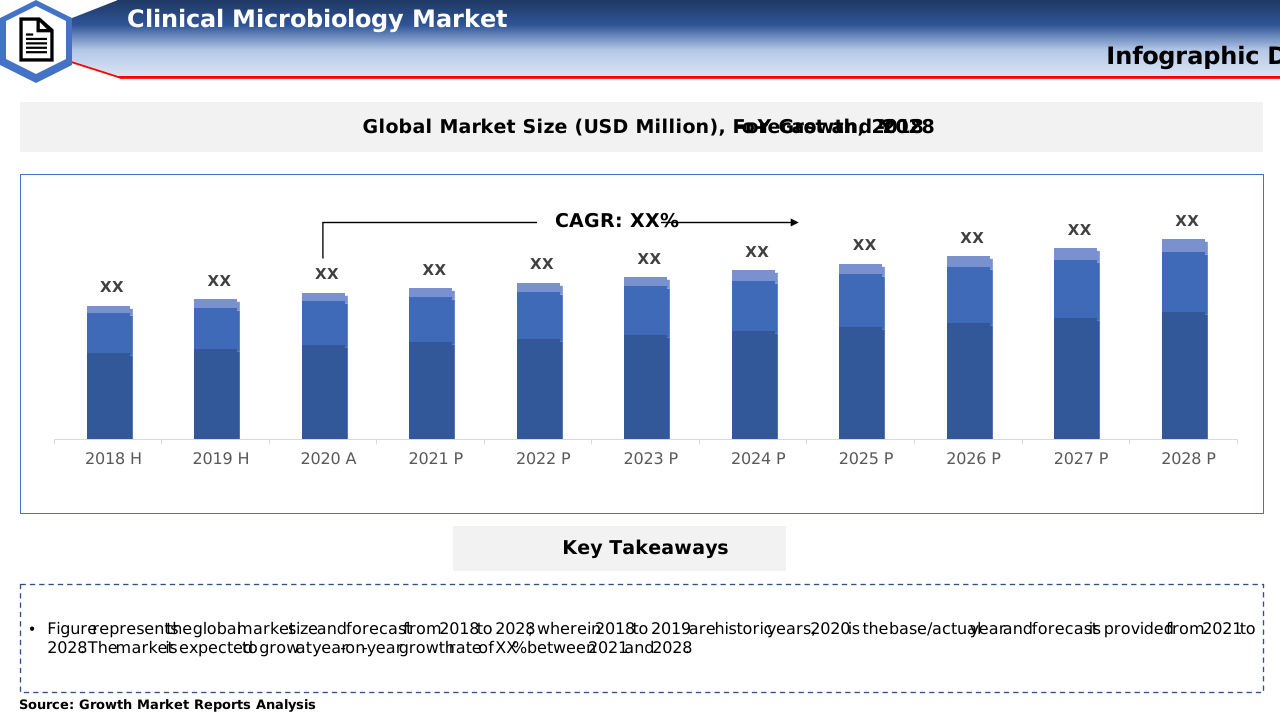
According to our latest research, the global clinical microbiology market size reached USD 5.9 billion in 2024, reflecting the sector's robust expansion and innovation-driven growth. The market is set to progress at a CAGR of 6.8% during the forecast period, reaching a projected value of USD 10.4 billion by 2033. This upward trajectory is primarily attributed to the increasing prevalence of infectious diseases, technological advancements, and the rising demand for rapid diagnostic techniques. The clinical microbiology market continues to witness significant investments, especially in automation and digitalization, which are transforming laboratory workflows and enhancing diagnostic accuracy.
One of the primary growth drivers for the clinical microbiology market is the escalating burden of infectious diseases globally. The rise of antimicrobial resistance, the emergence of novel pathogens, and recurrent outbreaks of diseases such as tuberculosis, influenza, and hospital-acquired infections have necessitated advanced diagnostic solutions. Healthcare systems worldwide are prioritizing early detection and effective management of infectious diseases, which has led to increased adoption of clinical microbiology products and services. Moreover, the COVID-19 pandemic has further underscored the importance of rapid and reliable diagnostic tools, prompting governments and healthcare providers to invest heavily in microbiology laboratories and related infrastructure. This has not only accelerated market growth but also fostered a culture of continuous innovation within the industry.
Another significant factor propelling the clinical microbiology market is the rapid technological advancements in laboratory instruments and diagnostic methodologies. The integration of automation, artificial intelligence, and molecular diagnostics has revolutionized traditional microbiology practices. Automated systems have improved throughput, reduced manual errors, and enhanced the reproducibility of results, making them indispensable in modern laboratories. Additionally, the development of point-of-care testing devices and next-generation sequencing technologies has expanded the scope of clinical microbiology beyond centralized labs, enabling faster and more accurate diagnosis at the patientÂ’s bedside or in remote settings. These technological breakthroughs are not only improving patient outcomes but are also streamlining laboratory operations, thereby driving further market expansion.
The global clinical microbiology market is also benefiting from increased healthcare expenditure, supportive regulatory frameworks, and growing awareness about the importance of early disease detection. Governments in developed and developing regions alike are implementing policies to strengthen healthcare infrastructure, promote research and development, and facilitate the commercialization of innovative diagnostic products. Furthermore, public-private partnerships and collaborations between academic institutions, research organizations, and industry players are fostering the development of novel microbiological assays and platforms. These initiatives are creating a conducive environment for market growth, ensuring that the latest advancements in clinical microbiology are accessible to a broader patient population.
Microbial Identification plays a crucial role in the clinical microbiology market, particularly in the context of diagnosing infectious diseases and understanding pathogen behavior. As the demand for precise and rapid diagnostic solutions increases, the ability to accurately identify microorganisms becomes paramount. Advanced microbial identification techniques, such as molecular diagnostics and automated systems, are enhancing the speed and accuracy of pathogen detection. These innovations are not only improving patient outcomes by facilitating timely treatment but are also aiding in the management of antimicrobial resistance by providing detailed insights into the microbial landscape. The integration of microbial identification technologies into routine laboratory workflows is driving efficiency and supporting the broader goals of infection control and public health surveillance.
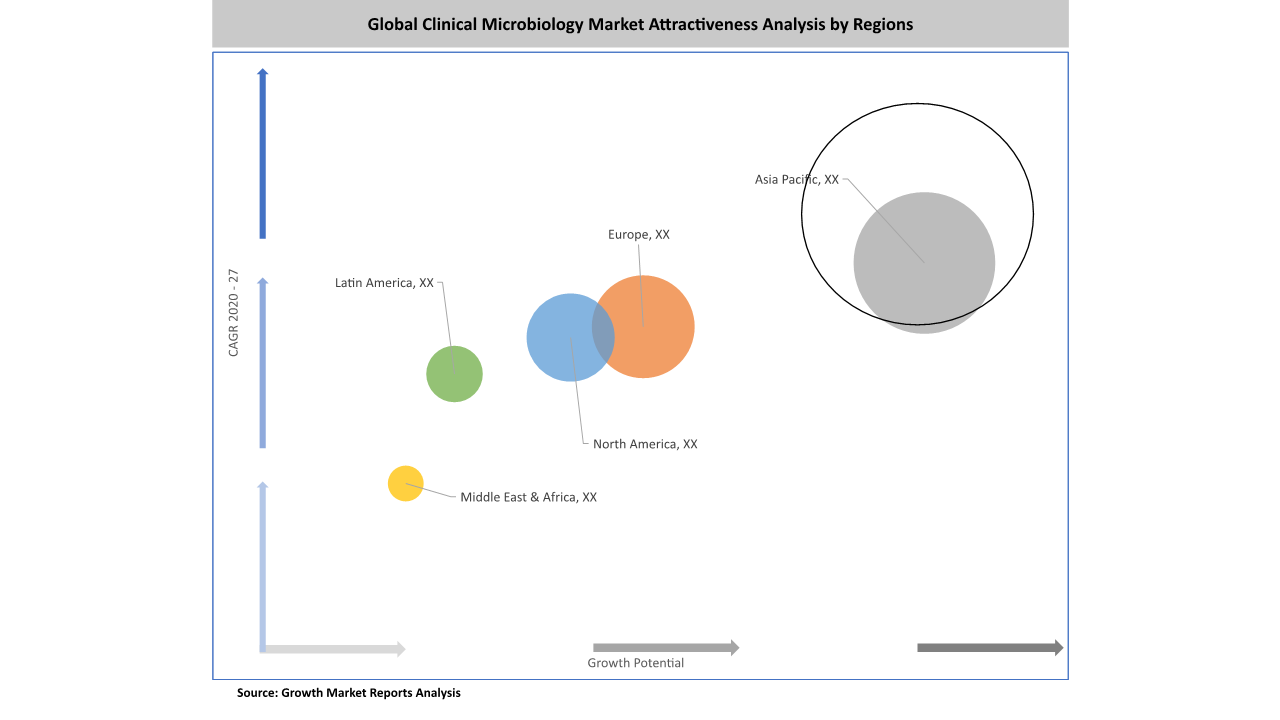
From a regional perspective, North America remains the largest market for clinical microbiology, accounting for a substantial share of global revenues due to its advanced healthcare infrastructure, high adoption rate of new technologies, and presence of leading industry players. Europe follows closely, driven by strong government support for healthcare innovation and a well-established diagnostic ecosystem. Meanwhile, the Asia Pacific region is emerging as the fastest-growing market, fueled by rising healthcare investments, increasing disease burden, and expanding laboratory capacities in countries such as China and India. Latin America and the Middle East & Africa are also witnessing steady growth, supported by improving healthcare access and growing awareness about infectious disease management. The diverse regional dynamics underscore the global nature of the clinical microbiology market and highlight the opportunities for stakeholders across different geographies.
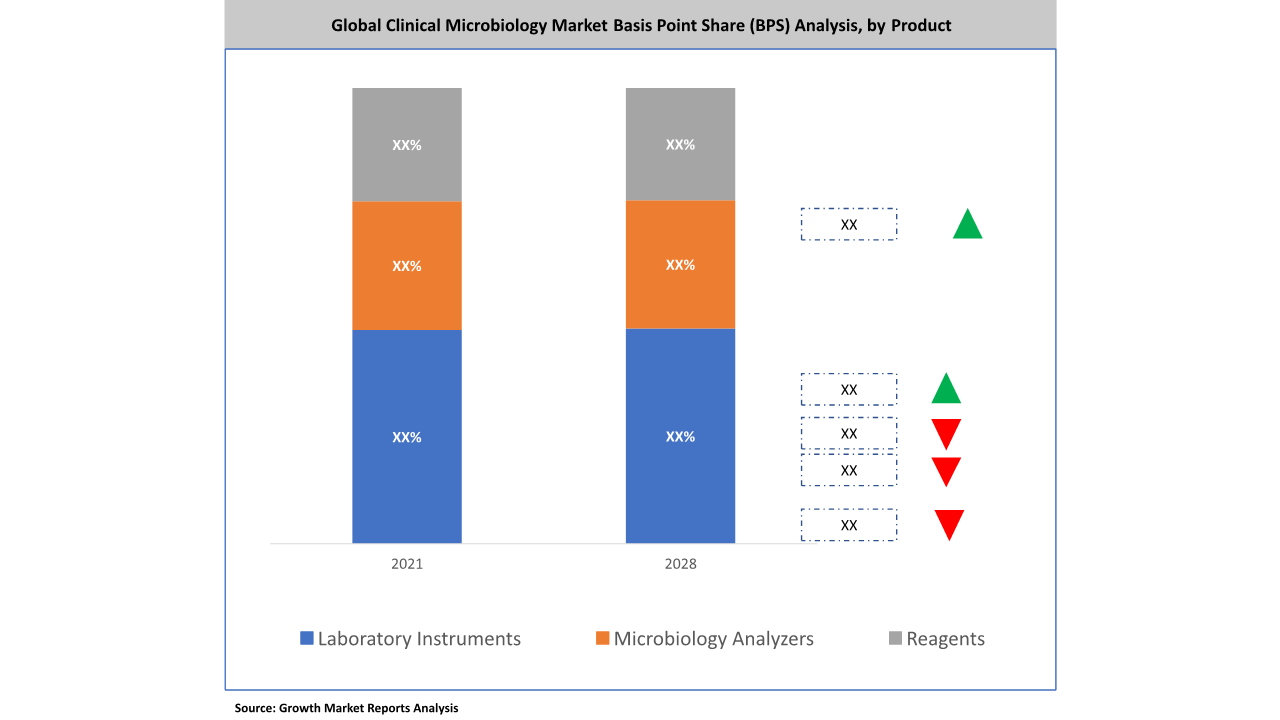
The product type segment of the clinical microbiology market encompasses laboratory instruments, reagents, consumables, and software, each playing a pivotal role in the diagnostic workflow. Laboratory instruments, including automated analyzers, incubators, and mass spectrometers, form the backbone of modern microbiology laboratories. These instruments have undergone significant advancements, with automation and integration of digital technologies enhancing their efficiency, throughput, and accuracy. The demand for high-throughput systems is particularly strong in large hospitals and reference laboratories, where rapid processing of large sample volumes is critical. The increasing shift toward fully automated systems is reducing manual labor, minimizing human error, and enabling laboratories to deliver faster and more reliable results, thereby driving the growth of this segment.
Reagents represent another crucial component of the clinical microbiology market, encompassing culture media, stains, identification kits, and molecular diagnostic reagents. The growing need for precise and sensitive detection of pathogens has led to the development of specialized reagents tailored to specific diagnostic applications. The emergence of molecular diagnostics has further expanded the reagent market, with nucleic acid extraction kits, PCR reagents, and sequencing kits witnessing robust demand. The continuous evolution of pathogens and the need for rapid adaptation of diagnostic assays require reagent manufacturers to maintain a high level of innovation and flexibility. This dynamic landscape fosters competition and drives the introduction of novel products that cater to the evolving needs of clinical laboratories.
Consumables, such as petri dishes, pipette tips, microplates, and sample collection devices, are indispensable for routine laboratory operations. The recurring nature of consumable usage ensures a steady and predictable revenue stream for manufacturers. As laboratories strive to maintain high standards of safety and accuracy, the demand for high-quality, sterile consumables continues to rise. The increasing adoption of single-use consumables, driven by concerns over cross-contamination and infection control, is further boosting market growth. Additionally, the trend toward miniaturization and automation in laboratory workflows is influencing the design and functionality of consumables, prompting manufacturers to innovate and differentiate their offerings.
Software solutions are becoming increasingly integral to the clinical microbiology market, enabling laboratories to manage complex data, streamline workflows, and ensure compliance with regulatory requirements. Laboratory information management systems (LIMS), data analytics platforms, and digital imaging software are enhancing the efficiency and accuracy of microbiological testing. The integration of artificial intelligence and machine learning algorithms is enabling laboratories to automate result interpretation, identify patterns, and make data-driven decisions. As the volume and complexity of laboratory data continue to grow, the adoption of advanced software solutions is expected to accelerate, driving further innovation and value creation in the clinical microbiology market.
| Attributes | Details |
| Report Title | Clinical Microbiology Market Research Report 2033 |
| By Product Type | Laboratory Instruments, Reagents, Consumables, Software |
| By Application | Disease Diagnosis, Drug Development, Food Testing, Environmental Monitoring, Others |
| By End User | Hospitals and Diagnostic Centers, Academic and Research Institutes, Pharmaceutical and Biotechnology Companies, Others |
| Regions Covered | North America, Europe, APAC, Latin America, MEA |
| Base Year | 2024 |
| Historic Data | 2018-2023 |
| Forecast Period | 2025-2033 |
| Number of Pages | 289 |
| Number of Tables & Figures | 259 |
| Customization Available | Yes, the report can be customized as per your need. |
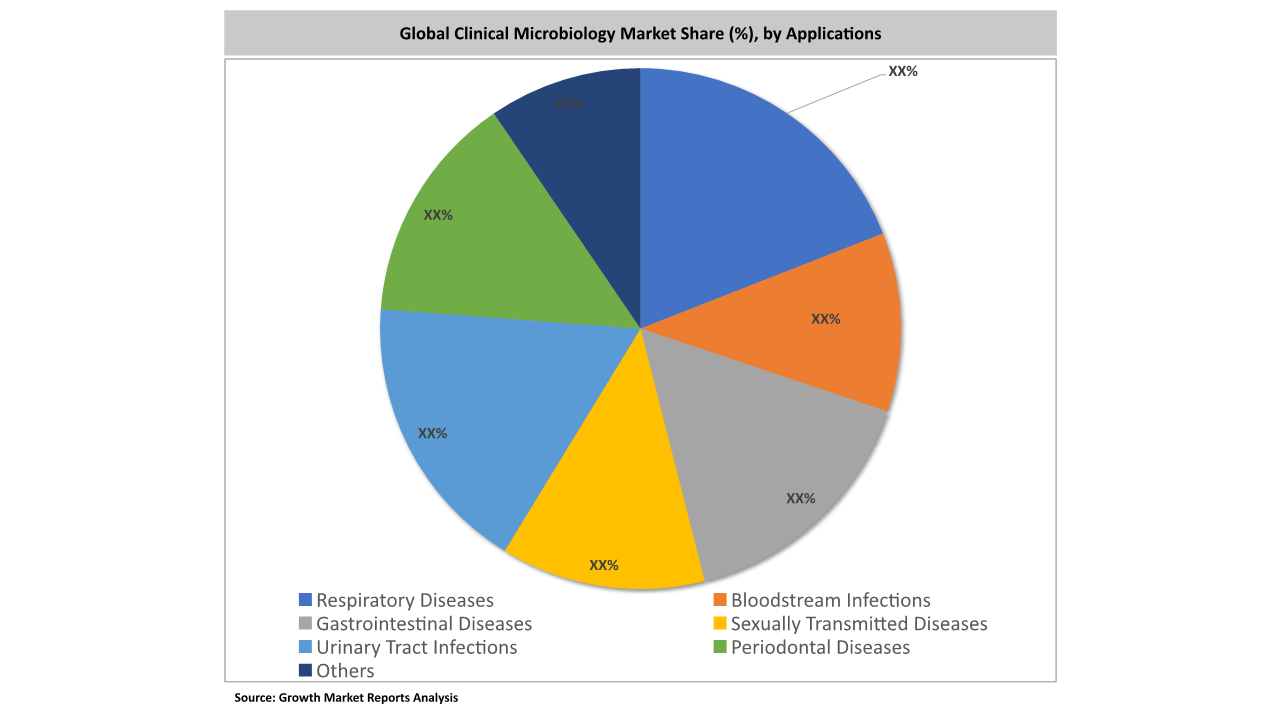
The application landscape of the clinical microbiology market is diverse, with disease diagnosis being the most prominent segment. Accurate and timely diagnosis of infectious diseases is critical for effective patient management, infection control, and public health surveillance. Clinical microbiology laboratories play a central role in identifying pathogens, determining antimicrobial susceptibility, and guiding treatment decisions. The increasing incidence of multidrug-resistant infections and the emergence of novel pathogens are driving demand for advanced diagnostic tools and techniques. Molecular diagnostics, rapid antigen detection tests, and next-generation sequencing are revolutionizing disease diagnosis, enabling clinicians to detect infections with greater speed and precision. This trend is expected to continue, with further advancements in diagnostic technologies expanding the scope and impact of clinical microbiology in disease management.
MALDI-TOF Microbiology is emerging as a transformative technology in the clinical microbiology market, offering rapid and accurate identification of microorganisms. This technique, which stands for Matrix-Assisted Laser Desorption/Ionization-Time of Flight, leverages mass spectrometry to analyze the protein composition of microbial cells. The adoption of MALDI-TOF in microbiology laboratories is revolutionizing traditional identification methods, reducing the time required for pathogen identification from days to minutes. This advancement is particularly beneficial in clinical settings where timely diagnosis is critical for effective patient management. By providing detailed and reliable microbial profiles, MALDI-TOF is enhancing diagnostic precision and supporting the development of targeted antimicrobial therapies. Its integration into laboratory practices is a testament to the ongoing innovation within the clinical microbiology field.
Drug development represents another key application area for clinical microbiology, particularly in the context of antimicrobial agents, vaccines, and biologics. Microbiological testing is essential for evaluating the efficacy and safety of new drugs, assessing their impact on microbial flora, and monitoring for potential resistance. Pharmaceutical and biotechnology companies rely on advanced microbiological assays to support clinical trials, regulatory submissions, and post-marketing surveillance. The growing emphasis on personalized medicine and the development of targeted therapies are increasing the complexity and scope of microbiological testing in drug development. As the pipeline of novel therapeutics continues to expand, the demand for sophisticated microbiology services and products is expected to rise accordingly.
Food testing is an increasingly important application of clinical microbiology, driven by the need to ensure food safety, quality, and compliance with regulatory standards. Microbiological testing is used to detect and quantify pathogens, spoilage organisms, and indicator bacteria in food products, ingredients, and processing environments. The globalization of food supply chains, rising consumer awareness, and stringent food safety regulations are fueling demand for rapid and reliable microbiological testing solutions. Innovations in sample preparation, detection methods, and data analysis are enabling food producers and regulators to identify contamination risks more effectively and prevent foodborne outbreaks. This expanding application base is creating new growth opportunities for clinical microbiology companies, particularly those offering integrated and automated testing platforms.
Environmental monitoring is another critical application area, encompassing the detection of microbial contamination in water, air, and soil. Hospitals, pharmaceutical manufacturers, and food processing facilities rely on environmental monitoring to ensure compliance with hygiene standards and prevent the spread of infections. The increasing focus on infection control, regulatory compliance, and quality assurance is driving demand for advanced environmental monitoring solutions. The integration of real-time monitoring systems, remote sensing technologies, and data analytics is enhancing the ability of organizations to detect and respond to microbial threats quickly and effectively. As awareness of the importance of environmental monitoring continues to grow, this segment is expected to witness sustained growth and innovation.
The end user segment of the clinical microbiology market is dominated by hospitals and diagnostic centers, which account for the largest share of market revenues. These institutions are the primary users of microbiology products and services, as they are responsible for diagnosing and managing a wide range of infectious diseases. The increasing patient load, rising incidence of hospital-acquired infections, and growing emphasis on infection control are driving investments in advanced microbiology laboratories. Hospitals and diagnostic centers are increasingly adopting automated systems, molecular diagnostics, and point-of-care testing devices to improve diagnostic accuracy, reduce turnaround times, and enhance patient outcomes. The trend toward centralization of laboratory services and the emergence of large reference laboratories are further shaping the demand for clinical microbiology products in this segment.
Academic and research institutes represent another important end user group, contributing significantly to the advancement of clinical microbiology through basic and applied research. These institutions are at the forefront of developing new diagnostic methods, studying emerging pathogens, and exploring novel therapeutic approaches. The increasing availability of research funding, collaborative initiatives, and access to advanced laboratory infrastructure are enabling academic and research institutes to play a vital role in driving innovation within the clinical microbiology market. Partnerships with industry players and government agencies are further accelerating the translation of research findings into commercial products and solutions, thereby expanding the impact of academic and research institutes in this field.
Pharmaceutical and biotechnology companies are key stakeholders in the clinical microbiology market, leveraging advanced microbiological testing to support drug discovery, development, and manufacturing. These companies require robust and reliable microbiology solutions to ensure the safety, efficacy, and quality of their products. The growing complexity of biologics, cell and gene therapies, and personalized medicines is increasing the demand for specialized microbiological assays and platforms. Pharmaceutical and biotechnology companies are also investing in automation, digitalization, and data analytics to streamline their microbiology workflows and enhance regulatory compliance. The close collaboration between industry players and clinical microbiology providers is fostering the development of tailored solutions that address the unique needs of pharmaceutical and biotechnology companies.
Other end users, including government agencies, public health organizations, and contract research organizations (CROs), also contribute to the growth of the clinical microbiology market. These entities play a crucial role in disease surveillance, outbreak investigation, and public health research. The increasing focus on pandemic preparedness, antimicrobial resistance monitoring, and global health security is driving demand for advanced microbiology products and services among these end users. The diverse and evolving needs of different end user groups are shaping the development of new products, services, and business models within the clinical microbiology market, ensuring its continued growth and relevance.
The clinical microbiology market presents significant opportunities for growth and innovation, driven by the ongoing evolution of diagnostic technologies and the increasing demand for rapid, accurate, and cost-effective testing solutions. The integration of artificial intelligence, machine learning, and big data analytics holds the potential to revolutionize microbiological diagnostics by enabling automated result interpretation, predictive analytics, and personalized medicine. The growing adoption of point-of-care testing devices, telemedicine, and remote monitoring solutions is expanding access to microbiological diagnostics in underserved and remote areas, creating new market opportunities. Furthermore, the increasing focus on antimicrobial stewardship, infection control, and public health surveillance is driving demand for advanced microbiology products and services across a wide range of end users. Companies that can innovate and adapt to these evolving trends are well-positioned to capture a larger share of the market and drive long-term growth.
Another major opportunity lies in the expansion of clinical microbiology into emerging markets, particularly in Asia Pacific, Latin America, and the Middle East & Africa. These regions are experiencing rapid urbanization, rising healthcare investments, and increasing awareness about the importance of early disease detection and infection control. The expansion of healthcare infrastructure, coupled with supportive government policies and growing private sector participation, is creating a favorable environment for market growth. Companies that can tailor their products and services to meet the unique needs of these markets, such as affordability, ease of use, and scalability, have the potential to achieve significant success. Additionally, strategic partnerships, mergers and acquisitions, and collaborations with local stakeholders can facilitate market entry and expansion in these high-growth regions.
Despite the numerous opportunities, the clinical microbiology market also faces several restraining factors that could hinder its growth. One of the primary challenges is the high cost and complexity of advanced diagnostic instruments and technologies, which can limit their adoption, particularly in resource-constrained settings. The need for skilled personnel, ongoing maintenance, and compliance with stringent regulatory requirements further adds to the operational burden for laboratories. Additionally, the rapid evolution of pathogens and the emergence of antimicrobial resistance pose ongoing challenges for diagnostic accuracy and efficacy. Addressing these challenges requires sustained investment in research and development, workforce training, and regulatory harmonization to ensure that the benefits of clinical microbiology are accessible to all.
North America continues to lead the global clinical microbiology market, with a market size of USD 2.3 billion in 2024, driven by its advanced healthcare infrastructure, high adoption of innovative diagnostic technologies, and a strong presence of leading market players. The United States, in particular, accounts for the majority of the regional market share, benefiting from substantial investments in healthcare research, a well-established regulatory framework, and a proactive approach to infectious disease management. The region's emphasis on automation, digitalization, and continuous innovation is further strengthening its position as a global leader in clinical microbiology. The ongoing focus on antimicrobial stewardship and infection control is expected to sustain market growth in North America over the forecast period.
Europe holds the second-largest share of the clinical microbiology market, with a market value of USD 1.7 billion in 2024. The region's growth is supported by robust government initiatives, a strong network of academic and research institutions, and a high level of public awareness about infectious diseases. Countries such as Germany, France, and the United Kingdom are at the forefront of adopting advanced diagnostic technologies and implementing comprehensive infection control programs. The European market is also characterized by a high level of collaboration between public and private sectors, fostering innovation and the development of tailored solutions to address regional healthcare challenges. The market in Europe is projected to grow at a CAGR of 6.2% through 2033, reflecting steady demand for clinical microbiology products and services.
The Asia Pacific region is emerging as the fastest-growing market for clinical microbiology, with a market size of USD 1.2 billion in 2024 and a projected CAGR of 8.1% through 2033. Rapid urbanization, rising healthcare expenditures, and increasing awareness about infectious diseases are driving market expansion in countries such as China, India, and Japan. The region's large and diverse patient population, coupled with ongoing investments in laboratory infrastructure and healthcare modernization, is creating significant growth opportunities for market players. Government initiatives to strengthen disease surveillance, enhance diagnostic capabilities, and promote public health are further supporting market growth in Asia Pacific. Latin America and the Middle East & Africa, with market sizes of USD 0.4 billion and USD 0.3 billion respectively, are also witnessing steady growth, supported by improving healthcare access, rising investments, and increasing focus on infection control and disease management.
The clinical microbiology market is characterized by intense competition, with a diverse mix of global and regional players vying for market share. The competitive landscape is shaped by continuous innovation, strategic partnerships, and a strong focus on research and development. Leading companies are investing heavily in the development of advanced diagnostic instruments, reagents, and software solutions to address the evolving needs of clinical laboratories and healthcare providers. The market is also witnessing a trend toward consolidation, with mergers and acquisitions enabling companies to expand their product portfolios, enhance their technological capabilities, and strengthen their global presence. The ability to offer integrated and comprehensive solutions is becoming a key differentiator in the market, as laboratories increasingly seek partners that can provide end-to-end support across the diagnostic workflow.
Innovation remains at the core of competitive strategy in the clinical microbiology market. Companies are leveraging emerging technologies such as artificial intelligence, machine learning, and next-generation sequencing to develop novel diagnostic platforms that deliver faster, more accurate, and cost-effective results. The focus on automation and digitalization is driving the development of smart laboratory instruments, cloud-based data management systems, and advanced analytics tools that enhance laboratory efficiency and decision-making. Additionally, companies are investing in the development of point-of-care testing devices, portable diagnostic platforms, and telemedicine solutions to expand access to microbiological diagnostics in diverse healthcare settings. The ability to innovate and adapt to changing market dynamics is critical for maintaining a competitive edge in this rapidly evolving market.
Strategic collaborations and partnerships are playing an increasingly important role in the competitive landscape of the clinical microbiology market. Companies are partnering with academic institutions, research organizations, healthcare providers, and technology firms to accelerate the development and commercialization of new diagnostic solutions. These collaborations enable companies to leverage complementary expertise, access new markets, and stay at the forefront of technological innovation. Public-private partnerships are also facilitating the development of large-scale disease surveillance programs, outbreak response initiatives, and capacity-building efforts, further strengthening the market position of leading players.
Some of the major companies operating in the clinical microbiology market include bioMérieux SA, Becton, Dickinson and Company (BD), Thermo Fisher Scientific Inc., Danaher Corporation (Cepheid), Bruker Corporation, Roche Diagnostics, Abbott Laboratories, Quidel Corporation, and Hologic Inc. These companies are recognized for their strong product portfolios, global reach, and commitment to innovation. For example, bioMérieux is a leader in in vitro diagnostics, offering a wide range of automated systems and reagents for clinical microbiology laboratories. BD is renowned for its advanced microbiology solutions, including automated blood culture systems and molecular diagnostic platforms. Thermo Fisher Scientific is a global leader in laboratory instruments, reagents, and software, with a strong focus on molecular diagnostics and next-generation sequencing. Danaher, through its subsidiary Cepheid, is a pioneer in rapid molecular diagnostics, offering solutions for a broad range of infectious diseases. These companies are continuously expanding their product offerings, investing in research and development, and pursuing strategic acquisitions to maintain their leadership positions in the global clinical microbiology market.
The Clinical Microbiology market has been segmented on the basis of
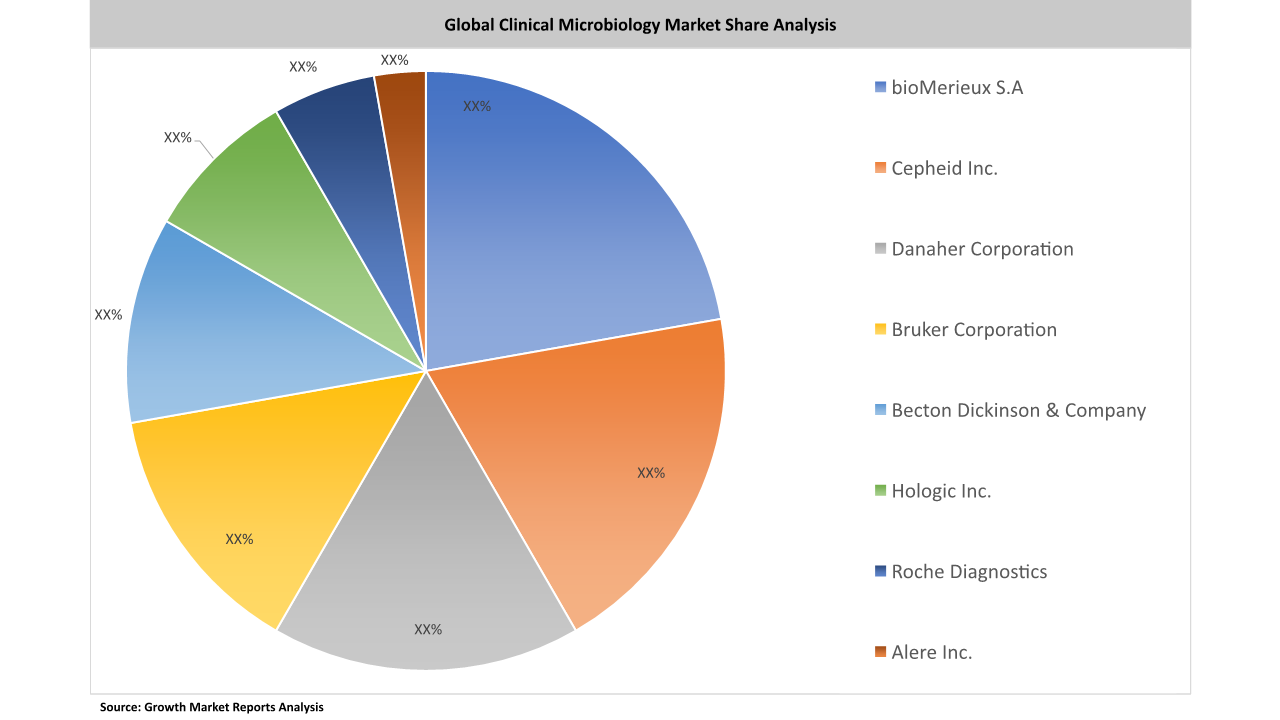
Some of the major players in the global clinical microbiology market are bioMerieux S.A; Cepheid Inc.; Danaher Corporation; Bruker Corporation; Becton Dickinson & Company; Hologic Inc.; Roche Diagnostics; and Alere Inc. Most of these players are currently engaged in strategic initiatives including mergers & acquisitions, promoting awareness, and new product development that can help them to formulate innovative designs and automated systems for the study for clinical microbiology.
Opportunities include expanding into emerging markets, leveraging AI and big data, developing point-of-care and remote diagnostics, and forming strategic partnerships for innovation and market entry.
Key players include bioMérieux SA, Becton Dickinson (BD), Thermo Fisher Scientific, Danaher (Cepheid), Roche Diagnostics, Abbott Laboratories, Bruker Corporation, Hologic Inc., and others.
Challenges include high costs and complexity of advanced diagnostics, need for skilled personnel, regulatory compliance, and the ongoing threat of antimicrobial resistance.
Major trends include automation, artificial intelligence, molecular diagnostics, next-generation sequencing, point-of-care testing, and cloud-based data management.
Hospitals and diagnostic centers are the largest end users, followed by academic and research institutes, pharmaceutical and biotechnology companies, and government or public health organizations.
Clinical microbiology is primarily used for disease diagnosis, drug development, food testing, and environmental monitoring.
The market includes laboratory instruments (such as automated analyzers and mass spectrometers), reagents, consumables (like petri dishes and pipette tips), and software solutions (including LIMS and data analytics platforms).
North America leads the market, followed by Europe. The Asia Pacific region is the fastest-growing, with significant growth also seen in Latin America and the Middle East & Africa.
Key drivers include the rising prevalence of infectious diseases, technological advancements in diagnostics, increased demand for rapid testing, and significant investments in automation and digitalization.
The global clinical microbiology market reached USD 5.9 billion in 2024 and is projected to grow at a CAGR of 6.8%, reaching USD 10.4 billion by 2033.