Segments - by Type (Inactivated Vaccines, Live Attenuated Vaccines, Subunit, Recombinant, Polysaccharide & Conjugate Vaccines, Toxoid Vaccines, mRNA Vaccines, Viral Vector Vaccines, Others), by Application (Infectious Diseases, Cancer, Allergy, Others), by Age Group (Pediatric, Adult, Geriatric), by Route Of Administration (Intramuscular, Subcutaneous, Oral, Others), by Distribution Channel (Hospitals & Clinics, Government Suppliers, Retail Pharmacies, Others)
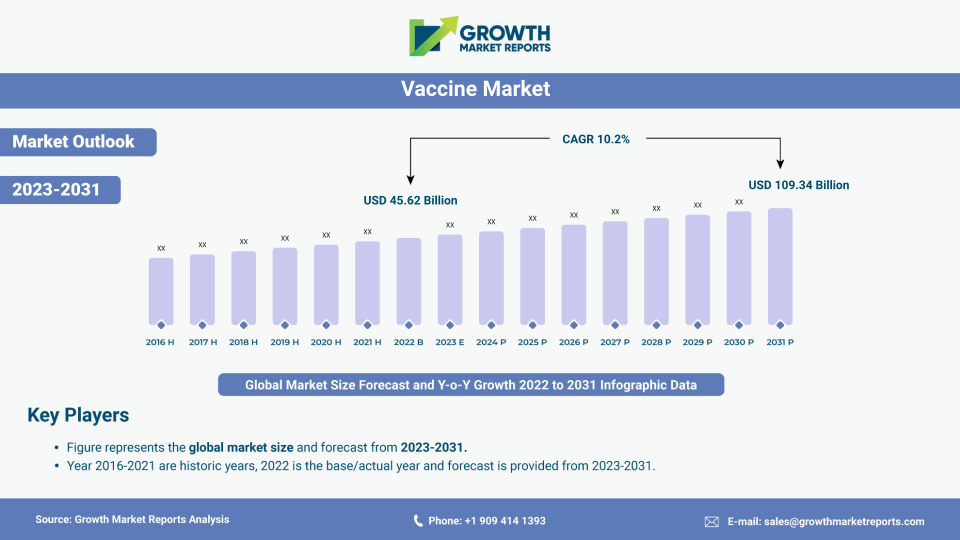
According to our latest research, the global vaccine market size reached USD 71.6 billion in 2024, reflecting robust growth driven by increased immunization initiatives and the introduction of innovative vaccine technologies. The market is expected to exhibit a strong compound annual growth rate (CAGR) of 8.2% during the forecast period, with projections indicating that the vaccine market will reach approximately USD 137.9 billion by 2033. Key growth factors include the rising prevalence of infectious diseases, expanding government immunization programs, and heightened investments in research and development across both developed and emerging economies.
One of the primary growth drivers for the vaccine market is the persistent threat of infectious diseases, both existing and emerging. The global health landscape has been significantly shaped by outbreaks such as COVID-19, which accelerated vaccine development and distribution at an unprecedented pace. Governments and international organizations have increased funding and support for vaccination campaigns to curb the spread of diseases like influenza, hepatitis, HPV, and more recently, monkeypox and respiratory syncytial virus (RSV). Additionally, the resurgence of vaccine-preventable diseases in certain regions has underscored the importance of maintaining high immunization coverage, further fueling market expansion. The ongoing demand for booster shots and the development of combination vaccines are also contributing to the market's upward trajectory.
Technological advancements in vaccine development have played a transformative role in shaping the market landscape. The emergence of novel vaccine platforms, such as mRNA and viral vector vaccines, has revolutionized the speed and efficacy with which new vaccines can be developed and deployed. These next-generation vaccines have demonstrated significant efficacy against complex pathogens and have opened new avenues for addressing diseases beyond traditional infectious agents, including cancer and allergies. The integration of biotechnology, genomics, and advanced adjuvants has enabled the production of safer, more effective, and longer-lasting vaccines. This innovation, coupled with streamlined regulatory pathways and increased collaboration between public and private sectors, has accelerated the introduction of new vaccines into the market.
Another critical factor propelling the vaccine market is the expansion of immunization programs targeting diverse demographic groups. While pediatric vaccination remains a cornerstone of public health, there is growing recognition of the need for adult and geriatric immunization, particularly in the context of aging populations and the rising burden of chronic diseases. Governments and healthcare organizations are increasingly investing in awareness campaigns and making vaccines accessible through various distribution channels, including hospitals, clinics, pharmacies, and government suppliers. The widening scope of vaccination, encompassing travelers, healthcare workers, and at-risk populations, is expected to further boost market growth. Additionally, global initiatives aimed at achieving universal vaccine coverage are fostering equitable access to life-saving immunizations in low- and middle-income countries.
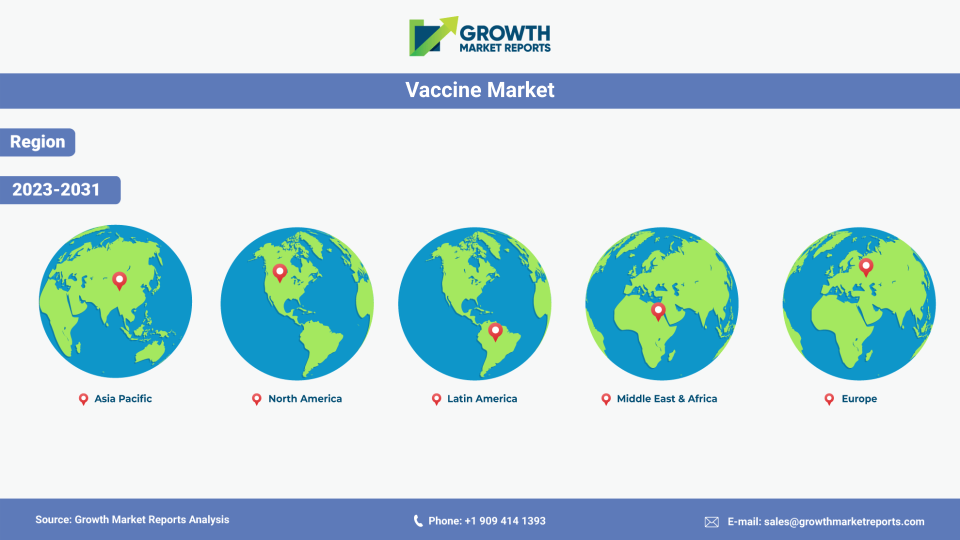
From a regional perspective, North America continues to lead the vaccine market, accounting for the largest share due to its advanced healthcare infrastructure, high immunization rates, and substantial investments in research and development. Europe follows closely, benefiting from robust regulatory frameworks and strong government support for vaccination programs. The Asia Pacific region is witnessing the fastest growth, driven by large populations, increasing healthcare expenditure, and rising awareness about the benefits of immunization. Meanwhile, Latin America and the Middle East & Africa are experiencing steady growth, supported by expanding immunization initiatives and international collaborations to address unmet healthcare needs. This dynamic regional landscape underscores the global importance of vaccines in preventing disease and promoting public health.
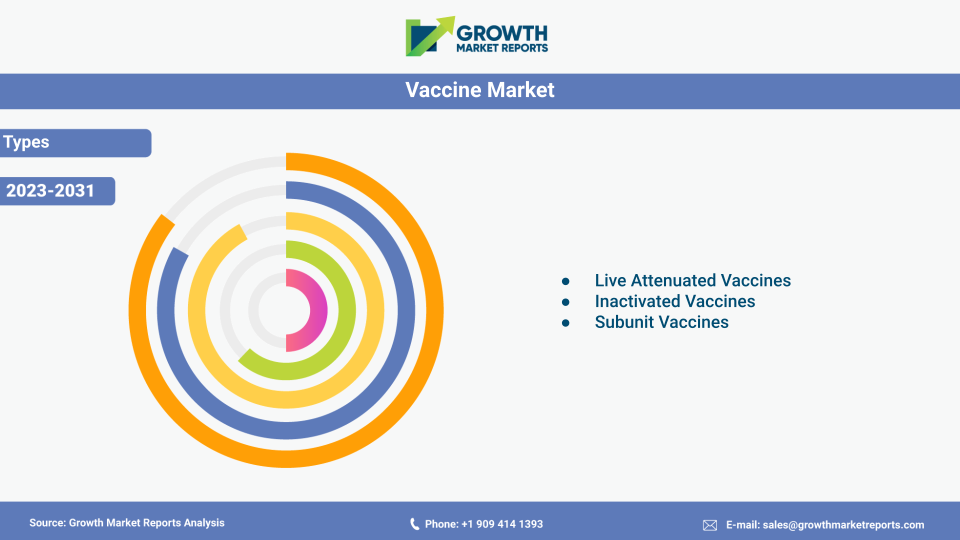
The vaccine market is highly diverse in terms of vaccine types, each playing a unique role in addressing different diseases and population needs. Inactivated vaccines, which use killed pathogens to stimulate immune response, have long been a mainstay for diseases like polio, hepatitis A, and influenza. These vaccines are prized for their safety profile, particularly in immunocompromised individuals, and their ability to provide robust protection with minimal risk of causing disease. Live attenuated vaccines, on the other hand, use weakened forms of the pathogen and are highly effective in eliciting strong, long-lasting immunity. They are commonly used for measles, mumps, rubella, and varicella, but require careful handling and storage to maintain efficacy. The market for these traditional vaccine types remains strong, especially in regions with established immunization programs.
Subunit, recombinant, polysaccharide, and conjugate vaccines represent a significant advancement in vaccine technology, offering targeted protection with reduced risk of side effects. These vaccines use specific components of the pathogen, such as proteins or sugars, to trigger an immune response. The introduction of conjugate vaccines for diseases like pneumococcal and meningococcal infections has dramatically reduced the incidence of these illnesses, particularly in children. Recombinant vaccines, such as those for hepatitis B and HPV, leverage genetic engineering to produce antigens in the laboratory, ensuring consistent quality and safety. The growing adoption of these vaccines is driven by their efficacy, safety, and suitability for use in both pediatric and adult populations.
The advent of mRNA and viral vector vaccines has marked a paradigm shift in the vaccine market, particularly in the wake of the COVID-19 pandemic. mRNA vaccines, such as those developed for COVID-19, have demonstrated remarkable efficacy and speed of development, setting new standards for vaccine innovation. These vaccines instruct cells to produce a harmless piece of the pathogen, prompting an immune response without using live virus. Viral vector vaccines use a modified virus to deliver genetic material from the pathogen, eliciting a strong immune response. Both platforms have shown promise not only for infectious diseases but also for cancer immunotherapy and other non-infectious conditions. The rapid scalability and adaptability of these technologies are expected to drive their adoption in the coming years.
Toxoid vaccines, which use inactivated toxins produced by bacteria, play a crucial role in preventing diseases such as tetanus and diphtheria. These vaccines are essential components of routine immunization schedules worldwide and have contributed to the near-eradication of several life-threatening diseases. The market for toxoid vaccines is sustained by ongoing public health efforts to maintain high coverage rates and prevent outbreaks. Additionally, other vaccine types, including DNA vaccines and peptide-based vaccines, are under development and hold potential for future market expansion. The continuous evolution of vaccine types, driven by scientific advancements and emerging health threats, ensures a dynamic and competitive landscape in the global vaccine market.
| Attributes | Details |
| Report Title | Vaccine Market Research Report 2033 |
| By Type | Inactivated Vaccines, Live Attenuated Vaccines, Subunit, Recombinant, Polysaccharide & Conjugate Vaccines, Toxoid Vaccines, mRNA Vaccines, Viral Vector Vaccines, Others |
| By Application | Infectious Diseases, Cancer, Allergy, Others |
| By Age Group | Pediatric, Adult, Geriatric |
| By Route Of Administration | Intramuscular, Subcutaneous, Oral, Others |
| By Distribution Channel | Hospitals & Clinics, Government Suppliers, Retail Pharmacies, Others |
| Regions Covered | North America, Europe, APAC, Latin America, MEA |
| Base Year | 2024 |
| Historic Data | 2018-2023 |
| Forecast Period | 2025-2033 |
| Number of Pages | 267 |
| Number of Tables & Figures | 299 |
| Customization Available | Yes, the report can be customized as per your need. |
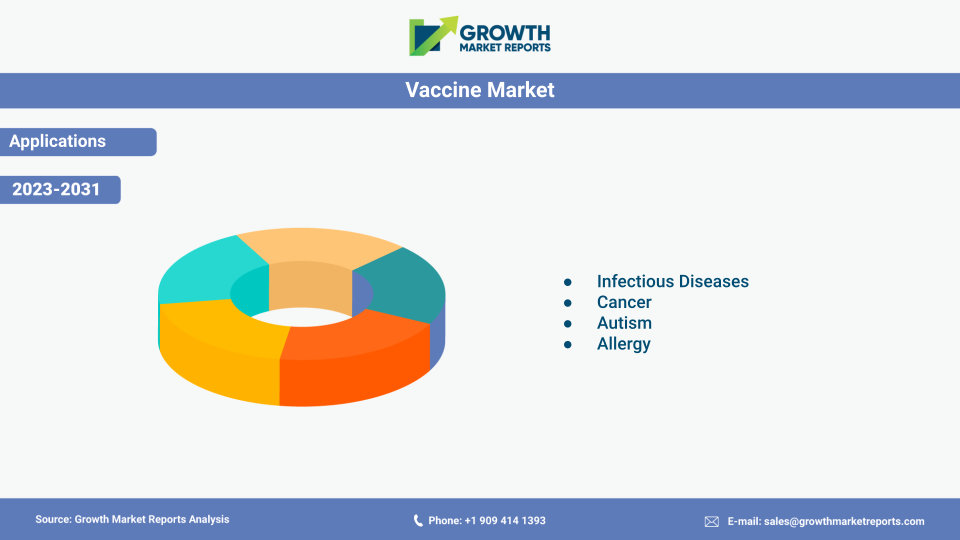
The application landscape of the vaccine market is dominated by the prevention of infectious diseases, which account for the majority of vaccine usage worldwide. Vaccines for diseases such as influenza, hepatitis, measles, mumps, rubella, polio, and more recently, COVID-19, have been instrumental in reducing morbidity and mortality rates globally. The ongoing threat of emerging and re-emerging infectious diseases underscores the critical role of vaccines in public health. Governments and international organizations continue to prioritize the development and deployment of vaccines to control outbreaks and achieve herd immunity. The success of vaccination campaigns in eradicating smallpox and significantly reducing the incidence of polio and measles highlights the transformative impact of vaccines on global health.
Beyond infectious diseases, the vaccine market is witnessing increasing focus on cancer vaccines, which are designed to prevent or treat various types of cancer by stimulating the body's immune system to target cancer cells. Prophylactic vaccines, such as the HPV vaccine, have demonstrated efficacy in preventing cervical and other cancers associated with viral infections. Therapeutic cancer vaccines, although still in the early stages of development, hold promise for treating established cancers by enhancing the immune response against tumor-specific antigens. The growing burden of cancer worldwide and advances in immunotherapy are driving research and investment in this segment, with several candidates in clinical trials.
Another emerging application area is the development of vaccines for allergies, which aim to desensitize the immune system to specific allergens and reduce the severity of allergic reactions. Allergy vaccines, also known as allergen immunotherapy, are gaining traction as a preventive and therapeutic option for conditions such as hay fever, asthma, and food allergies. The increasing prevalence of allergic diseases, particularly in developed countries, is fueling demand for innovative vaccine-based solutions. Additionally, vaccines are being explored for autoimmune diseases, neurological disorders, and other non-infectious conditions, expanding the scope of vaccine applications beyond traditional boundaries.
Other applications of vaccines include travel vaccines, which protect travelers against diseases endemic to specific regions, and occupational vaccines, which safeguard healthcare workers and other high-risk groups. The growing globalization of travel and trade, coupled with the need to protect vulnerable populations, is driving demand for a broad range of vaccines. The diversification of vaccine applications reflects the evolving needs of society and the expanding capabilities of vaccine science. As new diseases emerge and the understanding of immune mechanisms deepens, the range of vaccine applications is expected to continue growing, contributing to the overall expansion of the vaccine market.
The vaccine market is segmented by age group into pediatric, adult, and geriatric populations, each with distinct immunization needs and challenges. Pediatric vaccines form the backbone of national immunization programs, targeting diseases that predominantly affect children, such as measles, mumps, rubella, diphtheria, pertussis, tetanus, polio, and rotavirus. High coverage rates in this segment have led to significant reductions in childhood morbidity and mortality, particularly in countries with robust public health systems. The introduction of new vaccines, such as those for pneumococcal and meningococcal infections, has further improved child health outcomes. Ongoing efforts to expand pediatric immunization schedules and address vaccine hesitancy are critical to sustaining progress in this segment.
Adult immunization is gaining increasing attention as the burden of vaccine-preventable diseases among adults becomes more apparent. Vaccines for influenza, hepatitis B, HPV, shingles, and COVID-19 are widely recommended for adults, particularly those with underlying health conditions or occupational risks. The growing recognition of the importance of life-course immunization is driving efforts to improve adult vaccine uptake through targeted campaigns and expanded access in healthcare settings. Additionally, travel-related vaccines and booster doses for certain diseases are important components of adult immunization strategies. Addressing barriers to adult vaccination, such as lack of awareness and access, is a key priority for public health authorities.
The geriatric population represents a rapidly growing segment of the vaccine market, driven by demographic shifts and the increased vulnerability of older adults to infectious diseases. Age-related decline in immune function, known as immunosenescence, makes older individuals more susceptible to severe outcomes from diseases such as influenza, pneumococcal infections, and shingles. Vaccines tailored for the elderly, including high-dose and adjuvanted formulations, are being developed to enhance immune responses and provide better protection. The rising prevalence of chronic diseases and the impact of COVID-19 on older populations have underscored the importance of geriatric immunization. Expanding vaccine coverage among seniors is essential for reducing healthcare burdens and improving quality of life.
Efforts to promote vaccination across all age groups are supported by comprehensive immunization policies and public awareness campaigns. The integration of immunization services into primary healthcare, school-based programs, and community outreach initiatives is helping to bridge gaps in coverage and ensure equitable access to vaccines. As the global population continues to age and new vaccines become available, the segmentation of the vaccine market by age group will remain a critical factor in shaping market dynamics and public health outcomes.
The route of administration is a crucial consideration in vaccine development and delivery, influencing efficacy, safety, and patient acceptance. Intramuscular injection is the most common route for many vaccines, including those for influenza, hepatitis, HPV, and COVID-19. This method allows for efficient delivery of the vaccine antigen into the muscle tissue, where it can be readily taken up by immune cells. Intramuscular vaccines are generally well-tolerated and have a well-established safety profile, making them suitable for mass immunization campaigns. Advances in needle technology and the use of combination vaccines have further streamlined intramuscular administration, reducing discomfort and improving compliance.
Subcutaneous administration is used for vaccines that require slower absorption and a more gradual immune response. Vaccines for diseases such as measles, mumps, rubella, and varicella are commonly delivered via the subcutaneous route. This method is particularly useful for pediatric and geriatric populations, where minimizing pain and tissue damage is a priority. The choice of route depends on the nature of the vaccine, the target population, and the desired immune response. Subcutaneous vaccines are often administered using smaller needles and can be given in settings outside of traditional healthcare facilities, enhancing accessibility.
Oral vaccines offer several advantages, including ease of administration, reduced need for trained healthcare personnel, and increased acceptability, particularly among children. Oral polio vaccine (OPV) is a prime example of the success of this route, contributing to the near-eradication of polio worldwide. Other oral vaccines, such as those for rotavirus and cholera, have demonstrated significant impact in reducing disease burden in low-resource settings. The development of new oral vaccine formulations is an area of active research, with the potential to improve coverage and compliance in hard-to-reach populations. However, challenges such as stability, storage, and variable absorption must be addressed to maximize the benefits of oral vaccines.
Other routes of administration, including intradermal, intranasal, and transdermal delivery, are being explored to enhance immune responses and improve patient experience. Intradermal vaccines use a smaller volume and target the skin's immune-rich environment, potentially allowing for dose-sparing strategies. Intranasal vaccines, such as those for influenza, offer needle-free administration and the potential for mucosal immunity. Transdermal patches and microneedle arrays represent innovative approaches to painless and self-administered vaccination. The diversification of administration routes reflects the ongoing quest to optimize vaccine delivery and expand access to immunization services worldwide.
Distribution channels play a pivotal role in ensuring that vaccines reach the intended populations efficiently and safely. Hospitals and clinics remain the primary distribution points for vaccines, offering comprehensive immunization services as part of routine healthcare. These settings provide the infrastructure and trained personnel necessary for vaccine storage, administration, and monitoring of adverse events. Hospitals and clinics are particularly important for delivering vaccines to high-risk groups, managing mass vaccination campaigns, and maintaining cold chain integrity. The integration of vaccination services into primary care has improved access and coverage, especially in urban and peri-urban areas.
Government suppliers, including national immunization programs and international agencies such as UNICEF and Gavi, play a critical role in vaccine procurement and distribution, particularly in low- and middle-income countries. These organizations leverage bulk purchasing power, negotiate favorable pricing, and coordinate logistics to ensure the availability of vaccines for large-scale campaigns. Government-driven distribution channels are essential for reaching underserved populations, implementing school-based immunization programs, and responding to outbreaks. The success of global initiatives such as the Expanded Programme on Immunization (EPI) and COVAX highlights the importance of coordinated public sector efforts in achieving universal vaccine coverage.
Retail pharmacies are emerging as an important distribution channel for vaccines, particularly in high-income countries where convenience and accessibility are key considerations. Pharmacies offer extended hours, walk-in services, and the ability to reach individuals who may not regularly visit healthcare facilities. The expansion of pharmacy-based vaccination services has been accelerated by the COVID-19 pandemic, with many countries authorizing pharmacists to administer vaccines. This trend is expected to continue, driven by consumer demand for convenience and the need to increase vaccine uptake among adults and working populations. Retail pharmacies also play a role in public education and addressing vaccine hesitancy.
Other distribution channels, including mobile clinics, community health workers, and outreach programs, are vital for reaching remote, rural, and marginalized populations. Innovative delivery models, such as drone-based vaccine transport and digital tracking systems, are being piloted to overcome logistical challenges and ensure timely vaccine delivery. The diversification of distribution channels is essential for achieving equitable access to vaccines and addressing the unique needs of different populations. As the vaccine market continues to expand, optimizing distribution strategies will remain a key focus for manufacturers, governments, and healthcare providers.
The vaccine market presents substantial opportunities for growth and innovation, driven by the ongoing need to address both existing and emerging health threats. One of the most promising opportunities lies in the development of next-generation vaccines, including mRNA, DNA, and peptide-based platforms. These technologies offer the potential for rapid response to new pathogens, personalized vaccines for cancer and rare diseases, and improved efficacy against difficult-to-treat infections. The success of mRNA vaccines during the COVID-19 pandemic has demonstrated the feasibility and scalability of these platforms, paving the way for their application in a wide range of diseases. Continued investment in research and development, coupled with supportive regulatory frameworks, will be critical to unlocking the full potential of these innovative approaches.
Another significant opportunity is the expansion of vaccine access in low- and middle-income countries, where coverage rates for many diseases remain suboptimal. International collaborations, public-private partnerships, and innovative financing mechanisms are enabling the scale-up of immunization programs and the introduction of new vaccines in resource-limited settings. Efforts to strengthen healthcare infrastructure, improve cold chain logistics, and address vaccine hesitancy are essential for achieving global immunization goals. The growing recognition of the importance of adult and geriatric immunization, as well as the need for booster doses and combination vaccines, presents additional avenues for market expansion. As the global population ages and the burden of chronic diseases rises, the demand for vaccines across all age groups is expected to increase.
Despite these opportunities, the vaccine market faces several restraining factors that could hinder growth. One of the key challenges is vaccine hesitancy, driven by misinformation, mistrust in healthcare systems, and concerns about vaccine safety and side effects. Addressing hesitancy requires comprehensive public education campaigns, transparent communication, and engagement with community leaders to build trust and confidence in vaccines. Additionally, logistical challenges related to cold chain management, distribution in remote areas, and the high cost of some vaccines can limit access, particularly in low-resource settings. Regulatory hurdles, lengthy approval processes, and intellectual property issues may also slow the introduction of new vaccines. Overcoming these barriers will require coordinated efforts from governments, manufacturers, and international organizations to ensure that life-saving vaccines reach all those in need.
Regionally, the vaccine market exhibits significant variation in terms of market size, growth rates, and disease burden. North America leads the global vaccine market, with a market size of approximately USD 22.6 billion in 2024, driven by high immunization rates, advanced healthcare infrastructure, and substantial investments in research and development. The United States, in particular, is a major contributor to market growth, supported by strong government initiatives, a robust biotechnology sector, and widespread adoption of new vaccine technologies. The region is also characterized by a high level of public awareness and proactive vaccination policies, which have been instrumental in controlling outbreaks and achieving high coverage rates for both pediatric and adult vaccines.
Europe holds the second-largest share of the global vaccine market, with a market size of around USD 19.1 billion in 2024. The region benefits from well-established immunization programs, strong regulatory frameworks, and significant government support for vaccine research and procurement. Countries such as the United Kingdom, Germany, and France are leading adopters of innovative vaccine technologies and have implemented comprehensive vaccination schedules for all age groups. The European market is also characterized by a strong focus on vaccine safety, pharmacovigilance, and post-marketing surveillance, ensuring the continued trust of the public in immunization programs. The region is expected to grow at a moderate CAGR of 7.8% through 2033.
The Asia Pacific region is experiencing the fastest growth in the vaccine market, with a market size of USD 16.4 billion in 2024 and a projected CAGR of 10.1% through 2033. The region's large and diverse population, rising healthcare expenditure, and increasing awareness about the benefits of vaccination are key drivers of market expansion. Countries such as China, India, and Japan are making significant investments in vaccine research, manufacturing, and distribution, supported by government initiatives and international partnerships. The Asia Pacific region also faces unique challenges, including disparities in healthcare access, varying disease prevalence, and logistical barriers to vaccine delivery in remote areas. However, ongoing efforts to strengthen healthcare systems and expand immunization coverage are expected to drive sustained market growth.
The global vaccine market is characterized by intense competition among a mix of multinational pharmaceutical companies, biotechnology firms, and emerging players. The competitive landscape is shaped by continuous innovation, strategic collaborations, and significant investments in research and development. Leading companies are leveraging advanced technologies, such as mRNA and viral vector platforms, to develop next-generation vaccines with improved efficacy, safety, and scalability. The race to develop and deploy COVID-19 vaccines has intensified competition, with companies vying to secure regulatory approvals, expand manufacturing capacity, and establish global distribution networks. Intellectual property rights, pricing strategies, and market access agreements play a crucial role in determining competitive advantage.
Strategic partnerships and collaborations are a hallmark of the vaccine market, enabling companies to pool resources, share risks, and accelerate product development. Public-private partnerships, joint ventures, and licensing agreements are common strategies for expanding product portfolios and entering new markets. Companies are also investing in the development of combination vaccines, booster doses, and vaccines for emerging diseases to address unmet medical needs and capture new growth opportunities. Mergers and acquisitions are further consolidating the market, with larger players acquiring innovative startups and biotechnology firms to enhance their technological capabilities and market reach.
Regulatory compliance, quality assurance, and supply chain management are critical factors influencing competitive positioning in the vaccine market. Companies must navigate complex regulatory environments, adhere to stringent manufacturing standards, and ensure the timely delivery of vaccines to global markets. The ability to rapidly scale up production and respond to public health emergencies is a key differentiator, as demonstrated during the COVID-19 pandemic. Companies that can demonstrate a track record of safety, efficacy, and reliability are better positioned to secure government contracts, gain public trust, and maintain market leadership.
Some of the major companies operating in the global vaccine market include Pfizer Inc., GlaxoSmithKline plc, Sanofi, Merck & Co., Inc., AstraZeneca, Moderna, Inc., Johnson & Johnson, Bharat Biotech, Serum Institute of India, and CureVac AG. Pfizer, in partnership with BioNTech, has been at the forefront of mRNA vaccine development, particularly for COVID-19. GlaxoSmithKline and Sanofi are leaders in the development of vaccines for influenza, meningitis, and other infectious diseases, leveraging extensive research capabilities and global distribution networks. Merck is renowned for its HPV and pediatric vaccines, while Moderna has rapidly emerged as a key player in the mRNA vaccine space. AstraZeneca and Johnson & Johnson have made significant contributions to the COVID-19 vaccine effort, utilizing viral vector platforms.
Indian manufacturers such as Serum Institute of India and Bharat Biotech play a vital role in supplying affordable vaccines to low- and middle-income countries, contributing to global immunization efforts. CureVac AG and other biotechnology firms are pioneering new vaccine technologies and targeting niche indications, adding to the diversity and dynamism of the market. These companies are engaged in ongoing research to develop vaccines for a wide range of diseases, including emerging infectious threats, cancer, and chronic conditions. The competitive landscape is expected to remain dynamic, with continued innovation, strategic alliances, and a focus on expanding access to life-saving vaccines worldwide.
The Vaccine market has been segmented on the basis of
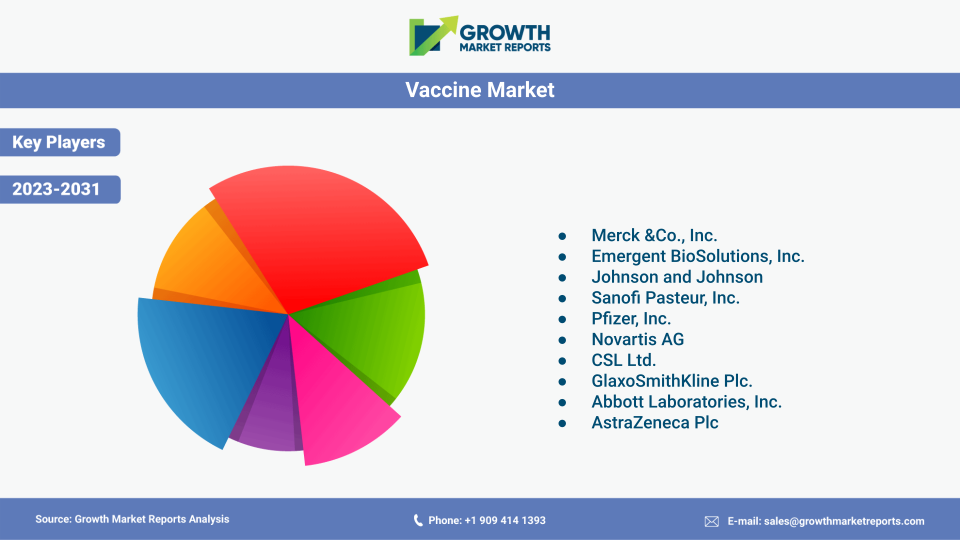
The key players of the global vaccine market are Merck &Co., Inc.; Emergent BioSolutions, Inc.; Johnson and Johnson; Sanofi Pasteur, Inc.; Pfizer, Inc.; Novartis AG; CSL Ltd.; GlaxoSmithKline Plc.; Abbott Laboratories, Inc.; AstraZeneca Plc; Janssen Pharmaceuticals, Inc.; Takeda Pharmaceuticals Company Ltd.; and Valeant Pharmaceuticals International, Inc. AstraZeneca collaborated with the University of Oxford to develop the COVID-19 vaccine in 2020 in an attempt to curb the spread of the pandemic.
Opportunities include next-generation vaccine technologies (like mRNA and DNA vaccines), expansion in low- and middle-income countries, and increasing adult/geriatric immunization. Challenges include vaccine hesitancy, cold chain logistics, high costs, and regulatory hurdles.
Major players include Pfizer Inc., Moderna, GlaxoSmithKline (GSK), Sanofi, AstraZeneca, Johnson & Johnson, Merck, Bharat Biotech, Serum Institute of India, Sinovac, Sinopharm, CSL Limited, Novavax, and CureVac AG.
Common routes include intramuscular, subcutaneous, and oral administration. Other routes like intradermal, intranasal, and transdermal are also being explored for improved efficacy and patient experience.
The market is segmented into pediatric, adult, and geriatric populations, each with distinct immunization needs. Pediatric vaccines form the backbone of immunization programs, while adult and geriatric immunization are gaining importance due to aging populations and chronic disease prevalence.
Vaccines are primarily used for the prevention of infectious diseases, but there is growing focus on cancer vaccines, allergy vaccines, and vaccines for other non-infectious conditions.
Major vaccine types include inactivated vaccines, live attenuated vaccines, subunit/recombinant/polysaccharide/conjugate vaccines, toxoid vaccines, mRNA vaccines, viral vector vaccines, and others such as DNA and peptide-based vaccines.
North America leads the vaccine market due to advanced healthcare infrastructure and high immunization rates, followed by Europe. The Asia Pacific region is witnessing the fastest growth due to large populations and increasing healthcare expenditure.
Key growth drivers include the rising prevalence of infectious diseases, expanding government immunization programs, technological advancements in vaccine development, and increased investments in R&D.
The vaccine market is expected to grow at a compound annual growth rate (CAGR) of 8.2% from 2025 to 2033, reaching approximately USD 137.9 billion by 2033.
As of 2024, the global vaccine market size reached USD 71.6 billion, reflecting robust growth driven by increased immunization initiatives and innovative vaccine technologies.