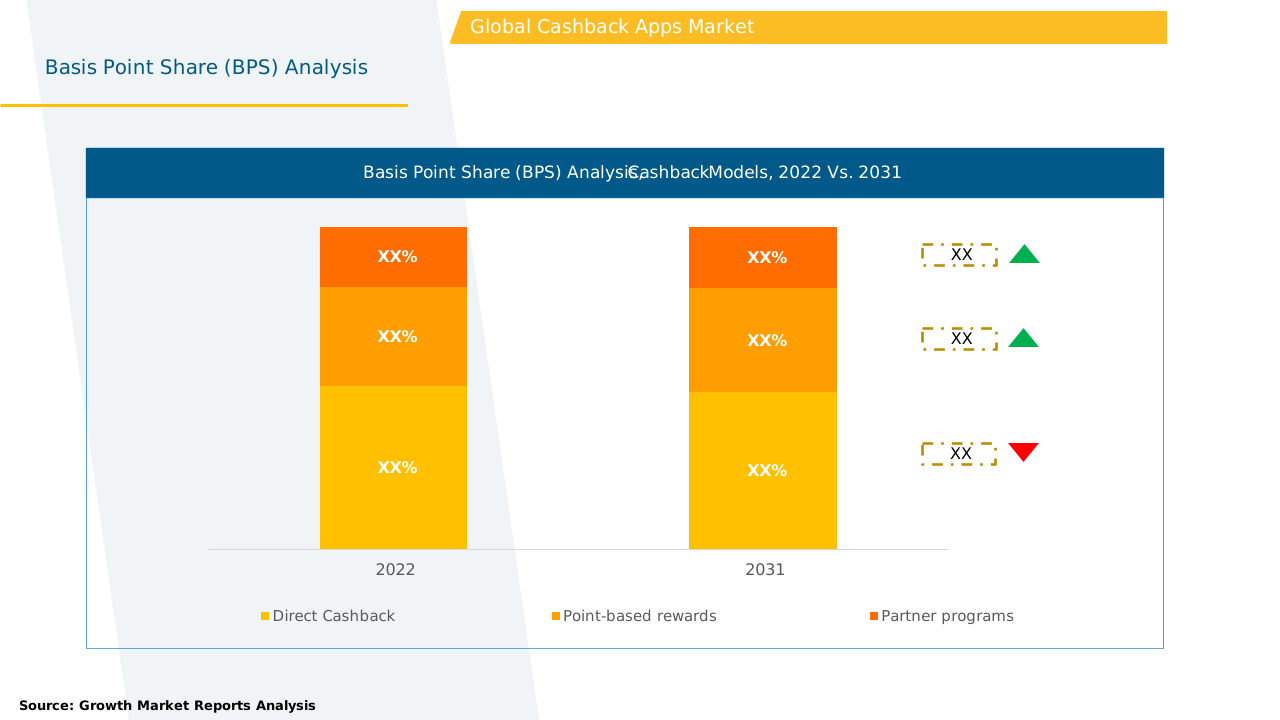
Segments - by Platform (iOS, Android, Web-Based), by Type (Coupon & Voucher-Based, Points-Based, Direct Cashback, Others), by Application (Retail & E-commerce, Travel & Hospitality, Financial Services, Groceries, Others), by End-User (Individual, Enterprise), by Distribution Channel (App Stores, Direct Download, Third-Party Platforms)
According to our latest research, the global Cashback Apps market size reached USD 8.1 billion in 2024, and it is expected to exhibit a robust CAGR of 12.4% during the forecast period from 2025 to 2033. By the end of 2033, the market is projected to attain a value of USD 23.1 billion. This impressive growth trajectory is primarily driven by the increasing adoption of digital payment solutions and the surge in online shopping activities worldwide. The expanding e-commerce ecosystem, coupled with consumers' growing preference for personalized savings and rewards, is significantly fueling the demand for cashback apps on a global scale.
One of the primary growth factors for the cashback apps market is the rapid digital transformation across both developed and emerging economies. As consumers increasingly shift towards cashless transactions, the appeal of receiving instant or deferred cashback on purchases is becoming a compelling incentive. Retailers and service providers are leveraging cashback apps to attract and retain customers, enhance brand loyalty, and drive repeat purchases. The proliferation of smartphones and improved internet connectivity have further simplified the integration of cashback functionalities, making them accessible to a broader demographic. Moreover, the rise of fintech innovation and partnerships between financial institutions and app developers are streamlining the user experience, making cashback apps an integral part of the modern consumer’s shopping journey.
Another significant growth driver is the intensifying competition in the e-commerce and retail sectors. Businesses are continuously seeking innovative ways to differentiate themselves and add value to their offerings. Cashback apps present a win-win proposition for both merchants and consumers: while consumers benefit from savings and rewards, businesses gain valuable insights into consumer behavior and preferences through data analytics. This data-driven approach enables more targeted marketing campaigns and personalized offers, which further incentivize the use of cashback platforms. Additionally, the integration of artificial intelligence and machine learning technologies is enhancing the personalization and efficiency of cashback offers, thus boosting user engagement and satisfaction.
The cashback apps market is also being propelled by the growing awareness among consumers regarding financial management and smart spending. Amid economic uncertainties and inflationary pressures, individuals are increasingly seeking ways to maximize their purchasing power. Cashback apps, by offering tangible monetary returns on everyday transactions, are resonating with budget-conscious consumers. Furthermore, the expansion of cashback programs into sectors such as travel, hospitality, and groceries is broadening the market’s scope and appeal. Strategic collaborations between app providers and leading brands, along with aggressive promotional campaigns, are further catalyzing the adoption of cashback apps across various consumer segments.
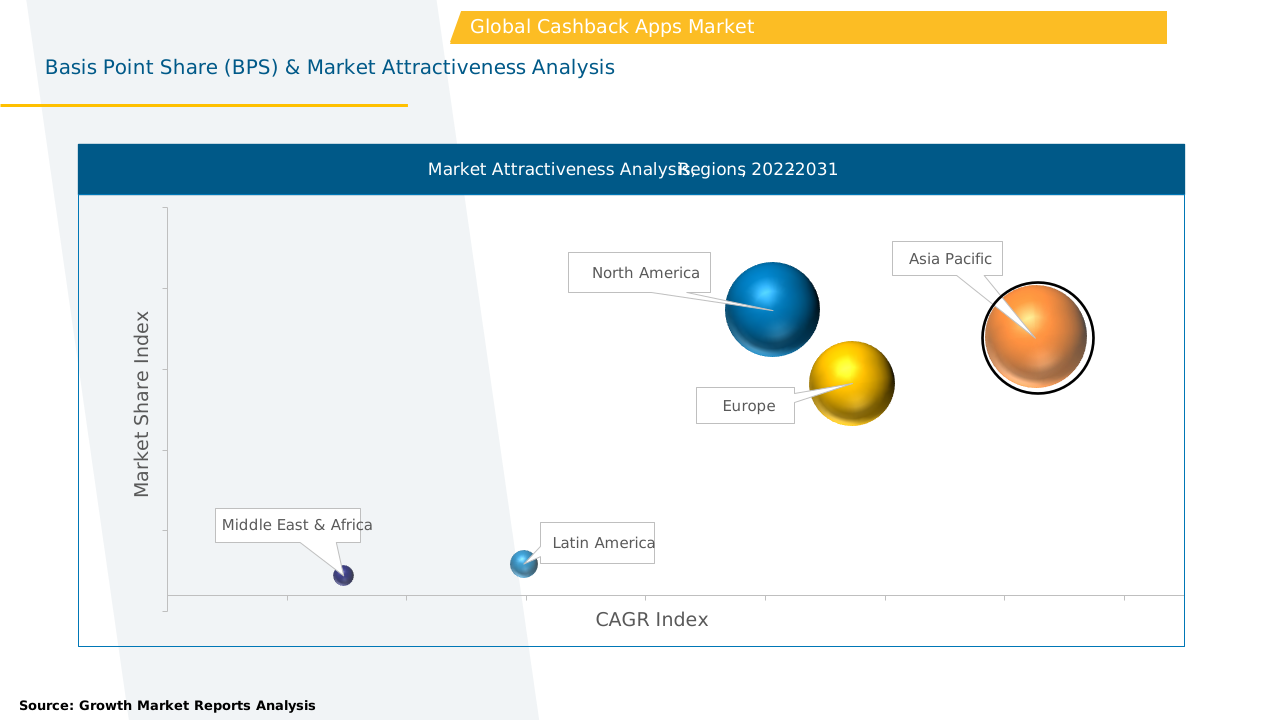
Regionally, North America currently dominates the cashback apps market, accounting for the largest share in 2024, followed closely by Europe and Asia Pacific. The high smartphone penetration, advanced digital infrastructure, and mature e-commerce landscape in these regions are key contributors to this leadership position. However, Asia Pacific is anticipated to witness the fastest growth over the forecast period, driven by a burgeoning middle class, rising disposable incomes, and increasing internet penetration. The Latin American and Middle Eastern & African markets are also witnessing steady growth, supported by ongoing digitalization efforts and the rising adoption of mobile payment solutions. As the global landscape evolves, regional players are expected to introduce localized features and partnerships to cater to diverse consumer preferences.
The platform segment of the cashback apps market is categorized into iOS, Android, and Web-Based platforms. Each platform plays a pivotal role in shaping user accessibility, engagement, and overall market penetration. Android currently leads the segment, capturing a substantial share due to its widespread adoption, especially in emerging markets where affordable Android devices are prevalent. The open-source nature of Android allows developers to innovate and quickly roll out updates, making it a preferred choice for cashback app providers targeting a diverse user base. Furthermore, the integration of cashback functionalities with popular Android-based e-wallets and mobile payment solutions has amplified the reach and usability of these apps among consumers.
iOS, while holding a smaller market share compared to Android, commands a significant presence in developed regions such as North America and Western Europe. The iOS platform is renowned for its security features, seamless user interface, and higher average transaction values, making it an attractive segment for premium cashback app offerings. App developers often prioritize iOS for launching new features and exclusive partnerships with high-end retailers and service providers. The strong brand loyalty among Apple users translates into higher engagement rates and repeat usage of cashback apps, thereby contributing to the segment’s revenue growth.
Web-based cashback platforms continue to play a crucial role, particularly among users who prefer desktop shopping or seek to access deals without downloading additional applications. These platforms are popular among older demographics and in regions where mobile device penetration is still catching up. Web-based cashback sites often aggregate deals from multiple merchants, offering users a comprehensive overview of available offers. The integration of browser extensions and plug-ins further enhances the convenience and reach of web-based cashback solutions, making them an essential component of the overall market ecosystem.
The cross-platform compatibility trend is gaining momentum, with app providers increasingly focusing on delivering a seamless and unified experience across Android, iOS, and web-based platforms. This approach not only expands the potential user base but also ensures consistency in user experience and engagement. Innovations such as single sign-on, synchronized wallets, and real-time notifications are being adopted to facilitate smooth transitions between devices and platforms. As the market matures, the ability to offer a cohesive multi-platform experience will be a key differentiator for leading cashback app providers.
| Attributes | Details |
| Report Title | Cashback Apps Market Research Report 2033 |
| By Platform | iOS, Android, Web-Based |
| By Type | Coupon & Voucher-Based, Points-Based, Direct Cashback, Others |
| By Application | Retail & E-commerce, Travel & Hospitality, Financial Services, Groceries, Others |
| By End-User | Individual, Enterprise |
| By Distribution Channel | App Stores, Direct Download, Third-Party Platforms |
| Regions Covered | North America, Europe, APAC, Latin America, MEA |
| Base Year | 2024 |
| Historic Data | 2018-2023 |
| Forecast Period | 2025-2033 |
| Number of Pages | 296 |
| Number of Tables & Figures | 289 |
| Customization Available | Yes, the report can be customized as per your need. |
The type segment of the cashback apps market is classified into Coupon & Voucher-Based, Points-Based, Direct Cashback, and Others. Coupon & voucher-based cashback apps are among the earliest forms of digital rewards, offering users discounts or rebates in the form of digital coupons redeemable at partner merchants. This type remains popular due to its simplicity and the immediate value it provides to users. Retailers favor coupon-based models as they drive traffic to specific products or services, allowing for targeted promotions and inventory management. The evolving nature of digital coupons, with features such as geo-targeting and personalized offers, continues to sustain their relevance in the market.
Points-based cashback apps operate on a rewards accumulation system, where users earn points for every transaction, which can later be redeemed for various benefits such as gift cards, merchandise, or even cash. This model is particularly effective in fostering long-term user engagement and loyalty, as it incentivizes repeat transactions. Points-based systems also enable app providers to collaborate with a wide range of partners, expanding the scope of redeemable rewards. The flexibility and versatility of this model make it appealing to both consumers and merchants, driving its adoption across multiple sectors including retail, travel, and financial services.
Direct cashback apps offer the most straightforward value proposition, providing users with instant or deferred cash returns on eligible purchases. This type has gained significant traction in recent years due to its transparency and ease of use. Users appreciate the immediacy of rewards, which are often credited directly to their bank accounts or digital wallets. Direct cashback models are particularly popular among millennials and Gen Z consumers, who prioritize convenience and tangible benefits. The integration of real-time transaction tracking and instant notifications further enhances the user experience, making direct cashback apps a preferred choice for many.
The "Others" category encompasses emerging and hybrid models that combine elements of the aforementioned types or introduce novel reward mechanisms. For example, some apps offer cryptocurrency-based cashback, charitable donations, or tiered rewards based on user activity. These innovative approaches cater to niche audiences and reflect the market’s ongoing evolution. As consumer preferences continue to diversify, app providers are experimenting with new formats to differentiate their offerings and capture additional market share. The ability to adapt and innovate within this segment will be crucial for sustained growth and competitiveness.
The application segment of the cashback apps market is highly diversified, with key areas including Retail & E-commerce, Travel & Hospitality, Financial Services, Groceries, and Others. Retail & e-commerce remains the dominant application, accounting for the largest share of market revenue. The explosive growth of online shopping, coupled with intense competition among retailers, has made cashback apps an indispensable tool for attracting and retaining customers. E-commerce giants and brick-and-mortar retailers alike are partnering with cashback platforms to offer exclusive deals and personalized rewards, driving higher transaction volumes and customer loyalty.
Travel & hospitality is another rapidly growing application area, as consumers increasingly seek value-added benefits when booking flights, hotels, and related services. Cashback apps in this segment often collaborate with major travel portals, airlines, and hotel chains to provide users with attractive incentives. The rise of digital nomadism and the recovery of the global travel industry post-pandemic have further bolstered demand for cashback solutions in this sector. Users appreciate the opportunity to offset travel expenses through cashback rewards, making these apps a popular choice for frequent travelers and business professionals.
In the financial services sector, cashback apps are being integrated with banking and payment solutions to offer users additional value on everyday transactions. Financial institutions are leveraging cashback partnerships to enhance customer engagement, drive card usage, and differentiate their offerings in a crowded market. The integration of cashback features with mobile banking apps, credit cards, and digital wallets is creating a seamless and rewarding experience for users. This trend is particularly pronounced in regions with high fintech adoption, where consumers are increasingly seeking innovative ways to maximize their financial benefits.
Grocery shopping is another key application area, with cashback apps partnering with supermarkets, convenience stores, and online grocery platforms to offer users savings on essential purchases. The recurring nature of grocery spending makes this segment particularly attractive for cashback providers, as it ensures consistent user engagement and transaction frequency. Customized offers based on purchase history, location, and preferences are enhancing the relevance and appeal of grocery-focused cashback apps. As inflationary pressures impact household budgets, consumers are turning to cashback solutions to stretch their grocery dollars further.
The "Others" category includes emerging application areas such as fuel, dining, entertainment, and wellness. As the cashback apps market continues to evolve, providers are exploring new verticals and forming strategic partnerships to expand their reach. The ability to cater to diverse consumer needs and preferences will be a key driver of growth in this segment. App providers that can offer a comprehensive suite of rewards across multiple categories are well-positioned to capture a larger share of the market and foster long-term user loyalty.
The end-user segment of the cashback apps market is bifurcated into Individual and Enterprise users. Individual consumers represent the primary user base, as they seek to maximize savings and rewards on personal and household expenditures. The convenience and accessibility of cashback apps make them particularly appealing to tech-savvy millennials, Gen Z, and working professionals who prioritize financial efficiency. Personalization features, such as tailored offers and spending insights, enhance the user experience and foster long-term engagement. The growing awareness of smart spending and financial management among individuals is further driving the adoption of cashback apps in this segment.
Enterprises are increasingly recognizing the value of cashback apps as tools for employee engagement, customer retention, and business development. Corporate partnerships with cashback providers enable businesses to offer exclusive rewards and incentives to employees, clients, and partners. This approach is particularly prevalent in sectors such as banking, insurance, and retail, where loyalty programs and value-added services are critical competitive differentiators. Enterprises are also leveraging cashback apps to gather insights into consumer behavior, optimize marketing strategies, and enhance brand visibility. The integration of cashback solutions into corporate expense management and procurement processes is an emerging trend, offering businesses additional cost-saving opportunities.
The enterprise segment is witnessing growing interest from small and medium-sized businesses (SMBs), which are adopting cashback solutions to enhance their value proposition and attract new customers. Customized cashback programs tailored to the needs of SMBs are enabling these businesses to compete more effectively with larger players. The scalability and flexibility of digital cashback platforms make them accessible to a wide range of enterprise users, from startups to multinational corporations. As competition intensifies across industries, enterprises that leverage cashback apps as part of their customer engagement and loyalty strategies are likely to gain a competitive edge.
The interplay between individual and enterprise users is creating new opportunities for collaboration and innovation within the cashback apps market. For example, co-branded cashback programs and joint marketing campaigns are enabling app providers to reach broader audiences and enhance user value. The ability to address the unique needs of both individual and enterprise users will be essential for sustained market growth and differentiation. As the market matures, providers that can offer tailored solutions and seamless integration with existing business processes will be well-positioned for success.
The distribution channel segment of the cashback apps market includes App Stores, Direct Download, and Third-Party Platforms. App stores, such as the Apple App Store and Google Play Store, remain the dominant distribution channel, accounting for the majority of downloads and installations. The widespread availability and user trust associated with official app stores make them the preferred choice for both consumers and developers. App stores also offer robust security features, regular updates, and user reviews, which enhance the credibility and discoverability of cashback apps. The prominence of app stores is further reinforced by the increasing adoption of smartphones and mobile devices worldwide.
Direct download channels, where users obtain cashback apps directly from the provider’s website or through exclusive partnerships, are gaining traction, particularly among tech-savvy users and enterprise clients. This channel allows app providers to bypass app store restrictions, offer customized versions, and implement unique features tailored to specific user segments. Direct download also enables faster deployment of updates and bug fixes, ensuring a more responsive user experience. However, concerns regarding security and app authenticity remain a challenge, necessitating robust verification and communication strategies to build user trust.
Third-party platforms, including affiliate networks, digital wallets, and e-commerce portals, are emerging as important distribution channels for cashback apps. These platforms offer access to large, engaged user bases and facilitate seamless integration with existing payment and shopping ecosystems. By partnering with third-party platforms, cashback app providers can expand their reach, enhance user convenience, and tap into new market segments. The growing popularity of super apps and integrated digital ecosystems in regions such as Asia Pacific is further driving the adoption of third-party distribution channels.
The evolving distribution landscape is prompting cashback app providers to adopt omnichannel strategies, ensuring that their offerings are accessible across multiple touchpoints. This approach not only maximizes user acquisition but also enhances retention and engagement by providing a consistent experience across platforms. Strategic partnerships with device manufacturers, telecom operators, and financial institutions are enabling app providers to pre-install or promote cashback apps, further boosting market penetration. As the market becomes increasingly competitive, the ability to leverage diverse distribution channels will be a key determinant of success.
The cashback apps market presents a multitude of opportunities for growth and innovation. One of the most significant opportunities lies in the integration of advanced technologies such as artificial intelligence, machine learning, and big data analytics. These technologies enable app providers to deliver highly personalized offers, optimize reward structures, and enhance fraud detection capabilities. The ability to analyze vast amounts of transaction data allows for more accurate targeting and segmentation, resulting in higher user engagement and conversion rates. Additionally, the expansion of cashback programs into new sectors and geographies presents untapped potential for market players seeking to diversify their offerings and capture emerging consumer segments.
Another key opportunity stems from the increasing convergence of cashback apps with broader digital ecosystems, including mobile wallets, payment gateways, and super apps. By integrating cashback functionalities into these platforms, providers can offer users a seamless and unified experience, driving higher adoption and retention rates. Strategic partnerships with leading brands, financial institutions, and e-commerce platforms are enabling cashback app providers to access larger user bases and enhance the value proposition for both consumers and merchants. The rise of cross-border e-commerce and international travel also presents opportunities for global expansion and the development of multi-currency, multilingual cashback solutions.
Despite the promising outlook, the cashback apps market faces several restraining factors and threats. One of the primary challenges is the intensifying competition and market saturation, which can lead to diminishing returns and reduced profitability for app providers. The proliferation of similar offerings makes it increasingly difficult for new entrants to differentiate themselves and attract users. Additionally, concerns regarding data privacy, security, and regulatory compliance pose significant risks, particularly in regions with stringent data protection laws. Providers must invest in robust security measures, transparent privacy policies, and ongoing compliance efforts to build and maintain user trust. The evolving regulatory landscape and potential restrictions on digital rewards and loyalty programs could also impact market dynamics and growth prospects.
North America remains the largest regional market for cashback apps, accounting for approximately 34% of the global market size in 2024, with revenues reaching nearly USD 2.75 billion. The region’s leadership is underpinned by high smartphone penetration, advanced digital infrastructure, and a mature e-commerce ecosystem. Leading cashback app providers such as Rakuten, Ibotta, and Honey have established strong footholds in the United States and Canada, offering a wide array of rewards and partnerships with major retailers. The presence of innovative fintech companies and a tech-savvy consumer base further contribute to the region’s dominance. North America is expected to maintain steady growth, supported by ongoing digitalization efforts and the introduction of new features and partnerships.
Europe is the second-largest market, with a market size of USD 2.35 billion in 2024, representing about 29% of the global market. The region’s growth is driven by the widespread adoption of digital payment solutions, strong consumer protection regulations, and a vibrant online retail sector. Countries such as the United Kingdom, Germany, and France are at the forefront of cashback app adoption, with consumers increasingly seeking value-added benefits and personalized rewards. The European market is characterized by a high degree of competition and innovation, with both local and international players vying for market share. The region is projected to grow at a CAGR of 11.2% through 2033, fueled by the expansion of cashback programs into new sectors and the increasing integration of fintech solutions.
Asia Pacific is emerging as the fastest-growing regional market, with a current market size of USD 1.95 billion in 2024 and an anticipated CAGR of 15.6% over the forecast period. The region’s growth is fueled by a burgeoning middle class, rising disposable incomes, and rapid digitalization. Countries such as China, India, and Southeast Asian nations are witnessing a surge in online shopping and mobile payment adoption, creating fertile ground for cashback app providers. Localized features, language support, and strategic partnerships with regional e-commerce giants are enabling providers to cater to diverse consumer preferences. The Latin America and Middle East & Africa regions, while smaller in market size (USD 0.65 billion and USD 0.4 billion respectively), are experiencing steady growth driven by increasing smartphone adoption and digital payment initiatives.
The competitive landscape of the cashback apps market is characterized by intense rivalry, rapid innovation, and a dynamic mix of established players and new entrants. Leading companies are leveraging advanced technologies, strategic partnerships, and aggressive marketing campaigns to capture market share and enhance user engagement. The market’s attractiveness has led to the entry of fintech startups, e-commerce giants, and traditional financial institutions, all vying to capitalize on the growing demand for digital rewards and personalized savings solutions. The ability to offer a seamless, secure, and rewarding user experience is a key differentiator in this highly competitive environment.
Market leaders are focusing on expanding their partner networks, integrating with major retailers, and launching exclusive deals to attract and retain users. The adoption of artificial intelligence and machine learning is enabling providers to deliver more personalized offers, optimize reward structures, and enhance fraud detection capabilities. In addition to organic growth strategies, mergers and acquisitions are becoming increasingly common, as companies seek to broaden their product portfolios, enter new markets, and strengthen their competitive positions. The emphasis on user data privacy, security, and regulatory compliance is also shaping the competitive dynamics, with providers investing in robust security measures and transparent privacy policies.
The emergence of super apps and integrated digital ecosystems is reshaping the competitive landscape, with players such as Paytm, Grab, and Alipay incorporating cashback functionalities into their broader service offerings. This trend is particularly pronounced in Asia Pacific, where consumers prefer all-in-one platforms for payments, shopping, and rewards. The ability to offer a unified and convenient experience across multiple services is enabling these players to capture larger user bases and drive higher engagement. Traditional cashback app providers are responding by forming strategic alliances and exploring new verticals to maintain their relevance and competitiveness.
Some of the major companies operating in the global cashback apps market include Rakuten, Ibotta, Honey (acquired by PayPal), Dosh, Shopkick, TopCashback, Swagbucks, Paytm, and CashKaro. Rakuten is a global leader with a strong presence in North America, Europe, and Asia, offering a comprehensive suite of cashback and rewards solutions. Ibotta specializes in grocery and retail cashback, leveraging partnerships with leading brands and retailers to deliver significant savings to users. Honey, now part of PayPal, has revolutionized the online shopping experience with its browser extension and automated coupon application features. Dosh and Shopkick focus on in-store and mobile cashback, utilizing location-based technologies and personalized offers to drive user engagement.
TopCashback and Swagbucks are prominent players in the UK and US markets, offering a wide range of cashback, surveys, and rewards programs. Paytm and CashKaro are leading the charge in the Asia Pacific region, capitalizing on the rapid growth of mobile payments and e-commerce. These companies are continuously innovating, expanding their partner networks, and enhancing their platforms to meet the evolving needs of consumers and merchants. The ability to adapt to changing market dynamics, leverage emerging technologies, and forge strategic partnerships will be critical for sustained success in the highly competitive cashback apps market.
The Cashback Apps market has been segmented on the basis of
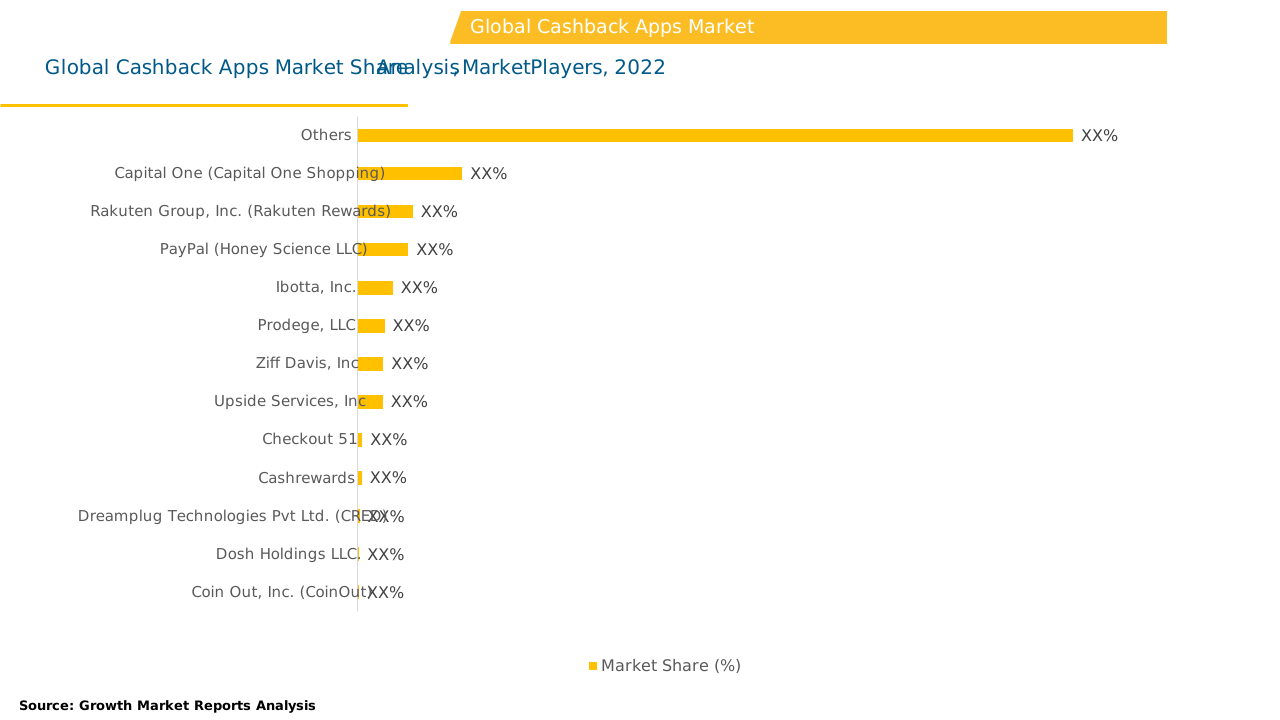
Top players in the market include Capital One (Capital One Shopping), Rakuten Group, Inc. (Rakuten Rewards), PayPal (Honey Science LLC), Ibotta, Inc., Prodege, LLC, Ziff Davis, LLC, Upside Services, Inc, Checkout 51, Cashrewards, Dreamplug Technologies Pvt Ltd., Dosh Holdings LLC., Coin Out, Inc. (CoinOut), Fetch.
The players are adopting key strategies such as acquisition, collaborations, and geographical expansion where potential opportunities for the Cashback Apps market.
Additional company profiles can be provided on request. For a discussion related to above findings, click Speak to Analyst
Factors such as competitive strength and market positioning are key areas considered while selecting top companies to be profiled.
Rising Usage of Mobile Wallet Apps, Increasing Use of Online Mobile Payments and Rising Trend of Using E-commerce Platforms are driving the growth of the market during the forecast period.
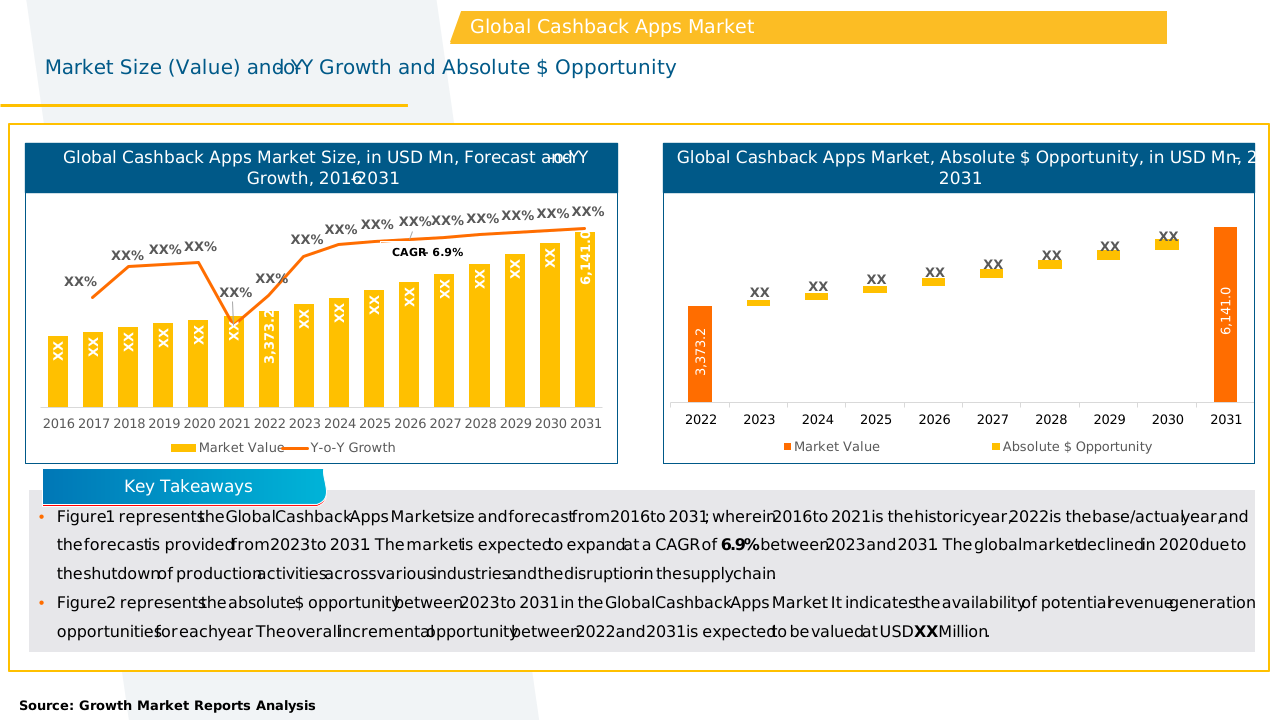
According to this Growth Market Reports report, the global Cashback Apps market is likely to register a CAGR of 6.9% during the forecast period 2023-2031, with an anticipated valuation of USD 6,141.0 million by the end of 2031.
Factors such as Government Regulations, High Disposable Income, Technological Advancement, GDP are analyzed in the final report.
The market is expected to slightly increase in 2019 and 2020 owing to Several market players were implementing various initiatives for COVID-19, which boosted the demand for cashback apps among customers.
In addition to market size (in USD Million), Company Market Share (in % for base year 2022), Value has been provided in the report.
The base year considered for the global Cashback Apps market report is 2022. The complete analysis period is 2016 to 2031, wherein, 2016 to 2021 are the historic years, and the forecast is provided from 2023 to 2031.