Segments - by Product Type (Herbal Supplements, Essential Oils, Acupuncture Needles, Moxibustion Products, Cupping Devices, Others), by Application (Pain Management, Stress and Anxiety Relief, Immune Support, Digestive Health, Others), by Distribution Channel (Hospitals & Clinics, Wellness Centers, Online Stores, Pharmacies, Others), by End-User (Individual, Commercial, Institutional)
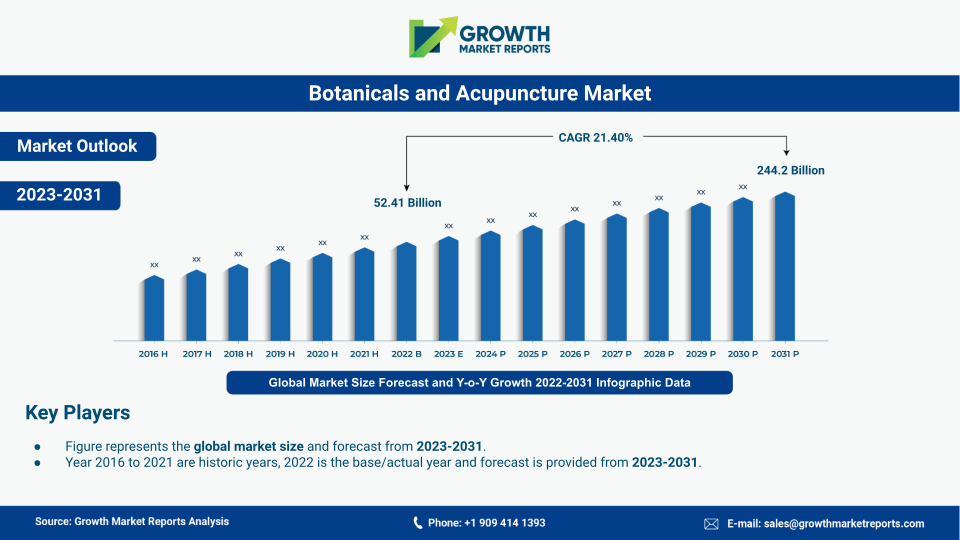
According to our latest research, the global Botanicals and Acupuncture market size reached USD 62.7 billion in 2024, reflecting a robust and expanding landscape. The market is projected to grow at a CAGR of 8.1% from 2025 to 2033, with the market size forecasted to reach USD 119.6 billion by 2033. This growth is primarily driven by the rising consumer preference for natural and holistic healthcare solutions, increasing awareness about the benefits of alternative therapies, and the ongoing integration of traditional medicine into mainstream healthcare systems.
One of the primary growth factors for the Botanicals and Acupuncture market is the global shift toward preventive healthcare and wellness. Consumers are increasingly seeking natural remedies and traditional therapies as alternatives to pharmaceutical drugs, largely due to concerns about side effects and long-term health impacts. The rising prevalence of chronic conditions such as pain, stress, and digestive disorders has further propelled the demand for botanical supplements and acupuncture treatments. Additionally, the growing body of scientific evidence supporting the efficacy of these therapies has led to greater acceptance among healthcare professionals and patients alike, fueling market expansion.
Another significant driver is the growing integration of botanicals and acupuncture into conventional medical practice. Hospitals, clinics, and wellness centers are increasingly offering these therapies as complementary treatments alongside standard medical care. This integration is supported by favorable regulatory frameworks in several countries, which recognize the therapeutic value of traditional medicine. Furthermore, the proliferation of wellness tourism, particularly in regions such as Asia Pacific and Europe, has contributed to the increased adoption of botanicals and acupuncture, as travelers seek holistic health experiences that combine relaxation, healing, and cultural immersion.
The expansion of distribution channels, particularly online stores and wellness centers, has also played a pivotal role in the market's growth. The digitalization of healthcare and the rise of e-commerce platforms have made botanical supplements, essential oils, and acupuncture devices more accessible to a global consumer base. This trend is complemented by the increasing availability of information and educational resources online, empowering consumers to make informed choices about their health and wellness. The COVID-19 pandemic further accelerated this shift, as individuals sought alternative therapies and self-care solutions during periods of restricted access to conventional healthcare services.
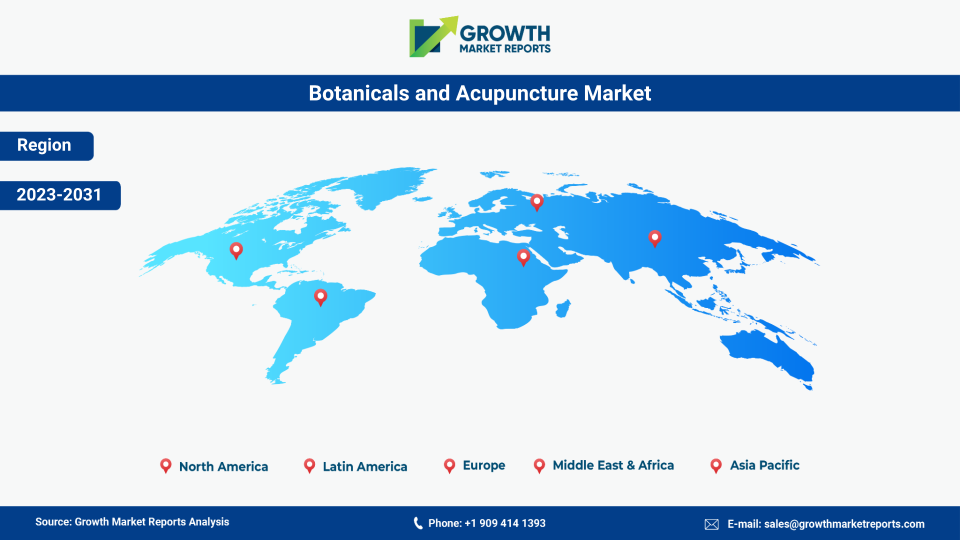
Regionally, the Asia Pacific market remains at the forefront of the Botanicals and Acupuncture industry, accounting for the largest share in 2024. This dominance is attributed to the deep-rooted cultural acceptance of traditional medicine, government support for integrative healthcare, and a rapidly growing wellness tourism sector. North America and Europe are also witnessing significant growth, driven by increasing consumer awareness, regulatory support, and the integration of alternative therapies into mainstream healthcare. Latin America and the Middle East & Africa are emerging markets, with rising adoption rates and expanding distribution networks contributing to market growth in these regions.
The Botanicals and Acupuncture market is segmented by product type into herbal supplements, essential oils, acupuncture needles, moxibustion products, cupping devices, and others. Among these, herbal supplements represent the largest segment, driven by widespread consumer acceptance and a growing preference for plant-based health solutions. Herbal supplements are commonly used for a variety of health concerns, including immune support, stress relief, and digestive health, and are widely available through both retail and online channels. The global trend toward preventive health and wellness has further fueled demand for these products, as consumers seek natural alternatives to synthetic pharmaceuticals.
Essential oils have gained significant traction in recent years, particularly within the aromatherapy and wellness sectors. These highly concentrated plant extracts are used for a variety of therapeutic purposes, including relaxation, pain management, and mood enhancement. The rise of holistic wellness practices and the increasing popularity of home-based self-care routines have contributed to the growing demand for essential oils. Additionally, the expanding application of essential oils in cosmetics, personal care, and household products has opened new avenues for market growth.
Acupuncture needles are a critical component of the acupuncture therapy segment and are witnessing increased demand due to the rising acceptance of acupuncture as a complementary treatment for a range of conditions, including chronic pain, anxiety, and insomnia. The growing number of certified acupuncture practitioners and the integration of acupuncture into hospital and clinic offerings have further boosted the market for acupuncture needles. Regulatory advancements ensuring the safety and quality of these products have also played a role in market expansion.
The market for moxibustion products and cupping devices is also expanding, albeit at a slightly slower pace compared to herbal supplements and essential oils. Moxibustion, a traditional Chinese therapy that involves the burning of mugwort to stimulate healing, is gaining popularity in both clinical and home settings. Cupping therapy, which uses suction cups to improve circulation and relieve pain, has seen a surge in interest, particularly among athletes and wellness enthusiasts. The increased visibility of these therapies through media and celebrity endorsements has contributed to their growing adoption.
Other product types, including combination kits and specialized devices, are emerging as niche segments within the Botanicals and Acupuncture market. These products often cater to specific therapeutic needs or target particular consumer demographics, such as children, seniors, or athletes. The continuous innovation in product development, combined with growing consumer awareness and acceptance, is expected to drive further diversification within the product type segment over the forecast period.
| Attributes | Details |
| Report Title | Botanicals and Acupunture Market Research Report 2033 |
| By Product Type | Herbal Supplements, Essential Oils, Acupuncture Needles, Moxibustion Products, Cupping Devices, Others |
| By Application | Pain Management, Stress and Anxiety Relief, Immune Support, Digestive Health, Others |
| By Distribution Channel | Hospitals & Clinics, Wellness Centers, Online Stores, Pharmacies, Others |
| By End-User | Individual, Commercial, Institutional |
| Regions Covered | North America, Europe, APAC, Latin America, MEA |
| Base Year | 2024 |
| Historic Data | 2018-2023 |
| Forecast Period | 2025-2033 |
| Number of Pages | 266 |
| Number of Tables & Figures | 309 |
| Customization Available | Yes, the report can be customized as per your need. |
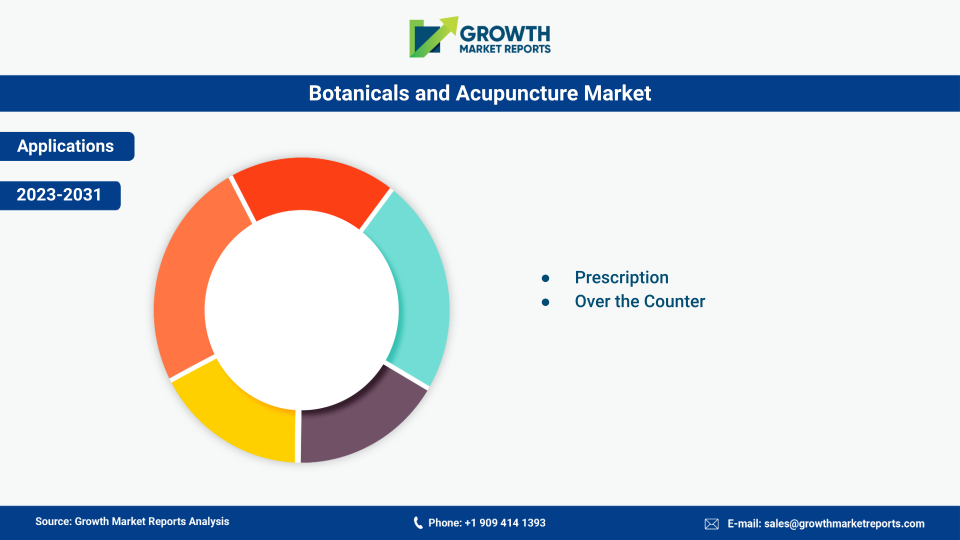
The Botanicals and Acupuncture market is segmented by application into pain management, stress and anxiety relief, immune support, digestive health, and others. Among these, pain management is the leading application, accounting for the largest share of the market in 2024. The increasing prevalence of chronic pain conditions, coupled with growing concerns over the long-term use of opioid medications, has driven patients and healthcare providers to explore alternative therapies such as acupuncture and botanical supplements. Numerous clinical studies have demonstrated the efficacy of acupuncture in reducing pain and improving quality of life, further bolstering its adoption in pain management protocols.
Stress and anxiety relief is another major application segment, reflecting the growing global focus on mental health and wellness. The pressures of modern life, coupled with the psychological impact of the COVID-19 pandemic, have led to a significant rise in stress and anxiety-related disorders. Botanicals such as adaptogenic herbs and essential oils are widely used for their calming and mood-enhancing properties, while acupuncture is increasingly recognized for its ability to promote relaxation and emotional balance. The integration of these therapies into wellness programs and mental health initiatives has contributed to the expansion of this application segment.
Immune support has emerged as a key area of focus, particularly in the wake of the pandemic. Consumers are increasingly seeking natural ways to enhance their immune system and protect against illness. Botanical supplements containing ingredients such as echinacea, elderberry, and astragalus are in high demand, supported by a growing body of evidence highlighting their immunomodulatory effects. Acupuncture is also being explored for its potential to support immune function, with several studies suggesting beneficial effects on immune response and overall health.
The digestive health segment is witnessing steady growth, driven by rising awareness of the importance of gut health and the role of the digestive system in overall well-being. Botanicals such as ginger, peppermint, and probiotics are commonly used to support digestive function and alleviate symptoms of gastrointestinal disorders. Acupuncture is also employed to address digestive issues, with practitioners citing its ability to regulate gut motility and reduce inflammation. The increasing prevalence of digestive health concerns, coupled with growing consumer interest in natural remedies, is expected to drive further growth in this application segment.
Other applications, including sleep support, hormonal balance, and cardiovascular health, are gaining traction as consumers seek comprehensive wellness solutions that address multiple aspects of health. The ongoing expansion of research into the therapeutic benefits of botanicals and acupuncture is expected to unlock new applications and drive innovation in the market. As healthcare systems continue to embrace integrative medicine, the scope of applications for these therapies is likely to broaden, further fueling market growth.
The distribution channel segment of the Botanicals and Acupuncture market comprises hospitals & clinics, wellness centers, online stores, pharmacies, and others. Hospitals and clinics represent a significant portion of the market, particularly in regions where integrative medicine is widely practiced. The inclusion of botanicals and acupuncture in hospital-based programs for pain management, rehabilitation, and chronic disease management has contributed to the growth of this channel. Hospitals and clinics offer the advantage of professional oversight and personalized care, which is particularly important for patients with complex health needs.
Wellness centers have emerged as a dynamic and rapidly growing distribution channel, catering to consumers seeking holistic health and wellness experiences. These centers often offer a range of services, including acupuncture, herbal consultations, massage therapy, and yoga, creating a comprehensive approach to health and well-being. The rise of wellness tourism, particularly in Asia Pacific and Europe, has further fueled the proliferation of wellness centers offering botanicals and acupuncture services. The personalized and experiential nature of these centers appeals to a diverse consumer base, from health-conscious individuals to travelers seeking authentic cultural experiences.
Online stores have revolutionized the distribution of botanical supplements, essential oils, and acupuncture devices, making these products accessible to a global audience. The convenience, variety, and competitive pricing offered by online platforms have attracted a growing number of consumers, particularly in the wake of the COVID-19 pandemic. E-commerce has also facilitated the dissemination of educational resources, empowering consumers to make informed choices about their health and wellness. The increasing adoption of digital health solutions and the integration of telemedicine services are expected to further enhance the role of online stores in the market.
Pharmacies remain a trusted and widely used distribution channel, particularly for botanical supplements and over-the-counter health products. Pharmacies offer the advantage of professional guidance and regulatory oversight, ensuring the safety and quality of products. The growing inclusion of alternative health products in pharmacy offerings reflects the increasing mainstream acceptance of botanicals and acupuncture as viable health solutions. In addition, pharmacies serve as important access points for consumers seeking advice and support in managing their health.
Other distribution channels, including specialty retail stores, health food shops, and direct sales, play a supplementary role in the market. These channels often cater to niche markets or specific consumer segments, such as athletes, seniors, or individuals with specific health concerns. The continuous evolution of distribution strategies, driven by changing consumer preferences and technological advancements, is expected to shape the future landscape of the Botanicals and Acupuncture market.
The end-user segment of the Botanicals and Acupuncture market is divided into individual, commercial, and institutional users. Individual consumers represent the largest end-user group, reflecting the widespread adoption of self-care and preventive health practices. The increasing availability of botanical supplements, essential oils, and home-use acupuncture devices has empowered individuals to take proactive steps in managing their health and wellness. The growing trend toward personalized health solutions and the use of digital health tools have further facilitated the adoption of botanicals and acupuncture among individual consumers.
Commercial end-users, including wellness centers, spas, fitness centers, and corporate wellness programs, constitute a significant and growing segment of the market. These entities offer botanicals and acupuncture services as part of comprehensive wellness packages, catering to clients seeking holistic health experiences. The corporate sector, in particular, has recognized the value of alternative therapies in promoting employee well-being and productivity, leading to the integration of botanicals and acupuncture into workplace wellness programs. The expansion of the wellness industry and the increasing focus on preventive health are expected to drive further growth in the commercial end-user segment.
Institutional end-users, such as hospitals, clinics, research institutions, and educational organizations, play a critical role in advancing the adoption and integration of botanicals and acupuncture into mainstream healthcare. Hospitals and clinics are increasingly incorporating these therapies into patient care protocols, particularly for pain management, rehabilitation, and chronic disease management. Research institutions are conducting clinical studies to evaluate the safety and efficacy of botanicals and acupuncture, contributing to the growing body of scientific evidence supporting their use. Educational organizations are training healthcare professionals in the principles and practice of traditional medicine, ensuring the availability of skilled practitioners.
The growing collaboration between traditional and conventional healthcare providers is fostering a more integrated approach to patient care, with botanicals and acupuncture playing a complementary role alongside standard medical treatments. This trend is supported by favorable regulatory frameworks and increasing recognition of the value of holistic health solutions. The ongoing expansion of educational and training programs is expected to further enhance the capabilities of institutional end-users, driving innovation and improving patient outcomes.
The continuous evolution of consumer preferences, healthcare delivery models, and regulatory policies is shaping the future landscape of the end-user segment. As awareness and acceptance of botanicals and acupuncture continue to grow, the market is expected to witness further diversification, with new end-user groups emerging and existing segments expanding their offerings.
The Botanicals and Acupuncture market presents significant opportunities for growth and innovation, driven by the rising demand for natural and holistic health solutions. One of the most promising opportunities lies in the integration of botanicals and acupuncture into mainstream healthcare systems, supported by increasing scientific evidence and favorable regulatory frameworks. The expansion of wellness tourism, particularly in regions with rich traditions of herbal medicine and acupuncture, offers new avenues for market development. Additionally, the growing adoption of digital health technologies and telemedicine services is expected to enhance the accessibility and convenience of botanical and acupuncture therapies, reaching a broader consumer base.
Another key opportunity is the continuous innovation in product development and service delivery. The introduction of novel botanical formulations, advanced acupuncture devices, and personalized wellness solutions can differentiate market offerings and attract new consumer segments. The increasing focus on preventive health and lifestyle medicine presents opportunities for the development of comprehensive wellness programs that integrate botanicals, acupuncture, nutrition, and physical activity. Collaboration between traditional and conventional healthcare providers can further enhance the credibility and acceptance of these therapies, driving market growth.
Despite the numerous opportunities, the Botanicals and Acupuncture market faces several restraining factors. Regulatory challenges, particularly in regions with stringent approval processes for herbal supplements and medical devices, can hinder market entry and expansion. The lack of standardized quality control and safety measures for botanical products and acupuncture devices poses risks to consumer safety and market credibility. Additionally, the limited availability of skilled practitioners and the variability in training and certification standards can impact the quality and effectiveness of acupuncture services. Addressing these challenges will require coordinated efforts from industry stakeholders, regulatory authorities, and healthcare providers to ensure the safety, efficacy, and accessibility of botanicals and acupuncture therapies.
The regional analysis of the Botanicals and Acupuncture market reveals significant variations in market size, growth rate, and adoption patterns across different geographies. Asia Pacific dominates the global market, accounting for approximately USD 23.9 billion in 2024, driven by the deep-rooted cultural acceptance of traditional medicine, government support for integrative healthcare, and a thriving wellness tourism industry. Countries such as China, Japan, South Korea, and India are at the forefront of market growth, with well-established systems of herbal medicine and acupuncture. The Asia Pacific market is expected to maintain a strong growth trajectory, with a projected CAGR of 8.7% through 2033.
North America represents the second-largest market, with a market size of USD 18.5 billion in 2024. The region's growth is driven by increasing consumer awareness, regulatory support for alternative therapies, and the integration of botanicals and acupuncture into mainstream healthcare systems. The United States and Canada are leading markets, with a growing number of hospitals, clinics, and wellness centers offering these therapies. The expansion of e-commerce and digital health platforms has further enhanced the accessibility of botanical supplements and acupuncture devices in North America.
Europe is another significant market, with a market size of USD 13.6 billion in 2024. The region's growth is supported by the increasing adoption of complementary and alternative medicine, favorable regulatory frameworks, and a strong tradition of herbal medicine. Countries such as Germany, France, and the United Kingdom are key contributors to market growth, with a growing number of wellness centers, spas, and pharmacies offering botanicals and acupuncture services. Latin America and the Middle East & Africa are emerging markets, with a combined market size of USD 6.7 billion in 2024. These regions are witnessing rising adoption rates, expanding distribution networks, and increasing government support for traditional medicine. The continuous evolution of regional market dynamics, driven by cultural, regulatory, and economic factors, is expected to shape the future growth and development of the Botanicals and Acupuncture market.
The Botanicals and Acupuncture market is characterized by a highly competitive landscape, with a mix of multinational corporations, regional players, and specialty providers vying for market share. The competitive environment is shaped by factors such as product innovation, quality assurance, regulatory compliance, and strategic partnerships. Leading companies are investing in research and development to introduce novel products and enhance the efficacy and safety of existing offerings. The increasing focus on sustainability, ethical sourcing, and transparency is also influencing competitive strategies, as consumers become more discerning about the origins and quality of botanical products.
Strategic collaborations and partnerships are becoming increasingly common, as companies seek to expand their product portfolios, access new markets, and leverage complementary expertise. Mergers and acquisitions are also shaping the competitive landscape, with larger players acquiring smaller firms to strengthen their market position and accelerate growth. The integration of digital health technologies, such as telemedicine, mobile health apps, and e-commerce platforms, is enabling companies to reach a broader consumer base and enhance the customer experience. The emphasis on personalized health solutions and integrative wellness programs is driving innovation and differentiation in the market.
Regulatory compliance and quality assurance are critical differentiators in the Botanicals and Acupuncture market. Leading companies are investing in rigorous quality control processes, third-party certifications, and clinical research to ensure the safety, efficacy, and credibility of their products. The ability to navigate complex regulatory environments and adapt to changing standards is a key factor in maintaining a competitive edge. Companies that prioritize consumer education, transparency, and ethical practices are likely to build stronger brand loyalty and capture a larger share of the growing market.
Major companies operating in the Botanicals and Acupuncture market include Gaia Herbs, Herbalife Nutrition, Nature's Bounty, NOW Foods, Traditional Medicinals, Shen-Nong Ltd., Seirin Corporation, DongBang Acupuncture Inc., and Lhasa OMS, Inc. These companies are recognized for their extensive product portfolios, strong distribution networks, and commitment to quality and innovation. Gaia Herbs and Herbalife Nutrition are known for their wide range of botanical supplements and commitment to sustainability. Seirin Corporation and DongBang Acupuncture Inc. are leading manufacturers of acupuncture needles and devices, with a strong presence in both domestic and international markets. Lhasa OMS, Inc. is a prominent distributor of acupuncture supplies, serving practitioners and institutions across North America and beyond.
In addition to these major players, the market is home to a diverse array of regional and specialty companies, each contributing unique products and expertise to the industry. The continuous influx of new entrants and the emergence of innovative startups are fostering a dynamic and competitive market environment. As the Botanicals and Acupuncture market continues to evolve, companies that prioritize innovation, quality, and consumer engagement are expected to achieve long-term success and drive the future growth of the industry.
The Botanicals and Acupunture market has been segmented on the basis of
The competitive landscape of the global botanicals & acupuncture market report provides key insights into the growth strategies and development initiatives implemented by the various players in the market.
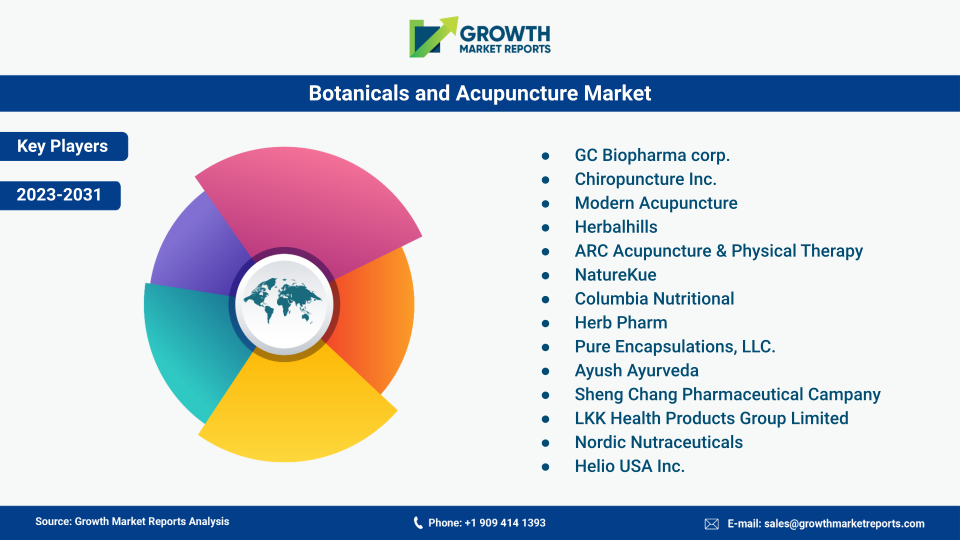
Key players competing in the global botanicals & acupuncture market are GC Biopharma corp.; Chiropuncture Inc.; Modern Acupuncture; Herbalhills; ARC Acupuncture & Physical Therapy; NatureKue; Columbia Nutritional; Herb Pharm; Pure Encapsulations, LLC.; Ayush Ayurveda; Sheng Chang Pharmaceutical Campany; LKK Health Products Group Limited; Nordic Nutraceuticals; and Helio USA Inc.
These major companies adopt various business development strategies including mergers, acquisitions, partnerships, collaboration, product launches, and production capacity expansion to expand their consumer base and enhance their market share. For instance,
Major players include Gaia Herbs, Herbalife Nutrition, Nature's Bounty, NOW Foods, Traditional Medicinals, Shen-Nong Ltd., Seirin Corporation, DongBang Acupuncture Inc., and Lhasa OMS, Inc.
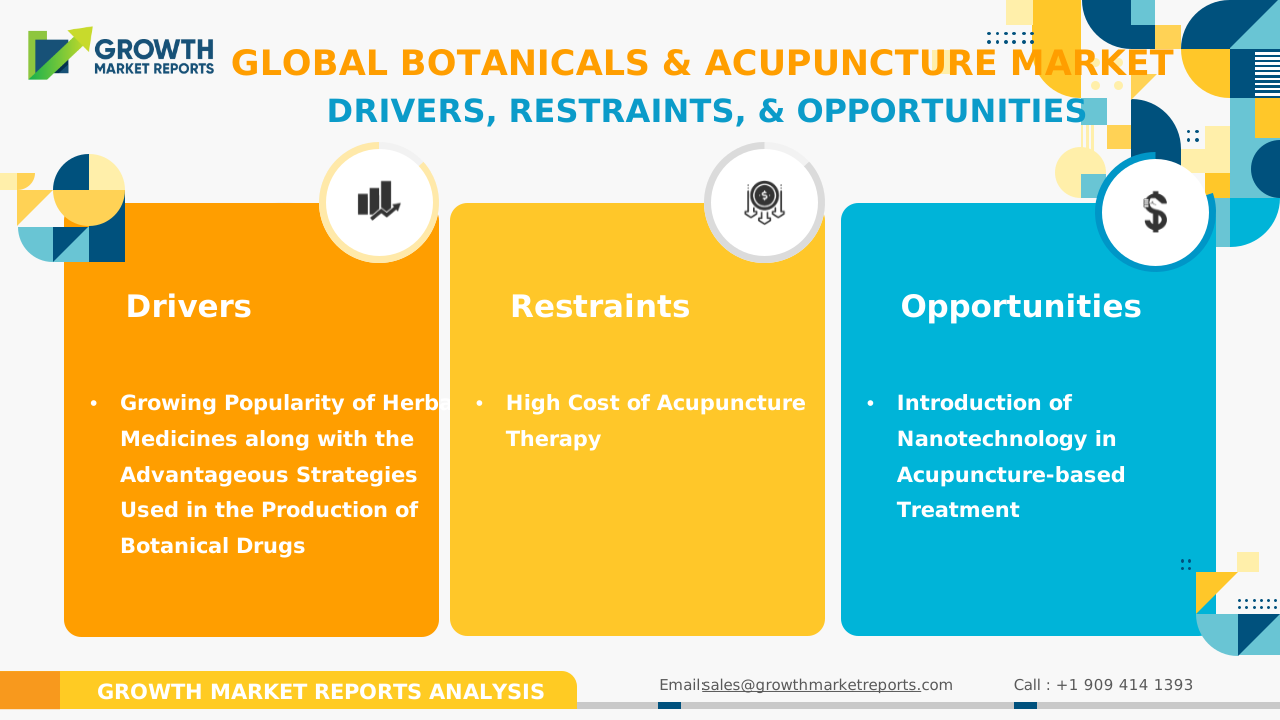
Challenges include regulatory hurdles, lack of standardized quality control, limited availability of skilled practitioners, and varying certification standards across regions.
End-users include individual consumers, commercial entities (wellness centers, spas, corporate wellness programs), and institutional users (hospitals, clinics, research and educational organizations).
Distribution channels include hospitals & clinics, wellness centers, online stores, pharmacies, and specialty retail stores. Online stores and wellness centers are rapidly growing due to increased accessibility and consumer demand.
Asia Pacific leads the market due to cultural acceptance and government support for traditional medicine, followed by North America and Europe. Latin America and the Middle East & Africa are emerging markets with rising adoption rates.
The leading applications include pain management, stress and anxiety relief, immune support, and digestive health. Pain management is the largest application segment due to concerns over opioid use and the efficacy of alternative therapies.
Herbal supplements are the largest segment, followed by essential oils, acupuncture needles, moxibustion products, and cupping devices. Herbal supplements are widely used for immune support, stress relief, and digestive health.
Key growth drivers include rising consumer preference for natural and holistic healthcare, increased awareness of alternative therapies, integration of traditional medicine into mainstream healthcare, and the expansion of wellness tourism.
The Botanicals and Acupuncture market is expected to grow at a CAGR of 8.1% from 2025 to 2033, reaching an estimated USD 119.6 billion by 2033.
As of 2024, the global Botanicals and Acupuncture market size reached USD 62.7 billion, with strong growth projected in the coming years.