Segments - by Product Type (Intake Air Filters, Cabin Air Filters), by Filter Media (Cellulose, Synthetic, Activated Carbon, Others), by Vehicle Type (Passenger Cars, Light Commercial Vehicles, Heavy Commercial Vehicles, Others), by Sales Channel (OEM, Aftermarket)
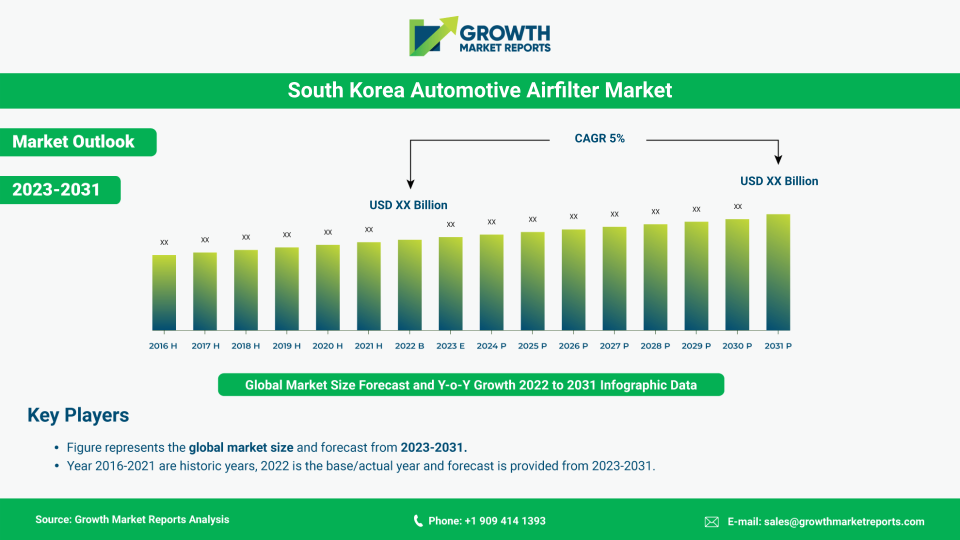
According to our latest research, the global automotive air filter market size reached USD 5.7 billion in 2024, reflecting robust demand across both developed and emerging automotive sectors. The market is anticipated to expand at a CAGR of 5.1% from 2025 to 2033, with the total value projected to reach USD 8.9 billion by 2033. This growth trajectory is primarily driven by rising vehicle production, stringent emission regulations, and increasing consumer awareness about the importance of air quality inside vehicles.
One of the most significant growth factors for the automotive air filter market is the implementation of stringent emission standards by governments worldwide. Regulatory bodies in regions such as North America, Europe, and Asia Pacific have introduced increasingly rigorous norms to minimize vehicular emissions, directly impacting the adoption of advanced air filtration technologies. These regulations are compelling automakers and component suppliers to develop high-efficiency air filters that not only protect engines from particulate matter but also enhance cabin air quality for passengers. As a result, both intake and cabin air filters are witnessing heightened demand, with manufacturers investing heavily in R&D to meet evolving regulatory requirements and ensure compliance.
Another notable driver for the automotive air filter market is the growing consumer awareness regarding health and safety. With urban air pollution levels rising and consumers becoming more conscious of the impact of airborne contaminants, there is a marked preference for vehicles equipped with advanced cabin air filtration systems. This trend is particularly pronounced in metropolitan areas across Asia and Europe, where exposure to pollutants is a major concern. Automotive OEMs and aftermarket players are responding by offering filters with enhanced particulate and odor removal capabilities, including those utilizing activated carbon and synthetic media. This shift towards premium and technologically advanced air filters is expected to continue, fueling market expansion in the coming years.
The rapid increase in global vehicle production and the growing vehicle parc, especially in emerging markets, is another major growth factor for the automotive air filter market. As disposable incomes rise and urbanization accelerates in countries such as China, India, and Brazil, the demand for passenger cars and commercial vehicles is surging. This directly translates into higher demand for both OEM and aftermarket air filters, as regular replacement is essential for maintaining vehicle performance and longevity. Additionally, the trend towards longer vehicle lifespans and the expansion of vehicle leasing and shared mobility services are contributing to a sustained need for periodic air filter replacements, further bolstering market growth.
From a regional perspective, Asia Pacific continues to dominate the automotive air filter market, accounting for the largest share in 2024, followed by North America and Europe. The dominance of Asia Pacific is attributed to its massive automotive manufacturing base, rapid urbanization, and increasing consumer awareness about air quality. North America and Europe are also significant markets, driven by well-established automotive industries and stringent environmental regulations. Meanwhile, Latin America and the Middle East & Africa are emerging as promising regions, supported by improving economic conditions and expanding automotive sectors. Each region presents unique opportunities and challenges, shaping the overall market dynamics and competitive landscape.
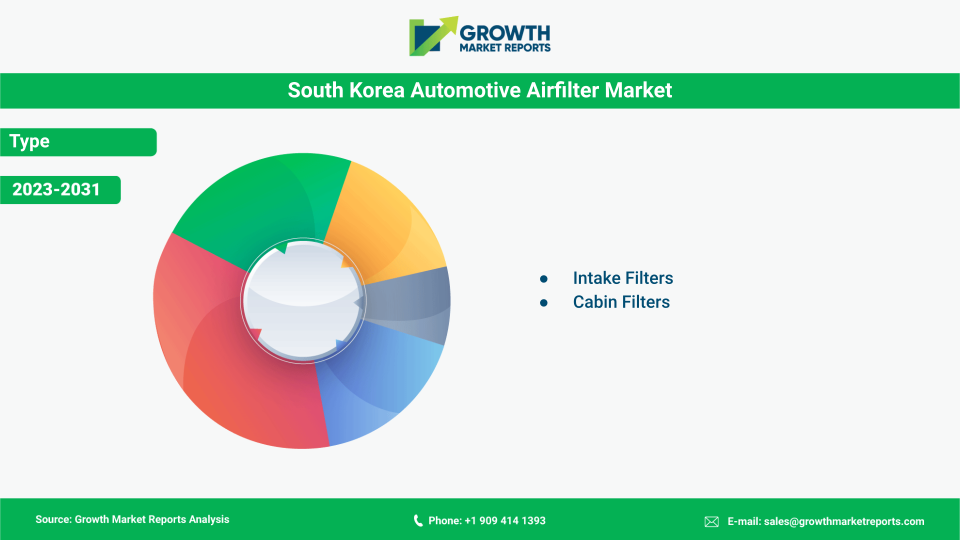
The product type segment of the automotive air filter market is bifurcated into intake air filters and cabin air filters, each serving distinct yet crucial roles in vehicle operation and passenger comfort. Intake air filters are primarily responsible for preventing dust, dirt, and other contaminants from entering the engine, thereby safeguarding engine performance and longevity. With the increasing complexity of modern engines and the adoption of turbocharging and direct injection technologies, the demand for high-performance intake air filters has surged. Manufacturers are innovating with multi-layered and high-efficiency filter media to ensure optimal filtration, reduced engine wear, and compliance with stringent emission standards.
Cabin air filters, on the other hand, are designed to enhance the air quality inside the vehicle by filtering out pollutants, allergens, and odors. The growing focus on passenger health and the rising prevalence of respiratory issues, especially in urban environments, have significantly boosted the adoption of advanced cabin air filtration systems. Automakers are increasingly equipping vehicles with premium cabin air filters as standard or optional features, particularly in mid-range and luxury segments. This trend is further supported by consumer demand for enhanced comfort and safety, driving innovation in filter media and design, such as the integration of activated carbon and antimicrobial coatings.
The aftermarket segment for both intake and cabin air filters is experiencing robust growth, fueled by the need for regular replacement to maintain vehicle performance and air quality. As vehicles age and accumulate mileage, the efficiency of air filters diminishes, necessitating periodic replacement. Aftermarket players are capitalizing on this trend by offering a wide range of compatible and high-performance filters, often at competitive prices. This has led to increased competition and product differentiation, with brands emphasizing superior filtration efficiency, longer service intervals, and ease of installation to attract customers.
OEMs are also playing a pivotal role in shaping the product type landscape by collaborating with filter manufacturers to develop customized solutions that meet specific vehicle requirements and regulatory standards. The integration of smart sensors and monitoring systems in air filters is an emerging trend, enabling real-time assessment of filter condition and timely replacement. This not only enhances vehicle performance and passenger safety but also aligns with the broader shift towards connected and intelligent automotive systems. As technological advancements continue to reshape the product type segment, both intake and cabin air filters are expected to witness sustained demand and innovation.
| Attributes | Details |
| Report Title | Automotive Airfilter Market Research Report 2033 |
| By Product Type | Intake Air Filters, Cabin Air Filters |
| By Filter Media | Cellulose, Synthetic, Activated Carbon, Others |
| By Vehicle Type | Passenger Cars, Light Commercial Vehicles, Heavy Commercial Vehicles, Others |
| By Sales Channel | OEM, Aftermarket |
| Regions Covered | North America, Europe, APAC, Latin America, MEA |
| Base Year | 2024 |
| Historic Data | 2018-2023 |
| Forecast Period | 2025-2033 |
| Number of Pages | 282 |
| Number of Tables & Figures | 316 |
| Customization Available | Yes, the report can be customized as per your need. |
The filter media segment is a critical determinant of the performance and efficiency of automotive air filters. The market is segmented into cellulose, synthetic, activated carbon, and others, each offering unique advantages and addressing specific application requirements. Cellulose-based filters, derived from natural fibers, have traditionally dominated the market due to their cost-effectiveness and satisfactory filtration efficiency for standard applications. However, their limitations in terms of durability and resistance to moisture and chemicals have prompted a gradual shift towards more advanced filter media.
Synthetic filter media, composed of polyester, polypropylene, or other engineered fibers, are gaining significant traction in the automotive air filter market. These filters offer superior filtration efficiency, higher dust-holding capacity, and enhanced resistance to moisture, making them ideal for modern engines and harsh operating environments. The growing adoption of synthetic media is also driven by the need to meet stringent emission and fuel efficiency standards, as they enable finer particulate filtration without compromising airflow. OEMs and aftermarket suppliers are increasingly incorporating synthetic media into their product portfolios to cater to evolving customer and regulatory demands.
Activated carbon filters represent a rapidly growing segment within the filter media landscape, particularly for cabin air filters. These filters are highly effective in removing odors, volatile organic compounds (VOCs), and gaseous pollutants, thereby significantly improving in-cabin air quality. The rising awareness of health risks associated with air pollution and the demand for enhanced comfort and safety are fueling the adoption of activated carbon filters, especially in premium and luxury vehicles. Manufacturers are investing in R&D to develop multi-layered filters that combine particulate and gas-phase filtration for comprehensive protection against a wide range of contaminants.
Other filter media, including nonwoven fabrics, glass fibers, and hybrid composites, are also making inroads in the automotive air filter market. These materials offer unique combinations of filtration efficiency, durability, and cost-effectiveness, catering to specific application needs and performance requirements. The ongoing pursuit of innovation in filter media is expected to drive further advancements in filter design and functionality, enabling automotive air filters to address emerging challenges such as ultrafine particle filtration and antimicrobial protection. As consumer expectations and regulatory standards continue to evolve, the filter media segment will remain a focal point for product differentiation and technological progress.
The vehicle type segment encompasses passenger cars, light commercial vehicles (LCVs), heavy commercial vehicles (HCVs), and others, each with distinct demand drivers and market dynamics. Passenger cars represent the largest segment in the automotive air filter market, accounting for a substantial share of global demand. The proliferation of passenger vehicles, especially in emerging markets, coupled with rising consumer expectations for comfort and safety, is fueling the adoption of both intake and cabin air filters. Automakers are increasingly equipping their vehicles with advanced filtration systems to differentiate their offerings and comply with regulatory requirements.
Light commercial vehicles, including vans and pickups, constitute the second-largest segment, driven by the growth of e-commerce, urban logistics, and small-scale transportation services. These vehicles often operate in challenging urban environments with high levels of dust and pollutants, necessitating frequent air filter replacement and maintenance. The demand for durable and high-performance air filters in LCVs is further amplified by the need to ensure reliable engine performance and minimize downtime, making this segment a key focus area for filter manufacturers and aftermarket suppliers.
Heavy commercial vehicles, such as trucks and buses, present unique challenges and opportunities for the automotive air filter market. These vehicles typically operate in demanding conditions, including long-haul routes, construction sites, and industrial environments, where exposure to dust, debris, and contaminants is elevated. As a result, HCVs require robust air filtration solutions capable of withstanding harsh operating conditions and ensuring optimal engine performance and longevity. The increasing adoption of advanced air filtration technologies in this segment is driven by regulatory mandates, cost considerations, and the need to minimize maintenance-related downtime.
The "others" category, which includes specialty vehicles such as off-road vehicles, agricultural machinery, and construction equipment, also contributes to the overall demand for automotive air filters. These vehicles often operate in extremely dusty and challenging environments, necessitating specialized filtration solutions tailored to their unique requirements. As the global vehicle parc continues to diversify and expand, the demand for customized and high-performance air filters across various vehicle types is expected to grow, presenting new opportunities for innovation and market expansion.
The sales channel segment of the automotive air filter market is divided into OEM (Original Equipment Manufacturer) and aftermarket channels, each playing a crucial role in the distribution and adoption of air filters. The OEM channel primarily caters to vehicle manufacturers, supplying air filters for installation in new vehicles during the assembly process. OEMs typically collaborate with established filter manufacturers to develop customized solutions that meet specific vehicle requirements and regulatory standards. The OEM segment is characterized by high-quality standards, long-term partnerships, and a focus on innovation and product differentiation.
The aftermarket channel, on the other hand, addresses the replacement needs of vehicles already in operation. As air filters are subject to wear and degradation over time, regular replacement is essential to maintain engine performance and cabin air quality. The aftermarket segment is highly competitive, with numerous players offering a wide range of compatible and high-performance filters to cater to diverse vehicle models and customer preferences. Price sensitivity, product availability, and brand reputation are key factors influencing purchasing decisions in the aftermarket channel.
The growing vehicle parc and increasing average vehicle age are major drivers for the aftermarket segment, as older vehicles require more frequent air filter replacements. Additionally, the rise of do-it-yourself (DIY) maintenance and the proliferation of online retail platforms are reshaping the aftermarket landscape, enabling consumers to easily access and purchase air filters. Aftermarket players are responding by expanding their product portfolios, enhancing distribution networks, and investing in marketing and customer engagement initiatives to capture a larger share of the replacement market.
OEMs are also leveraging the aftermarket channel to strengthen their brand presence and customer loyalty by offering genuine replacement parts and value-added services. This trend is particularly evident in premium and luxury vehicle segments, where customers prioritize quality and reliability. The interplay between OEM and aftermarket channels is expected to intensify as technological advancements, changing consumer preferences, and evolving regulatory standards continue to shape the automotive air filter market landscape.
The automotive air filter market presents numerous opportunities for growth and innovation, driven by evolving consumer preferences, regulatory mandates, and technological advancements. One of the most promising opportunities lies in the development of advanced filtration technologies that address emerging challenges such as ultrafine particle filtration, antimicrobial protection, and real-time filter monitoring. As consumer awareness of air quality and health risks continues to rise, there is growing demand for air filters that offer comprehensive protection against a wide range of contaminants, including allergens, bacteria, and viruses. Manufacturers that invest in R&D and product innovation are well-positioned to capitalize on this trend and differentiate their offerings in a competitive market.
Another significant opportunity exists in the expansion of the aftermarket segment, particularly in emerging markets with rapidly growing vehicle parcs and increasing average vehicle age. The proliferation of online retail platforms and the rise of DIY vehicle maintenance are enabling consumers to easily access and purchase replacement air filters, driving demand for high-quality, affordable, and easy-to-install products. Aftermarket players that focus on customer engagement, product availability, and value-added services can capture a larger share of the replacement market and establish strong brand loyalty. Additionally, the growing adoption of electric and hybrid vehicles presents new opportunities for filter manufacturers to develop specialized solutions tailored to the unique requirements of these vehicles.
Despite the positive outlook, the automotive air filter market faces several challenges and restrainers that could impact growth. One of the primary threats is the increasing focus on electric vehicles (EVs), which typically have lower air filtration requirements compared to internal combustion engine (ICE) vehicles. As the global automotive industry transitions towards electrification, the demand for engine air filters may decline, posing a risk to traditional filter manufacturers. However, the continued need for cabin air filtration in EVs and the development of new filtration technologies can help mitigate this threat and sustain market growth.
The Asia Pacific region dominates the global automotive air filter market, accounting for the largest share of USD 2.6 billion in 2024. This dominance is fueled by the region’s massive automotive manufacturing base, rapid urbanization, and increasing consumer awareness about air quality and vehicle maintenance. Key markets such as China, Japan, India, and South Korea are witnessing robust demand for both OEM and aftermarket air filters, supported by rising vehicle production and sales. The Asia Pacific market is projected to grow at a CAGR of 5.6% from 2025 to 2033, outpacing other regions due to favorable economic conditions and supportive government policies.
North America is the second-largest market for automotive air filters, with a market size of USD 1.4 billion in 2024. The region’s well-established automotive industry, stringent environmental regulations, and high consumer awareness are key drivers of market growth. The United States and Canada are major contributors, with a strong focus on vehicle safety, comfort, and performance. The North American market is characterized by high adoption rates of advanced filtration technologies, particularly in the premium and luxury vehicle segments. The region is expected to maintain steady growth through 2033, supported by ongoing technological advancements and a strong aftermarket presence.
Europe follows closely, with a market size of USD 1.1 billion in 2024, driven by stringent emission norms, a mature automotive sector, and increasing demand for high-performance air filters. Germany, France, the United Kingdom, and Italy are key markets, with a strong emphasis on innovation and sustainability. The European market is witnessing a shift towards synthetic and activated carbon filter media, as consumers and regulators prioritize air quality and environmental protection. Latin America and the Middle East & Africa are emerging as promising regions, with a combined market size of USD 0.6 billion in 2024, supported by improving economic conditions, expanding automotive sectors, and growing consumer awareness.
The automotive air filter market is highly competitive, characterized by the presence of numerous global and regional players vying for market share through product innovation, strategic partnerships, and expansion into emerging markets. Leading companies are investing heavily in research and development to introduce advanced filtration technologies that address evolving regulatory requirements and consumer preferences. The competitive landscape is further shaped by the interplay between OEM and aftermarket channels, with players striving to strengthen their brand presence and customer loyalty through quality, reliability, and value-added services. Mergers, acquisitions, and collaborations are common strategies employed by market participants to enhance their product portfolios and expand their geographic footprint.
Product differentiation is a key focus area for companies operating in the automotive air filter market, with manufacturers emphasizing superior filtration efficiency, longer service intervals, and ease of installation to attract customers. The integration of smart sensors and real-time monitoring systems in air filters is an emerging trend, enabling proactive maintenance and enhancing vehicle performance and passenger safety. Companies are also exploring sustainable and eco-friendly filter media to address growing environmental concerns and align with global sustainability goals. The ability to adapt to changing market dynamics and regulatory standards is critical for maintaining a competitive edge in this rapidly evolving market.
Major players in the automotive air filter market include MANN+HUMMEL Group, Donaldson Company, Inc., Robert Bosch GmbH, Mahle GmbH, DENSO Corporation, Parker Hannifin Corp., ACDelco (General Motors), K&N Engineering, Inc., Sogefi Group, and Hengst SE. These companies have established strong brand reputations and extensive distribution networks, enabling them to effectively serve both OEM and aftermarket customers across global markets. Their focus on innovation, quality, and customer satisfaction has positioned them as leaders in the highly competitive automotive air filter industry.
For instance, MANN+HUMMEL Group is renowned for its comprehensive range of air filtration solutions, catering to a wide array of vehicle types and applications. The company’s commitment to R&D and sustainability has resulted in the development of advanced filter media and smart filtration systems. Donaldson Company, Inc. is a global leader in filtration solutions, with a strong presence in both the OEM and aftermarket segments. The company’s focus on innovation and customer-centric solutions has enabled it to maintain a competitive edge in the market. Robert Bosch GmbH and Mahle GmbH are also prominent players, known for their high-quality products and extensive global reach. These companies, along with other key market participants, are expected to continue driving innovation and shaping the future of the automotive air filter market.
The Automotive Airfilter market has been segmented on the basis of
Key players competing in the South Korea automotive air filter market include K&N Engineering; A.L. Group; Allena Auto Industries Pvt. Ltd.; Purolator Filters LLC; and Mann-Hummel
Some of these players are using several market strategies such as mergers, acquisitions, partnerships, collaborations, capacity expansion, and product launches to increase their market shares.

Electric vehicles generally require fewer engine air filters, which may reduce demand in that segment, but the need for advanced cabin air filtration remains strong, especially for passenger comfort and health.
Major companies include MANN+HUMMEL Group, Donaldson Company, Inc., Robert Bosch GmbH, Mahle GmbH, DENSO Corporation, Parker Hannifin Corp., ACDelco, K&N Engineering, Sogefi Group, and Hengst SE.
Emerging trends include the integration of smart sensors for real-time filter monitoring, the use of antimicrobial coatings, and the development of multi-layered and eco-friendly filter media.
OEM channels supply filters for new vehicles during assembly, focusing on quality and innovation, while aftermarket channels cater to replacement needs, emphasizing product availability and price competitiveness.
Common filter media include cellulose, synthetic fibers, activated carbon, and other materials like nonwoven fabrics and glass fibers, each offering unique benefits.
The main types are intake air filters, which protect the engine from contaminants, and cabin air filters, which improve in-cabin air quality for passengers.
Asia Pacific leads the market, followed by North America and Europe. Asia Pacific's dominance is attributed to its large automotive manufacturing base and rapid urbanization.
Key growth drivers include rising vehicle production, stringent emission regulations, increasing consumer awareness about in-cabin air quality, and technological advancements in filter media.
The automotive air filter market is expected to grow at a CAGR of 5.1% from 2025 to 2033, reaching a total value of USD 8.9 billion by 2033.
As of 2024, the global automotive air filter market size reached USD 5.7 billion, with strong demand across both developed and emerging markets.