Segments - by Service Type (Home Care, Institutional Care, Community-Based Care), by Facility Type (Nursing Homes, Assisted Living Facilities, Independent Senior Living, Others), by Application (Residential Care, Non-Residential Care), by Age Group (65-74 Years, 75-84 Years, 85 Years & Above)
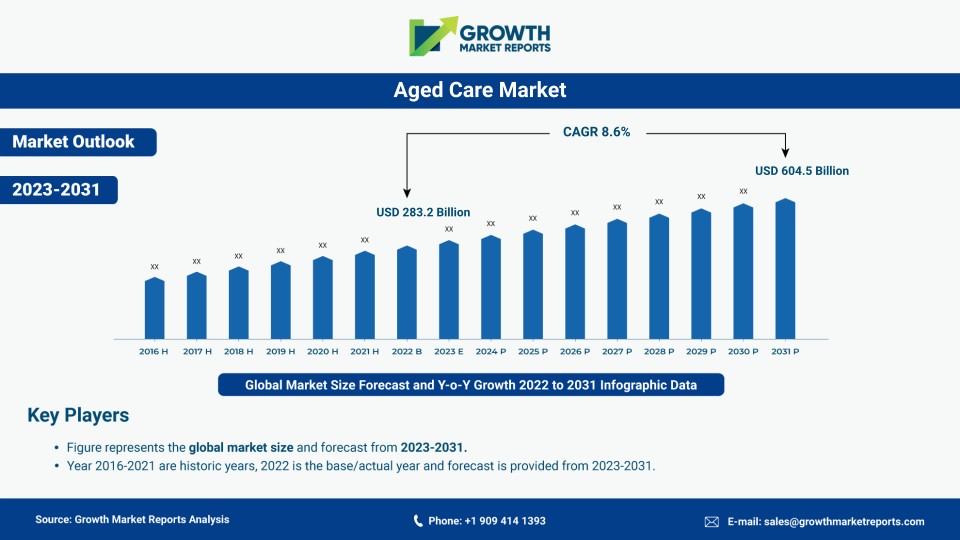
According to our latest research, the global aged care market size reached USD 1,364.2 billion in 2024, reflecting the unprecedented demand for quality care services for the elderly population worldwide. The market is expected to grow at a robust CAGR of 7.8% during the forecast period, with the total market value projected to reach USD 2,672.4 billion by 2033. This strong growth trajectory is primarily fueled by the rapid increase in the aging population, rising life expectancy, and the growing prevalence of chronic diseases among seniors, as well as technological advancements in healthcare delivery systems.
The significant expansion of the aged care market can be attributed to several key growth factors. Foremost among these is the global demographic shift towards an older population, with the proportion of individuals aged 65 and above increasing steadily in both developed and developing economies. This demographic trend has resulted in a higher demand for specialized healthcare services, personalized care solutions, and supportive living environments that cater specifically to the needs of the elderly. Additionally, the rising incidence of age-related chronic conditions such as dementia, diabetes, cardiovascular diseases, and mobility impairments has further accelerated the need for comprehensive aged care services. Governments and private organizations across the globe are responding by investing heavily in the expansion and modernization of aged care infrastructure, ensuring that seniors receive the highest standard of care and support.
Another major driver of growth in the aged care market is the evolution of service delivery models, particularly the shift towards home-based and community-based care. Technological innovations, such as telehealth, remote patient monitoring, and smart home devices, have made it increasingly feasible for elderly individuals to receive quality care in the comfort of their own homes. This not only enhances the quality of life for seniors but also alleviates the burden on institutional care facilities, which often face issues of overcrowding and resource constraints. The integration of digital health technologies has also enabled care providers to deliver more personalized, efficient, and cost-effective services, further boosting market growth. Moreover, the growing awareness among families and caregivers about the benefits of proactive and preventive care has led to increased adoption of aged care services across all segments.
In addition to demographic and technological factors, policy initiatives and regulatory reforms are playing a crucial role in shaping the aged care market landscape. Many governments have implemented national strategies and funding programs aimed at improving the accessibility, affordability, and quality of aged care services. These initiatives often include incentives for private sector investment, subsidies for home care, and stricter regulations to ensure the safety and well-being of residents in institutional care settings. Furthermore, the trend towards value-based care, which emphasizes patient outcomes and cost efficiency, is encouraging providers to innovate and adopt best practices in service delivery. Collectively, these factors are fostering a more competitive and dynamic market environment, driving continuous improvement and expansion in the aged care sector.
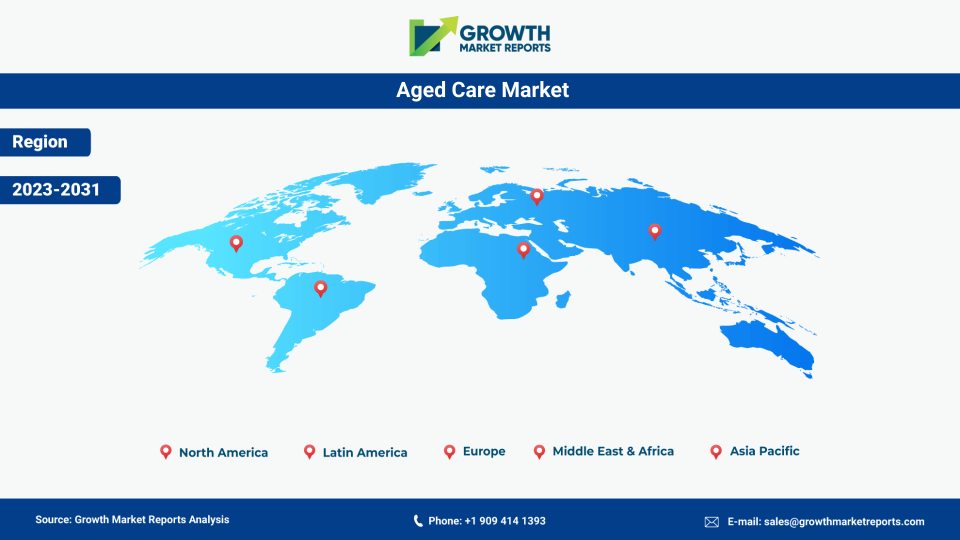
From a regional perspective, the Asia Pacific region is emerging as the fastest-growing market for aged care services, driven by rapid population aging in countries such as China, Japan, and South Korea. North America and Europe, with their well-established healthcare infrastructures and high levels of public awareness, continue to dominate the global market in terms of revenue share. However, emerging economies in Latin America and the Middle East & Africa are also witnessing substantial growth, supported by rising incomes, urbanization, and evolving cultural attitudes towards elder care. As a result, the global aged care market is becoming increasingly diversified, with regional players adopting tailored strategies to address the unique needs and preferences of their aging populations.
The aged care market is segmented by service type into home care, institutional care, and community-based care, each playing a vital role in addressing the diverse needs of the elderly population. Home care services have gained significant traction in recent years, driven by the growing preference among seniors to age in place and maintain their independence for as long as possible. Home care encompasses a wide range of services, including personal care, nursing assistance, rehabilitation, and companionship, all provided within the comfort of the individual's residence. The integration of telehealth and remote monitoring technologies has further enhanced the effectiveness and appeal of home care, enabling real-time health assessments and timely interventions. As a result, home care is expected to remain the fastest-growing segment within the aged care market throughout the forecast period.
Institutional care, which includes nursing homes, assisted living facilities, and specialized dementia care centers, continues to account for a significant share of the aged care market. These facilities are designed to provide comprehensive, round-the-clock care for seniors with complex medical needs or those who require assistance with activities of daily living. The demand for institutional care is particularly high among the oldest age groups, such as those aged 85 years and above, who often face multiple health challenges and limited mobility. To meet the evolving expectations of residents and their families, institutional care providers are investing in facility upgrades, staff training, and innovative care models that prioritize dignity, autonomy, and quality of life. However, the sector also faces challenges related to staffing shortages, regulatory compliance, and cost pressures, which necessitate ongoing innovation and collaboration between public and private stakeholders.
Community-based care services represent a critical component of the aged care ecosystem, offering a bridge between home-based and institutional care. These services include adult day care centers, respite care, meal programs, transportation assistance, and social engagement activities, all aimed at supporting seniors' well-being and enabling them to remain active members of their communities. Community-based care programs are particularly valuable for individuals with early-stage chronic conditions or those who require intermittent support, as they provide a flexible and cost-effective alternative to full-time residential care. The growing emphasis on social inclusion, mental health, and preventive care is driving increased investment in community-based care initiatives, particularly in regions with strong public health systems and community networks.
The competitive dynamics within the service type segment are influenced by a range of factors, including government funding policies, insurance coverage, cultural attitudes towards aging, and the availability of trained care professionals. Providers that can offer a seamless continuum of care—integrating home, institutional, and community-based services—are well-positioned to capture a larger share of the market. Furthermore, partnerships between healthcare organizations, technology companies, and community groups are enabling the development of innovative service models that address the unique needs of different population segments. As the aged care market continues to evolve, service providers must remain agile and responsive to changing consumer preferences, regulatory requirements, and technological advancements.
| Attributes | Details |
| Report Title | Aged Care Market Research Report 2033 |
| By Service Type | Home Care, Institutional Care, Community-Based Care |
| By Facility Type | Nursing Homes, Assisted Living Facilities, Independent Senior Living, Others |
| By Application | Residential Care, Non-Residential Care |
| By Age Group | 65-74 Years, 75-84 Years, 85 Years & Above |
| Regions Covered | North America, Europe, APAC, Latin America, MEA |
| Base Year | 2024 |
| Historic Data | 2018-2023 |
| Forecast Period | 2025-2033 |
| Number of Pages | 254 |
| Number of Tables & Figures | 364 |
| Customization Available | Yes, the report can be customized as per your need. |
The facility type segment of the aged care market is comprised of nursing homes, assisted living facilities, independent senior living, and others, each catering to varying levels of care requirements and lifestyle preferences among the elderly. Nursing homes represent the most comprehensive form of residential care, offering 24-hour medical supervision, skilled nursing services, and rehabilitation therapies for seniors with complex health conditions or disabilities. These facilities are typically regulated by government authorities to ensure compliance with safety and quality standards, and they often receive funding from public insurance programs or private payers. The demand for nursing home care is expected to increase steadily over the next decade, driven by the rising prevalence of chronic diseases and the growing proportion of very old seniors.
Assisted living facilities provide a more flexible and less intensive form of care compared to nursing homes, focusing on supporting seniors with activities of daily living such as bathing, dressing, medication management, and meal preparation. Residents of assisted living facilities typically have greater autonomy and access to a range of social, recreational, and wellness programs designed to promote independence and quality of life. The popularity of assisted living is growing rapidly, particularly among the "young-old" demographic (aged 65-74 years) who seek a supportive yet socially engaging environment. Operators in this segment are differentiating themselves through amenities, personalized care plans, and the integration of technology to enhance safety and convenience.
Independent senior living communities cater to active and healthy seniors who desire a maintenance-free lifestyle in a secure and socially vibrant setting. These facilities offer a variety of housing options, from apartments to cottages, along with amenities such as fitness centers, dining services, and organized activities. While independent senior living does not typically provide medical or nursing care, residents may access on-site wellness programs and concierge services as needed. The growth of this segment is being driven by the increasing financial independence and lifestyle aspirations of the aging baby boomer generation, who prioritize autonomy, community engagement, and access to leisure activities.
The "others" category within the facility type segment includes specialized care centers, such as memory care units for individuals with Alzheimer’s or other forms of dementia, as well as hospice and palliative care facilities. These centers are designed to address the unique medical, emotional, and social needs of specific subpopulations within the elderly demographic. As the prevalence of cognitive impairments and terminal illnesses continues to rise, demand for specialized care facilities is expected to grow correspondingly. Facility operators are responding by developing targeted programs, investing in staff training, and adopting evidence-based care protocols to improve outcomes and enhance resident satisfaction.
The application segment of the aged care market is divided into residential care and non-residential care, reflecting the different settings in which services are delivered to seniors. Residential care encompasses all forms of long-term care provided within a dedicated facility, such as nursing homes, assisted living communities, and specialized care centers. This segment is characterized by the provision of housing, personal care, medical supervision, and a structured daily routine, making it suitable for individuals with significant health or functional limitations. Residential care providers are increasingly adopting person-centered care models that emphasize autonomy, dignity, and individualized support, in response to evolving consumer expectations and regulatory requirements.
Non-residential care refers to services delivered outside of a formal care facility, including home-based care, community-based programs, and outpatient medical services. This segment has experienced rapid growth in recent years, driven by the preference among seniors and their families for care solutions that enable aging in place and minimize disruption to daily life. Non-residential care services are highly diverse, ranging from skilled nursing visits and physical therapy to meal delivery, transportation, and social activities. The integration of digital health technologies, such as remote monitoring and telehealth, has further expanded the scope and accessibility of non-residential care, allowing providers to reach a larger and more geographically dispersed population.
The relative importance of residential versus non-residential care varies by region, cultural norms, and the availability of public funding. In countries with strong social safety nets and well-developed community health systems, non-residential care services often play a central role in supporting seniors' independence and well-being. Conversely, in regions with limited public resources or a higher prevalence of multigenerational households, residential care facilities may be more heavily relied upon to meet the needs of the most vulnerable elderly individuals. As the aged care market continues to evolve, there is a growing emphasis on developing integrated care pathways that seamlessly transition individuals between residential and non-residential settings based on their changing needs.
Providers operating in the application segment face a range of challenges and opportunities, including workforce shortages, regulatory complexity, and the need for continuous innovation in service delivery. Those that can effectively leverage technology, build strong partnerships with healthcare organizations, and demonstrate measurable improvements in patient outcomes are likely to achieve a competitive advantage. Additionally, the increasing focus on preventive care, wellness promotion, and social engagement is driving the development of new service offerings and care models that extend beyond traditional medical interventions.
The aged care market is further segmented by age group into 65-74 years, 75-84 years, and 85 years & above, each with distinct care needs, preferences, and consumption patterns. The 65-74 years segment, often referred to as the "young-old," is characterized by relatively good health, high levels of activity, and a strong desire for independence. This group is most likely to utilize preventive health services, wellness programs, and independent living options, rather than intensive medical or personal care. As the baby boomer generation continues to age, the size and influence of this segment are expected to increase, driving demand for lifestyle-oriented aged care solutions.
The 75-84 years age group represents a transitional phase in the aging process, with a higher prevalence of chronic conditions, functional limitations, and the need for assistance with activities of daily living. Individuals in this segment are more likely to require a combination of home care, community-based support, and periodic medical interventions. The growing availability of integrated care models, which combine medical, social, and psychological support, is helping to address the complex needs of this population. Providers that can offer flexible and scalable care solutions are well-positioned to capture market share within this segment.
The 85 years & above segment, often referred to as the "oldest-old," is the fastest-growing demographic within the aged care market. This group faces the highest rates of disability, cognitive impairment, and multi-morbidity, necessitating comprehensive, round-the-clock care in either institutional or specialized home-based settings. The increasing longevity of the global population means that the number of individuals in this age group is expected to rise significantly over the next decade, placing additional pressure on aged care systems to deliver high-quality, person-centered care. Providers are responding by investing in staff training, facility upgrades, and the adoption of evidence-based care protocols tailored to the unique needs of the oldest-old.
Age group segmentation also has important implications for product development, marketing strategies, and service delivery models within the aged care market. Understanding the distinct preferences, values, and health profiles of each age cohort enables providers to design targeted interventions, personalize care plans, and enhance the overall customer experience. As the market continues to mature, there is a growing recognition of the need for age-friendly environments, culturally competent care, and the active involvement of seniors in care planning and decision-making.
The aged care market presents a wealth of opportunities for stakeholders across the value chain, driven by demographic trends, technological advancements, and evolving consumer expectations. One of the most significant opportunities lies in the integration of digital health solutions, such as telemedicine, remote monitoring, and artificial intelligence-powered care coordination platforms. These technologies have the potential to transform the delivery of aged care services, enabling providers to offer more personalized, efficient, and scalable care. Additionally, the growing emphasis on preventive health, wellness promotion, and social engagement is opening up new avenues for service innovation and business growth. Companies that can successfully leverage technology to enhance care quality, improve operational efficiency, and deliver measurable outcomes are likely to gain a competitive edge in the rapidly evolving aged care market.
Another major opportunity is the expansion of aged care services into emerging markets, where rising incomes, urbanization, and changing family structures are driving increased demand for formal care solutions. Governments in these regions are investing heavily in the development of aged care infrastructure, workforce training, and regulatory frameworks to support the growth of the sector. Private sector players have the chance to form strategic partnerships with public agencies, community organizations, and technology providers to develop innovative care models that address the unique needs of local populations. Furthermore, the increasing focus on person-centered care, cultural competence, and the involvement of seniors in care planning is creating opportunities for differentiation and value creation within the market.
Despite these opportunities, the aged care market also faces several significant threats and restraining factors. Chief among these is the persistent shortage of skilled care professionals, which poses challenges to service quality, patient safety, and organizational sustainability. High staff turnover, burnout, and the physical and emotional demands of caregiving contribute to workforce instability, making it difficult for providers to maintain adequate staffing levels. Additionally, the rising cost of care, regulatory complexity, and the need for ongoing investment in facility upgrades and technology adoption place financial pressure on providers. Addressing these challenges will require concerted efforts from all stakeholders, including policymakers, industry associations, and educational institutions, to develop sustainable workforce strategies and ensure the long-term viability of the aged care sector.
The Asia Pacific region is poised to lead the global aged care market in terms of growth rate, with a projected CAGR of 9.2% from 2025 to 2033. The region’s aged care market was valued at approximately USD 410.5 billion in 2024, driven largely by the rapid aging of populations in China, Japan, South Korea, and Australia. In these countries, the proportion of individuals aged 65 and above is increasing at an unprecedented pace, prompting governments to invest heavily in the expansion and modernization of aged care infrastructure. The adoption of innovative care models, the integration of digital health technologies, and the emergence of public-private partnerships are further accelerating market growth in Asia Pacific. Despite these advances, the region continues to face challenges related to workforce shortages, regulatory harmonization, and the need for culturally appropriate care solutions.
North America remains the largest regional market for aged care services, accounting for a market size of USD 466.8 billion in 2024. The region’s dominance is underpinned by a well-established healthcare infrastructure, high levels of public awareness, and significant government funding for aged care programs. The United States and Canada are at the forefront of innovation in service delivery, with a strong focus on home-based care, telehealth, and integrated care pathways. The North American market is also characterized by a high degree of competition, with numerous public, private, and non-profit providers vying for market share. As the population continues to age, demand for specialized care services, such as memory care and palliative care, is expected to rise, driving further investment and innovation in the sector.
Europe represents another key market for aged care services, with a total market value of USD 350.2 billion in 2024. The region is distinguished by its comprehensive social safety nets, strong regulatory frameworks, and a long tradition of community-based care. Countries such as Germany, France, the United Kingdom, and the Nordic nations have well-developed aged care systems that emphasize person-centered care, quality assurance, and the active involvement of seniors in care planning. However, Europe also faces significant challenges related to workforce shortages, rising costs, and the need to adapt care models to the changing preferences of the aging population. The market in Latin America and the Middle East & Africa, though smaller in size, is experiencing steady growth as governments and private sector players invest in the development of formal aged care services and infrastructure, with combined market sizes of less than USD 137 billion in 2024.
The competitive landscape of the aged care market is highly dynamic and fragmented, with a mix of large multinational corporations, regional players, non-profit organizations, and government agencies operating across various segments. The market is characterized by intense competition, rapid innovation, and a constant drive to improve quality, efficiency, and patient outcomes. Leading players are increasingly focused on expanding their service offerings, investing in technology, and forming strategic partnerships to enhance their market position. Mergers and acquisitions are also common, as companies seek to achieve scale, diversify their portfolios, and access new customer segments. The ability to deliver integrated, person-centered care across multiple settings is emerging as a key differentiator in the market.
Major companies in the aged care market are leveraging digital health solutions, advanced analytics, and artificial intelligence to optimize care delivery, reduce costs, and improve patient outcomes. These organizations are also investing in workforce development, staff training, and employee well-being initiatives to address the persistent challenges of recruitment and retention. In addition to traditional care providers, a growing number of technology companies, real estate developers, and financial services firms are entering the aged care space, offering innovative solutions such as smart home technologies, retirement planning services, and wellness programs. This influx of new entrants is intensifying competition and driving the development of new business models and service offerings.
Some of the major players in the global aged care market include Brookdale Senior Living Inc., Genesis HealthCare, Sunrise Senior Living, Extendicare Inc., Kindred Healthcare, LLC, Atria Senior Living Group, Encompass Health Corporation, Home Instead, Inc., Orpea Group, and Bupa. These companies operate across multiple regions and segments, offering a wide range of services from independent living and assisted living to skilled nursing, rehabilitation, and home care. They are recognized for their commitment to quality, innovation, and customer satisfaction, as well as their ability to adapt to changing market dynamics and regulatory requirements.
For instance, Brookdale Senior Living Inc. is the largest operator of senior living communities in the United States, with a strong focus on person-centered care, resident engagement, and technology integration. Genesis HealthCare is a leading provider of post-acute care, skilled nursing, and rehabilitation services, with a network of facilities across North America. Sunrise Senior Living is known for its innovative care models, high-quality facilities, and emphasis on resident well-being. Orpea Group, based in France, is one of the largest providers of long-term care in Europe, with operations spanning nursing homes, assisted living, and home care services. These companies, along with their peers, are setting the standard for excellence in aged care and driving the ongoing transformation of the global market.
The Aged Care market has been segmented on the basis of
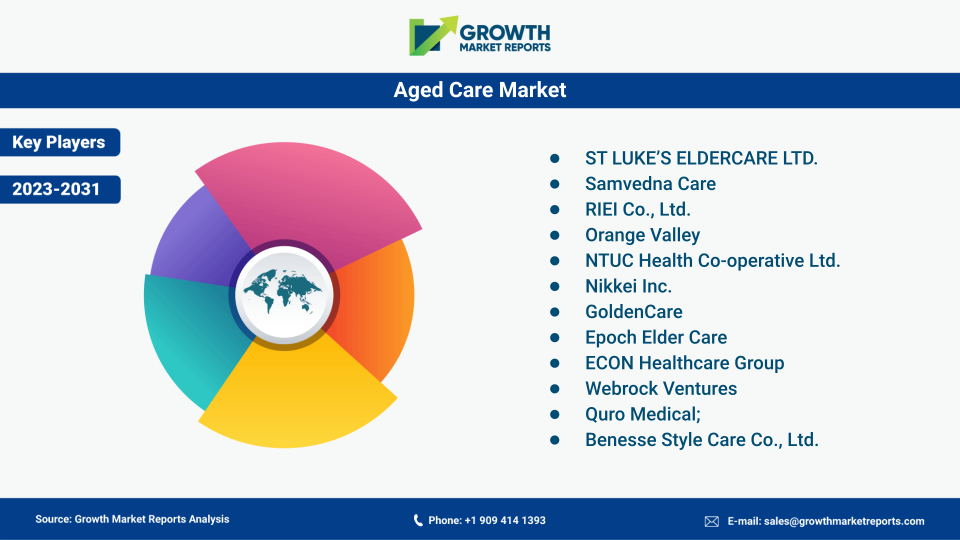
Key players competing in the global aged care market are ST LUKE’S ELDERCARE LTD.; Samvedna Care; RIEI Co., Ltd.; Orange Valley; NTUC Health Co-operative Ltd.; Nikkei Inc.; GoldenCare; Epoch Elder Care; ECON Healthcare Group; Webrock Ventures; Quro Medical; and Benesse Style Care Co., Ltd.
These companies adopt development strategies including product launches, acquisitions, partnerships, mergers, collaboration, and production expansion to cater to customers worldwide. These key players provide a diverse range of services to elderly people and help enhance the quality of their lives. For instance,
In June 2021, Webrock Ventures collaborated with Helathforce to introduce its telehealth products in the South African region. This is intended to provide the patients with scheduled and on-demand consultations along with the guidance of mental health professionals, nurses, and practitioners.
In April 2021, Quro Medical, one of the health-tech-based startups in South Africa, in a seed funding round raised USD 1.1 million. The company combines software and hardware along with the proficiency of traditional doctors to help patients with severe illnesses from the comfort of their homes.
The market is segmented into 65-74 years (young-old), 75-84 years, and 85 years & above (oldest-old), each with distinct care needs and preferences.
Facility types include nursing homes, assisted living facilities, independent senior living, and specialized care centers such as memory care and hospice facilities.
Key players include Brookdale Senior Living, Sunrise Senior Living, Genesis HealthCare, Extendicare, Bupa, Orpea Group, Atria Senior Living, Kindred Healthcare, Home Instead Senior Care, and others.
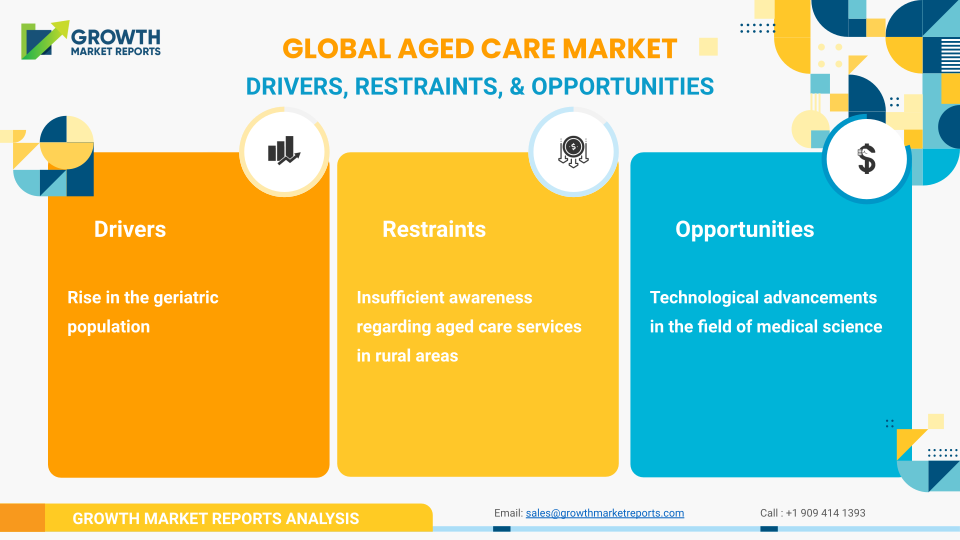
Major challenges include workforce shortages, rising costs, regulatory complexity, and the need for ongoing investment in facility upgrades and technology adoption.
Technological innovations like telehealth, remote patient monitoring, and smart home devices are enabling more personalized, efficient, and home-based care for seniors.
Aged care services are segmented into home care, institutional care (such as nursing homes and assisted living), and community-based care, each catering to different needs of the elderly.
North America is the largest market by revenue, while the Asia Pacific region is the fastest-growing, driven by rapid population aging in countries like China, Japan, and South Korea.
Key growth drivers include the rapidly increasing aging population, rising life expectancy, higher prevalence of chronic diseases among seniors, and technological advancements in healthcare delivery.
The aged care market is expected to grow at a CAGR of 7.8% from 2025 to 2033, reaching an estimated value of USD 2,672.4 billion by 2033.
As of 2024, the global aged care market size reached USD 1,364.2 billion, reflecting strong demand for quality elderly care services worldwide.