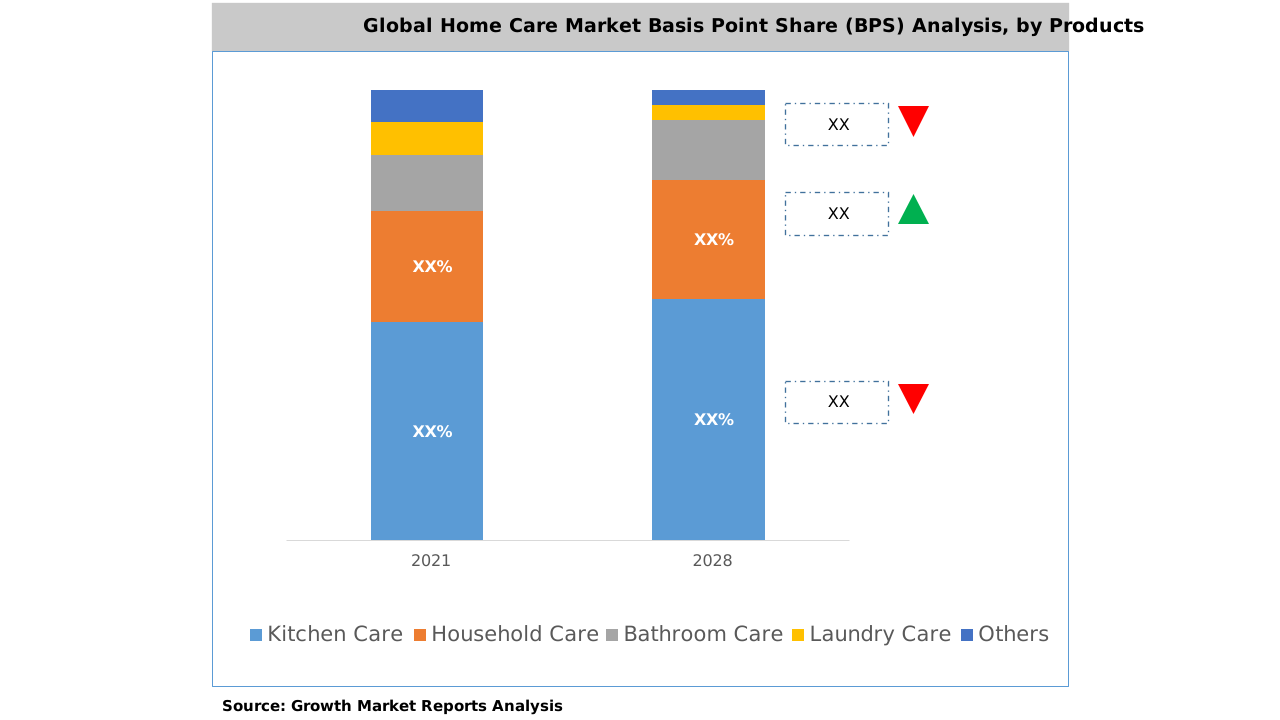
Segments - by Service Type (Personal Care, Nursing Care, Companion Care, Therapy Services, Others), by Application (Elderly Care, Post-Operative Care, Chronic Disease Management, Rehabilitation, Others), by Provider (Home Care Agencies, Independent Caregivers, Others), by Payer (Public, Private, Out-of-Pocket)
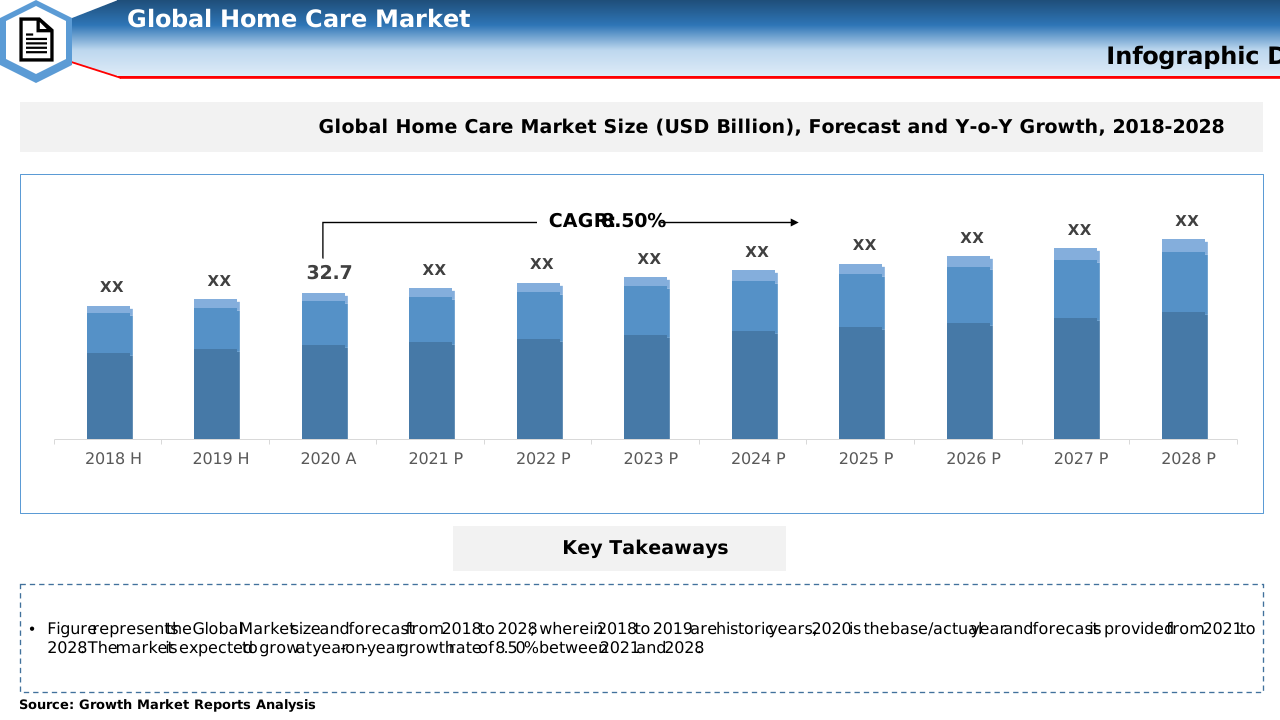
According to our latest research, the global home care market size reached USD 362.8 billion in 2024, driven by a growing aging population, increasing prevalence of chronic diseases, and a strong preference for in-home healthcare services. The market is expected to expand at a CAGR of 8.1% from 2025 to 2033, reaching a forecasted value of USD 699.2 billion by 2033. This robust growth is primarily fueled by advancements in healthcare technologies, rising healthcare costs, and significant policy support for home-based care solutions, as per our most recent analysis.
The surge in the home care market is largely attributed to the rapidly aging global population, particularly in developed economies. With the proportion of individuals aged 65 and above steadily increasing, the demand for personalized and continuous care at home has intensified. Elderly individuals are more susceptible to chronic illnesses and mobility issues, necessitating long-term care and support. Furthermore, families are increasingly seeking alternatives to institutional care due to rising costs and the desire for a more familiar, comfortable environment for their loved ones. This demographic shift is further compounded by the growing number of nuclear families and working professionals who require reliable home care services for elderly or ailing family members. These factors collectively create a sustained demand for a wide range of home care services, from personal care and nursing to companionship and therapy.
Another significant growth driver for the home care market is the increasing prevalence of chronic diseases such as diabetes, cardiovascular conditions, and respiratory illnesses. As healthcare systems worldwide grapple with the burden of chronic disease management, home care emerges as a cost-effective and efficient solution. Advancements in remote monitoring technologies, telehealth, and mobile health applications have empowered caregivers and healthcare professionals to deliver high-quality care in the patient's home. This not only reduces the frequency of hospital visits and readmissions but also enhances patient satisfaction and outcomes. Insurers and governments are recognizing the value of home-based care, leading to expanded reimbursement models and supportive policies that further accelerate market growth.
The evolution of healthcare delivery models, coupled with the increasing adoption of digital health solutions, is transforming the landscape of home care. The integration of smart devices, wearable health monitors, and AI-powered platforms enables real-time health tracking and proactive intervention, significantly improving the quality and efficiency of care. Additionally, the COVID-19 pandemic has catalyzed a paradigm shift towards home-based care, as patients and providers seek to minimize exposure risks associated with healthcare facilities. This shift is expected to persist, with both patients and payers appreciating the convenience, safety, and cost benefits of in-home care. As a result, the home care market is poised for sustained expansion, with stakeholders investing heavily in technology, workforce training, and service innovation.
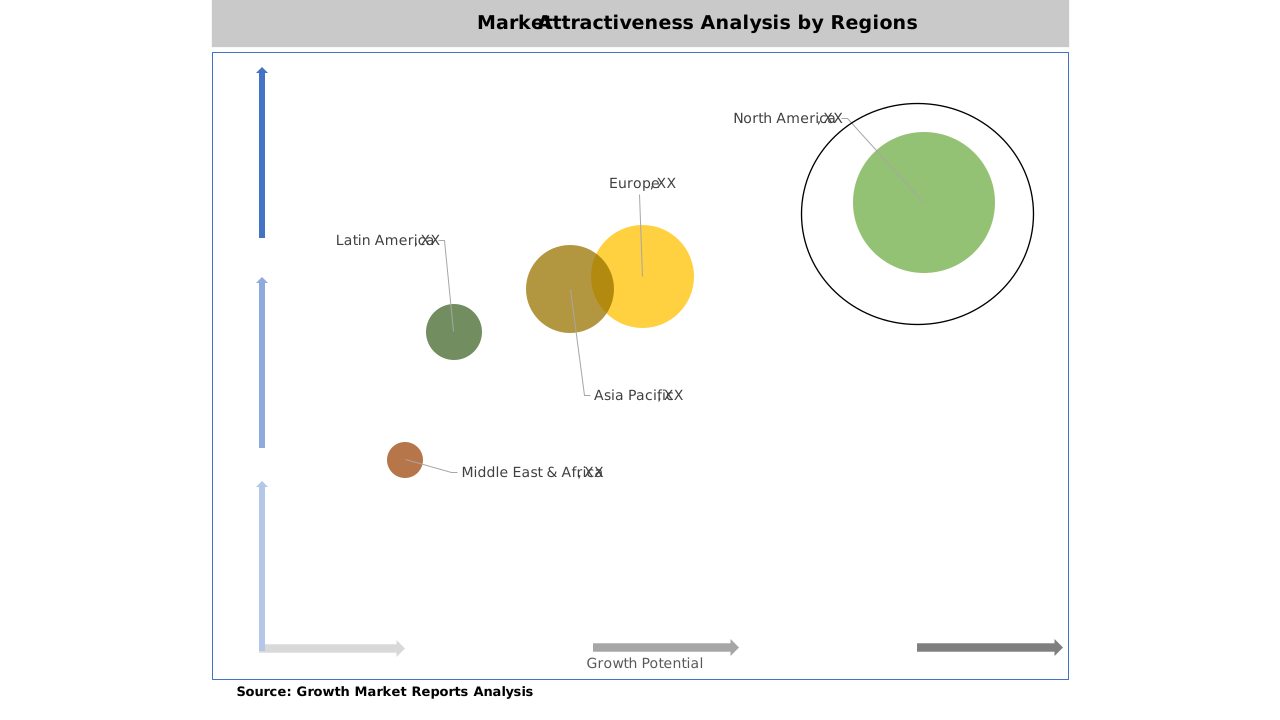
Regionally, North America currently dominates the home care market, accounting for the largest share due to its advanced healthcare infrastructure, high healthcare expenditure, and favorable reimbursement policies. Europe follows closely, benefiting from a robust public healthcare system and a significant elderly population. The Asia Pacific region is witnessing the fastest growth, propelled by rapid urbanization, rising disposable incomes, and increasing awareness of home care services. Emerging markets in Latin America and the Middle East & Africa are also experiencing steady growth, driven by improving healthcare access and supportive government initiatives. Each region presents unique opportunities and challenges, shaping the overall trajectory of the global home care market.
The home care market is segmented by service type into personal care, nursing care, companion care, therapy services, and others. Personal care services form the backbone of the market, encompassing assistance with daily activities such as bathing, grooming, meal preparation, and medication management. The growing elderly population and the increasing incidence of disabilities contribute significantly to the demand for personal care services. These services are particularly vital for individuals who wish to maintain their independence and quality of life while receiving necessary support in the comfort of their homes. The market for personal care is further bolstered by a rising number of dual-income households, where family members often rely on professional caregivers to provide consistent and reliable care.
Nursing care represents another critical segment, addressing the needs of patients requiring medical attention at home. This includes wound care, medication administration, chronic disease management, and post-operative care. The complexity and scope of nursing care services have expanded with technological advancements, enabling skilled nurses to perform sophisticated medical procedures outside hospital settings. The demand for home-based nursing care is particularly pronounced among patients with chronic illnesses, post-surgical recovery needs, and those undergoing palliative care. The integration of telehealth and remote monitoring tools has further enhanced the efficacy and reach of nursing care, making it a preferred choice for both patients and healthcare providers.
Companion care services focus on providing emotional support, companionship, and assistance with light household chores to individuals who may be isolated or at risk of loneliness. This segment is gaining traction as social isolation and mental health concerns become more prominent among the elderly and individuals with disabilities. Companion care not only improves the overall well-being of clients but also reduces the burden on family caregivers. The growing recognition of the importance of mental and emotional health in holistic care models is expected to drive sustained growth in this segment, with service providers increasingly offering tailored programs to address specific needs.
Therapy services, including physical, occupational, and speech therapy, are essential components of the home care market, particularly for patients recovering from surgery, injury, or illness. The ability to receive rehabilitative care at home accelerates recovery, reduces hospital readmissions, and enhances patient comfort. The demand for therapy services is rising in tandem with the increasing prevalence of chronic conditions and the emphasis on early intervention and preventive care. Providers are leveraging digital platforms and virtual therapy sessions to expand access and improve outcomes, especially in underserved and rural areas. The "others" category encompasses a range of specialized services, such as respite care and hospice care, further diversifying the home care market.
| Attributes | Details |
| Report Title | Home Care Market Research Report 2033 |
| By Service Type | Personal Care, Nursing Care, Companion Care, Therapy Services, Others |
| By Application | Elderly Care, Post-Operative Care, Chronic Disease Management, Rehabilitation, Others |
| By Provider | Home Care Agencies, Independent Caregivers, Others |
| By Payer | Public, Private, Out-of-Pocket |
| Regions Covered | North America, Europe, APAC, Latin America, MEA |
| Base Year | 2024 |
| Historic Data | 2018-2023 |
| Forecast Period | 2025-2033 |
| Number of Pages | 295 |
| Number of Tables & Figures | 316 |
| Customization Available | Yes, the report can be customized as per your need. |
The application segment of the home care market is categorized into elderly care, post-operative care, chronic disease management, rehabilitation, and others. Elderly care remains the dominant application, reflecting the demographic trends of aging populations worldwide. The increasing life expectancy and the growing prevalence of age-related health issues drive the demand for comprehensive and continuous care solutions tailored to the unique needs of seniors. Elderly care services encompass a broad spectrum, from basic assistance with daily living to advanced medical and palliative care, enabling seniors to age in place with dignity and independence.
Post-operative care is another significant application, as more patients opt for recovery at home following surgical procedures. Advances in minimally invasive surgery and anesthesia have shortened hospital stays, making home-based post-operative care a viable and attractive option. This not only reduces healthcare costs but also minimizes the risk of hospital-acquired infections and enhances patient comfort. Home care providers offer a range of services, including wound management, pain control, mobility assistance, and follow-up monitoring, ensuring a smooth and safe recovery process.
Chronic disease management is a rapidly growing application area, given the rising incidence of conditions such as diabetes, heart disease, and respiratory disorders. Effective management of chronic diseases often requires ongoing monitoring, medication adherence, lifestyle modifications, and regular communication with healthcare professionals. Home care services play a pivotal role in supporting patients and their families, reducing hospitalizations, and improving health outcomes. The integration of digital health tools, such as remote monitoring devices and teleconsultations, is enhancing the effectiveness and scalability of chronic disease management programs.
Rehabilitation services within the home care market cater to individuals recovering from injuries, surgeries, or debilitating illnesses. The convenience and personalized nature of home-based rehabilitation contribute to better adherence and faster recovery. Physical, occupational, and speech therapists work closely with patients to develop customized care plans that address their specific needs and goals. The growing awareness of the benefits of early and intensive rehabilitation, coupled with advancements in tele-rehabilitation platforms, is driving demand for these services. The "others" application segment includes specialized care for individuals with disabilities, mental health support, and pediatric care, further expanding the scope of the home care market.
The provider landscape in the home care market is segmented into home care agencies, independent caregivers, and others. Home care agencies dominate the market, offering a wide range of professional services, including personal care, nursing, therapy, and companionship. These agencies are typically licensed and regulated, ensuring high standards of care and accountability. They employ trained and certified caregivers, nurses, and therapists, providing clients with reliable and consistent services. The growth of home care agencies is supported by increasing consumer awareness, stringent quality standards, and the rising demand for comprehensive care solutions.
Independent caregivers represent a significant segment of the market, providing personalized and flexible care services directly to clients. These caregivers operate independently or through informal networks, often offering lower-cost alternatives to agency-based services. The demand for independent caregivers is particularly strong in regions with limited access to formal home care infrastructure or where cost considerations are paramount. However, challenges related to quality assurance, background checks, and regulatory compliance persist, prompting ongoing efforts to professionalize and standardize the independent caregiver segment.
The "others" category includes a diverse range of providers, such as community-based organizations, non-profit entities, and emerging digital platforms that connect clients with caregivers. These providers play a crucial role in expanding access to home care services, particularly in underserved and rural areas. Community-based organizations often offer culturally sensitive care and support services tailored to the unique needs of local populations. Digital platforms, on the other hand, leverage technology to streamline caregiver matching, scheduling, and payment processes, enhancing convenience and transparency for both clients and providers.
The provider landscape is evolving rapidly, with increasing collaboration between traditional agencies, independent caregivers, and technology-driven platforms. This convergence is enabling more integrated and holistic care models, improving patient outcomes and satisfaction. As the market continues to mature, stakeholders are investing in workforce training, quality assurance, and technology adoption to enhance service delivery and address the growing demand for home-based care.
The home care market is segmented by payer into public, private, and out-of-pocket categories. Public payers, including government-funded healthcare programs such as Medicare and Medicaid in the United States and similar schemes in other countries, play a significant role in financing home care services. These programs provide coverage for eligible individuals, particularly seniors and low-income populations, reducing the financial burden of home care. The expansion of public reimbursement models and increased government investment in home-based care are key drivers of market growth, particularly in developed economies.
Private payers, including private health insurance companies and employer-sponsored plans, are increasingly covering home care services as part of comprehensive healthcare benefits. The inclusion of home care in private insurance plans reflects the growing recognition of its value in improving patient outcomes and reducing overall healthcare costs. Private payers often collaborate with home care agencies to develop customized care plans and innovative payment models, such as bundled payments and value-based care arrangements. This trend is expected to accelerate as insurers seek to enhance member satisfaction and differentiate their offerings in a competitive market.
The out-of-pocket segment comprises individuals and families who pay directly for home care services without third-party reimbursement. This segment is particularly significant in regions with limited public or private insurance coverage for home care. Out-of-pocket payments are often driven by preferences for specific services, caregiver selection, or additional amenities not covered by insurance. While this segment offers flexibility and choice for consumers, it also poses affordability challenges, particularly for long-term or intensive care needs. Efforts to expand insurance coverage and develop innovative financing solutions are critical to addressing these challenges and ensuring equitable access to home care services.
The payer landscape is undergoing significant transformation, with increasing emphasis on value-based care, integrated care models, and patient-centered approaches. Policymakers, insurers, and providers are collaborating to develop sustainable financing mechanisms that align incentives, improve care coordination, and enhance patient outcomes. As the market evolves, the role of payers in shaping service delivery, quality standards, and access to care will become increasingly prominent.
The home care market presents substantial opportunities for growth and innovation, driven by demographic shifts, technological advancements, and evolving consumer preferences. The integration of digital health solutions, such as remote monitoring, telehealth, and AI-driven care management platforms, is revolutionizing the delivery of home care services. These technologies enhance care coordination, enable real-time health tracking, and facilitate proactive interventions, leading to improved patient outcomes and reduced healthcare costs. Additionally, the increasing focus on preventive care, early intervention, and population health management creates new avenues for service expansion and diversification. Providers that invest in technology adoption, workforce training, and quality improvement are well-positioned to capitalize on these opportunities and gain a competitive edge in the dynamic home care market.
Another key opportunity lies in the development of integrated and personalized care models that address the unique needs of diverse patient populations. The growing recognition of the importance of mental and emotional health, social determinants of health, and cultural competence is driving demand for holistic and tailored care solutions. Providers that offer comprehensive care packages, encompassing personal care, medical services, companionship, and therapy, are better equipped to meet the evolving expectations of clients and their families. Strategic partnerships between home care agencies, healthcare systems, payers, and technology companies are facilitating the creation of seamless care pathways and enhancing the overall value proposition of home-based care.
Despite the promising outlook, the home care market faces several challenges and restrainers that could impede growth. Workforce shortages, particularly of skilled nurses and caregivers, pose a significant threat to service quality and accessibility. High turnover rates, inadequate training, and limited career advancement opportunities contribute to the difficulty of attracting and retaining qualified personnel. Additionally, regulatory complexities, reimbursement constraints, and variability in quality standards across regions create operational challenges for providers. Addressing these issues requires coordinated efforts by policymakers, industry stakeholders, and educational institutions to develop sustainable workforce development strategies, streamline regulatory processes, and promote best practices in care delivery.
North America remains the largest regional market for home care, with a market size of USD 146.2 billion in 2024. The region's dominance is underpinned by its advanced healthcare infrastructure, high healthcare spending, and a strong focus on patient-centered care. The United States, in particular, has witnessed significant investment in home care services, driven by supportive reimbursement policies, a large elderly population, and the widespread adoption of digital health technologies. Canada also contributes to regional growth, benefiting from a robust public healthcare system and increasing awareness of the benefits of home-based care. The North American market is expected to maintain a steady growth trajectory, supported by ongoing innovation and policy initiatives.
Europe is the second-largest market, with a value of USD 97.4 billion in 2024, characterized by a well-established public healthcare system and a significant proportion of elderly residents. Countries such as Germany, the United Kingdom, and France are leading the adoption of home care services, supported by government funding, comprehensive insurance coverage, and a focus on aging-in-place initiatives. The European home care market is anticipated to grow at a CAGR of 7.8% through 2033, driven by demographic trends, policy support, and increasing integration of digital health solutions. Eastern European countries are also witnessing rising demand for home care, albeit from a lower base, as healthcare systems modernize and access improves.
The Asia Pacific region is experiencing the fastest growth in the home care market, with a market size of USD 68.5 billion in 2024. Rapid urbanization, rising disposable incomes, and increasing awareness of home care services are key drivers of regional expansion. Countries such as China, Japan, and India are witnessing significant investments in home care infrastructure, workforce development, and technology adoption. The Asia Pacific market is expected to register a CAGR of 10.2% over the forecast period, outpacing other regions. Latin America and the Middle East & Africa, with market sizes of USD 24.6 billion and USD 26.1 billion respectively in 2024, are also showing promising growth, supported by improving healthcare access, supportive policies, and increasing demand for affordable care solutions.
The home care market is highly competitive, characterized by a diverse mix of global, regional, and local players. The competitive landscape is shaped by the presence of established home care agencies, emerging digital health platforms, and a growing number of independent caregivers. Companies compete on the basis of service quality, range of offerings, technological innovation, and pricing strategies. The market is witnessing a wave of consolidation, as larger players acquire smaller agencies to expand their geographic footprint, diversify their service portfolio, and achieve economies of scale. Strategic partnerships and collaborations with healthcare systems, payers, and technology providers are also becoming increasingly common, enabling companies to deliver integrated and seamless care solutions.
Innovation is a key differentiator in the home care market, with leading companies investing heavily in digital health technologies, workforce training, and quality improvement initiatives. The adoption of remote monitoring devices, telehealth platforms, and AI-powered care management tools is enhancing care delivery, improving patient outcomes, and reducing operational costs. Companies are also focusing on developing personalized care models that address the unique needs of specific patient populations, such as seniors, individuals with chronic illnesses, and those recovering from surgery. The emphasis on holistic and patient-centered care is driving the development of comprehensive care packages that combine personal care, medical services, companionship, and therapy.
Regulatory compliance and quality assurance are critical considerations for companies operating in the home care market. Providers must adhere to stringent licensing, accreditation, and reporting requirements to ensure the safety and well-being of clients. Companies that demonstrate a strong commitment to quality, transparency, and ethical practices are better positioned to build trust with clients, families, and payers. Workforce development is another area of focus, with leading providers investing in caregiver training, certification programs, and career advancement opportunities to attract and retain skilled personnel. The ability to deliver high-quality, reliable, and compassionate care is a key driver of competitive advantage in the home care market.
Major companies operating in the global home care market include Brookdale Senior Living Inc., Home Instead Senior Care, Amedisys Inc., Kindred at Home, BAYADA Home Health Care, LHC Group, Inc., Comfort Keepers, Right at Home, Inc., Interim HealthCare Inc., and Visiting Angels. Brookdale Senior Living Inc. is a leading provider of senior living solutions, offering a comprehensive range of home care and assisted living services across the United States. Home Instead Senior Care specializes in personalized home care for seniors, with a global network of independently owned and operated franchises. Amedisys Inc. and Kindred at Home are prominent providers of home health, hospice, and personal care services, leveraging advanced clinical protocols and technology to deliver high-quality care.
BAYADA Home Health Care and LHC Group, Inc. are recognized for their extensive service offerings, including nursing, therapy, and personal care, delivered through a network of skilled professionals. Comfort Keepers and Right at Home, Inc. focus on companion care, personal care, and specialized care programs designed to enhance the quality of life for clients. Interim HealthCare Inc. and Visiting Angels are known for their flexible and customizable care solutions, catering to the unique needs of diverse patient populations. These companies are investing in technology adoption, workforce training, and service innovation to maintain their competitive edge and drive growth in the dynamic home care market.
The Home Care market has been segmented on the basis of
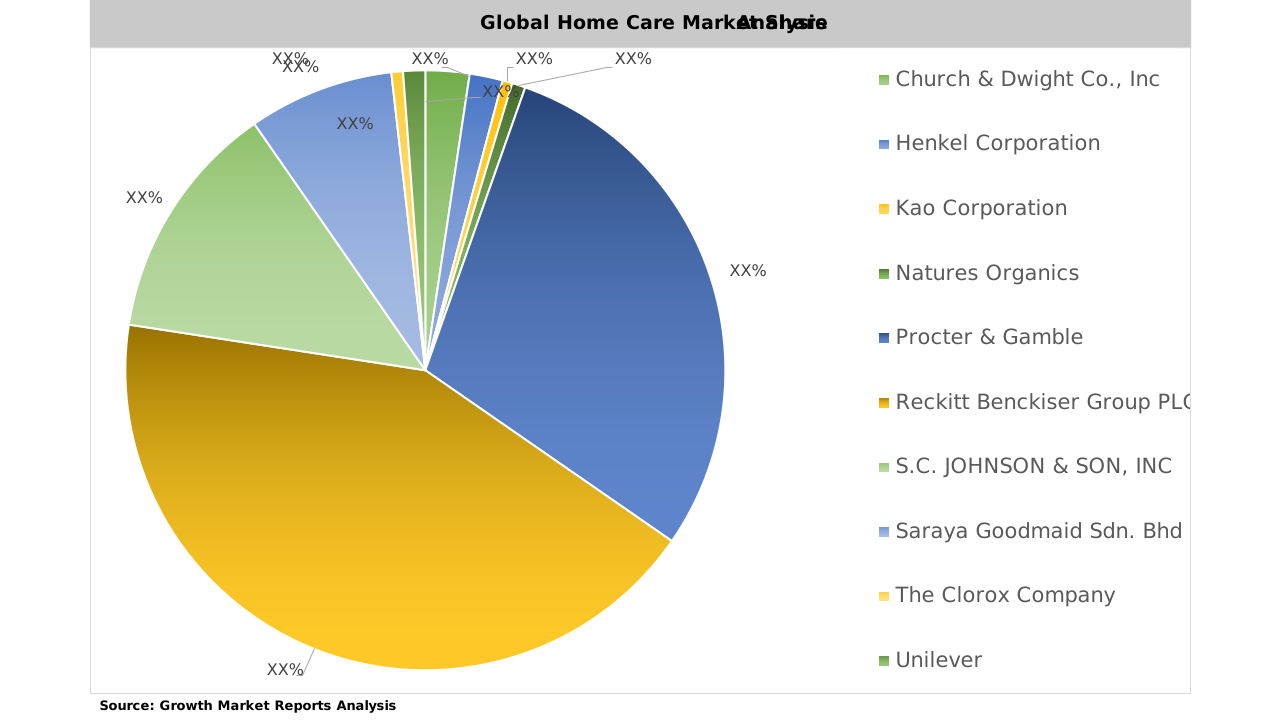
Key players in the global home care market include Church & Dwight Co., Inc, Henkel Corporation, Kao Corporation, Natures Organics, Procter & Gamble, Reckitt Benckiser Group PLC, S.C. JOHNSON & SON, INC, Saraya Goodmaid Sdn. Bhd, The Clorox Company, and Unilever. These players engage in mergers & acquisitions, collaborations, agreements, and partnerships to strengthen their geographical presence.
Major players include Brookdale Senior Living Inc., Home Instead Senior Care, Amedisys Inc., Kindred at Home, BAYADA Home Health Care, LHC Group, Comfort Keepers, Right at Home, Interim HealthCare, and Visiting Angels.
The integration of digital health solutions such as remote monitoring, telehealth, wearable devices, and AI-powered care management platforms is transforming home care delivery, improving outcomes, and reducing costs.
Home care can be financed through public payers (government programs like Medicare and Medicaid), private insurance, and out-of-pocket payments by individuals and families.
Home care services are provided by home care agencies, independent caregivers, community-based organizations, non-profits, and digital platforms that connect clients with caregivers.
Home care services are primarily used for elderly care, post-operative care, chronic disease management, rehabilitation, and specialized care for disabilities, mental health, and pediatric needs.
The home care market is segmented by service type into personal care, nursing care, companion care, therapy services (such as physical, occupational, and speech therapy), and other specialized services like respite and hospice care.
North America currently leads the home care market, followed by Europe. The Asia Pacific region is experiencing the fastest growth, while Latin America and the Middle East & Africa are also expanding steadily.
Key growth drivers include a rapidly aging population, increasing prevalence of chronic diseases, advancements in healthcare technology, rising healthcare costs, and supportive government policies.
The home care market is expected to grow at a CAGR of 8.1% from 2025 to 2033, reaching an estimated value of USD 699.2 billion by 2033.
As of 2024, the global home care market size reached USD 362.8 billion, driven by factors such as an aging population, rising chronic diseases, and a preference for in-home healthcare.