Segments - by Product Type (Regular Yogurt, Greek Yogurt, Flavored Yogurt, Non-Dairy Yogurt, Others), by Form (Set Yogurt, Stirred Yogurt, Frozen Yogurt, Drinkable Yogurt), by Distribution Channel (Supermarkets/Hypermarkets, Convenience Stores, Online Stores, Specialty Stores, Others), by Packaging Type (Cups, Bottles, Pouches, Others)
According to our latest research, the global yogurt market size in 2024 is valued at USD 102.4 billion, experiencing robust growth driven by evolving consumer preferences for healthy and convenient food options. The market is projected to expand at a CAGR of 5.7% during the forecast period, reaching an estimated USD 168.2 billion by 2033. This growth is primarily fueled by increasing health awareness, product innovation, and the rising adoption of functional foods worldwide.
The yogurt market’s growth trajectory is underpinned by several key factors, most notably the global shift toward healthier dietary habits. Consumers are increasingly seeking products that not only satisfy their taste but also offer tangible health benefits, such as probiotics, calcium, and protein. Yogurt, with its inherent nutritional profile, has become a staple in many diets, particularly among health-conscious demographics. The surge in demand for low-fat, low-sugar, and fortified yogurt variants further exemplifies this trend. Additionally, the proliferation of lifestyle diseases such as obesity and diabetes has encouraged consumers to opt for yogurt as a healthier alternative to traditional desserts and snacks. This has led manufacturers to continuously innovate, introducing products that cater to specific dietary needs, such as lactose-free, plant-based, and sugar-free yogurts, thereby broadening the market’s consumer base.
Another significant growth driver is the expanding product portfolio and the introduction of new flavors and formats. Yogurt manufacturers are investing heavily in research and development to create unique offerings that appeal to diverse consumer preferences. The emergence of Greek yogurt, non-dairy yogurt made from almond, coconut, or soy, and drinkable yogurts has revolutionized the market landscape. These innovations cater to varying tastes and dietary restrictions, enhancing the accessibility and appeal of yogurt across different age groups and regions. Additionally, the growing trend of on-the-go consumption has led to the development of convenient packaging solutions, further boosting yogurt’s popularity among busy urban consumers. The synergy between product innovation and consumer demand for variety is expected to sustain the yogurt market’s momentum over the coming years.
Furthermore, the yogurt market benefits from robust marketing strategies and the increasing penetration of organized retail and e-commerce channels. Supermarkets, hypermarkets, and online stores have made yogurt more accessible to a wider audience, especially in emerging economies where urbanization and rising disposable incomes are reshaping consumption patterns. Aggressive promotional campaigns, celebrity endorsements, and health-focused branding have all contributed to heightened consumer awareness and trial of yogurt products. The integration of digital platforms with traditional retail has also enabled manufacturers to reach niche consumer segments, personalize offerings, and foster brand loyalty. This multifaceted approach to distribution and marketing is poised to further amplify the yogurt market’s growth prospects.
Regionally, the yogurt market exhibits significant growth potential across both developed and emerging markets. While North America and Europe remain mature markets with high per capita consumption, the Asia Pacific region is witnessing the fastest growth, driven by rising health consciousness, urbanization, and the increasing influence of Western dietary patterns. Countries such as China, India, and Japan are experiencing a surge in yogurt demand, supported by expanding retail infrastructure and aggressive product launches. Latin America and the Middle East & Africa are also emerging as promising markets, buoyed by changing lifestyles and greater awareness of yogurt’s health benefits. This dynamic regional outlook underscores the global nature of the yogurt market’s expansion.
The yogurt market is segmented by product type into regular yogurt, Greek yogurt, flavored yogurt, non-dairy yogurt, and others. Regular yogurt continues to dominate the market, owing to its widespread popularity and traditional appeal across diverse demographics. Its versatility as both a standalone snack and an ingredient in various culinary applications has solidified its position in households worldwide. However, the introduction of Greek yogurt has fundamentally transformed the market landscape. Greek yogurt, characterized by its thicker texture and higher protein content, has rapidly gained traction among health-conscious consumers seeking nutritious and satiating options. This segment has witnessed exponential growth in recent years, particularly in North America and Europe, where dietary trends emphasize high-protein, low-sugar foods.
Flavored yogurt represents another significant segment, catering to consumers’ desire for variety and indulgence. The availability of a wide array of flavors, ranging from fruit-infused to exotic and dessert-inspired variants, has expanded the appeal of yogurt to younger consumers and those seeking a treat-like experience. Manufacturers are constantly innovating with new flavor combinations and limited-edition launches to maintain consumer interest and drive repeat purchases. This segment’s growth is further propelled by strategic collaborations with popular brands and the incorporation of functional ingredients such as probiotics, vitamins, and minerals, enhancing both taste and health benefits.
Non-dairy yogurt is emerging as a dynamic and rapidly growing segment, reflecting the broader trend toward plant-based diets and lactose-free alternatives. Made from ingredients such as almond, coconut, soy, and oat, non-dairy yogurts cater to vegans, individuals with lactose intolerance, and environmentally conscious consumers. The segment’s expansion is supported by advancements in food technology that have improved the taste, texture, and nutritional profile of plant-based yogurts, making them increasingly comparable to their dairy counterparts. As sustainability and animal welfare concerns gain prominence, the non-dairy yogurt segment is expected to experience sustained growth, particularly in urban markets with a high concentration of health-conscious consumers.
The “others” category encompasses specialty yogurts such as organic, fortified, and probiotic-rich variants. These products are designed to address specific health concerns, such as gut health, immune support, and bone strength. The rising awareness of the link between gut microbiota and overall well-being has fueled demand for probiotic yogurts, which are marketed as functional foods with tangible health benefits. Organic yogurts, free from synthetic additives and pesticides, appeal to consumers seeking clean-label products. The ongoing innovation in this segment, coupled with targeted marketing and premium positioning, is expected to drive its growth in both developed and emerging markets.
| Attributes | Details |
| Report Title | Yogurt Market Research Report 2033 |
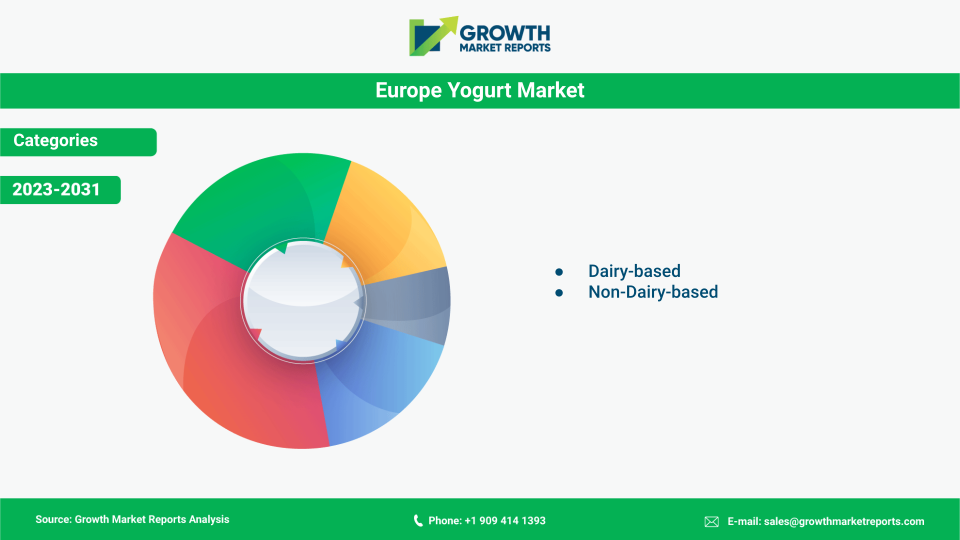
| By Product Type | Regular Yogurt, Greek Yogurt, Flavored Yogurt, Non-Dairy Yogurt, Others |
| By Form | Set Yogurt, Stirred Yogurt, Frozen Yogurt, Drinkable Yogurt |
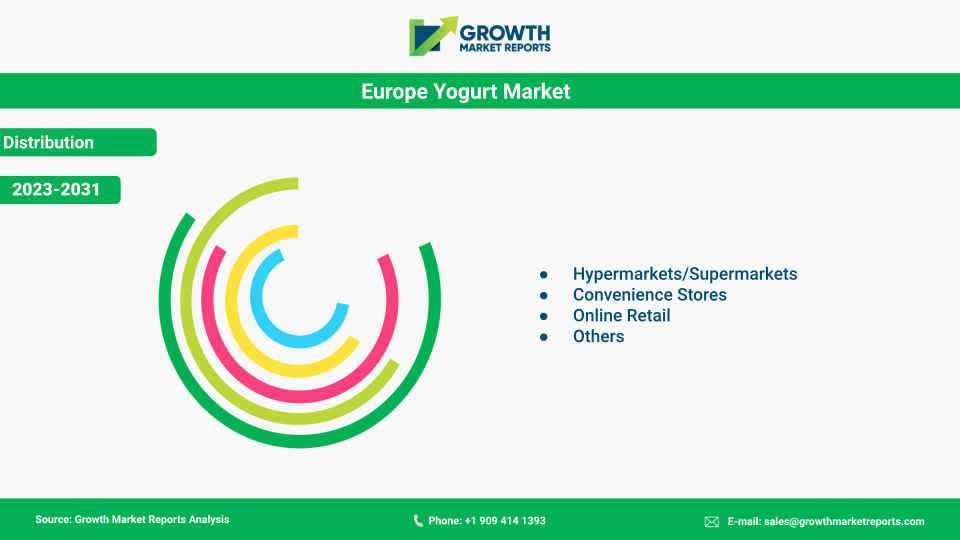
| By Distribution Channel | Supermarkets/Hypermarkets, Convenience Stores, Online Stores, Specialty Stores, Others |
| By Packaging Type | Cups, Bottles, Pouches, Others |
| Regions Covered | North America, Europe, APAC, Latin America, MEA |
| Base Year | 2024 |
| Historic Data | 2018-2023 |
| Forecast Period | 2025-2033 |
| Number of Pages | 250 |
| Number of Tables & Figures | 316 |
| Customization Available | Yes, the report can be customized as per your need. |
Yogurt is available in various forms, including set yogurt, stirred yogurt, frozen yogurt, and drinkable yogurt, each catering to distinct consumer preferences and consumption occasions. Set yogurt, characterized by its firm texture and traditional preparation method, remains a staple in many households, particularly in regions where yogurt is a dietary mainstay. Its popularity is attributed to its versatility, as it can be consumed on its own or used as a base for dips, sauces, and desserts. Set yogurt’s appeal is further enhanced by its perceived authenticity and minimal processing, resonating with consumers seeking wholesome and natural food options.
Stirred yogurt, known for its smooth and creamy consistency, is widely favored for its convenience and ease of consumption. This form is particularly popular among urban consumers and younger demographics who prioritize ready-to-eat snacks that fit into their fast-paced lifestyles. The availability of stirred yogurt in single-serve cups and multi-pack formats has made it a go-to option for on-the-go consumption, school lunches, and workplace snacks. Manufacturers are leveraging this trend by introducing innovative flavors, functional ingredients, and attractive packaging to differentiate their offerings and capture market share.
Frozen yogurt has carved out a niche as a healthier alternative to traditional ice cream, appealing to consumers seeking guilt-free indulgence. Its lower fat content and probiotic benefits have contributed to its growing popularity, particularly in North America, Europe, and parts of Asia. The frozen yogurt market has witnessed a proliferation of self-serve outlets and franchise chains, offering consumers the ability to customize their desserts with a variety of toppings and flavors. This interactive and experiential aspect has driven consumer engagement and loyalty, making frozen yogurt a key growth driver within the broader yogurt market.
Drinkable yogurt represents another high-potential segment, driven by the demand for convenient, portable, and nutritious beverages. This form of yogurt is especially popular among children, busy professionals, and athletes seeking a quick source of protein and probiotics. The rise of functional beverages and the trend toward meal replacement solutions have further bolstered the demand for drinkable yogurts. Manufacturers are responding by launching products with added vitamins, minerals, and functional ingredients such as fiber and antioxidants. The segment’s growth is also supported by innovative packaging solutions, such as resealable bottles and pouches, which enhance convenience and shelf life.
The yogurt market’s distribution landscape is characterized by the dominance of supermarkets and hypermarkets, which account for a significant share of global sales. These retail formats offer consumers a wide variety of yogurt products, including both established brands and private labels, under one roof. The convenience of one-stop shopping, attractive promotions, and the availability of fresh and chilled products have made supermarkets and hypermarkets the preferred channel for yogurt purchases. The expansion of organized retail infrastructure, particularly in emerging economies, has further facilitated the growth of this distribution channel.
Convenience stores play a crucial role in driving impulse purchases and catering to the needs of urban consumers seeking quick and easy access to snacks and beverages. The strategic placement of yogurt products in high-traffic areas, such as checkout counters and refrigerated sections, has proven effective in boosting sales. Convenience stores are particularly popular in densely populated urban centers, where time-constrained consumers prioritize accessibility and speed. The availability of single-serve and grab-and-go yogurt formats has further enhanced the appeal of this channel.
Online stores are emerging as a transformative force in the yogurt market, driven by the rapid growth of e-commerce and changing consumer shopping habits. The convenience of home delivery, the ability to compare prices and products, and the availability of exclusive online promotions have all contributed to the rising popularity of online yogurt purchases. E-commerce platforms also enable manufacturers to reach a wider audience, including consumers in remote or underserved areas. The integration of digital marketing, subscription services, and direct-to-consumer models is expected to further accelerate the growth of the online distribution channel.
Specialty stores, including health food stores and gourmet retailers, cater to niche consumer segments seeking premium, organic, or specialty yogurt products. These outlets offer a curated selection of high-quality yogurts, often with unique flavors, functional ingredients, or clean-label attributes. The personalized shopping experience, knowledgeable staff, and emphasis on product education have contributed to the success of specialty stores in building brand loyalty and attracting discerning consumers. As consumer preferences continue to evolve, the role of specialty stores in the yogurt market is expected to grow, particularly in urban and affluent markets.
Packaging plays a pivotal role in the yogurt market, influencing consumer perceptions, convenience, and product shelf life. Cups remain the most prevalent packaging type, favored for their versatility, portion control, and ease of use. Single-serve cups are particularly popular among individuals seeking convenient, on-the-go snacks, while multi-pack cups cater to families and bulk buyers. The widespread adoption of cup packaging is further supported by advancements in materials and design, which enhance product freshness, visual appeal, and environmental sustainability.
Bottles are increasingly used for drinkable yogurts, offering portability and resealability that appeal to busy consumers. The ergonomic design of bottles, coupled with innovative features such as tamper-evident seals and lightweight materials, has enhanced the convenience and safety of yogurt products. Bottled yogurts are particularly popular in the functional beverage segment, where consumers seek nutritious alternatives to traditional soft drinks and juices. The growing demand for on-the-go nutrition is expected to drive further innovation in bottle packaging.
Pouches represent a dynamic and rapidly growing packaging format, particularly in the children’s yogurt segment. Pouches offer numerous advantages, including ease of use, reduced spillage, and attractive designs that appeal to young consumers. The lightweight and flexible nature of pouches also reduces transportation costs and environmental impact, making them an attractive option for manufacturers seeking to enhance sustainability. The adoption of resealable and portion-controlled pouches is expected to further boost their popularity in the coming years.
Other packaging types, such as tubs, jars, and cartons, cater to specific market segments and consumption occasions. Tubs are commonly used for family-sized portions and bulk purchases, while jars and cartons are favored for premium and artisanal yogurt products. The choice of packaging is influenced by factors such as product form, target consumer, and distribution channel. As sustainability becomes an increasingly important consideration, manufacturers are exploring eco-friendly materials and packaging solutions to reduce their environmental footprint and appeal to environmentally conscious consumers.
The yogurt market presents a myriad of opportunities for growth and innovation, driven by evolving consumer preferences, technological advancements, and expanding distribution channels. One of the most significant opportunities lies in the development of functional and fortified yogurts that address specific health concerns, such as digestive health, immunity, and weight management. The growing body of scientific evidence supporting the health benefits of probiotics and other functional ingredients has created a fertile ground for product innovation. Manufacturers can capitalize on this trend by introducing yogurts with added vitamins, minerals, and bioactive compounds, targeting health-conscious consumers and those with specific dietary needs.
Another promising opportunity is the expansion into emerging markets, where rising disposable incomes, urbanization, and changing dietary habits are driving increased demand for convenient and nutritious foods. The untapped potential in countries such as China, India, Brazil, and South Africa offers significant room for market penetration and growth. Strategic investments in local production, distribution infrastructure, and culturally relevant product offerings can help manufacturers capture market share in these high-growth regions. Additionally, the integration of digital and e-commerce platforms presents an opportunity to reach new consumer segments, enhance brand visibility, and foster customer engagement through personalized marketing and loyalty programs.
Despite the numerous growth opportunities, the yogurt market faces several restraining factors that could hinder its expansion. One of the primary challenges is the increasing competition from alternative snacks and functional foods, such as protein bars, plant-based beverages, and other dairy alternatives. These products often appeal to the same health-conscious consumer base, creating intense competition for shelf space and consumer attention. Additionally, concerns related to sugar content, artificial additives, and allergens in some yogurt products may deter health-conscious consumers. The volatility of raw material prices, particularly milk and plant-based ingredients, can also impact profitability and pricing strategies. To address these challenges, manufacturers must focus on continuous innovation, transparent labeling, and the development of clean-label, low-sugar, and allergen-free products.
The yogurt market exhibits distinct regional trends, with North America, Europe, Asia Pacific, Latin America, and the Middle East & Africa each contributing to the market’s overall growth. In 2024, North America accounts for approximately USD 28.7 billion of the global yogurt market, driven by high per capita consumption, a strong focus on health and wellness, and the popularity of Greek and functional yogurts. The region is characterized by a mature market landscape, with established brands, innovative product offerings, and a well-developed retail infrastructure. The United States and Canada remain key markets, with ongoing product innovation and marketing campaigns aimed at sustaining consumer interest and driving category growth.
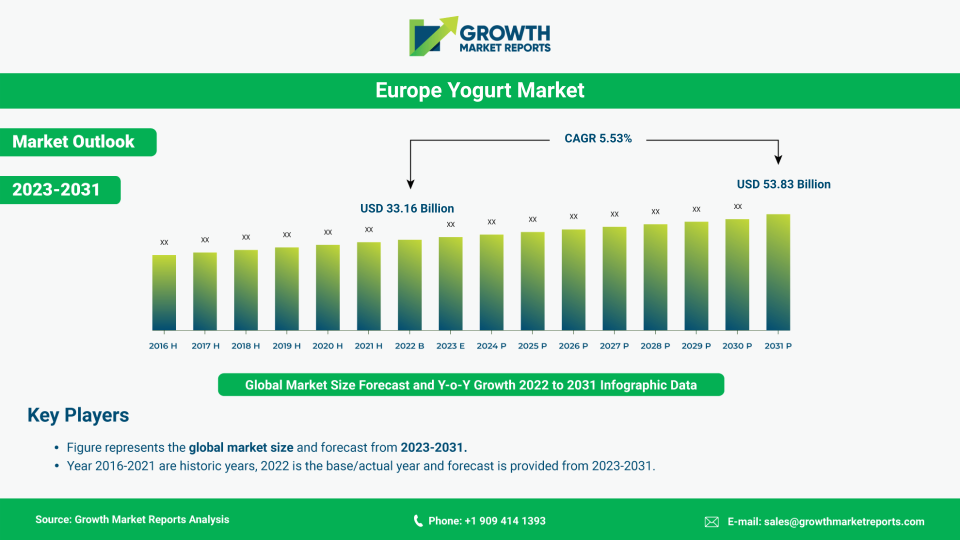
Europe is another major contributor, with a market size of around USD 32.1 billion in 2024. The region’s growth is supported by a rich tradition of yogurt consumption, diverse product offerings, and a strong emphasis on quality and authenticity. Countries such as France, Germany, and the United Kingdom are leading markets, with high demand for organic, probiotic, and specialty yogurts. The European yogurt market is also witnessing a shift toward plant-based and clean-label products, reflecting changing consumer preferences and regulatory trends. The region is expected to grow at a steady CAGR of 4.9% through 2033, driven by ongoing product innovation and expanding distribution channels.
The Asia Pacific region is experiencing the fastest growth, with a market size of USD 26.4 billion in 2024 and a projected CAGR of 7.8% through 2033. Rapid urbanization, rising disposable incomes, and increasing health awareness are key drivers of yogurt consumption in countries such as China, India, Japan, and South Korea. The region’s dynamic retail landscape, coupled with aggressive marketing and localized product offerings, has facilitated the rapid adoption of yogurt as a mainstream food. The growing popularity of drinkable and flavored yogurts, as well as the increasing penetration of organized retail and e-commerce, are expected to further accelerate the Asia Pacific yogurt market’s growth in the coming years.
The global yogurt market is characterized by intense competition, with a mix of multinational corporations, regional players, and emerging startups vying for market share. The competitive landscape is shaped by continuous product innovation, aggressive marketing, and strategic partnerships. Leading companies are investing heavily in research and development to introduce new flavors, formats, and functional ingredients that cater to evolving consumer preferences. The focus on health and wellness, clean-label ingredients, and sustainability has prompted manufacturers to reformulate existing products and launch new offerings that align with these trends. Mergers, acquisitions, and collaborations are common strategies employed to expand product portfolios, enter new markets, and leverage synergies in production and distribution.
Brand loyalty and consumer trust play a critical role in the yogurt market, with established brands leveraging their reputation, quality, and heritage to maintain market leadership. However, the rise of niche and premium brands, particularly in the organic, plant-based, and functional yogurt segments, has intensified competition and fragmented the market. These emerging players often differentiate themselves through unique value propositions, such as locally sourced ingredients, artisanal production methods, and targeted health benefits. The proliferation of private label brands by major retailers has also added to the competitive pressures, offering consumers affordable alternatives without compromising on quality.
Digital transformation and the integration of e-commerce have further reshaped the competitive dynamics of the yogurt market. Companies are leveraging digital platforms to engage with consumers, personalize marketing messages, and gather real-time feedback. The use of social media, influencer partnerships, and online campaigns has proven effective in building brand awareness, driving product trials, and fostering customer loyalty. The adoption of advanced analytics and data-driven insights enables manufacturers to anticipate market trends, optimize product development, and enhance supply chain efficiency.
Some of the major companies operating in the global yogurt market include Danone S.A., General Mills, Inc., Chobani LLC, Yili Group, FAGE International S.A., Yakult Honsha Co., Ltd., Nestlé S.A., Müller Group, and Meiji Holdings Co., Ltd.. Danone S.A. is a global leader known for its diverse portfolio of dairy and plant-based yogurts, with a strong focus on health and sustainability. General Mills, through its Yoplait brand, offers a wide range of flavored and functional yogurts, catering to diverse consumer preferences. Chobani LLC has been at the forefront of the Greek yogurt revolution, emphasizing high-protein, clean-label products and innovative marketing strategies.
Yili Group and Meiji Holdings are prominent players in the Asia Pacific region, leveraging their extensive distribution networks and localized product offerings to capture market share. Yakult Honsha is renowned for its probiotic-rich drinkable yogurts, with a strong presence in both domestic and international markets. FAGE International and Müller Group are recognized for their premium and specialty yogurts, targeting discerning consumers seeking high-quality and authentic products. Nestlé S.A., with its global reach and diversified product portfolio, continues to innovate and expand its presence in both developed and emerging markets.
These companies are continuously investing in product innovation, sustainability initiatives, and digital transformation to maintain their competitive edge. The focus on health-oriented and functional yogurts, coupled with strategic expansion into emerging markets, is expected to drive future growth and consolidation in the global yogurt market. As consumer preferences continue to evolve, the ability to anticipate trends, adapt quickly, and deliver value-added products will be key determinants of success in this dynamic and competitive industry.
The Yogurt market has been segmented on the basis of
Key players competing in the Europe yogurt market are General Mills Inc.; Danone SA; Chobani LLC; Nestlé S.A.; and Yakult.
The market is very competitive in nature owing to the presence of major players. Companies are engaging in launching new product line and increasing their production capacity to expand their market share.
Key trends include the rise of functional and fortified yogurts, plant-based and lactose-free options, innovative flavors, sustainable packaging, and expansion into emerging markets via digital and e-commerce channels.
Major players include Danone S.A., Nestlé S.A., General Mills, Inc. (Yoplait), Chobani LLC, Yili Group, FAGE International S.A., Yakult Honsha Co., Ltd., Müller Group, and Meiji Holdings Co., Ltd.
Common packaging types include cups, bottles (especially for drinkable yogurt), pouches (popular for children), and tubs or jars for family-sized or premium products.
Yogurt is primarily distributed through supermarkets/hypermarkets, convenience stores, online stores, and specialty stores, with online and organized retail channels growing rapidly.
The Asia Pacific region is witnessing the fastest growth, driven by rising health consciousness, urbanization, and Western dietary influences, especially in countries like China, India, and Japan.
The yogurt market is segmented into regular yogurt, Greek yogurt, flavored yogurt, non-dairy yogurt (plant-based), and specialty yogurts such as organic and probiotic-rich variants.
Regular yogurt remains the most popular, but Greek yogurt, flavored yogurt, and non-dairy yogurt are rapidly gaining traction due to their nutritional benefits and appeal to health-conscious consumers.
Key growth drivers include increasing health awareness, product innovation, rising demand for functional foods, and the introduction of new flavors and formats.
The yogurt market is expected to grow at a CAGR of 5.7% from 2025 to 2033, reaching an estimated USD 168.2 billion by 2033.
The global yogurt market is valued at USD 102.4 billion in 2024, according to the latest research.