Segments - by Product Type (Laboratory Testing, Point-of-Care Testing), by Test Type (Smear Microscopy, Culture-Based Tests, Nucleic Acid Amplification Tests, Mantoux Test, Serological Tests, Others), by End User (Hospitals & Clinics, Diagnostic Laboratories, Research Institutes, Others)
This report is updated with the latest market data and insights as of June 2026. Base year: 2025 | Forecast period: 2026-2034
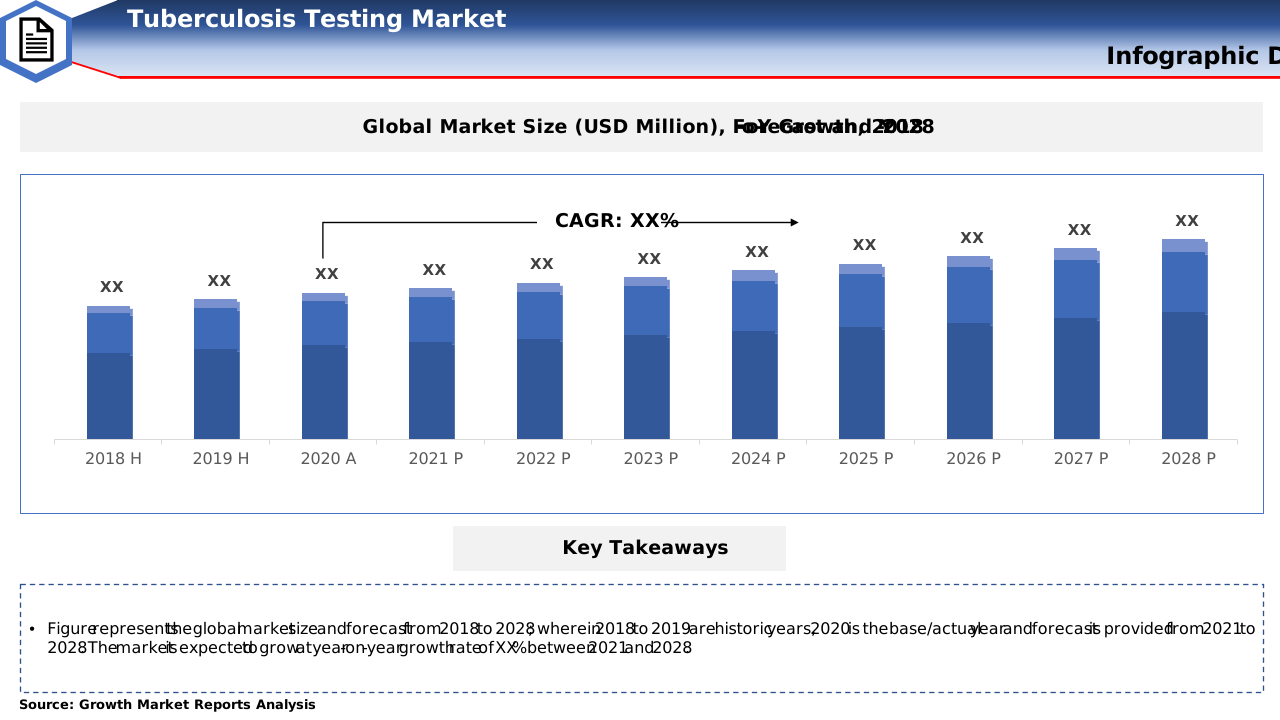
According to our latest research, the global tuberculosis testing market size in 2025 is valued at USD 2.26 billion, reflecting the increasing demand for accurate and rapid diagnostic solutions worldwide. The market is projected to expand at a robust CAGR of 5.8% from 2026 to 2034, reaching a forecasted value of USD 3.74 billion by 2034. The growth of this market is primarily driven by the rising incidence of tuberculosis (TB) in both developing and developed regions, coupled with advances in diagnostic technologies and strategic government initiatives to control the spread of TB. As per the latest research findings, the need for early detection and effective disease management is fueling the adoption of innovative testing solutions across healthcare systems globally.
One of the primary growth factors propelling the tuberculosis testing market is the growing prevalence of TB, particularly in regions with high population densities and limited access to healthcare infrastructure. According to the World Health Organization, tuberculosis remains one of the leading infectious disease killers worldwide, with an estimated 10.8 million new cases reported in 2024 alone. This persistent disease burden has necessitated the development and deployment of advanced diagnostic tools to identify active and latent TB infections promptly. The rising incidence of multidrug-resistant tuberculosis (MDR-TB) and co-infections with HIV is intensifying the need for more sensitive and specific testing methods, thereby boosting market growth. Comprehensive coverage of the broader tuberculosis diagnostics landscape highlights how molecular, immunological, and culture-based platforms are collectively reshaping clinical pathways.
Another significant driver is the continuous technological advancement in tuberculosis testing methodologies. Innovations such as nucleic acid amplification tests (NAATs), rapid molecular diagnostics, and automated culture-based tests have revolutionized TB detection by offering higher sensitivity, faster turnaround times, and improved accuracy compared to traditional smear microscopy. These advancements have enabled healthcare providers to diagnose TB at earlier stages and initiate timely treatment, reducing transmission rates and improving patient outcomes. Additionally, the integration of point-of-care (POC) testing devices in resource-limited settings is expanding access to TB diagnostics, particularly in rural and underserved areas. The parallel growth of ultra-sensitive NAAT platforms for decentralized use is further extending diagnostic reach to populations previously excluded from quality testing services.
Government initiatives and international collaborations are also playing a pivotal role in the expansion of the tuberculosis testing market. Numerous countries, especially those with high TB burdens, have implemented national TB control programs that prioritize early detection, treatment, and prevention. Financial support from organizations like the Global Fund, WHO, and various non-governmental organizations has facilitated the procurement and deployment of advanced testing kits and equipment. Public-private partnerships are fostering innovation and ensuring the availability of affordable diagnostic solutions, further accelerating market growth. The simultaneous development of preventive therapy options for TB is complementing diagnostic advances by enabling a more holistic response to the disease, particularly for high-risk individuals identified through expanded screening programs.
From a regional perspective, Asia Pacific dominates the tuberculosis testing market, accounting for the largest share due to its high disease prevalence, large population base, and increasing healthcare investments. Countries such as India, China, and Indonesia are witnessing substantial demand for TB diagnostics, driven by government-led screening programs and rising awareness about early detection. North America and Europe are also significant contributors, benefitting from advanced healthcare infrastructure and supportive regulatory frameworks. The Middle East and Africa and Latin America are emerging as high-growth regions, supported by improved access to healthcare services and international funding for TB control initiatives.
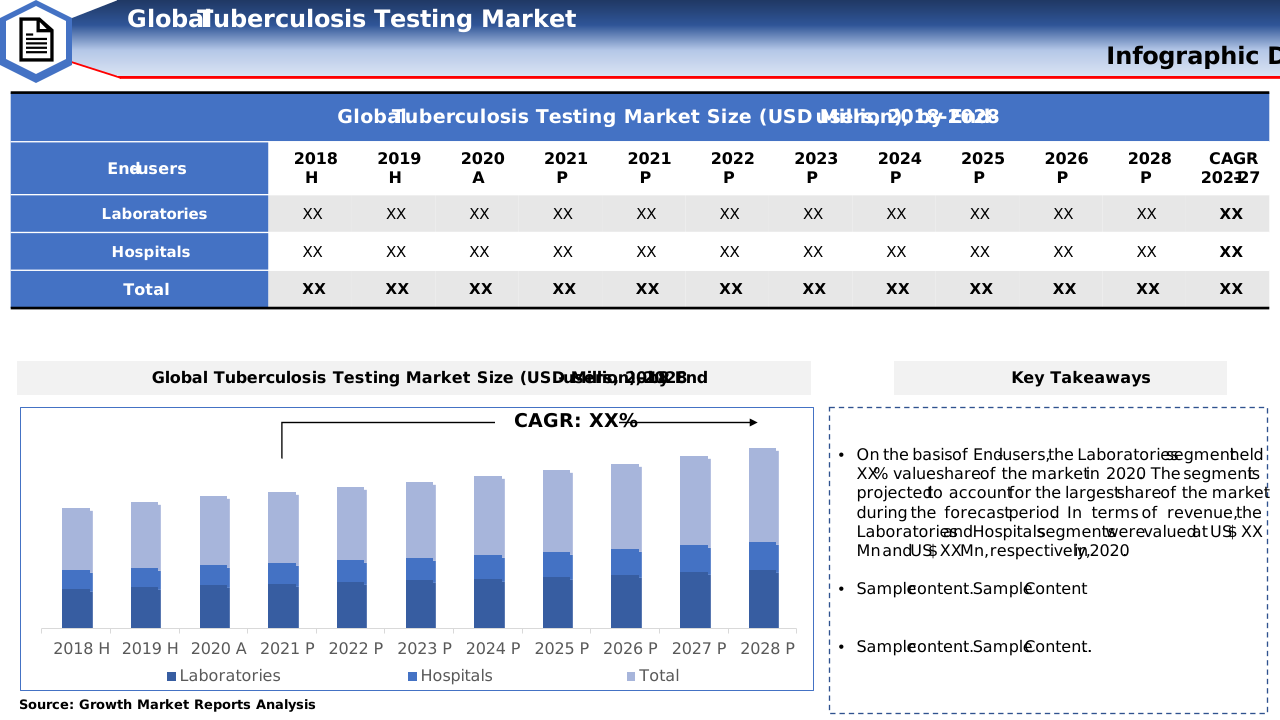
The tuberculosis testing market is segmented by product type into laboratory testing and point-of-care (POC) testing, each offering distinct advantages and catering to different healthcare needs. Laboratory testing remains the gold standard for TB diagnosis, encompassing a range of sophisticated assays such as culture-based tests, nucleic acid amplification tests, and serological assays. These methods provide high sensitivity and specificity, enabling the accurate detection of both active and latent TB infections. Laboratory testing is predominantly utilized in hospitals, diagnostic laboratories, and research institutes, where the availability of advanced equipment and trained personnel ensures reliable results. The growing adoption of automation and digitalization in laboratory workflows is further enhancing the efficiency and throughput of TB diagnostics, contributing to the segment's steady growth. Laboratory testing accounts for approximately 63.5% of the global market in 2025.
On the other hand, point-of-care testing is gaining significant traction, particularly in resource-constrained settings where access to centralized laboratories is limited. POC testing devices offer rapid results, minimal sample processing, and ease of use, making them ideal for deployment in community health centers, mobile clinics, and remote areas. The rising emphasis on decentralized healthcare delivery, coupled with the increasing prevalence of TB in rural populations, is driving the adoption of POC testing solutions. Technological advancements in microfluidics, biosensors, and portable molecular diagnostics are further expanding the capabilities of POC devices, enabling accurate and timely TB detection at the patient's location. The segment currently holds approximately 36.5% of the global market share and is projected to grow at the fastest rate through 2034.
The laboratory testing segment is expected to maintain its dominance throughout the forecast period, owing to the continued reliance on comprehensive diagnostic protocols for confirmatory testing and drug susceptibility assessments. However, the POC testing segment is projected to exhibit the fastest growth, fueled by ongoing innovations and the need for scalable, cost-effective diagnostic tools in low- and middle-income countries. Advances in rapid drug susceptibility testing for TB are enabling faster clinical decision-making at decentralized points, reducing the time between diagnosis and appropriate treatment initiation. The integration of digital health technologies and connectivity features in POC devices is also enhancing data management and surveillance efforts, supporting public health initiatives aimed at TB control.
Manufacturers in the tuberculosis testing market are increasingly focusing on the development of multiplex platforms that can simultaneously detect TB and other respiratory pathogens, addressing the challenge of differential diagnosis in patients with overlapping symptoms. The availability of combination testing kits is streamlining diagnostic workflows and reducing the burden on healthcare systems, particularly during disease outbreaks. Both laboratory and POC testing segments are witnessing robust innovation pipelines, ensuring a continuous supply of advanced diagnostic solutions to meet the evolving needs of the global healthcare community.
| Attributes | Details |
| Report Title | Tuberculosis Testing Market Research Report 2034 |
| By Product Type | Laboratory Testing, Point-of-Care Testing |
| By Test Type | Smear Microscopy, Culture-Based Tests, Nucleic Acid Amplification Tests, Mantoux Test, Serological Tests, Others |
| By End User | Hospitals & Clinics, Diagnostic Laboratories, Research Institutes, Others |
| Regions Covered | North America, Europe, APAC, Latin America, MEA |
| Base Year | 2025 |
| Historic Data | 2019-2024 |
| Forecast Period | 2026-2034 |
| Number of Pages | 261 |
| Number of Tables & Figures | 251 |
| Customization Available | Yes, the report can be customized as per your need. |
The tuberculosis testing market is further segmented by test type, including smear microscopy, culture-based tests, nucleic acid amplification tests (NAATs), Mantoux test, serological tests, and others. Smear microscopy, one of the oldest and most widely used diagnostic methods, involves the microscopic examination of sputum samples to detect acid-fast bacilli. Despite its simplicity and low cost, smear microscopy has limited sensitivity, particularly in patients with low bacterial loads or HIV co-infection. Nevertheless, it remains a cornerstone of TB diagnosis in many low-resource settings due to its accessibility and rapid turnaround time.
Culture-based tests are considered the reference standard for TB diagnosis, offering superior sensitivity and the ability to detect drug-resistant strains. These tests involve the cultivation of Mycobacterium tuberculosis from clinical specimens, followed by identification and drug susceptibility testing. While culture-based methods provide comprehensive information for patient management, they are time-consuming and require specialized laboratory infrastructure. Recent advancements in automated liquid culture systems have significantly reduced turnaround times and improved the reliability of results, making culture-based testing more feasible for routine use.
Nucleic acid amplification tests (NAATs), such as PCR-based assays, have emerged as game-changers in TB diagnostics, offering rapid and highly sensitive detection of mycobacterial DNA. NAATs are particularly valuable for diagnosing extrapulmonary and smear-negative TB cases, as well as for identifying drug resistance mutations. The widespread adoption of NAATs is driven by their ability to deliver results within hours, enabling prompt initiation of treatment and reducing the risk of transmission. The growing availability of portable NAAT platforms is facilitating the expansion of molecular diagnostics in decentralized settings, further supported by continued innovation in the mycobacteria testing space that is yielding assay improvements applicable to both TB and closely related pathogens.
The Mantoux test, also known as the tuberculin skin test, is commonly used for screening latent TB infection, especially in high-risk populations such as healthcare workers and immunocompromised individuals. While the Mantoux test is easy to administer and cost-effective, it has limitations in terms of specificity and the potential for false-positive results due to prior BCG vaccination or exposure to non-tuberculous mycobacteria. Comprehensive assessment of latent TB testing approaches, including both the Mantoux test and interferon-gamma release assays (IGRAs), reveals a clear shift toward immunological platforms that offer superior specificity in BCG-vaccinated populations. Serological tests, although less commonly used due to variable accuracy, are being explored for their potential in TB diagnosis and surveillance. The "others" category includes emerging diagnostic modalities such as IGRAs and next-generation sequencing, which are gaining traction in research and specialized clinical settings.
The integration of artificial intelligence into chest X-ray interpretation is also reshaping the test type landscape. AI-driven TB screening on chest radiographs is emerging as a powerful adjunct to conventional testing, enabling mass screening in high-burden settings at low cost with consistent diagnostic quality. These AI tools are increasingly validated against sputum-based reference standards and are being deployed within national screening programs across Asia Pacific and Sub-Saharan Africa, broadening the overall toolkit available to clinicians and public health practitioners.
The end user segment of the tuberculosis testing market is categorized into hospitals and clinics, diagnostic laboratories, research institutes, and others. Hospitals and clinics represent the largest end user group, accounting for a substantial share of the market due to their central role in patient care and disease management. These facilities are equipped with the necessary infrastructure and expertise to perform a wide range of TB diagnostic tests, from initial screening to confirmatory assays and drug susceptibility testing. The increasing integration of TB testing into routine healthcare services, coupled with the rising incidence of TB-related hospitalizations, is driving the demand for advanced diagnostic solutions in this segment.
Diagnostic laboratories, both public and private, play a critical role in the tuberculosis testing ecosystem by providing specialized testing services to healthcare providers and public health agencies. These laboratories are equipped with state-of-the-art instruments and highly trained personnel, enabling them to perform complex assays such as culture-based tests, NAATs, and drug resistance profiling. The trend towards laboratory consolidation and the adoption of high-throughput testing platforms are enhancing the efficiency and scalability of TB diagnostics, supporting large-scale screening programs and epidemiological surveillance efforts.
Research institutes are at the forefront of innovation in TB diagnostics, conducting cutting-edge research to develop novel testing methods, biomarkers, and therapeutic strategies. These institutions collaborate with academic centers, industry partners, and government agencies to advance the understanding of TB pathogenesis and improve diagnostic accuracy. The increasing focus on translational research and the commercialization of research findings are driving the adoption of next-generation TB diagnostics in both clinical and research settings.
The "others" category includes community health centers, mobile clinics, and non-governmental organizations (NGOs) involved in TB control and outreach activities. These entities play a vital role in expanding access to TB testing, particularly in underserved and high-burden regions. The deployment of portable and user-friendly diagnostic devices in community-based settings is facilitating early detection and linkage to care, supporting global efforts to eliminate TB as a public health threat. Overall, the diverse end user landscape underscores the importance of tailored diagnostic solutions to meet the unique needs of different healthcare environments.
The tuberculosis testing market presents significant opportunities for growth, particularly in the development and commercialization of novel diagnostic technologies. The ongoing shift towards molecular and rapid diagnostic platforms is opening new avenues for market players to introduce innovative products that address the limitations of conventional testing methods. The increasing investment in research and development, supported by public and private funding, is accelerating the discovery of new biomarkers and the optimization of existing assays. The integration of digital health solutions, such as electronic health records and mobile health applications, is enhancing data management, patient tracking, and disease surveillance, creating additional value for healthcare providers and public health authorities.
Another key opportunity lies in the expansion of TB testing services in emerging markets, where the disease burden remains high and access to quality diagnostics is limited. Strategic collaborations between governments, international organizations, and industry stakeholders are facilitating the deployment of affordable and scalable diagnostic solutions in low- and middle-income countries. The adoption of point-of-care testing devices and decentralized screening programs is enabling early detection and treatment initiation, reducing transmission rates and improving patient outcomes. The growing focus on personalized medicine and precision diagnostics is driving the development of targeted testing approaches for high-risk populations, such as individuals with HIV, diabetes, or other immunocompromising conditions.
Despite these opportunities, the tuberculosis testing market faces several restraining factors that could hinder its growth. One of the primary challenges is the high cost and complexity of advanced diagnostic technologies, which limits their adoption in resource-constrained settings. The lack of adequate laboratory infrastructure, trained personnel, and quality assurance systems further exacerbates this issue, particularly in rural and remote areas. Additionally, the variability in test performance and the risk of false-positive or false-negative results pose significant concerns for clinicians and patients alike. Regulatory hurdles and the lengthy approval process for new diagnostic products also delay market entry and limit the availability of innovative solutions. Addressing these challenges will require concerted efforts from all stakeholders to ensure equitable access to high-quality TB diagnostics worldwide.
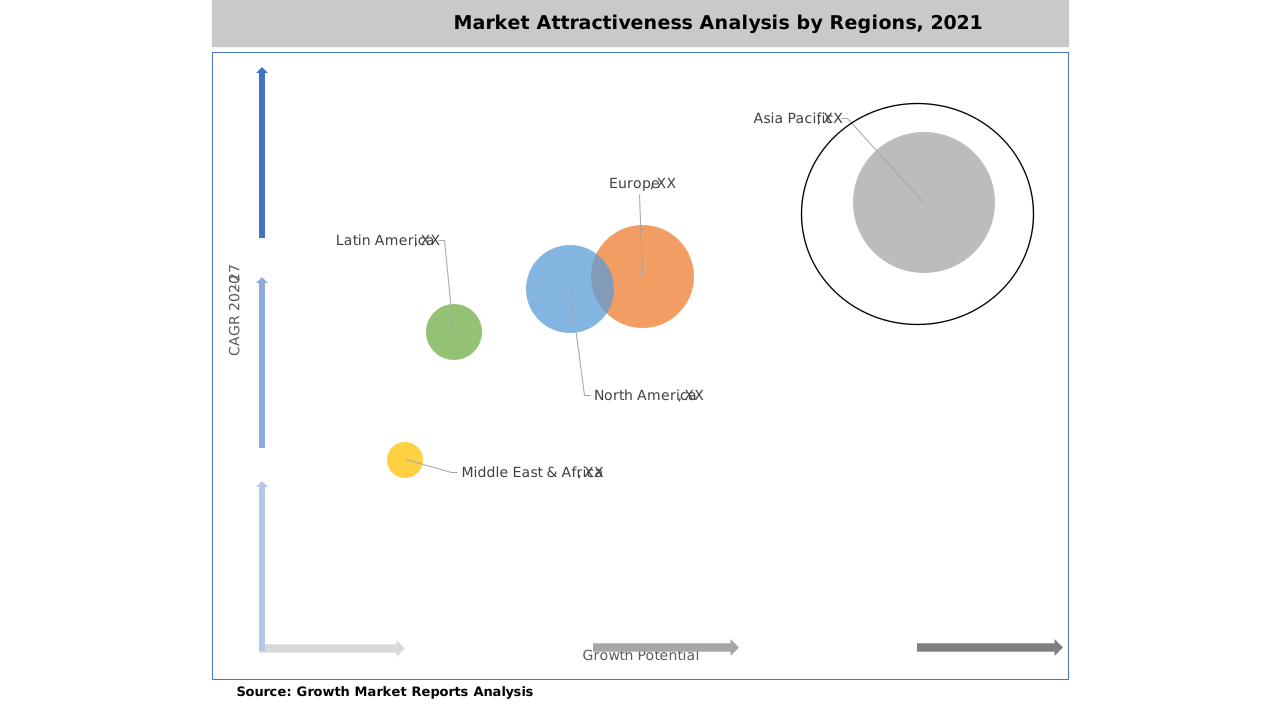
The Asia Pacific region is the largest and fastest-growing market for tuberculosis testing, accounting for approximately 48.2% of the global market share in 2025, with a market value of around USD 1.09 billion. This dominance is attributed to the high prevalence of TB in countries such as India, China, Indonesia, and the Philippines, where large-scale government-led screening programs and international funding support the widespread adoption of diagnostic solutions. The region is expected to maintain its leading position throughout the forecast period, driven by ongoing healthcare infrastructure development, rising awareness about TB, and the increasing availability of advanced testing technologies. The Asia Pacific market is projected to grow at a CAGR of 6.4% from 2026 to 2034, outpacing other regions in terms of both volume and value.
North America holds approximately 20.1% of global market share in 2025, with a market value of around USD 0.45 billion, benefitting from a well-established healthcare system, robust regulatory frameworks, and high levels of investment in research and development. The United States leads demand in the region, driven by the need for rapid and accurate detection of drug-resistant strains and latent TB infections, as well as growing TB incidence among vulnerable urban populations. Europe accounts for approximately 14.6% of global share, with Germany, the United Kingdom, and France serving as prominent markets. The combined North America and Europe value stands at approximately USD 0.78 billion in 2025, with molecular diagnostics and comprehensive TB control programs underpinning steady regional growth.
The Middle East and Africa and Latin America are emerging as high-potential markets for tuberculosis testing, with a combined market value of approximately USD 0.39 billion in 2025. Latin America accounts for roughly 9.3% of global share while the Middle East and Africa holds approximately 7.8%. These regions face significant challenges related to limited healthcare access, high disease burden, and inadequate diagnostic infrastructure. However, increasing international funding, government initiatives, and the introduction of point-of-care testing solutions are gradually improving TB detection rates and patient outcomes. Countries such as South Africa, Brazil, and Nigeria are at the forefront of TB control efforts, implementing national screening programs and expanding access to quality diagnostics. Both regions are expected to witness steady growth over the forecast period, supported by ongoing investments in healthcare modernization and capacity building.
The global tuberculosis testing market is characterized by intense competition among a diverse array of players, ranging from multinational corporations to regional and local manufacturers. The competitive landscape is shaped by continuous innovation, strategic partnerships, and a strong focus on research and development. Leading companies are investing heavily in the development of next-generation diagnostic platforms that offer enhanced sensitivity, specificity, and ease of use. These efforts are aimed at addressing the unmet needs of both high- and low-resource settings, ensuring broad market coverage and sustained growth. In addition to product innovation, market players are also pursuing mergers and acquisitions, collaborations, and licensing agreements to expand their product portfolios and geographic reach.
A key trend in the competitive landscape is the increasing emphasis on molecular diagnostics and digital health solutions. Companies are leveraging advances in genomics, bioinformatics, and data analytics to develop integrated diagnostic platforms that enable rapid and accurate TB detection, drug resistance profiling, and patient monitoring. The adoption of cloud-based data management systems and mobile health applications is further enhancing the value proposition of TB testing solutions, enabling real-time data sharing and disease surveillance. Market leaders are also focusing on the development of multiplex assays that can simultaneously detect multiple pathogens, streamlining diagnostic workflows and improving clinical decision-making.
Despite the presence of established players, the tuberculosis testing market offers ample opportunities for new entrants and emerging companies, particularly in the areas of point-of-care testing and low-cost diagnostic solutions. Start-ups and small- to medium-sized enterprises are driving innovation by developing portable, user-friendly devices that cater to the needs of resource-limited settings. These companies are often supported by public and private funding, as well as partnerships with academic institutions and non-governmental organizations. The competitive dynamics are further influenced by the growing importance of regulatory compliance, quality assurance, and post-market surveillance, which are critical for ensuring the safety and effectiveness of TB diagnostic products.
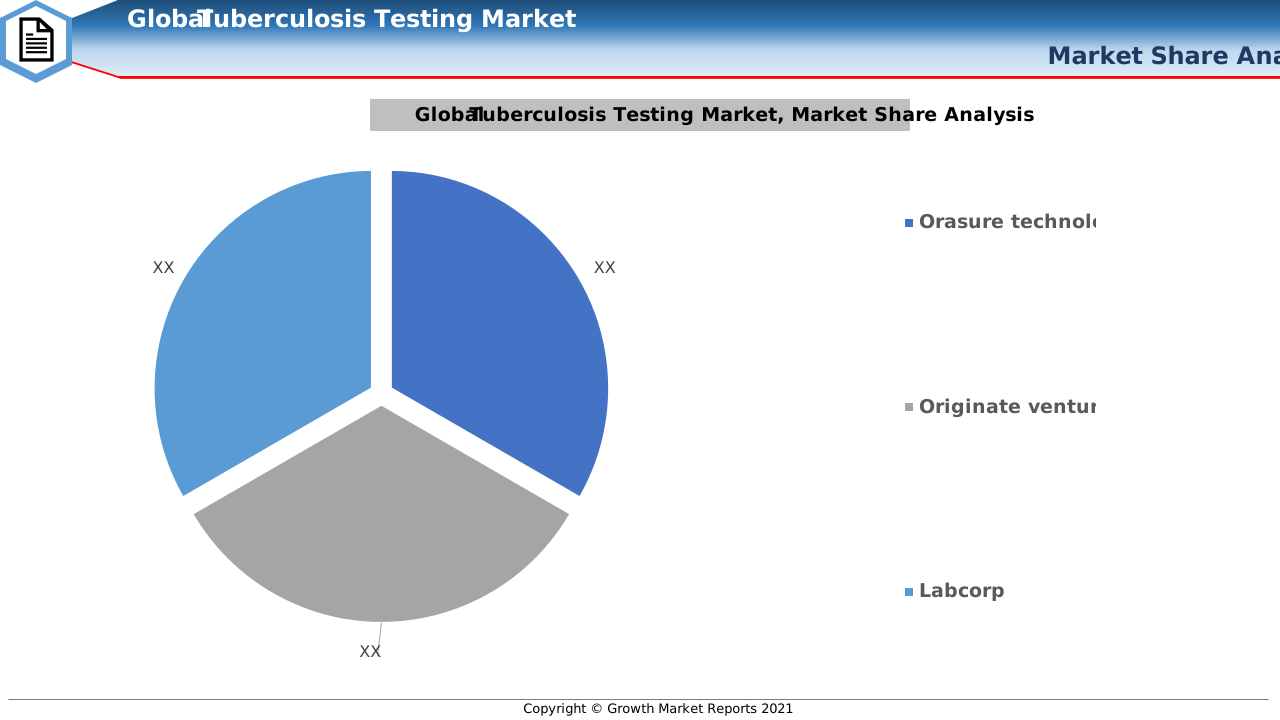
Some of the major companies operating in the global tuberculosis testing market include F. Hoffmann-La Roche Ltd., Abbott Laboratories, Becton, Dickinson and Company (BD), Thermo Fisher Scientific Inc., QIAGEN N.V., Hologic Inc., BioMerieux SA, Cepheid (a Danaher company), Siemens Healthineers AG, and Hain Lifescience GmbH. These companies offer a broad range of TB diagnostic products, including molecular assays, culture systems, immunoassays, and point-of-care devices. F. Hoffmann-La Roche Ltd. and Abbott Laboratories are recognized for their leadership in molecular diagnostics, while BD and Thermo Fisher Scientific are known for their comprehensive laboratory testing solutions. Cepheid has made significant contributions to the market with its GeneXpert platform, which enables rapid and accurate TB detection in decentralized settings. QIAGEN and Hain Lifescience are prominent providers of molecular and culture-based TB diagnostics, with a strong presence in both developed and emerging markets. Regional innovators such as Molbio Diagnostics and Seegene Inc. are expanding their footprint across Asia Pacific and beyond, offering competitively priced platforms well suited to high-burden environments.
In addition to these global leaders, several regional and local companies are actively contributing to the growth of the tuberculosis testing market by offering affordable and context-specific diagnostic solutions. These players often collaborate with governments and non-profit organizations to support national TB control programs and expand access to quality diagnostics in underserved areas. The combined efforts of multinational corporations, emerging companies, and public health stakeholders are driving the ongoing evolution of the tuberculosis testing market, ensuring the availability of innovative and effective diagnostic tools to combat the global TB epidemic.
The Tuberculosis Testing market has been segmented on the basis of
Key trends shaping the market in 2025 and beyond include the rapid expansion of AI-assisted TB screening using chest X-ray analysis, the growing adoption of whole-genome sequencing for comprehensive drug resistance profiling, the development of ultra-sensitive NAAT platforms for point-of-care deployment, and the integration of digital health and cloud-based data management into TB surveillance systems. Emerging opportunities lie in multiplexed assays that co-detect TB and other respiratory pathogens, personalized diagnostics for immunocompromised populations, and public-private partnerships that accelerate affordable solution deployment across Africa and South Asia.
Prominent market leaders include F. Hoffmann-La Roche Ltd., Abbott Laboratories, Becton Dickinson and Company, Danaher Corporation (through Cepheid and its GeneXpert platform), Thermo Fisher Scientific, QIAGEN N.V., BioMerieux SA, Siemens Healthineers, Hologic Inc., and SD Biosensor. Regional innovators such as Molbio Diagnostics and Seegene Inc. are also gaining relevance, particularly in high-burden emerging markets.
Major challenges include the high cost of advanced molecular diagnostic platforms, inadequate laboratory infrastructure in low- and middle-income countries, shortages of trained healthcare personnel, variability in test performance leading to false-positive or false-negative outcomes, and lengthy regulatory approval timelines for new products. The complexity of diagnosing extrapulmonary and latent TB further complicates the clinical landscape. Ensuring equitable access to quality diagnostics across all geographies remains a persistent systemic challenge.
The principal end users are hospitals and clinics, diagnostic laboratories (both public and private), and research institutes. Hospitals and clinics represent the largest segment due to their central role in patient management and disease confirmation. Diagnostic laboratories contribute significantly through high-throughput testing and epidemiological surveillance. Research institutes drive innovation in novel biomarkers and next-generation assays. Community health centers, mobile clinics, and NGOs also constitute an important end user category, particularly in high-burden regions.
Laboratory testing involves centralized, high-complexity assays such as culture-based methods, NAATs, and immunoassays that deliver highly accurate results but require specialized infrastructure and trained personnel. Point-of-care testing, by contrast, delivers rapid results at or near the patient location using portable, easy-to-use devices with minimal sample processing. POC testing is particularly valuable in resource-limited, rural, or decentralized healthcare settings where timely diagnosis is critical.
Key growth drivers include the persistently high global burden of TB (with over 10 million new cases reported annually), the rising prevalence of multidrug-resistant TB (MDR-TB), co-infections with HIV, advances in molecular and point-of-care diagnostics, increasing government funding for TB elimination programs, and strategic collaborations between public health agencies, NGOs, and private-sector manufacturers.
The primary TB diagnostic modalities include smear microscopy, culture-based tests, nucleic acid amplification tests (NAATs), the Mantoux tuberculin skin test, serological tests, and other emerging approaches such as interferon-gamma release assays (IGRAs) and next-generation sequencing. NAATs, including PCR-based platforms, are the fastest-growing segment due to their speed, sensitivity, and suitability for drug-resistance profiling.
Asia Pacific is the dominant region, accounting for approximately 48.2% of the global market share in 2025, driven by high TB prevalence in India, China, Indonesia, and the Philippines. North America holds around 20.1% share, followed by Europe at 14.6%. Latin America and the Middle East & Africa are emerging high-growth regions with combined share of approximately 17.1%.
The market is projected to expand at a compound annual growth rate (CAGR) of 5.8% over the forecast period from 2026 to 2034, reaching an estimated value of USD 3.74 billion by 2034. Growth is driven by technological innovation, rising TB incidence in key geographies, and expanding government-funded screening initiatives.
As of 2025, the global tuberculosis testing market is valued at approximately USD 2.26 billion. This figure reflects strong and sustained demand for accurate, rapid, and scalable TB diagnostic solutions across both high-burden and developed markets worldwide.