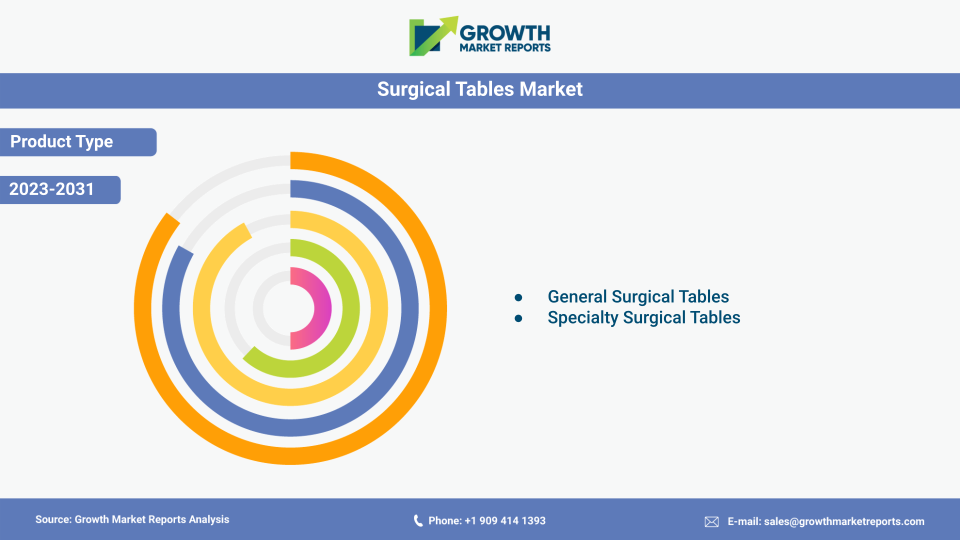
Segments - by Product Type (General Surgical Tables, Specialty Surgical Tables, Radiolucent Surgical Tables, Pediatric Surgical Tables, Others), by Technology (Manual Surgical Tables, Powered Surgical Tables, Hybrid Surgical Tables), by Material (Metal, Composite, Others), by End-User (Hospitals, Ambulatory Surgical Centers, Specialty Clinics, Others)
According to our latest research, the global surgical tables market size reached USD 1.75 billion in 2024, reflecting robust demand across healthcare settings worldwide. The market is anticipated to expand at a CAGR of 4.8% during the forecast period, reaching USD 2.67 billion by 2033. Growth in this sector is primarily fueled by the increasing volume of surgeries, technological advancements in surgical table design, and the expansion of healthcare infrastructure in both developed and emerging regions. As per our latest research, the market’s upward trajectory is underpinned by the rising prevalence of chronic diseases and the growing adoption of minimally invasive surgical procedures.
One of the most significant growth factors for the surgical tables market is the steady rise in the number of surgical procedures performed globally. The surge in chronic diseases such as cardiovascular disorders, cancer, and orthopedic conditions has led to an increased need for surgical interventions. Additionally, the aging global population is contributing to higher surgical volumes, as elderly individuals are more prone to conditions requiring surgery. The growing preference for minimally invasive and outpatient surgeries further necessitates advanced and versatile surgical tables that can accommodate a wide range of procedures. Hospitals and surgical centers are therefore investing in modern surgical tables that offer flexibility, patient safety features, and ergonomic benefits for surgical teams, thereby driving market growth.
Technological innovation is another key driver shaping the surgical tables market. Manufacturers are focusing on integrating advanced features such as imaging compatibility, electronic controls, and modular designs to enhance the efficiency and precision of surgical procedures. Hybrid surgical tables, which combine the functionalities of traditional and radiolucent tables, are gaining popularity in operating rooms that require versatility for complex procedures. The adoption of powered and computerized surgical tables is also accelerating, as these products enable precise patient positioning and streamline workflow. Moreover, the increased emphasis on infection control and ease of cleaning has prompted the development of tables made from advanced materials with antimicrobial properties, further boosting market adoption.
Healthcare infrastructure development, especially in emerging economies, is playing a vital role in expanding the surgical tables market. Governments and private sector players are investing heavily in new hospitals, ambulatory surgical centers, and specialty clinics to meet the rising healthcare demands of growing populations. These investments are accompanied by efforts to upgrade existing facilities with state-of-the-art surgical equipment, including advanced surgical tables. Additionally, the proliferation of day surgery centers and the shift towards outpatient care are contributing to increased demand for compact, mobile, and versatile surgical tables that cater to various specialties. The ongoing expansion of healthcare access in low- and middle-income countries is expected to offer significant growth opportunities for market participants over the forecast period.
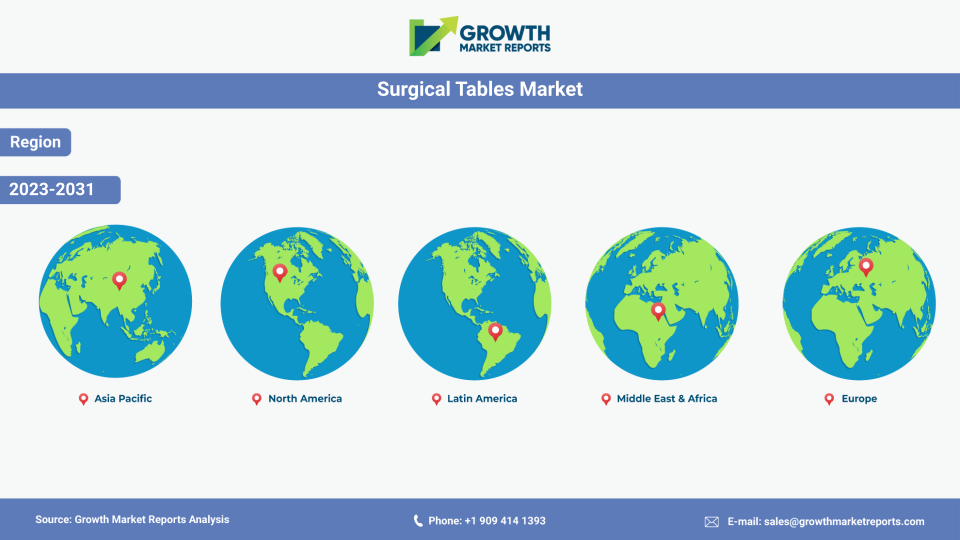
From a regional perspective, North America continues to dominate the surgical tables market due to its well-established healthcare infrastructure, high surgical volumes, and rapid adoption of cutting-edge medical technologies. Europe follows closely, benefiting from an aging population and robust government support for healthcare modernization. Meanwhile, the Asia Pacific region is emerging as the fastest-growing market, driven by rising healthcare investments, increasing surgical procedures, and expanding medical tourism. Latin America and the Middle East & Africa are also witnessing growth, albeit at a slower pace, as healthcare infrastructure and access continue to improve in these regions. The global landscape is thus characterized by both mature markets with high penetration and emerging markets offering substantial untapped potential.
The product type segment of the surgical tables market is highly diverse, reflecting the broad spectrum of surgical procedures performed worldwide. General surgical tables represent the largest share of the market, owing to their versatility and widespread use across various surgical specialties. These tables are designed to support a wide range of procedures, making them indispensable in hospitals and surgical centers. Specialty surgical tables, tailored for specific procedures such as orthopedic, neurosurgery, or cardiovascular interventions, are witnessing increased demand as surgical specialization grows. Radiolucent surgical tables, which allow for intraoperative imaging, are becoming increasingly popular in minimally invasive surgeries and interventional procedures, where real-time imaging guidance is crucial. Pediatric surgical tables, designed specifically for children, address the unique anatomical and safety needs of pediatric patients, while the "others" category encompasses niche products for highly specialized applications.
General surgical tables continue to be the workhorse of operating rooms, favored for their adaptability and cost-effectiveness. Their ability to accommodate a variety of patient positions and surgical techniques makes them a staple in both large hospitals and smaller surgical centers. However, as the complexity of surgeries increases and the demand for precision grows, the market is witnessing a shift towards more specialized tables. Specialty surgical tables are engineered with unique features such as traction systems for orthopedic surgeries or advanced headrests for neurosurgical procedures, providing enhanced support and safety for both patients and surgical teams. This trend is particularly evident in advanced healthcare settings where high surgical volumes and sub-specialization are prevalent.
Radiolucent surgical tables are gaining significant traction, especially in facilities that perform a high volume of minimally invasive and image-guided procedures. These tables are constructed from materials that do not interfere with X-rays or other imaging modalities, allowing surgeons to obtain clear images during surgery without repositioning the patient. The growing adoption of minimally invasive techniques in fields such as orthopedics, cardiology, and urology is driving the demand for radiolucent tables. Their integration with advanced imaging systems, such as C-arms and intraoperative CT scanners, further enhances their utility and appeal in modern operating rooms.
Pediatric surgical tables, though representing a smaller segment, are essential in specialized pediatric hospitals and clinics. These tables are designed with features that ensure the safety and comfort of pediatric patients, such as adjustable padding, secure restraints, and size-appropriate configurations. As awareness of pediatric surgical needs increases and more healthcare facilities expand their pediatric services, demand for these specialized tables is expected to grow steadily. The "others" category includes tables for bariatric, gynecological, and ophthalmic surgeries, reflecting the need for tailored solutions in niche surgical fields. Overall, the product type segment is evolving to meet the changing landscape of surgical care, emphasizing both versatility and specialization.
| Attributes | Details |
| Report Title | Surgical Tables Market Research Report 2033 |
| By Product Type | General Surgical Tables, Specialty Surgical Tables, Radiolucent Surgical Tables, Pediatric Surgical Tables, Others |
| By Technology | Manual Surgical Tables, Powered Surgical Tables, Hybrid Surgical Tables |
| By Material | Metal, Composite, Others |
| By End-User | Hospitals, Ambulatory Surgical Centers, Specialty Clinics, Others |
| Regions Covered | North America, Europe, APAC, Latin America, MEA |
| Base Year | 2024 |
| Historic Data | 2018-2023 |
| Forecast Period | 2025-2033 |
| Number of Pages | 283 |
| Number of Tables & Figures | 300 |
| Customization Available | Yes, the report can be customized as per your need. |
The technology segment in the surgical tables market is a key area of innovation and differentiation. Manual surgical tables, which rely on mechanical adjustments for positioning, remain prevalent in many healthcare settings, particularly in resource-constrained environments. These tables are valued for their reliability, ease of use, and cost-effectiveness, making them a popular choice for hospitals and clinics with limited budgets. However, the market is witnessing a steady shift towards powered and hybrid surgical tables as healthcare providers seek to enhance operational efficiency and patient safety. Powered surgical tables are equipped with electric or hydraulic systems that allow for precise and effortless adjustments, reducing physical strain on surgical staff and enabling more complex positioning during procedures.
Powered surgical tables are experiencing rapid adoption in advanced healthcare facilities, driven by their ability to improve workflow and support a broader range of surgical procedures. These tables often feature programmable positions, remote controls, and integrated safety features, allowing for quick and accurate patient positioning. The rise of minimally invasive and image-guided surgeries has further fueled demand for powered tables, as these procedures often require frequent and precise adjustments during surgery. Additionally, powered tables contribute to infection control by minimizing manual contact and facilitating easier cleaning and maintenance. As healthcare providers prioritize efficiency and patient outcomes, the transition from manual to powered surgical tables is expected to accelerate.
Hybrid surgical tables represent the cutting edge of technology in the market, combining the features of both traditional and radiolucent tables. These tables are designed to support a wide range of surgical and interventional procedures, making them ideal for hybrid operating rooms that accommodate multidisciplinary teams. Hybrid tables are typically equipped with advanced imaging compatibility, modular components, and integrated data connectivity, enabling seamless collaboration between surgeons, radiologists, and anesthesiologists. The growing adoption of hybrid operating rooms in tertiary care hospitals and specialized surgical centers is driving demand for these versatile tables, as they enhance procedural flexibility and improve patient outcomes.
While manual tables continue to serve an important role in settings with limited resources, the overall trend in the surgical tables market is towards greater automation and integration of advanced technologies. Manufacturers are investing in research and development to introduce tables with enhanced ergonomics, intuitive controls, and compatibility with digital operating room systems. The integration of sensors, data analytics, and remote monitoring capabilities is also on the horizon, promising further improvements in surgical safety and efficiency. As the technology landscape evolves, the market is expected to witness ongoing innovation, with hybrid and powered tables leading the way in meeting the demands of modern surgical care.
The material segment of the surgical tables market plays a crucial role in determining product performance, durability, and infection control. Metal remains the dominant material used in the construction of surgical tables, particularly stainless steel and aluminum alloys. These metals are favored for their strength, corrosion resistance, and ease of cleaning, making them ideal for the demanding environment of the operating room. Stainless steel, in particular, is widely used due to its non-porous surface, which minimizes the risk of bacterial contamination and supports stringent infection control protocols. The robustness of metal tables ensures long service life and reliability, contributing to their widespread adoption across healthcare facilities.
Composite materials are gaining traction in the surgical tables market as manufacturers seek to enhance product performance and design flexibility. Composites, such as carbon fiber-reinforced polymers, offer several advantages over traditional metals, including lighter weight, greater radiolucency, and improved resistance to wear and tear. Radiolucent surgical tables, in particular, benefit from composite materials, as they enable clearer imaging during procedures without compromising structural integrity. The use of composites also allows for more ergonomic and patient-friendly designs, as manufacturers can create contoured surfaces and integrated padding for enhanced comfort and support.
The "others" category in the material segment includes specialized coatings, plastics, and hybrid constructions that combine multiple materials for optimized performance. For example, some surgical tables feature antimicrobial coatings or embedded silver ions to inhibit the growth of bacteria and reduce the risk of healthcare-associated infections. Advanced plastics may be used in non-structural components to reduce weight and enhance maneuverability. Hybrid constructions, which combine metal frames with composite surfaces or padding, are becoming increasingly popular as healthcare providers seek products that balance durability, functionality, and patient safety.
Material innovation is closely linked to the evolving needs of the surgical tables market, as healthcare providers demand products that support infection control, ease of maintenance, and adaptability to different surgical environments. The shift towards minimally invasive and image-guided procedures is driving increased demand for radiolucent and composite materials, while the need for cost-effective solutions ensures continued demand for metal tables in resource-constrained settings. As manufacturers continue to invest in research and development, the material segment is expected to witness ongoing innovation, with a focus on enhancing product performance, safety, and sustainability.
The end-user segment of the surgical tables market reflects the diverse range of healthcare facilities that rely on these essential products. Hospitals represent the largest end-user category, accounting for the majority of surgical table purchases worldwide. The high volume of surgeries performed in hospitals, coupled with the need for versatile and durable equipment, drives strong demand for both general and specialized surgical tables. Hospitals often require a mix of manual, powered, and hybrid tables to accommodate various surgical specialties and patient populations, from emergency procedures to complex elective surgeries.
Ambulatory surgical centers (ASCs) are an increasingly important segment of the surgical tables market, reflecting the global shift towards outpatient and minimally invasive procedures. ASCs prioritize efficiency, quick turnover, and patient comfort, driving demand for compact and easily adjustable surgical tables. These facilities often perform a high volume of procedures in specialties such as orthopedics, ophthalmology, and gastroenterology, necessitating tables that are both versatile and easy to clean. The growth of ASCs is particularly pronounced in regions with mature healthcare systems and strong regulatory support for outpatient care, such as North America and Europe.
Specialty clinics, including those focused on specific areas such as orthopedics, cardiology, or pediatrics, represent another key end-user segment. These clinics require surgical tables tailored to the unique needs of their patient populations and procedural requirements. For example, orthopedic clinics may prioritize tables with traction systems, while pediatric clinics require size-appropriate and safety-enhanced tables for children. The increasing specialization of healthcare services is driving demand for customized surgical tables that support optimal patient outcomes and procedural efficiency.
The "others" category in the end-user segment encompasses a range of healthcare providers, including military and field hospitals, research institutions, and veterinary clinics. These settings often have unique requirements, such as portability, ease of transport, and compatibility with field conditions. As healthcare delivery models continue to evolve and new care settings emerge, the end-user segment is expected to diversify further, creating new opportunities for market participants to develop innovative and tailored solutions.
The surgical tables market presents a wealth of opportunities for growth and innovation, driven by ongoing advancements in medical technology and evolving healthcare delivery models. One of the most promising opportunities lies in the integration of digital technologies and connectivity features into surgical tables. The emergence of smart operating rooms, equipped with interconnected devices and real-time data analytics, is creating demand for surgical tables that can seamlessly integrate with digital workflows. Features such as automated positioning, wireless controls, and data capture capabilities are becoming increasingly attractive to healthcare providers seeking to enhance surgical precision, safety, and efficiency. Manufacturers that invest in developing smart, connected surgical tables are well-positioned to capture a growing share of the market.
Another significant opportunity in the surgical tables market is the expansion into emerging markets, where healthcare infrastructure is rapidly developing and access to surgical care is improving. Countries in Asia Pacific, Latin America, and the Middle East & Africa are investing heavily in new hospitals, ambulatory surgical centers, and specialty clinics, creating strong demand for modern surgical equipment. Market participants that establish local manufacturing and distribution partnerships, offer cost-effective solutions, and tailor products to the specific needs of these regions can capitalize on the substantial growth potential. Additionally, the increasing focus on minimally invasive and outpatient procedures in these markets is driving demand for versatile and compact surgical tables.
Despite the positive outlook, the surgical tables market faces several restraining factors that could impact growth. One of the primary challenges is the high cost of advanced surgical tables, particularly powered and hybrid models equipped with sophisticated features. The significant capital investment required for these products can be a barrier for smaller hospitals and clinics, especially in low- and middle-income countries. Additionally, the presence of stringent regulatory requirements and lengthy product approval processes can delay market entry for new products and technologies. Manufacturers must navigate complex regulatory landscapes and demonstrate compliance with safety and performance standards, which can increase development costs and time to market. Addressing these challenges through cost-effective product development, streamlined regulatory strategies, and flexible financing options will be critical for sustained growth in the market.
North America continues to lead the surgical tables market, with a regional market size of USD 590 million in 2024, accounting for a significant share of global revenue. The region’s dominance is attributed to its advanced healthcare infrastructure, high surgical volumes, and rapid adoption of innovative medical technologies. The United States, in particular, is a major contributor, driven by strong investments in hospital modernization, high prevalence of chronic diseases, and a well-established network of ambulatory surgical centers. Canada also contributes to regional growth through government support for healthcare innovation and infrastructure development. The North American market is expected to maintain steady growth, with a projected CAGR of 4.2% through 2033.
Europe is the second-largest region in the surgical tables market, with a market size of USD 455 million in 2024. The region benefits from a robust public healthcare system, an aging population, and a strong focus on quality and safety standards in surgical care. Countries such as Germany, France, and the United Kingdom are at the forefront of adopting advanced surgical tables, supported by government initiatives to upgrade healthcare facilities and promote minimally invasive procedures. The European market is characterized by high product penetration and a strong presence of leading manufacturers, driving ongoing innovation and competition.
The Asia Pacific region is emerging as the fastest-growing market for surgical tables, with a current market size of USD 390 million in 2024. Rapid economic growth, increasing healthcare investments, and rising demand for surgical procedures are fueling market expansion across countries such as China, India, Japan, and South Korea. The region’s large and aging population, coupled with growing awareness of advanced surgical care, is driving demand for both general and specialized surgical tables. Additionally, the proliferation of private hospitals and medical tourism hubs is creating opportunities for international and local manufacturers. The Asia Pacific market is expected to achieve a CAGR of 6.1% through 2033, outpacing growth in other regions. Latin America and the Middle East & Africa, with market sizes of USD 190 million and USD 125 million respectively in 2024, are also witnessing gradual growth as healthcare infrastructure and access improve.
The surgical tables market is characterized by intense competition and a dynamic landscape, with numerous global and regional players vying for market share. The competitive environment is shaped by ongoing technological innovation, product differentiation, and a strong emphasis on quality and safety standards. Leading companies invest heavily in research and development to introduce advanced surgical tables with enhanced features, such as imaging compatibility, programmable controls, and modular designs. Strategic partnerships, mergers and acquisitions, and geographic expansion are common strategies employed by major players to strengthen their market position and broaden their product portfolios. The presence of both established multinational corporations and agile regional manufacturers ensures a vibrant and competitive marketplace.
Innovation is a key driver of competitive advantage in the surgical tables market. Companies that offer products with unique features, such as integrated digital connectivity, antimicrobial surfaces, and ergonomic designs, are able to differentiate themselves and capture a larger share of the market. Customer service, after-sales support, and training are also critical factors influencing purchasing decisions, as healthcare providers seek reliable partners for long-term equipment maintenance and upgrades. Price competition remains significant, particularly in emerging markets, where cost-effective solutions are in high demand. Manufacturers must strike a balance between offering advanced features and maintaining affordability to succeed in diverse market segments.
The market is also witnessing increased collaboration between surgical table manufacturers and other medical device companies, particularly those specializing in imaging systems, surgical lights, and operating room integration platforms. These partnerships enable the development of comprehensive operating room solutions that enhance workflow efficiency and patient outcomes. Additionally, the shift towards value-based healthcare is prompting manufacturers to focus on products that deliver measurable improvements in surgical efficiency, patient safety, and cost-effectiveness. Regulatory compliance and adherence to international quality standards are essential for market entry and success, particularly in highly regulated regions such as North America and Europe.
Some of the major companies operating in the surgical tables market include Getinge AB, STERIS plc, Hill-Rom Holdings, Inc. (now part of Baxter International), Stryker Corporation, Mizuho OSI, Skytron LLC, Merivaara Corp., and Alvo Medical. Getinge AB is renowned for its comprehensive range of surgical tables and integrated operating room solutions, offering advanced features such as modular design and imaging compatibility. STERIS plc is a global leader in infection prevention and surgical solutions, with a strong portfolio of powered and hybrid surgical tables. Hill-Rom Holdings, now part of Baxter International, is recognized for its focus on ergonomic and patient-centered designs, catering to a wide range of surgical specialties. Stryker Corporation is a major player known for its innovative products and strong presence in both developed and emerging markets.
Mizuho OSI specializes in specialty surgical tables for orthopedic and neurosurgical procedures, offering advanced traction and positioning systems. Skytron LLC is a prominent manufacturer of surgical tables and operating room integration solutions, with a focus on flexibility and user-friendly controls. Merivaara Corp. and Alvo Medical are notable for their commitment to quality, safety, and innovation, serving a global customer base with a diverse range of products. These companies compete not only on product features and technology but also on service excellence, regulatory compliance, and the ability to meet the evolving needs of healthcare providers worldwide. The competitive landscape is expected to remain dynamic, with ongoing innovation and strategic initiatives shaping the future of the surgical tables market.
The Surgical Tables market has been segmented on the basis of
Manufacturers operating in the global Surgical Tables market are AGA SANITÄTSARTIKEL GMBH, ALVO Medical Sp. z o.o., Baxter International Inc., Getinge AB, Lojer Group, Medacta International, MIZUYHO Corporation, Schaerer Medical, Shenzhen Mindray Bio-Medical Electronics Co., Ltd., SKYTRON, LLC, STERIS plc., Stryker, CONDOR MedTec GmbH, and Innovative Medical Systems.
Market players are pursuing strategies such as acquisitions, product launches, collaborations, and geographic expansion to leverage untapped opportunities in the global Surgical Tables market.
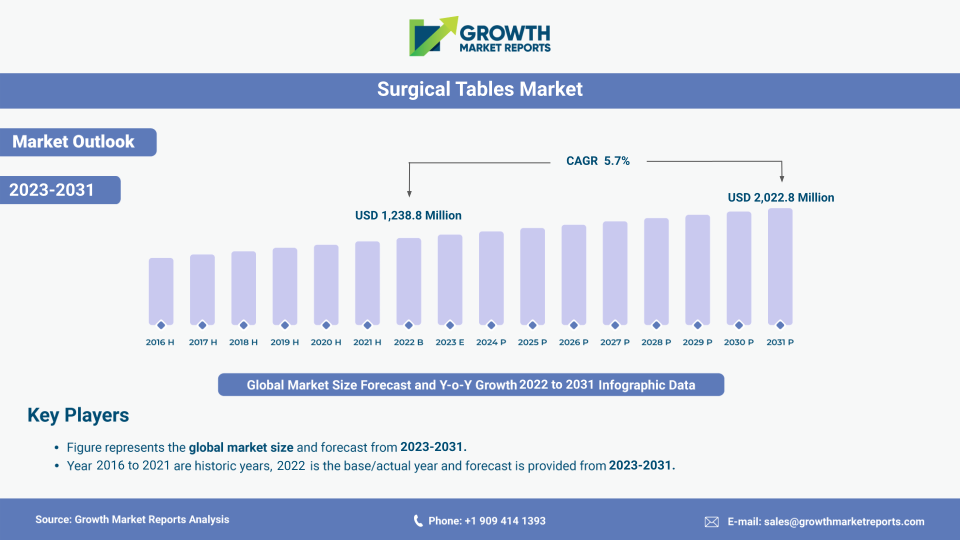
The base year considered for the global Surgical Tables market report is 2022. The complete analysis period is 2016 to 2031.
The forecasted year considered for the global Surgical Tables market report is 2031.
In addition to market size (in US$ Million), company market share (in % for the base year 2021), macroeconomic factors, and supply chain analysis.
The global Surgical Tables market was negatively impacted by COVID-19, owing to postponed of unnecessary surgical procedures worldwide.
Major manufacturers include AGA SANITÄTSARTIKEL GMBH, ALVO Medical Sp. z o.o., Baxter International Inc., Getinge AB, Lojer Group, Medacta International, MIZUYHO Corporation, Schaerer Medical, Shenzhen Mindray Bio-Medical Electronics Co., Ltd., SKYTRON, LLC, STERIS plc., Stryker, CONDOR MedTec GmbH, and Innovative Medical Systems.
Factors such as healthcare expenditure, technological advancement, and economic condition are analyzed in the final report.
According to this Growth Market Reports report, the global Surgical Tables market is likely to register a CAGR of 5.7% during the forecast period 2023-2031, with a projected valuation of USD 2,022.8 million by the end of 2031.
The increasing prevalence of orthopedic disorders, rising concerns for patient comfort and safety, and increasing number of ambulatory surgical centers (ASCs) across the globe are the factors expected to drive the market growth during the forecast period.
Factors such as competitive strength and market positioning are key areas considered while selecting top companies to be profiled.
Additional company profiles can be provided on request. For a discussion related to the above findings, click Speak to Analyst