Rosacea Treatment Market Research Report 2033

Rosacea Treatment Market Research Report 2033

Segments - by Product Type (Topical Medications, Oral Medications, Laser Therapy, Others), by Drug Class (Antibiotics, Alpha Agonists, Retinoids, Immunosuppressants, Others), by Route Of Administration (Oral, Topical, Injectable), by Distribution Channel (Hospital Pharmacies, Retail Pharmacies, Online Pharmacies, Others), by End-User (Hospitals, Dermatology Clinics, Homecare, Others)

https://growthmarketreports.com/raksha
Author : Raksha Sharma
https://growthmarketreports.com/Vaibhav
Fact-checked by : V. Chandola
https://growthmarketreports.com/Shruti
Editor : Shruti Bhat

Upcoming | Report ID :HC-1252 | 4.2 Rating | 24 Reviews | 294 Pages | Format : Docx PDF

Report Description


Rosacea Treatment Market Outlook

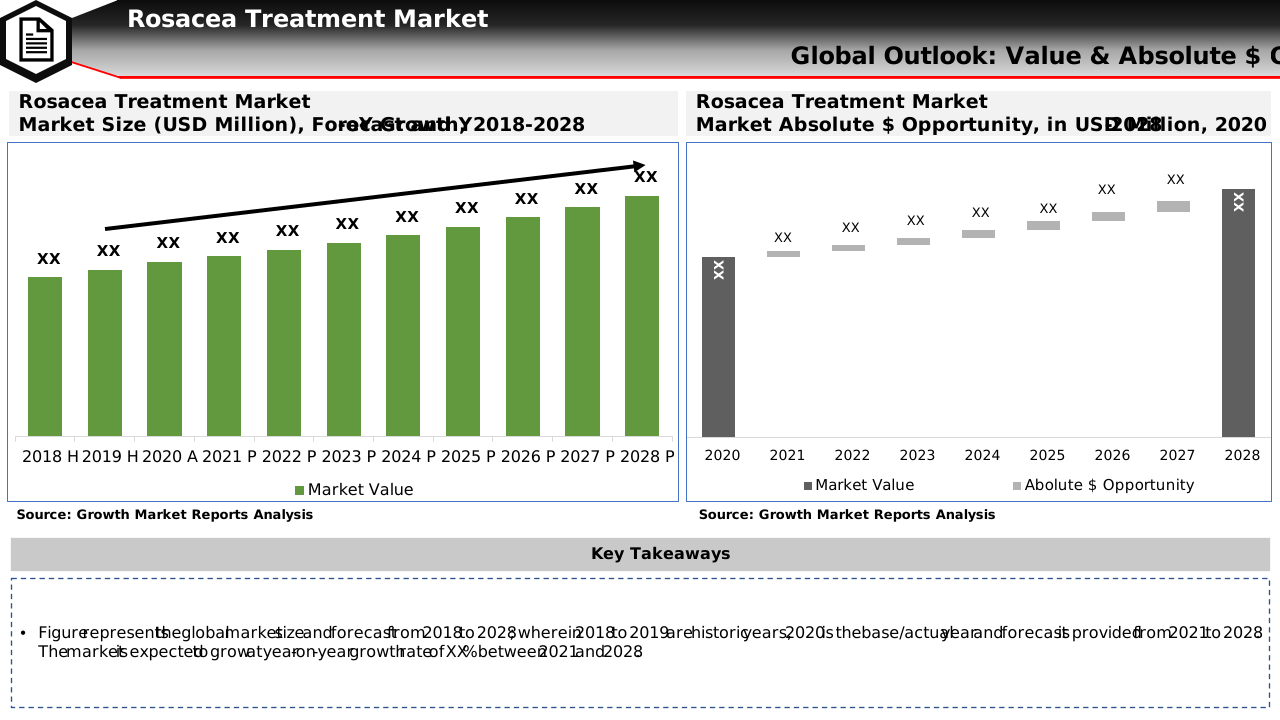
According to our latest research, the global rosacea treatment market size reached USD 2.34 billion in 2024, reflecting a robust demand for advanced dermatological solutions. The market is expected to expand at a CAGR of 6.1% during the forecast period, with the total market value projected to climb to USD 3.97 billion by 2033. This growth is primarily driven by the increasing prevalence of rosacea, rising awareness about skin health, and continuous innovation in therapeutic modalities. As per our comprehensive analysis, the market’s upward trajectory is supported by expanding access to dermatological care and the introduction of novel treatment options.

One of the principal growth factors fueling the rosacea treatment market is the rising incidence of rosacea globally. Dermatological studies have reported an uptick in cases, particularly among adults aged 30–50, with higher prevalence in fair-skinned populations. Environmental triggers such as pollution, sun exposure, and lifestyle habits have exacerbated the condition, necessitating effective treatment regimens. Additionally, there is growing patient awareness about the chronic, relapsing nature of rosacea, prompting earlier diagnosis and more proactive management. Pharmaceutical and biotechnology companies are responding to this demand by developing targeted therapies and investing in research to better understand the underlying pathophysiology of rosacea, thereby driving innovation in the market.

Another significant contributor to market growth is the expansion of product portfolios by key players, particularly in topical and oral medications, as well as the growing adoption of laser therapy. Topical medications remain the first line of treatment due to their ease of application and favorable safety profiles. However, the emergence of advanced oral medications and minimally invasive laser therapies has broadened the spectrum of available options, catering to patients with moderate to severe forms of rosacea. The integration of digital health tools, such as teledermatology platforms, is also enhancing patient access to expert consultations and personalized treatment plans, further supporting market expansion.

The rosacea treatment market is also benefiting from favorable reimbursement policies and increased healthcare expenditure in both developed and emerging economies. Governments and private insurers are recognizing the impact of rosacea on quality of life and productivity, prompting more comprehensive coverage for prescription medications and procedural interventions. This, coupled with the proliferation of online pharmacies and direct-to-consumer marketing strategies, is making rosacea treatments more accessible to a broader patient base. Furthermore, ongoing educational campaigns by dermatological associations are demystifying the condition and encouraging individuals to seek timely medical attention, thereby fueling market growth.

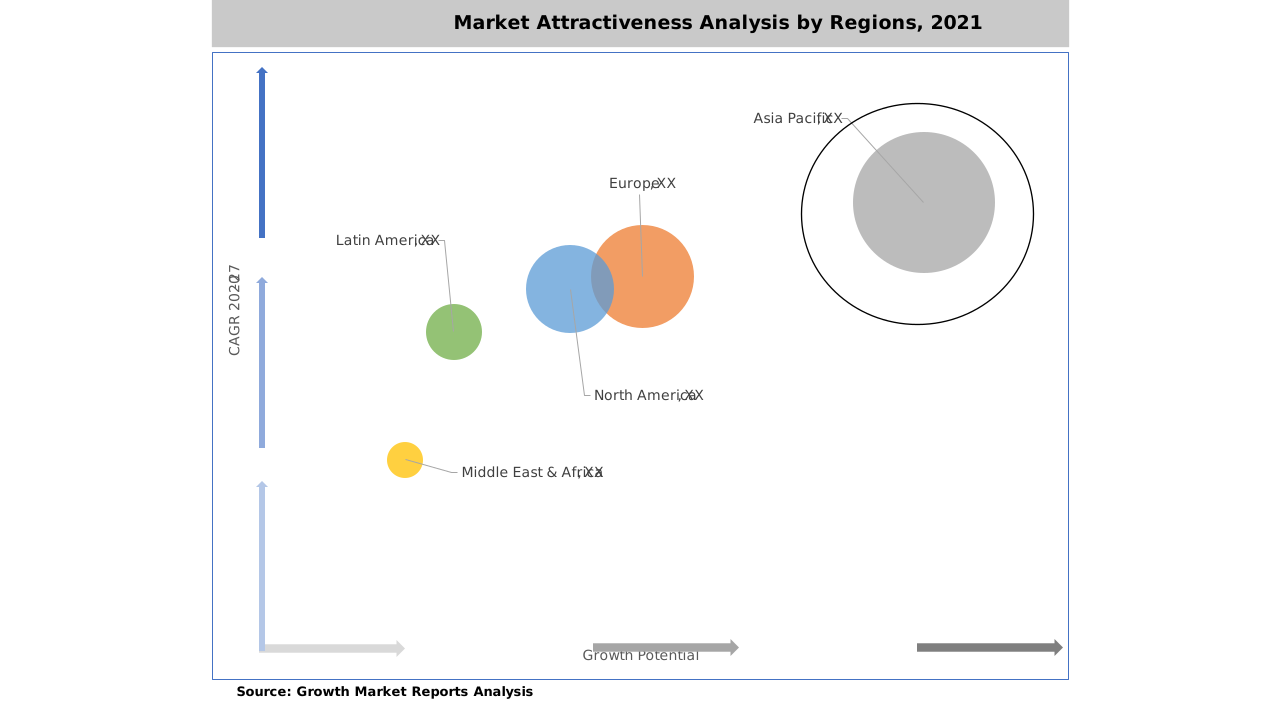
From a regional perspective, North America currently dominates the rosacea treatment market, accounting for the largest share in 2024, followed by Europe and the Asia Pacific. The high prevalence of rosacea, robust healthcare infrastructure, and early adoption of innovative therapies are key factors underpinning North America’s leadership. Europe benefits from strong research initiatives and widespread public health campaigns, while the Asia Pacific region is witnessing rapid growth due to increasing awareness, improving access to dermatological care, and rising disposable incomes. Latin America and the Middle East & Africa regions are expected to experience steady growth, driven by gradual improvements in healthcare delivery and growing investments in dermatology.

Global Rosacea Treatment Industry Outlook

Product Type Analysis

The rosacea treatment market by product type is segmented into topical medications, oral medications, laser therapy, and others. Topical medications continue to hold the largest share, owing to their effectiveness in managing mild to moderate forms of rosacea and their favorable safety profiles. These formulations, including metronidazole, azelaic acid, and ivermectin, are widely prescribed and easily accessible through retail and hospital pharmacies. The convenience of self-administration and the relatively low risk of systemic side effects make topical medications the preferred choice for both patients and healthcare providers. The market for topical agents is further bolstered by ongoing product innovation, with companies introducing formulations that offer enhanced skin penetration, longer duration of action, and improved tolerability.

Oral medications represent the next significant segment, primarily used for patients with more severe or refractory rosacea. Antibiotics such as doxycycline and minocycline are commonly prescribed for their anti-inflammatory properties, while oral isotretinoin is reserved for the most challenging cases. The demand for oral therapies is driven by their ability to address systemic inflammation and papulopustular lesions, which are less responsive to topical treatments. However, concerns about antibiotic resistance and potential side effects have prompted the development of novel oral agents with targeted mechanisms of action and improved safety profiles. Pharmaceutical companies are investing in research to identify new oral molecules that can provide sustained remission with minimal adverse effects.

Laser therapy and other device-based treatments are gaining traction as effective options for patients with persistent erythema and visible blood vessels. Technologies such as pulsed dye lasers, intense pulsed light (IPL), and Nd:YAG lasers offer targeted destruction of dilated blood vessels and reduction of facial redness. These modalities are particularly popular in dermatology clinics and aesthetic centers, where demand for minimally invasive, rapid-results procedures is high. The growing acceptance of laser therapy is supported by advancements in device technology, shorter recovery times, and increasing patient willingness to invest in cosmetic outcomes. However, the high cost of equipment and the need for specialized training remain barriers to widespread adoption, particularly in resource-limited settings.

The "others" category encompasses a range of emerging therapies, including combination treatments, natural and botanical products, and supportive skincare regimens. Combination therapies, involving both pharmacological and device-based interventions, are being explored to achieve superior clinical outcomes in patients with complex presentations. There is also a growing interest in natural and organic skincare products, driven by consumer demand for gentler, non-prescription alternatives. These products often contain anti-inflammatory and soothing ingredients such as niacinamide, green tea extract, and colloidal oatmeal. While evidence for their efficacy is still evolving, they are increasingly being integrated into comprehensive rosacea management plans, particularly for patients with sensitive skin or those seeking adjunctive care.

Report Scope

Attributes Details
Report Title Rosacea Treatment Market Research Report 2033
By Product Type Topical Medications, Oral Medications, Laser Therapy, Others
By Drug Class Antibiotics, Alpha Agonists, Retinoids, Immunosuppressants, Others
By Route Of Administration Oral, Topical, Injectable
By Distribution Channel Hospital Pharmacies, Retail Pharmacies, Online Pharmacies, Others
By End-User Hospitals, Dermatology Clinics, Homecare, Others
Regions Covered North America, Europe, APAC, Latin America, MEA
Base Year 2024
Historic Data 2018-2023
Forecast Period 2025-2033
Number of Pages 294
Number of Tables & Figures 315
Customization Available Yes, the report can be customized as per your need.

Drug Class Analysis

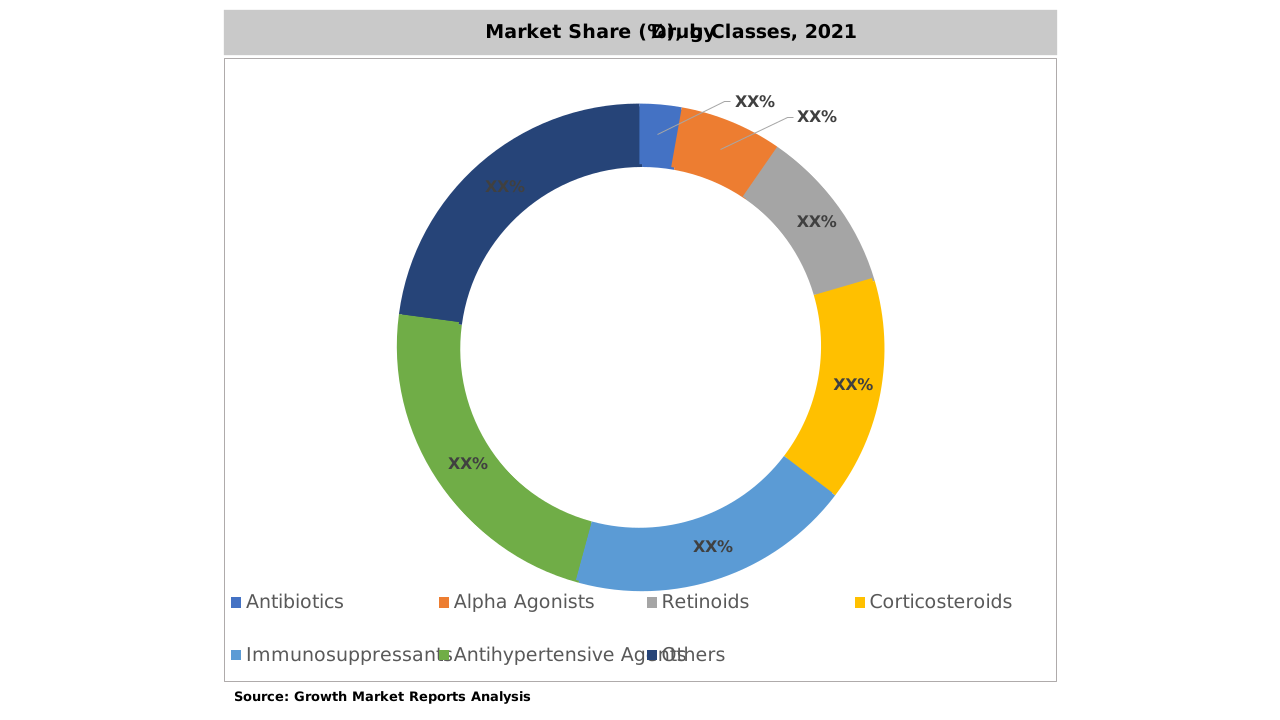
The rosacea treatment market is segmented by drug class into antibiotics, alpha agonists, retinoids, immunosuppressants, and others. Antibiotics remain the cornerstone of pharmacological management, particularly for their anti-inflammatory effects rather than their antimicrobial properties. Doxycycline, metronidazole, and minocycline are the most widely used, offering proven efficacy in reducing papules, pustules, and skin inflammation. The continued reliance on antibiotics is tempered by growing concerns about resistance and long-term safety, prompting efforts to optimize dosing regimens and limit unnecessary use. Research into non-antibiotic anti-inflammatory agents is gaining momentum, with the aim of preserving antibiotic utility while minimizing adverse effects.

Alpha agonists, such as brimonidine and oxymetazoline, represent a newer class of drugs specifically designed to address persistent facial erythema, one of the most distressing symptoms of rosacea. These agents work by constricting superficial blood vessels, thereby reducing redness and improving cosmetic appearance. The introduction of alpha agonists has been a significant advancement, offering rapid onset of action and good tolerability. However, their effects are temporary, requiring daily application, and some patients experience rebound redness or irritation. Ongoing research is focused on developing longer-acting formulations and identifying biomarkers to predict treatment response.

Retinoids, both topical and oral, are being explored for their potential to modulate keratinization and reduce inflammation in rosacea. While traditionally used for acne and photoaging, retinoids such as adapalene and isotretinoin have shown promise in selected cases of rosacea, particularly those with phymatous or severe papulopustular subtypes. The challenge with retinoids lies in their potential to cause skin irritation, especially in patients with sensitive or compromised skin barriers. As a result, their use is generally reserved for refractory cases or as part of combination regimens under specialist supervision. Ongoing development of novel retinoid analogs aims to enhance efficacy while minimizing side effects.

Immunosuppressants, including agents such as tacrolimus and pimecrolimus, are occasionally used off-label for recalcitrant or steroid-induced rosacea, particularly when conventional therapies have failed. These drugs modulate the immune response and help control inflammation, but their long-term safety and efficacy in rosacea remain under investigation. The "others" category includes a range of adjunctive therapies, such as antihistamines, anti-parasitic agents, and novel small molecules targeting specific inflammatory pathways. As the understanding of rosacea pathogenesis deepens, the drug class landscape is expected to evolve, with increased focus on personalized medicine and targeted interventions.

Route of Administration Analysis

The route of administration is a critical consideration in the rosacea treatment market, influencing patient adherence, efficacy, and safety. The primary routes include oral, topical, and injectable formulations, each with distinct advantages and limitations. Topical administration remains the most common route, favored for its direct action on affected skin areas and minimal systemic absorption. Topical therapies are associated with fewer systemic side effects, making them suitable for long-term use and for patients with mild to moderate disease. The ease of application and the ability to tailor treatment to localized lesions further enhance their appeal. Pharmaceutical companies continue to innovate in this space, developing advanced delivery systems such as gels, creams, foams, and sprays to optimize drug penetration and patient comfort.

Oral administration is reserved for more severe or widespread cases of rosacea, particularly those with significant inflammatory lesions or ocular involvement. Oral antibiotics and isotretinoin are the mainstays of systemic therapy, offering robust anti-inflammatory and immunomodulatory effects. However, the risk of systemic side effects, including gastrointestinal disturbances and potential teratogenicity, necessitates careful patient selection and monitoring. The convenience of oral dosing is offset by the need for adherence to prescribed regimens and the potential for drug interactions. Efforts are underway to develop oral agents with improved safety profiles and reduced dosing frequencies to enhance patient compliance.

Injectable therapies, while less commonly used, are emerging as valuable options for specific subtypes of rosacea, such as phymatous or severe vascular forms. Injectable botulinum toxin and corticosteroids have been explored for their ability to reduce flushing and inflammation, with promising results in small clinical studies. The use of injectables is typically limited to specialist settings, given the need for precise administration and the risk of local adverse effects. Advances in injectable formulations, including sustained-release and targeted delivery systems, may expand their role in rosacea management in the coming years. The injectable segment remains a niche but innovative area within the broader treatment landscape.

The choice of route is increasingly influenced by patient preferences, lifestyle considerations, and the desire for rapid, visible results. Combination approaches, utilizing multiple routes of administration, are being adopted to achieve synergistic effects and address the multifaceted nature of rosacea. As the market evolves, the focus is shifting toward personalized treatment regimens that optimize efficacy while minimizing side effects and inconvenience. The integration of patient-reported outcomes and real-world evidence is expected to further refine the selection of administration routes and enhance overall treatment satisfaction.

Distribution Channel Analysis

Distribution channels play a pivotal role in ensuring the availability and accessibility of rosacea treatments to patients worldwide. The primary channels include hospital pharmacies, retail pharmacies, online pharmacies, and others. Hospital pharmacies are a major distribution point for prescription medications, particularly for patients receiving specialist care or those with complex treatment regimens. These pharmacies benefit from direct access to dermatologists and the ability to provide comprehensive counseling on medication use, side effects, and adherence. The integration of hospital pharmacies within multidisciplinary care networks enhances coordination and supports optimal patient outcomes.

Retail pharmacies represent the most widely used distribution channel, offering convenience, accessibility, and a broad range of over-the-counter (OTC) and prescription products. Retail pharmacies are often the first point of contact for patients seeking relief from rosacea symptoms, and pharmacists play a crucial role in providing education, recommending suitable products, and facilitating referrals to dermatologists when necessary. The growing trend of pharmacy chains and in-store clinics is expanding the reach of dermatological care, particularly in urban and suburban areas. Retail pharmacies are also increasingly adopting digital health tools, such as electronic prescribing and medication synchronization, to streamline the patient experience.

Online pharmacies are experiencing rapid growth, driven by the increasing adoption of e-commerce and telehealth platforms. The convenience of home delivery, competitive pricing, and the ability to access a wide range of products make online pharmacies an attractive option for patients, particularly those with mobility constraints or limited access to traditional brick-and-mortar outlets. The COVID-19 pandemic accelerated the shift toward digital health, with many patients opting for virtual consultations and online prescription fulfillment. Regulatory frameworks are evolving to ensure the safety and authenticity of online pharmacy transactions, and market players are investing in secure, user-friendly platforms to enhance customer trust and satisfaction.

The "others" category includes specialty pharmacies, mail-order services, and direct-to-consumer channels, which cater to specific patient needs and preferences. Specialty pharmacies are particularly important for patients requiring complex or high-cost therapies, such as biologics or compounded formulations. Mail-order services offer the added benefit of regular medication delivery, supporting adherence and continuity of care. Direct-to-consumer marketing, including branded websites and telemedicine partnerships, is enabling pharmaceutical companies to engage directly with patients and provide tailored support throughout the treatment journey. As the distribution landscape evolves, the focus is on improving accessibility, affordability, and patient engagement to maximize the impact of rosacea treatments.

End-User Analysis

The rosacea treatment market by end-user is segmented into hospitals, dermatology clinics, homecare, and others, reflecting the diverse settings in which patients receive care. Hospitals remain a key end-user segment, particularly for patients with severe, refractory, or complicated rosacea requiring multidisciplinary management. Hospital-based dermatology departments offer access to advanced diagnostic tools, specialized therapies, and comprehensive follow-up, making them the preferred choice for complex cases. The integration of rosacea management into broader chronic disease care pathways is enhancing the recognition and treatment of the condition within hospital settings.

Dermatology clinics are the primary destination for most rosacea patients, offering specialized expertise, state-of-the-art therapies, and personalized care plans. Clinics are equipped to deliver a wide range of interventions, from topical and oral medications to laser and light-based procedures. The rise of aesthetic dermatology and the increasing demand for cosmetic improvement have further expanded the scope of services offered by clinics. Patient education, counseling, and ongoing support are integral components of clinic-based care, contributing to high levels of patient satisfaction and adherence.

Homecare is an emerging segment, reflecting the growing trend toward self-management and remote monitoring of chronic skin conditions. Advances in teledermatology, mobile health apps, and remote prescription services are empowering patients to manage their rosacea from the comfort of their homes. Homecare solutions include OTC products, prescription medications, and supportive skincare regimens tailored to individual needs. The shift toward home-based care is being driven by patient preferences for convenience, privacy, and autonomy, as well as the need to reduce healthcare system burdens. Pharmaceutical companies and healthcare providers are collaborating to develop educational resources and digital tools to support effective homecare management.

The "others" category encompasses a range of ancillary care settings, including primary care clinics, wellness centers, and alternative medicine practitioners. Primary care providers play a crucial role in the early detection and initial management of rosacea, particularly in underserved or rural areas. Wellness centers and alternative practitioners offer complementary approaches, such as dietary counseling, stress management, and holistic skincare, which may benefit patients seeking integrative care. As the end-user landscape evolves, the emphasis is on coordinated, patient-centered care that addresses the multifactorial nature of rosacea and supports optimal long-term outcomes.

Opportunities & Threats

The rosacea treatment market presents significant opportunities for growth and innovation, particularly in the areas of personalized medicine, digital health, and novel therapeutics. Advances in genomics and biomarker research are paving the way for tailored treatment approaches that address individual patient profiles and disease subtypes. The integration of artificial intelligence and machine learning into diagnostic and monitoring tools is enhancing the precision and efficiency of rosacea management. Pharmaceutical and biotechnology companies have the opportunity to develop breakthrough therapies targeting specific inflammatory pathways, microbial dysbiosis, and neurovascular mechanisms implicated in rosacea pathogenesis. Strategic collaborations, licensing agreements, and investments in R&D are expected to drive the discovery and commercialization of next-generation treatments.

Another key opportunity lies in the expansion of access to care through telemedicine, online pharmacies, and patient support programs. The digital transformation of healthcare is enabling patients to access expert consultations, educational resources, and medication delivery from virtually anywhere. This is particularly valuable in underserved regions and for individuals with mobility or transportation challenges. The development of user-friendly, secure digital platforms is facilitating remote diagnosis, prescription fulfillment, and ongoing monitoring, thereby improving adherence and outcomes. Market players can leverage these trends to reach new patient segments, enhance engagement, and differentiate their offerings in an increasingly competitive landscape.

Despite these opportunities, the rosacea treatment market faces several restraining factors, including the risk of adverse effects, limited long-term efficacy of existing therapies, and the challenge of patient adherence. Many treatments, particularly oral and topical medications, are associated with side effects such as skin irritation, gastrointestinal disturbances, and photosensitivity, which can limit their use and reduce patient satisfaction. The chronic, relapsing nature of rosacea requires sustained management, yet many patients struggle with adherence to complex regimens or discontinue treatment due to lack of immediate results. The high cost of advanced therapies, such as laser and device-based interventions, also poses a barrier to widespread adoption, particularly in resource-limited settings. Addressing these challenges will require ongoing investment in research, patient education, and the development of safer, more effective, and affordable treatment options.

Regional Outlook

Regionally, North America leads the global rosacea treatment market, with a market size of USD 1.08 billion in 2024, accounting for nearly 46% of the global market. The region’s dominance is attributed to high disease prevalence, advanced healthcare infrastructure, and early adoption of innovative therapies. The United States represents the largest national market, driven by strong awareness, robust reimbursement policies, and a well-established network of dermatology clinics and specialists. Canada also contributes significantly, benefiting from universal healthcare coverage and active patient advocacy groups. The North American market is projected to grow at a CAGR of 5.7% through 2033, reaching approximately USD 1.73 billion.

Europe is the second-largest regional market, valued at USD 0.71 billion in 2024. The region benefits from comprehensive public health initiatives, strong research collaborations, and a high standard of dermatological care. Countries such as Germany, the United Kingdom, and France are at the forefront of clinical innovation, with widespread adoption of both pharmacological and device-based treatments. The European market is characterized by increasing demand for cosmetic procedures, growing awareness of skin health, and supportive regulatory frameworks. The market is expected to maintain steady growth, supported by ongoing investments in healthcare infrastructure and patient education.

The Asia Pacific region is emerging as a high-growth market, with a market size of USD 0.38 billion in 2024 and the fastest projected CAGR of 7.2% through 2033. Rising disposable incomes, improving access to dermatological care, and increasing awareness of rosacea are key drivers in countries such as China, Japan, South Korea, and India. The region’s large population base and growing middle class present significant opportunities for market expansion, particularly in urban centers. Latin America and the Middle East & Africa collectively accounted for USD 0.17 billion in 2024, with steady growth expected as healthcare access improves and awareness campaigns gain traction. These regions are likely to see increased adoption of both OTC and prescription treatments, supported by partnerships between local healthcare providers and global pharmaceutical companies.

Rosacea Treatment Market Statistics

Competitor Outlook

The competitive landscape of the rosacea treatment market is characterized by the presence of several global and regional players, each striving to expand their market share through innovation, strategic collaborations, and robust distribution networks. Leading pharmaceutical companies are investing heavily in research and development to introduce novel therapies that address unmet clinical needs and offer improved safety and efficacy profiles. The market is witnessing a surge in product launches, particularly in the topical and oral medication segments, as well as the introduction of advanced laser and device-based treatments. Companies are also focusing on expanding their presence in emerging markets, leveraging digital health platforms, and enhancing patient engagement through educational initiatives and support programs.

Strategic partnerships and licensing agreements are playing a crucial role in driving innovation and accelerating the commercialization of new therapies. Major players are collaborating with biotechnology firms, academic institutions, and technology companies to access cutting-edge research, share expertise, and co-develop advanced treatment modalities. Mergers and acquisitions are also shaping the competitive landscape, enabling companies to broaden their product portfolios, enter new geographic markets, and achieve operational efficiencies. The increasing emphasis on personalized medicine and targeted therapies is prompting companies to invest in biomarker research, companion diagnostics, and real-world evidence generation to support regulatory approval and market adoption.

The market is also witnessing the entry of new players, particularly in the digital health and telemedicine segments. These companies are leveraging technology to offer remote consultations, online prescription services, and direct-to-consumer sales of both prescription and OTC products. The proliferation of online pharmacies and e-commerce platforms is intensifying competition, prompting established players to enhance their digital presence and invest in customer experience initiatives. Regulatory compliance, product quality, and patient safety remain critical differentiators in this highly competitive environment, with companies striving to build trust and loyalty among healthcare providers and patients alike.

Some of the major companies operating in the rosacea treatment market include Galderma S.A., Bausch Health Companies Inc., Pfizer Inc., Allergan plc (an AbbVie company), Leo Pharma A/S, GlaxoSmithKline plc, Almirall S.A., and Nestlé Skin Health. Galderma S.A. is a global leader in dermatology, offering a comprehensive portfolio of prescription and OTC rosacea treatments, including the widely used topical agent Mirvaso (brimonidine) and Soolantra (ivermectin). Bausch Health Companies Inc. is known for its strong presence in both the pharmaceutical and device-based treatment segments, with products such as Oracea (doxycycline) and a range of laser systems for vascular lesions. Pfizer Inc. and Allergan plc are prominent players in the oral medication and injectable therapy segments, leveraging their extensive R&D capabilities and global distribution networks.

Leo Pharma A/S and GlaxoSmithKline plc are actively engaged in the development of novel anti-inflammatory and immunomodulatory agents, with a focus on expanding their dermatology portfolios. Almirall S.A. and Nestlé Skin Health are investing in research to identify new therapeutic targets and develop advanced delivery systems for improved patient outcomes. These companies are also collaborating with digital health startups and telemedicine providers to enhance patient access and engagement. The competitive landscape is expected to remain dynamic, with ongoing innovation, strategic alliances, and the entry of new players driving growth and shaping the future of the rosacea treatment market.

Key Players

  • Allergan plc
  • Galderma S.A.
  • Bausch Health Companies Inc.
  • Nestlé Skin Health
  • Pfizer Inc.
  • Johnson & Johnson
  • Leo Pharma A/S
  • GlaxoSmithKline plc
  • Teva Pharmaceutical Industries Ltd.
  • Mylan N.V.
  • Almirall S.A.
  • AstraZeneca plc
  • Sun Pharmaceutical Industries Ltd.
  • Bayer AG
  • Sanofi S.A.
  • Novartis AG
  • Valeant Pharmaceuticals International, Inc.
  • Foamix Pharmaceuticals Ltd.
  • Maruho Co., Ltd.
  • Dermira, Inc.
Rosacea Treatment Market Overview

Segments

The Rosacea Treatment market has been segmented on the basis of

Product Type

  • Topical Medications
  • Oral Medications
  • Laser Therapy
  • Others

Drug Class

  • Antibiotics
  • Alpha Agonists
  • Retinoids
  • Immunosuppressants
  • Others

Route Of Administration

  • Oral
  • Topical
  • Injectable

Distribution Channel

  • Hospital Pharmacies
  • Retail Pharmacies
  • Online Pharmacies
  • Others

End-User

  • Hospitals
  • Dermatology Clinics
  • Homecare
  • Others

Competitive Landscape

Major players competing in the global Rosacea treatment market are Allergan Plc; Bayer Schering AG; Bausch Health Companies Inc.; and Nestle S.A. These market players are involved in several business strategies such as mergers, acquisitions partnerships, collaborations, capacity expansion, and product launches to enhance their market shares. Nestle S.A have developed new products, each having their specific usages with respect to the age & the environment favorable to the drugs, namely Oracea, Soolantra, MetroGel, & Mirvaso.
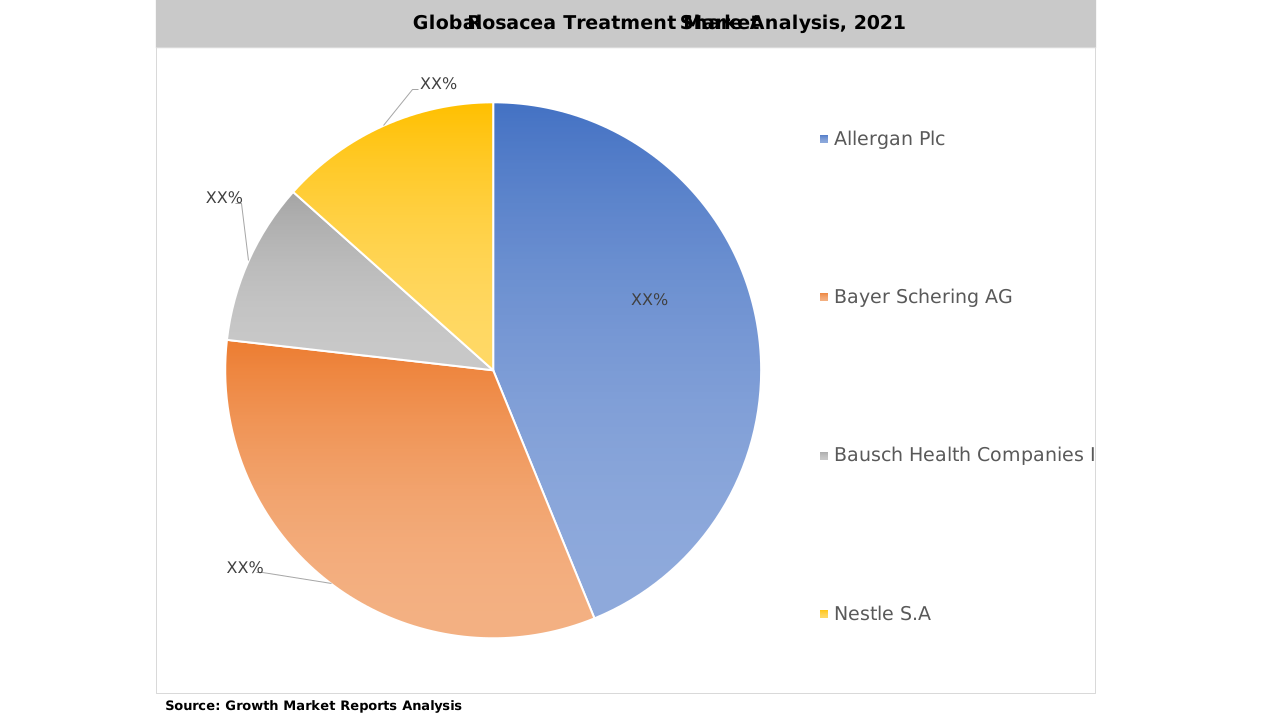
 

Rosacea Treatment Market  by Key Players

Frequently Asked Questions

Challenges include potential side effects of treatments, limited long-term efficacy of some therapies, patient adherence issues, and the high cost of advanced procedures like laser therapy.

Trends include the rise of teledermatology, personalized medicine, digital health tools, and the development of novel therapeutics targeting specific inflammatory pathways. There is also growing interest in natural and combination therapies.

Major players include Galderma S.A., Bausch Health Companies Inc., Pfizer Inc., Allergan plc, Leo Pharma A/S, GlaxoSmithKline plc, Almirall S.A., and Nestlé Skin Health.

Rosacea treatments are distributed through hospital pharmacies, retail pharmacies, online pharmacies, and specialty or mail-order services.

Rosacea treatments are administered via topical, oral, and injectable routes. Topical administration is most common for mild to moderate cases, while oral and injectable options are reserved for severe or refractory cases.

Antibiotics (like doxycycline and metronidazole), alpha agonists (such as brimonidine), retinoids, and immunosuppressants are the primary drug classes used in rosacea management.

The main types of rosacea treatments include topical medications, oral medications, laser therapy, and emerging options such as combination therapies and natural skincare products.

North America currently leads the market, followed by Europe and the Asia Pacific. North America's dominance is due to high disease prevalence, advanced healthcare infrastructure, and early adoption of innovative therapies.

Key growth drivers include the rising prevalence of rosacea, increased awareness of skin health, ongoing innovation in treatment options, and expanding access to dermatological care.

As of 2024, the global rosacea treatment market is valued at USD 2.34 billion and is projected to reach USD 3.97 billion by 2033.

Table Of Content

Chapter 1 Executive Summary
Chapter 2 Assumptions and Acronyms Used
Chapter 3 Research Methodology
Chapter 4 Rosacea Treatment Market Overview
   4.1 Introduction
      4.1.1 Market Taxonomy
      4.1.2 Market Definition
      4.1.3 Macro-Economic Factors Impacting the Market Growth
   4.2 Rosacea Treatment Market Dynamics
      4.2.1 Market Drivers
      4.2.2 Market Restraints
      4.2.3 Market Opportunity
   4.3 Rosacea Treatment Market - Supply Chain Analysis
      4.3.1 List of Key Suppliers
      4.3.2 List of Key Distributors
      4.3.3 List of Key Consumers
   4.4 Key Forces Shaping the Rosacea Treatment Market
      4.4.1 Bargaining Power of Suppliers
      4.4.2 Bargaining Power of Buyers
      4.4.3 Threat of Substitution
      4.4.4 Threat of New Entrants
      4.4.5 Competitive Rivalry
   4.5 Global Rosacea Treatment Market Size & Forecast, 2023-2032
      4.5.1 Rosacea Treatment Market Size and Y-o-Y Growth
      4.5.2 Rosacea Treatment Market Absolute $ Opportunity

Chapter 5 Global Rosacea Treatment Market Analysis and Forecast By Product Type
   5.1 Introduction
      5.1.1 Key Market Trends & Growth Opportunities By Product Type
      5.1.2 Basis Point Share (BPS) Analysis By Product Type
      5.1.3 Absolute $ Opportunity Assessment By Product Type
   5.2 Rosacea Treatment Market Size Forecast By Product Type
      5.2.1 Topical Medications
      5.2.2 Oral Medications
      5.2.3 Laser Therapy
      5.2.4 Others
   5.3 Market Attractiveness Analysis By Product Type

Chapter 6 Global Rosacea Treatment Market Analysis and Forecast By Drug Class
   6.1 Introduction
      6.1.1 Key Market Trends & Growth Opportunities By Drug Class
      6.1.2 Basis Point Share (BPS) Analysis By Drug Class
      6.1.3 Absolute $ Opportunity Assessment By Drug Class
   6.2 Rosacea Treatment Market Size Forecast By Drug Class
      6.2.1 Antibiotics
      6.2.2 Alpha Agonists
      6.2.3 Retinoids
      6.2.4 Immunosuppressants
      6.2.5 Others
   6.3 Market Attractiveness Analysis By Drug Class

Chapter 7 Global Rosacea Treatment Market Analysis and Forecast By Route Of Administration
   7.1 Introduction
      7.1.1 Key Market Trends & Growth Opportunities By Route Of Administration
      7.1.2 Basis Point Share (BPS) Analysis By Route Of Administration
      7.1.3 Absolute $ Opportunity Assessment By Route Of Administration
   7.2 Rosacea Treatment Market Size Forecast By Route Of Administration
      7.2.1 Oral
      7.2.2 Topical
      7.2.3 Injectable
   7.3 Market Attractiveness Analysis By Route Of Administration

Chapter 8 Global Rosacea Treatment Market Analysis and Forecast By Distribution Channel
   8.1 Introduction
      8.1.1 Key Market Trends & Growth Opportunities By Distribution Channel
      8.1.2 Basis Point Share (BPS) Analysis By Distribution Channel
      8.1.3 Absolute $ Opportunity Assessment By Distribution Channel
   8.2 Rosacea Treatment Market Size Forecast By Distribution Channel
      8.2.1 Hospital Pharmacies
      8.2.2 Retail Pharmacies
      8.2.3 Online Pharmacies
      8.2.4 Others
   8.3 Market Attractiveness Analysis By Distribution Channel

Chapter 9 Global Rosacea Treatment Market Analysis and Forecast By End-User
   9.1 Introduction
      9.1.1 Key Market Trends & Growth Opportunities By End-User
      9.1.2 Basis Point Share (BPS) Analysis By End-User
      9.1.3 Absolute $ Opportunity Assessment By End-User
   9.2 Rosacea Treatment Market Size Forecast By End-User
      9.2.1 Hospitals
      9.2.2 Dermatology Clinics
      9.2.3 Homecare
      9.2.4 Others
   9.3 Market Attractiveness Analysis By End-User

Chapter 10 Global Rosacea Treatment Market Analysis and Forecast by Region
   10.1 Introduction
      10.1.1 Key Market Trends & Growth Opportunities By Region
      10.1.2 Basis Point Share (BPS) Analysis By Region
      10.1.3 Absolute $ Opportunity Assessment By Region
   10.2 Rosacea Treatment Market Size Forecast By Region
      10.2.1 North America
      10.2.2 Europe
      10.2.3 Asia Pacific
      10.2.4 Latin America
      10.2.5 Middle East & Africa (MEA)
   10.3 Market Attractiveness Analysis By Region

Chapter 11 Coronavirus Disease (COVID-19) Impact 
   11.1 Introduction 
   11.2 Current & Future Impact Analysis 
   11.3 Economic Impact Analysis 
   11.4 Government Policies 
   11.5 Investment Scenario

Chapter 12 North America Rosacea Treatment Analysis and Forecast
   12.1 Introduction
   12.2 North America Rosacea Treatment Market Size Forecast by Country
      12.2.1 U.S.
      12.2.2 Canada
   12.3 Basis Point Share (BPS) Analysis by Country
   12.4 Absolute $ Opportunity Assessment by Country
   12.5 Market Attractiveness Analysis by Country
   12.6 North America Rosacea Treatment Market Size Forecast By Product Type
      12.6.1 Topical Medications
      12.6.2 Oral Medications
      12.6.3 Laser Therapy
      12.6.4 Others
   12.7 Basis Point Share (BPS) Analysis By Product Type 
   12.8 Absolute $ Opportunity Assessment By Product Type 
   12.9 Market Attractiveness Analysis By Product Type
   12.10 North America Rosacea Treatment Market Size Forecast By Drug Class
      12.10.1 Antibiotics
      12.10.2 Alpha Agonists
      12.10.3 Retinoids
      12.10.4 Immunosuppressants
      12.10.5 Others
   12.11 Basis Point Share (BPS) Analysis By Drug Class 
   12.12 Absolute $ Opportunity Assessment By Drug Class 
   12.13 Market Attractiveness Analysis By Drug Class
   12.14 North America Rosacea Treatment Market Size Forecast By Route Of Administration
      12.14.1 Oral
      12.14.2 Topical
      12.14.3 Injectable
   12.15 Basis Point Share (BPS) Analysis By Route Of Administration 
   12.16 Absolute $ Opportunity Assessment By Route Of Administration 
   12.17 Market Attractiveness Analysis By Route Of Administration
   12.18 North America Rosacea Treatment Market Size Forecast By Distribution Channel
      12.18.1 Hospital Pharmacies
      12.18.2 Retail Pharmacies
      12.18.3 Online Pharmacies
      12.18.4 Others
   12.19 Basis Point Share (BPS) Analysis By Distribution Channel 
   12.20 Absolute $ Opportunity Assessment By Distribution Channel 
   12.21 Market Attractiveness Analysis By Distribution Channel
   12.22 North America Rosacea Treatment Market Size Forecast By End-User
      12.22.1 Hospitals
      12.22.2 Dermatology Clinics
      12.22.3 Homecare
      12.22.4 Others
   12.23 Basis Point Share (BPS) Analysis By End-User 
   12.24 Absolute $ Opportunity Assessment By End-User 
   12.25 Market Attractiveness Analysis By End-User

Chapter 13 Europe Rosacea Treatment Analysis and Forecast
   13.1 Introduction
   13.2 Europe Rosacea Treatment Market Size Forecast by Country
      13.2.1 Germany
      13.2.2 France
      13.2.3 Italy
      13.2.4 U.K.
      13.2.5 Spain
      13.2.6 Russia
      13.2.7 Rest of Europe
   13.3 Basis Point Share (BPS) Analysis by Country
   13.4 Absolute $ Opportunity Assessment by Country
   13.5 Market Attractiveness Analysis by Country
   13.6 Europe Rosacea Treatment Market Size Forecast By Product Type
      13.6.1 Topical Medications
      13.6.2 Oral Medications
      13.6.3 Laser Therapy
      13.6.4 Others
   13.7 Basis Point Share (BPS) Analysis By Product Type 
   13.8 Absolute $ Opportunity Assessment By Product Type 
   13.9 Market Attractiveness Analysis By Product Type
   13.10 Europe Rosacea Treatment Market Size Forecast By Drug Class
      13.10.1 Antibiotics
      13.10.2 Alpha Agonists
      13.10.3 Retinoids
      13.10.4 Immunosuppressants
      13.10.5 Others
   13.11 Basis Point Share (BPS) Analysis By Drug Class 
   13.12 Absolute $ Opportunity Assessment By Drug Class 
   13.13 Market Attractiveness Analysis By Drug Class
   13.14 Europe Rosacea Treatment Market Size Forecast By Route Of Administration
      13.14.1 Oral
      13.14.2 Topical
      13.14.3 Injectable
   13.15 Basis Point Share (BPS) Analysis By Route Of Administration 
   13.16 Absolute $ Opportunity Assessment By Route Of Administration 
   13.17 Market Attractiveness Analysis By Route Of Administration
   13.18 Europe Rosacea Treatment Market Size Forecast By Distribution Channel
      13.18.1 Hospital Pharmacies
      13.18.2 Retail Pharmacies
      13.18.3 Online Pharmacies
      13.18.4 Others
   13.19 Basis Point Share (BPS) Analysis By Distribution Channel 
   13.20 Absolute $ Opportunity Assessment By Distribution Channel 
   13.21 Market Attractiveness Analysis By Distribution Channel
   13.22 Europe Rosacea Treatment Market Size Forecast By End-User
      13.22.1 Hospitals
      13.22.2 Dermatology Clinics
      13.22.3 Homecare
      13.22.4 Others
   13.23 Basis Point Share (BPS) Analysis By End-User 
   13.24 Absolute $ Opportunity Assessment By End-User 
   13.25 Market Attractiveness Analysis By End-User

Chapter 14 Asia Pacific Rosacea Treatment Analysis and Forecast
   14.1 Introduction
   14.2 Asia Pacific Rosacea Treatment Market Size Forecast by Country
      14.2.1 China
      14.2.2 Japan
      14.2.3 South Korea
      14.2.4 India
      14.2.5 Australia
      14.2.6 South East Asia (SEA)
      14.2.7 Rest of Asia Pacific (APAC)
   14.3 Basis Point Share (BPS) Analysis by Country
   14.4 Absolute $ Opportunity Assessment by Country
   14.5 Market Attractiveness Analysis by Country
   14.6 Asia Pacific Rosacea Treatment Market Size Forecast By Product Type
      14.6.1 Topical Medications
      14.6.2 Oral Medications
      14.6.3 Laser Therapy
      14.6.4 Others
   14.7 Basis Point Share (BPS) Analysis By Product Type 
   14.8 Absolute $ Opportunity Assessment By Product Type 
   14.9 Market Attractiveness Analysis By Product Type
   14.10 Asia Pacific Rosacea Treatment Market Size Forecast By Drug Class
      14.10.1 Antibiotics
      14.10.2 Alpha Agonists
      14.10.3 Retinoids
      14.10.4 Immunosuppressants
      14.10.5 Others
   14.11 Basis Point Share (BPS) Analysis By Drug Class 
   14.12 Absolute $ Opportunity Assessment By Drug Class 
   14.13 Market Attractiveness Analysis By Drug Class
   14.14 Asia Pacific Rosacea Treatment Market Size Forecast By Route Of Administration
      14.14.1 Oral
      14.14.2 Topical
      14.14.3 Injectable
   14.15 Basis Point Share (BPS) Analysis By Route Of Administration 
   14.16 Absolute $ Opportunity Assessment By Route Of Administration 
   14.17 Market Attractiveness Analysis By Route Of Administration
   14.18 Asia Pacific Rosacea Treatment Market Size Forecast By Distribution Channel
      14.18.1 Hospital Pharmacies
      14.18.2 Retail Pharmacies
      14.18.3 Online Pharmacies
      14.18.4 Others
   14.19 Basis Point Share (BPS) Analysis By Distribution Channel 
   14.20 Absolute $ Opportunity Assessment By Distribution Channel 
   14.21 Market Attractiveness Analysis By Distribution Channel
   14.22 Asia Pacific Rosacea Treatment Market Size Forecast By End-User
      14.22.1 Hospitals
      14.22.2 Dermatology Clinics
      14.22.3 Homecare
      14.22.4 Others
   14.23 Basis Point Share (BPS) Analysis By End-User 
   14.24 Absolute $ Opportunity Assessment By End-User 
   14.25 Market Attractiveness Analysis By End-User

Chapter 15 Latin America Rosacea Treatment Analysis and Forecast
   15.1 Introduction
   15.2 Latin America Rosacea Treatment Market Size Forecast by Country
      15.2.1 Brazil
      15.2.2 Mexico
      15.2.3 Rest of Latin America (LATAM)
   15.3 Basis Point Share (BPS) Analysis by Country
   15.4 Absolute $ Opportunity Assessment by Country
   15.5 Market Attractiveness Analysis by Country
   15.6 Latin America Rosacea Treatment Market Size Forecast By Product Type
      15.6.1 Topical Medications
      15.6.2 Oral Medications
      15.6.3 Laser Therapy
      15.6.4 Others
   15.7 Basis Point Share (BPS) Analysis By Product Type 
   15.8 Absolute $ Opportunity Assessment By Product Type 
   15.9 Market Attractiveness Analysis By Product Type
   15.10 Latin America Rosacea Treatment Market Size Forecast By Drug Class
      15.10.1 Antibiotics
      15.10.2 Alpha Agonists
      15.10.3 Retinoids
      15.10.4 Immunosuppressants
      15.10.5 Others
   15.11 Basis Point Share (BPS) Analysis By Drug Class 
   15.12 Absolute $ Opportunity Assessment By Drug Class 
   15.13 Market Attractiveness Analysis By Drug Class
   15.14 Latin America Rosacea Treatment Market Size Forecast By Route Of Administration
      15.14.1 Oral
      15.14.2 Topical
      15.14.3 Injectable
   15.15 Basis Point Share (BPS) Analysis By Route Of Administration 
   15.16 Absolute $ Opportunity Assessment By Route Of Administration 
   15.17 Market Attractiveness Analysis By Route Of Administration
   15.18 Latin America Rosacea Treatment Market Size Forecast By Distribution Channel
      15.18.1 Hospital Pharmacies
      15.18.2 Retail Pharmacies
      15.18.3 Online Pharmacies
      15.18.4 Others
   15.19 Basis Point Share (BPS) Analysis By Distribution Channel 
   15.20 Absolute $ Opportunity Assessment By Distribution Channel 
   15.21 Market Attractiveness Analysis By Distribution Channel
   15.22 Latin America Rosacea Treatment Market Size Forecast By End-User
      15.22.1 Hospitals
      15.22.2 Dermatology Clinics
      15.22.3 Homecare
      15.22.4 Others
   15.23 Basis Point Share (BPS) Analysis By End-User 
   15.24 Absolute $ Opportunity Assessment By End-User 
   15.25 Market Attractiveness Analysis By End-User

Chapter 16 Middle East & Africa (MEA) Rosacea Treatment Analysis and Forecast
   16.1 Introduction
   16.2 Middle East & Africa (MEA) Rosacea Treatment Market Size Forecast by Country
      16.2.1 Saudi Arabia
      16.2.2 South Africa
      16.2.3 UAE
      16.2.4 Rest of Middle East & Africa (MEA)
   16.3 Basis Point Share (BPS) Analysis by Country
   16.4 Absolute $ Opportunity Assessment by Country
   16.5 Market Attractiveness Analysis by Country
   16.6 Middle East & Africa (MEA) Rosacea Treatment Market Size Forecast By Product Type
      16.6.1 Topical Medications
      16.6.2 Oral Medications
      16.6.3 Laser Therapy
      16.6.4 Others
   16.7 Basis Point Share (BPS) Analysis By Product Type 
   16.8 Absolute $ Opportunity Assessment By Product Type 
   16.9 Market Attractiveness Analysis By Product Type
   16.10 Middle East & Africa (MEA) Rosacea Treatment Market Size Forecast By Drug Class
      16.10.1 Antibiotics
      16.10.2 Alpha Agonists
      16.10.3 Retinoids
      16.10.4 Immunosuppressants
      16.10.5 Others
   16.11 Basis Point Share (BPS) Analysis By Drug Class 
   16.12 Absolute $ Opportunity Assessment By Drug Class 
   16.13 Market Attractiveness Analysis By Drug Class
   16.14 Middle East & Africa (MEA) Rosacea Treatment Market Size Forecast By Route Of Administration
      16.14.1 Oral
      16.14.2 Topical
      16.14.3 Injectable
   16.15 Basis Point Share (BPS) Analysis By Route Of Administration 
   16.16 Absolute $ Opportunity Assessment By Route Of Administration 
   16.17 Market Attractiveness Analysis By Route Of Administration
   16.18 Middle East & Africa (MEA) Rosacea Treatment Market Size Forecast By Distribution Channel
      16.18.1 Hospital Pharmacies
      16.18.2 Retail Pharmacies
      16.18.3 Online Pharmacies
      16.18.4 Others
   16.19 Basis Point Share (BPS) Analysis By Distribution Channel 
   16.20 Absolute $ Opportunity Assessment By Distribution Channel 
   16.21 Market Attractiveness Analysis By Distribution Channel
   16.22 Middle East & Africa (MEA) Rosacea Treatment Market Size Forecast By End-User
      16.22.1 Hospitals
      16.22.2 Dermatology Clinics
      16.22.3 Homecare
      16.22.4 Others
   16.23 Basis Point Share (BPS) Analysis By End-User 
   16.24 Absolute $ Opportunity Assessment By End-User 
   16.25 Market Attractiveness Analysis By End-User

Chapter 17 Competition Landscape 
   17.1 Rosacea Treatment Market: Competitive Dashboard
   17.2 Global Rosacea Treatment Market: Market Share Analysis, 2023
   17.3 Company Profiles (Details – Overview, Financials, Developments, Strategy) 
      17.3.1 Allergan plc
Galderma S.A.
Bausch Health Companies Inc.
Nestlé Skin Health
Pfizer Inc.
Johnson & Johnson
Leo Pharma A/S
GlaxoSmithKline plc
Teva Pharmaceutical Industries Ltd.
Mylan N.V.
Almirall S.A.
AstraZeneca plc
Sun Pharmaceutical Industries Ltd.
Bayer AG
Sanofi S.A.
Novartis AG
Valeant Pharmaceuticals International, Inc.
Foamix Pharmaceuticals Ltd.
Maruho Co., Ltd.
Dermira, Inc.

Methodology

Our Clients

Honda Motor Co. Ltd.
FedEx Logistics
Siemens Healthcare
Nestle SA
Microsoft
The John Holland Group
Deloitte
General Electric