Segments - by Product Type (Hard Pretzels, Soft Pretzels, Pretzel Sticks, Pretzel Bites, Others), by Flavor (Salted, Unsalted, Flavored, Others), by Distribution Channel (Supermarkets/Hypermarkets, Convenience Stores, Online Retail, Specialty Stores, Others), by End-User (Household, Food Service, Others)
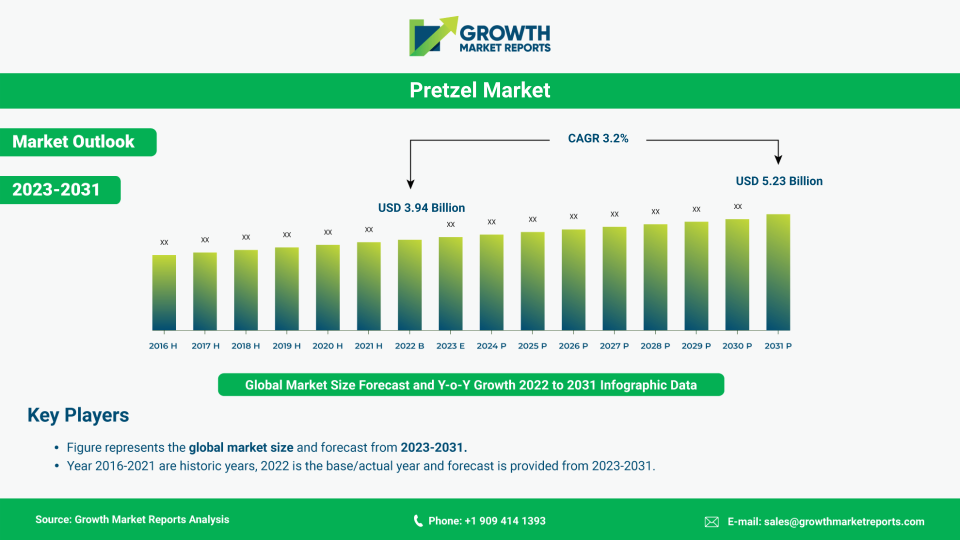
According to our latest research, the global pretzel market size reached USD 8.2 billion in 2024, reflecting robust demand and dynamic growth across both established and emerging markets. The market is projected to expand at a CAGR of 3.7% from 2025 to 2033, reaching an estimated USD 11.2 billion by 2033. This growth is driven by evolving consumer preferences for convenient, flavorful snacks and the rising popularity of innovative product offerings that cater to diverse dietary needs and flavor profiles. The marketÂ’s momentum is further supported by expanding retail infrastructure and the increasing influence of health-conscious snacking trends worldwide.
One of the primary growth drivers for the pretzel market is the increasing consumer inclination toward convenient, ready-to-eat snacks that fit into fast-paced lifestyles. Urbanization and the rising number of working professionals have led to higher demand for portable, easy-to-consume products, with pretzels emerging as a favored choice due to their versatility and taste. The market has also benefited from the surge in on-the-go snacking, particularly among millennials and Gen Z consumers who seek both traditional and innovative snack options. Manufacturers are responding with a diverse range of pretzel products, including single-serve packs and multi-flavor assortments, to cater to these evolving preferences and consumption patterns.
Another significant factor fueling the growth of the pretzel market is the increasing emphasis on health and wellness. Consumers are increasingly seeking snacks that offer a balance between taste and nutrition, leading to the introduction of pretzels made with whole grains, reduced sodium, and gluten-free ingredients. The market has seen a notable rise in demand for baked snacks over fried alternatives, as well as products fortified with protein, fiber, and other functional ingredients. This health-centric trend is prompting manufacturers to innovate and reformulate their product lines, thereby broadening the appeal of pretzels to health-conscious consumers and expanding the marketÂ’s overall reach.
Flavor innovation and product diversification are also playing a pivotal role in driving the pretzel marketÂ’s expansion. Traditional salted pretzels remain popular, but there is growing consumer interest in new and exotic flavors, such as honey mustard, cheese, cinnamon sugar, and spicy variants. This trend is particularly evident in premium and artisanal product segments, where unique taste profiles and high-quality ingredients are key differentiators. The rise of private-label brands and the increasing penetration of pretzels in international cuisines are further contributing to market growth, as companies leverage creative marketing strategies and collaborations to attract new customer segments and boost brand loyalty.
In the context of enhancing consumer experiences, the role of a Pretzel Warmer cannot be overstated. These warmers are essential in maintaining the optimal temperature and texture of pretzels, especially in food service environments such as stadiums, amusement parks, and quick-service restaurants. By keeping pretzels warm and fresh, these devices not only enhance the flavor profile but also improve the overall appeal of the product. This is particularly important in settings where the sensory experience can significantly influence consumer satisfaction and repeat purchases. The integration of pretzel warmers in retail and food service outlets underscores the importance of quality and freshness, aligning with the broader market trend towards premium and artisanal offerings.
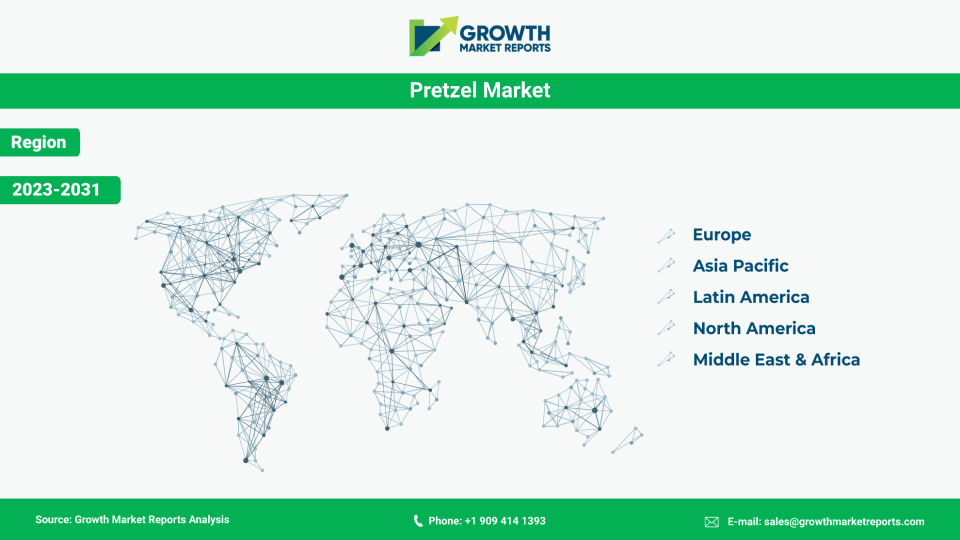
From a regional perspective, North America continues to dominate the global pretzel market, accounting for the largest share in 2024, followed by Europe and Asia Pacific. The United States, in particular, remains a major consumer and innovator within the market, supported by a strong snacking culture and a well-developed retail network. Europe is witnessing steady growth, driven by the popularity of traditional baked snacks and the increasing adoption of American-style pretzels. Meanwhile, the Asia Pacific region is emerging as a high-potential market, fueled by urbanization, rising disposable incomes, and a growing appetite for Western snack foods. Latin America and the Middle East & Africa are also experiencing gradual growth, supported by expanding retail channels and increasing consumer awareness of international snack trends.
The product type segment of the pretzel market is highly diverse, encompassing hard pretzels, soft pretzels, pretzel sticks, pretzel bites, and other specialty variants. Hard pretzels continue to hold a dominant position, favored for their longer shelf life, portability, and crunchy texture, making them ideal for both retail and food service applications. These products are widely available in various shapes and sizes, catering to different consumer preferences and snacking occasions. The popularity of hard pretzels is further bolstered by their use in snack mixes and as a base for flavored coatings, which adds value for manufacturers and consumers alike.
Soft pretzels, on the other hand, have carved out a significant niche in the market, particularly in food service and specialty retail channels. Known for their chewy texture and fresh-baked appeal, soft pretzels are commonly sold in bakeries, stadiums, amusement parks, and quick-service restaurants. The increasing trend of customization—such as offering a variety of toppings, dips, and fillings—has enhanced the appeal of soft pretzels and driven incremental sales in both traditional and non-traditional outlets. The segment is also benefiting from the growing demand for premium and artisanal products, with consumers willing to pay a premium for fresh, high-quality offerings.
Pretzel sticks and pretzel bites represent the fastest-growing sub-segments, driven by their versatility and convenience. Pretzel sticks are increasingly popular as a healthier alternative to traditional potato chips and are often marketed as a low-fat, baked snack option. Their slender shape and sturdy structure make them suitable for dipping and sharing, which resonates with social snacking trends. Pretzel bites, meanwhile, cater to the demand for bite-sized, portion-controlled snacks that are easy to consume on the go. These products have gained traction in both retail and food service settings, particularly among younger consumers and families seeking fun, shareable snack options.
The “others” category within the product type segment includes innovative and specialty products such as pretzel sandwiches, stuffed pretzels, and gluten-free variants. These products are designed to address specific dietary needs and consumer preferences, such as allergen-free or vegan options. Manufacturers are increasingly experimenting with new ingredients, shapes, and formats to differentiate their offerings and capture niche market segments. The ongoing innovation in this segment is expected to drive further growth and diversification within the global pretzel market, as companies strive to meet the evolving demands of a broad and varied consumer base.
| Attributes | Details |
| Report Title | Pretzel Market Research Report 2033 |
| By Product Type | Hard Pretzels, Soft Pretzels, Pretzel Sticks, Pretzel Bites, Others |
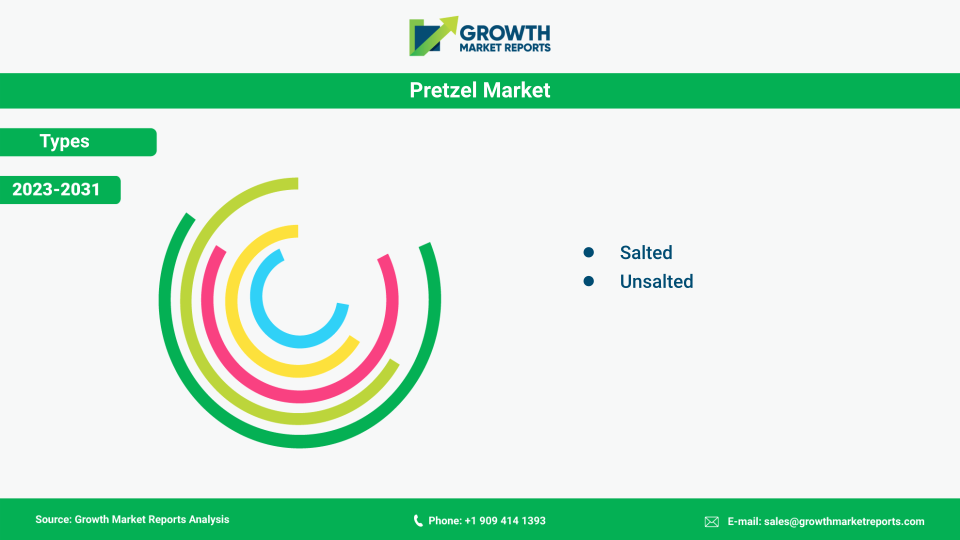
| By Flavor | Salted, Unsalted, Flavored, Others |
| By Distribution Channel | Supermarkets/Hypermarkets, Convenience Stores, Online Retail, Specialty Stores, Others |
| By End-User | Household, Food Service, Others |
| Regions Covered | North America, Europe, APAC, Latin America, MEA |
| Base Year | 2024 |
| Historic Data | 2018-2023 |
| Forecast Period | 2025-2033 |
| Number of Pages | 257 |
| Number of Tables & Figures | 393 |
| Customization Available | Yes, the report can be customized as per your need. |
Flavor is a key differentiator in the pretzel market, with salted pretzels remaining the most popular choice among consumers globally. The classic salted variant appeals to traditionalists and continues to account for a significant share of overall sales, particularly in North America and Europe. Salted pretzels are often perceived as a comforting, familiar snack that delivers a satisfying balance of crunch and flavor. Despite their enduring popularity, there is a growing trend toward moderation, with many consumers seeking lower-sodium alternatives in response to health and wellness concerns.
The unsalted pretzel segment, while smaller in comparison, is gaining traction among health-conscious consumers and those with dietary restrictions. Unsalted pretzels are often marketed as a better-for-you option, appealing to individuals seeking to reduce their sodium intake without compromising on taste or texture. This segment is particularly relevant in markets where public health campaigns and regulatory initiatives are driving awareness of the risks associated with excessive salt consumption. Manufacturers are responding by expanding their unsalted product lines and highlighting their health benefits through targeted marketing efforts.
Flavored pretzels represent a dynamic and rapidly expanding segment of the market, driven by consumer demand for novelty and variety. Popular flavors include cheese, honey mustard, cinnamon sugar, garlic, and spicy blends, with regional preferences influencing the development of new and unique offerings. The rise of gourmet and artisanal pretzels has further accelerated flavor innovation, as producers experiment with premium ingredients and bold combinations to captivate adventurous snackers. Flavored pretzels are particularly popular among younger demographics, who value experiential snacking and are more likely to try unconventional taste profiles.
The “others” category within the flavor segment encompasses limited-edition, seasonal, and specialty flavors designed to create buzz and drive incremental sales. These products often leverage collaborations with popular food brands or celebrity chefs to enhance their appeal and generate excitement among consumers. Limited-time offerings and exclusive flavors are increasingly used as marketing tools to attract new customers and encourage repeat purchases. As competition intensifies, flavor innovation will remain a critical factor in differentiating brands and sustaining growth within the pretzel market.
The distribution channel landscape for pretzels is multifaceted, with supermarkets and hypermarkets accounting for the largest share of global sales. These retail outlets offer consumers a wide range of pretzel products, from mass-market brands to premium and private-label options. The convenience of one-stop shopping, coupled with frequent promotional activities and in-store displays, drives significant volume through this channel. Supermarkets and hypermarkets also play a crucial role in introducing new products and flavors to a broad audience, leveraging their extensive reach and customer base.
Convenience stores represent a vital distribution channel for pretzels, particularly for on-the-go consumers seeking quick snack solutions. The strategic placement of pretzel products near checkout counters and in high-traffic areas enhances impulse purchases and contributes to steady sales growth. Convenience stores are especially important in urban areas, where busy lifestyles and limited time for meal preparation drive demand for portable, ready-to-eat snacks. This channel is also characterized by a high turnover of single-serve and portion-controlled packaging, which aligns with current snacking trends.
Online retail has emerged as a rapidly growing channel within the pretzel market, fueled by the rise of e-commerce platforms and changing consumer shopping behaviors. The convenience of home delivery, coupled with the ability to access a wider variety of products, has made online shopping increasingly popular among consumers worldwide. Online channels also offer opportunities for direct-to-consumer sales, subscription services, and personalized marketing, enabling brands to build stronger relationships with their customers. The COVID-19 pandemic further accelerated the shift toward online retail, with many consumers opting for contactless shopping experiences and bulk purchases.
Specialty stores and other distribution channels, such as vending machines, food service outlets, and institutional sales, contribute to the marketÂ’s overall diversity and resilience. Specialty stores, including gourmet food shops and health-focused retailers, cater to niche segments seeking premium, artisanal, or dietary-specific pretzel products. Vending machines and food service outlets, on the other hand, provide convenient access to pretzels in settings such as schools, offices, and entertainment venues. The continued expansion and diversification of distribution channels are expected to drive further growth and accessibility in the global pretzel market.
The end-user landscape for pretzels is primarily divided into household, food service, and other segments, each with distinct consumption patterns and growth drivers. Household consumers represent the largest end-user group, driven by the widespread appeal of pretzels as a convenient, family-friendly snack. The versatility of pretzels, which can be enjoyed as a standalone snack or paired with dips and spreads, makes them a staple in many households. The increasing availability of multi-pack and resealable packaging formats has further enhanced the suitability of pretzels for home consumption, supporting sustained demand in this segment.
The food service segment, encompassing quick-service restaurants, cafes, bakeries, and catering services, has emerged as a significant growth area for the pretzel market. Food service operators are leveraging the popularity of soft pretzels, pretzel bites, and stuffed pretzel products to diversify their menus and attract new customers. The trend toward experiential dining and customization has led to the introduction of innovative pretzel-based offerings, such as pretzel sandwiches, sliders, and desserts. Food service providers are also capitalizing on the demand for premium and artisanal products, sourcing high-quality ingredients and unique flavor combinations to differentiate their offerings.
The “others” category within the end-user segment includes institutional buyers such as schools, hospitals, and corporate cafeterias, as well as event organizers and vending machine operators. These channels are increasingly important in expanding the market’s reach and introducing pretzels to new consumer segments. For example, pretzels are often included in school lunch programs and hospital snack menus as a healthier alternative to traditional fried snacks. The growing focus on wellness and nutrition in institutional settings is expected to drive further adoption of pretzels in these channels.
The evolving needs and preferences of different end-user groups are prompting manufacturers to develop targeted product offerings and marketing strategies. For instance, household consumers may prioritize value and convenience, while food service operators seek unique and customizable products to enhance their menus. Institutional buyers, on the other hand, may focus on nutritional content and portion control. By understanding and addressing the specific requirements of each end-user segment, companies can maximize their market penetration and drive sustained growth in the global pretzel market.
The pretzel market presents a wealth of opportunities for both established players and new entrants, particularly in the areas of product innovation and geographic expansion. The increasing demand for healthier snack options, such as whole grain, gluten-free, and low-sodium pretzels, provides significant growth potential for manufacturers willing to invest in research and development. The rise of premium and artisanal products, fueled by consumer interest in unique flavors and high-quality ingredients, offers opportunities to capture higher margins and build brand loyalty. Additionally, the expansion of e-commerce and direct-to-consumer sales channels enables brands to reach new customer segments and personalize their offerings, driving incremental sales and enhancing customer engagement.
Emerging markets in Asia Pacific, Latin America, and the Middle East & Africa represent another major opportunity for the pretzel market. Rapid urbanization, rising disposable incomes, and increasing exposure to Western snack foods are driving demand in these regions, creating new avenues for growth. Companies that can successfully adapt their products and marketing strategies to local tastes and preferences stand to gain a competitive advantage. Collaborations with local distributors, investment in localized production facilities, and targeted marketing campaigns can help accelerate market entry and build brand awareness in these high-potential regions. The ongoing trend toward convenience and on-the-go snacking further supports the expansion of pretzel products in diverse retail and food service environments.
Despite the positive outlook, the pretzel market faces several restraining factors that could impact its growth trajectory. Intense competition from other snack categories, such as potato chips, crackers, and popcorn, poses a significant challenge, as consumers are presented with an ever-expanding array of options. Price sensitivity, particularly in emerging markets, may limit the adoption of premium and specialty pretzel products. Additionally, fluctuations in raw material prices, such as wheat and salt, can impact production costs and profit margins. Regulatory pressures related to labeling, sodium content, and food safety standards may also require ongoing investment in compliance and quality assurance. Addressing these challenges will be essential for market participants seeking to sustain growth and maintain their competitive position.
North America remains the largest regional market for pretzels, accounting for approximately USD 3.7 billion of the global market in 2024. The United States is the primary driver of regional growth, supported by a strong snacking culture, high consumer awareness, and a well-established retail infrastructure. The region is characterized by a diverse product offering, ranging from traditional hard and soft pretzels to innovative flavored and premium variants. The presence of leading manufacturers and the continuous introduction of new products and flavors contribute to the regionÂ’s market leadership. North America is expected to maintain its dominant position through 2033, with steady growth supported by ongoing product innovation and expanding distribution channels.
Europe is the second-largest market, with a market size of USD 2.4 billion in 2024, and is projected to grow at a CAGR of 3.1% through 2033. The regionÂ’s strong baking tradition and the popularity of artisanal and gourmet snacks have fueled demand for both traditional and modern pretzel products. Germany, in particular, has a rich pretzel heritage, while the United Kingdom and France are experiencing growing interest in American-style pretzels and innovative flavor profiles. The expansion of retail and food service channels, coupled with increasing consumer awareness of health and wellness trends, is expected to drive further growth in the European pretzel market.
The Asia Pacific region is emerging as a high-growth market, with a market value of USD 1.1 billion in 2024 and significant potential for expansion. Rapid urbanization, rising disposable incomes, and increasing exposure to Western snack foods are driving demand for pretzels in countries such as China, Japan, and India. The regionÂ’s diverse consumer base presents opportunities for product adaptation and localization, with manufacturers introducing new flavors and formats to cater to local preferences. The growth of modern retail infrastructure and the increasing adoption of e-commerce platforms are further supporting market expansion. Asia Pacific is expected to register the highest CAGR among all regions, making it a key focus area for market participants seeking to capitalize on emerging opportunities.
The global pretzel market is characterized by intense competition and a dynamic landscape, with both multinational corporations and regional players vying for market share. Leading companies are leveraging their extensive distribution networks, strong brand equity, and robust R&D capabilities to introduce innovative products and capture emerging trends. The market is marked by frequent product launches, flavor innovations, and strategic partnerships aimed at enhancing brand visibility and consumer engagement. Companies are also investing in marketing campaigns, celebrity endorsements, and social media outreach to build brand loyalty and differentiate themselves in a crowded marketplace.
Private-label brands are gaining traction, particularly in developed markets where consumers are seeking value-driven alternatives to established brands. Retailers are expanding their private-label pretzel offerings, focusing on quality, affordability, and unique flavor profiles to attract price-sensitive consumers. This trend is intensifying competition and putting pressure on branded manufacturers to continuously innovate and justify premium pricing. The rise of e-commerce and direct-to-consumer sales channels is further leveling the playing field, enabling smaller and niche brands to reach a broader audience without the need for extensive retail partnerships.
Sustainability and ethical sourcing are becoming increasingly important considerations for consumers and market participants alike. Leading companies are investing in sustainable packaging, responsible sourcing of ingredients, and transparent supply chain practices to meet evolving consumer expectations and regulatory requirements. These initiatives not only enhance brand reputation but also contribute to long-term business resilience and market differentiation. The integration of digital technologies, such as data analytics and AI-driven marketing, is enabling companies to better understand consumer preferences and optimize their product offerings and marketing strategies accordingly.
Some of the major companies operating in the global pretzel market include SnyderÂ’s-Lance (a Campbell Soup Company brand), Auntie AnneÂ’s, J&J Snack Foods, Utz Brands, and Pretzels Inc. SnyderÂ’s-Lance is renowned for its diverse range of hard pretzels and innovative flavor offerings, while Auntie AnneÂ’s dominates the soft pretzel segment with its extensive network of retail outlets and food service partnerships. J&J Snack Foods is a key player in both retail and food service channels, offering a wide variety of pretzel products and leveraging strong distribution capabilities. Utz Brands has expanded its market presence through strategic acquisitions and a focus on premium and artisanal products. Pretzels Inc. is known for its contract manufacturing capabilities and commitment to quality and innovation. These companies, along with numerous regional and emerging players, are shaping the competitive landscape and driving the ongoing evolution of the global pretzel market.
The Pretzel market has been segmented on the basis of
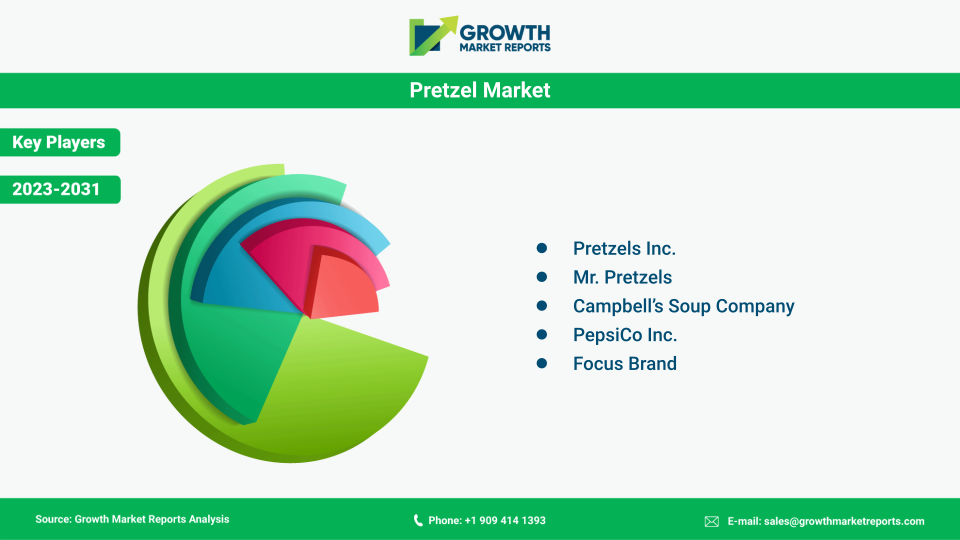
Key players competing in the pretzels market are Pretzels Inc.; Mr. Pretzels; Campbell’s Soup Company; PepsiCo Inc.; and Focus Brands.
In March 2021, Pretzels Inc. introduced Almond Butter Filling to expand its product’s portfolio.
In October 2018, Pretzel Inc., a leading supplier of pretzels and extruded snack products, acquired an affiliate of Peak Rock Capital, a leading middle-market private equity firm.
Key challenges include competition from other snack categories, price sensitivity in emerging markets, raw material cost fluctuations, and regulatory pressures related to labeling and food safety.
Opportunities include product innovation (healthier and premium options), expansion in emerging markets (Asia Pacific, Latin America, Middle East & Africa), and leveraging e-commerce and direct-to-consumer channels.
Major companies include Snyder’s-Lance (Campbell Soup Company), Auntie Anne’s, J&J Snack Foods, Utz Brands, Pretzels Inc., PepsiCo, Conagra Brands, Herr Foods, and Intersnack Group.
Supermarkets and hypermarkets account for the largest share, followed by convenience stores, online retail, specialty stores, and food service outlets.
Salted pretzels remain the most popular, but there is growing demand for flavored varieties such as cheese, honey mustard, cinnamon sugar, garlic, and spicy blends.
Consumers are seeking healthier snack options, leading to increased demand for whole grain, reduced sodium, gluten-free, and baked pretzels. Manufacturers are innovating to meet these preferences.
The main product types include hard pretzels, soft pretzels, pretzel sticks, pretzel bites, and specialty variants such as stuffed or gluten-free pretzels.
North America leads the global pretzel market, followed by Europe and Asia Pacific. The United States is the largest consumer and innovator in this sector.
The pretzel market is expected to grow at a CAGR of 3.7% from 2025 to 2033, reaching an estimated USD 11.2 billion by 2033.
As of 2024, the global pretzel market size reached USD 8.2 billion, reflecting strong demand and growth across various regions.