Segments - by Service Type (Orthopedic Physiotherapy, Geriatric Physiotherapy, Pediatric Physiotherapy, Neurological Physiotherapy, Cardiopulmonary Physiotherapy, Others), by Application (Hospitals, Rehabilitation Centers, Home Care Settings, Clinics), by Age Group (Children, Adults, Geriatric), by Mode Of Delivery (In-Patient, Out-Patient, Telehealth)
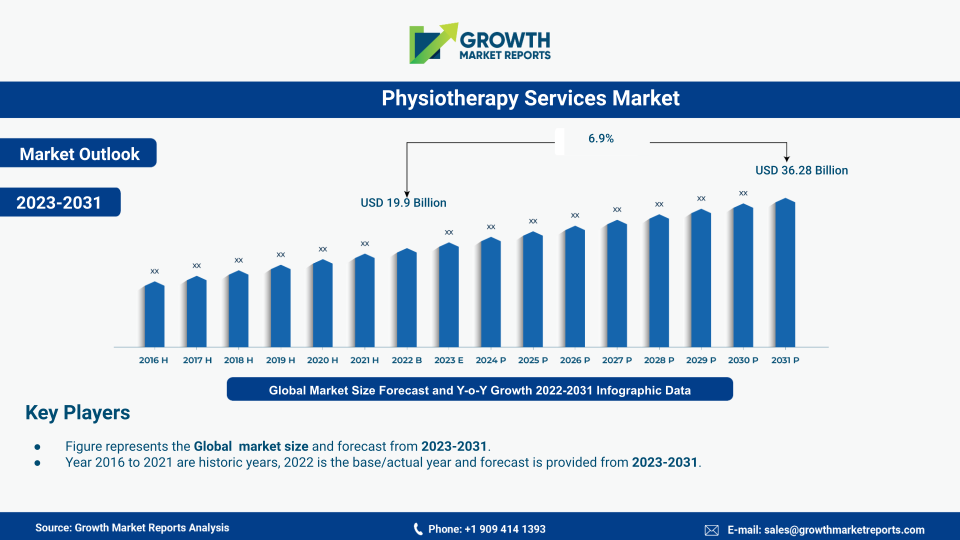
According to our latest research, the global physiotherapy services market size reached USD 45.2 billion in 2024, demonstrating robust expansion driven by rising demand for rehabilitative care and increasing prevalence of chronic diseases. The market is projected to grow at a CAGR of 5.8% from 2025 to 2033, reaching an estimated value of USD 75.9 billion by 2033. The key growth factor in this sector is the surge in musculoskeletal disorders and post-surgical rehabilitation needs, especially among the aging population and those recovering from injuries or chronic illnesses.
A primary driver of the physiotherapy services market is the global demographic shift towards an aging population. With the number of people aged 65 and above steadily increasing, there is a corresponding rise in age-related health issues such as arthritis, osteoporosis, and limited mobility. These conditions significantly elevate the demand for orthopedic and geriatric physiotherapy services. Additionally, advancements in healthcare infrastructure and increased access to medical care have improved early diagnosis and intervention rates, further fueling market growth. The growing awareness of the benefits of physiotherapy in managing pain, restoring function, and improving quality of life has also contributed to the sectorÂ’s rapid expansion.
Another crucial growth factor is the increasing incidence of sports injuries and road accidents, particularly in developing countries where urbanization and active lifestyles are on the rise. This has led to a surge in demand for specialized physiotherapy services, such as orthopedic and neurological rehabilitation. Furthermore, the integration of advanced technologies, including telehealth platforms and wearable rehabilitation devices, has made physiotherapy services more accessible and efficient. These technological advancements enable remote monitoring, personalized treatment plans, and better patient outcomes, thereby attracting a broader patient base and driving market penetration.
The prevalence of chronic diseases such as cardiovascular disorders, diabetes, and obesity also plays a pivotal role in shaping the physiotherapy services market. Patients with chronic illnesses often require long-term rehabilitation to manage symptoms and prevent complications. As healthcare providers increasingly recognize the value of physiotherapy in comprehensive chronic disease management, there is a notable shift towards integrating these services into standard care protocols. This trend is further supported by favorable reimbursement policies, government initiatives promoting rehabilitative care, and the proliferation of outpatient and home-based physiotherapy services.
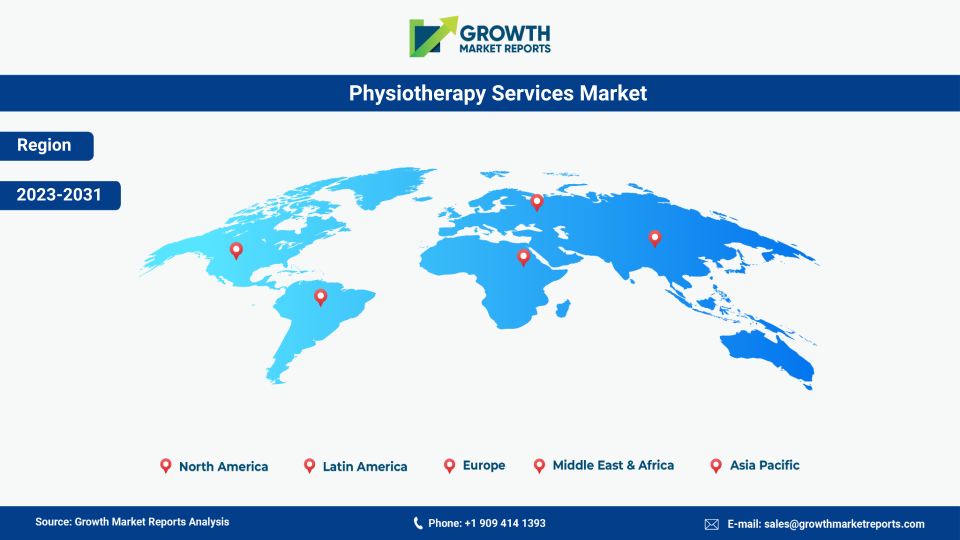
Regionally, North America continues to dominate the physiotherapy services market, accounting for the largest share in 2024, followed by Europe and Asia Pacific. The high market share in North America is attributed to well-established healthcare infrastructure, higher healthcare spending, and widespread adoption of advanced physiotherapy techniques. However, the Asia Pacific region is experiencing the fastest growth, driven by increasing healthcare investments, rising awareness, and a burgeoning geriatric population. Emerging economies in Latin America and the Middle East & Africa are also witnessing steady growth, supported by improving healthcare access and government initiatives aimed at enhancing rehabilitative services.
Cerebral Palsy Treatments are an essential component of pediatric physiotherapy, which is gaining traction due to the increasing awareness of early intervention benefits. Children with cerebral palsy often require specialized physiotherapy to improve motor skills, enhance mobility, and prevent secondary complications. The integration of advanced therapeutic techniques and assistive technologies is playing a crucial role in developing personalized treatment plans for these children. Moreover, the collaboration between physiotherapists, pediatricians, and other healthcare professionals ensures a comprehensive approach to care, addressing the unique needs of each child. As the demand for pediatric physiotherapy continues to grow, the focus on cerebral palsy treatments is expected to expand, offering new opportunities for innovation and improved patient outcomes.
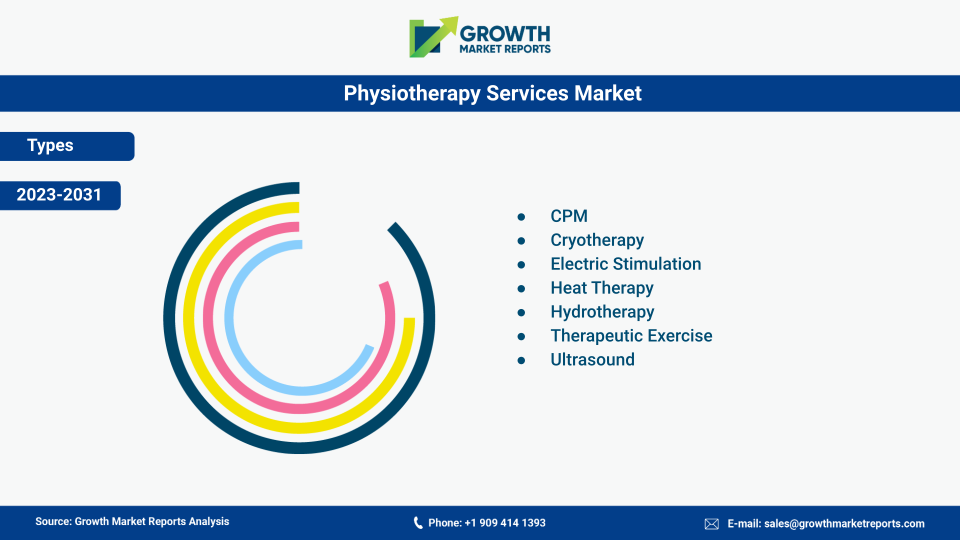
The physiotherapy services market is segmented by service type into orthopedic physiotherapy, geriatric physiotherapy, pediatric physiotherapy, neurological physiotherapy, cardiopulmonary physiotherapy, and others. Among these, orthopedic physiotherapy holds the largest market share due to the high prevalence of musculoskeletal disorders, sports injuries, and post-surgical rehabilitation needs. The increasing incidence of bone fractures, ligament injuries, and joint replacements, especially among the elderly and physically active individuals, has bolstered the demand for orthopedic physiotherapy services. Furthermore, advancements in manual therapy techniques, exercise regimens, and assistive technologies are enhancing treatment efficacy, leading to better patient outcomes and higher satisfaction rates.
Geriatric physiotherapy is gaining prominence as the global population ages, with more individuals requiring specialized care for age-related conditions such as arthritis, osteoporosis, and mobility impairments. This segment is expected to witness significant growth over the forecast period, driven by increased life expectancy and the rising prevalence of chronic diseases among the elderly. Healthcare providers are increasingly focusing on comprehensive geriatric care programs that integrate physiotherapy as a core component, aiming to improve functional independence and quality of life for older adults. The expansion of home-based and community physiotherapy services is further supporting the growth of this segment.
Pediatric physiotherapy, while representing a smaller share of the market, is witnessing steady growth due to the rising incidence of congenital disorders, developmental delays, and childhood injuries. Early intervention and rehabilitation are critical in addressing motor function deficits and promoting healthy development in children. The increasing awareness among parents and caregivers about the benefits of pediatric physiotherapy, coupled with advancements in child-friendly therapeutic techniques, is driving demand in this segment. Additionally, government initiatives and non-profit programs aimed at improving pediatric healthcare access are contributing to market expansion.
Neurological and cardiopulmonary physiotherapy services are also experiencing increased demand, particularly in regions with high rates of stroke, traumatic brain injuries, and cardiovascular diseases. Neurological physiotherapy focuses on restoring motor function, balance, and coordination in patients with conditions such as stroke, multiple sclerosis, and ParkinsonÂ’s disease. Cardiopulmonary physiotherapy, on the other hand, is essential for patients recovering from heart surgeries, chronic obstructive pulmonary disease (COPD), and other respiratory conditions. The integration of multidisciplinary care teams and evidence-based rehabilitation protocols is enhancing the effectiveness of these services, leading to improved patient outcomes and higher market adoption rates.
| Attributes | Details |
| Report Title | Physiotherapy Services Market Research Report 2033 |
| By Service Type | Orthopedic Physiotherapy, Geriatric Physiotherapy, Pediatric Physiotherapy, Neurological Physiotherapy, Cardiopulmonary Physiotherapy, Others |
| By Application | Hospitals, Rehabilitation Centers, Home Care Settings, Clinics |
| By Age Group | Children, Adults, Geriatric |
| By Mode Of Delivery | In-Patient, Out-Patient, Telehealth |
| Regions Covered | North America, Europe, APAC, Latin America, MEA |
| Base Year | 2024 |
| Historic Data | 2018-2023 |
| Forecast Period | 2025-2033 |
| Number of Pages | 296 |
| Number of Tables & Figures | 377 |
| Customization Available | Yes, the report can be customized as per your need. |
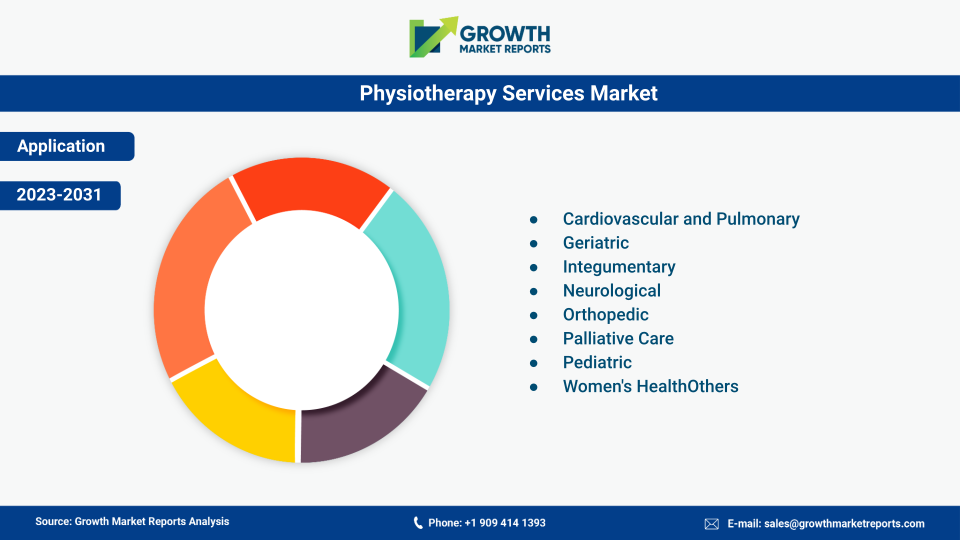
The application segment of the physiotherapy services market includes hospitals, rehabilitation centers, home care settings, and clinics. Hospitals remain the primary application area, accounting for the largest share of the market in 2024. The comprehensive range of services, availability of advanced equipment, and presence of multidisciplinary teams in hospitals make them the preferred choice for patients requiring intensive or specialized physiotherapy care. Hospitals also serve as referral centers for complex cases, post-surgical rehabilitation, and acute injury management, further solidifying their dominant position in the market.
Rehabilitation centers are witnessing growing demand as they offer specialized and focused physiotherapy services for patients recovering from surgeries, injuries, or chronic illnesses. These centers provide a structured environment with access to skilled therapists, state-of-the-art equipment, and personalized treatment plans. The increasing prevalence of lifestyle-related diseases, such as stroke and cardiac disorders, is driving the need for comprehensive rehabilitation programs. Additionally, the expansion of private rehabilitation centers and partnerships with insurance providers are making these services more accessible to a broader patient base.
Home care settings are emerging as a significant application area, particularly in response to the growing preference for personalized and convenient healthcare solutions. The COVID-19 pandemic accelerated the adoption of home-based physiotherapy services, as patients sought to minimize exposure to healthcare facilities. Home care physiotherapy is especially beneficial for elderly patients, individuals with mobility limitations, and those recovering from major surgeries. The integration of telehealth platforms and remote monitoring technologies has further enhanced the accessibility and effectiveness of home-based physiotherapy, leading to sustained growth in this segment.
Clinics, including both standalone and chain clinics, play a vital role in delivering outpatient physiotherapy services. These facilities are often more accessible and cost-effective than hospitals, making them a popular choice for routine physiotherapy, injury prevention, and wellness programs. Clinics typically offer flexible appointment scheduling, shorter wait times, and personalized care, attracting a diverse patient demographic. The proliferation of physiotherapy clinic chains, particularly in urban areas, is contributing to increased market penetration and service standardization.
The physiotherapy services market is segmented by age group into children, adults, and geriatric populations. The adult segment constitutes the largest share of the market, driven by the high incidence of musculoskeletal disorders, workplace injuries, and lifestyle-related diseases among working-age individuals. Adults often require physiotherapy for conditions such as back pain, joint disorders, sports injuries, and post-surgical rehabilitation. The growing awareness of the importance of early intervention and preventive care is encouraging more adults to seek physiotherapy services for both acute and chronic conditions.
The geriatric segment is experiencing the fastest growth, reflecting global demographic trends and the increasing burden of age-related health issues. Elderly individuals are more susceptible to conditions such as osteoarthritis, osteoporosis, and neurological disorders, which often necessitate long-term physiotherapy interventions. The expansion of geriatric care programs, improved access to home-based and community physiotherapy services, and government initiatives aimed at promoting healthy aging are key factors driving growth in this segment. Additionally, advancements in assistive technologies and tailored exercise programs are enhancing the effectiveness of physiotherapy for older adults.
While the pediatric segment represents a smaller portion of the market, it is gaining attention due to the rising prevalence of developmental disorders, congenital anomalies, and childhood injuries. Early diagnosis and intervention are critical in ensuring optimal motor development and functional independence in children. Pediatric physiotherapy services are increasingly being integrated into multidisciplinary care teams, including pediatricians, occupational therapists, and speech therapists, to provide comprehensive care for young patients. The increasing availability of specialized pediatric physiotherapists and child-friendly rehabilitation facilities is supporting market growth in this segment.
The physiotherapy services market is segmented by mode of delivery into in-patient, out-patient, and telehealth services. Out-patient physiotherapy dominates the market, accounting for the majority of service delivery in 2024. Out-patient services offer greater flexibility, convenience, and cost-effectiveness compared to in-patient care, making them the preferred choice for patients with non-acute conditions, minor injuries, or those requiring ongoing rehabilitation. The proliferation of specialized physiotherapy clinics and the increasing adoption of evidence-based treatment protocols are further supporting the growth of out-patient services.
In-patient physiotherapy services are essential for patients with severe injuries, complex surgeries, or acute medical conditions that require intensive rehabilitation and continuous monitoring. Hospitals and rehabilitation centers are the primary providers of in-patient physiotherapy, offering access to multidisciplinary care teams, advanced equipment, and comprehensive treatment plans. The growing number of orthopedic and neurological surgeries, as well as the rising incidence of stroke and traumatic injuries, is driving demand for in-patient physiotherapy services. However, the high cost and limited accessibility of in-patient care remain challenges in some regions.
Telehealth has emerged as a transformative mode of delivery in the physiotherapy services market, particularly in response to the COVID-19 pandemic and the growing demand for remote healthcare solutions. Telehealth platforms enable virtual consultations, remote monitoring, and personalized exercise programs, making physiotherapy more accessible to patients in rural or underserved areas. The integration of wearable devices, mobile applications, and artificial intelligence is enhancing the effectiveness and engagement of telehealth physiotherapy. As regulatory barriers are addressed and reimbursement policies become more favorable, telehealth is expected to play an increasingly important role in the future of physiotherapy service delivery.
The physiotherapy services market presents significant opportunities for growth and innovation, particularly in emerging economies where healthcare infrastructure is rapidly expanding. The increasing prevalence of chronic diseases, rising awareness of preventive care, and growing demand for personalized healthcare solutions are creating a favorable environment for market expansion. Technological advancements, such as telehealth platforms, wearable rehabilitation devices, and data analytics, are enabling more efficient and effective service delivery. Healthcare providers are also exploring new business models, including home-based and community physiotherapy services, to reach a broader patient base and improve access to care.
Another key opportunity lies in the integration of physiotherapy services into multidisciplinary care teams and value-based healthcare models. As healthcare systems shift towards patient-centered care and outcome-based reimbursement, physiotherapy is increasingly recognized as a critical component of comprehensive treatment plans for a wide range of conditions. Partnerships between physiotherapy providers, hospitals, insurance companies, and technology firms are facilitating the development of integrated care pathways, improving patient outcomes, and reducing healthcare costs. The expansion of specialized physiotherapy services, such as pediatric, geriatric, and neurological rehabilitation, is also opening new avenues for market growth.
Despite these opportunities, the physiotherapy services market faces several restraining factors, including limited access to skilled professionals, high costs of advanced equipment, and regulatory challenges in some regions. The shortage of qualified physiotherapists, particularly in rural and underserved areas, can hinder market growth and limit the availability of high-quality care. Additionally, reimbursement policies and insurance coverage for physiotherapy services vary widely across regions, creating disparities in access and affordability. Addressing these challenges will require concerted efforts from healthcare providers, policymakers, and industry stakeholders to expand training programs, standardize care protocols, and advocate for favorable regulatory and reimbursement frameworks.
North America remains the largest regional market for physiotherapy services, accounting for USD 17.6 billion in 2024. The regionÂ’s dominance is attributed to advanced healthcare infrastructure, high healthcare spending, and a strong focus on preventive and rehabilitative care. The United States leads the market, supported by a large base of skilled professionals, widespread adoption of advanced physiotherapy techniques, and favorable reimbursement policies. Canada also contributes significantly to regional growth, with increasing investments in healthcare and a growing emphasis on community-based rehabilitation services. The North American market is expected to maintain steady growth, with a projected CAGR of 5.2% through 2033.
Europe is the second-largest market, with a value of USD 13.1 billion in 2024. The region benefits from universal healthcare systems, strong government support for rehabilitative care, and a high prevalence of chronic diseases and aging populations. Countries such as Germany, the United Kingdom, and France are leading contributors, with well-established physiotherapy networks and a focus on integrating physiotherapy into primary and secondary care settings. The European market is characterized by a high level of service standardization, widespread use of advanced technologies, and growing demand for home-based and outpatient physiotherapy services. The region is expected to witness moderate growth, driven by ongoing healthcare reforms and increasing investments in rehabilitation infrastructure.
The Asia Pacific region is experiencing the fastest growth in the physiotherapy services market, with a market size of USD 9.7 billion in 2024 and a projected CAGR of 7.1% through 2033. Rapid urbanization, rising healthcare investments, and a growing burden of chronic diseases and injuries are key factors driving market expansion in this region. China, India, and Japan are major contributors, supported by large and aging populations, increasing awareness of physiotherapy benefits, and government initiatives to improve healthcare access. The proliferation of private physiotherapy clinics, expansion of telehealth services, and growing adoption of advanced rehabilitation technologies are further fueling growth in the Asia Pacific market.
The physiotherapy services market is characterized by a highly competitive landscape, with a mix of large hospital networks, specialized rehabilitation centers, independent clinics, and emerging telehealth providers. The market is fragmented, with a significant presence of regional players and a growing number of international chains expanding their footprint through mergers, acquisitions, and strategic partnerships. Companies are increasingly focusing on service differentiation, technological innovation, and patient-centric care models to gain a competitive edge. The integration of advanced equipment, data analytics, and telehealth platforms is enabling providers to enhance service quality, improve patient outcomes, and optimize operational efficiency.
Major players in the physiotherapy services market are investing in expanding their service portfolios, upgrading facilities, and training staff to meet the evolving needs of patients. Partnerships with insurance companies, hospitals, and technology firms are facilitating the development of integrated care pathways and value-based healthcare models. The growing emphasis on evidence-based practice, standardized care protocols, and outcome measurement is driving service quality improvements and fostering greater accountability among providers. Additionally, the expansion of home-based and community physiotherapy services is enabling companies to reach new patient segments and address unmet needs in underserved areas.
The market is also witnessing the emergence of specialized physiotherapy service providers, focusing on niche areas such as pediatric, geriatric, sports, and neurological rehabilitation. These companies are leveraging advanced therapeutic techniques, multidisciplinary care teams, and personalized treatment plans to deliver superior patient outcomes. The adoption of digital health technologies, including telehealth platforms, wearable devices, and mobile applications, is enabling providers to offer remote consultations, monitor patient progress, and deliver personalized exercise programs. As regulatory barriers are addressed and reimbursement policies become more favorable, the competitive landscape is expected to evolve, with increased consolidation and the entry of new players.
Some of the major companies operating in the global physiotherapy services market include Upstream Rehabilitation Inc., Physiotherapy Associates Inc., RehabCare Group Inc., Genesis Rehab Services, Sonic Healthcare Limited, U.S. Physical Therapy Inc., and Bupa. These companies are known for their extensive service networks, strong brand recognition, and commitment to quality care. Upstream Rehabilitation Inc. is a leading provider of outpatient physical therapy services in the United States, with a focus on evidence-based practice and patient-centered care. Physiotherapy Associates Inc. offers a wide range of rehabilitation services, including orthopedic, neurological, and sports physiotherapy, through its network of clinics across North America. RehabCare Group Inc. and Genesis Rehab Services are prominent players in the in-patient and long-term care segments, providing comprehensive rehabilitation services to hospitals, nursing homes, and assisted living facilities. Sonic Healthcare Limited and Bupa are expanding their presence in the Asia Pacific and European markets, leveraging their global networks and expertise in integrated healthcare delivery.
The Physiotherapy Services market has been segmented on the basis of
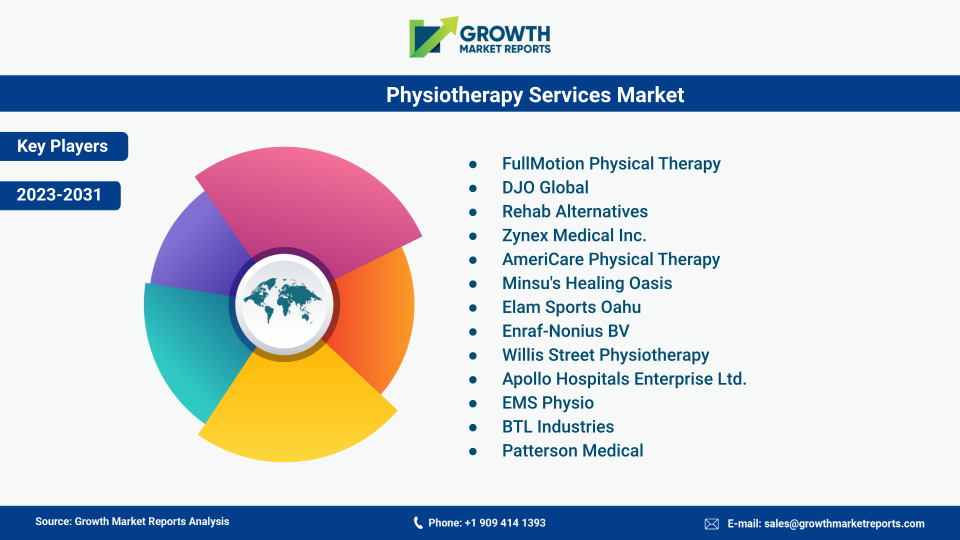
Key players in the physiotherapy services market are FullMotion Physical Therapy, DJO Global, Rehab Alternatives, Zynex Medical Inc., AmeriCare Physical Therapy, Minsu's Healing Oasis, Elam Sports Oahu, Enraf-Nonius BV, Willis Street Physiotherapy, Apollo Hospitals Enterprise Ltd., EMS Physio, BTL Industries, and Patterson Medical. These players have widely engaged in several market development activities including collaborations, agreements, mergers & acquisitions, production capacity expansion, new product launches, and partnerships to strengthen their geographical presence and expand their customer base globally.
Adults represent the largest market share due to musculoskeletal and lifestyle-related conditions. The geriatric segment is growing fastest, driven by age-related health issues, while pediatric physiotherapy is expanding due to increased awareness and early intervention for developmental disorders.
Major companies include Upstream Rehabilitation Inc., Physiotherapy Associates Inc., RehabCare Group Inc., Genesis Rehab Services, Sonic Healthcare Limited, U.S. Physical Therapy Inc., and Bupa.
Key challenges include limited access to skilled professionals, high costs of advanced equipment, regulatory barriers, and disparities in insurance coverage and reimbursement.
Hospitals are the primary application area, followed by rehabilitation centers, home care settings, and clinics. Home care and telehealth are rapidly growing segments.
Technological advancements such as telehealth platforms, wearable rehabilitation devices, and data analytics are making physiotherapy services more accessible, efficient, and personalized.
Growth is driven by the aging population, increasing prevalence of chronic diseases, rising incidence of sports injuries and road accidents, technological advancements, and greater awareness of physiotherapy benefits.
Key service types include orthopedic physiotherapy, geriatric physiotherapy, pediatric physiotherapy, neurological physiotherapy, cardiopulmonary physiotherapy, and others.
North America holds the largest share of the physiotherapy services market, followed by Europe and Asia Pacific. Asia Pacific is experiencing the fastest growth due to rising healthcare investments and a growing geriatric population.
The physiotherapy services market is expected to grow at a CAGR of 5.8% from 2025 to 2033, reaching an estimated value of USD 75.9 billion by 2033.
As of 2024, the global physiotherapy services market reached USD 45.2 billion, driven by rising demand for rehabilitative care and the increasing prevalence of chronic diseases.