Segments - by Product Type (Therapeutic Devices, Diagnostic Devices, Medications, Others), by Treatment (Non-Surgical Treatment, Surgical Treatment, Laser Therapy, Others), by End User (Hospitals, Dental Clinics, Academic & Research Institutes, Others)
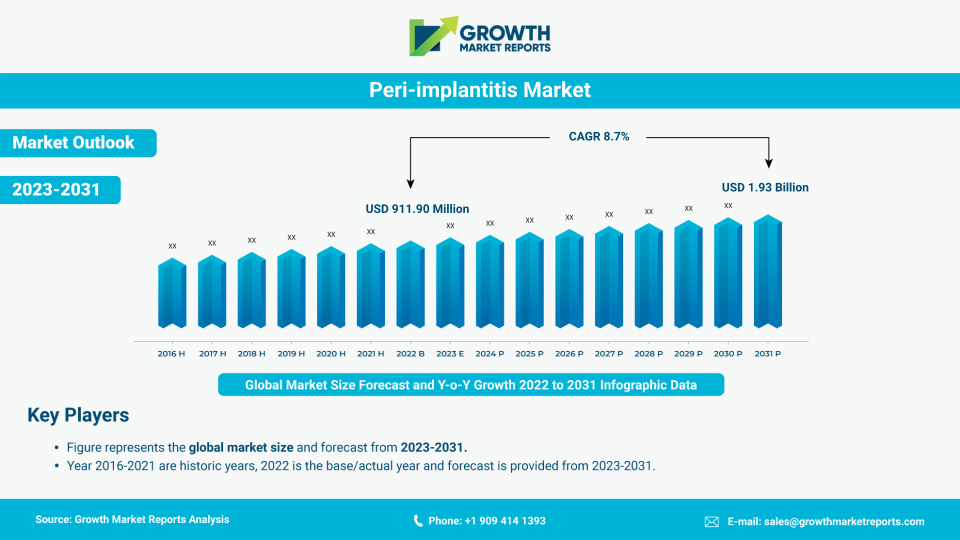
According to our latest research, the global peri-implantitis market size stood at USD 1.23 billion in 2024, driven by the rising prevalence of dental implants and associated complications worldwide. The market is experiencing robust expansion, registering a CAGR of 7.5% from 2025 to 2033. By the end of the forecast period, the peri-implantitis market is projected to reach USD 2.36 billion. This growth is primarily fueled by increasing awareness of peri-implant diseases, technological advancements in diagnostic and therapeutic solutions, and a growing geriatric population susceptible to dental implant procedures.
The escalating incidence of periodontal diseases and dental implant failures is a significant catalyst for the growth of the peri-implantitis market. With the global population aging and the prevalence of lifestyle-related oral health issues rising, more individuals are opting for dental implants as a solution for tooth loss. However, this has also led to a corresponding increase in peri-implantitis cases, necessitating advanced treatment and diagnostic options. The continuous innovation in therapeutic devices, diagnostic tools, and medications is further propelling market expansion, as dental professionals seek more effective and minimally invasive solutions to manage peri-implant diseases.
Another crucial growth factor is the surge in research and development activities aimed at improving peri-implantitis management. Leading dental device manufacturers and pharmaceutical companies are investing heavily in developing innovative products, such as laser therapies and antimicrobial agents, to address the complex pathogenesis of peri-implantitis. Additionally, the integration of digital technologies, including computer-aided diagnostics and treatment planning, is enhancing the precision and outcomes of peri-implantitis interventions. These advancements are not only improving patient outcomes but also expanding the addressable market for peri-implantitis solutions.
The rise in dental tourism, especially in emerging economies, is also contributing to the market’s growth. Countries in Asia Pacific and Latin America are witnessing an influx of international patients seeking affordable dental implant procedures, which in turn is increasing the demand for peri-implantitis treatments. Furthermore, growing awareness campaigns by dental associations and healthcare organizations are educating both professionals and the public about the importance of early detection and management of peri-implant diseases. This increased awareness is leading to higher diagnosis rates and a greater uptake of peri-implantitis treatment products and services across various regions.
Regionally, North America leads the peri-implantitis market, followed closely by Europe, owing to advanced healthcare infrastructure, high adoption rates of dental implants, and a strong presence of key market players. However, the Asia Pacific region is expected to witness the fastest growth rate during the forecast period, driven by rising disposable incomes, increasing healthcare expenditure, and growing dental awareness. Latin America and the Middle East & Africa are also emerging as attractive markets, supported by improving access to dental care and expanding healthcare infrastructure. The global peri-implantitis market thus presents a dynamic and evolving landscape, shaped by demographic shifts, technological innovation, and changing healthcare paradigms.
The peri-implantitis market by product type is segmented into therapeutic devices, diagnostic devices, medications, and others. Therapeutic devices constitute a significant share of the market, as they are critical in managing peri-implant infections and facilitating tissue regeneration. The demand for advanced therapeutic devices, such as ultrasonic scalers, air-polishing systems, and laser instruments, has surged in recent years due to their efficacy in decontaminating implant surfaces and promoting healing. Manufacturers are focusing on introducing user-friendly, minimally invasive therapeutic devices that offer precise control and improved patient comfort, which is further fueling market growth in this segment.
Diagnostic devices are another vital component of the peri-implantitis market, as early and accurate detection of peri-implant diseases is essential for effective treatment outcomes. Innovations in imaging technologies, such as cone-beam computed tomography (CBCT) and digital radiography, have revolutionized the diagnosis of peri-implantitis by providing detailed visualization of peri-implant tissues. The integration of artificial intelligence and machine learning algorithms in diagnostic devices is also enhancing the accuracy and speed of peri-implantitis detection. As dental clinics and hospitals increasingly adopt advanced diagnostic tools, this segment is expected to experience substantial growth.
Medications play a pivotal role in the management of peri-implantitis, particularly in controlling infection and inflammation. The market offers a diverse range of antibiotics, antiseptics, and anti-inflammatory agents that are utilized in conjunction with mechanical debridement and surgical interventions. Recent advancements in drug delivery systems, such as localized antimicrobial gels and sustained-release formulations, are improving the efficacy and safety of peri-implantitis medications. Pharmaceutical companies are actively investing in research to develop novel therapeutics targeting the underlying microbial and inflammatory pathways of peri-implantitis, which is anticipated to expand the medications segment further.
The others segment encompasses adjunctive products and solutions that support peri-implantitis management, including bone graft materials, membranes, and oral hygiene aids. These products are essential for comprehensive peri-implant care, particularly in complex cases requiring tissue regeneration or maintenance therapy. The growing emphasis on preventive care and patient education is driving the adoption of oral hygiene products designed to minimize the risk of peri-implantitis recurrence. As dental professionals increasingly recommend holistic peri-implant maintenance protocols, the demand for complementary products is expected to rise, contributing to the overall growth of the product type segment in the peri-implantitis market.
| Attributes | Details |
| Report Title | Peri-implantitis Market Research Report 2033 |
| By Product Type | Therapeutic Devices, Diagnostic Devices, Medications, Others |
| By Treatment | Non-Surgical Treatment, Surgical Treatment, Laser Therapy, Others |
| By End User | Hospitals, Dental Clinics, Academic & Research Institutes, Others |
| Regions Covered | North America, Europe, APAC, Latin America, MEA |
| Base Year | 2024 |
| Historic Data | 2018-2023 |
| Forecast Period | 2025-2033 |
| Number of Pages | 294 |
| Number of Tables & Figures | 254 |
| Customization Available | Yes, the report can be customized as per your need. |
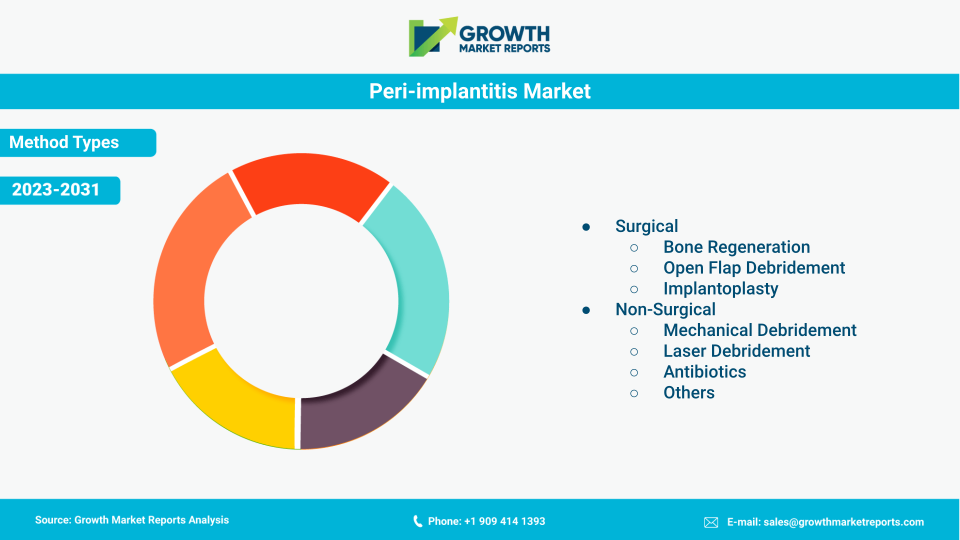
The treatment segment of the peri-implantitis market is categorized into non-surgical treatment, surgical treatment, laser therapy, and others. Non-surgical treatments are often the first line of intervention for peri-implantitis, focusing on mechanical debridement and the use of antiseptics or antibiotics to control infection. The growing preference for non-invasive procedures among patients and clinicians has led to the development of advanced debridement tools and adjunctive therapies that enhance treatment efficacy while minimizing patient discomfort. The increasing adoption of non-surgical protocols is also supported by clinical guidelines emphasizing early intervention to prevent disease progression.
Surgical treatment remains a critical option for managing advanced peri-implantitis cases that do not respond to non-surgical interventions. Surgical procedures, such as flap surgery, bone grafting, and guided tissue regeneration, are employed to remove infected tissue, restore lost bone, and promote healing around dental implants. The demand for surgical treatments is driven by the rising prevalence of severe peri-implantitis cases and the introduction of innovative surgical techniques and materials. Dental surgeons are increasingly utilizing regenerative biomaterials and minimally invasive surgical approaches to improve patient outcomes and reduce recovery times.
Laser therapy is gaining traction as a promising treatment modality for peri-implantitis, offering benefits such as targeted decontamination, reduced bleeding, and accelerated healing. Various types of lasers, including diode, Er:YAG, and CO2 lasers, are being integrated into peri-implantitis management protocols due to their ability to effectively eliminate biofilms and promote tissue regeneration. The growing body of clinical evidence supporting the efficacy and safety of laser therapy is encouraging more dental professionals to adopt this technology. As manufacturers continue to enhance the versatility and affordability of dental lasers, the laser therapy segment is expected to witness significant growth in the coming years.
The others segment includes emerging and adjunctive treatment modalities, such as photodynamic therapy, probiotics, and novel antimicrobial agents. These approaches are being explored to complement existing treatment protocols and address the multifactorial nature of peri-implantitis. The increasing focus on personalized and precision medicine is driving research into targeted therapies that consider individual patient risk factors and disease characteristics. As the understanding of peri-implantitis pathogenesis evolves, the market is likely to see the introduction of innovative treatment options that further enhance the effectiveness and durability of peri-implantitis management.
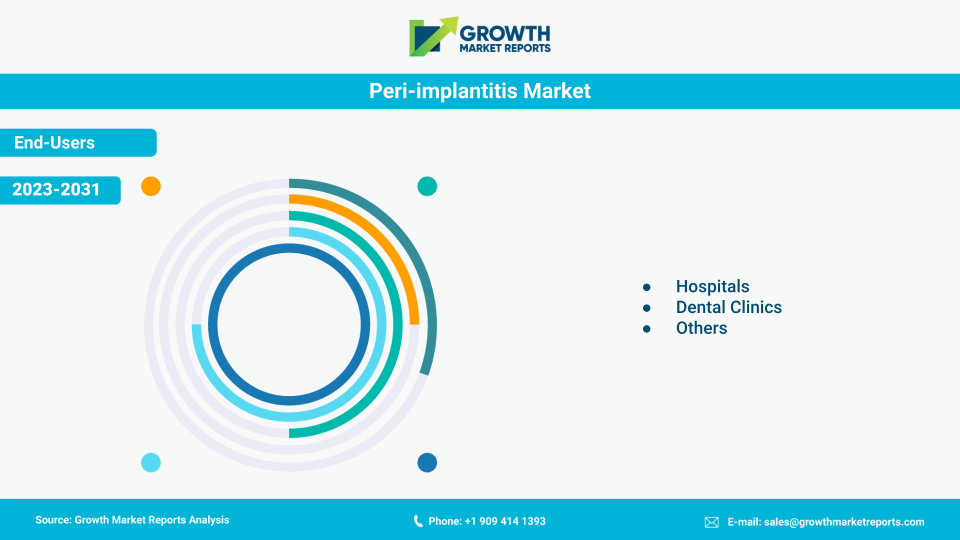
The peri-implantitis market by end user is segmented into hospitals, dental clinics, academic & research institutes, and others. Hospitals represent a substantial share of the market, particularly in developed regions with advanced healthcare infrastructure. Hospitals are equipped with state-of-the-art diagnostic and therapeutic facilities, enabling them to provide comprehensive peri-implantitis management, including complex surgical procedures and multidisciplinary care. The increasing number of hospital-based dental departments and the growing integration of dental and medical services are contributing to the expansion of this segment.
Dental clinics are the primary point of care for most peri-implantitis patients, offering a wide range of preventive, diagnostic, and therapeutic services. The proliferation of specialized dental clinics and group practices, coupled with the rising demand for cosmetic and restorative dental procedures, is driving the growth of this segment. Dental clinics are increasingly investing in advanced equipment, such as digital imaging systems and laser devices, to enhance the quality and efficiency of peri-implantitis treatment. The emphasis on patient-centered care and the convenience of outpatient services are further boosting the popularity of dental clinics as preferred end users.
Academic & research institutes play a pivotal role in advancing the understanding and management of peri-implantitis through research, education, and clinical trials. These institutions are at the forefront of developing new diagnostic techniques, treatment protocols, and preventive strategies for peri-implant diseases. The collaboration between academic institutions, industry players, and healthcare providers is fostering innovation and accelerating the translation of research findings into clinical practice. As the demand for evidence-based peri-implantitis management grows, academic and research institutes are expected to play an increasingly important role in shaping the future of the market.
The others segment includes community health centers, mobile dental units, and public health organizations that provide peri-implantitis care, particularly in underserved and rural areas. These settings are critical for expanding access to peri-implantitis diagnosis and treatment, especially in regions with limited dental infrastructure. The growing emphasis on oral health promotion and disease prevention at the community level is driving the adoption of peri-implantitis management protocols in these settings. As governments and non-profit organizations invest in expanding dental care outreach programs, the others segment is expected to contribute to the overall growth and accessibility of the peri-implantitis market.
The peri-implantitis market presents numerous opportunities for growth and innovation. One of the most promising opportunities lies in the development of minimally invasive and patient-friendly treatment modalities. As patient expectations shift towards less invasive and more comfortable procedures, manufacturers and healthcare providers are focusing on introducing advanced therapeutic devices, laser systems, and localized drug delivery solutions that minimize discomfort and recovery time. The integration of digital technologies, such as AI-driven diagnostic tools and computer-aided treatment planning, also offers significant opportunities for improving the accuracy and efficiency of peri-implantitis management. These advancements are not only enhancing clinical outcomes but also increasing the adoption of peri-implantitis treatments among dental professionals and patients alike.
Another key opportunity in the peri-implantitis market is the expansion into emerging markets, particularly in Asia Pacific and Latin America. These regions are experiencing a surge in dental tourism, rising disposable incomes, and growing awareness of oral health, creating a fertile environment for market expansion. Companies that invest in localized product development, strategic partnerships, and targeted marketing initiatives are well-positioned to capitalize on the untapped potential of these markets. Additionally, the increasing focus on preventive care and patient education presents opportunities for the development of innovative oral hygiene products and maintenance protocols aimed at reducing the incidence and recurrence of peri-implantitis.
Despite the numerous opportunities, the peri-implantitis market faces several restraining factors that could hinder its growth. One of the primary challenges is the lack of standardized diagnostic and treatment protocols, which can lead to variability in clinical outcomes and hinder the widespread adoption of peri-implantitis management solutions. The complex and multifactorial etiology of peri-implantitis also poses challenges for the development of universally effective treatments. Additionally, the high cost of advanced therapeutic devices and procedures may limit access to peri-implantitis care, particularly in low- and middle-income regions. Addressing these challenges will require concerted efforts from industry stakeholders, regulatory authorities, and healthcare providers to establish evidence-based guidelines and improve the affordability and accessibility of peri-implantitis treatments.
North America dominates the peri-implantitis market with a market value of approximately USD 460 million in 2024, reflecting its advanced healthcare infrastructure, high adoption rates of dental implants, and strong presence of leading market players. The region benefits from well-established dental care systems, robust reimbursement policies, and continuous technological innovation in peri-implantitis management. The United States, in particular, accounts for the largest share within North America, driven by a large pool of dental professionals, high patient awareness, and significant investment in research and development. Canada also contributes to regional growth, supported by improving access to dental care and rising demand for cosmetic dentistry.
Europe is the second-largest market for peri-implantitis, valued at USD 340 million in 2024, and is characterized by a high prevalence of dental implant procedures, strong regulatory frameworks, and active participation in clinical research. Countries such as Germany, the United Kingdom, France, and Italy are key contributors to regional market growth, owing to their advanced dental care infrastructure and high per capita healthcare expenditure. The region is witnessing a steady increase in the adoption of advanced diagnostic and therapeutic solutions, supported by favorable government initiatives and growing collaboration between academic institutions and industry players. Europe’s peri-implantitis market is expected to grow at a CAGR of 7.2% during the forecast period.
The Asia Pacific region is poised for the fastest growth, with a market value of USD 220 million in 2024 and a projected CAGR of 9.1% from 2025 to 2033. The region’s rapid expansion is driven by rising disposable incomes, increasing healthcare expenditure, and growing awareness of oral health. Countries such as China, India, Japan, and South Korea are at the forefront of this growth, supported by expanding dental care infrastructure and a surge in dental tourism. Latin America and the Middle East & Africa, valued at USD 120 million and USD 90 million respectively in 2024, are also emerging as attractive markets, thanks to improving access to dental care, increasing government investment in healthcare, and rising demand for affordable peri-implantitis treatments. Collectively, these regions are expected to contribute significantly to the global peri-implantitis market’s growth over the forecast period.
The peri-implantitis market is characterized by intense competition, with numerous global and regional players vying for market share through innovation, strategic partnerships, and expansion initiatives. Leading companies are focusing on developing advanced therapeutic and diagnostic solutions that offer improved efficacy, safety, and patient comfort. The competitive landscape is further shaped by mergers and acquisitions, collaborations with academic and research institutions, and investments in research and development aimed at introducing novel products and technologies. Companies are also leveraging digital platforms and tele-dentistry solutions to enhance patient engagement and expand their reach in emerging markets.
Innovation is a key differentiator in the peri-implantitis market, with companies striving to introduce cutting-edge products such as laser therapy devices, AI-powered diagnostic tools, and targeted drug delivery systems. The emphasis on minimally invasive and patient-friendly solutions is driving the adoption of new technologies that reduce treatment time, minimize complications, and improve clinical outcomes. Market players are also focusing on comprehensive peri-implantitis management protocols that integrate preventive, diagnostic, and therapeutic components, thereby offering holistic solutions to dental professionals and patients.
The competitive landscape is further influenced by the regulatory environment, as companies must navigate complex approval processes and comply with stringent quality standards to bring new products to market. Leading players are investing in clinical trials and real-world evidence studies to demonstrate the safety and efficacy of their products, thereby gaining a competitive edge and building trust among dental professionals. Additionally, companies are expanding their global footprint through strategic alliances, distribution agreements, and localization of manufacturing and marketing activities to cater to the diverse needs of regional markets.
Major companies operating in the peri-implantitis market include Nobel Biocare Services AG, Dentsply Sirona, Zimmer Biomet Holdings, Inc., Institut Straumann AG, BioHorizons IPH, Inc., and Osstem Implant Co., Ltd.. Nobel Biocare is renowned for its innovative dental implant systems and regenerative solutions, while Dentsply Sirona is a global leader in dental technologies, offering a comprehensive portfolio of diagnostic and therapeutic products. Zimmer Biomet and Institut Straumann are recognized for their advanced implantology solutions and commitment to research and development. BioHorizons and Osstem Implant are rapidly expanding their presence in emerging markets, focusing on affordable and high-quality peri-implantitis management solutions. These companies are continuously investing in product innovation, strategic collaborations, and market expansion initiatives to strengthen their competitive position and address the evolving needs of the global peri-implantitis market.
The Peri-implantitis market has been segmented on the basis of
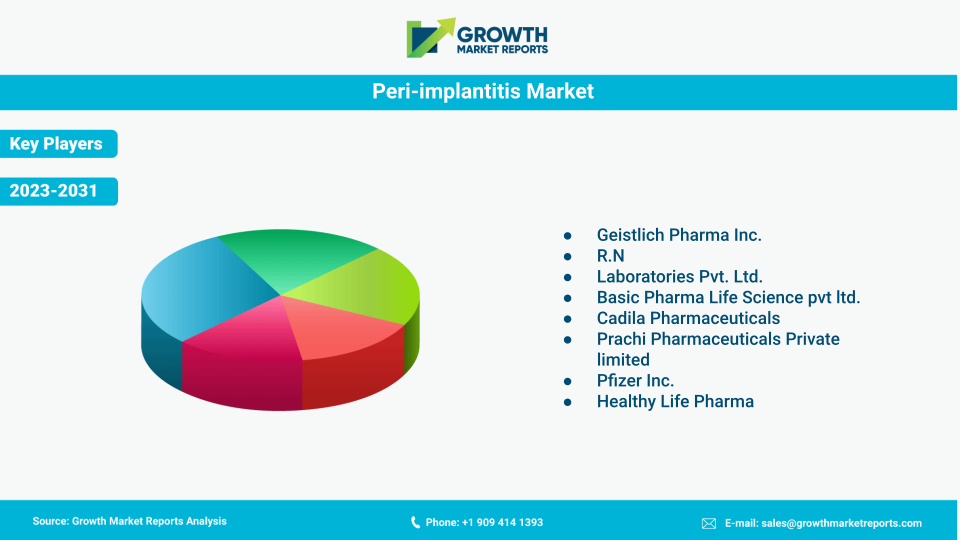
The key players of the market includes Geistlich Pharma Inc., R.N, Laboratories Pvt. Ltd.; Basic Pharma Life Science pvt ltd., Cadila Pharmaceuticals, Prachi Pharmaceuticals Private limited, Pfizer Inc., Healthy Life Pharma.
One of the key factors boosting market participants' competition is the rapid growth of technology in the development of anti-infective medications and treatments. Furthermore, several corporations are collaborating to develop pharmaceuticals in order to get their products to market faster.
Technological advancements such as AI-powered diagnostic tools, laser therapy devices, and digital imaging (CBCT, digital radiography) are improving the accuracy, efficiency, and outcomes of peri-implantitis management.
Key players include Institut Straumann AG, Dentsply Sirona, Zimmer Biomet Holdings, Nobel Biocare Services AG, BioHorizons IPH, Osstem Implant Co., Ltd., and several others.
Challenges include the lack of standardized diagnostic and treatment protocols, complex disease etiology, and high costs of advanced devices and procedures, especially in low- and middle-income regions.
Opportunities include the development of minimally invasive treatments, integration of digital technologies like AI-driven diagnostics, expansion into emerging markets, and increased focus on preventive care and patient education.
Major end users include hospitals, dental clinics, academic & research institutes, and community health centers.
Treatment options include non-surgical treatments (mechanical debridement, antiseptics, antibiotics), surgical treatments (flap surgery, bone grafting), laser therapy, and emerging modalities like photodynamic therapy and probiotics.
The peri-implantitis market is segmented by product type into therapeutic devices, diagnostic devices, medications, and others such as bone graft materials and oral hygiene aids.
North America currently leads the peri-implantitis market, followed by Europe. The Asia Pacific region is expected to experience the fastest growth during the forecast period.
Key growth drivers include the rising prevalence of dental implants and associated complications, increasing awareness of peri-implant diseases, technological advancements in diagnostics and therapies, and a growing geriatric population.
As of 2024, the global peri-implantitis market is valued at USD 1.23 billion, with projections to reach USD 2.36 billion by 2033.