Segments - by Product Type (Sanitary Pads, Tampons, Panty Liners, Menstrual Cups, Wipes, Others), by Distribution Channel (Supermarkets/Hypermarkets, Online Stores, Pharmacies, Specialty Stores, Others), by Material Type (Cotton, Bamboo, Hemp, Others), by End-User (Teenagers, Adults)
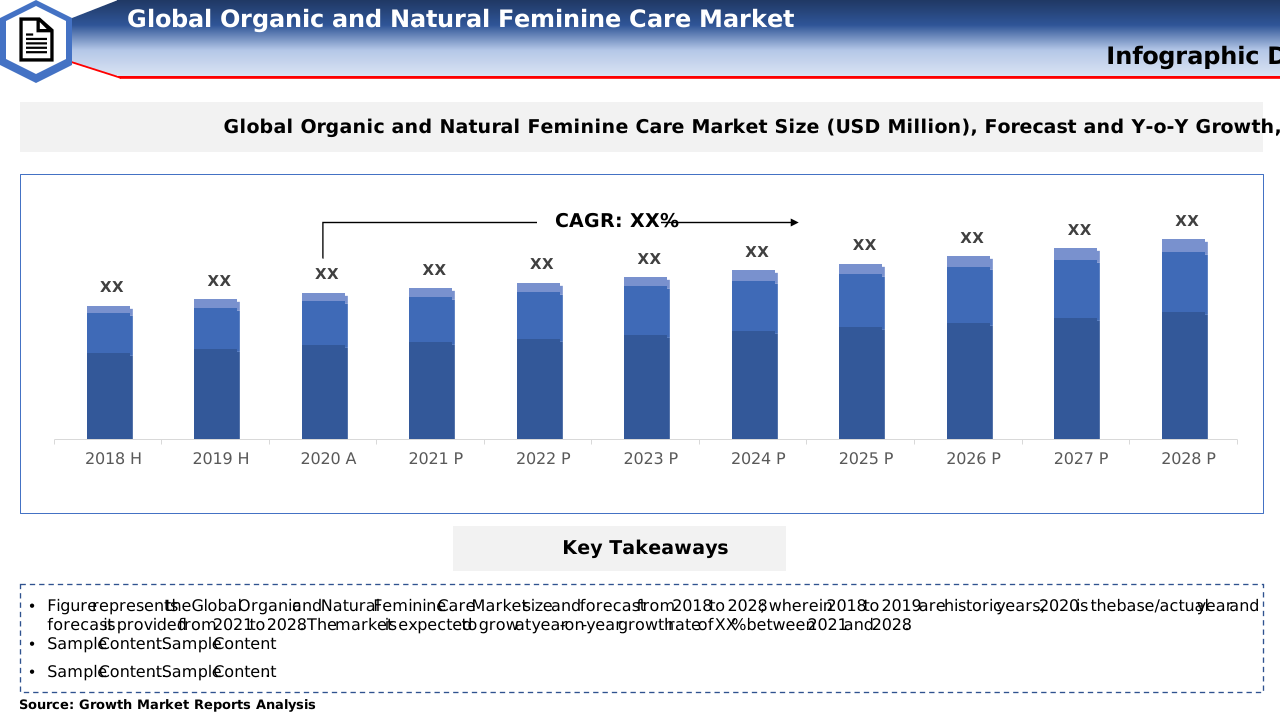
According to our latest research, the global organic and natural feminine care market size reached USD 2.57 billion in 2024, with a robust compound annual growth rate (CAGR) of 8.2% expected through the forecast period. By 2033, the market is projected to achieve a value of USD 5.15 billion. The primary growth driver is the rising consumer awareness regarding the health and environmental impacts of conventional feminine hygiene products, which is accelerating the shift toward organic and natural alternatives.
One of the most significant growth factors for the organic and natural feminine care market is the increasing awareness about the potential health risks associated with synthetic chemicals and plastics found in conventional feminine hygiene products. Consumers, particularly women in urban regions, are becoming more informed about the ingredients in their personal care products, leading to a surge in demand for products made from organic cotton, bamboo, hemp, and other natural materials. Social media campaigns, celebrity endorsements, and advocacy by health organizations have played a pivotal role in educating the public about the long-term benefits of using organic and natural feminine care products. This heightened awareness is not only driving first-time purchases but also fostering brand loyalty and repeat buying behaviors, contributing to sustained market growth.
Another key driver fueling the expansion of the organic and natural feminine care market is the increasing focus on sustainability and environmental conservation. Traditional feminine care products generate significant non-biodegradable waste, which poses severe environmental challenges. In contrast, organic and natural products are often biodegradable, compostable, and produced using eco-friendly processes, appealing to environmentally conscious consumers. Leading brands are investing in innovative packaging solutions and transparent supply chains to further enhance their sustainability credentials. This shift is particularly pronounced among younger consumers, who are more likely to support brands with strong environmental values, thus bolstering market growth across various regions.
The organic and natural feminine care market is also benefiting from the expansion of distribution channels, particularly the growth of online retailing. The availability of a wide array of products on e-commerce platforms has made it easier for consumers to access and compare organic and natural options, regardless of their geographical location. Subscription services and direct-to-consumer models are gaining traction, offering convenience and personalized experiences. Additionally, brick-and-mortar retailers are dedicating more shelf space to organic feminine care products, reflecting the growing consumer demand. This multi-channel approach is ensuring greater product accessibility and visibility, further accelerating market penetration and growth.
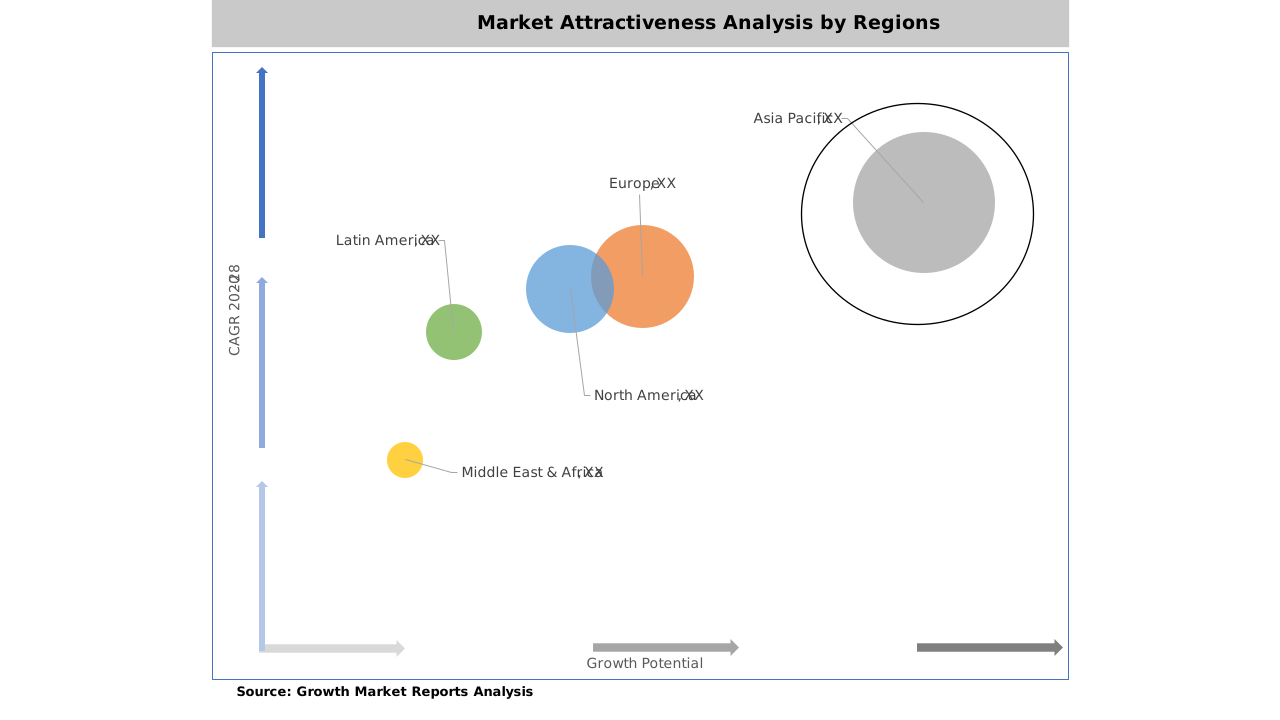
From a regional perspective, North America continues to dominate the organic and natural feminine care market, driven by high consumer awareness, strong purchasing power, and a well-developed retail infrastructure. Europe follows closely, with increasing regulatory support for organic products and a growing preference for sustainable living. The Asia Pacific region is emerging as a high-growth market, fueled by rising disposable incomes, urbanization, and a rapidly expanding middle class. However, cultural taboos and limited awareness in certain countries may pose challenges to market entry and growth. Overall, the regional outlook remains positive, with significant opportunities for market expansion as awareness and accessibility continue to improve.
The product type segment of the organic and natural feminine care market encompasses sanitary pads, tampons, panty liners, menstrual cups, wipes, and other related products. Among these, sanitary pads hold the largest market share, primarily due to their widespread use and familiarity among consumers. The demand for organic sanitary pads is fueled by concerns over skin irritation and allergic reactions caused by synthetic materials in conventional products. Brands are responding by offering pads made from certified organic cotton and biodegradable materials, which are free from chlorine, fragrances, and dyes. This product innovation is not only addressing health concerns but also catering to the growing demand for environmentally friendly alternatives.
Tampons represent another significant segment, with organic tampons gaining traction among health-conscious consumers seeking safer alternatives to conventional products that may contain rayon, dioxins, or other chemicals. The market for organic tampons is expanding rapidly in North America and Europe, where regulatory standards and consumer awareness are high. Companies are differentiating their offerings by providing tampons with biodegradable applicators and compostable packaging. The growing trend of transparency in ingredient sourcing and product labeling is further boosting consumer confidence and driving adoption in this segment.
Menstrual cups are emerging as a fast-growing product type within the organic and natural feminine care market, particularly among environmentally conscious consumers seeking reusable alternatives. Made from medical-grade silicone or natural rubber, menstrual cups offer a sustainable and cost-effective solution, reducing waste and the need for frequent replacements. The rising popularity of menstrual cups is supported by educational campaigns and initiatives aimed at breaking taboos around menstruation. Although adoption rates are currently higher in developed markets, increasing awareness and affordability are expected to drive growth in emerging economies as well.
Wipes and panty liners, while representing smaller segments, are also witnessing increased demand for organic and natural variants. Consumers are seeking products that are gentle on the skin and free from harsh chemicals, especially for daily use. Brands are innovating by introducing wipes made from organic cotton and biodegradable fibers, catering to sensitive skin and eco-conscious preferences. The expansion of product portfolios to include a variety of organic and natural feminine care products is enabling brands to capture a broader customer base and address diverse needs, further stimulating market growth.
| Attributes | Details |
| Report Title | Organic and Natural Feminine Care Market Research Report 2033 |
| By Product Type | Sanitary Pads, Tampons, Panty Liners, Menstrual Cups, Wipes, Others |
| By Distribution Channel | Supermarkets/Hypermarkets, Online Stores, Pharmacies, Specialty Stores, Others |
| By Material Type | Cotton, Bamboo, Hemp, Others |
| By End-User | Teenagers, Adults |
| Regions Covered | North America, Europe, APAC, Latin America, MEA |
| Base Year | 2024 |
| Historic Data | 2018-2023 |
| Forecast Period | 2025-2033 |
| Number of Pages | 251 |
| Number of Tables & Figures | 310 |
| Customization Available | Yes, the report can be customized as per your need. |
The distribution channel segment plays a crucial role in shaping the growth trajectory of the organic and natural feminine care market. Supermarkets and hypermarkets account for a significant share of sales, offering consumers the convenience of purchasing feminine care products alongside their regular grocery shopping. These retail outlets are increasingly dedicating shelf space to organic and natural brands, reflecting the rising demand and changing consumer preferences. In-store promotions, educational displays, and product sampling initiatives are further enhancing visibility and encouraging trial among new users, thereby driving sales growth in this channel.
Online stores have emerged as a transformative force in the organic and natural feminine care market, providing consumers with unparalleled access to a wide range of products. The convenience of home delivery, discreet packaging, and the ability to compare product features and reviews have made e-commerce platforms particularly popular among younger consumers and urban dwellers. Subscription-based models are gaining traction, enabling consumers to receive regular deliveries of their preferred products and fostering brand loyalty. The growing penetration of smartphones and internet connectivity, especially in emerging markets, is expected to further accelerate the adoption of online channels.
Pharmacies remain a trusted distribution channel for feminine care products, especially for consumers seeking expert advice and assurance of product authenticity. The presence of organic and natural feminine care products in pharmacies lends credibility and encourages adoption among health-conscious consumers. Pharmacists often play a key role in educating customers about the benefits of organic products and addressing concerns related to allergies or sensitivities. As a result, pharmacies are likely to maintain a strong position in the distribution landscape, particularly in regions with established healthcare infrastructure.
Specialty stores, including health food stores and organic product retailers, cater to a niche but growing segment of consumers who prioritize natural and sustainable living. These outlets offer a curated selection of organic and natural feminine care products, often accompanied by knowledgeable staff who can provide personalized recommendations. The intimate shopping experience and focus on product quality make specialty stores an attractive option for discerning consumers. As awareness of organic and natural products continues to rise, specialty stores are expected to play an increasingly important role in market expansion.
The material type segment is central to the value proposition of the organic and natural feminine care market, with cotton, bamboo, hemp, and other natural fibers serving as the primary raw materials. Organic cotton is the most widely used material, prized for its softness, breathability, and hypoallergenic properties. Unlike conventional cotton, organic cotton is grown without the use of synthetic pesticides or fertilizers, ensuring a safer and more environmentally friendly product. Brands are leveraging certifications such as GOTS (Global Organic Textile Standard) to assure consumers of product authenticity and quality, thereby enhancing market appeal.
Bamboo is emerging as a popular alternative material in the organic and natural feminine care market, valued for its rapid renewability, natural antibacterial properties, and biodegradability. Bamboo-based products are particularly appealing to consumers seeking ultra-soft and absorbent feminine care solutions. The cultivation of bamboo requires minimal water and no chemical inputs, making it an environmentally sustainable choice. As consumer demand for eco-friendly products grows, brands are increasingly incorporating bamboo fibers into their product lines, further diversifying the market and expanding consumer options.
Hemp is gaining traction as an innovative material in the organic and natural feminine care market, thanks to its durability, absorbency, and minimal environmental footprint. Hemp cultivation is highly sustainable, requiring little water and no pesticides, and the fiber is naturally resistant to mold and bacteria. While still a niche segment, hemp-based feminine care products are attracting attention from environmentally conscious consumers and those with sensitivities to other materials. As research and development efforts continue, hemp is expected to play a larger role in shaping the future of organic and natural feminine care.
Other materials, such as natural rubber, plant-based bioplastics, and biodegradable polymers, are also being explored to enhance product performance and sustainability. Brands are investing in research and development to create innovative blends that offer superior comfort, absorbency, and environmental benefits. The focus on material innovation is driving product differentiation and enabling brands to meet the evolving needs of consumers, from those seeking ultra-thin and discreet options to those prioritizing maximum absorbency and leak protection. This ongoing material evolution is a key driver of market growth and competitiveness.
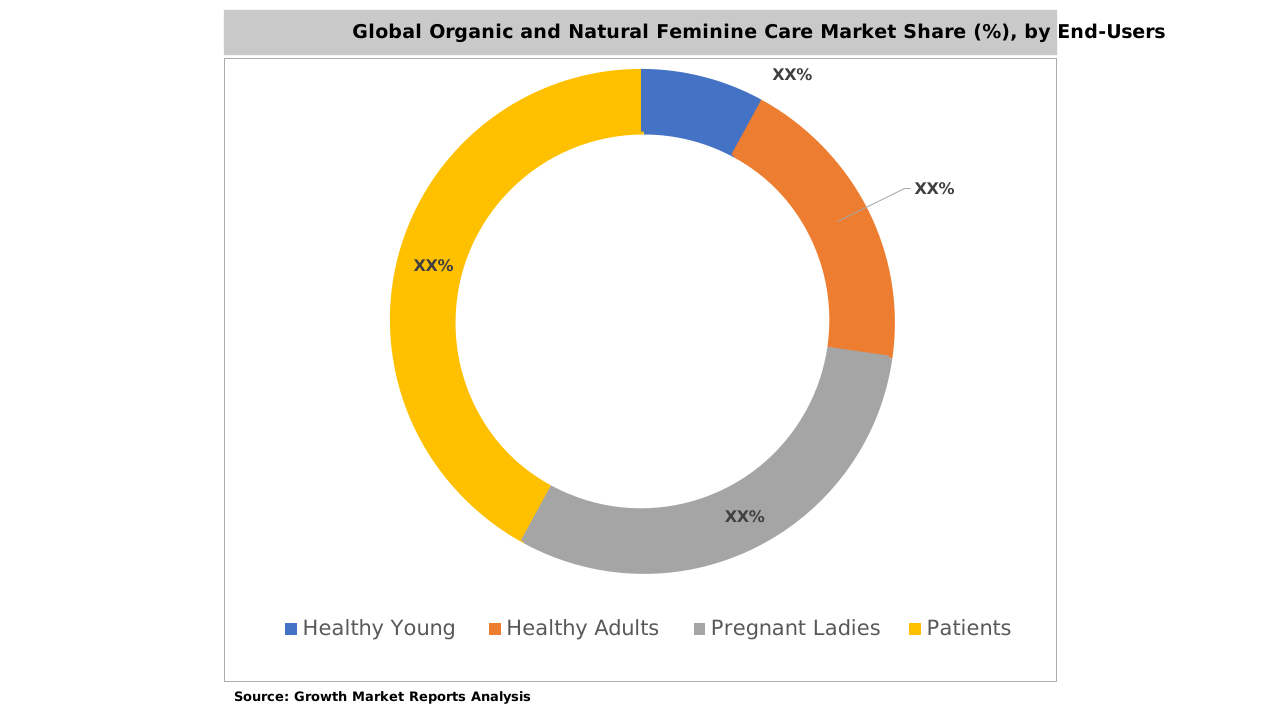
The end-user segment of the organic and natural feminine care market is broadly categorized into teenagers and adults, each with distinct preferences and requirements. Teenagers represent a growing demographic, with increasing awareness about menstrual health and hygiene being driven by educational initiatives in schools and communities. Brands are tailoring their marketing strategies to appeal to younger consumers, offering products that are gentle on sensitive skin, free from harmful chemicals, and available in appealing packaging. The emphasis on comfort, safety, and ease of use is critical in capturing the loyalty of teenage consumers, who are likely to remain loyal to brands they trust as they transition into adulthood.
Adults constitute the largest end-user segment, accounting for the majority of sales in the organic and natural feminine care market. This group is characterized by a strong preference for high-performance products that offer reliable protection, comfort, and discretion. Health-conscious adults are increasingly scrutinizing product labels and seeking out organic and natural alternatives that align with their values and lifestyle choices. The demand for sustainable and environmentally friendly products is particularly pronounced among adult consumers, who are often willing to pay a premium for products that deliver both health and environmental benefits.
The needs of end-users in the organic and natural feminine care market are also evolving in response to changing lifestyles and societal norms. The growing acceptance of reusable products such as menstrual cups and cloth pads among both teenagers and adults is indicative of shifting attitudes toward menstrual hygiene. Educational campaigns and influencer partnerships are playing a crucial role in normalizing the use of alternative products and breaking down taboos surrounding menstruation. This cultural shift is expanding the addressable market and creating new opportunities for brands to innovate and differentiate their offerings.
Personalization and inclusivity are emerging as important trends in the end-user segment, with brands developing products that cater to diverse needs, preferences, and body types. The availability of a wide range of sizes, absorbencies, and formulations is enabling consumers to find products that best suit their individual requirements. As the market continues to evolve, the focus on user-centric design and product customization is expected to drive higher satisfaction and long-term loyalty among both teenage and adult consumers.
The organic and natural feminine care market presents significant opportunities for growth, particularly in emerging markets where awareness and adoption rates are still relatively low. As education and advocacy efforts intensify, there is considerable potential to expand the consumer base and drive market penetration in regions such as Asia Pacific, Latin America, and the Middle East. Partnerships with local organizations, non-profits, and government agencies can help overcome cultural barriers and facilitate access to high-quality, affordable products. Additionally, the development of innovative products that address specific needs, such as ultra-thin pads, overnight protection, or travel-friendly options, can open up new revenue streams and enhance brand differentiation.
Technological advancements and material innovations represent another major opportunity for the organic and natural feminine care market. The integration of smart technologies, such as period tracking apps and connected devices, can enhance the user experience and provide valuable insights into menstrual health. Brands that invest in research and development to create high-performance, eco-friendly products with superior comfort, absorbency, and leak protection are well-positioned to capture market share. Furthermore, the growing popularity of direct-to-consumer sales models and subscription services offers opportunities to build strong customer relationships and generate recurring revenue.
Despite the promising growth prospects, the organic and natural feminine care market faces several restraining factors. High product costs relative to conventional alternatives remain a significant barrier to widespread adoption, particularly in price-sensitive markets. The limited availability of raw materials, coupled with the need for certification and compliance with stringent regulatory standards, can contribute to higher production costs. Additionally, cultural taboos and misinformation about menstruation in certain regions may hinder market growth. Addressing these challenges will require ongoing investment in education, supply chain optimization, and product affordability.
Regionally, North America is the leading market for organic and natural feminine care products, accounting for approximately 36% of global revenue in 2024. The market in this region is characterized by high consumer awareness, strong purchasing power, and a well-established retail infrastructure. The United States and Canada are at the forefront of product innovation, with consumers increasingly seeking out organic and sustainable options. The presence of major brands and a robust e-commerce ecosystem further support market growth. The North American market is expected to maintain a steady CAGR of 7.5% through 2033, driven by ongoing product innovation and increasing environmental consciousness.
Europe is the second-largest market, with a share of approximately 28% in 2024. The region benefits from supportive regulatory frameworks, strong consumer demand for organic products, and a growing focus on sustainability. Countries such as Germany, the United Kingdom, and France are leading the adoption of organic and natural feminine care products, supported by active government initiatives and public awareness campaigns. The European market is characterized by a high degree of product differentiation and a strong presence of specialty retailers and pharmacies. With a projected CAGR of 8.0%, Europe is expected to remain a key growth engine for the global market.
The Asia Pacific region is emerging as a high-growth market, with a market share of around 21% in 2024. Rapid urbanization, rising disposable incomes, and increasing awareness about menstrual health are driving demand for organic and natural feminine care products in countries such as China, India, and Japan. While cultural taboos and limited access remain challenges in some areas, ongoing education and advocacy efforts are helping to break down barriers and expand market access. The Asia Pacific market is expected to register the highest CAGR of 10.2% over the forecast period, reflecting its significant growth potential.
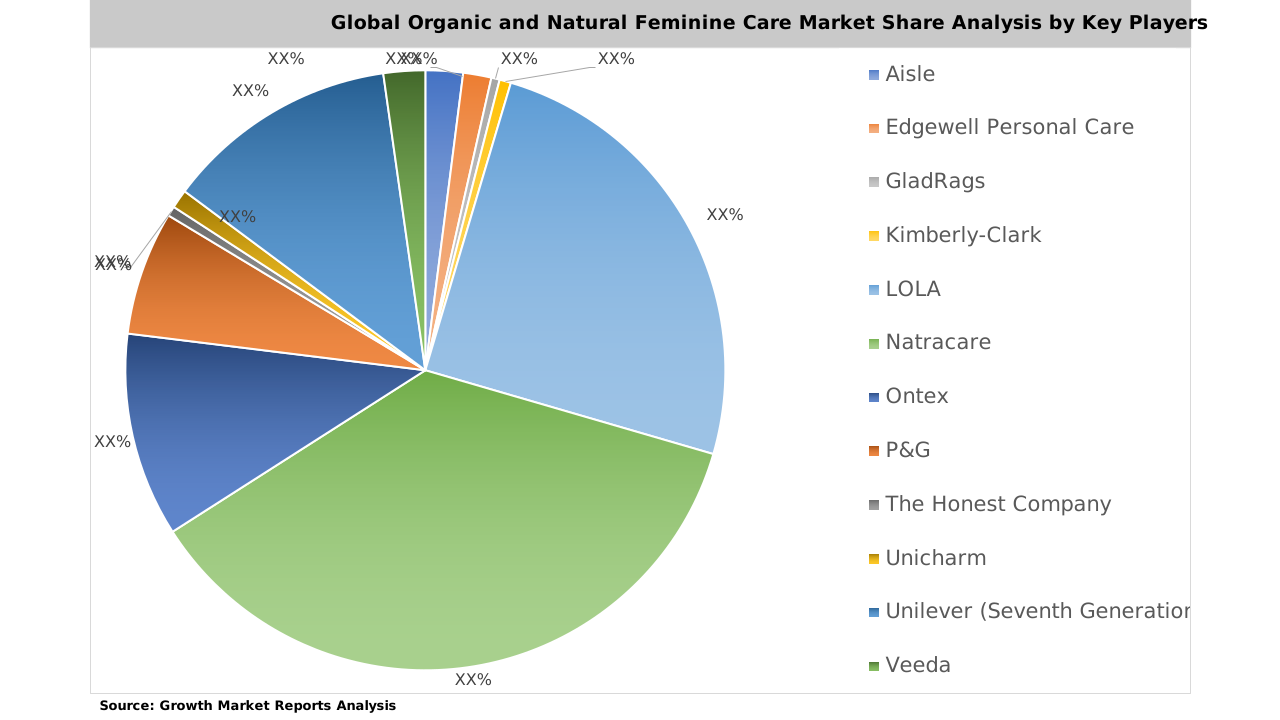
The competitive landscape of the organic and natural feminine care market is dynamic and evolving, with a mix of established multinational corporations and innovative startups vying for market share. Leading players are focusing on product innovation, sustainability, and transparency to differentiate themselves and capture the loyalty of health-conscious consumers. The market is characterized by intense competition, with companies investing heavily in research and development to create high-performance products that meet the evolving needs of consumers. Strategic partnerships, mergers and acquisitions, and expansion into new markets are common strategies employed by key players to strengthen their market position.
Brand reputation and consumer trust are critical success factors in the organic and natural feminine care market. Companies that prioritize transparency in ingredient sourcing, manufacturing processes, and product labeling are gaining a competitive edge. Certifications such as GOTS, USDA Organic, and Fair Trade are increasingly important to consumers and serve as a mark of quality and authenticity. In addition to product quality, effective marketing and educational campaigns play a vital role in building brand awareness and driving adoption, particularly in emerging markets where awareness of organic products is still developing.
The rise of direct-to-consumer brands and subscription-based models is reshaping the competitive landscape, enabling companies to build closer relationships with their customers and gather valuable insights into consumer preferences. These models offer convenience, personalization, and cost savings, which are highly valued by modern consumers. Digital marketing and social media engagement are also playing an increasingly important role in brand building and customer acquisition, particularly among younger demographics who are active online.
Some of the major companies operating in the organic and natural feminine care market include Procter & Gamble (Seventh Generation), Kimberly-Clark (Natracare), Unicharm Corporation, Edgewell Personal Care (o.b., Playtex), Ontex Group, The Honest Company, Rael, L., and Organyc. Procter & Gamble and Kimberly-Clark have leveraged their extensive distribution networks and brand recognition to expand their organic product lines and reach a broader audience. Startups such as Rael and The Honest Company have differentiated themselves through direct-to-consumer models, innovative product offerings, and strong sustainability commitments. Natracare and Organyc are recognized for their pioneering work in organic and natural feminine care, with a focus on transparency, ethical sourcing, and environmental stewardship. As competition intensifies, companies are expected to continue investing in product innovation, sustainability, and consumer education to sustain growth and capture new market opportunities.
The Organic and Natural Feminine Care market has been segmented on the basis of
Key players in the global organic and natural feminine care Market include Edgewell Personal Care Co.; First Quality Enterprises Inc.; Kimberly-Clark Corp.; COTTON HIGH TECH SL; Unilever Group; The Procter & Gamble Co.; Ontex Group NV; Torunskie Zaklady Materialow Opatrunkowych SA (TZMO); Unicharm Corp.; and Wet & Dry Personal Care Pvt. Ltd; The Honest Company; and Bella Flor.
Yes, the report offers customization options to meet specific research or business needs.
Trends include increased focus on sustainability, product innovation, transparency in sourcing and labeling, personalization, inclusivity, and the adoption of reusable products like menstrual cups.
Key companies include Procter & Gamble (Always, Tampax), Kimberly-Clark (Kotex, Intimus), Unicharm Corporation, Edgewell Personal Care (Playtex, o.b.), Natracare, The Honest Company, Rael, Organyc, and others.
Challenges include higher product costs compared to conventional products, limited raw material availability, regulatory compliance, and cultural taboos or misinformation in certain regions.
Sales are growing through supermarkets/hypermarkets, online stores, pharmacies, and specialty stores. Online channels and subscription models are becoming increasingly popular, especially among younger consumers.
North America leads the market, followed by Europe and the Asia Pacific region. North America accounts for about 36% of global revenue, with strong growth also seen in Europe and APAC.
Common materials include organic cotton, bamboo, hemp, natural rubber, plant-based bioplastics, and biodegradable polymers, all chosen for their safety and environmental benefits.
The market covers sanitary pads, tampons, panty liners, menstrual cups, wipes, and other related products, with sanitary pads holding the largest market share.
Key growth drivers include rising consumer awareness about health and environmental impacts of conventional products, increasing demand for organic materials, sustainability concerns, and the expansion of online and offline distribution channels.
As of 2024, the global organic and natural feminine care market is valued at USD 2.57 billion, with projections to reach USD 5.15 billion by 2033.