Segments - by Product Type (Foundation, Lip Products, Eye Products, Face Products, Others), by Ingredient (Organic, Vegan, Mineral-based, Others), by Distribution Channel (Online Stores, Supermarkets/Hypermarkets, Specialty Stores, Others), by End-User (Women, Men, Unisex)
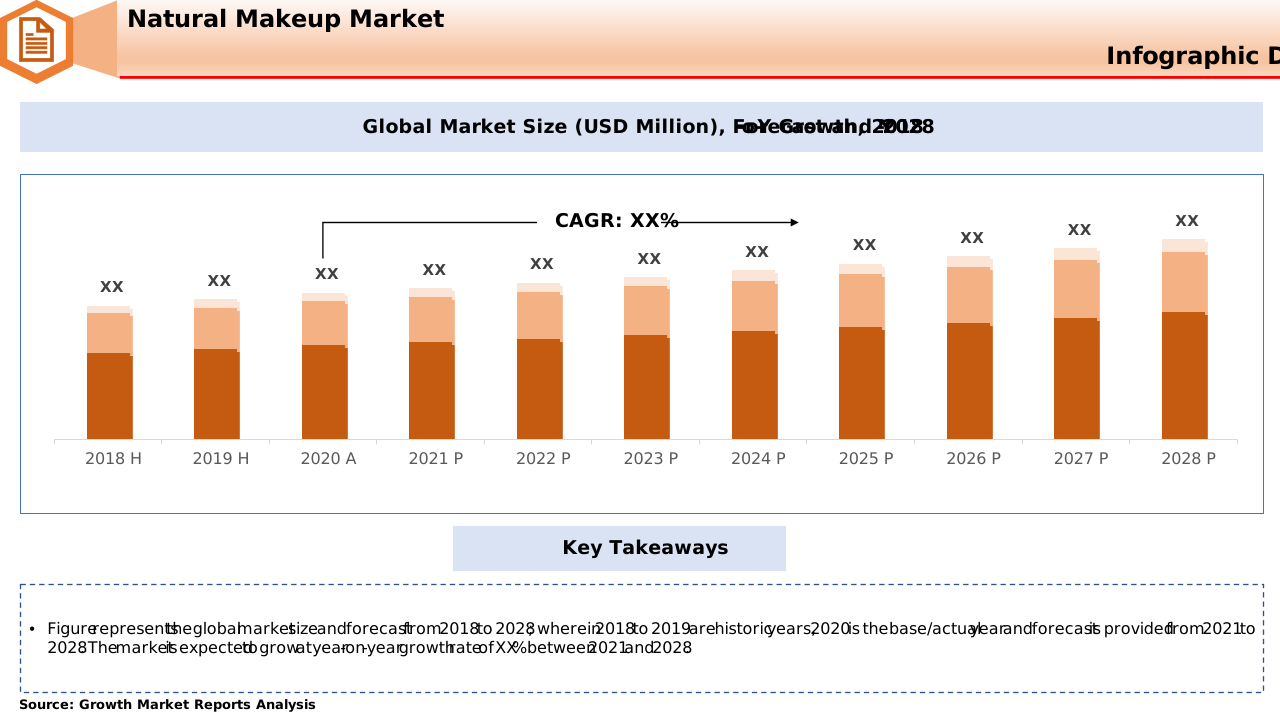
According to our latest research, the global natural makeup market size reached a valuation of USD 7.4 billion in 2024, reflecting robust interest and consumer shift towards cleaner beauty alternatives. The market is expected to grow at a CAGR of 8.2% from 2025 to 2033, with the forecasted market size projected to reach USD 13.8 billion by 2033. This growth is primarily driven by increasing health consciousness, rising awareness about the harmful effects of synthetic ingredients, and a strong preference for sustainable and eco-friendly beauty products. As per our latest research, the natural makeup market is witnessing a surge in innovation and product development, with brands focusing on transparency, ethical sourcing, and enhanced performance of natural formulations.
One of the key growth factors propelling the natural makeup market is the heightened consumer awareness regarding the potential health risks associated with conventional cosmetic products. Consumers are increasingly scrutinizing product labels for chemical additives, parabens, phthalates, and synthetic fragrances, which are often linked to skin irritations and long-term health concerns. This shift has led to a surge in demand for natural makeup products that boast clean ingredient lists, transparency in sourcing, and cruelty-free certifications. The rise of social media influencers and beauty bloggers advocating for natural beauty alternatives has further accelerated this trend, making natural makeup a mainstream choice among millennials and Gen Z consumers. Additionally, the proliferation of educational content about the environmental impact of traditional cosmetics has strengthened the consumer resolve to opt for greener, safer alternatives.
Another significant driver for the natural makeup market is the growing emphasis on sustainability and ethical production practices. Modern consumers are not only concerned about what goes on their skin but also about the broader impact of their purchasing decisions on the planet. This has prompted leading brands to innovate with biodegradable packaging, refillable containers, and eco-friendly shipping practices. The demand for certifications such as USDA Organic, Ecocert, and Vegan Society has surged, compelling manufacturers to adhere to strict standards and transparency in their supply chains. Moreover, the integration of advanced extraction technologies and green chemistry has enabled the development of high-performance natural makeup products that rival their synthetic counterparts in terms of pigmentation, longevity, and texture, thus broadening their appeal to a wider audience.
In recent years, the demand for Natural Skin Care Products has seen a significant rise, as consumers increasingly prioritize products that are gentle on the skin and free from harmful chemicals. These products, often formulated with plant-based ingredients, are not only beneficial for maintaining skin health but also align with the growing consumer preference for sustainable and eco-friendly beauty solutions. The emphasis on natural ingredients is driven by the awareness of the long-term benefits they offer, such as reduced risk of irritation and enhanced skin vitality. As a result, many brands are expanding their offerings to include a wider range of natural skincare products, catering to diverse skin types and concerns. This trend is further supported by the increasing availability of information on the benefits of natural skincare, encouraging consumers to make informed choices that reflect their values and lifestyle preferences.
The natural makeup market is also benefiting from a broader cultural and regulatory shift towards clean beauty. Governments in regions such as North America and Europe are implementing stricter regulations on cosmetic ingredients, pushing manufacturers to reformulate their products using safer, naturally derived ingredients. This regulatory environment, combined with the rising disposable income in emerging economies, has facilitated the entry of new market players and the expansion of existing brands into untapped markets. Furthermore, the increasing number of product launches, celebrity endorsements, and collaborations with dermatologists and skincare experts have contributed to the mainstream acceptance and growth of natural makeup products across various demographics.
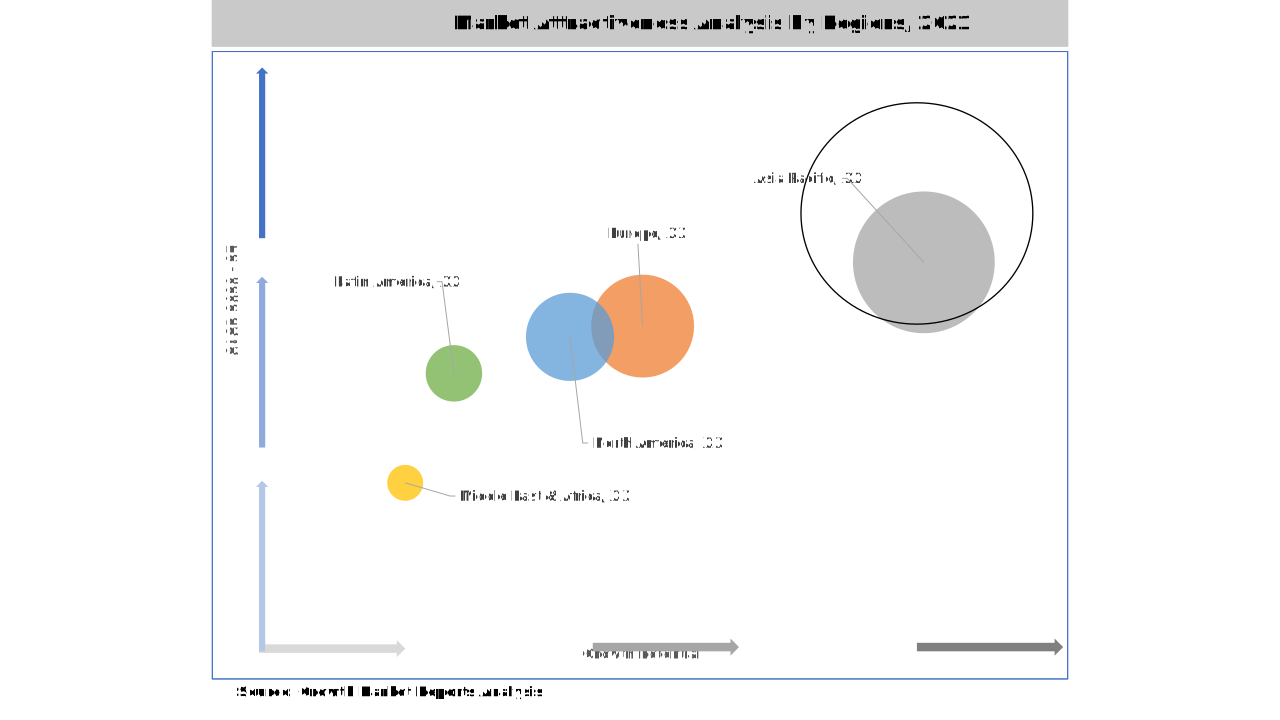
From a regional perspective, North America currently dominates the natural makeup market, accounting for the largest share in 2024, followed closely by Europe and Asia Pacific. The United States, in particular, is witnessing rapid adoption due to a mature beauty industry, high consumer awareness, and a strong retail presence of both established and indie natural makeup brands. EuropeÂ’s growth is fueled by stringent regulatory standards and a deeply ingrained culture of sustainable living, while Asia Pacific is emerging as a lucrative market due to rising urbanization, increasing disposable income, and the growing influence of K-beauty and J-beauty trends. Latin America and the Middle East & Africa are also showing promising growth, albeit from a smaller base, as awareness and availability of natural makeup products continue to expand.
The natural makeup market is segmented by product type, including foundation, lip products, eye products, face products, and others. Among these, foundation remains one of the most sought-after categories, as consumers increasingly seek complexion products that provide coverage without compromising skin health. Natural foundations, formulated with plant-based pigments and nourishing oils, have gained traction for their ability to deliver a flawless finish while supporting skin barrier function. The demand for lightweight, breathable, and non-comedogenic formulas is particularly high among consumers with sensitive or acne-prone skin, driving innovation in this segment. Brands are investing in research to develop inclusive shade ranges that cater to diverse skin tones, further expanding the appeal of natural foundations.
Lip products represent another significant segment within the natural makeup market, with consumers gravitating towards lipsticks, glosses, and balms made from organic butters, waxes, and plant-derived pigments. The avoidance of synthetic dyes and fragrances is a major selling point, especially for consumers prone to allergies or those seeking to minimize their exposure to potentially harmful ingredients. Natural lip products are increasingly formulated with added skincare benefits, such as hydration and antioxidant protection, making them multifunctional and highly desirable. The rise of tinted lip balms and sheer lipsticks aligns with the broader “no-makeup makeup” trend, which emphasizes a natural, effortless look.
The introduction of a Blockchain Clean Beauty Ingredient Ledger represents a groundbreaking advancement in the beauty industry, offering unparalleled transparency and traceability in ingredient sourcing. This innovative technology allows consumers to verify the authenticity and sustainability of the ingredients used in their beauty products, fostering trust and confidence in brand commitments to clean beauty principles. By leveraging blockchain technology, brands can provide a secure and immutable record of ingredient origins, ensuring that ethical sourcing practices are upheld throughout the supply chain. This not only enhances consumer trust but also empowers brands to differentiate themselves in a competitive market by demonstrating a commitment to transparency and sustainability. As the clean beauty movement continues to gain momentum, the adoption of blockchain technology is poised to become a key driver of innovation and consumer engagement in the industry.
Eye products, including mascaras, eyeliners, and eyeshadows, have seen remarkable growth within the natural makeup market. The sensitive nature of the eye area makes consumers particularly cautious about ingredient safety, leading to a preference for products free from parabens, talc, and synthetic colorants. Natural eye makeup formulations now incorporate plant extracts, mineral pigments, and nourishing oils that not only enhance appearance but also support lash and brow health. The innovation in waterproof and smudge-proof natural mascaras has addressed previous performance concerns, making this segment increasingly competitive with conventional offerings.
Face products such as blushes, bronzers, and highlighters are also gaining momentum as consumers seek to complete their makeup routines with clean alternatives. These products are typically formulated with mineral pigments, botanical extracts, and natural emollients that provide buildable color and a healthy glow. The demand for multi-use face products that can be used on cheeks, eyes, and lips is rising, reflecting consumer preference for simplicity and versatility in their beauty routines. Other product types, including setting sprays, primers, and makeup removers, are also being developed with natural formulations, rounding out the comprehensive offerings in the natural makeup market.
| Attributes | Details |
| Report Title | Natural Makeup Market Research Report 2033 |
| By Product Type | Foundation, Lip Products, Eye Products, Face Products, Others |
| By Ingredient | Organic, Vegan, Mineral-based, Others |
| By Distribution Channel | Online Stores, Supermarkets/Hypermarkets, Specialty Stores, Others |
| By End-User | Women, Men, Unisex |
| Regions Covered | North America, Europe, APAC, Latin America, MEA |
| Base Year | 2024 |
| Historic Data | 2018-2023 |
| Forecast Period | 2025-2033 |
| Number of Pages | 295 |
| Number of Tables & Figures | 252 |
| Customization Available | Yes, the report can be customized as per your need. |
The ingredient segmentation of the natural makeup market includes organic, vegan, mineral-based, and other categories. Organic ingredients are a cornerstone of the natural makeup movement, with consumers increasingly prioritizing products that are free from pesticides, synthetic fertilizers, and genetically modified organisms. Certified organic makeup products appeal to environmentally conscious consumers who value transparency and traceability in sourcing. The demand for organic ingredients has spurred brands to establish direct relationships with farmers and invest in sustainable agriculture practices, ensuring a steady supply of high-quality raw materials.
Vegan makeup products, which exclude all animal-derived ingredients and by-products, have seen exponential growth as ethical consumerism gains momentum. The rise of veganism and cruelty-free lifestyles has led to a proliferation of makeup products formulated with plant-based waxes, oils, and pigments. Vegan certifications and third-party endorsements are increasingly sought after by brands to build trust and credibility with discerning consumers. The vegan segment is particularly popular among younger demographics, who are more likely to align their purchasing decisions with their values and advocate for animal welfare.
Mineral-based ingredients, including mica, titanium dioxide, and zinc oxide, are favored for their natural origin, skin-friendly properties, and ability to provide sun protection. Mineral makeup is prized for its lightweight texture, breathability, and suitability for sensitive skin, making it a preferred choice for consumers with allergies or skin conditions such as rosacea and eczema. The natural makeup market has witnessed a surge in mineral-based foundations, powders, and eyeshadows that offer buildable coverage and a luminous finish without clogging pores or causing irritation. The transparency of ingredient lists and the absence of fillers or synthetic binders further enhance the appeal of mineral-based products.
Other ingredient categories in the natural makeup market include botanicals, herbal extracts, and naturally derived colorants. Brands are leveraging the benefits of superfoods, adaptogens, and antioxidant-rich plant extracts to create makeup products that nourish and protect the skin. The use of naturally derived colorants, such as beetroot, turmeric, and spirulina, enables brands to offer vibrant hues without the use of synthetic dyes. As consumers become more ingredient-savvy, brands are investing in education and transparent communication to highlight the functional and therapeutic benefits of their natural formulations.
The natural makeup market is segmented by distribution channel into online stores, supermarkets/hypermarkets, specialty stores, and others. Online stores have emerged as a dominant channel, driven by the convenience of e-commerce, the ability to access a wide range of brands, and the proliferation of direct-to-consumer business models. Digital platforms enable brands to engage with consumers through personalized recommendations, virtual try-ons, and educational content, fostering brand loyalty and repeat purchases. The COVID-19 pandemic accelerated the shift to online shopping, with consumers increasingly relying on digital channels for their beauty needs. Brands are leveraging social media, influencer collaborations, and subscription services to enhance the online shopping experience and reach a global audience.
Supermarkets and hypermarkets remain important distribution channels for natural makeup, particularly in regions with well-established retail infrastructure. These outlets offer consumers the convenience of one-stop shopping and the opportunity to discover new products through in-store promotions and sampling. The expansion of natural makeup sections in mainstream retail chains reflects the growing demand for clean beauty options among mass-market consumers. Retailers are partnering with natural makeup brands to curate exclusive collections and provide educational resources, further driving category growth.
Specialty stores, including health food stores, organic boutiques, and dedicated beauty retailers, play a crucial role in the natural makeup market by offering curated selections, expert guidance, and personalized service. These outlets cater to discerning consumers seeking niche brands, unique formulations, and in-depth product knowledge. The experiential nature of specialty stores, combined with their emphasis on education and community engagement, fosters trust and loyalty among consumers. Many specialty retailers also offer workshops, events, and consultations to help consumers make informed choices and build customized beauty routines.
Other distribution channels, such as pop-up shops, beauty subscription boxes, and wellness events, are gaining traction as brands seek innovative ways to engage with consumers and build brand awareness. Pop-up shops and brand activations provide immersive experiences that allow consumers to test products, interact with brand representatives, and learn about ingredient sourcing and formulation processes. Subscription boxes offer a convenient way for consumers to discover new products and brands, driving trial and adoption of natural makeup. As the market continues to evolve, brands are expected to adopt omnichannel strategies that seamlessly integrate online and offline touchpoints to deliver a cohesive and personalized consumer experience.
The natural makeup market caters to a diverse range of end-users, including women, men, and unisex consumers. Women remain the primary consumers of natural makeup, driven by increasing awareness of ingredient safety, skin health, and the desire for multifunctional products that enhance natural beauty. The rise of the “clean beauty” movement has empowered women to demand greater transparency from brands and seek out products that align with their values and lifestyle preferences. Brands are responding by developing inclusive shade ranges, versatile formulations, and targeted solutions for different skin types and concerns, ensuring broad appeal across age groups and ethnicities.
Men represent a rapidly growing segment within the natural makeup market, as traditional gender norms around beauty and grooming continue to evolve. The increasing acceptance of makeup and skincare among men has created opportunities for brands to develop gender-neutral and male-specific products that address common concerns such as blemishes, uneven skin tone, and under-eye circles. Natural makeup products formulated for men often emphasize ease of use, subtle enhancement, and skin benefits, catering to the unique needs and preferences of male consumers. The influence of male beauty influencers and celebrities has played a pivotal role in normalizing makeup use among men, further driving market growth.
Unisex products are gaining popularity as consumers seek simplicity, convenience, and inclusivity in their beauty routines. The trend towards gender-neutral branding and product development reflects a broader cultural shift towards diversity and acceptance. Unisex natural makeup products are designed to be universally flattering and suitable for all skin types, making them an attractive option for couples, families, and individuals who prefer minimalist routines. Brands are leveraging inclusive marketing campaigns and diverse representation in advertising to resonate with a wider audience and foster a sense of community and belonging.
The evolving preferences of end-users are shaping product innovation and marketing strategies in the natural makeup market. Brands are investing in research to understand the unique needs of different consumer segments and develop tailored solutions that deliver both aesthetic and functional benefits. The emphasis on customization, personalization, and experiential retail is expected to drive continued growth and differentiation in the natural makeup market, as brands strive to meet the diverse and evolving needs of their global consumer base.
The natural makeup market presents significant opportunities for growth and innovation, particularly as consumer demand for clean, sustainable, and ethical beauty products continues to rise. One of the most promising opportunities lies in the development of advanced formulations that combine natural ingredients with cutting-edge technology to deliver superior performance and sensory appeal. Brands that invest in research and development to create high-pigment, long-wearing, and multifunctional natural makeup products are well-positioned to capture market share from conventional brands. Additionally, the expansion into emerging markets, where awareness of natural beauty is growing and disposable incomes are rising, offers lucrative prospects for both established and new entrants. Collaborations with influencers, dermatologists, and sustainability advocates can further enhance brand credibility and reach, driving consumer adoption and loyalty.
Another key opportunity lies in the integration of sustainability and circular economy principles across the value chain. Consumers are increasingly seeking brands that demonstrate a commitment to environmental stewardship, from ethical sourcing of raw materials to eco-friendly packaging and responsible disposal. Companies that adopt transparent supply chains, invest in renewable energy, and implement waste reduction initiatives can differentiate themselves in a crowded market and build long-term trust with consumers. The rise of refillable, reusable, and compostable packaging solutions presents additional avenues for innovation and brand differentiation. Furthermore, the growing interest in personalized beauty solutions, powered by artificial intelligence and data analytics, enables brands to offer tailored recommendations and customized products that meet the unique needs of individual consumers.
Despite the numerous opportunities, the natural makeup market also faces several restraining factors that could hinder its growth trajectory. One of the primary challenges is the higher cost of natural and organic ingredients, which often translates into premium pricing for end consumers. This can limit accessibility and adoption among price-sensitive segments, particularly in developing regions. Additionally, the complexity of formulating high-performance natural makeup products that meet consumer expectations for color payoff, longevity, and texture remains a significant barrier. Regulatory uncertainties, supply chain disruptions, and the risk of greenwashing—where brands make misleading claims about the naturalness or sustainability of their products—can erode consumer trust and impede market growth. Addressing these challenges requires ongoing investment in research, education, and transparent communication to ensure that natural makeup products deliver both efficacy and integrity.
North America leads the global natural makeup market, with the region accounting for approximately USD 2.8 billion in 2024. The United States is the primary contributor, driven by a mature beauty industry, high consumer awareness, and a strong presence of both legacy and indie natural makeup brands. The proliferation of clean beauty retailers, robust e-commerce infrastructure, and a culture of health and wellness have fueled rapid adoption of natural makeup products across diverse demographics. Canada is also experiencing steady growth, supported by favorable regulatory frameworks and increasing consumer demand for environmentally responsible beauty solutions.
Europe holds the second-largest share of the natural makeup market, with a market size of around USD 2.2 billion in 2024. The regionÂ’s growth is underpinned by stringent regulations on cosmetic ingredients, a well-established culture of sustainability, and high consumer expectations for quality and transparency. Countries such as Germany, the United Kingdom, and France are at the forefront of the natural beauty movement, with a thriving ecosystem of local brands, specialty retailers, and eco-conscious consumers. The European market is expected to grow at a CAGR of 7.9% through 2033, driven by ongoing innovation, regulatory support, and increasing adoption among younger consumers.
Asia Pacific is emerging as a high-growth region, with the market valued at USD 1.6 billion in 2024 and projected to experience the fastest CAGR of 9.4% over the forecast period. The regionÂ’s growth is fueled by rising urbanization, increasing disposable incomes, and the influence of K-beauty and J-beauty trends that emphasize natural ingredients and holistic wellness. China, Japan, South Korea, and India are key markets, with a growing middle class and expanding retail infrastructure. Latin America and the Middle East & Africa collectively accounted for approximately USD 0.8 billion in 2024, with both regions showing promising growth as awareness and availability of natural makeup products continue to expand. Local brands and international players are investing in education, distribution, and tailored formulations to capture the unique preferences of consumers in these regions.
The competitive landscape of the natural makeup market is characterized by a dynamic mix of established multinational corporations, innovative indie brands, and emerging startups. Leading beauty conglomerates are increasingly investing in the natural makeup segment through acquisitions, partnerships, and the launch of dedicated clean beauty lines. These companies leverage their extensive resources, research and development capabilities, and global distribution networks to drive product innovation and expand market reach. At the same time, indie brands are gaining traction by offering unique value propositions, such as hyper-local sourcing, small-batch production, and direct-to-consumer business models that foster authenticity and community engagement.
Product differentiation and brand positioning are critical success factors in the natural makeup market, as consumers seek transparency, efficacy, and alignment with their values. Companies are investing in storytelling, ingredient education, and third-party certifications to build trust and credibility. The rise of social media and digital marketing has democratized brand building, enabling smaller players to compete effectively with industry giants by cultivating loyal communities of engaged consumers. Collaboration with influencers, beauty experts, and sustainability advocates has become a key strategy for driving awareness, trial, and adoption of natural makeup products.
Innovation remains at the forefront of competitive strategy, with brands continuously developing new formulations, textures, and delivery systems to meet evolving consumer preferences. The integration of advanced extraction technologies, green chemistry, and biotechnology has enabled the creation of high-performance natural makeup products that rival traditional cosmetics in terms of color payoff, longevity, and sensory experience. Companies are also focusing on inclusive shade ranges, multifunctional products, and personalized solutions to cater to the diverse needs of global consumers. Sustainability initiatives, such as biodegradable packaging, refillable containers, and carbon-neutral operations, are increasingly important differentiators in a crowded market.
Some of the major companies operating in the global natural makeup market include BurtÂ’s Bees, RMS Beauty, ILIA Beauty, 100% Pure, Alima Pure, Juice Beauty, bareMinerals, W3LL PEOPLE, Tata Harper, and Kjaer Weis. BurtÂ’s Bees, a subsidiary of Clorox, is renowned for its commitment to natural ingredients and sustainability, offering a wide range of makeup and skincare products that are free from harmful chemicals. RMS Beauty has built a loyal following with its minimalist, organic formulations and emphasis on skin health. ILIA Beauty is recognized for its innovative hybrid products that combine skincare and makeup benefits, while 100% Pure focuses on fruit-pigmented cosmetics with a strong emphasis on transparency and ethical sourcing.
Alima Pure and bareMinerals are leaders in the mineral makeup segment, offering high-performance products that cater to sensitive skin and wellness-focused consumers. Juice Beauty differentiates itself through its use of organic botanical juices and clinically validated formulations, while W3LL PEOPLE is known for its clean, plant-powered makeup that delivers professional results. Tata Harper and Kjaer Weis occupy the luxury end of the market, with a focus on artisanal craftsmanship, premium ingredients, and sustainable packaging. These companies, along with a growing number of indie brands and new entrants, are shaping the future of the natural makeup market through relentless innovation, consumer-centric strategies, and a steadfast commitment to clean beauty principles.
The Natural Makeup market has been segmented on the basis of
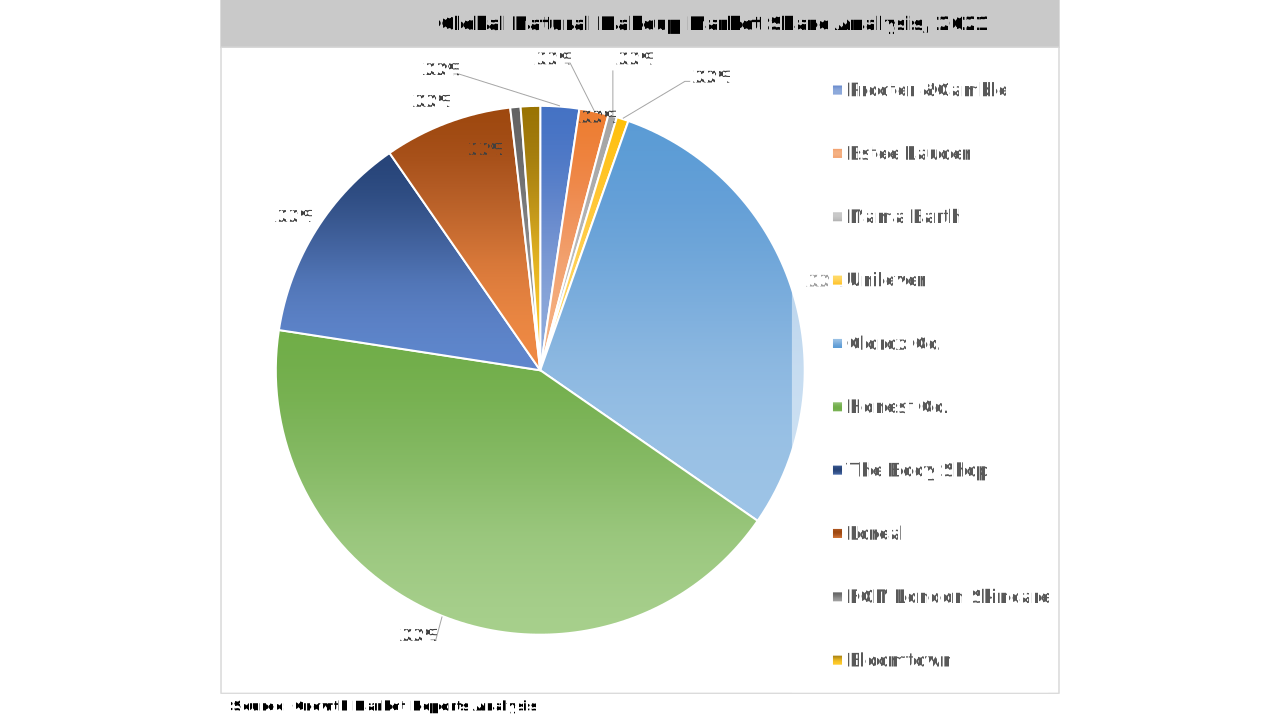
The major players in the market are Procter &Gamble, Estee Lauder, Mama Earth, Unilever, Clorox Co., Honest Co., The Body Shop, Loreal, FOM London Skincare, and Bloomtown.
Companies are engaging in partnerships, collaborations, and expanding their product offerings to expand their market share. In January 2020, Pure Nutrition launched a range of natural cosmetics range in the India’s beauty market.
Trends include innovation in high-performance natural formulations, sustainable packaging, personalized beauty solutions, inclusive shade ranges, and increased transparency in ingredient sourcing.
Major companies include Burt’s Bees, RMS Beauty, ILIA Beauty, 100% Pure, Alima Pure, Juice Beauty, bareMinerals, W3LL PEOPLE, Tata Harper, Kjaer Weis, and others like L'Oréal, Estée Lauder, and Shiseido.
Challenges include higher costs of natural ingredients, premium pricing, formulating high-performance products, regulatory uncertainties, supply chain disruptions, and the risk of greenwashing.
Women are the primary consumers, but there is growing demand among men and for unisex products, reflecting broader trends toward inclusivity and gender-neutral beauty.
Natural makeup is sold through online stores, supermarkets/hypermarkets, specialty stores, and other channels such as pop-up shops and beauty subscription boxes.
Popular ingredients include organic, vegan, and mineral-based components, as well as botanicals, herbal extracts, and naturally derived colorants like beetroot and turmeric.
The market includes foundation, lip products, eye products, face products (such as blush, bronzer, and highlighter), and other items like setting sprays and makeup removers.
North America leads the market, followed by Europe and Asia Pacific. The US is the largest contributor, with rapid growth also seen in China, Japan, South Korea, and India.
Key growth drivers include increasing health consciousness, awareness of the harmful effects of synthetic ingredients, demand for sustainable and eco-friendly products, and regulatory support for clean beauty.
As of 2024, the global natural makeup market is valued at USD 7.4 billion, with projections to reach USD 13.8 billion by 2033.