Segments - by Drug Class (Corticosteroids, Immunoglobulins, Thrombopoietin Receptor Agonists, Immunosuppressants, Others), by Route Of Administration (Oral, Injectable, Others), by Distribution Channel (Hospital Pharmacies, Retail Pharmacies, Online Pharmacies, Others), by Patient Type (Adults, Pediatrics)
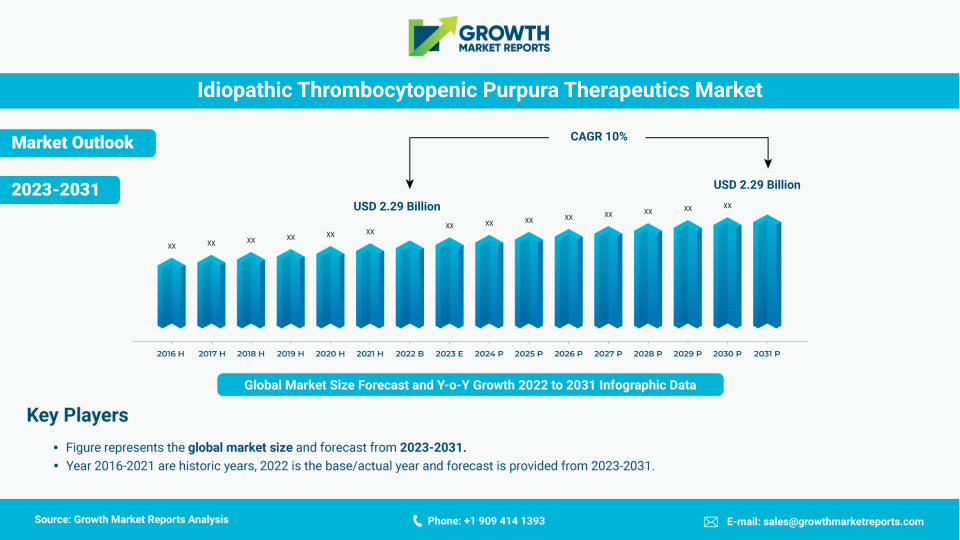
According to our latest research, the global Idiopathic Thrombocytopenic Purpura (ITP) Therapeutics market size reached USD 2.14 billion in 2024, with a compound annual growth rate (CAGR) of 5.7% projected through 2033. By 2033, the market is expected to attain a value of USD 3.67 billion, driven primarily by advancements in drug development, increasing awareness among healthcare professionals and patients, and the rising incidence of autoimmune disorders worldwide. As per the latest research, the market's robust expansion is underpinned by the growing adoption of novel therapeutics and the introduction of innovative treatment modalities targeting both newly diagnosed and chronic ITP cases.
One of the primary growth factors for the Idiopathic Thrombocytopenic Purpura Therapeutics market is the continual advancement in pharmaceutical research and development. The emergence of targeted therapies, such as thrombopoietin receptor agonists and next-generation immunosuppressants, has significantly improved patient outcomes, especially for those resistant to traditional corticosteroid treatments. These novel agents not only enhance platelet counts but also offer favorable safety profiles, reducing the risk of long-term adverse effects often associated with older therapeutic options. Moreover, the approval of new drugs by regulatory authorities across major markets has accelerated the adoption of advanced ITP therapies, thereby fueling market growth.
Another pivotal factor propelling the market expansion is the increasing awareness and early diagnosis of ITP, particularly in developed regions. Enhanced screening programs, improved diagnostic tools, and educational initiatives by healthcare organizations have led to a higher detection rate of ITP cases, both in adult and pediatric populations. Furthermore, patient advocacy groups and support networks have played a crucial role in disseminating information about available treatment options, empowering patients to seek timely medical intervention. This heightened awareness has not only boosted the demand for ITP therapeutics but has also encouraged pharmaceutical companies to invest in the development of more effective and patient-friendly therapies.
The rising prevalence of autoimmune and hematological disorders globally is another significant driver for the Idiopathic Thrombocytopenic Purpura Therapeutics market. Epidemiological studies indicate a steady increase in the incidence of ITP, particularly in aging populations and regions with improved healthcare infrastructure. Additionally, the growing adoption of combination therapies and personalized medicine approaches has further expanded the therapeutic landscape for ITP, allowing clinicians to tailor treatments based on individual patient profiles. The integration of advanced biologics and biosimilars into standard treatment regimens is also expected to contribute to sustained market growth over the forecast period.
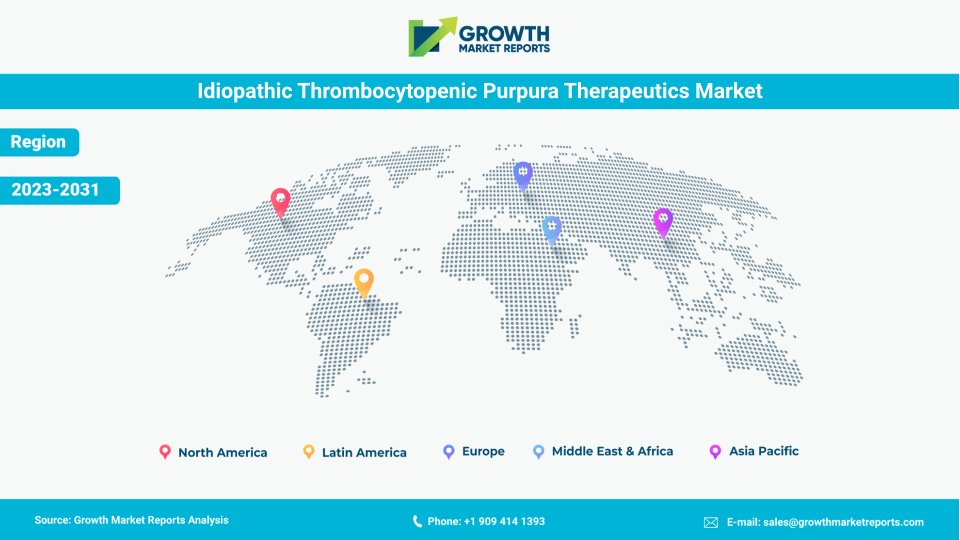
From a regional perspective, North America continues to dominate the global ITP therapeutics market, accounting for the largest revenue share in 2024. This dominance is attributed to the presence of leading pharmaceutical companies, high healthcare expenditure, and favorable reimbursement policies for rare disease treatments. Europe follows closely, with significant growth observed in countries such as Germany, the United Kingdom, and France. Meanwhile, the Asia Pacific region is emerging as a lucrative market, driven by a large patient pool, increasing healthcare investments, and improving access to advanced therapies. Latin America and the Middle East & Africa, though currently holding smaller market shares, are expected to witness steady growth due to expanding healthcare infrastructure and rising disease awareness.
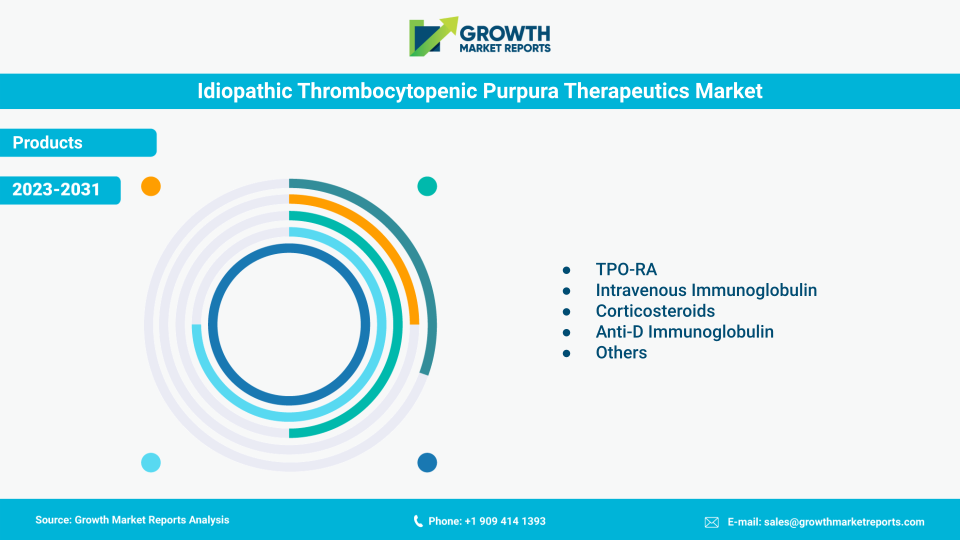
The drug class segment of the Idiopathic Thrombocytopenic Purpura Therapeutics market encompasses corticosteroids, immunoglobulins, thrombopoietin receptor agonists, immunosuppressants, and others. Corticosteroids remain the first-line treatment for ITP due to their rapid efficacy in elevating platelet counts. However, prolonged use is often limited by adverse effects such as osteoporosis, hyperglycemia, and increased infection risk. As a result, there is a growing shift toward alternative drug classes, particularly for patients with chronic or refractory ITP. The availability of both oral and injectable corticosteroid formulations provides flexibility in treatment protocols, further supporting their continued use in clinical practice.
Immunoglobulins, including intravenous immunoglobulin (IVIG) and anti-D immunoglobulin, are commonly utilized in cases requiring rapid platelet response, such as severe bleeding or preoperative management. Although effective in the short term, their high cost and transient effect limit their long-term application. Nevertheless, immunoglobulins remain a critical component of the ITP therapeutic arsenal, especially for pediatric patients and those contraindicated for other treatments. Recent advancements in immunoglobulin manufacturing and supply chain management have improved accessibility and reduced treatment delays, thereby enhancing patient outcomes.
Thrombopoietin receptor agonists, such as eltrombopag and romiplostim, have revolutionized the management of chronic ITP by stimulating platelet production through the activation of thrombopoietin receptors. These agents have demonstrated substantial efficacy in patients unresponsive to conventional therapies, offering durable platelet responses and improved quality of life. Their favorable safety profiles and oral administration options have contributed to their increasing adoption, particularly in high-income countries. Ongoing clinical trials are exploring the potential of newer agonists and combination regimens, which are expected to further expand this market segment.
Immunosuppressants, including rituximab and azathioprine, are reserved for patients with refractory ITP or those who relapse after initial therapy. While effective in select cases, the risk of immunosuppression-related complications necessitates careful patient selection and monitoring. The development of targeted immunosuppressive agents with improved specificity and reduced toxicity is a focus of ongoing research, aiming to address the unmet needs of this patient population. Other drug classes, such as biologics and biosimilars, are gradually gaining traction as adjunctive or alternative therapies, reflecting the dynamic and evolving nature of the ITP therapeutics market.
| Attributes | Details |
| Report Title | Idiopathic Thrombocytopenic Purpura Therapeutics Market Research Report 2033 |
| By Drug Class | Corticosteroids, Immunoglobulins, Thrombopoietin Receptor Agonists, Immunosuppressants, Others |
| By Route Of Administration | Oral, Injectable, Others |
| By Distribution Channel | Hospital Pharmacies, Retail Pharmacies, Online Pharmacies, Others |
| By Patient Type | Adults, Pediatrics |
| Regions Covered | North America, Europe, APAC, Latin America, MEA |
| Base Year | 2024 |
| Historic Data | 2018-2023 |
| Forecast Period | 2025-2033 |
| Number of Pages | 291 |
| Number of Tables & Figures | 315 |
| Customization Available | Yes, the report can be customized as per your need. |
The route of administration segment in the Idiopathic Thrombocytopenic Purpura Therapeutics market is primarily divided into oral, injectable, and other routes. Oral administration has witnessed significant preference among both patients and healthcare providers due to its convenience, ease of use, and potential for outpatient management. Oral corticosteroids and thrombopoietin receptor agonists, such as eltrombopag, have gained substantial market traction, particularly in the management of chronic ITP. The ability to administer medication without the need for clinical supervision not only improves patient compliance but also reduces the burden on healthcare facilities.
Injectable therapies, including intravenous immunoglobulins, anti-D immunoglobulin, and romiplostim, remain essential, especially in acute or severe cases where rapid platelet elevation is required. Hospital settings often favor injectable formulations for their predictable pharmacokinetics and immediate therapeutic effects. However, the need for skilled personnel and the risk of infusion-related adverse events can limit their widespread adoption, particularly in resource-constrained regions. Nonetheless, advancements in drug delivery systems and the development of subcutaneous formulations are addressing some of these challenges, making injectables more accessible and patient-friendly.
Other routes of administration, though less common, are being explored in ongoing clinical research to enhance drug absorption, minimize side effects, and improve patient experience. Transdermal patches, buccal formulations, and intranasal sprays represent innovative approaches under investigation, particularly for pediatric or needle-phobic patients. These alternative routes aim to provide rapid onset of action and sustained therapeutic effects while minimizing systemic exposure and associated risks. The successful development and commercialization of such formulations could further diversify the treatment landscape for ITP.
The choice of administration route is influenced by several factors, including disease severity, patient age, comorbidities, and healthcare infrastructure. Personalized medicine approaches are increasingly being adopted to tailor therapy based on individual patient needs and preferences. This trend is expected to drive further innovation in drug formulation and delivery technologies, ultimately enhancing treatment outcomes and patient satisfaction in the ITP therapeutics market.
The distribution channel segment in the Idiopathic Thrombocytopenic Purpura Therapeutics market includes hospital pharmacies, retail pharmacies, online pharmacies, and others. Hospital pharmacies dominate the market, primarily due to the acute nature of many ITP cases and the necessity for close monitoring during treatment initiation. These settings offer immediate access to a wide range of therapeutics, including high-cost and specialty medications such as immunoglobulins and thrombopoietin receptor agonists. The presence of multidisciplinary care teams in hospitals ensures optimal patient management and adherence to evidence-based treatment protocols.
Retail pharmacies have witnessed growing importance, particularly for maintenance therapies and chronic ITP management. The availability of oral medications and patient-friendly formulations has facilitated the transition of care from hospital to community settings. Retail pharmacies offer convenience, accessibility, and personalized counseling services, which are especially valuable for patients requiring long-term therapy. Strategic collaborations between pharmaceutical companies and retail chains have further enhanced the distribution and availability of ITP therapeutics in this segment.
Online pharmacies are rapidly gaining traction, driven by the increasing adoption of digital health solutions and the growing demand for contactless medication delivery. The COVID-19 pandemic has accelerated this trend, with more patients opting for online platforms to access prescription medications safely and efficiently. Online pharmacies offer competitive pricing, home delivery, and access to a broader range of products, making them an attractive option for both urban and rural populations. Regulatory reforms supporting e-pharmacy operations are expected to further boost the growth of this distribution channel.
Other distribution channels, such as specialty clinics and direct-to-patient programs, are emerging as alternative avenues for ITP therapeutics, particularly in regions with limited pharmacy infrastructure. These channels facilitate access to specialized care and ensure the timely delivery of critical medications. The ongoing expansion of distribution networks and the integration of technology-driven supply chain solutions are expected to enhance the efficiency and reach of ITP therapeutics worldwide.
The patient type segment of the Idiopathic Thrombocytopenic Purpura Therapeutics market is categorized into adults and pediatrics, each with distinct clinical and therapeutic considerations. Adult ITP patients represent the majority of cases globally, with a higher prevalence observed in older age groups and women. The management of adult ITP often involves a stepwise approach, beginning with corticosteroids and progressing to second-line therapies such as thrombopoietin receptor agonists or immunosuppressants for refractory cases. The availability of multiple treatment options allows for individualized therapy based on disease severity, patient comorbidities, and treatment response.
Pediatric ITP, while less common than adult cases, poses unique challenges due to differences in disease etiology, progression, and treatment response. Most pediatric ITP cases are acute and self-limiting, with a high rate of spontaneous remission. However, chronic ITP in children requires careful management to balance the risks and benefits of long-term therapy. Immunoglobulins and corticosteroids remain the mainstay of treatment, with thrombopoietin receptor agonists reserved for refractory cases. The safety profile of each therapeutic option is a critical consideration in pediatric patients, given their developing immune systems and susceptibility to adverse effects.
The growing emphasis on personalized medicine and risk stratification has led to the development of tailored treatment algorithms for both adult and pediatric ITP patients. Advances in genetic and biomarker research are enabling clinicians to predict disease course and treatment response more accurately, facilitating early intervention and improved outcomes. Patient education and shared decision-making are increasingly recognized as essential components of comprehensive ITP care, empowering patients and caregivers to make informed choices regarding therapy.
The integration of patient registries and real-world evidence into clinical practice is enhancing the understanding of ITP epidemiology, treatment patterns, and long-term outcomes across different age groups. This wealth of data is informing the development of new guidelines and supporting the optimization of existing therapeutic strategies. As the patient population continues to diversify, the demand for innovative and age-appropriate ITP therapeutics is expected to rise, driving further growth in this market segment.
The Idiopathic Thrombocytopenic Purpura Therapeutics market presents several compelling opportunities for growth and innovation. The increasing focus on personalized medicine and the development of targeted therapies offer significant potential to address unmet clinical needs and improve patient outcomes. Pharmaceutical companies are investing in research to identify novel drug targets, optimize existing treatment regimens, and develop combination therapies that enhance efficacy while minimizing side effects. The expansion of clinical trials and the incorporation of real-world evidence are accelerating the approval and adoption of new therapeutics, particularly in regions with high disease prevalence. Additionally, the growing integration of digital health technologies, such as telemedicine and remote monitoring, is facilitating early diagnosis, timely intervention, and improved disease management, further expanding the market's reach.
Another major opportunity lies in the expansion of access to ITP therapeutics in emerging markets. As healthcare infrastructure improves and awareness of rare diseases increases, there is a growing demand for affordable and effective treatment options. Strategic partnerships between global pharmaceutical companies and local stakeholders are enabling the localization of drug manufacturing, distribution, and patient support services. Government initiatives aimed at improving rare disease management, coupled with favorable reimbursement policies, are expected to drive market penetration in underserved regions. The development of biosimilars and cost-effective generic drugs also holds promise for reducing the financial burden on patients and healthcare systems, thereby increasing treatment accessibility and adherence.
Despite these opportunities, the market faces certain restraining factors that could hinder its growth trajectory. One of the primary challenges is the high cost of advanced ITP therapeutics, particularly biologics and immunoglobulins, which can limit access for patients in low- and middle-income countries. Reimbursement constraints, supply chain disruptions, and regulatory hurdles further compound these challenges, potentially leading to treatment delays and suboptimal outcomes. Additionally, the risk of adverse effects associated with long-term therapy, coupled with the need for regular monitoring and follow-up, can impact patient compliance and quality of life. Addressing these barriers will require concerted efforts from industry stakeholders, policymakers, and healthcare providers to ensure equitable access to safe and effective ITP treatments worldwide.
North America remains the largest regional market for Idiopathic Thrombocytopenic Purpura Therapeutics, accounting for approximately 41% of global revenue in 2024, with a market value of USD 0.88 billion. The region's dominance is attributed to the presence of leading pharmaceutical companies, advanced healthcare infrastructure, and robust reimbursement frameworks for rare disease treatments. The United States, in particular, has witnessed significant uptake of novel ITP therapeutics, supported by a strong focus on research and development and the availability of comprehensive patient support programs. Canada also contributes to regional growth, with increasing investments in rare disease management and improved access to innovative therapies.
Europe follows closely, capturing around 30% of the global market, with a value of USD 0.64 billion in 2024. Key markets such as Germany, the United Kingdom, France, and Italy are at the forefront of adopting advanced ITP treatments, driven by favorable regulatory environments and high disease awareness. The region has also benefited from collaborative research initiatives and cross-border healthcare programs, facilitating the exchange of best practices and the harmonization of treatment guidelines. The European market is expected to grow at a steady CAGR of 5.2% through 2033, supported by ongoing investments in healthcare innovation and the expansion of patient access programs.
The Asia Pacific region is emerging as a high-growth market for ITP therapeutics, with a projected CAGR of 7.1% from 2025 to 2033. In 2024, the regional market size stood at USD 0.43 billion, driven by a large and diverse patient population, increasing healthcare expenditure, and improving access to advanced therapies. Countries such as China, India, Japan, and South Korea are witnessing rising incidence rates of ITP, coupled with greater awareness and early diagnosis efforts. Government initiatives to enhance rare disease management and the growing presence of multinational pharmaceutical companies are further fueling market expansion in the region. Latin America and the Middle East & Africa, while currently representing smaller shares of the global market, are expected to experience steady growth as healthcare infrastructure and access to ITP therapeutics continue to improve.
The competitive landscape of the Idiopathic Thrombocytopenic Purpura Therapeutics market is characterized by the presence of several leading pharmaceutical and biotechnology companies, each striving to expand their product portfolios and strengthen their market position. The market is highly dynamic, with frequent product launches, strategic collaborations, and mergers and acquisitions shaping the competitive environment. Companies are increasingly focusing on the development of targeted therapies, biosimilars, and combination regimens to address the diverse needs of ITP patients. The emphasis on patient-centric care and the integration of digital health solutions are further differentiating market leaders from their competitors.
Innovation remains a key competitive driver, with major players investing heavily in research and development to bring novel therapeutics to market. The approval of thrombopoietin receptor agonists, such as eltrombopag and romiplostim, has set new benchmarks in ITP management, prompting competitors to explore next-generation agents with improved efficacy and safety profiles. The pursuit of orphan drug designations and expedited regulatory pathways has enabled companies to accelerate product development and gain early market entry. Additionally, the expansion of clinical trial networks and the incorporation of real-world evidence are enhancing the understanding of ITP pathophysiology and informing the design of more effective therapies.
Strategic partnerships and collaborations between pharmaceutical companies, academic institutions, and patient advocacy groups are playing a critical role in advancing ITP research and improving patient outcomes. These alliances facilitate knowledge sharing, resource pooling, and the development of comprehensive care models that address both clinical and psychosocial aspects of ITP management. Companies are also leveraging digital platforms to engage with patients, gather real-world data, and optimize treatment adherence, thereby enhancing their competitive advantage in the market.
Some of the major companies operating in the Idiopathic Thrombocytopenic Purpura Therapeutics market include Novartis AG, Amgen Inc., UCB S.A., Rigel Pharmaceuticals, Inc., Grifols, S.A., CSL Behring, Shire (now part of Takeda Pharmaceutical Company Limited), and Octapharma AG. Novartis AG is renowned for its extensive portfolio of hematology and rare disease therapeutics, with a strong focus on innovation and patient support. Amgen Inc. is a pioneer in the development of biologics, with its thrombopoietin receptor agonist romiplostim (Nplate) setting industry standards for chronic ITP treatment. UCB S.A. and Rigel Pharmaceuticals, Inc. are recognized for their contributions to immunology and targeted therapy research, while Grifols, S.A. and CSL Behring are global leaders in immunoglobulin manufacturing and distribution.
These companies are actively engaged in expanding their geographic presence, diversifying their product pipelines, and investing in post-marketing surveillance to ensure the safety and efficacy of their therapies. The competitive landscape is expected to remain dynamic, with ongoing innovation, regulatory advancements, and evolving patient needs driving the next wave of growth in the Idiopathic Thrombocytopenic Purpura Therapeutics market.
The Idiopathic Thrombocytopenic Purpura Therapeutics market has been segmented on the basis of
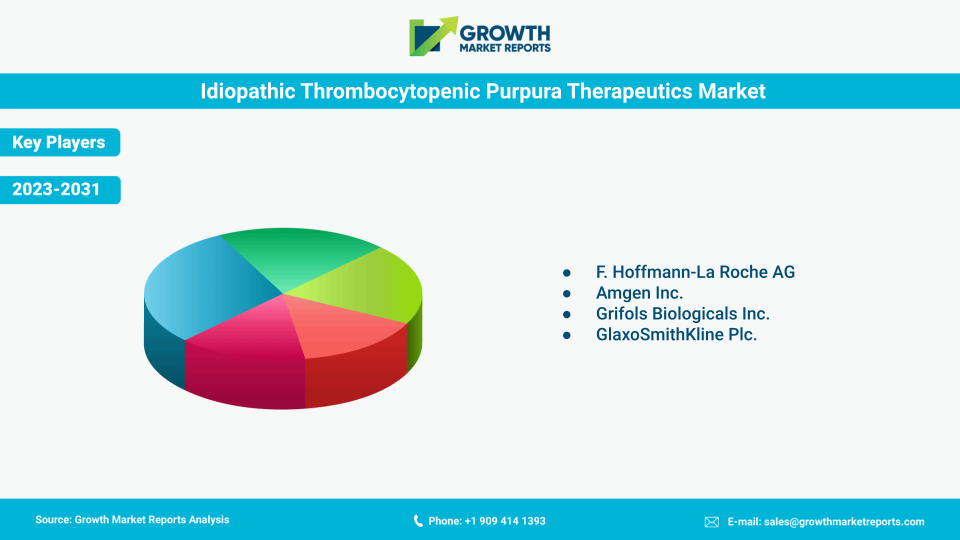
Key players competing in the global idiopathic thrombocytopenic purpura therapeutics market are F. Hoffmann-La Roche AG; Amgen Inc.; Grifols Biologicals Inc.; and GlaxoSmithKline Plc.
The main market players are continuously engaged in various business operational activities such as mergers and acquisitions, research and developments, investments for innovative products, and collaborations to enhance their consumer base globally.
Key trends include the rise of novel drug classes (like thrombopoietin receptor agonists), increased use of oral therapies, integration of digital health solutions, expansion of biosimilars, and greater focus on patient-centric and personalized treatment approaches.
The market is segmented into adults (majority of cases, often chronic) and pediatrics (often acute and self-limiting). Treatment approaches and drug safety profiles are tailored for each group, with a growing emphasis on personalized medicine.
Opportunities include the development of targeted therapies, personalized medicine, and expansion in emerging markets. Challenges involve high treatment costs, reimbursement issues, supply chain disruptions, and the risk of adverse effects from long-term therapy.
ITP therapeutics are distributed through hospital pharmacies (dominant for acute cases), retail pharmacies (for maintenance therapy), online pharmacies (growing due to digital health adoption), and specialty clinics or direct-to-patient programs.
Major companies in the ITP therapeutics market include Novartis AG, Amgen Inc., UCB S.A., Rigel Pharmaceuticals, Grifols S.A., CSL Behring, Takeda Pharmaceutical Company Limited, Octapharma AG, and others.
North America leads the global ITP therapeutics market, followed by Europe and Asia Pacific. North America accounts for about 41% of global revenue, with Europe and Asia Pacific showing strong growth due to rising disease awareness and improved healthcare infrastructure.
ITP therapeutics are administered orally (e.g., corticosteroids, eltrombopag), via injection (e.g., intravenous immunoglobulins, romiplostim), and, in some cases, through emerging routes like transdermal patches or intranasal sprays for improved patient experience.
The main drug classes for ITP treatment include corticosteroids (first-line therapy), immunoglobulins (for rapid platelet response), thrombopoietin receptor agonists (for chronic/refractory cases), immunosuppressants, and emerging biologics and biosimilars.
The global Idiopathic Thrombocytopenic Purpura (ITP) therapeutics market reached USD 2.14 billion in 2024 and is projected to grow at a CAGR of 5.7%, reaching USD 3.67 billion by 2033, driven by advancements in drug development and rising incidence of autoimmune disorders.
Idiopathic Thrombocytopenic Purpura (ITP) is an autoimmune disorder characterized by low platelet counts, leading to increased bleeding and bruising. Treatment options include corticosteroids, immunoglobulins, thrombopoietin receptor agonists, immunosuppressants, and newer biologics, with therapy tailored based on disease severity and patient profile.