Hormone Replacement Therapy Market Research Report 2033

Hormone Replacement Therapy Market Research Report 2033

Segments - by Product Type (Estrogen Hormone Replacement Therapy, Human Growth Hormone Replacement Therapy, Thyroid Hormone Replacement Therapy, Testosterone Hormone Replacement Therapy, Others), by Route Of Administration (Oral, Parenteral, Transdermal, Others), by Disease Type (Menopause, Hypothyroidism, Male Hypogonadism, Growth Hormone Deficiency, Others), by End-User (Hospitals, Clinics, Homecare, Others)

https://growthmarketreports.com/raksha
Author : Raksha Sharma
https://growthmarketreports.com/Vaibhav
Fact-checked by : V. Chandola
https://growthmarketreports.com/Shruti
Editor : Shruti Bhat

Upcoming | Report ID :HC-673 | 4.6 Rating | 73 Reviews | 295 Pages | Format : Docx PDF

Report Description


Hormone Replacement Therapy Market Outlook

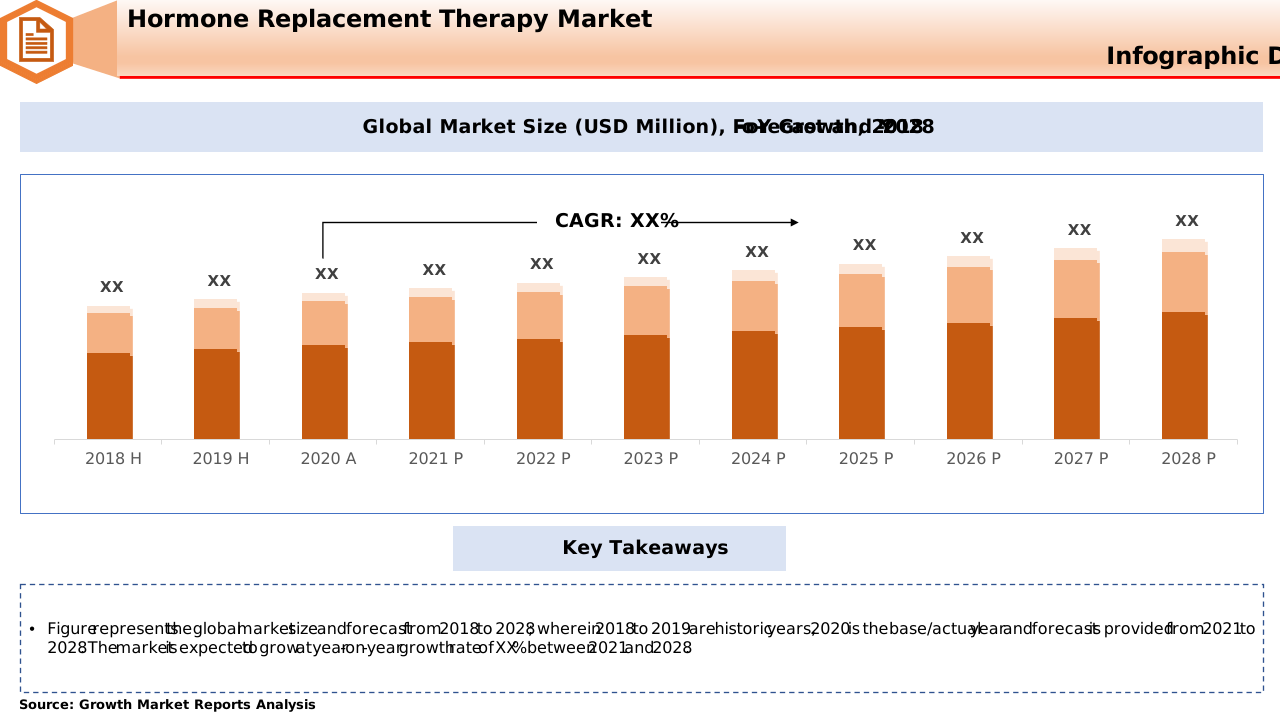
According to our latest research, the global hormone replacement therapy (HRT) market size reached USD 21.3 billion in 2024, reflecting robust demand for hormone-based treatments worldwide. The market is expected to register a CAGR of 6.1% from 2025 to 2033, projecting a value of USD 36.2 billion by 2033. This growth is primarily driven by the rising prevalence of hormonal disorders, increased awareness of hormone therapy benefits, and the growing geriatric population. As per our analysis, the marketÂ’s momentum is sustained by continual advancements in drug delivery systems and a strong pipeline of novel hormone formulations.

A significant growth factor for the hormone replacement therapy market is the increasing incidence of hormone-related disorders such as menopause, hypothyroidism, and male hypogonadism. The global demographic shift towards an aging population has resulted in a surge of individuals experiencing hormonal imbalances, particularly women undergoing menopause and elderly men with testosterone deficiencies. Additionally, early diagnosis and improved screening rates for endocrine disorders have led to higher treatment adoption rates. The growing acceptance of hormone replacement therapy as a standard treatment modality among healthcare professionals further supports market expansion, as does the increasing inclusion of HRT in clinical guidelines for managing age-associated hormonal deficiencies.

Technological advancements in drug formulation and delivery methods have also played a pivotal role in market growth. The development of novel transdermal patches, gels, and implantable devices has enhanced patient compliance by providing more convenient and less invasive options compared to traditional oral or injectable therapies. Pharmaceutical companies are investing heavily in research and development to create safer, more effective hormone therapies with reduced side effects. These innovations not only improve therapeutic outcomes but also expand the eligible patient pool, thereby driving market growth. The integration of personalized medicine and pharmacogenomics into hormone replacement therapy is further expected to revolutionize treatment protocols, offering tailored solutions that maximize efficacy and minimize risks.

Another key driver is the growing awareness and education regarding the benefits and risks of hormone replacement therapy. Public health initiatives, patient advocacy groups, and healthcare providers are actively disseminating information about the importance of hormonal balance and the therapeutic options available. This has led to a reduction in stigma and misconceptions associated with hormone therapy, encouraging more individuals to seek medical advice and consider HRT as a viable treatment option. Moreover, the expansion of healthcare infrastructure in emerging economies and the increasing availability of hormone therapies through retail pharmacies and online platforms are making these treatments more accessible to a broader population base.

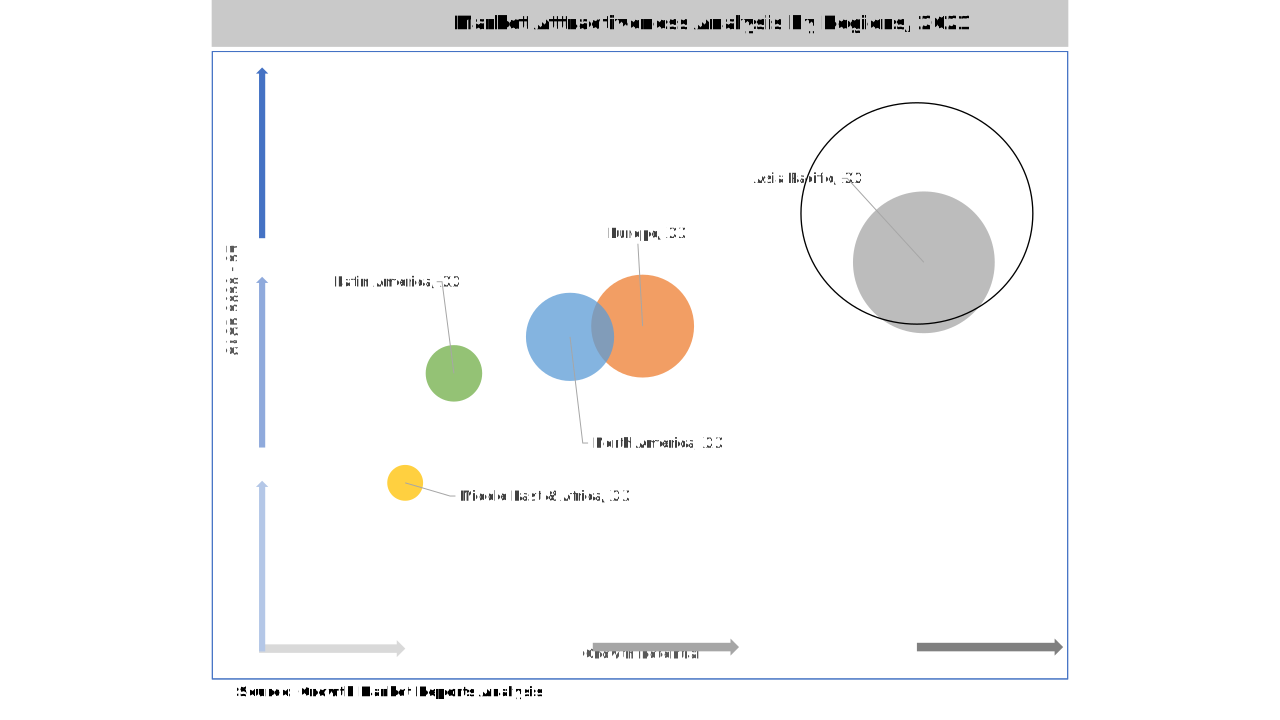
From a regional perspective, North America continues to dominate the hormone replacement therapy market, accounting for the largest share in 2024. This leadership is attributed to high awareness levels, advanced healthcare infrastructure, and a substantial patient population suffering from hormonal disorders. Europe follows closely, supported by favorable reimbursement policies and a strong emphasis on womenÂ’s health. The Asia Pacific region is expected to witness the fastest growth during the forecast period, driven by increasing healthcare expenditure, rising awareness, and rapid urbanization. Latin America and the Middle East & Africa are also experiencing steady growth, albeit from a smaller base, as healthcare systems in these regions continue to evolve and adopt modern therapeutic approaches.

Human Growth Hormone (HGH) plays a crucial role in the body's development and metabolism, making it a vital component in hormone replacement therapies. HGH is particularly significant for individuals with growth hormone deficiencies, which can lead to various health issues if left untreated. The development of recombinant DNA technology has revolutionized the production of synthetic HGH, ensuring a steady supply of this essential hormone for therapeutic use. As research continues to advance, new formulations and delivery methods are being explored to enhance the efficacy and safety of HGH treatments, providing patients with more convenient and effective options.

Global Hormone Replacement Therapy Industry Outlook

Product Type Analysis

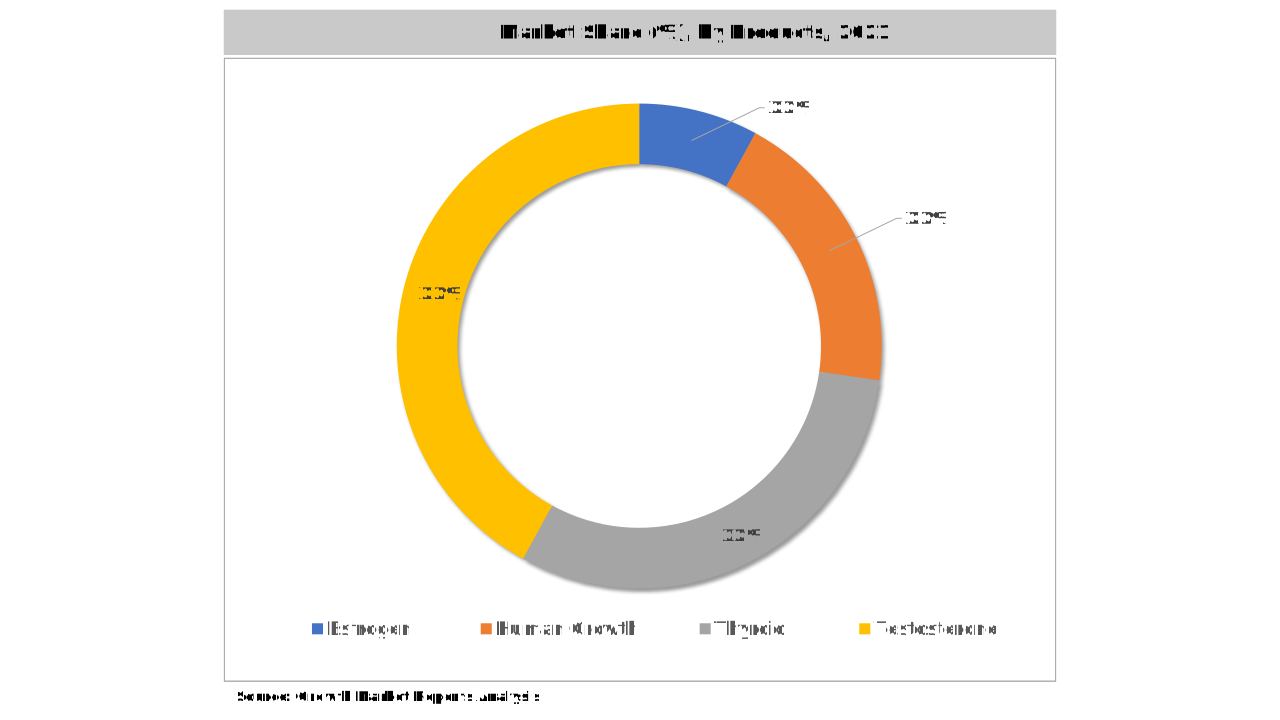
The hormone replacement therapy market is segmented by product type into estrogen hormone replacement therapy, human growth hormone replacement therapy, thyroid hormone replacement therapy, testosterone hormone replacement therapy, and others. Among these, estrogen hormone replacement therapy holds the largest market share, primarily due to its widespread use in managing menopausal symptoms in women. The growing female geriatric population and the increasing prevalence of menopause-related complications are key factors driving the demand for estrogen-based therapies. Additionally, ongoing research aimed at improving the safety and efficacy of estrogen formulations, such as bioidentical hormones and combination therapies, is further fueling market growth in this segment.

Human growth hormone (HGH) replacement therapy represents another significant segment, particularly for pediatric and adult patients with growth hormone deficiencies. The rising incidence of pituitary disorders, Turner syndrome, and chronic kidney disease has contributed to the increased adoption of HGH therapies. Innovations in recombinant DNA technology have enabled the development of highly purified and effective growth hormone products, which have significantly improved patient outcomes. Moreover, the introduction of long-acting HGH formulations and user-friendly delivery devices has enhanced patient adherence to therapy, expanding the market potential for this segment.

Thyroid hormone replacement therapy is gaining traction due to the high prevalence of hypothyroidism, especially among women and the elderly. Levothyroxine remains the gold standard for thyroid hormone replacement, but the market is witnessing the emergence of combination therapies and novel formulations aimed at optimizing treatment efficacy. The increasing awareness of thyroid health, coupled with improved diagnostic capabilities, is enabling earlier detection and management of thyroid disorders. This, in turn, is driving consistent demand for thyroid hormone replacement products across both developed and developing regions.

Testosterone hormone replacement therapy is primarily used to treat male hypogonadism and age-related testosterone decline. The growing recognition of the impact of low testosterone levels on quality of life, including symptoms such as fatigue, decreased libido, and cognitive decline, has led to a surge in demand for testosterone-based therapies. Pharmaceutical companies are focusing on developing safer formulations with minimal side effects, such as transdermal gels and patches, to address safety concerns associated with traditional injectable therapies. The “others” segment, which includes progesterone and combination hormone therapies, is also witnessing growth driven by the need for individualized treatment approaches and the management of complex hormonal disorders.

Report Scope

Attributes Details
Report Title Hormone Replacement Therapy Market Research Report 2033
By Product Type Estrogen Hormone Replacement Therapy, Human Growth Hormone Replacement Therapy, Thyroid Hormone Replacement Therapy, Testosterone Hormone Replacement Therapy, Others
By Route Of Administration Oral, Parenteral, Transdermal, Others
By Disease Type Menopause, Hypothyroidism, Male Hypogonadism, Growth Hormone Deficiency, Others
By End-User Hospitals, Clinics, Homecare, Others
Regions Covered North America, Europe, APAC, Latin America, MEA
Base Year 2024
Historic Data 2018-2023
Forecast Period 2025-2033
Number of Pages 295
Number of Tables & Figures 352
Customization Available Yes, the report can be customized as per your need.

Route of Administration Analysis

The hormone replacement therapy market is segmented by route of administration into oral, parenteral, transdermal, and others. Oral administration remains the most common route, owing to its convenience, ease of use, and widespread availability. Oral hormone therapies, such as tablets and capsules, are preferred by both patients and healthcare providers for their non-invasive nature and established efficacy. However, concerns regarding first-pass metabolism and potential gastrointestinal side effects have led to the development of alternative delivery methods that offer improved bioavailability and reduced risk profiles.

Parenteral administration, which includes injections and implantable devices, is favored for its rapid onset of action and precise dosing capabilities. This route is particularly important for patients requiring immediate therapeutic effects or those who cannot tolerate oral medications. Parenteral hormone therapies are widely used in hospital and clinical settings, especially for growth hormone and testosterone replacement. Advances in injection technology, such as auto-injectors and prefilled syringes, have improved patient comfort and compliance, further supporting the growth of this segment.

Endocrinology Drugs are at the forefront of managing various hormonal disorders, offering a wide array of therapeutic options for conditions such as diabetes, thyroid disorders, and adrenal insufficiencies. These drugs are designed to either supplement deficient hormones or modulate the body's hormonal balance, thereby alleviating symptoms and improving quality of life. The continuous innovation in endocrinology drugs has led to the development of more targeted therapies, reducing side effects and enhancing patient outcomes. As the understanding of endocrine pathways deepens, the potential for novel drug discoveries expands, promising better management strategies for endocrine-related health issues.

Transdermal administration has emerged as a popular alternative due to its ability to deliver hormones directly into the systemic circulation, bypassing the gastrointestinal tract and liver metabolism. Transdermal patches, gels, and creams offer sustained drug release, stable plasma concentrations, and reduced risk of systemic side effects. This route is particularly advantageous for estrogen and testosterone therapies, as it minimizes the risk of thromboembolic events and liver toxicity associated with oral formulations. The increasing patient preference for non-invasive and discreet therapy options is expected to drive significant growth in the transdermal segment over the forecast period.

The “others” segment includes intranasal, sublingual, and vaginal routes of administration. These specialized delivery methods are gaining traction for their ability to provide localized or systemic effects with minimal side effects. For instance, vaginal estrogen preparations are widely used to manage genitourinary symptoms of menopause, while intranasal growth hormone sprays offer a needle-free alternative for pediatric and adult patients. Ongoing research into novel drug delivery systems, such as microneedle patches and biodegradable implants, is expected to further diversify the route of administration landscape and create new opportunities for market expansion.

Disease Type Analysis

The hormone replacement therapy market is segmented by disease type into menopause, hypothyroidism, male hypogonadism, growth hormone deficiency, and others. Menopause remains the largest application segment, driven by the growing population of postmenopausal women and the increasing prevalence of menopause-related symptoms such as hot flashes, night sweats, and osteoporosis. Hormone replacement therapy is widely recognized as the most effective treatment for alleviating menopausal symptoms and improving quality of life. The expanding body of clinical evidence supporting the safety and efficacy of HRT, particularly when initiated at the onset of menopause, is expected to sustain demand in this segment.

Hypothyroidism is another significant disease type, with a high prevalence among middle-aged and elderly women. Early diagnosis and effective management of hypothyroidism are critical to preventing complications such as cardiovascular disease, cognitive decline, and metabolic disorders. Levothyroxine and combination thyroid hormone therapies are the mainstay of treatment, with ongoing research focused on optimizing dosing regimens and minimizing adverse effects. The increasing use of thyroid function screening in routine health check-ups is contributing to the early identification and treatment of hypothyroidism, thereby driving market growth.

Growth Hormone Therapy is a cornerstone treatment for individuals with growth hormone deficiencies, addressing both pediatric and adult needs. This therapy not only aids in normalizing growth patterns in children but also plays a significant role in improving metabolic functions and overall well-being in adults. The introduction of long-acting growth hormone formulations has been a game-changer, offering patients more flexibility and reducing the frequency of administration. As research progresses, the focus is on optimizing dosing regimens and minimizing potential side effects, thereby enhancing the therapeutic experience for patients undergoing growth hormone therapy.

Male hypogonadism is characterized by low testosterone levels and associated symptoms such as decreased libido, fatigue, and muscle weakness. The growing awareness of the impact of testosterone deficiency on menÂ’s health, coupled with the rising prevalence of lifestyle-related risk factors such as obesity and diabetes, is fueling demand for testosterone replacement therapies. Pharmaceutical companies are developing innovative delivery systems and safer formulations to address concerns regarding the long-term safety of testosterone therapy, particularly with regard to cardiovascular and prostate health.

Growth hormone deficiency affects both pediatric and adult populations, leading to impaired growth, metabolic dysfunction, and reduced quality of life. Recombinant human growth hormone therapy has revolutionized the management of this condition, enabling normal growth and development in children and improved metabolic outcomes in adults. The increasing availability of long-acting growth hormone formulations and user-friendly delivery devices is enhancing patient adherence and expanding the eligible patient pool. The “others” segment includes rare endocrine disorders and complex hormonal imbalances that require individualized treatment approaches, further diversifying the disease type landscape and creating opportunities for market growth.

End-User Analysis

The hormone replacement therapy market is segmented by end-user into hospitals, clinics, homecare, and others. Hospitals represent the largest end-user segment, owing to their comprehensive healthcare infrastructure, access to specialized medical expertise, and ability to manage complex cases. Hospitals are the primary setting for the initiation and monitoring of hormone replacement therapy, particularly for patients with multiple comorbidities or those requiring parenteral administration. The increasing integration of multidisciplinary care teams and advanced diagnostic capabilities in hospital settings is further supporting the growth of this segment.

Clinics, including specialty endocrine and gynecology clinics, play a critical role in the ongoing management of hormone replacement therapy. Clinics offer convenient access to routine monitoring, dose adjustments, and patient education services, making them a preferred choice for individuals requiring long-term hormone therapy. The growing trend towards outpatient care and the expansion of clinic networks in both urban and rural areas are contributing to the increasing share of this segment in the overall market.

Homecare is an emerging end-user segment, driven by the increasing availability of self-administered hormone therapies and the growing preference for home-based care among patients. Advances in drug delivery systems, such as transdermal patches and prefilled syringes, have made it possible for patients to manage their hormone therapy regimens at home with minimal medical supervision. Homecare offers significant advantages in terms of convenience, cost-effectiveness, and patient satisfaction, particularly for elderly individuals and those with chronic conditions. The COVID-19 pandemic has further accelerated the adoption of home-based care models, highlighting the importance of remote monitoring and telehealth solutions in the management of hormone replacement therapy.

The “others” segment includes research institutions, academic centers, and long-term care facilities that provide hormone replacement therapy as part of clinical trials, educational programs, or specialized care pathways. These end-users play a vital role in advancing the field of hormone therapy through research, innovation, and the dissemination of best practices. The growing collaboration between academic institutions and pharmaceutical companies is expected to drive the development of new therapies and expand the application of hormone replacement therapy across a broader range of medical conditions.

Opportunities & Threats

The hormone replacement therapy market presents significant opportunities for growth, particularly in the area of personalized medicine and targeted therapies. Advances in genomics, biomarker identification, and pharmacogenomics are enabling the development of customized hormone therapy regimens tailored to individual patient profiles. This approach not only enhances therapeutic efficacy but also minimizes the risk of adverse effects, thereby improving patient outcomes and satisfaction. The increasing adoption of digital health technologies, such as remote monitoring and telemedicine, is further expanding access to hormone replacement therapy, particularly in underserved and remote regions. Pharmaceutical companies that invest in innovative drug delivery systems, patient-centric solutions, and robust clinical research are well-positioned to capitalize on these emerging opportunities and drive market growth.

Another major opportunity lies in the expansion of hormone replacement therapy applications beyond traditional indications. Ongoing research is exploring the potential benefits of hormone therapy in areas such as cognitive health, cardiovascular disease prevention, and metabolic syndrome management. The integration of hormone replacement therapy into comprehensive wellness and preventive care programs is expected to create new avenues for market expansion. Additionally, the increasing focus on womenÂ’s health and the growing recognition of the impact of hormonal imbalances on quality of life are driving demand for hormone therapies across a wider demographic spectrum. Strategic partnerships between pharmaceutical companies, healthcare providers, and patient advocacy groups are essential for raising awareness, improving access, and ensuring the safe and effective use of hormone replacement therapy.

Despite the promising growth prospects, the hormone replacement therapy market faces several restraining factors, the most notable being concerns regarding the long-term safety and potential side effects of hormone therapy. Studies linking hormone replacement therapy to increased risks of breast cancer, cardiovascular events, and thromboembolic complications have led to caution among healthcare providers and patients. Regulatory scrutiny and stringent approval requirements for new hormone therapies can delay product launches and limit market entry. Additionally, the high cost of certain hormone therapies and limited reimbursement in some regions may restrict access for economically disadvantaged populations. Addressing these challenges requires ongoing research, transparent risk-benefit communication, and the development of safer, more effective hormone formulations.

Regional Outlook

North America remains the dominant region in the global hormone replacement therapy market, accounting for a market size of USD 8.9 billion in 2024. The regionÂ’s leadership is attributed to its advanced healthcare infrastructure, high awareness levels, and a large population of individuals affected by hormonal disorders. The United States, in particular, has a well-established ecosystem for hormone therapy, supported by favorable reimbursement policies, robust clinical research, and the presence of major pharmaceutical companies. Canada also contributes significantly to regional growth, driven by government initiatives to improve womenÂ’s health and expand access to hormone therapies. The North American market is expected to maintain a steady CAGR of 5.7% over the forecast period, reaching approximately USD 15.1 billion by 2033.

Europe is the second-largest market for hormone replacement therapy, with a market size of USD 6.3 billion in 2024. The region benefits from strong government support for healthcare, comprehensive insurance coverage, and a high prevalence of menopause and thyroid disorders. Countries such as Germany, France, and the United Kingdom are leading contributors, driven by ongoing investments in healthcare infrastructure and the adoption of innovative hormone therapies. The European market is characterized by a strong emphasis on patient safety, with regulatory authorities closely monitoring the risk-benefit profile of hormone replacement products. The region is projected to grow at a CAGR of 6.0%, reaching USD 10.6 billion by 2033.

The Asia Pacific region is emerging as the fastest-growing market for hormone replacement therapy, with a market size of USD 3.7 billion in 2024. Rapid urbanization, increasing healthcare expenditure, and rising awareness of hormone-related disorders are key factors driving growth in this region. Countries such as China, Japan, and India are witnessing significant improvements in diagnostic capabilities and access to hormone therapies, supported by government initiatives and the expansion of private healthcare providers. The Asia Pacific market is expected to register a CAGR of 7.2%, outpacing other regions and reaching USD 6.8 billion by 2033. Latin America and the Middle East & Africa, with market sizes of USD 1.5 billion and USD 0.9 billion respectively in 2024, are also experiencing steady growth as healthcare systems in these regions continue to evolve and adopt modern therapeutic approaches.

Hormone Replacement Therapy Market Statistics

Competitor Outlook

The hormone replacement therapy market is highly competitive, characterized by the presence of several global and regional players vying for market share. The competitive landscape is shaped by ongoing research and development activities, strategic collaborations, mergers and acquisitions, and the continuous launch of innovative products. Leading pharmaceutical companies are investing heavily in the development of safer and more effective hormone therapies, with a focus on improving patient compliance and expanding the range of indications. The market is also witnessing the entry of new players, particularly in the biosimilar and generic hormone therapy segments, which is intensifying competition and driving down prices.

Innovation remains a key differentiator in the hormone replacement therapy market, with companies striving to develop advanced drug delivery systems and personalized treatment solutions. The adoption of digital health technologies, such as remote monitoring and telemedicine, is enabling companies to offer integrated care solutions that enhance patient engagement and outcomes. Strategic partnerships with healthcare providers, research institutions, and patient advocacy groups are essential for driving awareness, improving access, and ensuring the safe and effective use of hormone replacement therapy. Companies that can successfully navigate the complex regulatory landscape and demonstrate the safety and efficacy of their products are well-positioned to capture significant market share.

The market is also characterized by a strong focus on expanding geographic presence, particularly in emerging markets such as Asia Pacific, Latin America, and the Middle East & Africa. Leading players are leveraging their global distribution networks and local partnerships to penetrate these high-growth regions and capitalize on the increasing demand for hormone therapies. The introduction of affordable biosimilars and generic hormone therapies is further expanding access to treatment, particularly in price-sensitive markets. Companies are also investing in patient education and support programs to improve adherence and outcomes, recognizing the importance of patient-centric care in driving long-term market growth.

Some of the major companies operating in the hormone replacement therapy market include Pfizer Inc., Novo Nordisk A/S, Bayer AG, Merck KGaA, Abbott Laboratories, Eli Lilly and Company, Novartis AG, Teva Pharmaceutical Industries Ltd., Mylan N.V., and F. Hoffmann-La Roche Ltd. These companies are at the forefront of innovation, with robust pipelines of new hormone therapies and a strong commitment to research and development. Pfizer Inc. and Novo Nordisk A/S are recognized for their leadership in estrogen and growth hormone therapies, respectively, while Bayer AG and Merck KGaA have established strong positions in the thyroid and testosterone therapy segments. Abbott Laboratories and Eli Lilly and Company are known for their focus on patient-centric solutions and the development of advanced drug delivery systems.

In addition to these global leaders, several regional and emerging players are making significant contributions to the market, particularly in the biosimilar and generic hormone therapy segments. Companies such as Teva Pharmaceutical Industries Ltd., Mylan N.V., and F. Hoffmann-La Roche Ltd. are leveraging their expertise in biosimilars to expand access to affordable hormone therapies in both developed and developing markets. The competitive landscape is expected to remain dynamic, with ongoing innovation, strategic partnerships, and a strong focus on patient outcomes driving the evolution of the hormone replacement therapy market over the forecast period.

Key Players

  • Pfizer Inc.
  • AbbVie Inc.
  • Novo Nordisk A/S
  • Bayer AG
  • Merck KGaA
  • Novartis AG
  • Mylan N.V. (now part of Viatris)
  • Teva Pharmaceutical Industries Ltd.
  • F. Hoffmann-La Roche Ltd.
  • Eli Lilly and Company
  • Amgen Inc.
  • Endo International plc
  • Allergan plc (now part of AbbVie)
  • Theramex
  • Hisamitsu Pharmaceutical Co., Inc.
  • Ipsen S.A.
  • BioTE Medical
  • Ascend Therapeutics (Besins Healthcare)
  • Actavis plc (now part of Teva)
  • Sanofi S.A.
Hormone Replacement Therapy Market Overview

Segments

The Hormone Replacement Therapy market has been segmented on the basis of

Product Type

  • Estrogen Hormone Replacement Therapy
  • Human Growth Hormone Replacement Therapy
  • Thyroid Hormone Replacement Therapy
  • Testosterone Hormone Replacement Therapy
  • Others

Route Of Administration

  • Oral
  • Parenteral
  • Transdermal
  • Others

Disease Type

  • Menopause
  • Hypothyroidism
  • Male Hypogonadism
  • Growth Hormone Deficiency
  • Others

End-User

  • Hospitals
  • Clinics
  • Homecare
  • Others

Competitive Landscape

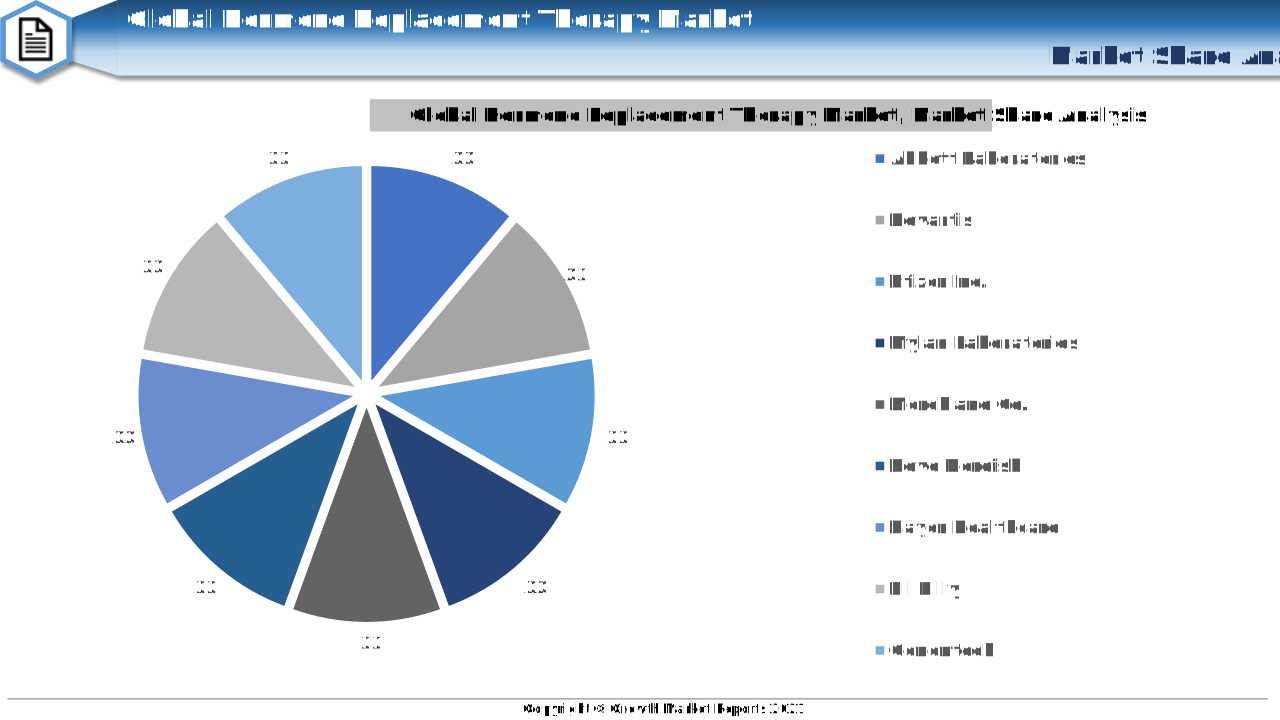
Key players competing in the hormone replacement therapy market includes Abbott Laboratories, Novartis, Pfizer Inc., Mylan Laboratories, Merck and Co., Novo Nordisk, Bayer Healthcare, Eli Lilly, and Genentech.

Key players are implementing business strategies such as mergers, acquisitions, partnerships, collaborations, capacity expansion, and product launches to enhance their market shares. For instance, in February 2015, Famy Care was acquired by Mylan Laboratories. After this acquisition Mylan started the female health business including the production of hormone replacement drugs, Intra-Uterine Devices (IUD), and contraceptives.
 

Hormone Replacement Therapy Market  By Key Players

Frequently Asked Questions

Yes, the Hormone Replacement Therapy Market Research Report 2033 can be customized according to specific needs.

Opportunities include advances in personalized medicine, digital health adoption, and expanding applications beyond traditional indications. Challenges include concerns about long-term safety, regulatory hurdles, and high therapy costs.

Major companies include Pfizer Inc., AbbVie Inc., Novo Nordisk A/S, Bayer AG, Merck KGaA, Novartis AG, Mylan N.V. (Viatris), Teva Pharmaceutical Industries Ltd., F. Hoffmann-La Roche Ltd., Eli Lilly and Company, and others.

HRT is commonly used to treat menopause, hypothyroidism, male hypogonadism, growth hormone deficiency, and other endocrine disorders.

Hormone replacement therapies can be administered orally, parenterally (injections/implants), transdermally (patches/gels/creams), and via other routes such as intranasal, sublingual, and vaginal.

The market is segmented into estrogen hormone replacement therapy, human growth hormone replacement therapy, thyroid hormone replacement therapy, testosterone hormone replacement therapy, and others.

North America leads the hormone replacement therapy market, followed by Europe. The Asia Pacific region is expected to witness the fastest growth, while Latin America and the Middle East & Africa are also experiencing steady expansion.

Key growth drivers include the rising prevalence of hormonal disorders, increased awareness of hormone therapy benefits, the growing geriatric population, advancements in drug delivery systems, and a strong pipeline of novel hormone formulations.

The hormone replacement therapy market is expected to register a CAGR of 6.1% from 2025 to 2033, reaching a projected value of USD 36.2 billion by 2033.

As of 2024, the global hormone replacement therapy (HRT) market size reached USD 21.3 billion, reflecting strong demand for hormone-based treatments worldwide.

Table Of Content

Chapter 1 Executive Summary
Chapter 2 Assumptions and Acronyms Used
Chapter 3 Research Methodology
Chapter 4 Hormone Replacement Therapy Market Overview
   4.1 Introduction
      4.1.1 Market Taxonomy
      4.1.2 Market Definition
      4.1.3 Macro-Economic Factors Impacting the Market Growth
   4.2 Hormone Replacement Therapy Market Dynamics
      4.2.1 Market Drivers
      4.2.2 Market Restraints
      4.2.3 Market Opportunity
   4.3 Hormone Replacement Therapy Market - Supply Chain Analysis
      4.3.1 List of Key Suppliers
      4.3.2 List of Key Distributors
      4.3.3 List of Key Consumers
   4.4 Key Forces Shaping the Hormone Replacement Therapy Market
      4.4.1 Bargaining Power of Suppliers
      4.4.2 Bargaining Power of Buyers
      4.4.3 Threat of Substitution
      4.4.4 Threat of New Entrants
      4.4.5 Competitive Rivalry
   4.5 Global Hormone Replacement Therapy Market Size & Forecast, 2023-2032
      4.5.1 Hormone Replacement Therapy Market Size and Y-o-Y Growth
      4.5.2 Hormone Replacement Therapy Market Absolute $ Opportunity

Chapter 5 Global Hormone Replacement Therapy Market Analysis and Forecast By Product Type
   5.1 Introduction
      5.1.1 Key Market Trends & Growth Opportunities By Product Type
      5.1.2 Basis Point Share (BPS) Analysis By Product Type
      5.1.3 Absolute $ Opportunity Assessment By Product Type
   5.2 Hormone Replacement Therapy Market Size Forecast By Product Type
      5.2.1 Estrogen Hormone Replacement Therapy
      5.2.2 Human Growth Hormone Replacement Therapy
      5.2.3 Thyroid Hormone Replacement Therapy
      5.2.4 Testosterone Hormone Replacement Therapy
      5.2.5 Others
   5.3 Market Attractiveness Analysis By Product Type

Chapter 6 Global Hormone Replacement Therapy Market Analysis and Forecast By Route Of Administration
   6.1 Introduction
      6.1.1 Key Market Trends & Growth Opportunities By Route Of Administration
      6.1.2 Basis Point Share (BPS) Analysis By Route Of Administration
      6.1.3 Absolute $ Opportunity Assessment By Route Of Administration
   6.2 Hormone Replacement Therapy Market Size Forecast By Route Of Administration
      6.2.1 Oral
      6.2.2 Parenteral
      6.2.3 Transdermal
      6.2.4 Others
   6.3 Market Attractiveness Analysis By Route Of Administration

Chapter 7 Global Hormone Replacement Therapy Market Analysis and Forecast By Disease Type
   7.1 Introduction
      7.1.1 Key Market Trends & Growth Opportunities By Disease Type
      7.1.2 Basis Point Share (BPS) Analysis By Disease Type
      7.1.3 Absolute $ Opportunity Assessment By Disease Type
   7.2 Hormone Replacement Therapy Market Size Forecast By Disease Type
      7.2.1 Menopause
      7.2.2 Hypothyroidism
      7.2.3 Male Hypogonadism
      7.2.4 Growth Hormone Deficiency
      7.2.5 Others
   7.3 Market Attractiveness Analysis By Disease Type

Chapter 8 Global Hormone Replacement Therapy Market Analysis and Forecast By End-User
   8.1 Introduction
      8.1.1 Key Market Trends & Growth Opportunities By End-User
      8.1.2 Basis Point Share (BPS) Analysis By End-User
      8.1.3 Absolute $ Opportunity Assessment By End-User
   8.2 Hormone Replacement Therapy Market Size Forecast By End-User
      8.2.1 Hospitals
      8.2.2 Clinics
      8.2.3 Homecare
      8.2.4 Others
   8.3 Market Attractiveness Analysis By End-User

Chapter 9 Global Hormone Replacement Therapy Market Analysis and Forecast by Region
   9.1 Introduction
      9.1.1 Key Market Trends & Growth Opportunities By Region
      9.1.2 Basis Point Share (BPS) Analysis By Region
      9.1.3 Absolute $ Opportunity Assessment By Region
   9.2 Hormone Replacement Therapy Market Size Forecast By Region
      9.2.1 North America
      9.2.2 Europe
      9.2.3 Asia Pacific
      9.2.4 Latin America
      9.2.5 Middle East & Africa (MEA)
   9.3 Market Attractiveness Analysis By Region

Chapter 10 Coronavirus Disease (COVID-19) Impact 
   10.1 Introduction 
   10.2 Current & Future Impact Analysis 
   10.3 Economic Impact Analysis 
   10.4 Government Policies 
   10.5 Investment Scenario

Chapter 11 North America Hormone Replacement Therapy Analysis and Forecast
   11.1 Introduction
   11.2 North America Hormone Replacement Therapy Market Size Forecast by Country
      11.2.1 U.S.
      11.2.2 Canada
   11.3 Basis Point Share (BPS) Analysis by Country
   11.4 Absolute $ Opportunity Assessment by Country
   11.5 Market Attractiveness Analysis by Country
   11.6 North America Hormone Replacement Therapy Market Size Forecast By Product Type
      11.6.1 Estrogen Hormone Replacement Therapy
      11.6.2 Human Growth Hormone Replacement Therapy
      11.6.3 Thyroid Hormone Replacement Therapy
      11.6.4 Testosterone Hormone Replacement Therapy
      11.6.5 Others
   11.7 Basis Point Share (BPS) Analysis By Product Type 
   11.8 Absolute $ Opportunity Assessment By Product Type 
   11.9 Market Attractiveness Analysis By Product Type
   11.10 North America Hormone Replacement Therapy Market Size Forecast By Route Of Administration
      11.10.1 Oral
      11.10.2 Parenteral
      11.10.3 Transdermal
      11.10.4 Others
   11.11 Basis Point Share (BPS) Analysis By Route Of Administration 
   11.12 Absolute $ Opportunity Assessment By Route Of Administration 
   11.13 Market Attractiveness Analysis By Route Of Administration
   11.14 North America Hormone Replacement Therapy Market Size Forecast By Disease Type
      11.14.1 Menopause
      11.14.2 Hypothyroidism
      11.14.3 Male Hypogonadism
      11.14.4 Growth Hormone Deficiency
      11.14.5 Others
   11.15 Basis Point Share (BPS) Analysis By Disease Type 
   11.16 Absolute $ Opportunity Assessment By Disease Type 
   11.17 Market Attractiveness Analysis By Disease Type
   11.18 North America Hormone Replacement Therapy Market Size Forecast By End-User
      11.18.1 Hospitals
      11.18.2 Clinics
      11.18.3 Homecare
      11.18.4 Others
   11.19 Basis Point Share (BPS) Analysis By End-User 
   11.20 Absolute $ Opportunity Assessment By End-User 
   11.21 Market Attractiveness Analysis By End-User

Chapter 12 Europe Hormone Replacement Therapy Analysis and Forecast
   12.1 Introduction
   12.2 Europe Hormone Replacement Therapy Market Size Forecast by Country
      12.2.1 Germany
      12.2.2 France
      12.2.3 Italy
      12.2.4 U.K.
      12.2.5 Spain
      12.2.6 Russia
      12.2.7 Rest of Europe
   12.3 Basis Point Share (BPS) Analysis by Country
   12.4 Absolute $ Opportunity Assessment by Country
   12.5 Market Attractiveness Analysis by Country
   12.6 Europe Hormone Replacement Therapy Market Size Forecast By Product Type
      12.6.1 Estrogen Hormone Replacement Therapy
      12.6.2 Human Growth Hormone Replacement Therapy
      12.6.3 Thyroid Hormone Replacement Therapy
      12.6.4 Testosterone Hormone Replacement Therapy
      12.6.5 Others
   12.7 Basis Point Share (BPS) Analysis By Product Type 
   12.8 Absolute $ Opportunity Assessment By Product Type 
   12.9 Market Attractiveness Analysis By Product Type
   12.10 Europe Hormone Replacement Therapy Market Size Forecast By Route Of Administration
      12.10.1 Oral
      12.10.2 Parenteral
      12.10.3 Transdermal
      12.10.4 Others
   12.11 Basis Point Share (BPS) Analysis By Route Of Administration 
   12.12 Absolute $ Opportunity Assessment By Route Of Administration 
   12.13 Market Attractiveness Analysis By Route Of Administration
   12.14 Europe Hormone Replacement Therapy Market Size Forecast By Disease Type
      12.14.1 Menopause
      12.14.2 Hypothyroidism
      12.14.3 Male Hypogonadism
      12.14.4 Growth Hormone Deficiency
      12.14.5 Others
   12.15 Basis Point Share (BPS) Analysis By Disease Type 
   12.16 Absolute $ Opportunity Assessment By Disease Type 
   12.17 Market Attractiveness Analysis By Disease Type
   12.18 Europe Hormone Replacement Therapy Market Size Forecast By End-User
      12.18.1 Hospitals
      12.18.2 Clinics
      12.18.3 Homecare
      12.18.4 Others
   12.19 Basis Point Share (BPS) Analysis By End-User 
   12.20 Absolute $ Opportunity Assessment By End-User 
   12.21 Market Attractiveness Analysis By End-User

Chapter 13 Asia Pacific Hormone Replacement Therapy Analysis and Forecast
   13.1 Introduction
   13.2 Asia Pacific Hormone Replacement Therapy Market Size Forecast by Country
      13.2.1 China
      13.2.2 Japan
      13.2.3 South Korea
      13.2.4 India
      13.2.5 Australia
      13.2.6 South East Asia (SEA)
      13.2.7 Rest of Asia Pacific (APAC)
   13.3 Basis Point Share (BPS) Analysis by Country
   13.4 Absolute $ Opportunity Assessment by Country
   13.5 Market Attractiveness Analysis by Country
   13.6 Asia Pacific Hormone Replacement Therapy Market Size Forecast By Product Type
      13.6.1 Estrogen Hormone Replacement Therapy
      13.6.2 Human Growth Hormone Replacement Therapy
      13.6.3 Thyroid Hormone Replacement Therapy
      13.6.4 Testosterone Hormone Replacement Therapy
      13.6.5 Others
   13.7 Basis Point Share (BPS) Analysis By Product Type 
   13.8 Absolute $ Opportunity Assessment By Product Type 
   13.9 Market Attractiveness Analysis By Product Type
   13.10 Asia Pacific Hormone Replacement Therapy Market Size Forecast By Route Of Administration
      13.10.1 Oral
      13.10.2 Parenteral
      13.10.3 Transdermal
      13.10.4 Others
   13.11 Basis Point Share (BPS) Analysis By Route Of Administration 
   13.12 Absolute $ Opportunity Assessment By Route Of Administration 
   13.13 Market Attractiveness Analysis By Route Of Administration
   13.14 Asia Pacific Hormone Replacement Therapy Market Size Forecast By Disease Type
      13.14.1 Menopause
      13.14.2 Hypothyroidism
      13.14.3 Male Hypogonadism
      13.14.4 Growth Hormone Deficiency
      13.14.5 Others
   13.15 Basis Point Share (BPS) Analysis By Disease Type 
   13.16 Absolute $ Opportunity Assessment By Disease Type 
   13.17 Market Attractiveness Analysis By Disease Type
   13.18 Asia Pacific Hormone Replacement Therapy Market Size Forecast By End-User
      13.18.1 Hospitals
      13.18.2 Clinics
      13.18.3 Homecare
      13.18.4 Others
   13.19 Basis Point Share (BPS) Analysis By End-User 
   13.20 Absolute $ Opportunity Assessment By End-User 
   13.21 Market Attractiveness Analysis By End-User

Chapter 14 Latin America Hormone Replacement Therapy Analysis and Forecast
   14.1 Introduction
   14.2 Latin America Hormone Replacement Therapy Market Size Forecast by Country
      14.2.1 Brazil
      14.2.2 Mexico
      14.2.3 Rest of Latin America (LATAM)
   14.3 Basis Point Share (BPS) Analysis by Country
   14.4 Absolute $ Opportunity Assessment by Country
   14.5 Market Attractiveness Analysis by Country
   14.6 Latin America Hormone Replacement Therapy Market Size Forecast By Product Type
      14.6.1 Estrogen Hormone Replacement Therapy
      14.6.2 Human Growth Hormone Replacement Therapy
      14.6.3 Thyroid Hormone Replacement Therapy
      14.6.4 Testosterone Hormone Replacement Therapy
      14.6.5 Others
   14.7 Basis Point Share (BPS) Analysis By Product Type 
   14.8 Absolute $ Opportunity Assessment By Product Type 
   14.9 Market Attractiveness Analysis By Product Type
   14.10 Latin America Hormone Replacement Therapy Market Size Forecast By Route Of Administration
      14.10.1 Oral
      14.10.2 Parenteral
      14.10.3 Transdermal
      14.10.4 Others
   14.11 Basis Point Share (BPS) Analysis By Route Of Administration 
   14.12 Absolute $ Opportunity Assessment By Route Of Administration 
   14.13 Market Attractiveness Analysis By Route Of Administration
   14.14 Latin America Hormone Replacement Therapy Market Size Forecast By Disease Type
      14.14.1 Menopause
      14.14.2 Hypothyroidism
      14.14.3 Male Hypogonadism
      14.14.4 Growth Hormone Deficiency
      14.14.5 Others
   14.15 Basis Point Share (BPS) Analysis By Disease Type 
   14.16 Absolute $ Opportunity Assessment By Disease Type 
   14.17 Market Attractiveness Analysis By Disease Type
   14.18 Latin America Hormone Replacement Therapy Market Size Forecast By End-User
      14.18.1 Hospitals
      14.18.2 Clinics
      14.18.3 Homecare
      14.18.4 Others
   14.19 Basis Point Share (BPS) Analysis By End-User 
   14.20 Absolute $ Opportunity Assessment By End-User 
   14.21 Market Attractiveness Analysis By End-User

Chapter 15 Middle East & Africa (MEA) Hormone Replacement Therapy Analysis and Forecast
   15.1 Introduction
   15.2 Middle East & Africa (MEA) Hormone Replacement Therapy Market Size Forecast by Country
      15.2.1 Saudi Arabia
      15.2.2 South Africa
      15.2.3 UAE
      15.2.4 Rest of Middle East & Africa (MEA)
   15.3 Basis Point Share (BPS) Analysis by Country
   15.4 Absolute $ Opportunity Assessment by Country
   15.5 Market Attractiveness Analysis by Country
   15.6 Middle East & Africa (MEA) Hormone Replacement Therapy Market Size Forecast By Product Type
      15.6.1 Estrogen Hormone Replacement Therapy
      15.6.2 Human Growth Hormone Replacement Therapy
      15.6.3 Thyroid Hormone Replacement Therapy
      15.6.4 Testosterone Hormone Replacement Therapy
      15.6.5 Others
   15.7 Basis Point Share (BPS) Analysis By Product Type 
   15.8 Absolute $ Opportunity Assessment By Product Type 
   15.9 Market Attractiveness Analysis By Product Type
   15.10 Middle East & Africa (MEA) Hormone Replacement Therapy Market Size Forecast By Route Of Administration
      15.10.1 Oral
      15.10.2 Parenteral
      15.10.3 Transdermal
      15.10.4 Others
   15.11 Basis Point Share (BPS) Analysis By Route Of Administration 
   15.12 Absolute $ Opportunity Assessment By Route Of Administration 
   15.13 Market Attractiveness Analysis By Route Of Administration
   15.14 Middle East & Africa (MEA) Hormone Replacement Therapy Market Size Forecast By Disease Type
      15.14.1 Menopause
      15.14.2 Hypothyroidism
      15.14.3 Male Hypogonadism
      15.14.4 Growth Hormone Deficiency
      15.14.5 Others
   15.15 Basis Point Share (BPS) Analysis By Disease Type 
   15.16 Absolute $ Opportunity Assessment By Disease Type 
   15.17 Market Attractiveness Analysis By Disease Type
   15.18 Middle East & Africa (MEA) Hormone Replacement Therapy Market Size Forecast By End-User
      15.18.1 Hospitals
      15.18.2 Clinics
      15.18.3 Homecare
      15.18.4 Others
   15.19 Basis Point Share (BPS) Analysis By End-User 
   15.20 Absolute $ Opportunity Assessment By End-User 
   15.21 Market Attractiveness Analysis By End-User

Chapter 16 Competition Landscape 
   16.1 Hormone Replacement Therapy Market: Competitive Dashboard
   16.2 Global Hormone Replacement Therapy Market: Market Share Analysis, 2023
   16.3 Company Profiles (Details – Overview, Financials, Developments, Strategy) 
      16.3.1 Pfizer Inc.
AbbVie Inc.
Novo Nordisk A/S
Bayer AG
Merck KGaA
Novartis AG
Mylan N.V. (now part of Viatris)
Teva Pharmaceutical Industries Ltd.
F. Hoffmann-La Roche Ltd.
Eli Lilly and Company
Amgen Inc.
Endo International plc
Allergan plc (now part of AbbVie)
Theramex
Hisamitsu Pharmaceutical Co., Inc.
Ipsen S.A.
BioTE Medical
Ascend Therapeutics (Besins Healthcare)
Actavis plc (now part of Teva)
Sanofi S.A.

Methodology

Our Clients

Pfizer
The John Holland Group
sinopec
Deloitte
Dassault Aviation
Honda Motor Co. Ltd.
FedEx Logistics
Siemens Healthcare