Segments - by Product Type (Assay Kits, Instruments, Services), by Technology (PCR, NGS, Immunohistochemistry, Flow Cytometry, FISH, Others), by Cancer Type (Leukemia, Lymphoma, Myeloma, Others), by End-User (Hospitals, Diagnostic Laboratories, Academic & Research Institutes, Others)
As per the latest research, the global hemato oncology testing market size in 2024 stands at USD 4.8 billion, registering a robust growth trajectory. The market is projected to expand at a CAGR of 13.2% from 2025 to 2033, reaching an estimated USD 14.2 billion by the end of the forecast period. A significant growth driver is the increasing prevalence of hematologic malignancies, coupled with advancements in molecular diagnostic technologies, which have substantially improved early detection and management of blood cancers. This surge in demand for precise and rapid diagnostic solutions underlines the marketÂ’s dynamic expansion and growing significance in the global healthcare landscape.
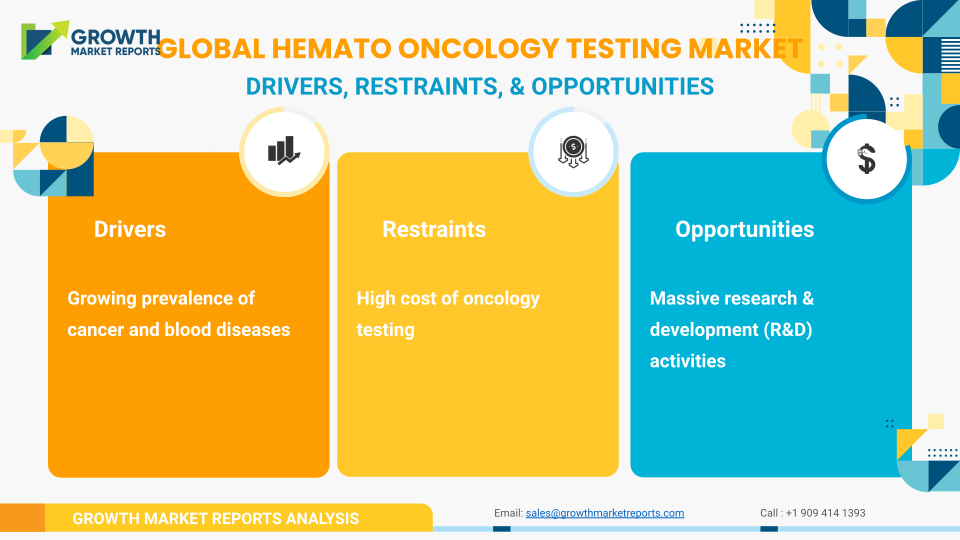
The primary growth factor for the hemato oncology testing market is the rising incidence of blood cancers such as leukemia, lymphoma, and myeloma worldwide. According to recent epidemiological data, hematological malignancies account for a substantial proportion of cancer-related morbidity and mortality, prompting a heightened need for early and accurate diagnostic tools. The increasing awareness among clinicians and patients regarding the benefits of molecular and genetic testing has further fueled market growth. Additionally, the integration of personalized medicine approaches, where targeted therapies are selected based on individual genetic profiles, has increased the adoption of advanced hemato oncology tests in both developed and emerging economies.
Another critical driver is the continuous technological innovation in diagnostic platforms, particularly in next-generation sequencing (NGS), polymerase chain reaction (PCR), and flow cytometry. These technologies have revolutionized the detection, classification, and monitoring of hematological malignancies by providing high sensitivity, specificity, and throughput. The growing investment in research and development by key industry players and academic institutions has led to the introduction of novel assays and automated instruments, further enhancing the efficiency and accuracy of hemato oncology testing. Such advancements not only improve patient outcomes but also streamline laboratory workflows, making these solutions attractive to healthcare providers globally.
Moreover, supportive government initiatives and favorable reimbursement policies in several regions have played a pivotal role in the expansion of the hemato oncology testing market. Regulatory agencies are increasingly approving innovative diagnostic products, while public and private funding bodies continue to invest in cancer research and early detection programs. This concerted effort has accelerated the adoption of hemato oncology testing, particularly in countries with high cancer burden and established healthcare infrastructure. The market is also witnessing growing collaboration between diagnostic companies, pharmaceutical firms, and research organizations to develop integrated solutions for comprehensive cancer care.
Leukemia Diagnostics play a crucial role in the hemato oncology testing market, particularly given the rising incidence of leukemia worldwide. The development of advanced diagnostic tools has significantly enhanced the ability to detect and classify various leukemia subtypes, allowing for more personalized treatment strategies. These diagnostics are essential for identifying genetic mutations and chromosomal abnormalities, which are critical for determining the most effective therapeutic approaches. As the understanding of leukemia's molecular underpinnings grows, the demand for precise and rapid diagnostics is expected to increase, further driving market growth.
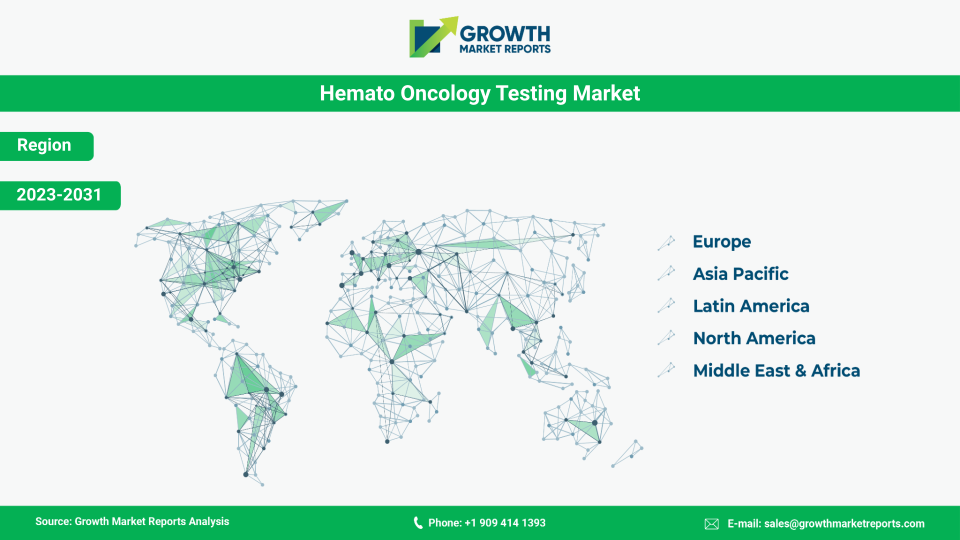
Regionally, North America remains at the forefront of the hemato oncology testing market, owing to its advanced healthcare system, high prevalence of hematological cancers, and strong presence of leading diagnostic manufacturers. Europe follows closely, benefiting from significant research funding and a proactive approach to cancer screening and management. The Asia Pacific region is emerging as a lucrative market, driven by rising healthcare expenditure, increasing awareness, and improving access to diagnostic technologies. Latin America and the Middle East & Africa, while still developing, are expected to witness steady growth due to ongoing healthcare infrastructure improvements and rising cancer incidence.
The product type segment of the hemato oncology testing market is categorized into assay kits, instruments, and services, each playing a vital role in the diagnostic continuum. Assay kits represent the largest revenue share, attributed to their widespread use in routine diagnostic laboratories and hospitals for detecting a broad spectrum of hematologic malignancies. The ease of use, high sensitivity, and specificity of these kits make them indispensable in both initial diagnosis and disease monitoring. The continuous introduction of multiplexed and automated assay kits, capable of detecting multiple biomarkers simultaneously, has further propelled their adoption in clinical practice, ensuring rapid and accurate results.
Instruments, including advanced platforms for PCR, NGS, flow cytometry, and immunohistochemistry, constitute a significant portion of the market. The demand for sophisticated instruments is driven by the need for high-throughput, reliable, and reproducible testing solutions in both centralized and decentralized laboratory settings. Technological advancements in automation, miniaturization, and data analytics have transformed these instruments into powerful tools for comprehensive genomic and proteomic profiling. As laboratories increasingly seek to upgrade their infrastructure to accommodate complex testing requirements, the market for hemato oncology testing instruments is expected to witness sustained growth throughout the forecast period.
The services segment, encompassing diagnostic, consulting, and data interpretation services, is experiencing rapid expansion, especially with the growing trend toward outsourcing specialized testing. Many healthcare providers and laboratories, particularly in resource-limited settings, are opting for third-party service providers to access advanced diagnostic capabilities without the need for significant capital investment. This segment benefits from the expertise of specialized personnel, robust quality assurance protocols, and the ability to handle large sample volumes efficiently. As the demand for personalized medicine and comprehensive genomic profiling increases, the services segment is poised to become an essential component of the hemato oncology testing landscape.
Integration of digital platforms and cloud-based solutions has further enhanced the value proposition of hemato oncology testing products and services. Digital pathology, electronic health records, and cloud-based data management systems facilitate seamless sharing and analysis of diagnostic information, enabling multidisciplinary collaboration and improving patient outcomes. The adoption of these digital solutions is particularly prominent in developed regions, where interoperability and data security are critical considerations. As the market evolves, the synergy between traditional diagnostic products and innovative digital services will continue to drive growth and differentiation in the product type segment.
| Attributes | Details |
| Report Title | Hemato Oncology Testing Market Research Report 2033 |
| By Product Type | Assay Kits, Instruments, Services |
| By Technology | PCR, NGS, Immunohistochemistry, Flow Cytometry, FISH, Others |
| By Cancer Type | Leukemia, Lymphoma, Myeloma, Others |
| By End-User | Hospitals, Diagnostic Laboratories, Academic & Research Institutes, Others |
| Regions Covered | North America, Europe, APAC, Latin America, MEA |
| Base Year | 2024 |
| Historic Data | 2018-2023 |
| Forecast Period | 2025-2033 |
| Number of Pages | 268 |
| Number of Tables & Figures | 315 |
| Customization Available | Yes, the report can be customized as per your need. |
The technology segment in the hemato oncology testing market encompasses PCR, NGS, immunohistochemistry, flow cytometry, FISH, and other advanced methodologies. PCR remains a cornerstone technology due to its high sensitivity, specificity, and rapid turnaround time. It is extensively used for detecting genetic mutations, chromosomal translocations, and minimal residual disease in various hematologic malignancies. The advent of real-time and digital PCR has further improved the accuracy and quantification of rare genetic events, making PCR an indispensable tool in both diagnostic and research settings. The ongoing development of multiplex PCR assays has also expanded its utility in simultaneous detection of multiple targets, streamlining laboratory workflows and reducing costs.
Next-generation sequencing (NGS) is rapidly gaining traction as the preferred technology for comprehensive genomic profiling in hemato oncology. Its ability to analyze large panels of genes, detect rare variants, and provide deep insights into tumor heterogeneity has revolutionized the diagnosis and management of blood cancers. NGS-based assays are increasingly being integrated into clinical practice for risk stratification, therapy selection, and monitoring of treatment response. The decreasing cost of sequencing, coupled with improvements in bioinformatics and data interpretation, has made NGS accessible to a broader range of laboratories. As precision medicine continues to advance, the demand for NGS-based hemato oncology testing is expected to surge.
Immunohistochemistry (IHC) and flow cytometry are essential technologies for phenotypic characterization and classification of hematologic malignancies. IHC enables the detection of specific protein markers in tissue samples, aiding in the differentiation of cancer subtypes and guiding therapeutic decisions. Flow cytometry, on the other hand, allows for rapid multiparametric analysis of cells in suspension, providing valuable information on cell surface and intracellular markers. Both technologies are widely used in clinical laboratories and have benefited from automation, enhanced sensitivity, and expanded reagent portfolios. Their complementary roles in diagnosis and disease monitoring ensure their continued relevance in the hemato oncology testing market.
Fluorescence in situ hybridization (FISH) and other advanced molecular techniques, such as microarray and digital droplet PCR, offer additional layers of diagnostic precision. FISH is particularly valuable for detecting chromosomal abnormalities and gene rearrangements that are critical for prognosis and treatment planning. The integration of these technologies into routine diagnostic workflows has improved the accuracy and specificity of hemato oncology testing, enabling personalized and targeted therapeutic approaches. As the field continues to evolve, the convergence of multiple technologies and the development of hybrid platforms are expected to drive innovation and expand the capabilities of hemato oncology diagnostics.
The cancer type segment of the hemato oncology testing market is primarily divided into leukemia, lymphoma, myeloma, and other hematologic malignancies. Leukemia constitutes the largest share, driven by its high incidence and the critical need for early and accurate diagnosis. Advances in molecular diagnostics have significantly improved the detection and classification of various leukemia subtypes, enabling personalized treatment strategies and better patient outcomes. The availability of targeted therapies and the need for minimal residual disease monitoring have further increased the demand for sophisticated hemato oncology testing solutions in leukemia management.
Lymphoma, encompassing both Hodgkin and non-Hodgkin variants, represents another major segment with substantial diagnostic and therapeutic challenges. The heterogeneity of lymphoma subtypes necessitates comprehensive diagnostic approaches, including immunophenotyping, genetic profiling, and molecular testing. The growing use of NGS and flow cytometry in lymphoma diagnosis has enhanced the accuracy of subtype classification and risk stratification. As new biomarkers and therapeutic targets are identified, the demand for advanced hemato oncology testing in lymphoma is expected to rise, supporting the development of more effective and individualized treatment regimens.
Myeloma, particularly multiple myeloma, is characterized by complex genetic and molecular abnormalities that require specialized diagnostic approaches. The use of cytogenetic analysis, FISH, and NGS has become standard practice in the diagnosis and monitoring of myeloma, enabling the identification of prognostic markers and therapeutic targets. The increasing prevalence of myeloma, coupled with the introduction of novel therapies, has driven the adoption of advanced hemato oncology testing in this segment. Ongoing research into the molecular mechanisms of myeloma is expected to yield new diagnostic tools and expand the market further.
Other hematologic malignancies, including myelodysplastic syndromes, myeloproliferative neoplasms, and rare lymphoid and myeloid cancers, also contribute to the growth of the hemato oncology testing market. The complexity and rarity of these conditions necessitate highly specialized diagnostic approaches, often involving a combination of molecular, cytogenetic, and immunophenotypic techniques. The increasing availability of comprehensive testing panels and the integration of artificial intelligence in data analysis have improved diagnostic accuracy and facilitated earlier intervention. As awareness and detection rates improve, the demand for hemato oncology testing in these less common cancer types is expected to increase.
The end-user segment of the hemato oncology testing market is categorized into hospitals, diagnostic laboratories, academic and research institutes, and others. Hospitals represent the largest end-user segment, owing to their central role in cancer diagnosis, treatment, and patient management. The integration of advanced diagnostic platforms within hospital laboratories has facilitated rapid and accurate testing, enabling timely initiation of targeted therapies. The growing trend toward multidisciplinary cancer care, where diagnostic, therapeutic, and supportive services are coordinated, has further increased the demand for comprehensive hemato oncology testing solutions in hospital settings.
Diagnostic laboratories, both independent and hospital-affiliated, play a crucial role in the hemato oncology testing ecosystem. These laboratories are equipped with state-of-the-art technologies and specialized personnel, enabling them to perform a wide range of molecular, cytogenetic, and immunophenotypic tests. The increasing trend toward laboratory consolidation and centralization has led to the establishment of high-throughput reference laboratories capable of handling large sample volumes and offering advanced testing services. Outsourcing of specialized tests to these laboratories is common, particularly in regions with limited access to advanced diagnostic infrastructure.
Academic and research institutes are at the forefront of innovation in hemato oncology testing, driving the development of new biomarkers, assays, and diagnostic platforms. These institutions often collaborate with industry partners to translate research findings into clinically relevant diagnostic solutions. The availability of research funding, access to large patient cohorts, and expertise in genomics and bioinformatics have positioned academic and research institutes as key contributors to the advancement of hemato oncology diagnostics. Their role in early-stage research, clinical trials, and validation studies is essential for the continuous evolution of the market.
Other end-users, including specialty clinics, blood banks, and government health agencies, also contribute to the demand for hemato oncology testing. Specialty clinics focused on hematologic malignancies often require rapid and accurate diagnostic solutions to support patient care and clinical decision-making. Blood banks utilize hemato oncology testing for donor screening and disease surveillance, while government health agencies implement screening programs and public health initiatives. The diverse range of end-users underscores the broad applicability and growing importance of hemato oncology testing across the healthcare continuum.
The hemato oncology testing market presents significant opportunities for growth, particularly through the integration of artificial intelligence (AI) and machine learning (ML) technologies. AI-driven data analytics can enhance the interpretation of complex genomic and proteomic data, enabling more accurate and timely diagnosis of hematologic malignancies. The development of predictive algorithms for risk stratification and treatment response monitoring holds the potential to revolutionize personalized medicine in hemato oncology. Furthermore, the increasing adoption of point-of-care testing and portable diagnostic devices offers opportunities to expand market reach into remote and underserved regions, improving access to life-saving diagnostic services.
Another major opportunity lies in the expansion of companion diagnostics and targeted therapy development. As pharmaceutical companies continue to develop novel targeted therapies for hematologic malignancies, there is a growing need for companion diagnostic tests that can identify eligible patients and monitor therapeutic efficacy. The collaboration between diagnostic manufacturers and pharmaceutical firms is expected to drive the co-development of integrated solutions, accelerating the adoption of precision medicine in hemato oncology. Additionally, the rising demand for non-invasive liquid biopsy tests, which enable real-time monitoring of disease progression and treatment response, presents a lucrative growth avenue for market players.
Despite these opportunities, the hemato oncology testing market faces certain restraining factors, including high costs associated with advanced diagnostic technologies and limited access in low-resource settings. The complexity of regulatory approval processes and the need for extensive clinical validation can delay the introduction of new products to the market. Additionally, the shortage of skilled personnel and the challenges associated with data management and interpretation pose significant hurdles, particularly in developing regions. Addressing these challenges through investment in training, infrastructure development, and regulatory harmonization will be crucial for sustaining long-term market growth.
North America dominates the global hemato oncology testing market, accounting for approximately USD 2.1 billion in 2024, driven by a high prevalence of hematologic malignancies, advanced healthcare infrastructure, and significant investment in research and development. The United States is the primary contributor, with extensive adoption of cutting-edge diagnostic technologies and strong support from government and private payers. The regionÂ’s focus on early cancer detection, personalized medicine, and integrated care models has further accelerated market growth. Canada also contributes significantly, benefiting from a robust healthcare system and increasing awareness of hematologic cancers.
Europe represents the second-largest regional market, with a market size of USD 1.3 billion in 2024. The region benefits from comprehensive cancer screening programs, substantial research funding, and a proactive approach to cancer management. Countries such as Germany, the United Kingdom, and France are at the forefront of adopting advanced hemato oncology testing technologies, supported by favorable reimbursement policies and strong collaboration between academic institutions and industry players. The European market is expected to grow at a steady CAGR of 12.8% during the forecast period, driven by ongoing innovation and increasing demand for personalized diagnostic solutions.
The Asia Pacific region is emerging as a high-growth market, with a current market size of USD 900 million in 2024 and projected to witness the fastest CAGR of 15.1% through 2033. Rapid economic development, rising healthcare expenditure, and improving access to advanced diagnostic technologies are key growth drivers. Countries such as China, Japan, and India are investing heavily in healthcare infrastructure and cancer research, leading to increased adoption of hemato oncology testing. The regionÂ’s large and aging population, coupled with a rising incidence of hematologic malignancies, presents significant opportunities for market expansion. Latin America and the Middle East & Africa, while smaller in market size, are expected to experience steady growth as healthcare systems continue to evolve and awareness of blood cancers increases.
The hemato oncology testing market is characterized by intense competition and a dynamic landscape, with numerous global and regional players vying for market share. Leading companies are focused on innovation, strategic collaborations, and mergers and acquisitions to strengthen their product portfolios and expand their geographic presence. The market is witnessing a trend toward the development of integrated diagnostic solutions that combine multiple technologies, enabling comprehensive and efficient testing for a broad range of hematologic malignancies. Companies are also investing in digital health platforms and data analytics to enhance the value proposition of their offerings and improve clinical decision-making.
Research and development remain at the core of competitive strategy, with major players dedicating substantial resources to the discovery and validation of novel biomarkers, assay development, and automation technologies. Partnerships with academic institutions, research organizations, and pharmaceutical companies are common, facilitating the translation of cutting-edge research into clinically relevant diagnostic products. The increasing importance of companion diagnostics and personalized medicine has prompted companies to collaborate closely with drug developers, accelerating the co-development and commercialization of targeted diagnostic and therapeutic solutions.
Market leaders are also focused on expanding their reach into emerging markets, where rising healthcare expenditure and increasing awareness of hematologic malignancies present significant growth opportunities. Localization of manufacturing, distribution partnerships, and tailored product offerings are key strategies employed to address the unique needs of these markets. Additionally, companies are enhancing their customer support and training programs to ensure the effective adoption and utilization of advanced diagnostic technologies, particularly in regions with limited technical expertise.
Some of the major companies operating in the hemato oncology testing market include F. Hoffmann-La Roche Ltd., Abbott Laboratories, Thermo Fisher Scientific Inc., Bio-Rad Laboratories Inc., Illumina Inc., QIAGEN N.V., Siemens Healthineers AG, Agilent Technologies Inc., Sysmex Corporation, and Danaher Corporation. These companies offer a comprehensive range of products and services, including assay kits, instruments, and diagnostic services, catering to the diverse needs of healthcare providers and laboratories worldwide. Roche, for instance, is renowned for its extensive portfolio of molecular and immunohistochemical assays, while Illumina leads in NGS-based solutions. Thermo Fisher Scientific and QIAGEN are recognized for their innovation in PCR and sample preparation technologies, and Sysmex Corporation is a leader in hematology analyzers and flow cytometry platforms.
In summary, the hemato oncology testing market is poised for substantial growth, driven by technological advancements, increasing cancer prevalence, and a strong focus on personalized medicine. The competitive landscape is marked by continuous innovation, strategic partnerships, and a commitment to improving patient outcomes through advanced diagnostic solutions. As the market evolves, companies that prioritize research, collaboration, and customer-centric strategies will be best positioned to capitalize on the expanding opportunities in hemato oncology diagnostics.
The Hemato Oncology Testing market has been segmented on the basis of
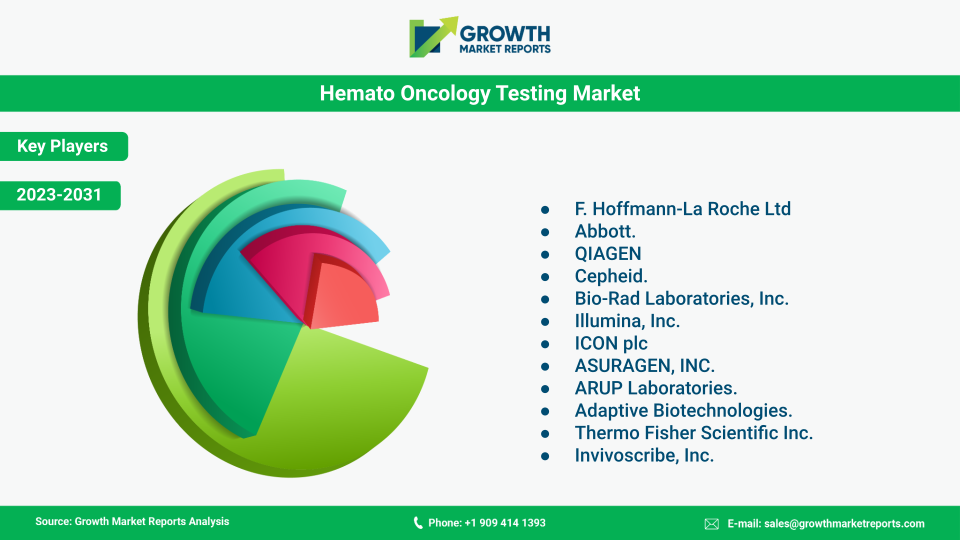
Key players competing in the global hemato oncology testing market are F. Hoffmann-La Roche Ltd; Abbott.; QIAGEN; Cepheid.; Bio-Rad Laboratories, Inc.; Illumina, Inc.; ICON plc; ASURAGEN, INC.; ARUP Laboratories.; Adaptive Biotechnologies.; Thermo Fisher Scientific Inc.; and Invivoscribe, Inc.
These companies adopted development strategies including mergers, acquisitions, partnerships, collaboration, product launches, and production expansion to expand their consumer base worldwide.
In August 2022, Thermo Fisher Scientific launched CE-IVD (IVDD) next-generation sequencing (NGS) test and analysis software to expand access to precision oncology biomarker testing. NGS is becoming the platform choice for tumor molecular profiling, due to its ability to simultaneously report on multiple biomarkers.
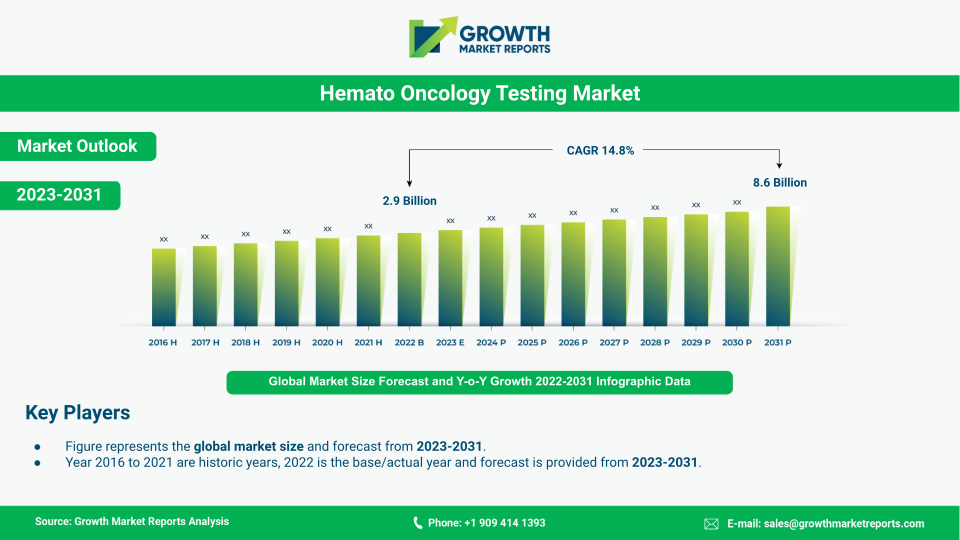
The global hemato oncology testing market size was valued at around USD 2.9 billion in 2022 and is likely to reach USD 8.6 billion by 2031.
The global hemato oncology testing market is estimated to register a compound annual growth rate (CAGR) of around 14.8% during the forecast period.
For region analysis, North America dominates the global hemato oncology testing market during the forecast period.
Some of the key global hemato oncology testing market players are F. Hoffmann-La Roche Ltd; Abbott.; QIAGEN; Cepheid.; Bio-Rad Laboratories, Inc.; Illumina, Inc.; ICON plc; ASURAGEN, INC.; ARUP Laboratories.; Adaptive Biotechnologies.; Thermo Fisher Scientific Inc.; and Invivoscribe, Inc.